The single most overlooked variable in Blue Stone for Sale purchasing decisions isn’t the stone itself — it’s the freight geometry that quietly doubles your delivered cost when material travels from distant quarries to job site. You’ll find that the natural cleft finish everyone photographs is only half the specification conversation; thickness tolerance, thermal-cleft variation, and pallet density drive both performance and price in ways most buyers discover only after the first delivery arrives. Understanding how sandstone-family bluestone actually behaves under load, moisture, and freeze-thaw cycling separates a 25-year patio from a 12-year replacement job. This guide walks through the technical reality behind the material so your specification holds up in the field.
What Actually Defines Bluestone as a Material
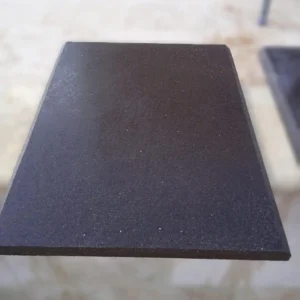
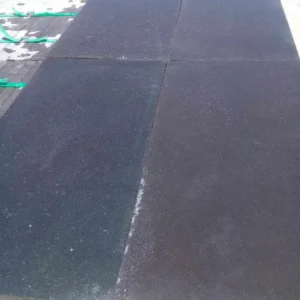
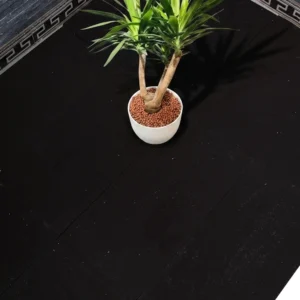
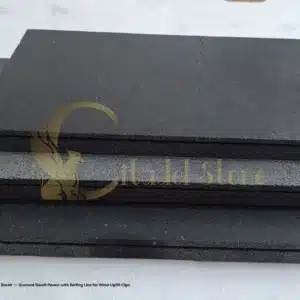
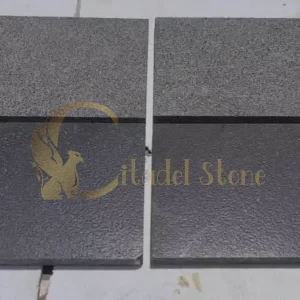
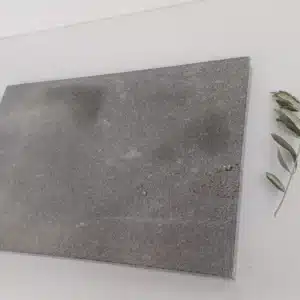
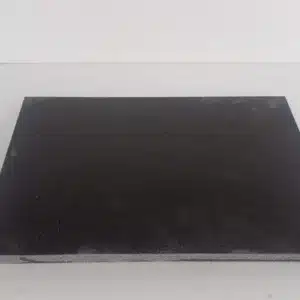
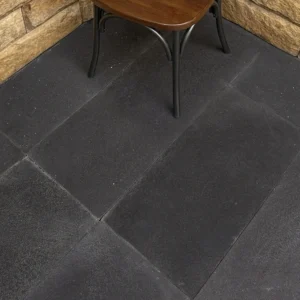
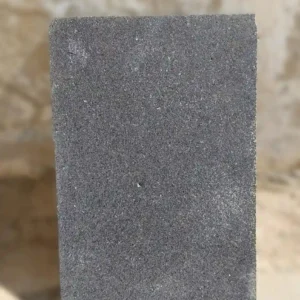
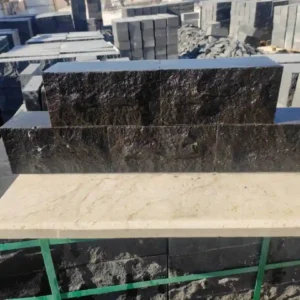
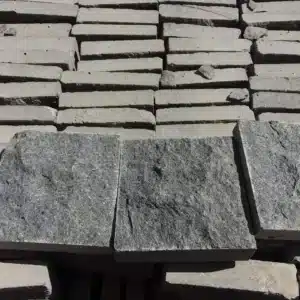
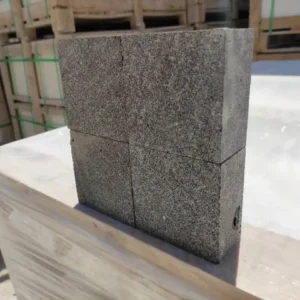
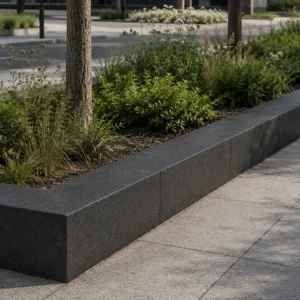
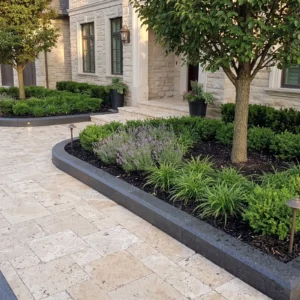
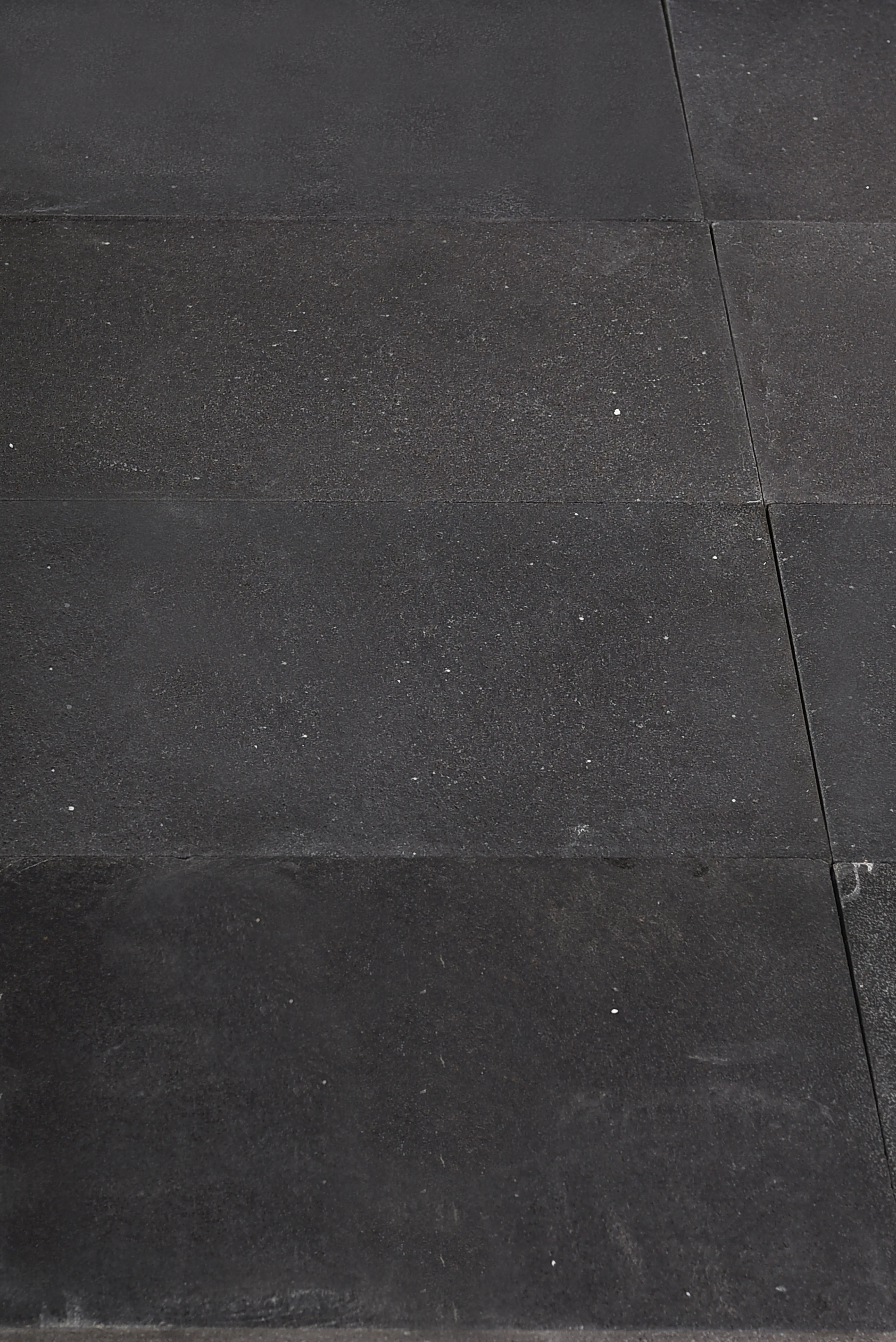
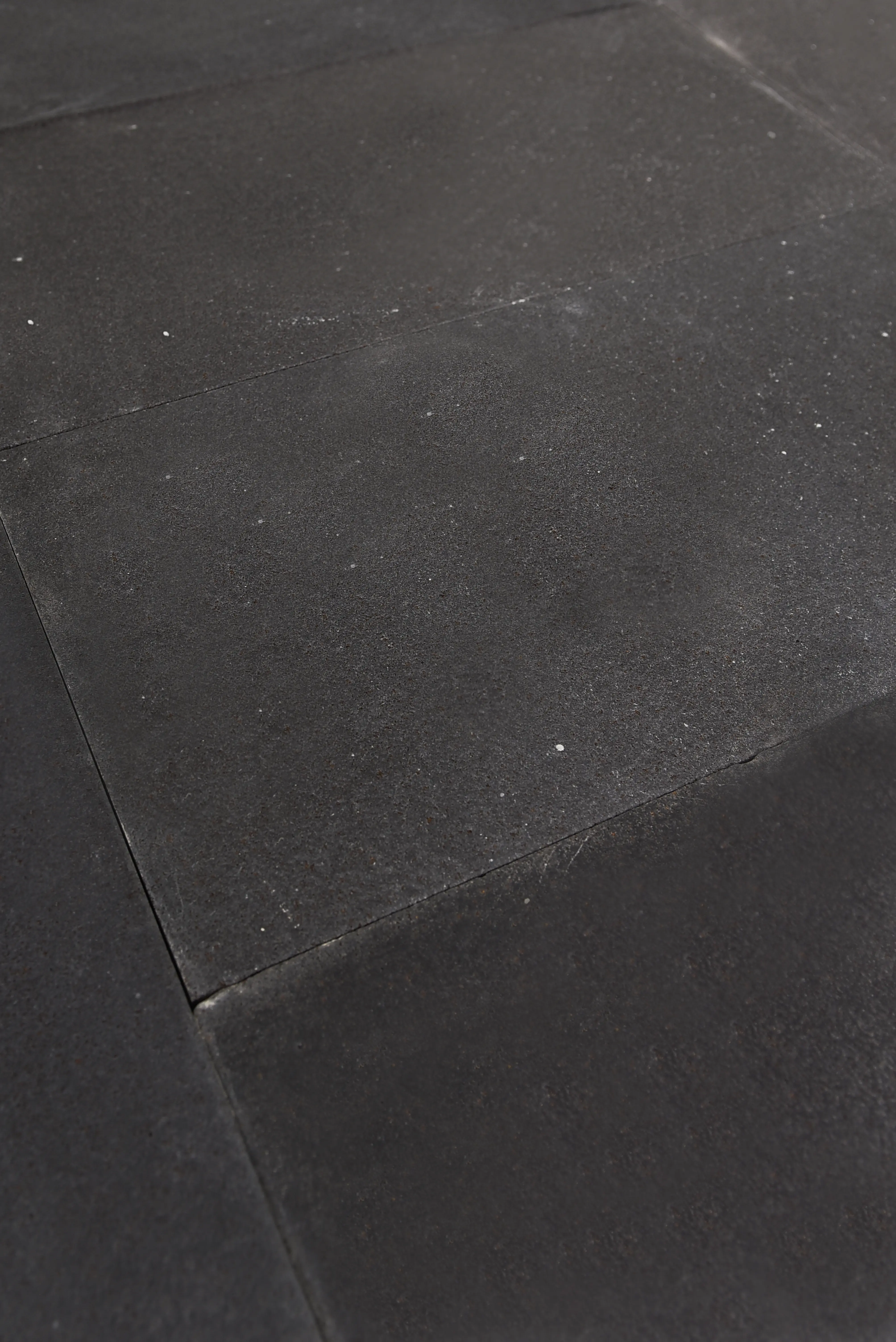
Bluestone is a feldspathic sandstone with a tight, interlocking grain structure that gives it flexural strength well above most sedimentary paving options. The blue-grey coloration comes from the mineral composition laid down during deposition, and you’ll see the shade range shift from deep charcoal to silver-grey to cream and even ivory tones within the same quarry run. That natural variation is a feature, not a defect — but it means you should never spec a single uniform shade unless you’re paying a premium for hand-selected sorting.
Field performance data shows bluestone holds up to freeze-thaw exposure better than softer limestone precisely because its low absorption rate limits internal water expansion. According to bluestone’s geological classification, the material’s dense, fine-grained matrix is what delivers the abrasion resistance that makes it a durable walkway and driveway surface. Here’s what most specifiers miss: the same density that makes it strong also makes it heavier per square foot, which is exactly why freight distance matters so much to your budget.
- Typical absorption rate stays low, limiting freeze-thaw damage in cold regions
- Flexural strength supports both pedestrian and vehicular applications when thickness is correct
- Natural color range spans charcoal, dark grey, silver, cream, and ivory within a single deposit
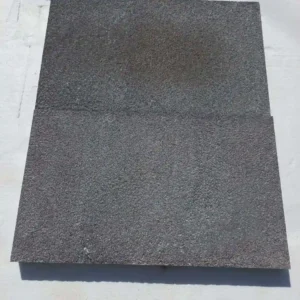
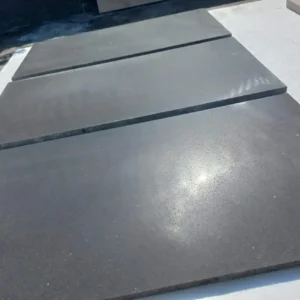
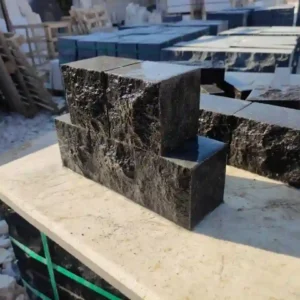
- Cleft (natural split) and thermal (flamed) finishes offer distinct slip and texture profiles
You can request sample tiles or thickness specifications from Citadel Stone before committing to a large order, which lets you verify color range and finish against your design intent. This matters most when your project spans multiple phases and you need batch consistency across deliveries of Blue Stone for Sale.
Color and Finish Selection That Holds Up Outdoors
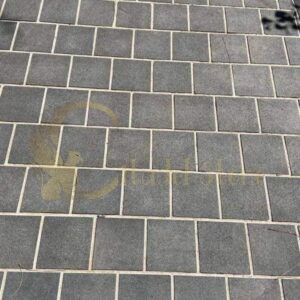
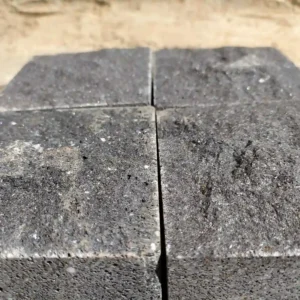
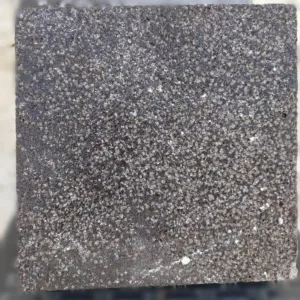
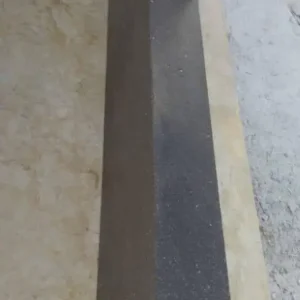
Your finish choice drives slip resistance more than any sealer you apply later. Natural cleft bluestone gives you a textured, riven surface with inherent traction — ideal for pool surrounds and sloped walkways where wet-foot safety governs. Thermal (flamed) finishes deliver a more uniform, consistently rough surface that reads cleaner architecturally while maintaining grip. Honed and polished bluestone tiles look striking indoors but become genuinely dangerous when wet outside.
The detail that matters most in color specification: bluestone’s blue-grey tone deepens when wet and lightens as it dries, so the sample you approve in a dry warehouse won’t match what you see after rain. You’ll want to wet a sample outdoors before finalizing your selection. Bluestone supplies from a single quarry lot also age more uniformly than mixed-batch orders, which is why serious projects specify lot-matched material even at slightly higher cost.
- Natural cleft: maximum traction, riven texture, best for wet and sloped areas
- Thermal/flamed: uniform grip, clean architectural read, excellent for patios and pool decks
- Honed: smooth surface, interior use or covered patios only
- Full-color range vs. select blue: select blue costs more due to hand sorting
Available in standard thicknesses and multiple surface finishes to match your project requirements, bluestone works across patio, driveway, garden, walkway, and pool deck applications. For outdoor paving durability standards, industry guidance from the Natural Stone Institute stone variety data confirms that dense sandstone paving performs reliably in high-traffic exterior settings when installed on a correctly prepared base.
Choosing Format and Thickness for Real Loads
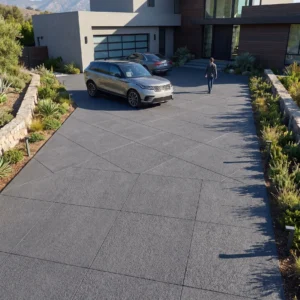
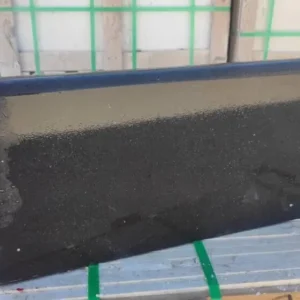
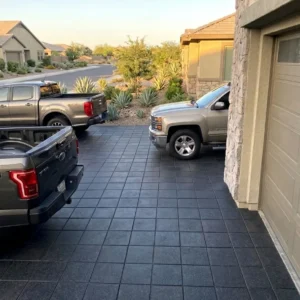
Thickness selection is where field experience beats catalog defaults every time. For pedestrian patios over a properly compacted aggregate base, one-inch nominal bluestone performs well and keeps freight weight manageable. Drop that same thickness onto a driveway, though, and you’re inviting cracking under point loads from vehicle tires and jack stands. Driveway applications need a minimum inch-and-a-half to two-inch material, and you should confirm the actual measured thickness rather than trusting the nominal callout.
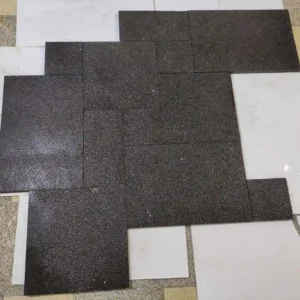
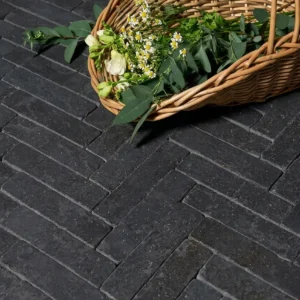
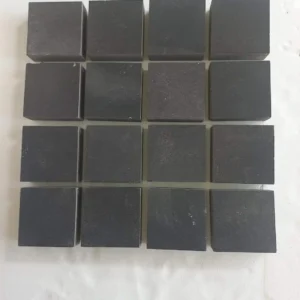
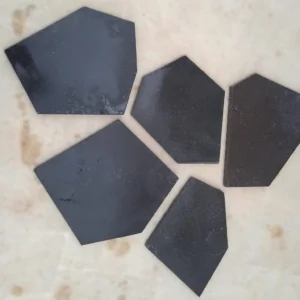
Pennsylvania Bluestone Pavers in dimensional (sawn) format give you tight, predictable joints for formal patios, while irregular flagstone shapes suit naturalistic garden paths and stepping stone layouts. Pennsylvania Bluestone Flagstone in random patterns reduces cutting waste but demands a skilled installer to dry-lay the puzzle before setting. Your labor cost swings significantly between these two approaches.
- Pedestrian patio: 1-inch nominal over compacted base
- Vehicular driveway: 1.5 to 2-inch minimum, verified thickness
- Dimensional Pennsylvania Bluestone Pavers: predictable joints, formal appearance, higher material cost
- Irregular Pennsylvania Bluestone Flagstone: less waste, more skilled labor, organic look
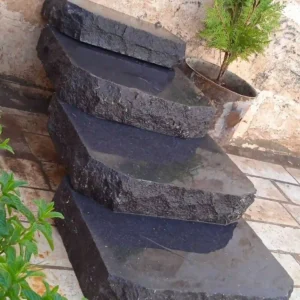
- Stepping stones: thick slabs set directly, generous overlap on bearing surface
When you’re evaluating vehicular installations, remember that the aggregate base depth matters as much as the stone thickness. In clay-heavy soils, the interaction between compacted aggregate and regional soil expansion coefficients becomes critical — you’ll want to increase base depth by several inches beyond the default to prevent seasonal heaving from telegraphing through the surface.
Base Preparation That Prevents the Common Failures
Most bluestone installations that fail early trace back to the base, not the stone. The subgrade sets the entire performance envelope — get it wrong and no amount of quality material saves you. You’ll need a properly compacted aggregate base with positive drainage away from structures, and in freeze-thaw regions that base depth becomes the difference between a stable surface and one that lifts every spring.
Base preparation standards shift with soil composition and expected traffic loads, and matching detailing across related stone elements keeps your whole project cohesive. For projects that combine paving with elevation changes, the choosing bluestone steps guide covers specification details that apply directly to similar site conditions and load transitions. Getting the subgrade compaction right at this stage prevents the most common long-term failures that show up years later.
- Compact aggregate base in lifts, never in a single dump-and-level pass
- Maintain positive slope away from foundations and structures
- Increase base depth in clay soils and freeze-thaw zones
- Use a setting bed appropriate to your installation method (sand-set vs. mortar-set)
Sand-set installations flex with minor ground movement and allow easy repair, while mortar-set bluestone over a concrete slab gives you a rigid, permanent surface that demands the slab itself be engineered for freeze-thaw. You should pick your method before you order, because it changes the thickness and format you need.
Sealing and Maintenance for Long-Term Performance
Bluestone doesn’t strictly require sealing to survive, but a penetrating sealer meaningfully reduces staining and slows efflorescence in the first years after installation. Sealing protocols for bluestone differ from standard concrete maintenance because you want a breathable penetrating product, never a topical film that traps moisture and peels. A film-forming sealer on exterior bluestone is one of the most common maintenance mistakes, and it’s expensive to strip once it fails.
You can expect 20 to 30 year service life with periodic resealing every two to three years and consistent drainage maintenance. The natural blue-grey color mellows slightly over time as the surface weathers, which most homeowners find attractive. What often gets overlooked is joint maintenance — refreshing polymeric sand or repointing mortar joints prevents water intrusion that undermines the base far more than surface wear ever does.
- Use breathable penetrating sealers, never topical film products
- Reseal every 2 to 3 years in high-exposure conditions
- Maintain joint sand or mortar to prevent water intrusion
- Clean with pH-neutral products; avoid acidic cleaners that etch the surface
Cost Factors, Freight, and Regional Market Realities
Here’s where the budget conversation gets practical: the quoted price per square foot is rarely your delivered cost. Bluestone is dense and heavy, so freight distance drives a substantial share of your total spend, especially on full-pallet and truckload orders. A quarry-direct price that looks attractive on paper can lose its advantage entirely once you add cross-country trucking to a distant job site.
Regional material availability shapes pricing more than most buyers expect. Where bluestone is quarried nearby, local material availability keeps costs down and lead times short. In regions far from any quarry, the same stone carries a freight premium and longer delivery windows. This is exactly why sourcing strategy matters as much as material selection when you’re budgeting a project.
- Delivered cost = material price + freight + pallet handling, not just per-square-foot rate
- Full-truckload orders spread freight cost across more material, lowering per-unit shipping
- Regional proximity to quarries affects both price and lead time
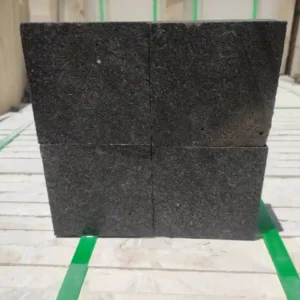
- Thicker material weighs more per square foot, raising freight on driveway-grade stone
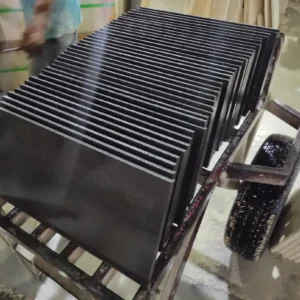
Citadel Stone maintains warehouse inventory nationwide, which typically reduces lead times to one or two weeks compared to the six to eight week import cycle many projects face when ordering direct from overseas. At Citadel Stone, we inspect each batch at the warehouse for thickness consistency and color range before it ships, because catching a variance on the receiving dock is far cheaper than discovering it on the job site. Blue stone delivery scheduling should account for truck access at your site — narrow driveways and soft ground can complicate offloading a fully loaded pallet, so confirm blue stone delivery windows early.
Wholesale Buying vs. Retail Purchasing
The difference between bluestone wholesale pricing and retail yard pricing comes down to volume and handling. When you buy full pallets or truckloads, you access wholesale tiers that a single-pallet retail purchase never reaches. If you’re supplying a large landscape project, sourcing bluestone wholesale from a national inventory can shave meaningful dollars off your material budget while guaranteeing lot consistency.
Buying from a blue stone yard that stocks material locally lets you inspect before purchase, but selection is limited to whatever that yard happens to carry. A national supplier gives you broader format and finish options with the trade-off of ordering from photos and samples rather than a physical pile. You can request samples first to bridge that gap, and for projects requiring custom cuts or non-standard formats, Citadel Stone’s team can advise on lead times before you commit. A well-stocked blue stone yard remains useful when hands-on inspection is essential.
- Wholesale tiers unlock on full-pallet and truckload volumes
- Local yards offer inspection but limited stock; national suppliers offer range
- Trade and contractor accounts access volume pricing on blue stone rock for sale
- Sample requests bridge the gap when buying from a national warehouse
According to USGS dimension stone classification data, sandstone-family paving stone remains a significant segment of domestic dimension stone production, which supports steady availability and competitive pricing across the market. That production stability is why you can plan multi-phase projects with confidence in continued supply, and it also underpins consistent access to blue stone rock for sale at competitive tiers.
Natural Bluestone vs. Manufactured Alternatives
You’ll encounter manufactured bluestone and concrete look-alikes marketed as budget substitutes, and they have a place — but understand the trade-offs before you specify them. Manufactured bluestone offers dimensional consistency and lower upfront cost, yet it lacks the natural cleft variation, long-term color stability, and genuine freeze-thaw performance of quarried stone. Over a 25-year horizon, natural stone frequently wins on total cost of ownership because it doesn’t fade, spall, or need replacement on the same cycle.
Bluestone manufacturing and blue stone fabrication in the natural material category means precision sawing, calibrating thickness, and finishing quarried blocks into pavers and tiles. That’s a different process entirely from casting concrete to mimic the look, and true bluestone manufacturing preserves the stone’s inherent structure. When your specification calls for authentic stone performance, insist on natural quarried bluestone and verify the source. Bluestone supplies vary widely in quality, so batch inspection matters.
- Manufactured bluestone: consistent size, lower cost, limited lifespan and authenticity
- Natural bluestone: color stability, true freeze-thaw resistance, higher resale appeal
- Blue stone fabrication (natural): precision sawing and calibrated thickness from quarried blocks
- Total cost of ownership often favors natural stone over the long term
Getting Your Bluestone Specification Right
The projects that succeed treat material selection, base preparation, and sourcing logistics as one connected decision rather than three separate ones. You’ll get the best outcome when your thickness matches your load, your finish matches your slip requirements, and your sourcing strategy accounts for freight distance from the start. Verify measured thickness, wet-test your color samples, and confirm truck access for delivery before the order ships.
As you plan the broader hardscape, related paving materials can inform your material decisions and help you build a cohesive design. For a closer look at another versatile natural paving option that complements bluestone in patios and walkways, natural flagstone paving options explores specification and format choices worth reviewing alongside your bluestone plan. Architects and builders choose Citadel Stone Blue Stone for Sale, sourced from quarries across the Mediterranean and Middle East, for outdoor installations.
Order Blue Stone for Sale Wholesale from Citadel Stone — Nationwide Delivery
Citadel Stone stocks Blue Stone for Sale in standard formats including dimensional Pennsylvania Bluestone Pavers, irregular Pennsylvania Bluestone Flagstone, and calibrated tiles across natural cleft and thermal finishes. You can order bluestone in one-inch pedestrian grade through two-inch driveway grade, with color ranging from charcoal and dark grey to silver, cream, and ivory tones. To buy at wholesale tiers, request a quote for full-pallet or truckload volumes and our team will confirm current pricing and lot availability. You can request samples or detailed thickness specifications before committing, and trade accounts unlock volume pricing on cheap, affordable bluestone supplies for contractors and landscape professionals. Lead times typically run one to two weeks from regional warehouse inventory, with nationwide delivery coordinated to your site access constraints. Contact Citadel Stone for a project consultation, custom cut guidance, or to schedule your blue stone delivery today.
See also: thermal bluestone price guide.
Related guides: Thermal Bluestone Climate Performance Around Pools & Patios · natural bluestone problems fixes · how to choose bluestone grade.