

What Drives Thermal Bluestone Price
The thermal bluestone price guide most buyers encounter online tells only part of the story — it gives you a range but rarely explains what pushes a quote toward the high end or lets you negotiate closer to the low end. Thermal finish processing alone adds $2–$5 per square foot over natural cleft, a cost that compounds fast once you’re quoting 500 square feet or more. Understanding the variables behind the thermal bluestone price is what separates specifiers who budget accurately from those who get blindsided mid-project.
Three factors consistently move the needle more than any other: source quarry, finish specification, and slab thickness tolerance. Buyers who treat all thermal bluestone as interchangeable typically absorb the cost difference in callbacks and material waste. The detail that matters most at the quoting stage is confirming which of those three variables your supplier has locked in — and which ones remain open.
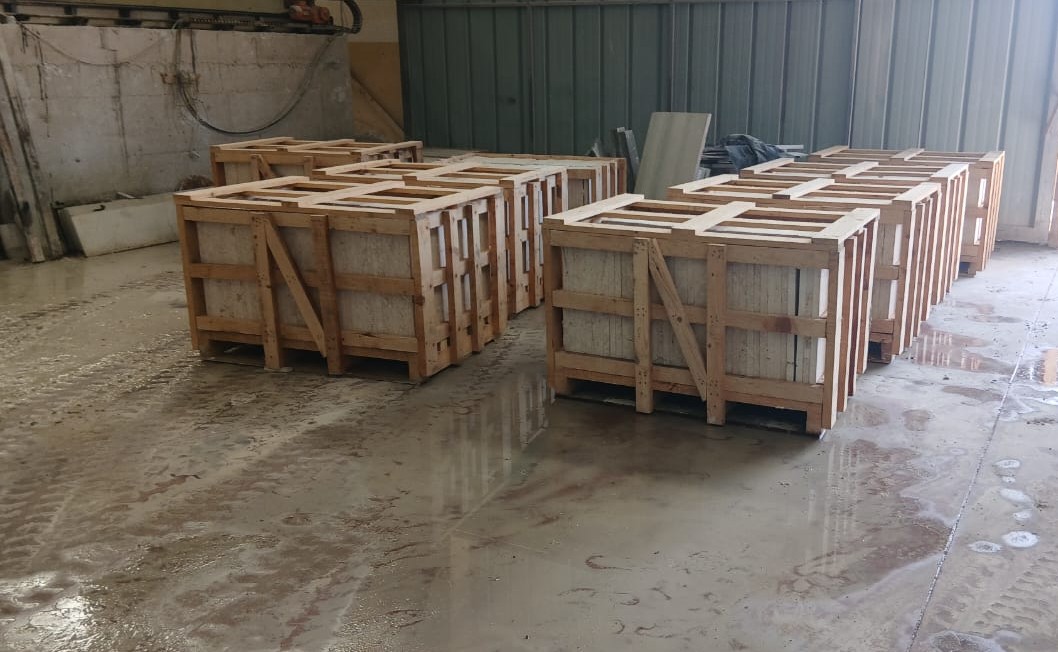
Thickness and Finish Specification
Your thickness specification is the single variable most likely to cause a price mismatch between suppliers. Gauged thermal bluestone — milled to a consistent nominal thickness, typically 1.25″ or 1.5″ — carries a $1.50–$3.00 per square foot premium over natural cleft material in the same finish. That premium reflects the additional processing time, tooling wear, and waste generated during calibration. For installers, the payoff is tighter lippage control and a predictable mortar bed depth.
Natural cleft thermal bluestone varies in thickness across the same pallet — often by as much as 3/8″ — which demands more skill at the installation stage but can undercut the gauged price meaningfully. On large commercial projects, that savings compounds. The Natural Stone Institute paving variety standards distinguish clearly between these two categories because their structural performance characteristics diverge under load cycling. Make sure your quote specifies which category you’re pricing.
- Gauged thermal bluestone: consistent thickness within ±1/16″, better for mortar-set applications with leveling requirements
- Natural cleft thermal bluestone: variable thickness, lower unit cost, requires more experienced installation labor
- Thermal finish applied to gauged stock adds the most cost but delivers the most predictable installation outcome
- Thickness tolerance affects not just price but long-term freeze-thaw performance in regions with repeated wet-dry cycling
Quarry Source and Material Grade
Not all thermal bluestone originates from the same geology, and that distinction matters more than most buyers realize. Domestic quarries in the northeastern United States produce the dense sandstone-family material most North American specifiers recognize as true bluestone — a tight, low-absorption stone with compressive strength typically above 12,000 PSI. Australian bluestone (actually a fine-grained basalt) and imported alternatives labeled “bluestone” may carry similar pricing but behave very differently under UV exposure and surface wear. According to USGS dimension stone production data, domestic dimension stone accounts for a significant share of commercial paving supply — but import substitution has created labeling ambiguity that experienced buyers learn to check carefully.
Grade classification also drives price variation independent of finish. Commercial grade material includes more color variation, iron staining, and minor structural irregularities than select or first-quality stock. The thermal bluestone price gap between commercial and select grades can reach $3–$6 per square foot — a spread wide enough to create apparent contradictions when you’re comparing quotes from different suppliers. Always confirm the grade alongside the finish and thickness.
- Select grade: tightest color consistency, fewest iron inclusions, highest unit cost
- Commercial grade: broader color range, more character variation, lower price point suitable for rustic applications
- Imported alternatives may be priced competitively but require independent verification of absorption and compressive ratings
- Ask suppliers to reference ASTM C616 sandstone standards or equivalent for any imported thermal bluestone product
Thermal Bluestone Price Ranges by Application
For pool deck and patio applications, thermal bluestone price typically falls in the $8–$18 per square foot range for material only, before installation. That range reflects the full spectrum from commercial-grade 1″ natural cleft through select-grade 1.5″ gauged stock. Pool coping cuts — bullnose or drop-face profiles — add $15–$30 per linear foot of fabrication on top of the field stone price, a cost often omitted from initial quotes. Stepping stone formats in 2″ nominal thickness sit at the higher end of the material range because the added thickness increases quarry yield loss per piece.
Driveway applications using thermal bluestone pavers in the 2″ nominal range run $14–$22 per square foot for material, driven by the structural thickness requirement and the heavier truck freight cost per pallet. Your freight calculation should account for the fact that thicker material means fewer square feet per pallet — sometimes as few as 40–50 square feet on a 2,000 lb pallet — which raises effective delivered cost compared to the price-per-square-foot figure on the invoice. Verify warehouse stock availability before confirming project timelines, since select-grade thick material in large formats can carry 4–6 week lead times from quarry to delivery.
UV Exposure, Finish Selection, and Long-Term Appearance
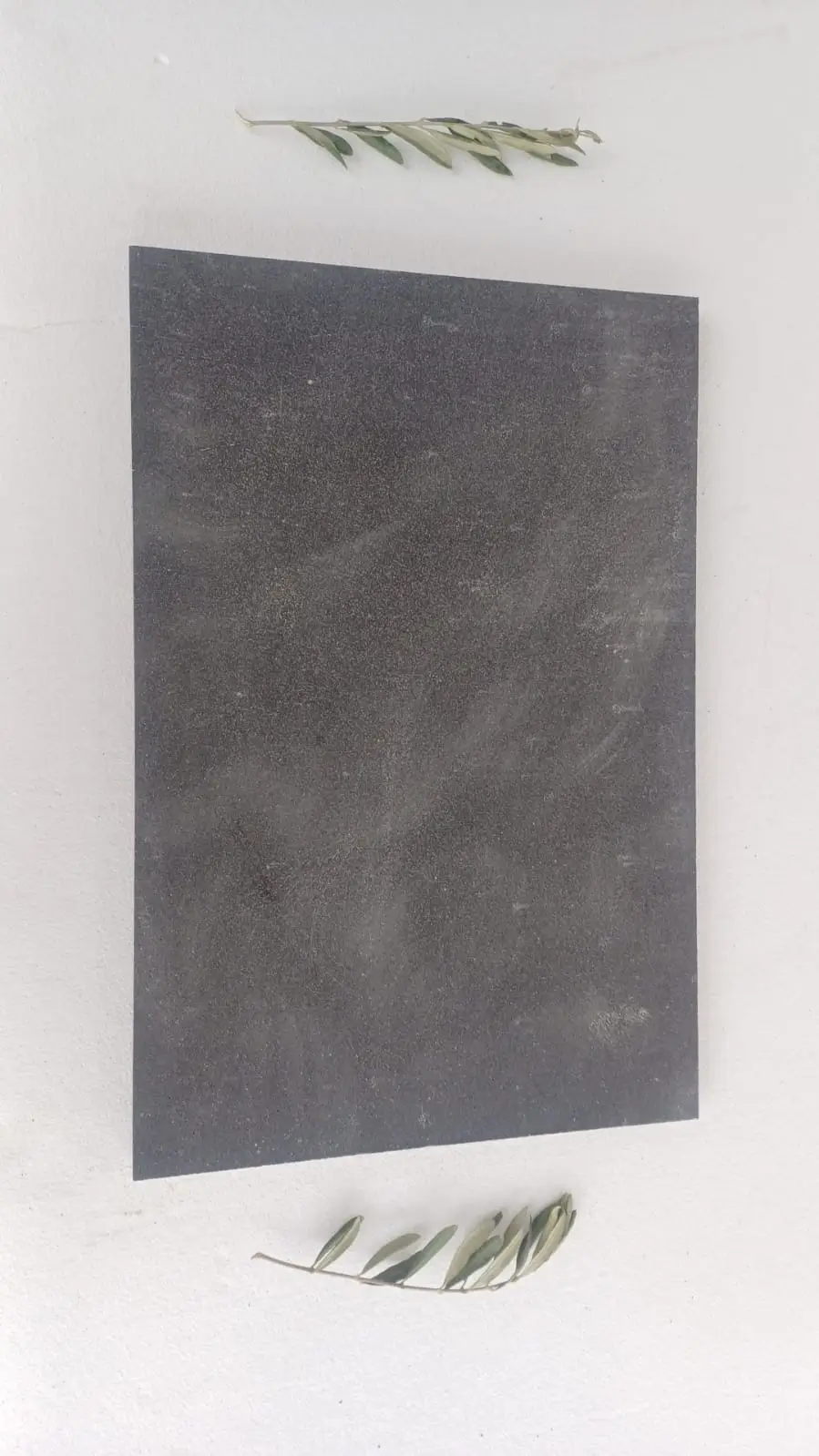
The thermal finish — achieved by flame-texturing the surface — creates the characteristic slip-resistant, matte texture that makes this material so effective in sun-exposed outdoor settings. What buyers don’t always factor into the thermal bluestone price equation is the ongoing cost of maintaining appearance under sustained UV exposure. Thermal bluestone pavers in full-sun installations undergo progressive surface oxidation of iron mineral inclusions, which shifts the stone’s color toward warmer tan and rust tones over 5–10 years. This isn’t a defect — it’s a documented characteristic of iron-bearing sandstone — but it affects your sealing schedule and finish selection decisions at the specification stage.
A penetrating silane-siloxane sealer applied at 12–18 month intervals slows UV-driven oxidation and color migration without altering the surface texture. Topical film-forming sealers are generally not recommended on thermal finish because they fill the micro-texture that provides slip resistance and tend to peel under UV stress within 2–3 seasons. The geological classification of bluestone as a dense sedimentary or fine-grained volcanic material underpins why iron content varies by quarry source — and why two pallets from different origins weather differently under the same UV load. Factor sealing into your five-year maintenance budget, not just the installation cost.
- Thermal finish maintains an open, micro-textured face (wet DCOF test report on request) but is not UV-stable without periodic sealing
- Silane-siloxane penetrating sealers are the field-proven choice for thermal finish — apply every 12–18 months in high-sun applications
- Iron-rich material from some quarry sources shows faster surface toning under UV — ask for quarry-specific weathering data before specifying for white or light color palettes
- Finish selection affects long-term price: thermal finish requires no grinding or polishing maintenance, but sealing labor is a recurring cost line
Ordering, Logistics, and Delivered Cost
Your delivered cost calculation needs to account for more variables than just the per-square-foot quote. Freight for thermal bluestone runs $180–$350 per pallet depending on distance and carrier, and pallets for 1.5″ gauged material typically cover 60–80 square feet. That means freight alone can add $2.50–$6.00 per square foot on a standard residential project — a figure that rarely appears on the initial quote. Requesting a full landed cost breakdown, including freight and any small-order surcharge for quantities under 200 square feet, gives you a more accurate budget anchor.
Lead times vary meaningfully by product specification. In-stock commercial-grade thermal bluestone in standard 12″×24″ and 24″×24″ formats typically ships within 5–10 business days from warehouse inventory. Custom sizes, select-grade material, or specialty formats like 3″×12″ stair treads may require 3–6 weeks if quarry production is needed. At Citadel Stone, we maintain warehouse inventory of the most-requested thermal bluestone formats to keep lead times predictable — typically 1–2 weeks for standard items versus the 6–8 week import cycle that affects many project timelines. Confirm warehouse availability before locking your installation schedule, especially for projects with fixed completion milestones.
- Always request a delivered cost per square foot, not just a material price — freight materially affects the budget on orders under 500 square feet
- Pallet coverage decreases as thickness increases — thicker stock means fewer square feet per truck delivery and higher effective freight cost
- Small-order surcharges of $50–$150 are common for orders under a minimum quantity threshold — bundle orders where possible
- Confirm whether your supplier’s lead time reflects warehouse stock or a quarry production order — the difference can be 4–5 weeks
Comparing Quotes Accurately
Side-by-side quote comparison only works when you’re comparing identical specifications. A quote at $9.50 per square foot and a quote at $13.00 per square foot for “thermal bluestone” may reflect the same material — or they may reflect commercial-grade natural cleft versus select-grade gauged, respectively. The per-square-foot figure means nothing without the specification string behind it: quarry origin or equivalent standard, grade classification, finish type, nominal thickness, and thickness tolerance.
You can source ASTM dimension stone testing standards to verify the absorption and compressive strength claims on any product sheet — a worthwhile step when a quote looks unusually low. At Citadel Stone, our technical team reviews product documentation against standard performance thresholds before a material enters our inventory, which is a quality step that not every supplier in the wholesale channel applies. That verification process is part of what the per-square-foot price reflects when you’re comparing a vetted domestic product against an unverified import.
- Request a full specification string with every quote: origin, grade, finish, nominal thickness, and tolerance
- Confirm whether the price is ex-warehouse or includes freight — the difference can exceed $5 per square foot
- Ask for absorption rate data (ASTM C97) — thermal bluestone should fall below 3% for most exterior applications
- Verify that quoted material meets the project’s structural load requirements, especially for driveway and vehicular applications
Thermal Bluestone Pavers and Format Selection
Format selection affects both unit price and installation cost in ways that are easy to underestimate. Large-format thermal bluestone pavers — 24″×24″ and larger — carry a higher material price per square foot due to the increased quarry yield loss and the higher reject rate during thermal finish processing on large faces. They also demand more precision during base preparation, since any base variation over 1/4″ across a 24″ span becomes visible as lippage. The installation labor premium for large format can run $2–$5 per square foot above standard 12″×12″ or 12″×24″ formats.
For stepping stone applications, 2″ thermal bluestone in irregular or cut formats delivers excellent performance and is often the most cost-effective format once you account for the reduced quantity needed compared to field paving. You’ll find that thermal bluestone from Citadel Stone is available in the formats most commonly specified for patio, pool deck, and walkway applications, with consistent availability in both gauged and natural cleft options. Format availability from warehouse stock is a practical constraint that can push specifiers toward alternate sizes — confirm what’s in stock before finalizing your layout design.
- 12″×24″ and 24″×24″ are the most consistently stocked formats — verify availability for non-standard sizes before design lock
- Large-format pavers increase both material cost per square foot and installation labor requirements
- Irregular formats (flagging) typically cost less per square foot but require more skilled labor for pattern fitting
- Stepping stone cuts in 2″ thickness offer structural performance for light vehicular and heavy pedestrian loads at a competitive price point
Before You Specify
Thermal bluestone price decisions made at the quote stage have downstream consequences that surface during installation and long-term maintenance — and the most expensive mistakes are usually the ones that looked like savings on paper. Confirm thickness specification (gauged versus natural cleft) before accepting any quote, because that single variable accounts for the largest share of price variation between suppliers quoting ostensibly the same material. Grade classification and quarry origin follow closely behind as the variables most likely to explain apparent discrepancies between competitive quotes.
Your project’s performance requirements should drive the specification, not the other way around. Pool deck and high-sun applications benefit from select-grade thermal finish with a planned sealing program — the material cost premium is offset by lower long-term maintenance expense and more consistent appearance retention under UV exposure. For complementary hardscape elements and a broader understanding of what this material family offers, what bluestone is and how it performs provides useful context before you finalize your project specifications. Start with a clear spec sheet, confirm warehouse availability, and get the delivered cost in writing before you commit to a timeline. When evaluating thermal bluestone quotes, Citadel Stone recommends confirming whether the listed price reflects gauged or natural cleft thickness before committing.