

Tread Geometry Comes Before Everything Else in a Choosing Bluestone Steps Guide
Thickness tolerances in any choosing bluestone steps guide should start at the tread, not the riser — because a tread that flexes under load will crack a riser before anything else shows visible damage. Bluestone treads for exterior stair applications typically need a minimum nominal thickness of 2 inches for spans up to 48 inches, and that number climbs to 3 inches once you push past 60-inch widths. The stone’s modulus of rupture, which typically ranges from 1,200 to 1,800 PSI for quality thermal or natural cleft bluestone, is what governs that spec — not aesthetic preference, and not what the quarry lists as “standard.”
Your tread depth should land between 12 and 14 inches for comfortable human gait. Anything shallower than 11 inches creates a heel-strike hazard that no finish treatment resolves. At Citadel Stone, we recommend confirming nosing projection — the amount the tread overhangs the riser face — at 1 to 1.5 inches, no more, because deeper projections concentrate load at the nosing edge and increase chipping risk in freeze-thaw regions.
Riser Specifications and Connection Details
Risers in natural stone stair assemblies are where most failures originate — not because the stone is weak but because the connection between riser and tread is almost always underspecified. Your riser height should maintain a consistent 7 to 7.5 inches throughout the entire stair run. Variation of even 3/8 inch between adjacent risers creates a trip-hazard condition and, in commercial applications, a code violation under most building authority interpretations of ASTM and IBC stair geometry requirements.
Bluestone riser stock typically comes in 3/4-inch or 1-inch nominal thickness. The 3/4-inch stock works for risers anchored into a continuous masonry base, but it’s marginal if the back of the riser is unsupported across its full width. One-inch risers give you a meaningful flexural reserve and reduce the chance of the panel cracking under point impacts — a dropped tool, a heavy boot heel on a cold morning. According to NSI stone steps and treads design specifications, riser panels should be mechanically anchored and bedded in setting mortar, not just set dry against the tread above.
- Riser height consistency: ±1/8 inch across entire stair run is the defensible tolerance
- Riser thickness: 1-inch minimum recommended for spans over 36 inches
- Mortar bed: full coverage, not spot-dolloped, to prevent hollow spots that crack under impact
- Mechanical anchors: stainless steel clips or pins at minimum 24-inch spacing for exposed risers
- Joint treatment: 1/8-inch tooled joint between riser and tread, filled with color-matched flexible sealant
Base Preparation: The Structural Decision Most Projects Get Wrong
Any choosing bluestone steps guide that skips base preparation detail is leaving out the chapter that determines service life. A bluestone stair assembly is only as stable as what sits beneath it, and that means reinforced concrete in any application where the steps bear live load from foot traffic. A gravel base with compacted aggregate might work under a free-standing flagstone path, but beneath a stair tread that gets 200-plus pounds concentrated at the nosing with every footfall, you need concrete.
Your concrete base should be a minimum 4-inch slab with 3,000 PSI compressive strength, reinforced with 6×6 W1.4/W1.4 welded wire mesh or #3 rebar at 16-inch centers. The bluestone tread then bonds to this base using a full-coverage latex-modified mortar bed — 3/4 inch to 1 inch wet — and the assembly should cure for 72 hours minimum before foot traffic. Skipping the mortar cure window is the most common field error; installers open the stair to traffic after 24 hours and the tread shifts under early loading, breaking the mortar bond at the back edge where it’s thinnest.
For retrofit applications where you’re capping existing concrete stairs, verify that the original concrete is structurally sound before proceeding. Delaminating concrete substrate is the fastest path to a failed tread installation — the tread bonds to the surface layer, that layer separates from the base, and the whole assembly lifts. A 10-minute sounding test with a rubber mallet tells you more about substrate condition than any visual inspection.
Understanding Bluestone Grades and Material Selection
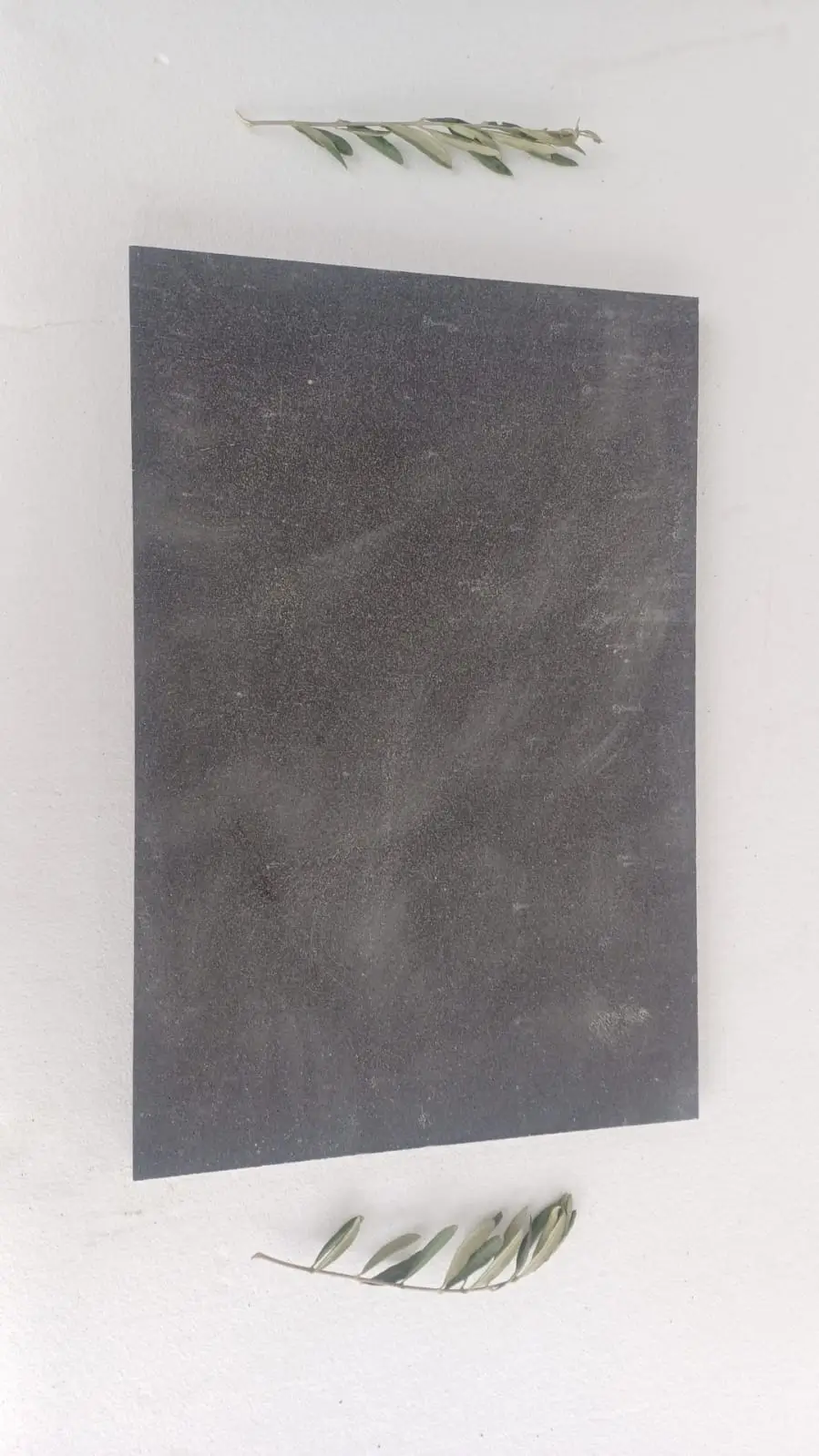
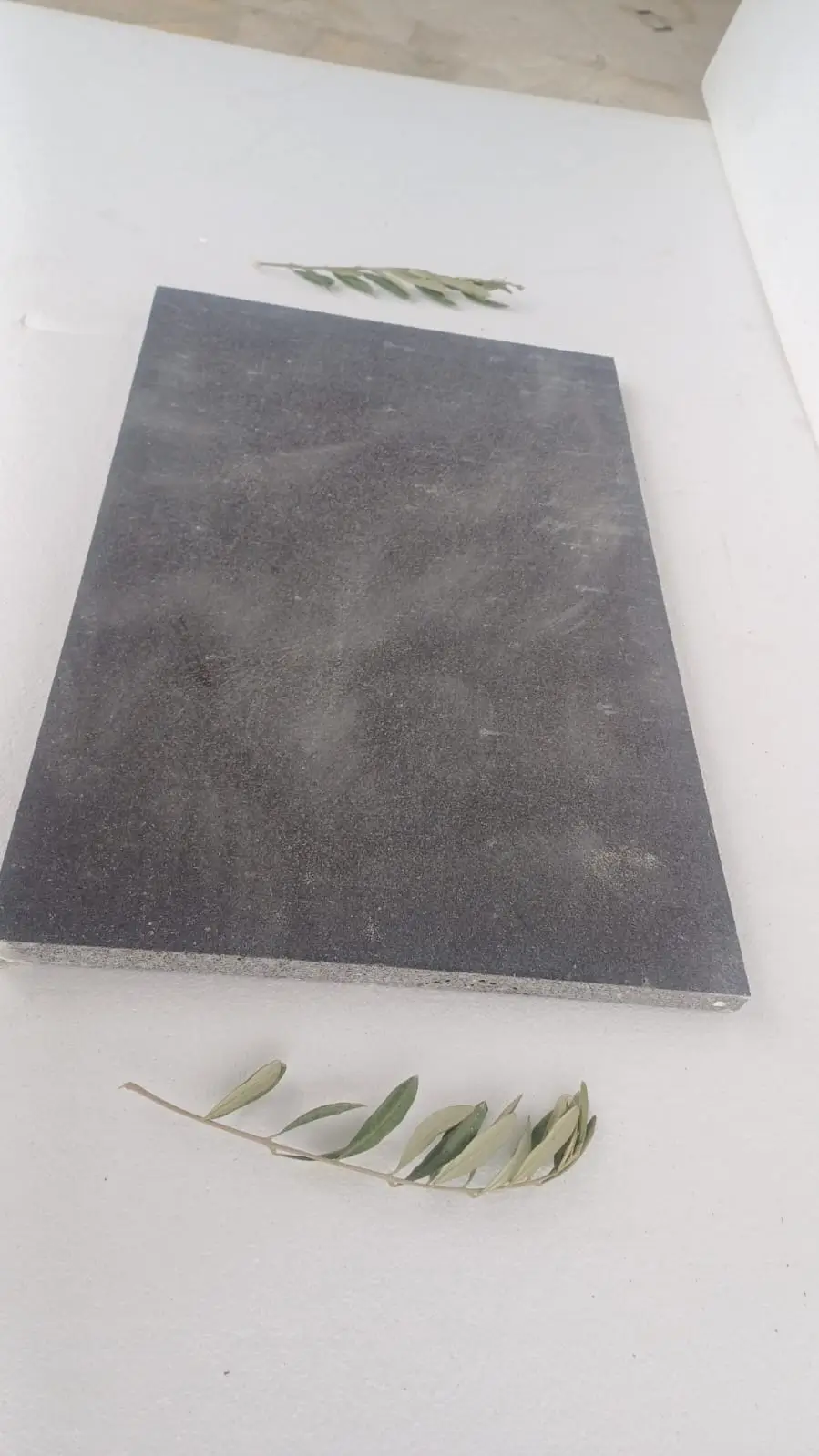
Not all bluestone is the same material category, and this point matters enormously when you’re writing a specification. The term “bluestone” covers two distinct geological products in the North American market: flagging bluestone (a fine-grained sandstone with consistent grey-blue color) and what’s often called “thermal bluestone” or “basalt bluestone” — a dense, dark volcanic stone that’s a fundamentally different material with different performance characteristics.
Flagging bluestone offers natural cleft splitting along sedimentary bedding planes, which makes it ideal for natural-finish treads. Its absorption rate typically runs 1.5 to 3.5%, which is higher than basalt but well within range for temperate climates with proper sealing maintenance. Basalt-origin bluestone exhibits absorption rates below 0.5% and compressive strengths exceeding 20,000 PSI — numbers that make it the right call for high-load commercial stairs and freeze-thaw environments. According to bluestone geological classification and properties, the term encompasses several distinct rock types that share color characteristics but differ significantly in mineralogy and structural behavior.
- Flagging bluestone: sedimentary sandstone, natural cleft available, absorption 1.5–3.5%
- Thermal basalt bluestone: volcanic origin, near-zero absorption, compressive strength 20,000+ PSI
- Imported bluestone variants: often limestone or slate marketed under the bluestone label — verify mineralogy before specifying
- Color range: true bluestone runs grey-blue to blue-grey; brown tones indicate iron-rich sandstone variants
- Thickness consistency: flagging grades have natural thickness variation; sawn calibrated stock provides uniformity for mortar-set applications
When sourcing blue stone steps for sale through Citadel Stone, verifying the material’s geological origin and absorption rate with your supplier before placing an order ensures the spec you write is the product you actually receive on site.
Cost Factors, Freight, and Budgeting Your Stair Project
The material-to-labor cost ratio in natural stone stair installation runs roughly 40:60 in most markets — meaning labor typically costs more than the stone itself. That ratio shifts when you’re sourcing from a distant warehouse or when the stone requires significant cutting on site. Understanding where the cost lives in your project allows you to make intelligent trade-offs rather than defaulting to value-engineering decisions that compromise the installation.
Freight is the variable most specifiers underestimate. Natural stone steps are dense and heavy — a single 6-foot thermal bluestone tread in 3-inch stock can weigh 180 to 200 pounds. Truck delivery rates are weight-based, and that weight adds up fast on a multi-flight stair project. Getting accurate freight quotes before finalizing the budget is not optional; it’s a fundamental budget line. Projects that treat freight as a rough estimate and adjust later frequently discover the freight cost exceeds the contingency built into the bid.
Regional material availability affects pricing in ways that aren’t always visible on a supplier’s website. Bluestone quarried domestically carries lower freight costs to nearby markets than to projects in more distant regions, where the same material may carry a 15 to 25% freight premium. Sourcing through a national supplier with established warehouse inventory can flatten some of that regional variability — Citadel Stone maintains stock across distribution points that reduce lead times to one to two weeks compared to the six to eight week import cycle that custom-cut stone often requires.
- Budget freight by weight, not by piece count — density makes bluestone shipping costs non-trivial
- Confirm warehouse stock before committing to a project schedule — backorders on cut stone delay entire stair assemblies
- Calibrated sawn stock costs more per unit but reduces on-site labor for leveling and adjustment
- Value-engineering by reducing tread thickness below 2 inches creates structural risk that outweighs any material savings
- Labor rates for natural stone stair setting are typically 25 to 35% higher than concrete stair installation — factor this into your comparative analysis
Sealing, Maintenance, and Long-Term Performance
Sealing bluestone steps is not optional in outdoor applications — it’s a maintenance specification that protects your investment and your slip-resistance characteristics simultaneously. The right sealer for bluestone steps depends on the finish: thermal and sandblasted surfaces take penetrating impregnator sealers, which consolidate into the pore structure without creating a surface film. Film-forming sealers on textured bluestone fill the micro-texture that provides friction, effectively converting your slip-resistant tread into a smooth surface under wet conditions.
Application timing matters as much as product selection. New bluestone installations should cure for 30 days minimum before the first sealer application. The curing period allows residual moisture from the mortar bed to migrate out — trapped moisture under an early sealer application creates efflorescence paths and, in cold climates, a freeze-thaw delamination risk at the sealer-stone interface. Your maintenance cycle for exterior bluestone steps should include resealing every two to three years, with an annual inspection of joint sealant condition and drainage clearance at the stair base.
- Penetrating impregnator: correct sealer type for thermal and cleft exterior treads
- Film-forming acrylic: avoid on exterior — reduces friction, traps moisture, peels under UV exposure
- First application timing: 30 days post-installation minimum
- Resealing cycle: every 24 to 36 months depending on traffic intensity and climate exposure
- Joint sealant inspection: annual, replace any cracked or separated sealant before water infiltration begins
- Efflorescence treatment: diluted white vinegar application followed by thorough rinsing resolves most calcium carbonate deposits
ADA Compliance and Safety Standards for Stone Steps
Your bluestone stair specification needs to account for ADA requirements if the application serves any public or commercial space. The key ADA stair parameters that intersect with natural stone specification are nosing profile, riser consistency, and surface friction. Curved or angled nosings are required on ADA-compliant stairs — a vertical riser face with a square nosing is non-compliant. Most bluestone tread suppliers can provide a radiused or beveled nosing profile as a fabrication option; verify this before ordering if your project requires compliance.
Surface friction requirements under ADA guidance align well with thermal and sandblasted bluestone finishes but create a specification conflict if a designer requests honed or polished treads. The practical resolution is to specify compliant finish on all treads in the ADA path of travel and use the designer’s preferred finish on non-accessible decorative stair elements. The ASTM stone compressive strength and flexural standards for steps also provide the technical basis for thickness and span specifications that underpin safe stair design — worth referencing in your project specification documents.
- ADA riser height: 4 inches minimum, 7 inches maximum for accessible routes
- ADA tread depth: 11 inches minimum
- Nosing: maximum 1.5-inch projection, angled or radiused leading edge required
- Surface friction: minimum 0.6 COF on accessible surfaces — thermal and sandblasted bluestone typically comply
- Handrail graspability: parallel specification to stone — not a stone spec issue but directly connected to stair compliance review
Moving Forward With Your Bluestone Steps Specification
Putting a well-executed bluestone stair specification together requires you to hold geometry, material grade, finish selection, base engineering, and long-term maintenance in mind simultaneously — and none of those elements is independent of the others. The tread thickness you choose affects how you detail the riser connection. The finish you select affects sealing protocol and long-term friction performance. The base preparation you specify determines whether the whole assembly performs for 25 years or starts showing movement in year five. Getting the sequence right — structure first, finish second, sealer last — is what separates installations that age gracefully from ones that generate callbacks.
Budget realism is part of specification integrity. Confirm your freight costs, verify warehouse stock lead times before committing to a construction schedule, and treat the material-to-labor ratio as a fixed reality rather than a negotiating point. This choosing bluestone steps guide covers the core technical decisions; for related cost variables, a closer look at thermal bluestone pricing factors adds useful context for understanding what drives cost differences between bluestone grades and how sourcing decisions affect your total project budget. Solid bluestone steps sourced through Citadel Stone generally require thicker stock than stacked slab alternatives, a distinction worth clarifying before placing any order.