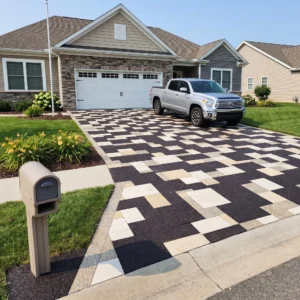
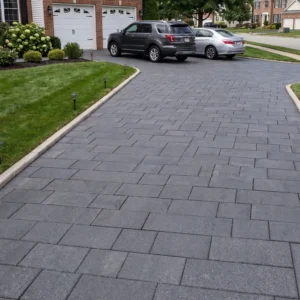
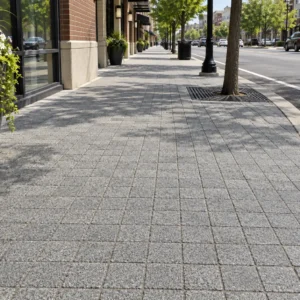
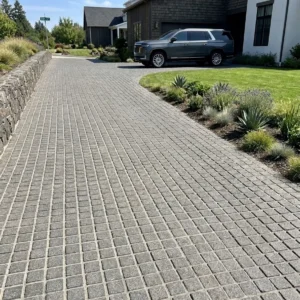
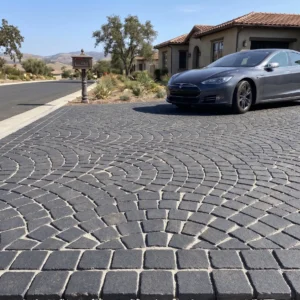
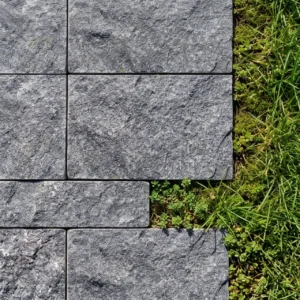
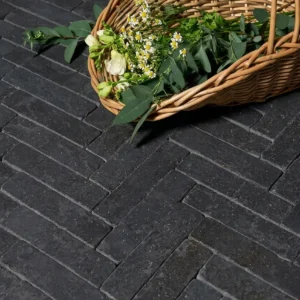
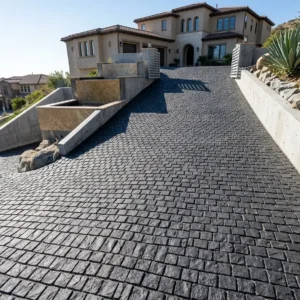
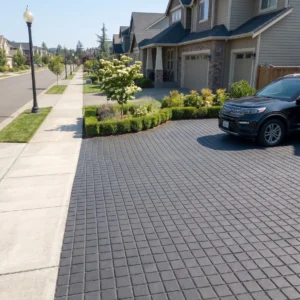
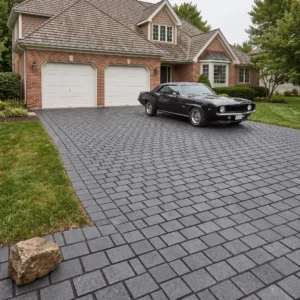
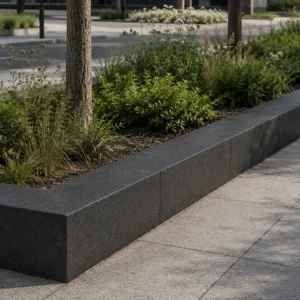
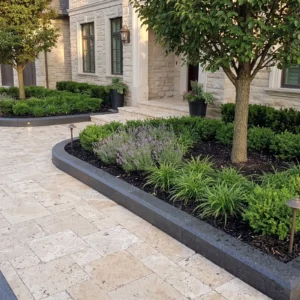
The single biggest cost driver on a Blue Limestone Paving project isn’t the stone itself — it’s the delivered price, and that number shifts dramatically depending on how far your material travels and whether your supplier holds regional inventory. You’ll see quoted slab prices that look nearly identical between two suppliers, then watch the total diverge by 20-30% once freight, palletizing, and handling get layered in. Understanding where those dollars actually go lets you build a budget that survives contact with reality. Blue limestone paving slabs carry consistent quarry pricing, but the logistics wrapped around them are where projects win or lose margin.
What Defines Blue Limestone Paving as a Material
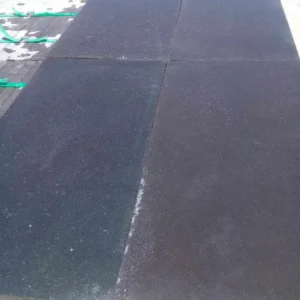
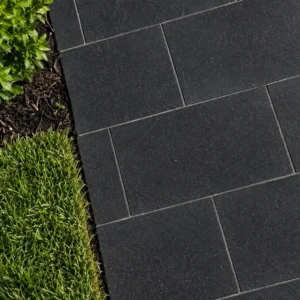
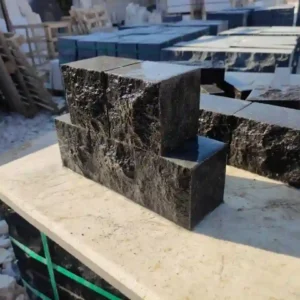
Blue limestone is a dense, fine-grained sedimentary stone whose color runs from soft blue-grey through deep charcoal, depending on the quarry seam and finish. The blue-black tones you see most often come from carbon and organic content compressed into the calcite matrix over geological time. What matters to you in the field is that this density translates directly into low water absorption and strong abrasion resistance.
You’ll find the material’s compressive strength typically lands in the range that handles residential and light commercial traffic without complaint. The interconnected pore structure stays tight, which is why limestone blue black paving holds up in freeze-thaw regions better than more porous sedimentary stones. According to limestone formation and characteristics, the calcite-dominant composition gives the stone both its workability and its predictable weathering behavior.
- Color range spans blue-grey, dark grey, charcoal, and deep blue-black tones
- Fine grain structure delivers a smooth, consistent surface across batches
- Low porosity supports outdoor and garden use in wet, cold environments
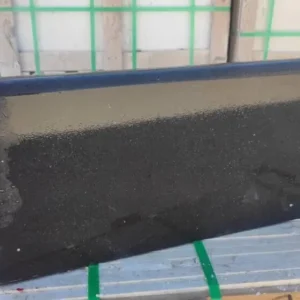
- Available finishes include honed, tumbled, sawn, and flamed for slip resistance
At Citadel Stone, we inspect each incoming batch of natural limestone blue black at the warehouse for tonal consistency, because blue limestone’s charm — its natural variation — becomes a liability if the shade drift between pallets is too wide for a single patio field. That hands-on sorting is the difference between a cohesive installation and a patchy one. The same care applies to how we grade blue paving slabs before they ever leave the yard.
Color, Shade, and Finish Selection
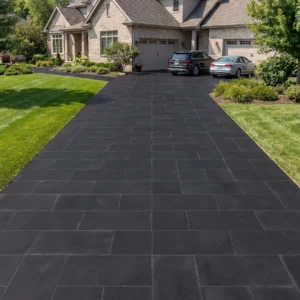
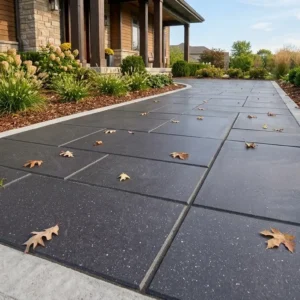
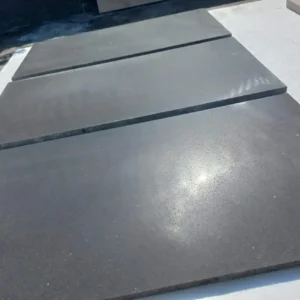
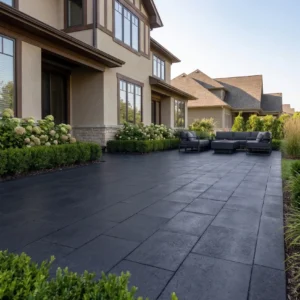
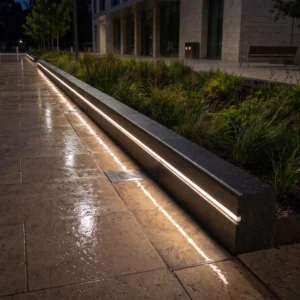
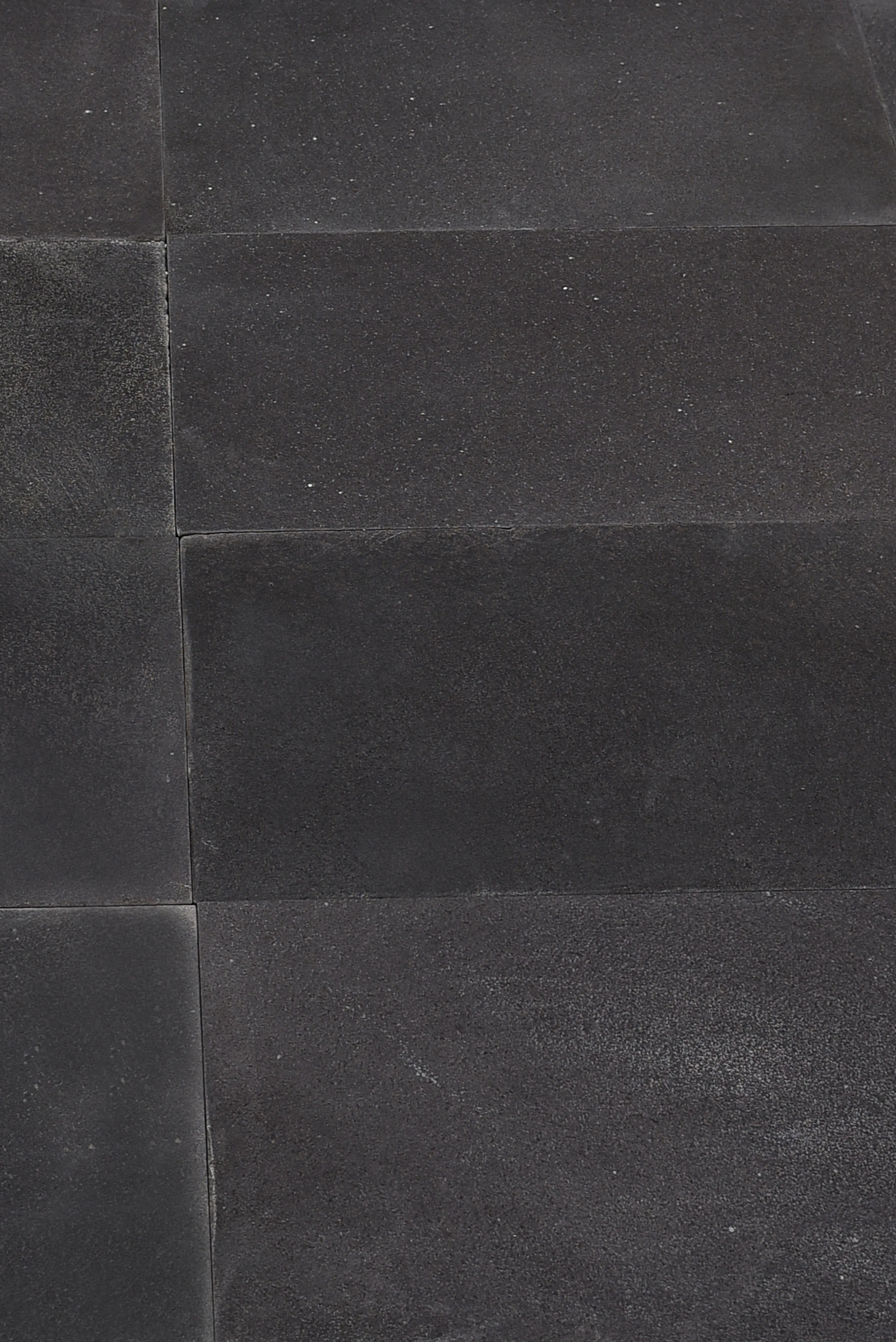
Your finish choice affects both appearance and performance more than the raw color does. A honed surface on blue black limestone paving reads as a refined, near-uniform dark tone and suits contemporary designs, while a tumbled or brushed edge softens the stone into something that feels weathered from day one.
Here’s what most specifiers miss — the same blue limestone slabs will look two shades darker when wet, and a sealed honed surface amplifies that wet-look shift. If you’re matching pavers to an existing terrace, always evaluate samples in both dry and saturated states before committing.
- Honed: smooth, matte, contemporary — ideal for patios and interior transitions
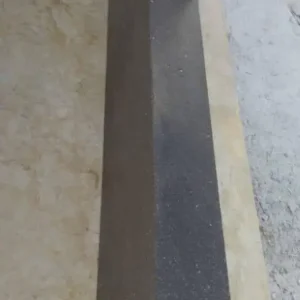
- Sawn: crisp sawn edges and a subtly textured face for a clean modern grid
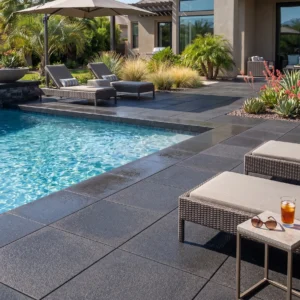
- Flamed or textured: maximum slip resistance for pool surrounds and walkways
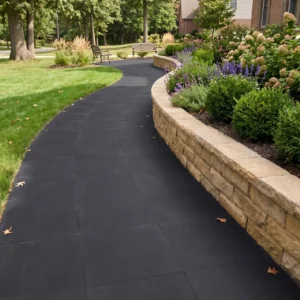
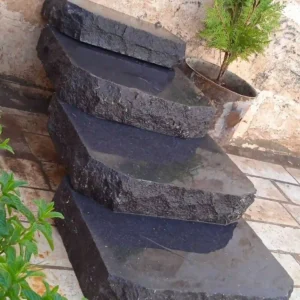
- Tumbled: rounded edges and antiqued face for garden and landscape settings
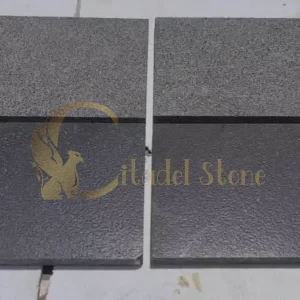
You can request sample tiles or specific thickness specifications from Citadel Stone before committing to a full order, which lets you resolve these tonal questions at the sample stage rather than on delivery day. Blue black natural limestone paving rewards this upfront diligence, and evaluating natural limestone blue black under real site lighting is the surest way to lock a shade you’ll be happy with.
Cost Factors and the Regional Market
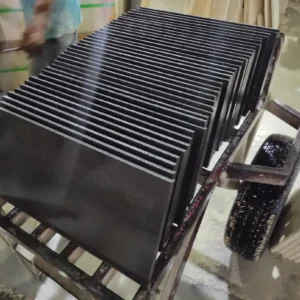
Freight distance is the variable that quietly reshapes your blue limestone budget. Blue limestone paving slabs are heavy — a single crate can push past a ton — so the cost per square foot to move them climbs steeply the farther your project sits from a stocking point.
Understanding three market forces before you lock a number into your estimate saves painful surprises later:
- Freight distance: the delivered cost rises with mileage from the nearest inventory hub, and rural sites often carry additional last-mile surcharges
- Local material availability: regions with active stone distribution see tighter, more competitive pricing than areas served only by long-haul import cycles
- Truck access at the site: constrained driveways, tight urban lots, or sites needing smaller delivery vehicles add handling cost that a standard freight quote won’t show
The detail that matters most is the difference between import-cycle pricing and regional-stock pricing. Material shipped fresh from Middle East quarries on a 6-8 week import timeline carries carrying costs and exposure to freight-rate swings, while stone already sitting in a domestic warehouse gives you a locked, predictable delivered price.
Citadel Stone maintains warehouse inventory nationwide, which typically reduces lead times to 1-2 weeks compared to the longer import cycle many projects face — and that shorter cycle usually means a more stable quoted price because the freight variable is already absorbed. When you’re comparing bids, ask each supplier whether the blue paving slabs are in-stock domestically or still overseas; that single question explains most price gaps.
Choosing the Right Thickness and Format
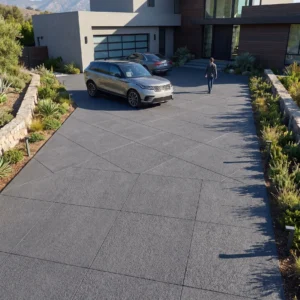
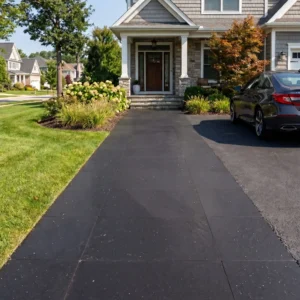
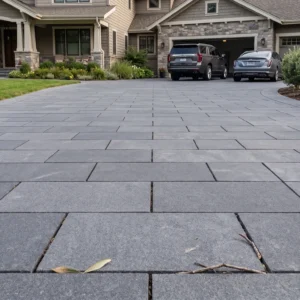
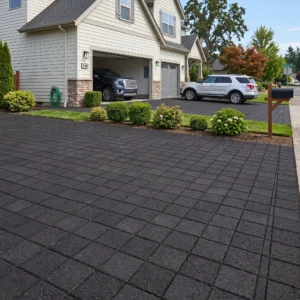
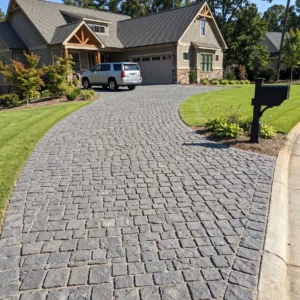
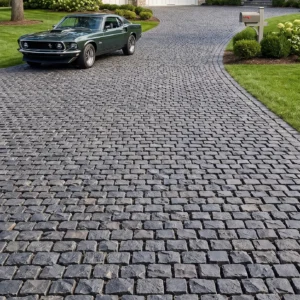
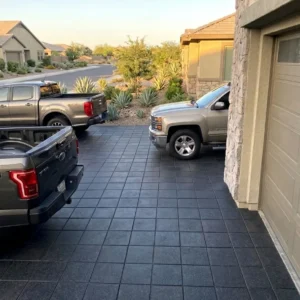
Thickness selection should follow load, not aesthetics. For pedestrian patios and garden paths, blue limestone slabs in the 20mm range perform well over a proper mortar or bedding layer. For driveways or anywhere vehicles roll, you’ll step up to 30mm or thicker and change your base strategy entirely.
Field data on blue limestone paving across varied climates shows that undersized slabs on inadequate bases are the number one cause of cracking — not the stone quality. The material rarely fails on its own merits.
- 20mm nominal: patios, walkways, garden paving, and low-traffic pedestrian areas
- 30mm+ nominal: driveways, commercial thoroughfares, and vehicular loading
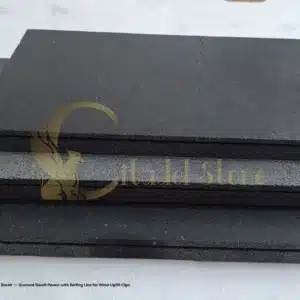
- Calibrated backs: uniform thickness that speeds installation and reduces lippage
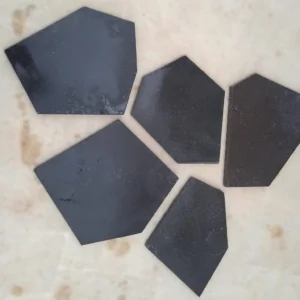
- Random and modular sizes: mix formats for flagstone-style layouts or coursed patterns
Blue limestone paving is available in a range of standard slab sizes plus random modular packs, so you can specify a tight contemporary grid or a more organic garden layout from the same material family. For projects requiring custom cuts or non-standard formats, Citadel Stone’s team can advise on lead times before you finalize the design.
Base Preparation and Installation
The subgrade determines whether your installation lasts 10 years or 25. Base preparation standards vary depending on soil composition and expected traffic loads, and getting the compacted aggregate depth right is non-negotiable. For projects requiring complementary stone selection guidance, blue limestone types compared covers specification details that apply directly to similar site conditions, and reviewing them early prevents the most common long-term failures. Nailing the subgrade at this stage is where durability is truly won.
You should account for the interaction between your aggregate base and regional soil expansion. In clay-heavy soils that swell and shrink seasonally, a deeper compacted base and a proper geotextile separation layer become critical — skip them and you’ll chase heaving joints for years.
- Excavate to accommodate base depth plus bedding plus slab thickness
- Compact aggregate in lifts rather than a single dump-and-flatten pass
- Maintain consistent fall for drainage — typically a slope away from structures
- Use a full mortar bed for vehicular loads; screeded bedding suits pedestrian areas
Temperature during installation affects your setting materials. Cold slows mortar cure and hot, dry conditions pull moisture too fast, so you’ll adjust your mix and timing rather than blindly following the printed cure schedule. The Natural Stone Institute limestone specifications reinforce that proper bedding and drainage are foundational to long-term stone paving performance.
Jointing, Drainage, and Slip Resistance
Joint width isn’t cosmetic — it manages the stone’s response to thermal movement and gives water somewhere to go. For blue black limestone paving slabs, you’ll typically hold joints in the 3-8mm range depending on whether you’re running sawn calibrated slabs or riven random formats.
What often gets overlooked is drainage geometry beneath the joints. Water that sits under the pavers is far more destructive than surface wetting, so your bedding layer needs a drainage path, not just a flat pan that traps moisture.
- Sawn calibrated slabs: tighter joints, cleaner lines, less jointing compound
- Riven and random formats: wider joints accommodate natural dimensional variation
- Slip resistance: specify flamed or textured finishes for pool decks and wet zones
- Sealing: penetrating sealers reduce staining without the plasticky film of topical products
Sealing protocols for blue limestone differ from standard concrete maintenance because the calcite matrix reacts to acids. You’ll want a breathable penetrating sealer and a clear stance on acidic cleaners — vinegar and harsh descalers etch the surface. Slip resistance testing under ANSI A326.3 gives you defensible numbers for wet-area specifications, which matters when you’re specifying blue black limestone paving slabs for a pool surround.
Maintenance and Long-Term Performance
You can expect 20-30 years of service from a properly installed blue limestone patio with modest upkeep — the maintenance burden is genuinely low compared to many hardscape alternatives. The honest trade-off is that limestone is a calcite stone, so it responds to acid and needs the right cleaning chemistry.
Field experience shows that most premature wear traces to two habits: pressure-washing at too high a setting, which erodes the surface and blows out joint material, and using acidic patio cleaners that dull the finish over time.
- Sweep and rinse regularly to keep grit from abrading the surface
- Use pH-neutral stone cleaners rather than acidic descalers
- Reseal every few years in high-traffic or freeze-thaw exposure
- Refill joint sand or compound as it settles to protect the bedding layer
Blue limestone slabs weather gracefully, developing a subtle patina rather than the harsh degradation you’d see in softer materials. That aging characteristic is why natural limestone blue black paving slab installations often look better at year ten than the day they were laid, and why limestone blue black paving remains a favourite for legacy projects.
Comparing Blue Limestone to Alternatives
Against concrete pavers, blue limestone wins on longevity and appearance but costs more upfront — a real trade-off you should weigh against your project horizon. Concrete fades and can spall; the stone develops character. Over a 20-year window, the delivered value often tilts toward natural stone.
Compared to granite, blue limestone is softer and warmer underfoot, easier to cut on site, but less abrasion-resistant under heavy vehicular loads. Sourced from established quarry partners, each Citadel Stone batch of natural limestone blue black is inspected for consistency, which addresses the one knock against limestone — batch-to-batch color variation. That same inspection standard covers every blue black natural limestone paving order we ship.
- Versus concrete: higher initial cost, dramatically better lifespan and aesthetics
- Versus granite: warmer feel, easier fabrication, slightly lower hardness
- Versus sandstone: denser, lower absorption, better freeze-thaw resilience
- Versus porcelain: authentic natural variation and repairable field cuts
The buy decision usually comes down to how much you value authentic natural material against a lower-cost manufactured substitute. For buyers who want genuine stone at a competitive delivered price, blue black limestone paving offers a strong middle ground between premium granite and budget concrete.
Blue Limestone Paving — Get Trade Pricing from Citadel Stone
You can source Blue Limestone Paving from Citadel Stone in standard slab formats and thicknesses, including 20mm pedestrian and 30mm+ vehicular gauges, plus honed, sawn, tumbled, and flamed finishes to match your specification. Available in single-size packs and random modular layouts, the range covers patios, driveways, garden paving, and pool surrounds.
To move a project forward, you can request samples or full thickness and slip-resistance specifications, and our team will confirm current warehouse stock and delivered pricing to your site. Trade and wholesale enquiries receive tonnage calculations and lead-time estimates — with regional inventory, nationwide delivery typically runs 1-2 weeks rather than the longer import cycle. Whether you want to buy a modest patio quantity or price a large commercial run of blue limestone paving slabs at a competitive, cheap delivered rate, contact Citadel Stone for a quote and freight estimate built around your exact location and truck-access conditions.
As you finalize your material palette, related natural stone applications can inform your decisions — for a different but complementary surface option from the same brand, explore slate paving options here to see how another Citadel Stone material performs in outdoor settings. Architects and builders choose Citadel Stone Blue Limestone Paving, sourced from quarries across the Mediterranean and Middle East, for outdoor installations.
See also: blue limestone rock geology.
Related guides: blue sandstone vs blue limestone · How Much Does Blue Limestone Quarry Pavers Cost? · blue limestone countertops guide · Blue Limestone Problems: Causes and Practical Fixes · belgian bluestone slab · blue black slate paving slabs.