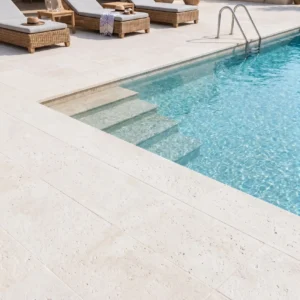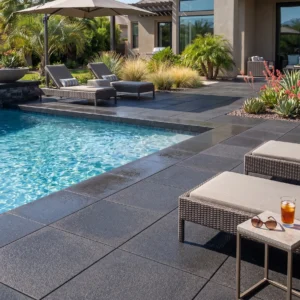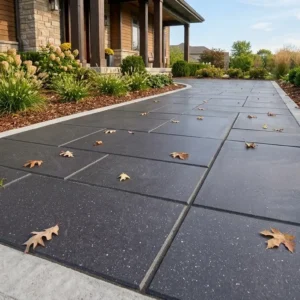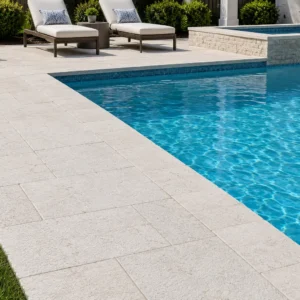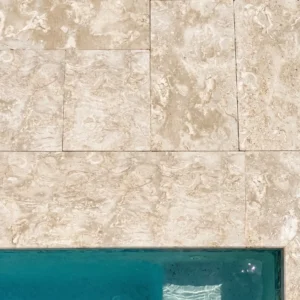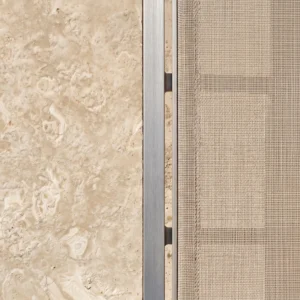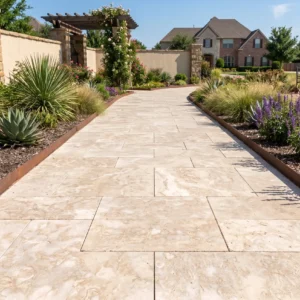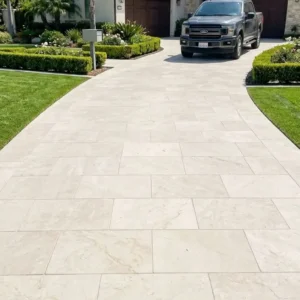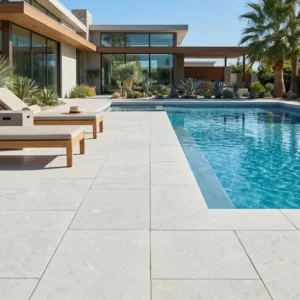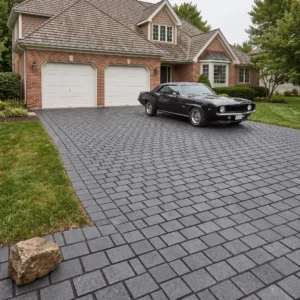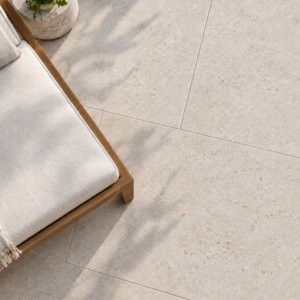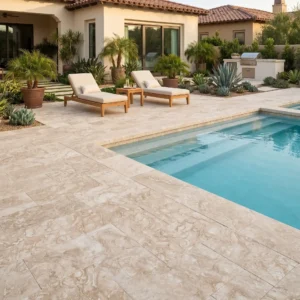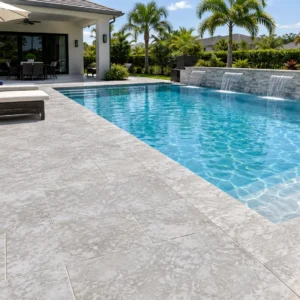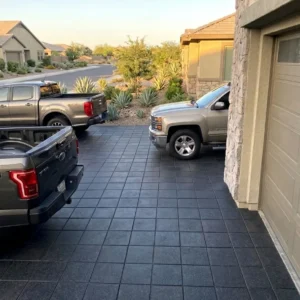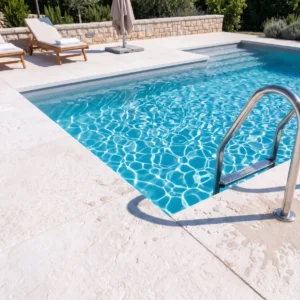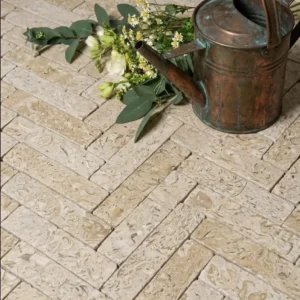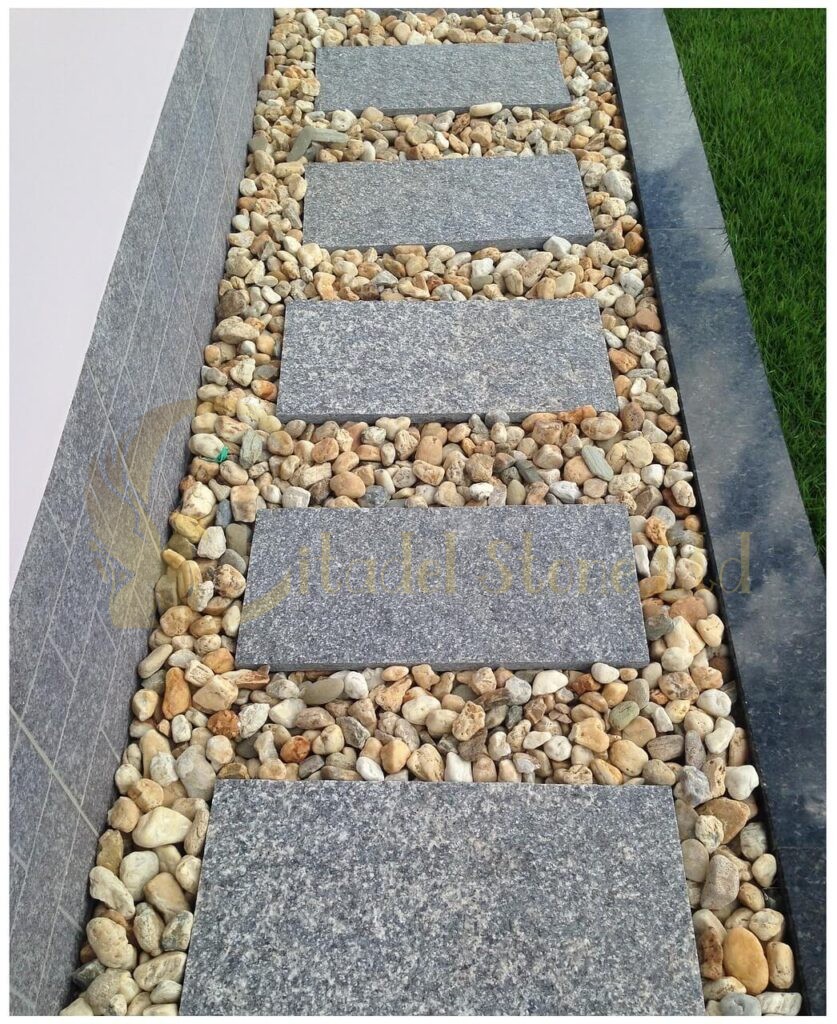
Granite coping for pools in Arizona demands more than just heat resistance — the performance factor that separates a 10-year installation from a 25-year one is how the stone handles the relentless temperature cycling between Arizona’s scorching afternoons and its surprisingly cool desert nights. In Phoenix, surface temperatures can swing 40–50°F between midday and pre-dawn hours, and that daily thermal stress accumulates at every joint, edge, and mortar bed over years of service. Specifying granite coping for pools without accounting for that cycling range is the single most common design oversight on residential and commercial pool projects across the state.
How Thermal Cycling Shapes Granite Coping Performance in Arizona
Granite’s thermal expansion coefficient runs approximately 4.4–8.5 × 10⁻⁶ per °F depending on mineral composition — tighter than concrete’s 5.5–7.0 × 10⁻⁶ range, which is one reason it outperforms poured surrounds in cycling environments. In the Arizona desert, you’re not dealing with a single thermal event; you’re dealing with 300+ cycles per year of expansion and contraction, each one working at the bond line between coping stone and setting mortar. The cumulative fatigue at that interface is what eventually causes lifting, cracking, and spalling — not a single extreme temperature event.
The cycling effect intensifies at elevation. In Flagstaff, you add genuine freeze-thaw cycles on top of the diurnal swing — freeze-thaw action is particularly aggressive because water expands approximately 9% when it freezes, and any moisture that has wicked into micro-fissures at the mortar interface will generate internal pressure far exceeding the stone’s tensile strength at the joint. Specifying granite coping for pools in Flagstaff means you need to treat both thermal cycling and freeze-thaw as simultaneous design loads, not sequential concerns.
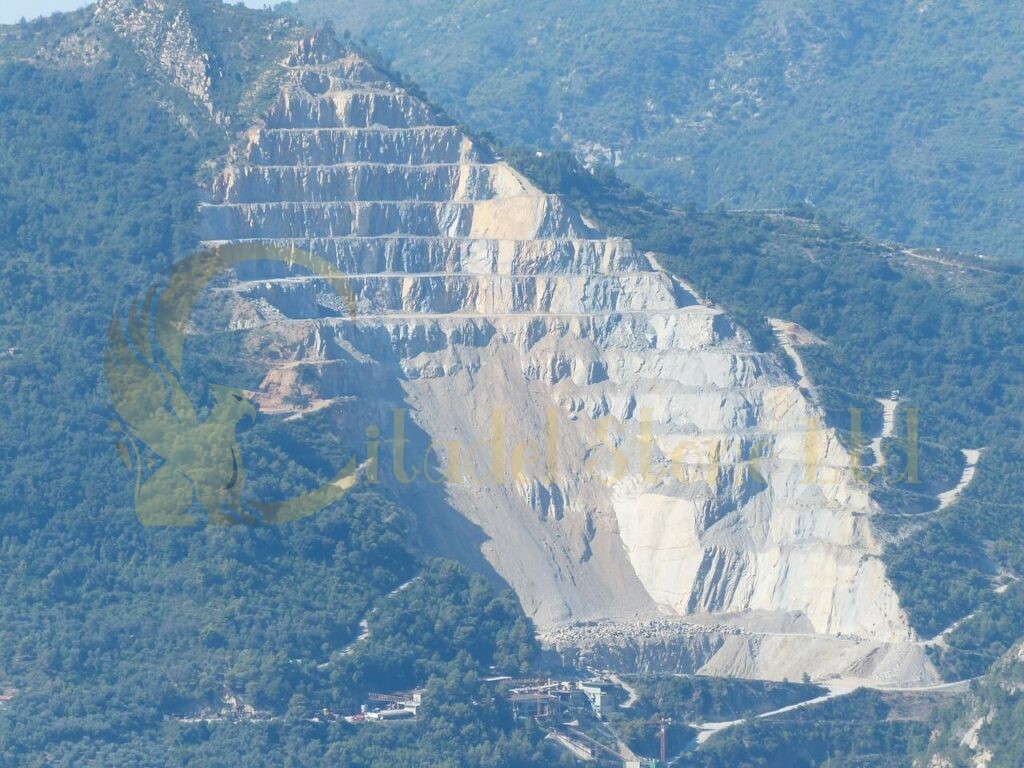
Citadel Stone sources granite coping from quarry partners whose material is tested for water absorption rates below 0.4% — that low absorption figure is your primary defense against freeze-thaw infiltration. Each batch is inspected at our warehouse before dispatch to verify that absorption ratings, surface finish consistency, and dimensional tolerances meet project specifications.

Selecting the Right Granite Coping Stones in Arizona
Material selection has to start with compressive strength and absorption — not aesthetics, even though aesthetics matter. Granite coping stones in Arizona should carry a compressive strength rating above 19,000 PSI to handle both thermal stress and the point loading from wet bathers, pool furniture, and the occasional maintenance crew stepping on the edge. Anything below 15,000 PSI should be reviewed carefully for coping applications where edge loading is repetitive.
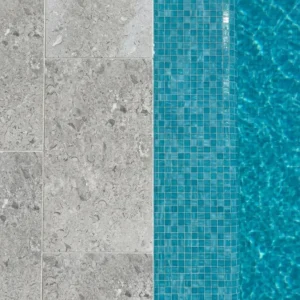
Colour selection ties directly into thermal performance in ways most specifications miss. Grey granite coping stones in Arizona’s low-desert climates absorb significantly less radiant heat than darker stones — mid-range grey tones can stay 15–20°F cooler on the surface than black or charcoal alternatives under direct sun. That matters both for comfort and for the thermal mass cycling the stone experiences daily. The cooler the stone’s operational temperature range, the smaller the expansion delta per cycle, and the longer your mortar bond survives.
- Grey granite coping stones: surface temps typically 15–20°F lower than charcoal alternatives under direct Arizona sun
- Compressive strength minimum 19,000 PSI recommended for pool edge coping under repetitive load
- Water absorption below 0.4% is the key spec for freeze-thaw and thermal-cycling resistance
- Thermal expansion coefficient 4.4–8.5 × 10⁻⁶ per °F — verify against your setting mortar’s coefficient for compatibility
- Nominal thickness of 1¼ inches (30mm) minimum for cantilever or drop-face profiles where overhang exceeds 2 inches
Citadel Stone stocks granite coping stones in Arizona in standard formats including bullnose, drop face, and flat cap profiles across multiple thickness options. You can request sample pieces and full thickness specifications before committing to a quantity — that step is worth the lead time on any project where the coping profile affects the pool shell’s bond beam dimensions.
Granite Drop Face Coping in Arizona: Specification Details That Matter
Granite drop face coping in Arizona is the profile most commonly specified on negative-edge and perimeter-overflow pools, but it’s also the profile most frequently under-specified in terms of overhang geometry. The drop face creates a cantilever condition — the nose of the stone projects beyond the bond beam, and that overhang acts as a lever arm amplifying the bending stress at the back edge every time thermal expansion pushes the stone’s front face outward.
Expansion joint spacing with drop face profiles should be tighter than with flat cap coping — aim for joints every 8–10 linear feet rather than the 12-foot spacing some generic guidelines recommend. In the Phoenix metro, where the diurnal swing can exceed 45°F year-round, that extra joint frequency meaningfully reduces the cumulative stress at each bond point over a decade of cycling. Use a flexible polyurethane sealant rated for wet-area and thermal movement rather than standard cementitious grout in those joints.
The back edge of granite drop face coping also requires a waterproof membrane flashing detail that runs beneath the stone and up the bond beam face. Skip that detail and you’ll see moisture migration into the bond beam within 3–5 years in high-use pools — the combination of splashout, condensation cycling, and thermal pumping draws water into every gap the membrane would otherwise seal.
- Expansion joints at 8–10 linear feet for drop face profiles in high-diurnal-swing locations
- Polyurethane sealant minimum Shore A hardness of 25 for flexibility under thermal movement
- Waterproof membrane flashing beneath coping and up bond beam face — minimum 4-inch vertical coverage
- Overhang maximum 2½ inches without structural reinforcement of the bond beam
- Back-butter mortar bed coverage minimum 90% for drop face profiles — voids under load points accelerate cracking
Base Preparation for Stone Coping in Arizona Pool Environments
The bond beam is your foundation, and in Arizona’s caliche-heavy soils, the structural integrity of that beam varies more than most out-of-state specifiers expect. In Scottsdale, caliche layers create rigid sub-grade conditions that minimize differential settlement — which is actually beneficial for coping stability, but only when the pool shell itself has been designed to accommodate minimal ground movement. The real risk in these soils is hydrostatic pressure from delayed drainage after monsoon events, which can affect the bond beam from below.
The mortar bed for granite coping in Arizona should use a polymer-modified thinset or mortar with a bond strength rating above 400 PSI shear. Standard Type S mortar works for moderate climates but becomes brittle under the extended thermal cycling of Arizona’s desert environment — the polymer modification maintains flexibility through the cure phase and beyond, which is what keeps the bond intact across hundreds of expansion-contraction cycles.
For coping granite in Arizona pool projects where the bond beam has any visible crack history, apply a crack isolation membrane before setting. This decouples the coping stone from minor beam movement so that hairline cracks in the concrete don’t telegraph through to the stone surface over time. The added day of cure time is far less expensive than a re-setting job in year four.
Setting mortar bed thickness should be consistent — 3/8 to ½ inch nominal, full coverage, no voids. Variations in bed thickness create stress concentration points that amplify the thermal cycling load at exactly the spots you don’t want it. Check your material before the truck delivers: verify that your coping pieces are dimensionally consistent within 1/16 inch face-to-face so you can maintain a uniform bed without shimming.
Thermal Jointing and Sealing Granite Pool Coping in Arizona
Sealing granite coping for pools in Arizona serves two purposes that don’t always get equal attention — stain protection from pool chemistry and moisture exclusion for thermal-cycling durability. Most specifications focus on the former, but the latter is where long-term performance is actually determined. An impregnating silane-siloxane penetrating sealer is the right chemistry for this application: it repels water at the pore level without forming a surface film that can peel under UV exposure and thermal cycling. For detailed UV performance data and stone selection guidance specific to Arizona pool conditions, Granite Coping for Pools from Citadel Stone covers the technical specifications that apply when long-term UV and thermal performance are the primary design criteria.
Apply sealer to dry stone — and in Arizona, “dry” means allowing 72 hours after any wet contact, not just after visible surface drying. Granite’s low absorption rate means moisture takes longer to fully evacuate from the micro-pore network than the surface appearance suggests. Sealing over residual moisture traps it in the stone and creates the exact freeze-thaw vulnerability you’re trying to prevent, particularly relevant on elevated projects near Flagstaff where seasonal temperature dips create genuine freeze risk.
For projects using coping granite in Arizona’s pool applications, resealing on a biennial cycle — every two years — maintains performance. High-UV exposure degrades sealer chemistry faster than in northern climates, so the two-year interval rather than the three-to-five-year interval appropriate for interior applications. Mark the sealing date on the maintenance record at installation so the schedule doesn’t get lost in ownership transitions.
- Penetrating silane-siloxane sealer: correct chemistry for granite pool coping in high-UV, wet-area conditions
- Allow minimum 72 hours dry time after wet contact before applying sealer to granite
- Biennial resealing cycle for Arizona’s UV intensity — more frequent than northern climate recommendations
- Avoid surface-film sealers that peel under thermal cycling and UV degradation
- Joint sealant inspection annually — replace cracked or debonded sealant before the next monsoon season
Grey Granite Coping Stones: Colour, Finish, and Surface Temperature
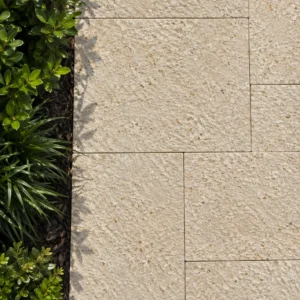
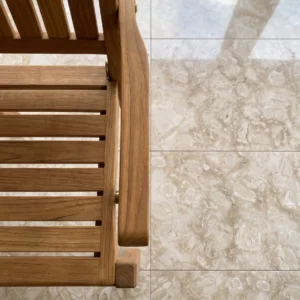
The finish selected for granite coping stones in Arizona directly affects slip resistance, surface temperature, and long-term maintenance burden — three variables that interact in ways worth understanding before finalizing a specification. A flamed finish opens the grain structure slightly, improves wet-surface grip, and scatters solar radiation more effectively than a honed finish. For pool copings where wet bare feet are the primary user, flamed granite outperforms polished or honed surfaces both on safety and on comfort temperature.
Grey granite coping stones perform particularly well in Arizona’s thermal cycling environment because the mineral composition of most grey granites — predominantly quartz and feldspar with lower iron oxide content than red or pink varieties — has a more uniform thermal expansion response across the stone’s cross-section. Non-uniform expansion, where different minerals in the stone expand at different rates, is a primary cause of surface spalling over time. Lower mineral heterogeneity means more uniform cycling stress, which means longer surface integrity.

- Flamed finish: best wet-slip resistance and lowest surface temperature under direct sun
- Honed finish: intermediate performance — good aesthetics but warmer under sustained UV exposure
- Polished finish: not recommended for pool coping due to slip risk on wet surfaces
- Grey granite mineral composition provides more uniform thermal expansion than multi-mineral varieties
- Surface temperature differential between grey flamed granite and dark polished stone can exceed 25°F in direct Arizona sun
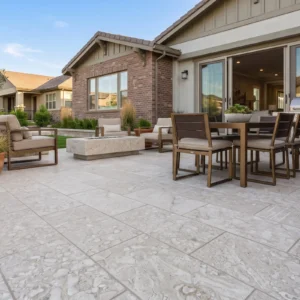
Stone coping in Arizona pool projects benefits from finish consistency across the full run — ordering from a single warehouse inventory batch ensures colour and finish uniformity that multi-batch orders cannot guarantee. Colour drift between batches is subtle in the showroom but visible in direct sunlight once installed, particularly with grey tones where the green and blue mineral undertones shift between quarry runs.
Comparing Stone Coping in Arizona: Granite vs. Alternative Materials
Stone coping in Arizona’s pool market spans travertine, limestone, sandstone, and granite — each with a distinct performance profile under the state’s thermal cycling conditions. Travertine remains popular in Scottsdale and the greater Phoenix metro for its visual warmth, but its higher porosity (typically 6–12% absorption vs. granite’s sub-0.4%) makes it more vulnerable to freeze-thaw damage at elevation and more demanding of consistent sealing maintenance. Limestone sits between the two: moderate absorption, good thermal mass, but less compressive strength than granite for high-load coping applications.
Granite coping pool installations in Arizona consistently outperform alternative natural stones on the durability metrics that matter over a 20-plus-year lifecycle. The combination of low absorption, high compressive strength, and relatively uniform thermal expansion makes it the highest-performing natural stone for pool coping in environments defined by temperature cycling extremes. The trade-off is cost — granite coping stones in Arizona typically run 15–25% above comparable travertine in material cost, but the reduced maintenance frequency and longer expected service life narrow that gap significantly over a 15-year ownership horizon.
- Granite absorption: below 0.4% — outperforms travertine (6–12%) and most limestone (2–8%) for moisture resistance
- Compressive strength: granite 19,000+ PSI vs. travertine 8,000–12,000 PSI — significant advantage for coping edge loads
- Thermal expansion: granite more uniform than heterogeneous sedimentary stones under cycling conditions
- Maintenance cost: lower resealing frequency with granite extends the cost advantage over a 15-year window
- Visual consistency: granite holds colour and finish integrity longer under Arizona’s sustained UV than softer stones
Source Granite Coping for Pools from Citadel Stone
Citadel Stone stocks granite coping for pools in Arizona in standard formats including bullnose, flat cap, and drop face profiles, available in 12×24, 16×24, and custom-cut dimensions with nominal thicknesses from 1¼ inch to 2 inches. Grey and mid-tone granite coping stones are available from warehouse inventory for projects across Phoenix, Tucson, Mesa, and broader Arizona delivery zones. Standard warehouse-to-truck lead times run 5–10 business days for stocked profiles — custom dimensions and non-standard finishes require 3–4 weeks from quarry confirmation.
Sample pieces and full material data sheets — including absorption rates, compressive strength certificates, and finish samples — are available on request before committing to a project quantity. For trade accounts, wholesale enquiries, and contractor pricing on large-volume pool coping orders, Citadel Stone’s technical team can provide specification support from material selection through delivery coordination. Projects in higher-elevation zones requiring freeze-thaw performance documentation can receive quarry test certificates as part of the specification package.
At Citadel Stone, we recommend confirming your bond beam dimensions and profile geometry before finalizing coping stone dimensions — dimensional mismatches discovered after a truck delivery are the most preventable source of project delays on pool coping work. Contact Citadel Stone to schedule a pre-order specification consultation, request a trade account, or obtain current pricing on granite coping for pools across Arizona. As you plan complementary hardscape elements alongside your pool coping project, Large Granite Setts in Arizona covers another dimension of granite application that pairs naturally with coping in cohesive pool surround designs. Stone selections for Arizona projects in Flagstaff, Sedona, and Yuma include Granite Coping for Pools supplied direct from Citadel Stone.