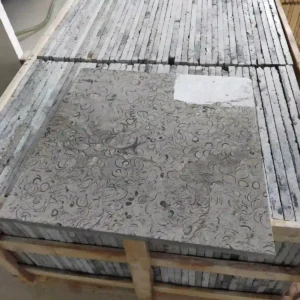
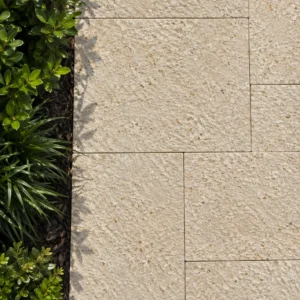
Key Material Properties to Compare
Porosity & Water Absorption
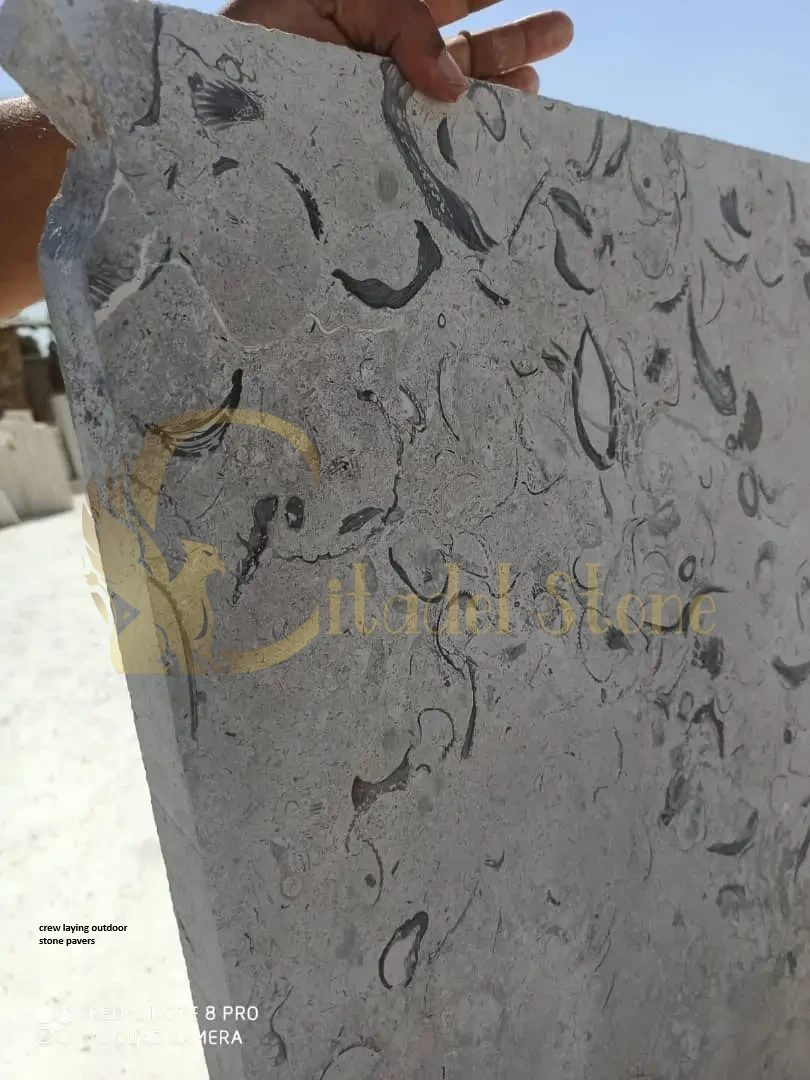
Porosity determines how much moisture a stone will absorb. Outdoor applications demand low-porosity, weather-resistant stone to minimize frost damage and staining. Indoor stone flooring, on the other hand, can tolerate slightly higher porosity if properly sealed.
Outdoor: Aim for ≤0.5% water absorption (e.g., granite, certain dense limestones).
Indoor: Up to 3% absorption is acceptable with high-quality sealers.
Strength & Load‑Bearing Capacity
The compressive and flexural strength of stone dictates its suitability under heavy loads.
Outdoor stone pavers must endure foot traffic, patio furniture, and sometimes vehicle weight. Choose stones with compressive strength >100 MPa.
Indoor stone often sees lighter loads, but kitchen countertops require high-strength material (e.g., quartzite, engineered stone).
Slip Resistance & Surface Texture
Safety is paramount, especially in wet or inclined areas.
Outdoor: Rough or textured finishes (flamed, sand‑blasted) improve traction. Look for a coefficient of friction ≥0.6.
Indoor: Polished or honed surfaces lend elegance but may be slippery when wet—consider anti‑slip treatments near wet zones.
Freeze‑Thaw & UV Stability
Outdoor stones must resist cyclical freezing and thawing without cracking. They also need to withstand UV exposure without significant color fading.
Freeze‑Thaw: Stones with minimal micro‑cracks and low water absorption are ideal.
UV Stability: Some stones (e.g., reds and pinks) may fade in direct sun; ask suppliers about colorfastness testing.
Thermal Conductivity & Indoor Comfort
Indoor stone flooring can feel cold underfoot. Stones with moderate thermal conductivity pair well with underfloor heating or interior living spaces.
High conductivity (marble, granite) transfers heat quickly—excellent for heated floors.
Low conductivity (travertine, certain limestones) feels warmer naturally but may be less efficient with radiant heat systems.
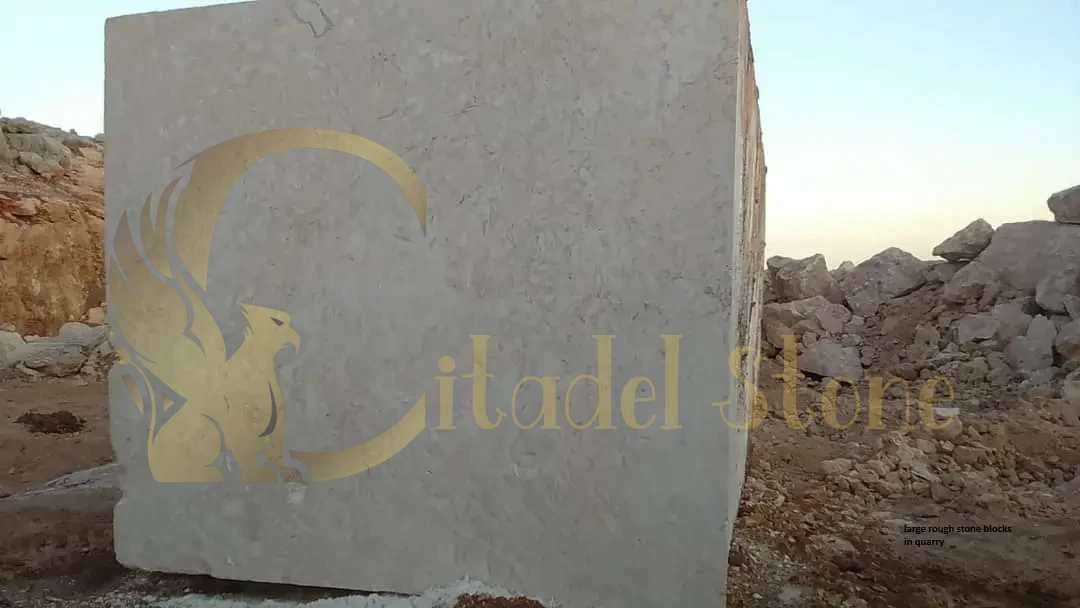
Outdoor Stone Selection Criteria
Weather‑Resilience & Durability
For weather‑resistant stone, durability is non‑negotiable. Suppliers recommend:
Granite and basalt for high‑traffic patios.
Sandstone or textured limestone for decorative walls, provided they’re rated for freeze‑thaw.
Concrete pavers for cost‑effective, engineered alternatives with consistent strength.
Maintenance & Cleaning Requirements
Outdoor installations face dirt, algae, and pollutants. To minimize upkeep:
Choose stones that resist staining and mildew.
Seal porous materials annually with a breathable sealer.
Clean with pH-neutral detergents; avoid acidic cleaners that etch the surface.
Colorfastness & Aesthetic Aging
Natural stones evolve over time, darkening or acquiring a patina. If you prefer a consistent look:
Opt for granite varieties with natural UV resistance.
Request accelerated weathering tests from suppliers to preview long‑term appearance.
Installation Considerations for Pavers & Cladding
Proper installation extends stone life:
Outdoor stone pavers require a stable sub‑base, sand bed, and edge restraints.
Cladding panels need stainless‑steel anchors and weep channels to prevent moisture buildup.
Always follow stone supplier tips on joint widths and grout selection to accommodate movement.
Explore our outdoor stone collection to view weather-tested pavers, slabs, and wall stone.
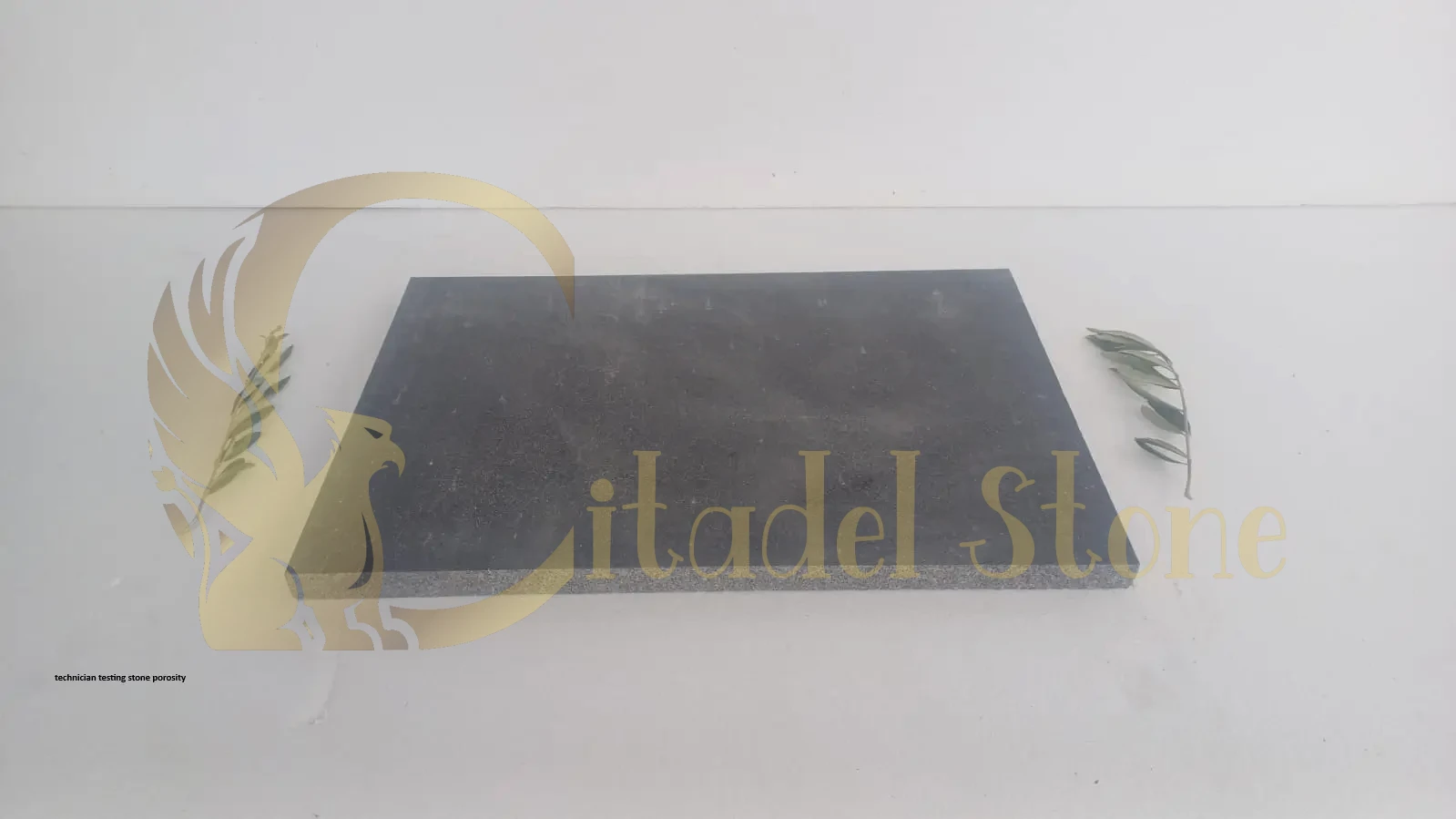
Indoor Stone Selection Criteria
Finish Options: Polished, Honed, Tumbled
Finish dictates both look and performance:
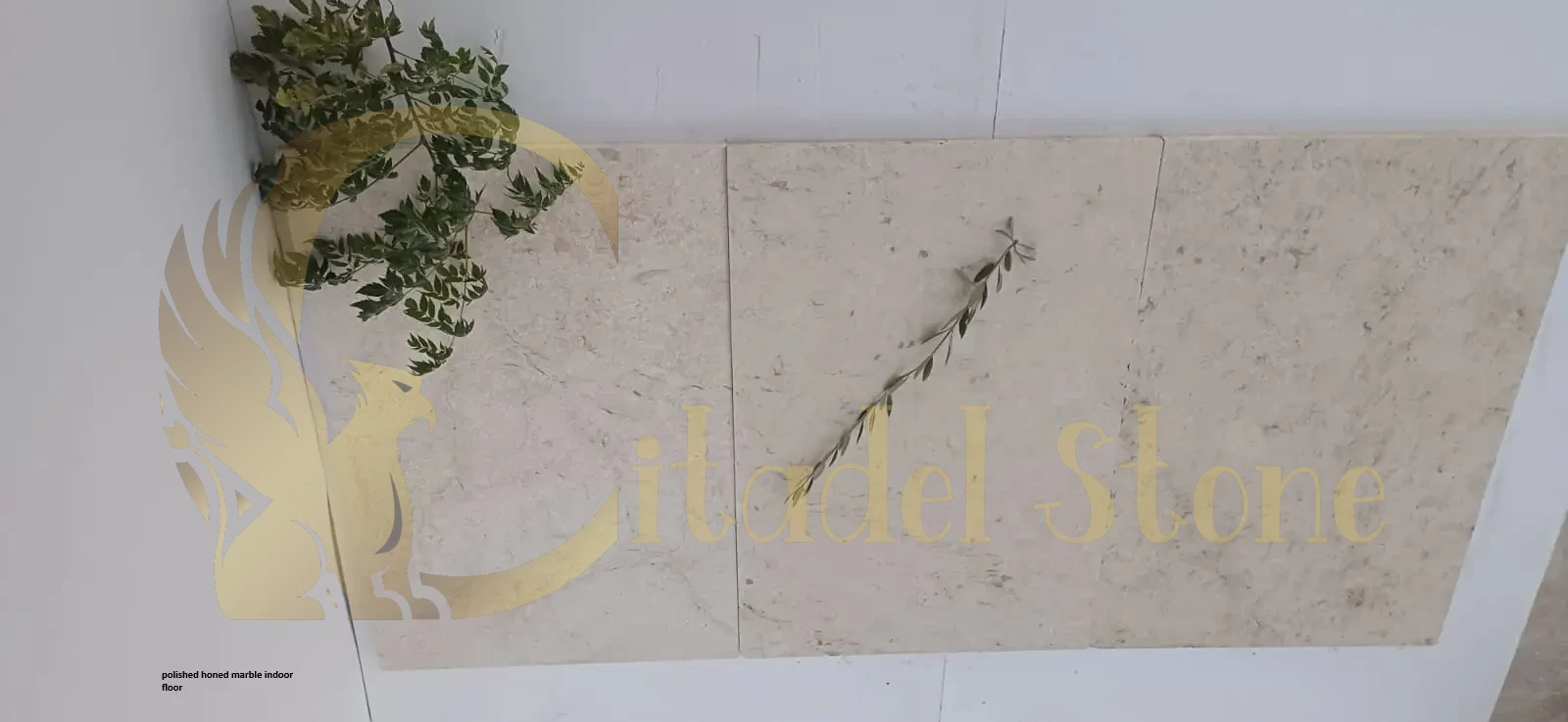
Polished: Glossy, reflects light, ideal for foyers and living rooms.
Honed: Matte, hides scratches, suited for kitchens.
Tumbled: Rustic texture, slip-resistant—great for baths.
Stain Resistance & Ease of Care
In kitchens and bathrooms, spills are inevitable.
Engineered quartz and sealed granites offer top stain resistance.
Porous stones (marble, limestone) need regular sealing—stone supplier tips stress asking about recommended products and schedules.
Sound & Thermal Comfort
Hard surfaces reflect sound—consider acoustic underlays to reduce echo. For comfort:
Pair high‑conductivity stones with radiant heating.
Use rugs or mats in high‑traffic zones to soften footfall.
Compatibility with Underfloor Heating
Not all stones respond equally to radiant heat. Suppliers often test thermal break‑through times.
Marble and granite heat up quickly and hold warmth.
Porous stones may require thicker slabs to avoid cracking from thermal stress.
Discover interior stone finishes and our installation guides for seamless integration.
Supplier Insights & Best Practices
Sourcing & Quality Inspection Protocols
Top suppliers source from quarries with consistent color and minimal veining flaws. Their quality checks include:
Visual inspection for fissures, pits, and color variation.
Dimensional checks to ensure flatness (≤0.5 mm tolerance over 1 m).
Laboratory tests for water absorption, strength, and slip resistance.
Fabrication & Custom Cutting Guidelines
Precision fabrication reduces waste and installation time. Suppliers recommend:
Providing CAD drawings to the fabricator for CNC cutting.
Specifying edge profiles—beveled, bullnose, or waterfall—for finished surfaces.
Allowing a 10 mm extra on slabs for finishing and drop allowance.
Logistics: Packaging, Shipping & Handling
Stone is heavy and fragile. Best practices include:
Crate packing with foam and plywood supports to prevent shifting.
A‑frame racks for slabs, secured with ratchet straps.
Temperature‑controlled containers for extreme climates.
Warranty, Returns & Technical Support
A reputable stone supplier offers:
Limited lifetime warranty on structural integrity.
Return policies for minor color variances (often up to 5% coverage).
On‑call technical support for installation questions, troubleshooting efflorescence, or repair guidance.
Cost & ROI Comparison
Balancing budget and performance is key. Consider:
| Cost Factor | Outdoor Stone Pavers | Indoor Stone Flooring |
|---|---|---|
| Up‑front Material Cost (per m²) | £40–£120 | £50–£150 |
| Installation & Labor | £30–£60 | £35–£70 |
| Sealing & Maintenance (annual) | £5–£10 | £8–£15 |
| Lifecycle (years) | 25–50 | 30–60 |
Value Engineering Tips:
Mix high‑performance areas (hearth, entry) with cost‑effective stones elsewhere.
Reuse off-cuts for borders or accent strips.
Choose modular pavers for DIY patios, saving on labor.
Pioneering Projects: U.S. Stone Vendors Driving Architectural Excellence
Real Orders, Real Deliveries
We only publish projects we have actually supplied. See our Las Vegas white limestone delivery — two containers, 6,884 sq ft, 32 crates, shipped door to door — and how we supplied Creative Environments in Arizona with 21 containers across a 70,000+ sq ft installation: white limestone pavers and tiles, shellstone and Ocean Reef pavers.
Had Citadel Stone material installed on your project? Send us your photos and we will feature the work here, with your permission.
Regional Sourcing Playbook: Top Stone Suppliers and Strategies by U.S. Zone
Finding the best stone supplier means balancing quality, cost, delivery, and service—and each U.S. region has its own strengths. Below, we unveil insider tips, leading vendors, and logistics hacks across four zones and nine subregions to help you secure premium stone at the best value.
Northeast
New England (CT, ME, MA, NH, RI, VT)
Signature Materials: Danby marble, White Vermont limestone, Green garnet schist.
Standout Suppliers:
Vermont Stone Classics – specializes in book‑matched slabs and honed finishes.
Maine Coast Granite – coastal granite with salt‑resistant seal options.
Insider Logistics Tip: Book “rail‑to‑truck” transfers via Boston to cut last‑mile costs by 15%.
Cost Hack: Off‑peak winter orders (Dec–Feb) unlock 20% off volume freight rates.
Quality Credentials:
ANSI A118.15 mortars stocked onsite.
ISO 9001–certified for precision cutting and polishing.
Middle Atlantic (NJ, NY, PA)
Signature Materials: High‑calcite limestone, slate flagstone, serpentine.
Standout Suppliers:
Pennsylvania Stone Gallery – custom wall panels and reclaimed curb stones.
Hudson Valley Stone – local slate and quarried limestone.
Insider Logistics Tip: Leverage backhaul lanes from Philadelphia to NYC—request shared loads to reduce $/mile.
Cost Hack: Consolidate with other contractors to hit 50‑ton freight credit thresholds.
Quality Credentials:
LEED MRc5 regional material availability.
Manufacturer‑backed 10‑year sealant warranties.
Midwest
East North Central (IL, IN, MI, OH, WI)
Signature Materials: Ohio buckeye stone, Michigan dolomite, Chicago industrial granite.
Standout Suppliers:
Great Lakes Architectural Stone – large‑format limestone panels.
MidAmerica Granite & Marble – specialty countertop slabs.
Insider Logistics Tip: Negotiate “freeze‑plug” pricing—winter delivery surcharges waived if roads are passable.
Cost Hack: Bundle stone + fabrication services for 5% off combined invoices.
Quality Credentials:
ASTM C568 limestone certification.
CE‑marked thin veneers for export‑grade quality.
West North Central (IA, KS, MN, MO, NE, ND, SD)
Signature Materials: Iron‑rich basalt, quartzite flagstone, recycled concrete aggregate.
Standout Stone Suppliers:
Prairie Rock & Stone – bulk riprap and decorative boulders.
Heartland Veneers – paver blends and thin‑set stone.
Insider Logistics Tip: Use multi‑stop trucking to share delivery costs when servicing multiple job sites.
Cost Hack: Lock in seasonal price caps for next‑year projects by signing Q4 supply agreements.
Quality Credentials:
MSHA safety‑certified mining operations.
ISO 14001 environmental management practices.
South
South Atlantic (DE, DC, FL, GA, MD, NC, SC, VA, WV)
Signature Materials: Coastal coquina, oolitic limestone, Carolina bluestone.
Standout Suppliers:
Atlantic Stoneworks – weather‑tolerant cladding and veneer.
Savannah Vintage Stones – historic reclaimed cobbles.
Insider Logistics Tip: Arrange drop‑ship direct to site to avoid yard handling fees.
Cost Hack: Tap into rain‑season rebates (typically July–September) for bulk orders.
Quality Credentials:
EPA‑compliant low‑VOC sealers available.
DCRP (Department of Conservation Recycled Product) participation.
East South Central (AL, KY, MS, TN)
Signature Materials: Cherty limestone, Appalachian sandstone, Tennessee marble.
Standout Suppliers:
Cumberland Stone Supply – flagstone and paver specials.
Bluegrass Marble Co. – honed and polished Tennessee marble.
Insider Logistics Tip: Use flat‑rate regional hauls rather than per‑mile billing to cap costs.
Cost Hack: Bundle small‑scale projects to meet minimum‑order discounts (10 ton+).
Quality Credentials:
ASTM C503 standards for structural stone.
GreenGuard® certified sealants stocked in yard.
West South Central (AR, LA, OK, TX)
Signature Materials: Marbleized limestone, Panhandle basalt, reef oolite.
Standout Suppliers:
Lone Star Stone Co. – expansive limestone and basalt inventories.
Bayou Stone Traders – specialty bourne stone and veneers.
Insider Logistics Tip: Combine shipments with neighboring projects to unlock LTL freight savings.
Cost Hack: Off‑season winter contracts (Jan–Mar) can cut material prices by up to 8%.
Quality Credentials:
SMACNA‑certified anchoring systems available.
ASTM C615 for dimensional stone precision.
West
Mountain (AZ, CO, ID, MT, NV, NM, UT, WY)
Signature Materials: Dolomitic limestone, volcanic tuff, flagstone slabs.
Standout Suppliers:
Rocky Mountain Stone & Tile – buff and gray limestone slabs.
High Country Quarries – volcanic ash products and pavers.
Insider Logistics Tip: Use altitude‑adjusted delivery rates—some carriers offer lower rates below 7,000 ft.
Cost Hack: Secure 30‑60 day credit terms during slow seasons for cash‑flow flexibility.
Quality Credentials:
LEED MRc4 recycled content options.
Cut and finish tolerances to ANSI A118.17 specs.
Pacific (AK, CA, HI, OR, WA)
Signature Materials: Marine limestone, basalt cobbles, andesite.
Standout Suppliers:
Cascadia Stone & Supply – honed marine limestones and sea‑resistant finishes.
Pacific Rock & Tile – basalt setts and decorative aggregates.
Insider Logistics Tip: Book weekly barge shipments for Hawaiian projects to stabilize freight costs.
Cost Hack: Partner with local installers to consolidate yard stock orders and split delivery fees.
Quality Credentials:
CalGreen sustainable sourcing compliance.
ASTM C616 for freeze‑thaw resistance.
Environmental & Sustainability Considerations
Eco‑friendly practices enhance your project’s green credentials:
Recycled Content: Some engineered stones use up to 95% recycled material.
LEED Credits: Specifying local quarry stone and low‑emission fabrication can earn points.
Carbon Footprint: Transporting heavy stone is energy‑intensive—source within 500 km to minimize emissions.
Stone Supplier Certifications:
ISO 14001 for environmental management.
Fair Stone certification ensures ethical labor and community benefits.
Case Examples & Design Inspiration
Compare how two projects leverage stone differently:
| Feature | Outdoor Patio | Indoor Foyer |
|---|---|---|
| Stone Type | Flamed granite pavers | Polished marble slabs |
| Surface Finish | Textured for slip resistance | High gloss for maximum light reflection |
| Maintenance Cycle | Annual sealing, power wash every 2 years | Biannual mild cleaner, reseal every 3–4 yrs |
| Comfort / Thermal Feel | Naturally cool in shade, hot in sun—shade trees | Integrated underfloor heating for warmth |
| Supplier Insight | Pre‑packed kits simplify DIY installation | CNC‑cut tolerances of ±1 mm for perfect joints |
Outdoor Patio: Durable and low‑maintenance with a modular system that DIYers can assemble.
Indoor Foyer: Luxurious feel with precise fabrication and underfloor heating compatibility.
Conclusion & Next Steps
When choosing stone outdoor vs indoor, remember to consider:
Porosity & Strength for your environment.
Surface Texture & Finish for safety and style.
Supplier Protocols in sourcing, fabrication, and warranty.
Cost vs. ROI, balancing up‑front and lifecycle expenses.
Sustainability, from recycled content to local sourcing.
Ready to elevate your next project? Find your perfect stone solution in Citadel Stone’s complete catalog today. Fast-ship natural stone supplier covering all 50 states.