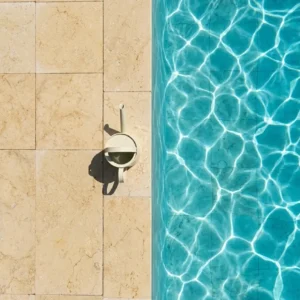
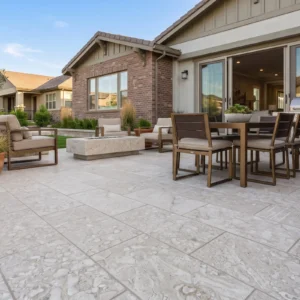
When it comes to designing a stunning outdoor space, limestone pavers are a top contender. Their natural elegance, versatility, and earthy tones make them a favorite for patios, walkways, and driveways. But if you live in a region with harsh winters, you might pause and ask: Can limestone pavers withstand freeze-thaw cycles? At Citadel Stone, we believe the answer is a resounding yes—provided you choose the right stone and take the proper steps to protect it. In this detailed guide, we’ll break down everything you need to know about limestone pavers in cold climates, from how they handle freezing temperatures to practical tips for keeping them pristine year after year.
What Are Freeze-Thaw Cycles, and Why Do They Matter?
Before we explore limestone’s performance, let’s get a clear picture of what freeze-thaw cycles are and why they’re a big deal for outdoor surfaces.
The Basics of Freeze-Thaw Cycles
Freeze-thaw cycles occur when water enters a material, freezes, and then thaws repeatedly. When water freezes, it expands by about 9%, exerting pressure on the surrounding structure. As temperatures rise, the ice melts, leaving the material vulnerable to further water infiltration. In cold climates, this process can repeat dozens of times each winter, testing the resilience of any outdoor surface.
Why Pavers Are at Risk
For pavers, this natural phenomenon poses unique challenges:
Moisture Penetration: If water seeps into a paver’s pores or cracks, freezing can cause splitting or flaking.
Temperature Swings: Rapid shifts from below freezing to above can accelerate wear and tear.
Surface Damage: Over time, untreated pavers may show signs of cracking, pitting, or unevenness.
Understanding this process helps us see why material choice, installation, and maintenance are critical for success in cold climates.
How Does Limestone Respond to Freeze-Thaw Cycles?
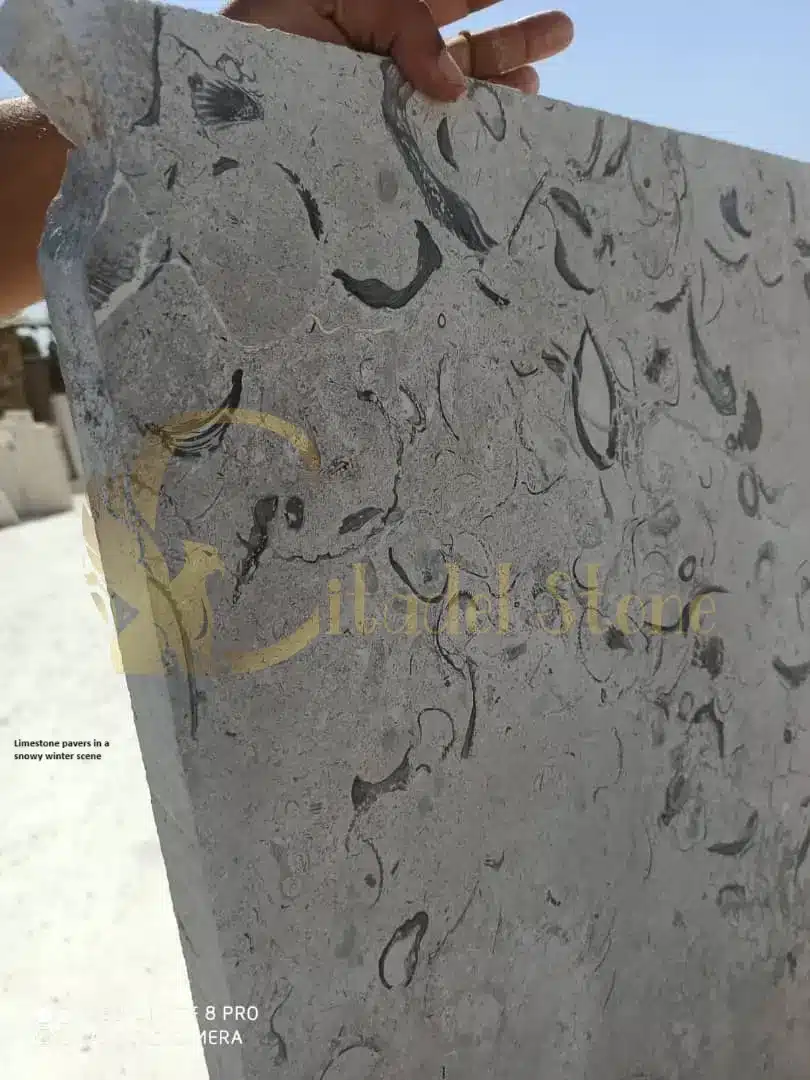
Limestone is a sedimentary rock formed over millions of years from mineral deposits, primarily calcium carbonate. Its performance during freeze-thaw cycles depends on its inherent properties—chiefly its density and porosity.
Limestone’s Strengths and Weaknesses
Porosity Varies: Some limestone is highly porous, meaning it can absorb water like a sponge, increasing the risk of freeze-thaw damage. Other varieties are denser, with fewer pores, making them more resistant.
Natural Durability: When sourced and processed correctly, limestone can be incredibly tough, standing up to years of weather extremes.
Aesthetic Appeal: Unlike some synthetic alternatives, limestone offers a warm, organic look that improves with age.
So, can limestone pavers handle freeze-thaw cycles? Yes—but the key lies in selecting the right type and supporting it with smart installation and care.
Picking the Perfect Limestone Pavers for Cold Climates
Not all limestone is created equal. To ensure your pavers thrive through winter, focus on these selection criteria:
1. Go for Low-Porosity Limestone
Dense limestone with a low water absorption rate is your best bet. Look for varieties like:
French Limestone: Known for its tight grain and durability.
Blue-Grey Limestone: A denser option with a sleek, modern vibe. These stones naturally resist water penetration, reducing the chance of freeze-thaw damage.
2. Think About Surface Texture
The finish of your pavers impacts both safety and performance:
Honed or Brushed: These textures improve grip in icy conditions and help water run off.
Flamed: A rougher finish that’s great for high-traffic areas exposed to snow and ice.
3. Verify Cold-Climate Suitability
Ask your supplier for limestone tested for frost resistance. A water absorption rate below 3% is a good benchmark for cold climates.
Quick DIY Test
Unsure about a paver’s porosity? Drizzle a few drops of water onto a sample. If it beads up and rolls off, you’ve got a winner. If it soaks in fast, it might need extra protection.
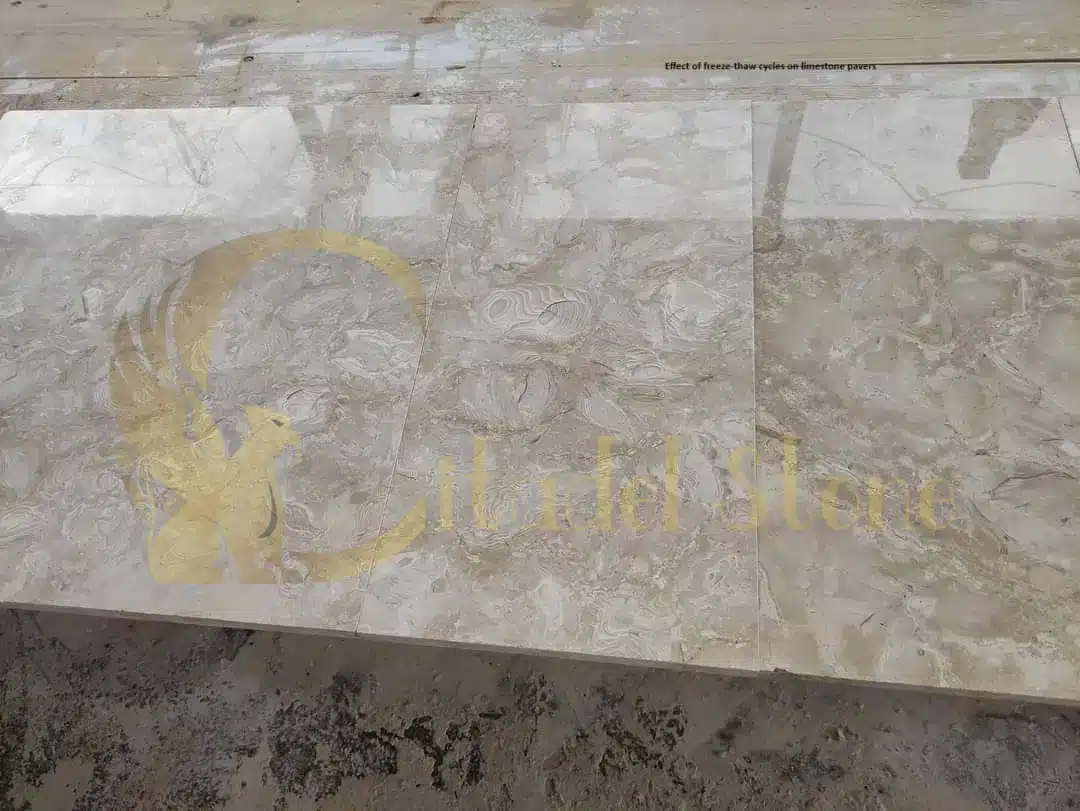
Installing Limestone Pavers to Beat the Freeze
Even the toughest limestone pavers won’t survive freeze-thaw cycles without a solid installation. Here’s how to set them up for success:
1. Create a Robust Base
A well-prepared base prevents shifting and water buildup:
Dig Deep: Excavate 6-8 inches to remove unstable soil.
Add Gravel: Lay down 4-6 inches of crushed stone or gravel, compacting it tightly for drainage.
Finish with Sand: A 1-inch layer of coarse sand levels the surface and cushions the pavers.
2. Prioritize Drainage
Water management is critical:
Slope Smartly: Angle the surface 1-2% away from buildings to guide runoff.
Permeable Joints: Use gravel or polymeric sand between pavers to let water escape downward.
3. Seal for Protection
Sealing limestone pavers adds an extra layer of defense:
Penetrating Sealants: These soak into the stone, blocking water while keeping the natural look intact.
Timing Matters: Apply sealant in late fall, before the first freeze hits.
4. Lock It In
Install edge restraints—think concrete borders or sturdy plastic—to keep pavers stable as the ground shifts with temperature changes.
Maintaining Limestone Pavers Through Winter
Installation is just the beginning. Regular maintenance keeps your limestone pavers looking great and performing well in cold climates.
1. Keep Them Clean
Clear Debris: Sweep away leaves, dirt, and snow to prevent moisture traps.
Gentle Washing: Use a mild soap and soft brush for stubborn spots—skip harsh chemicals.
2. Say No to De-Icing Salts
Rock salt and chemical de-icers can erode limestone, causing discoloration or surface damage. Opt for sand or non-corrosive ice melt instead.
3. Refresh the Sealant
Annual Check: Before winter, splash water on the pavers. If it soaks in, it’s time to reseal.
Long-Term Care: Plan to reseal every 1-2 years, depending on weather exposure.
4. Fix Small Issues Fast
After winter, inspect for minor cracks or chips. Patch them with a limestone-compatible filler to stop problems from growing.
The Benefits of Limestone Pavers in Cold Climates
Why choose limestone over other materials for your winter-ready outdoor space? Here’s what sets it apart:
Tough as Nails: High-quality limestone holds its own against frost and wear.
Timeless Beauty: Its natural patina only gets better with time, even in tough conditions.
Value for Money: With the right care, limestone pavers last decades, making them a smart investment.
At Citadel Stone, we’ve watched limestone transform countless outdoor areas into resilient, eye-catching spaces—no matter the season.
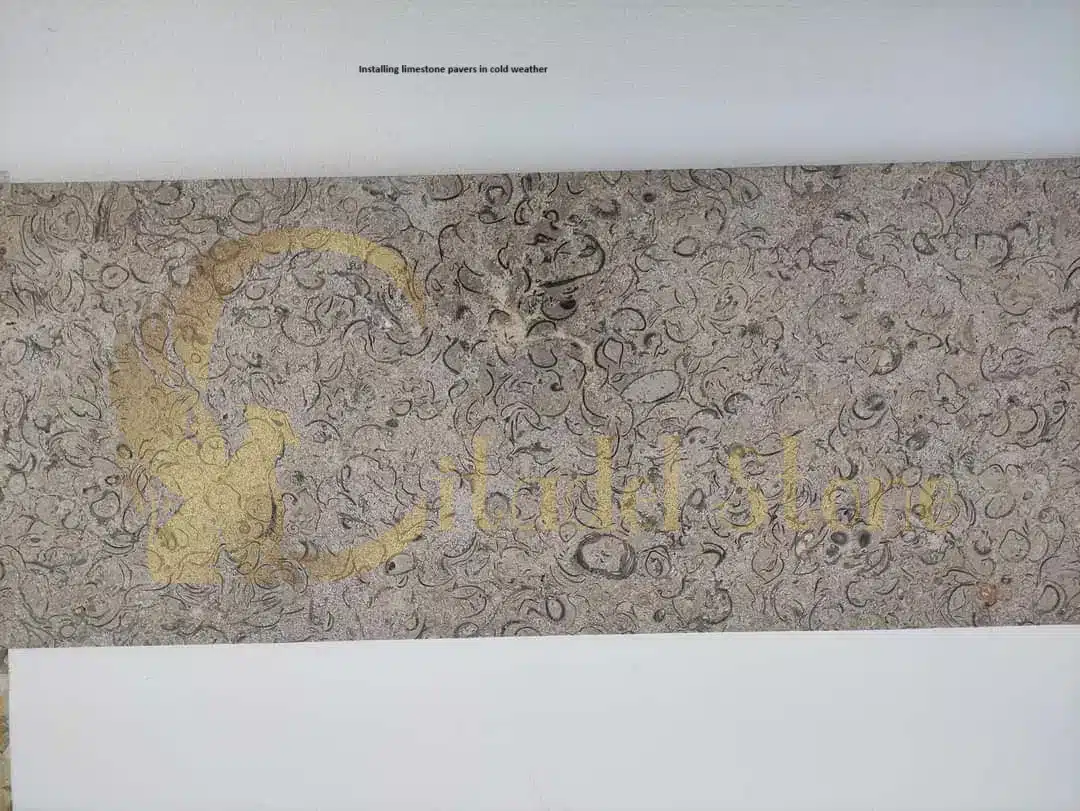
Cold Climate Tips for Limestone Success
Ready to make your limestone pavers winter-proof? Here are some bonus tips:
Plan Ahead: Install in spring or summer to give the base time to settle before winter.
Layer Up: In extreme climates, consider a thicker gravel base (up to 10 inches) for added stability.
Stay Vigilant: After heavy snow or ice, check for pooling water and address drainage issues pronto.
Wrapping Up: Limestone Pavers Can Thrive in the Cold
So, can limestone pavers handle freeze-thaw cycles? With the right stone, proper installation, and a little TLC, they absolutely can. By choosing dense, low-porosity limestone, building a solid foundation, and maintaining your pavers through winter, you’ll enjoy a gorgeous outdoor space that stands up to the cold.
At Citadel Stone—pioneering stone solutions as a nationwide distributor, we’re passionate about helping you bring your vision to life. Browse our premium limestone paver collection or contact us for expert advice tailored to your cold-climate project. With limestone, winter doesn’t have to mean compromise—it’s an opportunity to shine.