When planning an outdoor project, choosing the right material is key to balancing beauty, durability, and safety. Limestone pavers, with their natural elegance and versatility, are a top pick for many homeowners. Yet, questions often arise: Are limestone pavers slippery? Are they safe for my patio or pool deck? At Citadel Stone—excellence in natural stone supply and distribution, we’ve heard these concerns and are here to clear up the confusion. In this in-depth post, we’ll debunk common safety myths about limestone pavers, explore their properties, and offer practical advice to ensure your outdoor space is both stunning and secure. Let’s get started.
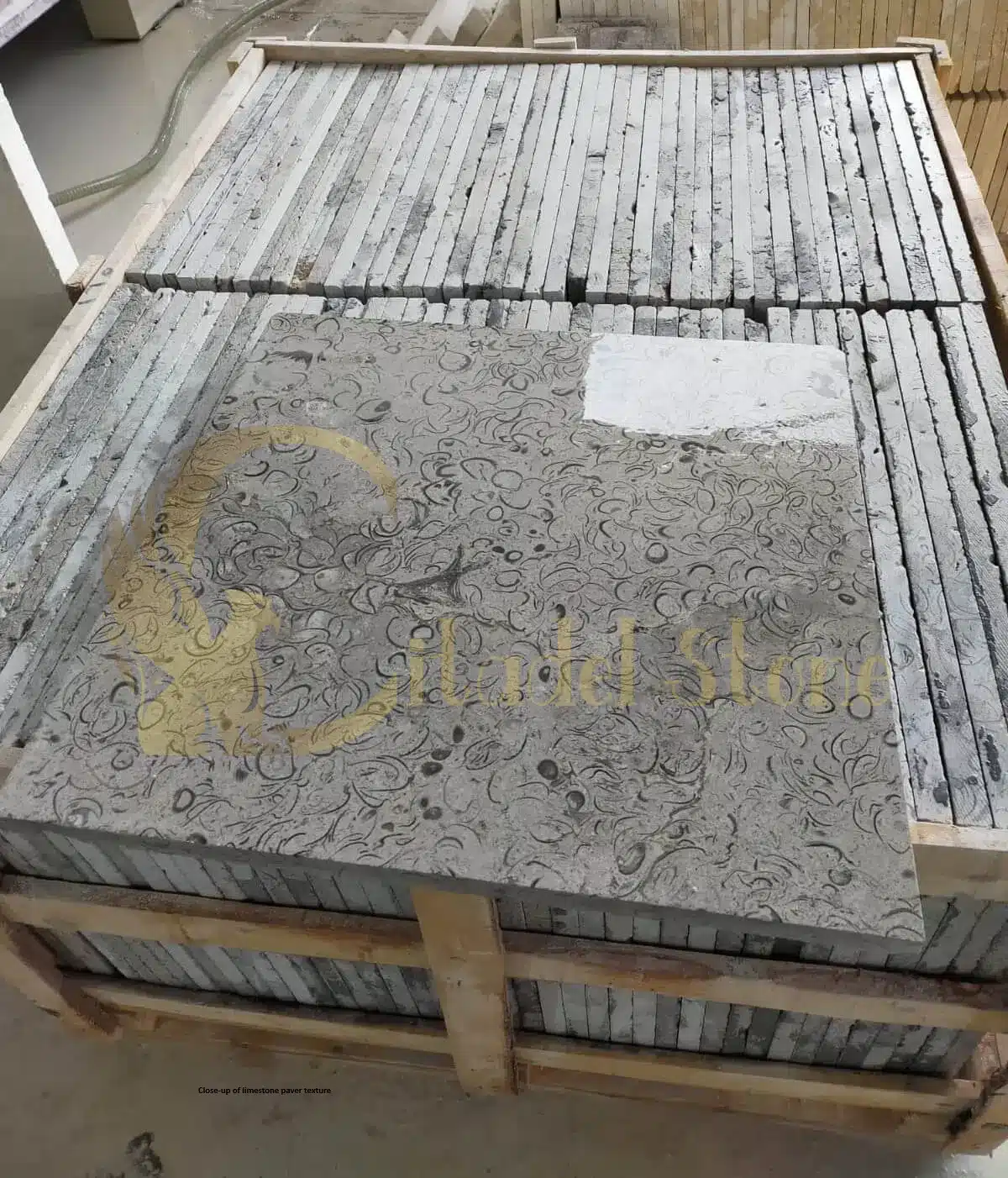
Understanding Limestone Pavers: What Makes Them Special?
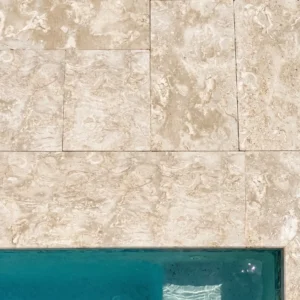
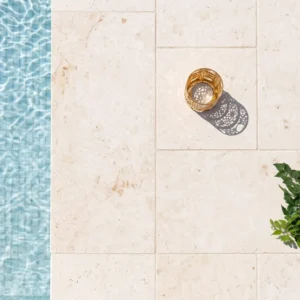
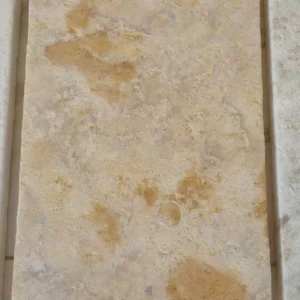
Limestone pavers are crafted from a natural sedimentary rock formed over millions of years from mineral deposits, primarily calcium carbonate. This stone is celebrated for its earthy tones—ranging from soft creams to deep grays—and its ability to complement any landscape. Whether you’re designing a cozy garden path, a sprawling driveway, or a chic poolside retreat, limestone pavers deliver a timeless appeal.
What sets limestone apart is its adaptability. It can be cut into various shapes and sizes and finished in different ways, from smooth and polished to rugged and textured. These finishes play a big role in how the pavers perform, especially when it comes to safety. But before we dive into that, let’s tackle the myths that might be holding you back from choosing this remarkable stone.
Busting Myths About Limestone Pavers
Misinformation can cloud decision-making, so let’s shine a light on the most common myths about limestone pavers and reveal the facts.
Myth 1: Limestone Pavers Are Always Slippery
The Myth: People often assume that limestone pavers are a slip-and-fall accident waiting to happen, no matter the conditions.
The Reality: Not all limestone pavers are slippery—it depends on how they’re finished. The surface texture is the deciding factor:
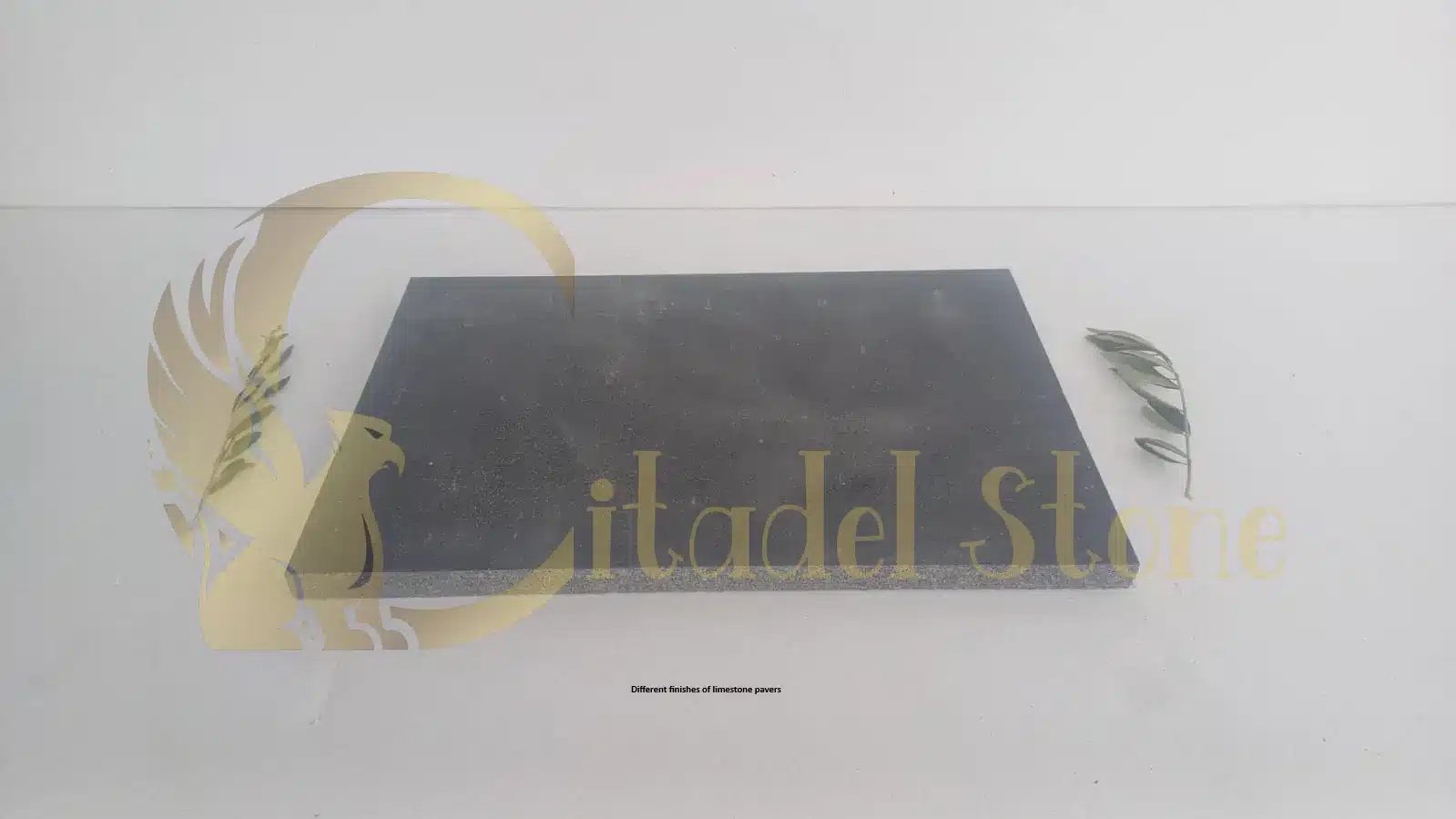
Smooth Finishes (Honed or Polished): These give limestone a sleek, glossy look that’s perfect for indoor spaces or dry outdoor areas. However, when wet, they can become slick, reducing traction.
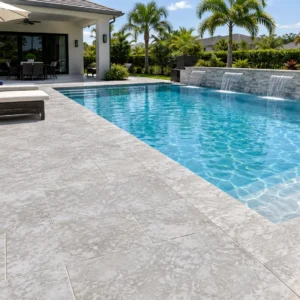
Rough Finishes (Textured or Tumbled): These options have a coarser surface texture, which is what specifiers look for in rainy or poolside settings. Ask us for the wet DCOF test report for the finish you are considering.
At Citadel Stone, we offer a variety of finishes to match your needs. For areas where water is a factor, textured limestone pavers are a smart, stylish solution.
Myth 2: Limestone Pavers Aren’t Safe for Outdoor Spaces
The Myth: Some think limestone is too delicate or wears down too quickly to be a safe outdoor option.
The Reality: Limestone has proven its toughness for centuries—think of the ancient structures still standing today. It’s naturally dense and resilient, capable of handling foot traffic, weather changes, and even the occasional car tire. Safety isn’t compromised by the stone itself but by how it’s installed and maintained:
Installation Matters: A solid, well-drained base prevents shifting or sinking, keeping the surface even.
Weather Resistance: Limestone holds up against sun, rain, and frost when properly cared for.
Far from being unsafe, limestone pavers are a dependable choice for outdoor living when handled with care.
Myth 3: Limestone Pavers Demand Too Much Upkeep
The Myth: There’s a notion that limestone pavers require endless effort to stay safe and attractive.
The Reality: Maintenance is straightforward and manageable. Limestone doesn’t need constant attention—just a little TLC to keep it performing at its best:
Cleaning: Sweep away debris and wash with a gentle cleaner to prevent slippery buildup like moss.
Sealing: A coat of sealant every couple of years protects the stone and boosts its grip.
With minimal effort, limestone pavers stay safe and gorgeous, debunking the idea that they’re high-maintenance.
Safety First: Key Considerations for Limestone Pavers
Safety is a top priority for any outdoor surface, and limestone pavers can meet that standard with the right approach. Here’s what to keep in mind:
Slip Resistance: The Wet Test
Slipperiness becomes a concern in wet conditions, like after rain or around water features. To ensure limestone pavers stay safe:
Choose the Right Finish: Textured surfaces outperform smooth ones in damp environments.
Add Traction: Anti-slip coatings can enhance grip without changing the stone’s natural look.
Drain Well: Proper slope and drainage keep water from pooling, reducing slip risks.
Keeping It Level
An uneven surface can trip up even the most careful walker. Avoid this by:
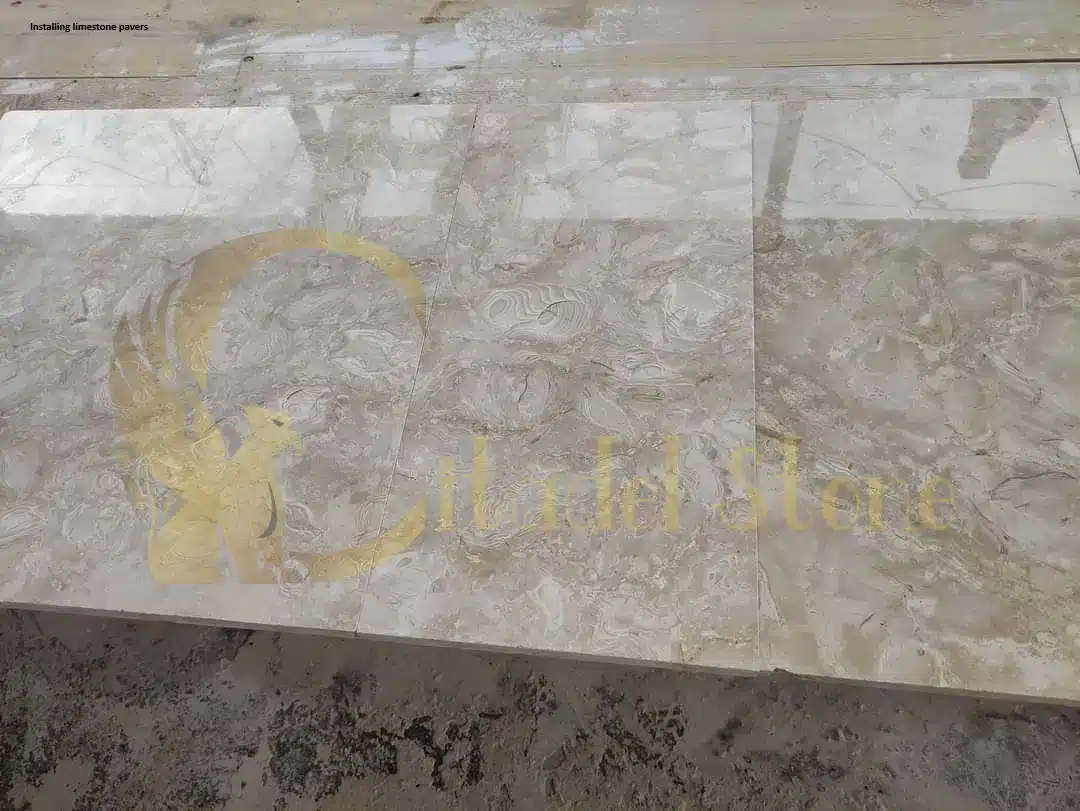
Expert Installation: Skilled pros ensure pavers sit flat and stable.
Routine Checks: Inspect for wear or movement over time and fix issues early.
Lighting the Way
Good visibility prevents accidents, especially at night. Enhance safety with:
Path Lights: Low-level lighting guides footsteps along walkways.
Spotlights: Highlight elevation changes or key features.
With these precautions, limestone pavers become a worry-free addition to your outdoor space.
Picking the Perfect Limestone Pavers
Choosing limestone pavers isn’t just about looks—it’s about matching the stone to your project’s needs. Here’s how to get it right:
Match the Space
Wet Zones (Pools, Patios): Go for textured or tumbled pavers to keep things slip-free.
Dry Spots (Paths, Courtyards): Polished finishes can shine here without safety concerns.
Weigh the Wear
Busy Areas: Opt for thicker, rougher pavers that can take a beating and still feel secure underfoot.
Quiet Corners: Smoother finishes work fine where traffic is light.
Design It Your Way
Color Palette: Pick shades that tie into your surroundings—warm tans for a rustic vibe or cool grays for modern flair.
Shape and Size: Large slabs create a clean, open feel; smaller tiles add intricate detail.
At Citadel Stone, we’re here to guide you through the options, ensuring your pavers are as safe as they are striking.
Maintenance Made Simple
Keeping limestone pavers in top shape doesn’t take much—just a few habits to maintain their safety and charm:
Clean Regularly
Sweep Often: Clear away dirt and leaves to avoid slippery spots.
Wash Gently: Use a mild cleaner and soft brush to tackle grime or growth.
Seal Smart
Apply Sealant: Every 1-2 years, a sealant layer shields the stone; check with the sealer manufacturer whether the product affects wet slip performance.
Test It: If water soaks in instead of beading up, it’s time for a refresh.
Fix Fast
Patch Cracks: Replace or repair damaged pavers to keep the surface smooth.
Clear Growth: Remove algae or moss with a safe cleaner to restore grip.
These steps keep your limestone pavers safe, functional, and eye-catching with little fuss.

Real Orders, Real Deliveries
We only publish projects we have actually supplied. See our Las Vegas white limestone delivery — two containers, 6,884 sq ft, 32 crates, shipped door to door — and how we supplied Creative Environments in Arizona with 21 containers across a 70,000+ sq ft installation: white limestone pavers and tiles, shellstone and Ocean Reef pavers.
Had Citadel Stone material installed on your project? Send us your photos and we will feature the work here, with your permission.
Wrapping Up: Limestone Pavers Done Right
Limestone pavers don’t deserve the slippery reputation they sometimes get. With the right finish, thoughtful installation, and basic maintenance, they’re a safe, durable, and breathtaking choice for any outdoor project. From debunking myths to offering actionable tips, we’ve shown how limestone can work for you—whether it’s a sunlit patio or a shaded walkway.
Ready to bring your vision to life? At Citadel Stone, we’re passionate about crafting outdoor spaces that blend safety and style. Browse our limestone paver collection and reach out for personalized advice. Your dream project starts here—let’s make it happen.