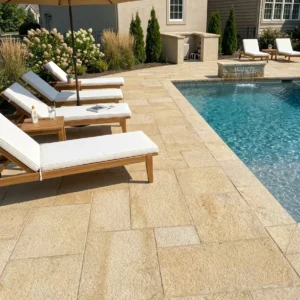
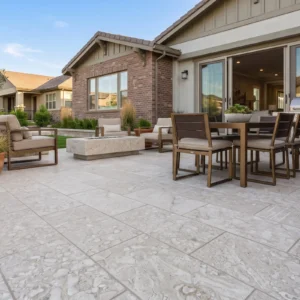
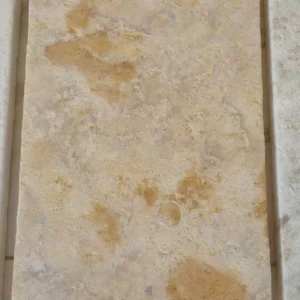
When designing an outdoor space—whether it’s a patio, walkway, or driveway—the material you choose plays a pivotal role in its longevity, beauty, and functionality. At Citadel Stone—your essential source for quality limestone pavers, we understand the importance of selecting a paver that not only enhances your property but also stands the test of time. Among the top contenders are limestone pavers, concrete pavers, and brick pavers. But which of these options truly offers the best durability for outdoor use?
In this in-depth guide, we’ll explore how limestone pavers stack up against concrete and brick in terms of longevity, maintenance, cost, aesthetics, and sustainability. By the end, you’ll have the insights you need to make an informed decision for your next project. Let’s dive in!
Understanding the Contenders: Limestone, Concrete, and Brick
Before comparing their durability, let’s define what each material brings to the table:
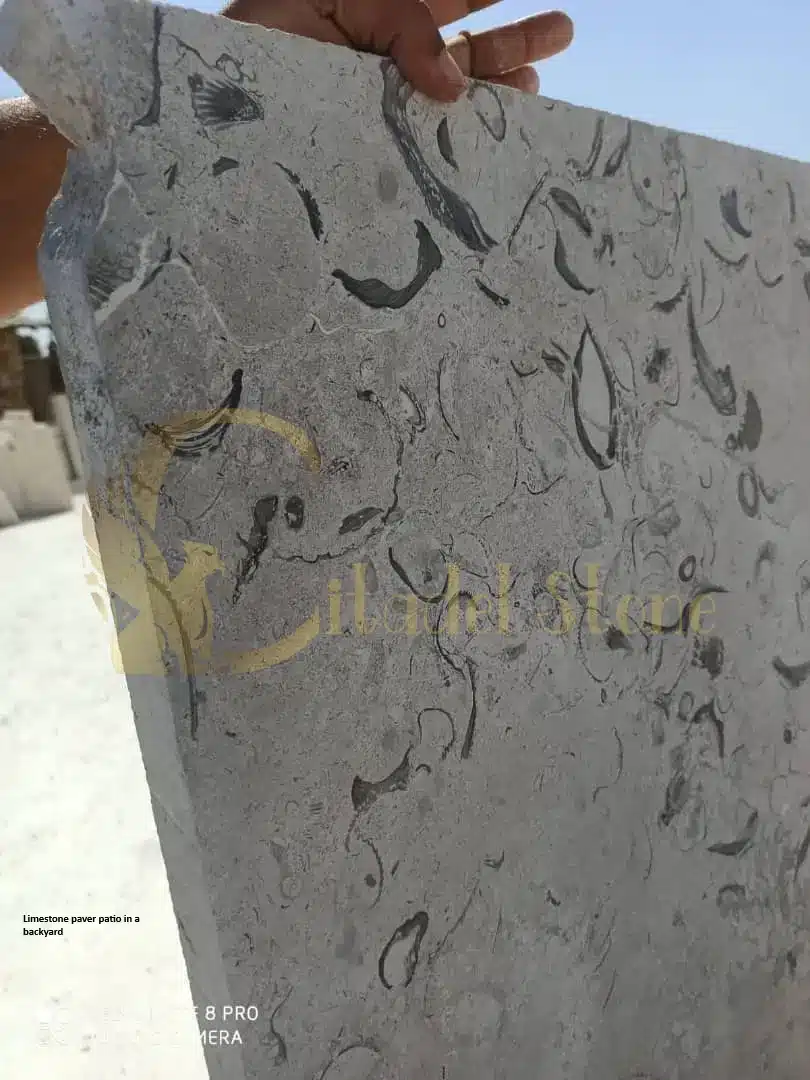
Limestone Pavers: Crafted from natural sedimentary rock, limestone pavers are prized for their organic beauty. With colors ranging from creamy whites to rich tans and subtle fossil-like patterns, they offer a distinctive, elegant look.
Concrete Pavers: These man-made pavers are formed from a blend of cement, sand, and aggregates. Known for their versatility, they can replicate the appearance of stone or brick and come in a variety of shapes and hues.
Brick Pavers: Made from fired clay, brick pavers deliver a classic, warm aesthetic. Available in earthy tones like red, brown, and gray, they’ve been a staple in outdoor design for centuries.
Each material has unique strengths, but longevity outdoors depends on how well they handle the challenges of nature and use. Let’s break it down.
Key Factors That Determine Outdoor Paver Durability
To evaluate which paver lasts longest, we need to consider the following factors:
Weather Resistance: Can it endure rain, snow, heat, and freezing temperatures without deteriorating?
Strength Under Pressure: Does it hold up under heavy loads like vehicles or furniture?
Expected Lifespan: How many years will it last before needing replacement?
Color Stability: Will it maintain its appearance despite sun exposure?
Water Resistance: Does it resist moisture absorption that could lead to damage?
With these criteria in mind, let’s compare limestone pavers to their concrete and brick counterparts.
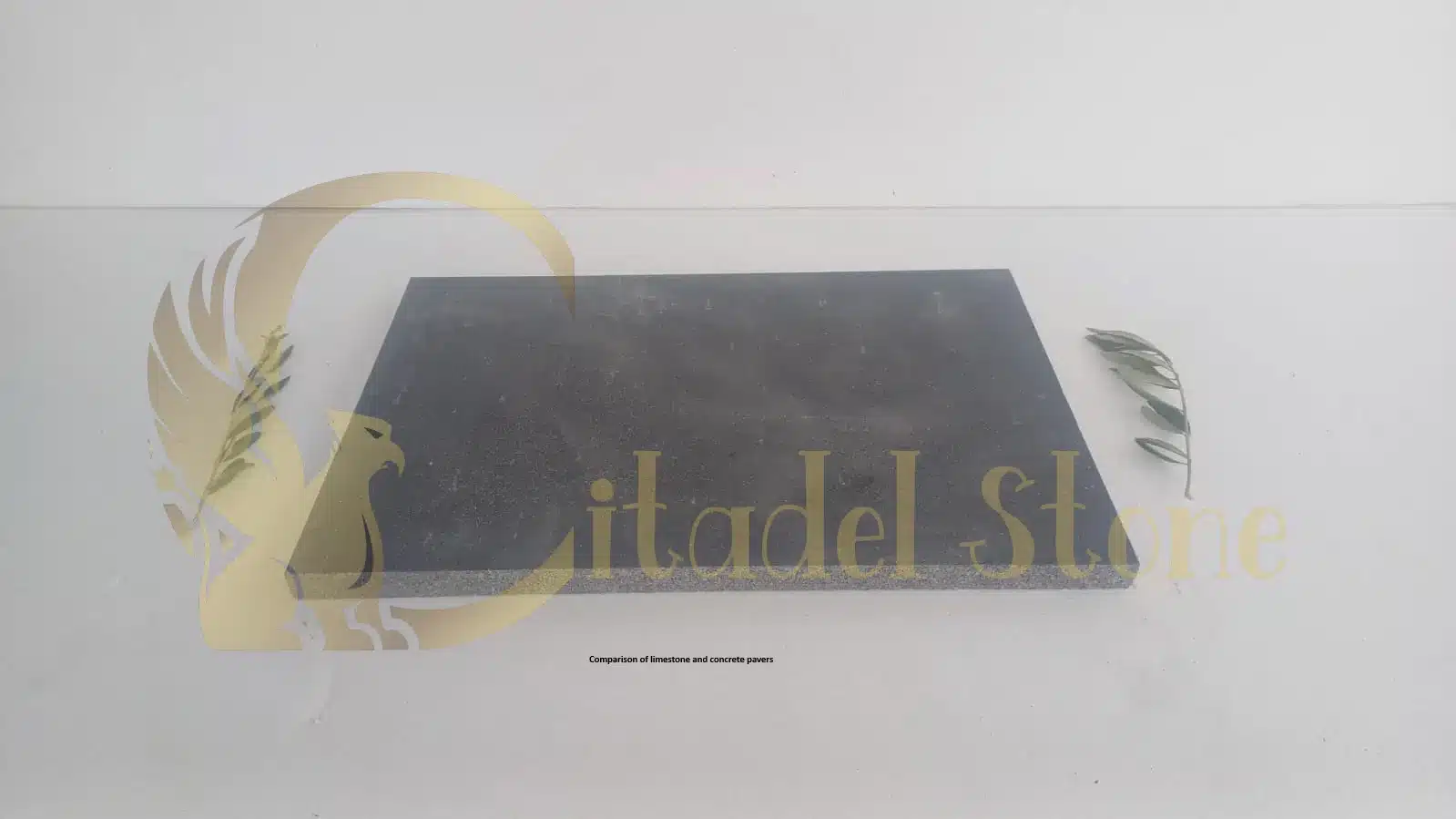
Limestone Pavers vs. Concrete Pavers: A Durability Showdown
Weather Resistance
Limestone Pavers: Limestone’s natural density makes it highly resistant to water penetration, reducing the risk of cracking during freeze-thaw cycles. Its lighter shades also reflect sunlight, minimizing thermal stress.
Concrete Pavers: Concrete performs well in moderate conditions but struggles in extreme climates. Its porous structure can absorb water, leading to cracks or surface damage when temperatures drop below freezing.
Strength Under Pressure
Limestone Pavers: As a natural stone, limestone boasts impressive compressive strength, making it ideal for high-traffic areas like driveways or patios with heavy outdoor furniture.
Concrete Pavers: Concrete is strong, but its performance depends on thickness and quality. Lower-grade or thinner pavers may buckle or fracture under significant weight.
Expected Lifespan
Limestone Pavers: With proper care, limestone pavers can last over 50 years, offering a lifetime of reliability for your outdoor space.
Concrete Pavers: Typically, concrete pavers endure for 25-30 years. Harsh conditions or poor maintenance can shorten this lifespan.
Color Stability
Limestone Pavers: The natural pigments in limestone resist fading, even under prolonged UV exposure, ensuring a consistent look over decades.
Concrete Pavers: Colored concrete often fades over time due to sunlight and weathering, requiring sealants to maintain its vibrancy.
Water Resistance
Limestone Pavers: Limestone has a naturally low absorption rate, especially when sealed, protecting it from moisture-related damage.
Concrete Pavers: Concrete’s porosity makes it prone to water infiltration, which can weaken its structure if not addressed with regular sealing.
Winner: Limestone pavers edge out concrete with superior weather resistance, a longer lifespan, and better moisture management, making them a standout choice for outdoor durability.
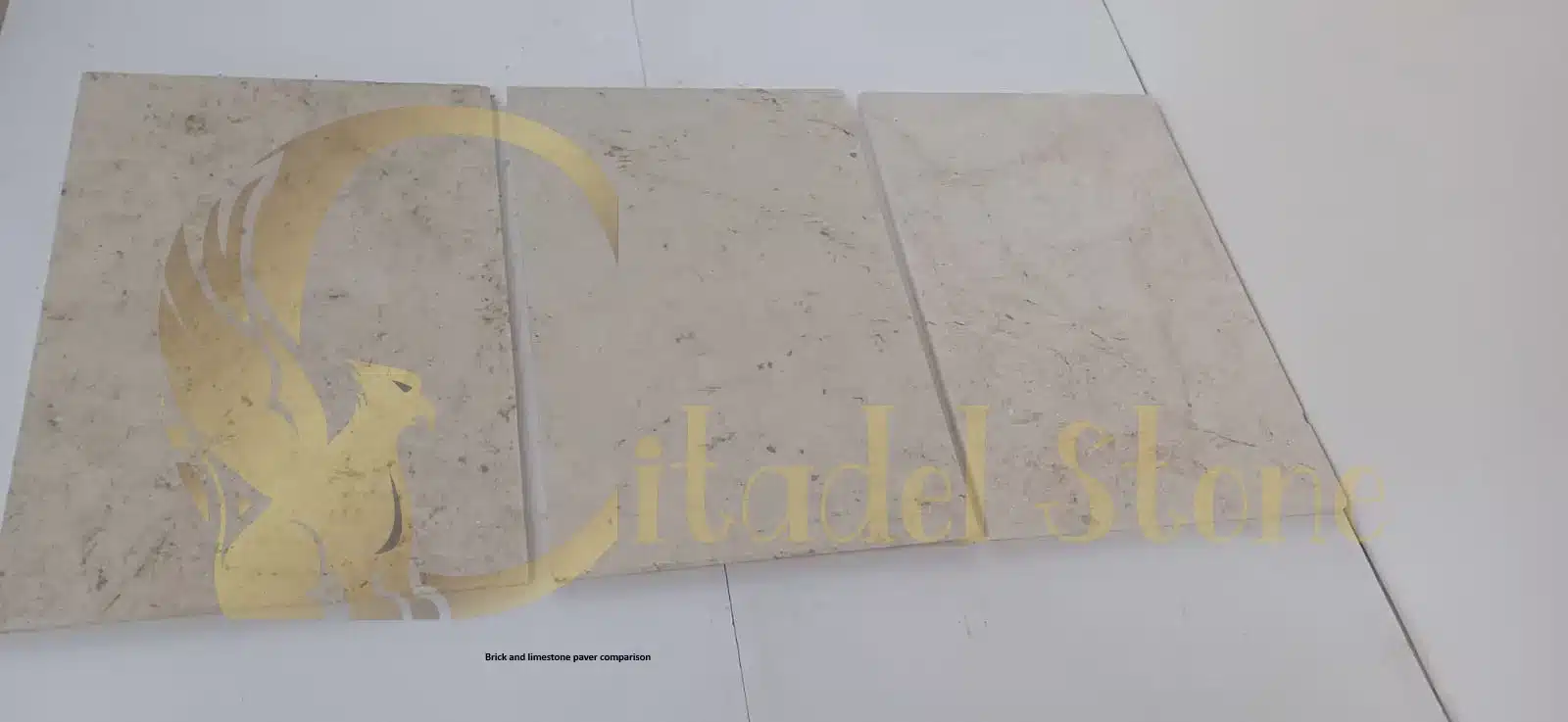
Limestone Pavers vs. Brick Pavers: How Do They Compare?
Weather Resistance
Limestone Pavers: Limestone’s resilience shines in diverse climates, shrugging off water and temperature swings with ease.
Brick Pavers: Brick holds up well but can suffer in wet, cold environments. If water seeps in and freezes, it may cause the brick to crack or flake.
Strength Under Pressure
Limestone Pavers: Limestone’s robust nature ensures it can handle substantial weight without shifting or breaking.
Brick Pavers: Brick is sturdy but may shift or crack under extreme pressure, particularly if the base isn’t perfectly stable.
Expected Lifespan
Limestone Pavers: Over 50 years of durability with minimal upkeep.
Brick Pavers: Brick lasts 20-40 years, depending on quality and environmental factors, falling short of limestone’s longevity.
Color Stability
Limestone Pavers: Limestone’s earthy tones remain intact over time, offering lasting visual appeal.
Brick Pavers: High-quality brick retains its color well, though cheaper varieties may fade or weather unevenly.
Water Resistance
Limestone Pavers: Low absorption keeps limestone safe from water damage when sealed.
Brick Pavers: Brick’s porous nature makes it susceptible to moisture, increasing the risk of cracking in freezing conditions.
Winner: Limestone pavers surpass brick with better weather resistance and a longer lifespan, especially in challenging outdoor settings.
Maintenance: Keeping Your Pavers in Top Shape
Durability isn’t just about the material—it’s also about how easy it is to maintain. Here’s what each option requires:
Limestone Pavers
Sealing: Apply a sealant every 1-2 years to protect against stains and enhance water resistance.
Cleaning: Sweep away debris and wash with a gentle, stone-safe cleaner to preserve its natural luster.
Repairs: Replace individual pavers as needed without disrupting the entire surface.
Concrete Pavers
Sealing: Seal every 2-3 years to combat staining and color loss.
Cleaning: Use a hose or pressure washer with a mild detergent to remove dirt buildup.
Repairs: Cracked pavers may need frequent replacement, adding to long-term upkeep.
Brick Pavers
Sealing: Optional but recommended every few years to limit water absorption.
Cleaning: Regular sweeping and occasional rinsing keep brick looking fresh; use a cleaner for stubborn marks.
Repairs: Shifting or damaged bricks may require resetting or swapping out.
Takeaway: Limestone pavers demand less frequent and intensive maintenance, saving you time and effort compared to concrete or brick.
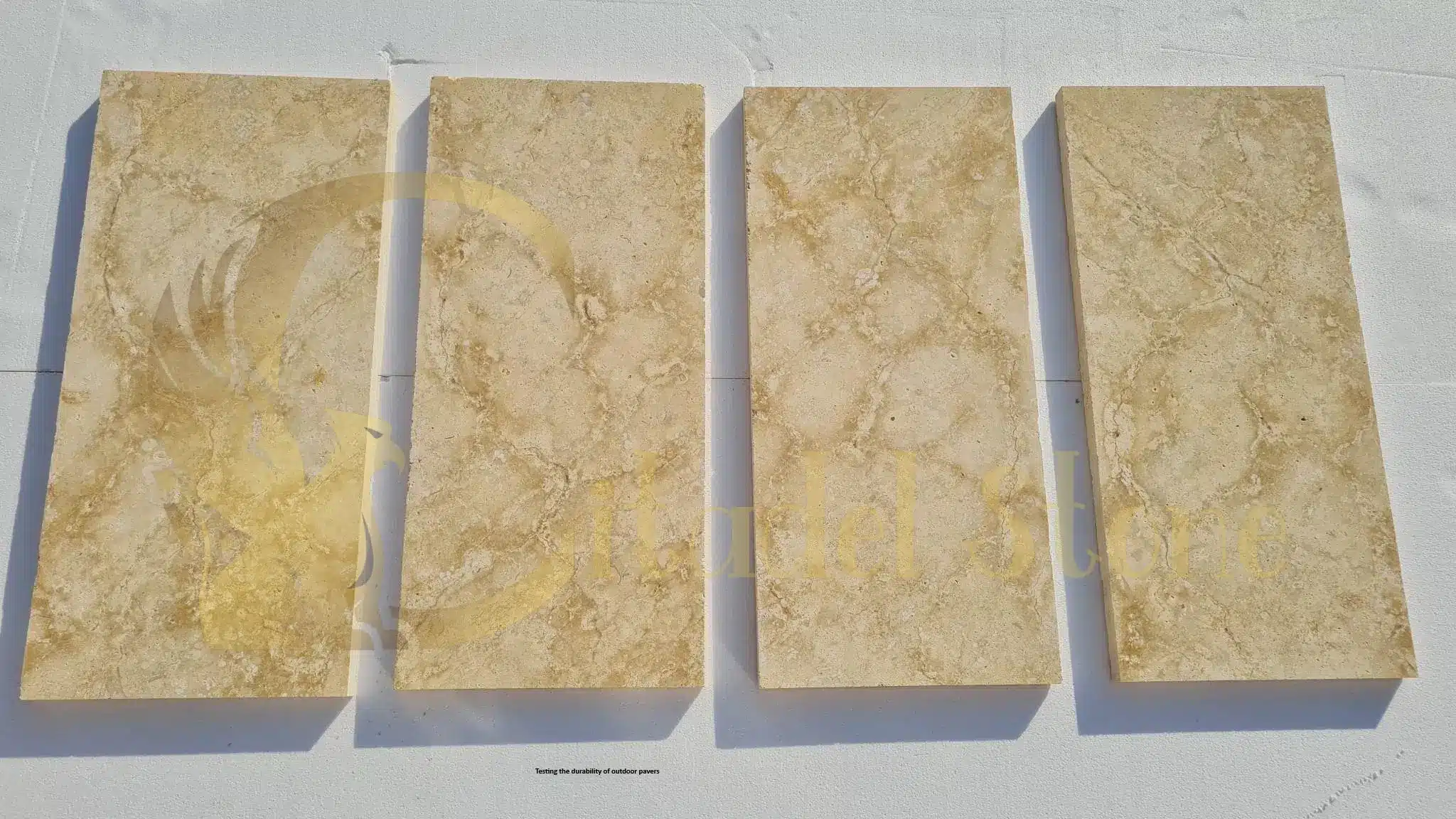
Cost Breakdown: Upfront and Over Time
Initial Investment
Limestone Pavers: Higher upfront cost due to the premium nature of natural stone and skilled installation.
Concrete Pavers: The budget-friendly option with lower material and labor expenses.
Brick Pavers: Moderately priced, falling between limestone and concrete.
Long-Term Value
Limestone Pavers: Their exceptional durability means fewer repairs or replacements, balancing out the initial expense over decades.
Concrete Pavers: Cheaper initially but may incur higher maintenance costs as they wear out faster.
Brick Pavers: Mid-range costs with occasional upkeep expenses that add up over time.
Insight: Limestone pavers offer the best long-term value, making them a smart investment for those prioritizing durability and minimal upkeep.
Aesthetics: Elevating Your Outdoor Design
Limestone Pavers
Natural Elegance: Limestone’s organic textures and soft hues create a sophisticated, timeless look.
Customization: Available in finishes like tumbled or honed, it adapts to modern or rustic styles.
Uniqueness: No two pavers are identical, adding character to your space.
Concrete Pavers
Versatility: Mimics stone or brick with endless shape and color options.
Consistency: Offers a uniform appearance, ideal for sleek, minimalist designs.
Drawback: Lacks the authentic charm of natural materials and may fade.
Brick Pavers
Traditional Charm: Warm tones and classic patterns evoke a cozy, vintage feel.
Flexibility: Laying options like herringbone or running bond enhance visual interest.
Aging Gracefully: Gains a weathered patina that appeals to some homeowners.
Standout: Limestone pavers win for their unmatched natural beauty and ability to elevate any outdoor area with a luxurious touch.
Sustainability: Which Paver Is Greener?
Limestone Pavers
Eco-Friendly Origin: Quarried naturally with minimal processing, reducing energy use.
Longevity: Lasts decades, cutting down on replacement waste.
Recyclability: Can be reused or repurposed at the end of its life.
Concrete Pavers
Production Impact: High energy consumption during manufacturing.
Resource Use: Relies on non-renewable materials like cement.
Recycling: Can be crushed for reuse, but the process is less sustainable than stone.
Brick Pavers
Natural Base: Made from clay, but firing requires significant energy.
Durability: Reduces waste over time, though not as long-lasting as limestone.
Reuse Potential: Can be salvaged, though less commonly than stone.
Green Choice: Limestone pavers lead the pack for their low environmental footprint and sustainable lifecycle.
Real Orders, Real Deliveries
We only publish projects we have actually supplied. See our Las Vegas white limestone delivery — two containers, 6,884 sq ft, 32 crates, shipped door to door — and how we supplied Creative Environments in Arizona with 21 containers across a 70,000+ sq ft installation: white limestone pavers and tiles, shellstone and Ocean Reef pavers.
Had Citadel Stone material installed on your project? Send us your photos and we will feature the work here, with your permission.
The Verdict: Limestone Pavers Reign Supreme
After comparing limestone pavers with concrete and brick across durability, maintenance, cost, aesthetics, and sustainability, one material stands out: limestone pavers. Their ability to endure harsh weather, support heavy loads, and maintain their beauty for over 50 years makes them the ultimate choice for outdoor longevity. Add in their low maintenance needs, stunning natural appeal, and eco-friendly profile, and it’s clear why they’re a favorite at Citadel Stone.
Ready to create an outdoor space that lasts? Explore Citadel Stone’s premium limestone paver collection and discover the perfect blend of durability and style for your home. Contact us today to bring your vision to life!