Introduction – Understanding Your Options
Before we dive into the nitty-gritty, let’s define what natural stone and engineered stone are and why this choice is so critical.
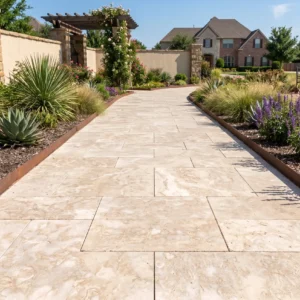
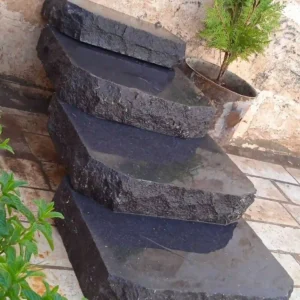
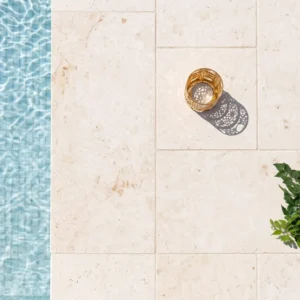
Natural stone is sourced directly from the earth, quarried in blocks and slabs from materials like granite, marble, limestone, slate, and travertine. Formed over millions of years, each piece boasts unique patterns, colors, and textures—making it a favorite for those seeking natural stone benefits like authenticity and timeless charm.
Engineered stone, by contrast, is a man-made product, typically blending crushed natural stone (like quartz) with resins and pigments. Often referred to as stone vs. quartz, engineered stone offers a controlled, consistent look with enhanced durability. Quartz countertops are a prime example, prized for their practicality and modern appeal.
So, why does this decision matter? The stone you choose impacts:
Performance: How it withstands daily use and environmental conditions.
Design: The aesthetic vibe and customization possibilities.
Budget: Both upfront costs and long-term value.
Selecting the right material—and knowing where to buy engineered stone or natural stone—ensures your project shines in both form and function.
Material Properties & Performance
Let’s break down how natural stone vs. engineered stone stack up in terms of durability, strength, and upkeep. These factors are key to determining which material aligns with your project’s demands.
Durability & Strength
Natural Stone: Durability varies by type. Granite and slate are tough as nails, resisting scratches and heavy use—perfect for high-traffic zones. Marble, though gorgeous, is softer, making it more prone to scratches or acid etching from spills like lemon juice.
Engineered Stone: Engineered stone, especially quartz, is engineered (pun intended) for strength. Its uniform composition resists scratches, chips, and cracks, making it a powerhouse in busy kitchens or commercial spaces.
Key Insight: If raw durability tops your list, engineered stone often edges out due to its consistent resilience.
Porosity & Stain Resistance
Natural Stone: Most natural stones are porous, meaning they can soak up liquids like wine or oil unless sealed. Marble and limestone, for instance, need regular sealing to fend off stains, which can be a dealbreaker in spill-prone areas.
Engineered Stone: Thanks to its non-porous nature, engineered stone laughs off stains—no sealing required. Spill coffee or red sauce? A quick wipe keeps it pristine.
Key Insight: For stain-prone spots like kitchens, engineered stone’s non-porous surface is a game-changer.
Maintenance & Lifespan
Natural Stone: With proper care, natural stone can last decades—even centuries. But it’s not low-effort: sealing, gentle cleaning, and occasional refinishing are part of the deal, especially for softer stones like marble.
Engineered Stone: Engineered stone is the low-maintenance champ. Soap and water keep it sparkling, and many brands offer warranties of 10–15 years or more, reflecting its impressive lifespan.
Key Insight: Hate upkeep? Engineered stone simplifies your life without sacrificing longevity.
Design & Aesthetic Considerations
Looks matter, and both natural stone vs. engineered stone deliver stunning visuals—but in different ways. Here’s how they compare aesthetically.
Color and Pattern Variability
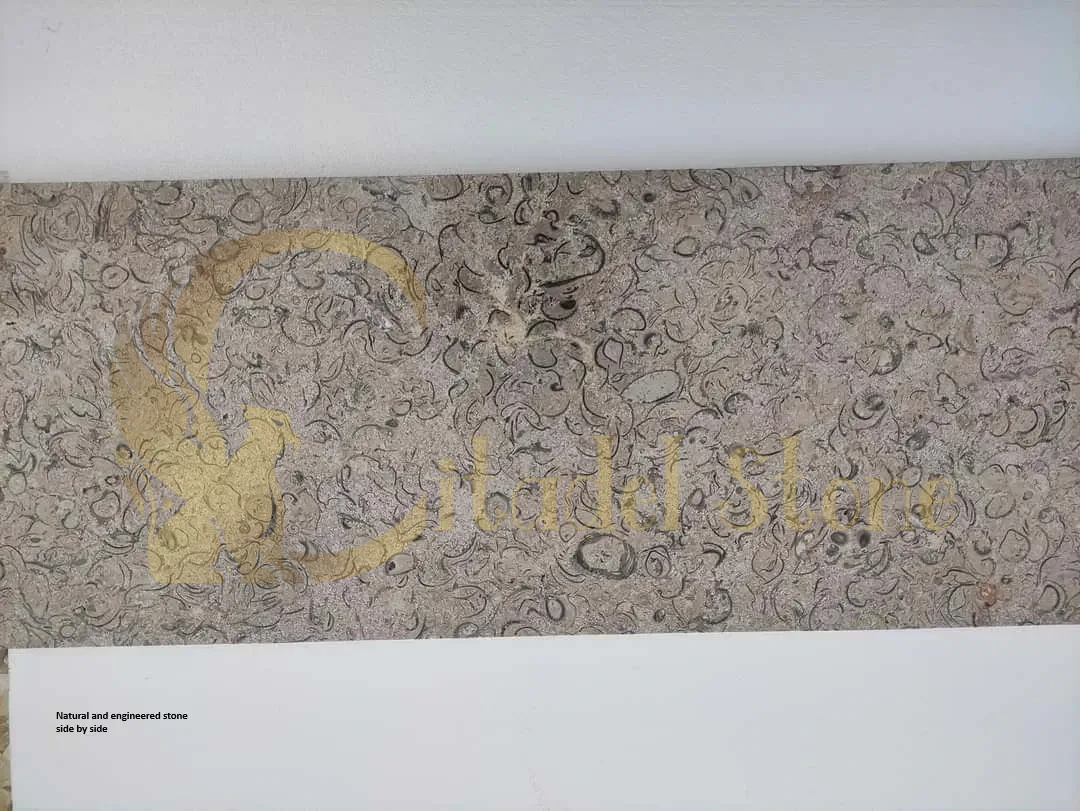
Natural Stone: The hallmark of natural stone is its one-of-a-kind beauty. No two slabs of granite or marble are identical, offering wild veining and color shifts that scream individuality. This uniqueness can be a blessing or a challenge, depending on your design goals.
Engineered Stone: Engineered stone prioritizes consistency. Whether you want a solid white countertop or a marble-lookalike, it delivers uniformity across large areas. Plus, it comes in a rainbow of colors and patterns, often mimicking natural stone.
Key Insight: Crave a bespoke, organic vibe? Go natural. Need a cohesive, predictable look? Engineered stone’s your pick.
Finish Options (Polished, Honed, Textured)
Natural Stone: From glossy polished granite to matte honed limestone or rugged leathered slate, natural stone offers a range of finishes that highlight its natural texture.
Engineered Stone: Typically available in polished or honed finishes, engineered stone leans sleek and modern. Textured options exist but are rarer.
Custom Shapes and Edge Profiles
Natural Stone: Skilled fabricators can cut natural stone into custom shapes and edges—like bullnose or ogee—but brittle stones like marble may limit intricate designs.
Engineered Stone: Its consistent makeup makes engineered stone a dream for customization. Think sharp, modern edges or complex cutouts without the risk of cracking.
Key Insight: For bold, tailored designs, engineered stone’s flexibility often shines brighter.
Cost Comparison & ROI
Money talks, so let’s examine how natural stone vs. engineered stone compare in terms of cost and return on investment.
Up-front Material Costs
Natural Stone: Prices swing wildly. Rare marbles or exotic granites can cost a pretty penny, while common stones like travertine are more wallet-friendly.
Engineered Stone: Engineered stone sits in the mid-to-high range, often matching mid-tier natural stones. Its predictability can make it a cost-saver for big projects.
Installation Labor Rates
Natural Stone: Installation can get pricey, especially for large slabs or tricky cuts. Natural stone’s weight and variability demand skilled labor, hiking up costs.
Engineered Stone: Easier to handle and cut, engineered stone often means lower labor bills. Its uniformity reduces the chance of costly errors during installation.
Long-term Value and Resale Impact
Natural Stone: Seen as a luxury material, natural stone can boost property value and wow buyers with its enduring appeal.
Engineered Stone: While durable and stylish, it may not carry the same cachet as natural stone. Still, its low upkeep and modern vibe appeal to practical homeowners.
Key Insight: Want prestige and resale clout? Natural stone wins. Balancing cost and performance? Engineered stone holds its own.
Environmental & Health Factors
Today’s projects often prioritize green living. Here’s how natural stone vs. engineered stone measure up environmentally and health-wise.
Sustainability of Quarried Stone vs. Manufacturing Footprint
Natural Stone: Quarrying impacts the environment—think land disruption and transport emissions. But it’s a renewable resource, and many quarries now embrace sustainable methods.
Engineered Stone: Production involves mining quartz plus energy-heavy manufacturing and resin use (petroleum-based). It’s less “natural” but can be efficient at scale.
Key Insight: Dig into supplier practices—sustainability varies more by source than stone type.
Indoor Air Quality and VOCs
Natural Stone: Inert and VOC-free, natural stone is a safe bet for clean indoor air.
Engineered Stone: Some resins in engineered stone may emit VOCs, though low- or no-VOC options are growing common.
Recyclability and End-of-Life
Natural Stone: Fully recyclable—crush it, repurpose it, or let it return to the earth.
Engineered Stone: Resin content complicates recycling, but some brands are pioneering solutions.
Key Insight: Eco-conscious? Natural stone’s recyclability gives it a slight nod.
Choosing the Best Supplier
Your stone is only as good as its source. Whether you’re eyeing an engineered stone supplier or a natural stone quarry, here’s how to pick a winner.
Natural Stone Quarry vs. Engineered Stone Fabricator
Natural Stone: Seek natural stone suppliers tied to reputable quarries. Authenticity and quality start at the source.
Engineered Stone: Opt for fabricators known for consistency and rigorous quality checks.
Key Vetting Criteria: Certifications, Quality Control, Lead Times
Certifications: Look for ANSI, ASTM, or similar standards to ensure quality and safety.
Quality Control: Ask how they inspect slabs or batches—consistency matters.
Lead Times: Tight timeline? Confirm delivery schedules upfront.
Questions to Ask Suppliers and Sample Evaluation Tips
Questions:
Where does this stone come from?
Can you share certification proof?
How do you handle defects or damage?
Sample Tips: Request samples of both stones. Test them—spill something, scratch them, feel the finish.
Key Insight: A top-notch stone supplier can make or break your project—vet them like your future depends on it.
Project-Specific Recommendations
Not all projects are created equal. Here’s how natural stone vs. engineered stone fit specific uses.
Outdoor Paving and Cladding
Natural Stone: Granite and slate thrive outdoors, resisting weather and wear with natural flair.
Engineered Stone: Less ideal—UV rays and temperature swings can degrade it over time.
Kitchen Countertops and Backsplashes
Natural Stone: Marble screams elegance but demands sealing. Granite’s tougher but still needs care.
Engineered Stone: Quartz rules here—stain-proof and low-maintenance.
Commercial Flooring and High-Traffic Areas
Natural Stone: Granite or travertine can handle the hustle, though upkeep is key.
Engineered Stone: Uniform and strong, it’s a practical pick for heavy foot traffic.
Key Insight: Match the stone to the job—natural for charm, engineered for ease.
Final Decision Framework
Ready to choose? Here’s a snapshot of natural stone vs. engineered stone, plus a checklist to seal the deal.
Pros & Cons Summary
Natural Stone:
Pros: Unique beauty, timeless vibe, recyclable, long-lasting.
Cons: Needs maintenance, porous, can be costly to install.
Engineered Stone:
Pros: Low upkeep, stain-resistant, uniform look, easier install.
Cons: Less unique, lower prestige, recycling challenges.
Checklist to Guide Your Choice
Want standout, natural charm? → Natural stone.
Need hassle-free maintenance? → Engineered stone.
Budget tight? → Compare total costs—engineered might save.
Going green? → Check supplier sustainability.
High-traffic zone? → Either works, but engineered’s simpler.
Key Insight: Weigh your must-haves against this list—your perfect stone will emerge.
Real Orders, Real Deliveries
We only publish projects we have actually supplied. See our Las Vegas white limestone delivery — two containers, 6,884 sq ft, 32 crates, shipped door to door — and how we supplied Creative Environments in Arizona with 21 containers across a 70,000+ sq ft installation: white limestone pavers and tiles, shellstone and Ocean Reef pavers.
Had Citadel Stone material installed on your project? Send us your photos and we will feature the work here, with your permission.
Next Steps & Citadel Stone Advantage
You’ve got the facts—now it’s time to act. At Citadel Stone, we’re your one-stop shop for both natural stone, offering top-tier options to suit any project.
Explore our natural stone collections—granite, marble, basalt pavers, limestone tiles, and more await.
Our experts are ready to guide you, from selection to sourcing. Contact Citadel Stone today and turn your vision into reality.