

Basalt tiles are renowned for their natural beauty, exceptional durability, and low maintenance requirements. However, even these robust natural stones benefit from proper care to maintain their appearance and performance over time. In this comprehensive guide, we cover best practices for maintaining and cleaning basalt tiles—including detailed sealing methods with recommended sealants, effective stain removal techniques, and strategies to prevent efflorescence. We also present six real-world case studies and recent projects from some of the second most populated states in the USA (Texas, Florida, New York, Pennsylvania, Illinois, and Ohio) to illustrate how these practices have been successfully implemented in various settings.
1. Introduction
Basalt is a volcanic rock formed from the rapid cooling of basaltic lava. Its dense, low-porosity nature makes it an ideal material for floors, walls, and outdoor applications. Despite its inherent durability, proper maintenance is key to preserving the natural color, texture, and longevity of our iconic basalt tiles. Routine cleaning, periodic sealing, and prompt attention to stains and moisture issues help prevent common problems such as discoloration and efflorescence (the appearance of salt deposits on the surface).
In this guide, we delve into the specifics of maintaining basalt tiles, outlining the best practices for sealing, cleaning, and protecting your investment. Whether installed in a bustling commercial environment or a serene residential setting, following these guidelines will ensure your basalt tiles remain both beautiful and functional for years to come.
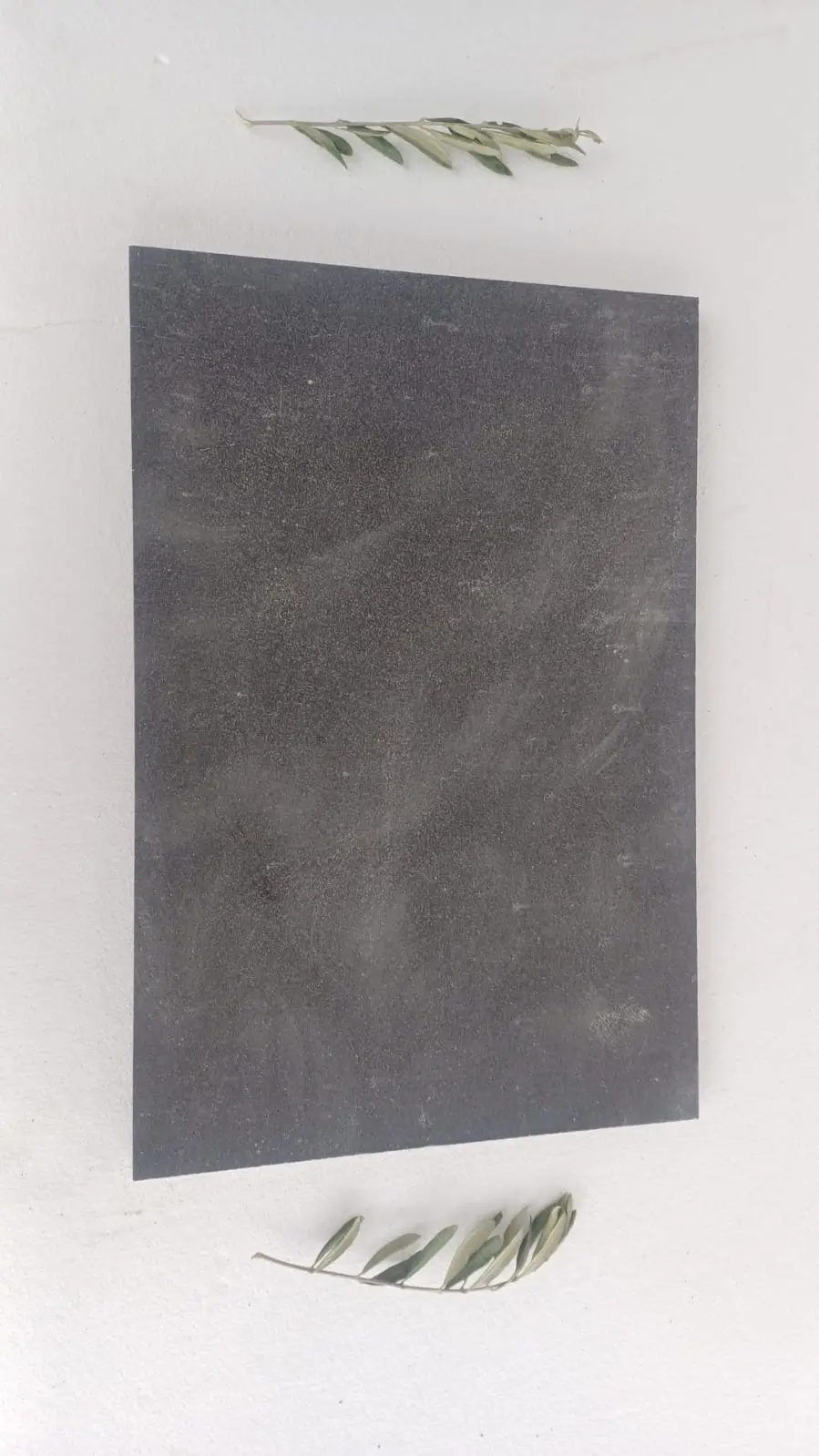
2. Why Maintenance & Cleaning Are Essential
2.1. Preserving Aesthetic Appeal
Basalt’s natural dark hues—ranging from deep grays to rich charcoals—provide a sophisticated, modern look. Regular maintenance helps preserve these colors against fading from UV exposure, dirt buildup, and daily wear. Routine cleaning prevents grime accumulation, while proper sealing locks in the stone’s natural beauty.
2.2. Enhancing Durability
Even though basalt is highly durable, neglecting maintenance can lead to premature wear or damage. Moisture infiltration, for example, can cause efflorescence, where soluble salts migrate to the surface and leave unsightly deposits. A well-maintained seal minimizes water penetration and protects the integrity of the tile.
2.3. Reducing Long-Term Costs
Regular upkeep not only keeps your tiles looking pristine but also minimizes repair or replacement expenses in the long run. By investing a little time and effort in maintenance, you can avoid costly restorative projects later on.
3. Sealing Basalt Tiles: Best Practices and Recommended Sealants
Sealing is a critical step in maintaining our rugged basalt tiles. A proper sealant protects the stone from moisture, stains, and the accumulation of dirt. Below are best practices for sealing basalt tiles along with recommended products.
3.1. When and Why to Seal
- Protection Against Moisture: Basalt’s low porosity already makes it resistant to water, but sealing provides an extra layer of defense against moisture penetration, particularly in outdoor or high-traffic areas.
- Stain Resistance: Sealants prevent spills and contaminants from penetrating the stone, making stain removal much easier.
- Enhanced Longevity: Sealing helps maintain the original color and finish of the crisp basalt tiles, ensuring they remain visually appealing over time.
3.2. Recommended Sealants
Aqua Mix Sealer’s Choice Gold:
A premium, water-based impregnating sealer that is highly effective on natural stone. It offers excellent resistance to stains while maintaining the stone’s natural appearance.Miracle Sealants 511 Impregnator:
Known for its durability and long-lasting protection, this sealant is suitable for both indoor and outdoor applications and is particularly effective on low-porosity surfaces like basalt.StoneTech BulletProof Sealer:
An industry favorite, offering robust protection and water repellency without altering the natural color of the stone.
3.3. Best Practices for Sealing
Clean Thoroughly:
Ensure the resilient basalt tiles – Citadel Stone are free of dust, debris, and any residual grout haze. A clean surface is essential for the sealant to adhere properly.Dry Completely:
Allow the tiles to dry completely after cleaning. Moisture trapped beneath the sealant can cause bubbling or peeling.Apply Evenly:
Use a high-quality brush or roller to apply the sealant evenly across the tile surface. Follow the manufacturer’s guidelines regarding application thickness and drying time.Multiple Coats:
For maximum protection, consider applying a second coat after the first has fully cured.Test in an Inconspicuous Area:
Before sealing the entire installation, test the product on a small, hidden section to ensure it does not alter the Citadel Stone’s natural appearance of the basalt.
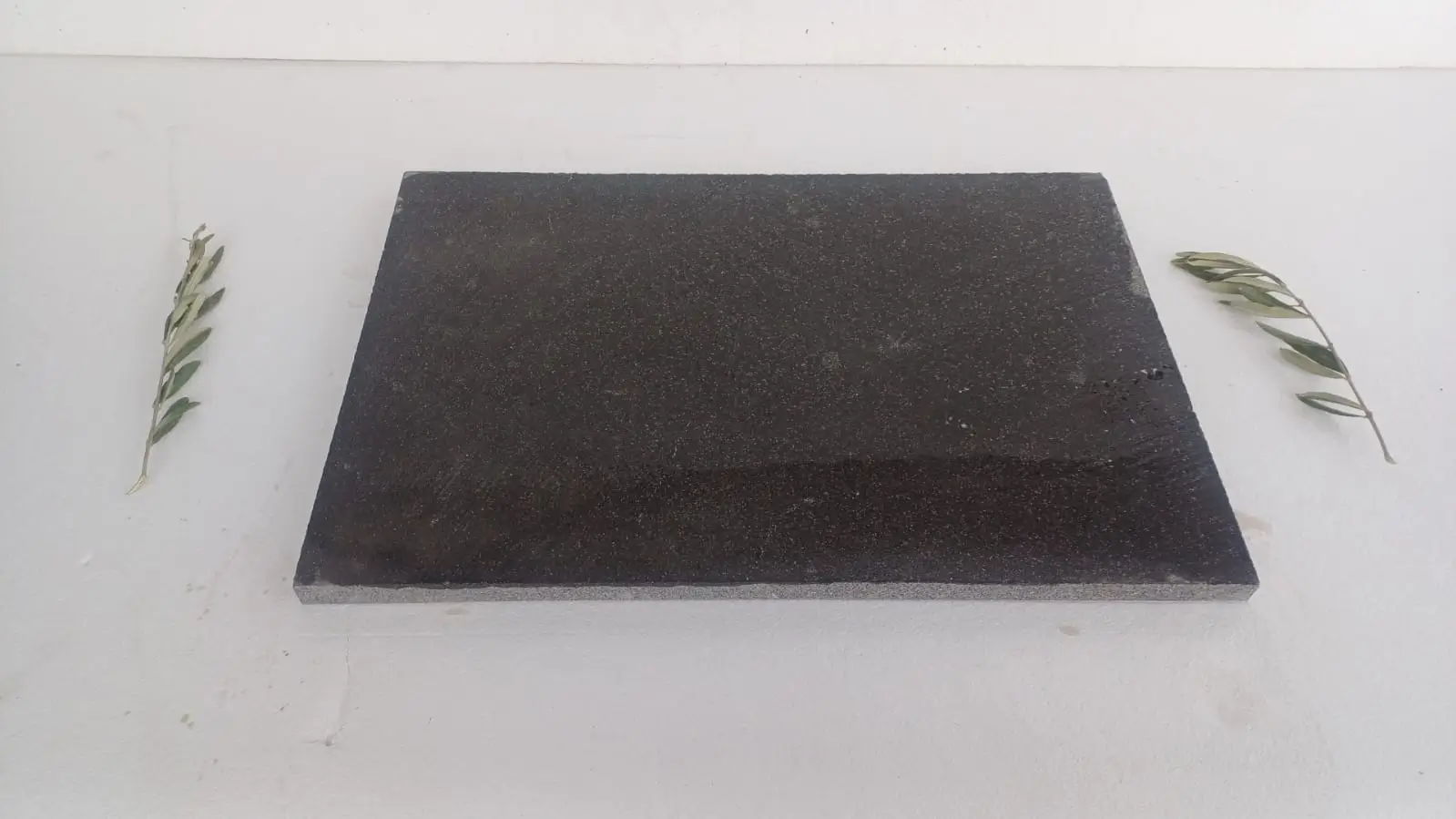
4. Stain Removal Techniques for Basalt Tiles
Even with proper sealing, occasional stains can occur. Knowing how to effectively remove stains without damaging the basalt is essential.
4.1. Common Stains and Their Causes
Oil and Grease:
These stains can penetrate even sealed surfaces if left unaddressed.Rust and Mineral Deposits:
Caused by water with high mineral content or metal objects left on the surface.Organic Stains:
Spills from food, beverages, or plant material can leave behind stubborn marks.
4.2. Effective Cleaning Methods
Use pH-Neutral Cleaners:
Avoid harsh chemicals that can damage the sealant or etch the surface. A mild, pH-neutral cleaner is typically sufficient for routine cleaning.Blot, Don’t Rub:
For liquid spills, blot immediately with a clean, absorbent cloth. Rubbing can push the stain deeper into the stone.Specialized Stain Removers:
For stubborn stains, use a stone-safe stain remover. Always follow the product instructions and test on a small area first.Soft Brushes and Microfiber Cloths:
Use non-abrasive tools to avoid scratching the tile surface. A soft brush can help gently agitate the stain remover without damaging the tile.
4.3. Step-by-Step Stain Removal
Identify the Stain:
Determine the type of stain and select the appropriate cleaning method.Pre-Treatment:
For oil or grease stains, sprinkle a small amount of baking soda over the area to absorb the spill before cleaning.Apply Cleaner:
Dampen a microfiber cloth or soft brush with a pH-neutral cleaner and gently work it into the stain.Rinse Thoroughly:
Rinse the area with clean water to remove any residual cleaner and repeat if necessary.Dry Completely:
Use a soft, dry towel to remove excess moisture. Allow the area to air dry completely before applying any additional treatments or sealant touch-ups.
5. Preventing Efflorescence
Efflorescence is the formation of white, powdery deposits on the surface of stone tiles, caused by the migration of soluble salts. Preventing this phenomenon is critical to maintaining the aesthetic appeal of your basalt installation.
5.1. Causes of Efflorescence
Moisture Movement:
When water penetrates the stone, it dissolves salts present in the substrate or mortar. As the water evaporates, it leaves behind these salts on the surface.Poor Drainage:
Inadequate drainage or excessive moisture exposure, particularly in outdoor installations, can increase the risk of efflorescence.Improper Sealing:
A poorly sealed surface allows moisture to penetrate, promoting salt migration.
5.2. Strategies to Prevent Efflorescence
Effective Sealing:
As discussed earlier, applying a high-quality, penetrating sealer creates a barrier that minimizes water infiltration.Proper Drainage:
Ensure that outdoor installations have adequate drainage systems in place. This might include sloping the substrate away from structures and installing proper drainage channels.Use of Moisture Barriers:
In areas prone to moisture, installing a moisture barrier beneath the tile can help reduce the movement of water and soluble salts.Regular Maintenance:
Routine cleaning and periodic resealing help keep the surface free from salt buildup before it becomes visible efflorescence.Choose the Right Mortar:
Use a high-quality, low-salt mortar to reduce the risk of salt migration from the bonding layer.
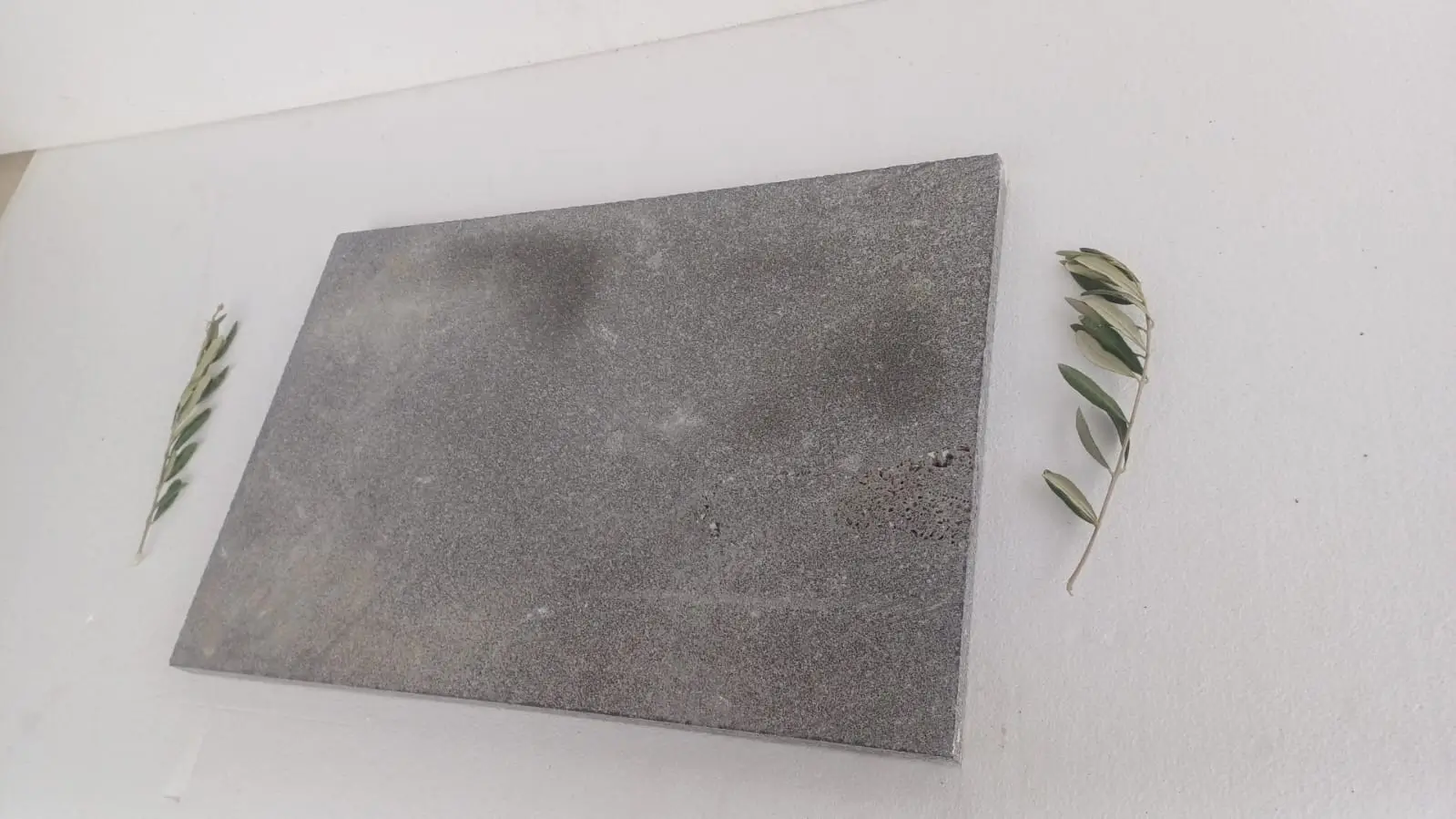
6. Developing a Regular Maintenance Routine
A well-planned maintenance routine is key to keeping your striking basalt tiles from Citadel Stone in top condition. Here’s a suggested schedule and checklist for both indoor and outdoor installations.
6.1. Daily/Weekly Cleaning
Dust and Debris Removal:
Sweep or vacuum the tiled surface regularly to prevent dust buildup.Damp Mopping:
Use a damp mop with a pH-neutral cleaner once a week for indoor floors. For outdoor spaces, hose down the area to remove loose dirt.Spot Cleaning:
Address spills and stains immediately by blotting and cleaning with the appropriate stain remover.
6.2. Monthly Maintenance
Inspect the Surface:
Check for signs of wear, salt deposits, or any areas where the sealant may be wearing thin.Gentle Cleaning:
Use a soft brush and pH-neutral cleaner to deep clean the tile surface, paying attention to grout lines and textured areas.Rinse Thoroughly:
Ensure that all cleaning residues are removed to prevent buildup.
6.3. Annual/Periodic Maintenance
Resealing:
Depending on the environment and usage, reseal basalt tiles every 1 to 2 years. High-moisture areas may require more frequent resealing.Professional Inspection:
Consider having a professional inspect your installation annually to identify and address any underlying issues such as moisture intrusion or early signs of efflorescence.Deep Cleaning:
Perform a deep cleaning at least once a year, especially for outdoor installations, to remove any accumulated grime or salt deposits.
8. Conclusion
Maintaining basalt tile installations is essential to preserving their natural beauty, durability, and long-term performance. Through proper sealing, effective stain removal, and proactive measures to prevent efflorescence, you can extend the life of your stain-resistant basalt tiles for low-maintenance spaces while keeping them looking as striking as the day they were installed.
Key Takeaways:
- Sealing: Use high-quality sealants such as Aqua Mix Sealer’s Choice Gold, Miracle Sealants 511 Impregnator, or StoneTech BulletProof Sealer. Follow best practices by cleaning thoroughly, allowing the surface to dry, and applying even coats.
- Stain Removal: Promptly address spills with pH-neutral cleaners and non-abrasive tools. For stubborn stains, use specialized stone-safe products and avoid harsh chemicals.
- Efflorescence Prevention: Ensure proper drainage and apply moisture barriers where needed. Regular inspections and cleaning after heavy rains or seasonal changes are crucial.
- Regular Maintenance: Establish a cleaning schedule that includes daily/weekly cleaning and periodic deep cleaning. Reseal your basalt tiles as recommended—typically every 1 to 2 years.
- Case Studies: Real-world examples from Texas, Florida, New York, Pennsylvania, Illinois, and Ohio demonstrate that a well-executed maintenance routine not only preserves aesthetic appeal but also significantly reduces long-term repair costs.
By adopting these maintenance and cleaning practices, you ensure that your basalt tiles remain a lasting, attractive feature in any space—whether in a bustling commercial environment or a cozy suburban home. A well-maintained installation not only boosts the overall appearance but also represents a wise, long-term investment in quality and performance.
For more expert advice, product recommendations, and to explore high-quality basalt tile options, visit Citadel Stone: crafted with precision and passion. With proven maintenance techniques and regular care, you can enjoy the enduring beauty of basalt tiles for years to come.