



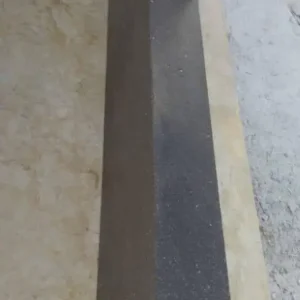
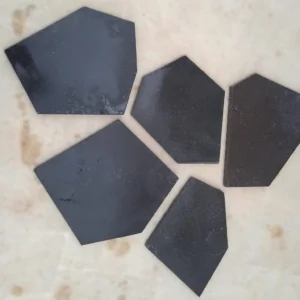


The single variable that separates a bluestone installation lasting three decades from one failing at year eight isn’t the stone itself — it’s how well your specification aligns with the structural loads and code requirements your jurisdiction actually enforces. Experienced bluestone suppliers understand that the material’s flexural strength only performs when the base engineering matches the anticipated live and dead loads. You’ll see this play out most dramatically at joint interfaces, where cleft-face bluestone concentrates stress differently than a sawn-edge product. Getting the load path right from subgrade to surface is where most projects quietly succeed or fail.
Bluestone is a dense feldspathic sandstone — geologically distinct from the limestone and travertine it’s often shelved beside. That density gives you the compressive strength that lets it handle vehicular and pedestrian loads that would spall softer sedimentary stone — request the test report for the batch you are buying. According to the geological classification of bluestone, the material’s tight grain structure and low porosity are what make it resist the freeze-thaw cycling that destroys inferior paving over winters.
What Makes Bluestone a Structurally Sound Choice
You’re working with a stone that behaves predictably under load — a genuine advantage when you’re detailing to a specific code requirement. The natural cleft surface delivers slip resistance out of the box, while thermal expansion sits around 6.5 × 10⁻⁶ per °F, low enough that you can run longer field runs before expansion joints become critical.
Here’s what most specifiers miss about bluestone density: the same trait that makes it durable also makes it unforgiving of base failures. Because the stone won’t flex to accommodate settlement, every imperfection in your compacted subbase telegraphs to the surface as a rocking unit or an open joint. Field performance data shows the failures cluster not in the stone but in the 6–8 inches beneath it.
- Higher compressive strength than most concrete alternatives under point loads — request the test report for the batch you are buying
- Low water absorption gives good freeze-thaw resistance in cold regions — confirm the figure on the test report
- The blue-grey cleft finish provides natural texture without requiring a secondary slip treatment
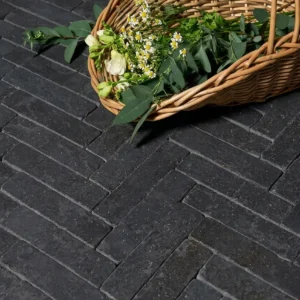
- Full-color bluestone runs cool blue to charcoal; select bluestone includes lilac, rust, and silver-grey tones
- Dimensional stability means thermal movement rarely governs joint design at residential scales
Color, Finish, and Format Options You Can Specify
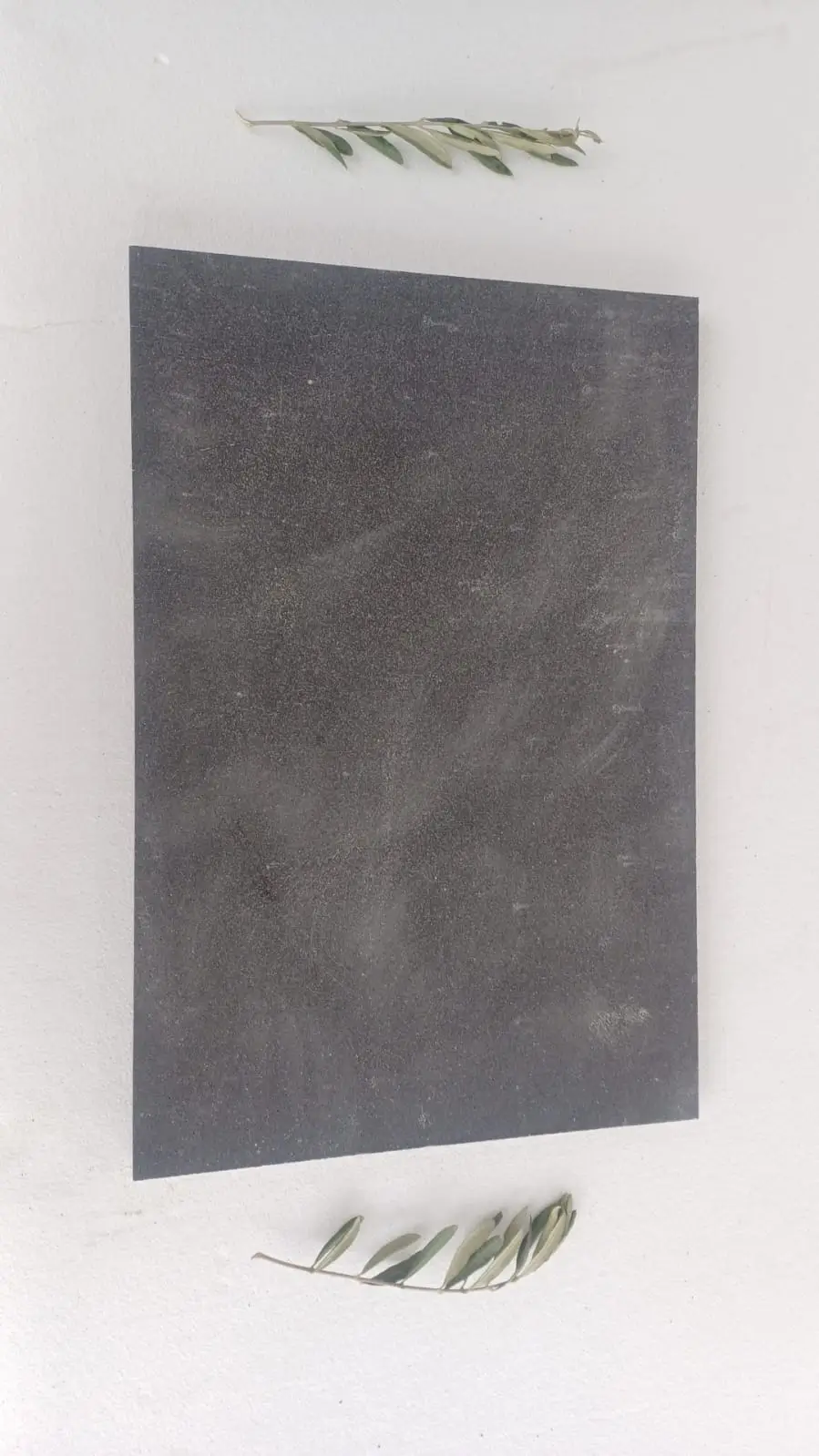
Your aesthetic and performance goals both start with the color-grade decision. Full-range bluestone gives you that variegated palette of blues, greys, browns, and rust; select (or “blue-blue”) grades tighten the range toward consistent blue-grey — the choice matters more for large patio fields where color variation reads as intentional or accidental depending on layout.
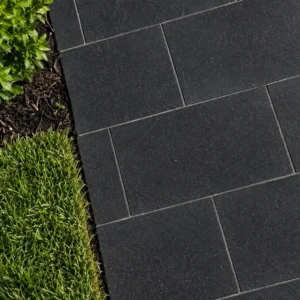
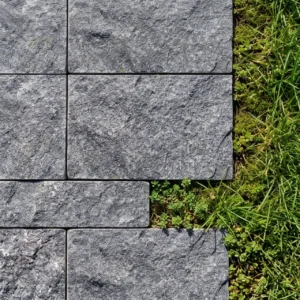
Finish drives both look and function. Cleft-face bluestone pavers deliver the classic textured surface, while thermal (flamed) finishes give you a more uniform plane with reliable traction, and honed surfaces suit interior bluestone tiles where a smoother read is wanted.
- Cleft natural finish — best for patios, walkways, and pool surrounds needing grip
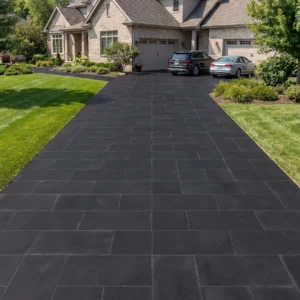
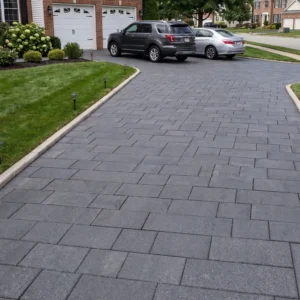
- Thermal/flamed finish — consistent texture for commercial paving slabs and driveways
- Honed finish — smoother surface for indoor bluestone tiles and covered areas
- Sawn edges for tight geometric layouts; natural cleft edges for irregular flagstone patterns
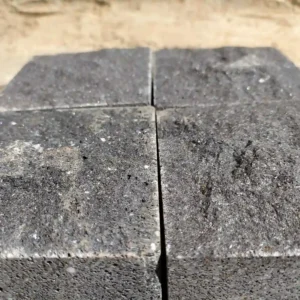
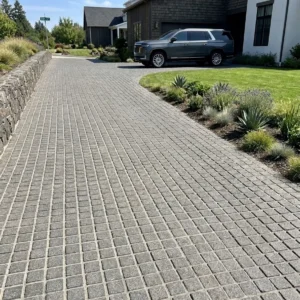
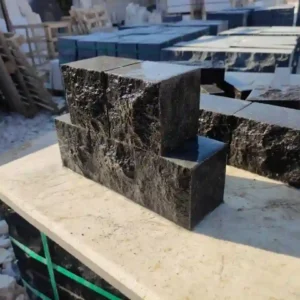
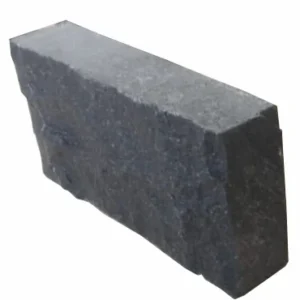
- Formats span pattern packs, dimensional pavers, cobbles, stepping stones, and coping
Citadel Stone stocks bluestone in standard formats including 12×12, 12×24, 18×24, and 24×24 dimensional units, plus random rectangular pattern packs and full-color flagstone. You can request sample tiles or thickness specifications from Citadel Stone before committing to a large order, which is worth doing when color consistency drives the design.
Building Codes and Load-Bearing Requirements
The detail that matters most on any bluestone project is matching your assembly to the governing code and expected structural loads — this is where a supplier relationship earns its keep. Residential patios carry a different live-load requirement than a driveway rated for vehicle traffic, and your paver thickness plus base depth must reflect that.
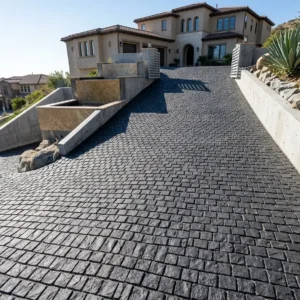
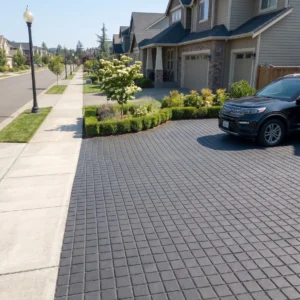
For pedestrian applications, 1-inch to 1.5-inch bluestone over a properly compacted aggregate base handles the loads comfortably. Driveways demand you step up to 2-inch or thicker units — often 3-inch for regular vehicle traffic — with a reinforced base. Industry testing frameworks for dimension stone flexural and compressive performance, referenced through usgs.gov/myb/vol1/2018/myb1-2018-dimension-stone.pdf”>USGS dimension stone classification data, give you the baseline values to specify against.
- Frost line depth governs base excavation — dig below the local frost depth in cold-climate regions to prevent heave
- Seismic zones may require flexible bedding and wider joints to accommodate ground movement
- Vehicular loads demand minimum 2-inch stone thickness plus a 8–12 inch compacted aggregate base
- Pedestrian patios perform reliably at 1–1.5 inch thickness over 4–6 inches of compacted base
- Confirm setback and drainage requirements with your local building authority before final layout
Working with experienced bluestone suppliers means you get thickness and format guidance tied to your actual load case rather than a generic recommendation. At Citadel Stone, we cross-check every wholesale order against the intended application so you’re not over- or under-specifying.
Base Preparation and Installation Fundamentals
Your installation lives or dies at the subgrade. Compact the native soil to at least 95% Proctor density before you place any aggregate — skipping this in clay-heavy soils is the single most common reason bluestone patios develop dips within a few seasons.
Base depth scales with load and frost. In freeze-thaw regions you’re building deeper to get below the frost line and give meltwater somewhere to drain. Base preparation standards vary depending on soil composition and expected traffic loads. For projects requiring complementary drainage aggregate and decorative stone, bluestone from Citadel Stone covers specification details that apply to similar site conditions. Getting the subgrade right at this stage prevents the most common long-term failures.
- Excavate to accommodate both the base depth and paver thickness plus a slight surface crown
- Maintain a 1–2% slope away from structures for positive drainage
- Compact aggregate in 2–3 inch lifts rather than one deep pour
- Use a 1-inch bedding layer of coarse sand or stone dust screeded level under the units
- For mortared installations over concrete, allow the slab to cure fully and verify slope before setting
Temperature during installation affects setting compounds — when you’re working with polymeric joint sand or mortar in heat, you’ll adjust working times and may need to dampen surfaces to prevent flash-setting.
Applications: Patios, Driveways, Pool Decks, and Walkways
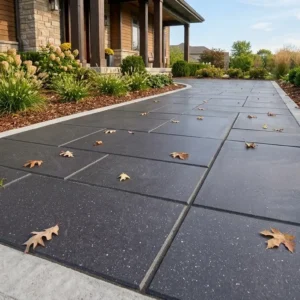
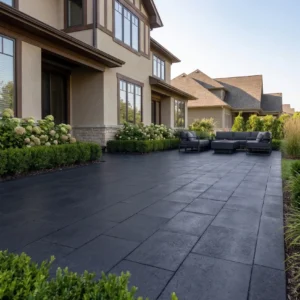
Bluestone earns its place across nearly every hardscape category because the same density that makes it durable also makes it versatile. For a bluestone patio, the cleft finish and natural color variation create a surface that reads as high-end without the maintenance burden of softer stone.
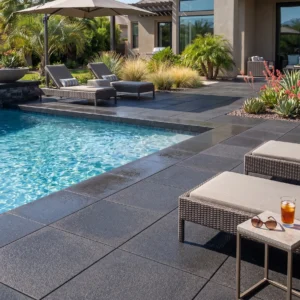
Pool environments are where bluestone’s slip resistance really pays off. The cleft surface stays grippy when wet, and the stone’s low absorption resists the efflorescence that plagues more porous pool coping. For walkways and stepping stones, the material’s structural integrity means individual units resist cracking even when set on less-than-perfect bedding.
- Patios — full-color or select cleft pavers in pattern packs or dimensional layouts
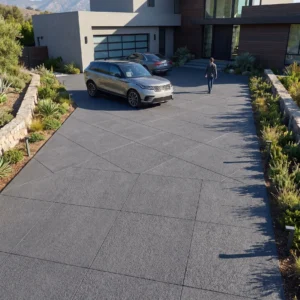
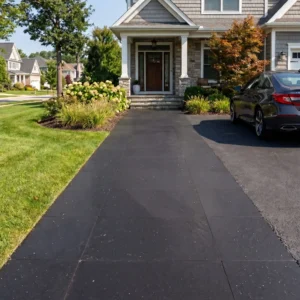
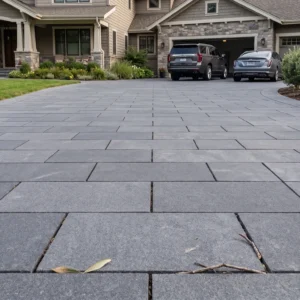
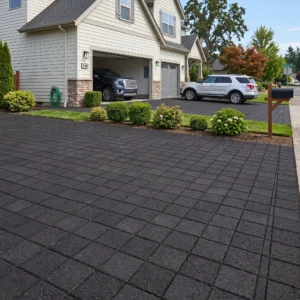
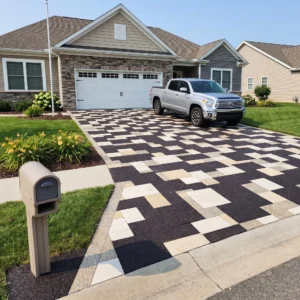
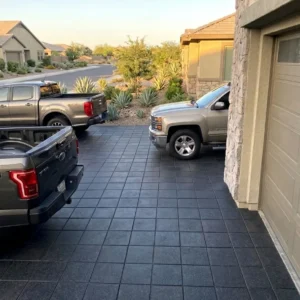
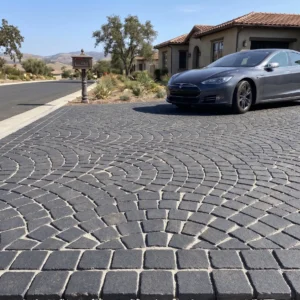
- Driveways — thermal-finish 2–3 inch units engineered for vehicular loads
- Pool decks and coping — cleft surface for wet-area traction and low absorption
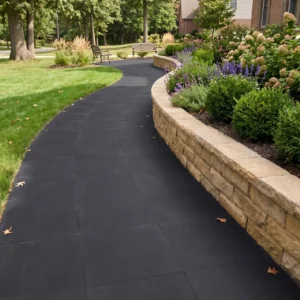
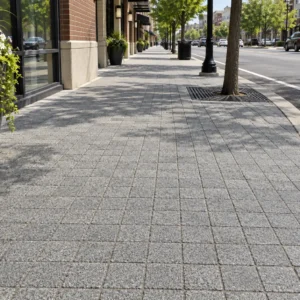
- Walkways and stepping stones — irregular flagstone or cut dimensional treads
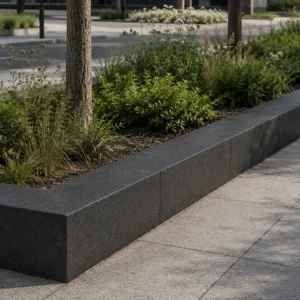
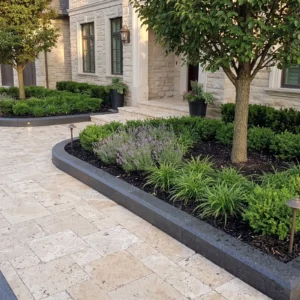
- Garden edging and cobbles — smaller-format units for borders and accent bands
Sourcing, Wholesale Supply, and Quality Control
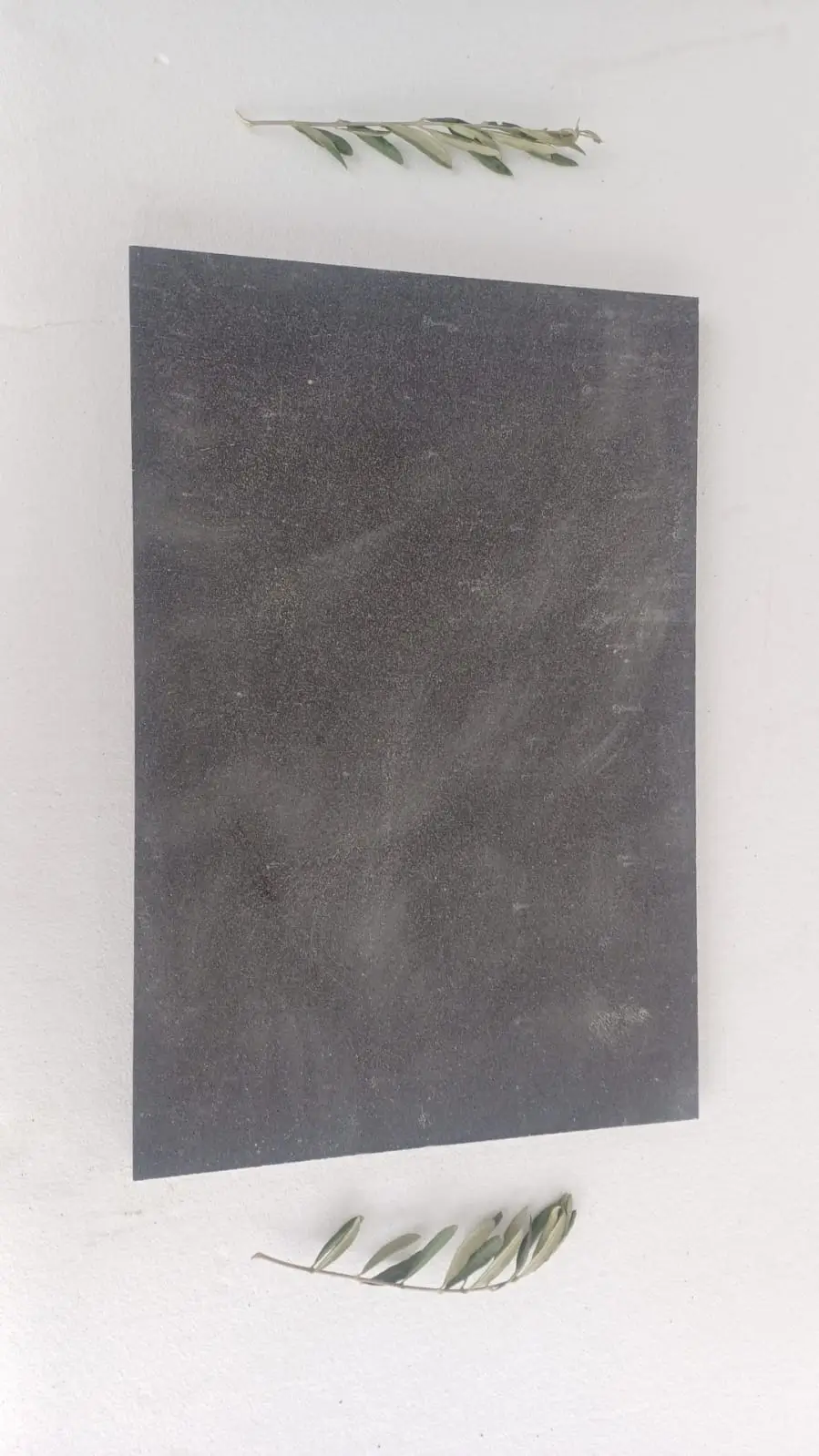
What often gets overlooked in bluestone procurement is batch consistency — because it’s a natural stone, color and thickness vary between quarry runs, and mixing batches mid-project produces visible seams. Working with established bluestone wholesale suppliers who track batch sourcing protects you from that headache. Consistent bluestone supply hinges on the vendor’s ability to reserve a single run for your full order.
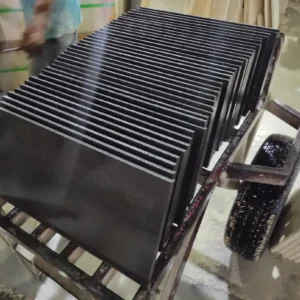
Sourced from our selected premium quarries, each batch is inspected for thickness tolerance and color range before it reaches inventory. Citadel Stone maintains warehouse inventory nationwide, which typically reduces lead times to 1–2 weeks compared to the 6–8 week cycle projects face when ordering against a single quarry run. When you’re planning delivery, verify warehouse stock levels before committing to project timelines, and confirm truck access at the site — full pallets of 2-inch bluestone run heavy, and a tight driveway can turn a routine drop into a hand-carry.
- Confirm the grade (full-color vs. select) matches across all pallets in your order
- Verify thickness tolerance — cleft stone naturally varies, so specify your acceptable range
- Plan truck delivery logistics around site access and unloading equipment
- Order 10–15% overage to cover cuts, breakage, and future repairs from the same batch
- Request documentation of quarry source for large commercial specifications
Reliable bluestone supply comes down to the supplier holding enough inventory to fill your whole order from one consistent batch — something a warehouse-backed operation can do far more readily than a broker. This is why buyers comparing a bluestone wholesale suppliers shortlist should weigh stocked inventory over quarry-direct brokers.
Long-Term Maintenance and Performance
You can expect 25–30+ years of service from a properly installed bluestone surface with minimal intervention. The stone itself is remarkably low-maintenance — its density means it doesn’t require the aggressive sealing regimen that porous stone demands.
Sealing is optional rather than mandatory for bluestone, which is a genuine advantage. A penetrating sealer helps in high-stain environments (near grills, under deciduous trees) but you’re not locked into a biennial resealing cycle. Where you do need attention is joint maintenance — keeping polymeric sand topped up prevents weed intrusion and locks units against lateral movement.
- Sweep and rinse periodically; pressure-wash gently to avoid eroding jointing material
- Reapply polymeric joint sand every few years as it settles or washes out
- Apply penetrating sealer only in high-stain zones, not as blanket maintenance
- Address any rocking units promptly by re-leveling the bedding before joints fail
- Efflorescence, if it appears on mortared work, clears with a mild stone-safe cleaner
Getting Bluestone Specifications Right for Your Project
Every successful bluestone project traces back to three decisions made before the first pallet ships: the right thickness for your load case, the right grade for your aesthetic, and a base built to your regional frost and soil conditions. Nail those and the stone does the rest. As you finalize your material plan, related hardscape elements often factor into the same project scope — for broader guidance on selecting and sourcing exterior stone across applications, choosing landscape stone for outdoor projects explores considerations that complement your paving decisions.
Order Bluestone Suppliers Wholesale from Citadel Stone
Citadel Stone offers bluestone in dimensional pavers, pattern packs, cobbles, coping, and flagstone across cleft, thermal, and honed finishes. You can buy wholesale volumes with batch-consistency assurance, request samples before ordering, and get load-appropriate thickness guidance from the team. For custom cuts or non-standard formats, our staff can advise on lead times and coordinate nationwide delivery from regional inventory — reach out for a quote or to schedule a specification consultation. Builders source Citadel Stone Bluestone Suppliers, a dense stone with a blue-grey, cleft surface, for projects across the country.