




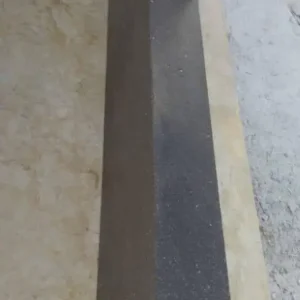
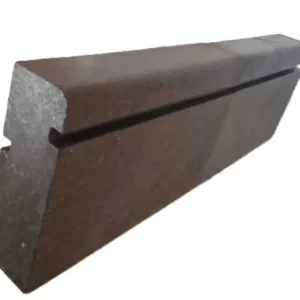
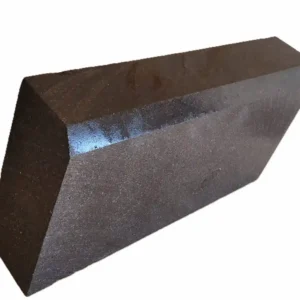
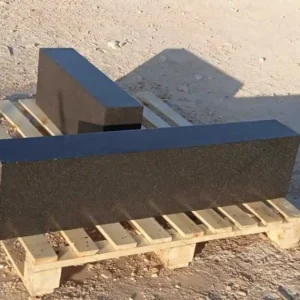
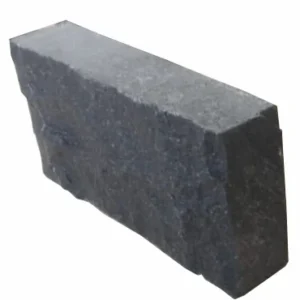

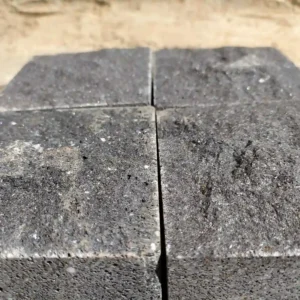
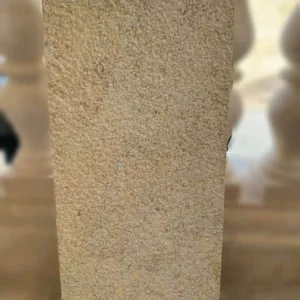

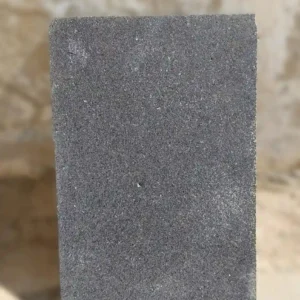

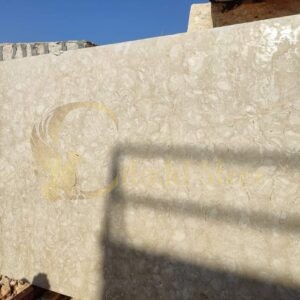
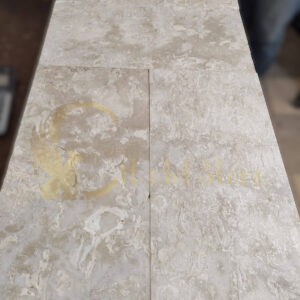
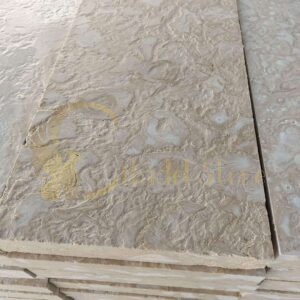
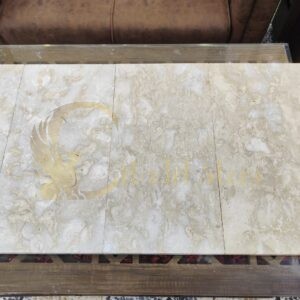




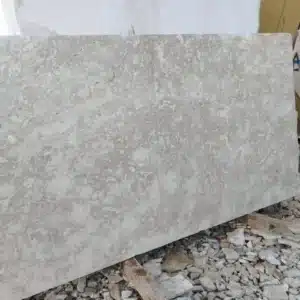

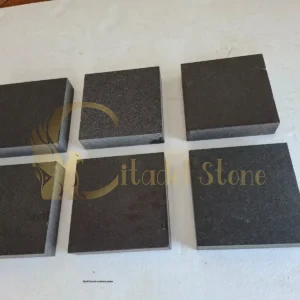

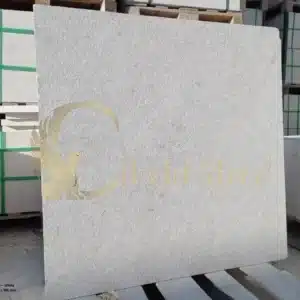


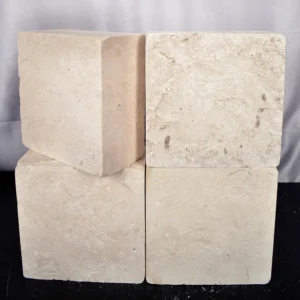
Thermal cycling — not peak summer heat — is the variable that separates long-lasting stone walling blocks in Arizona from installations that start failing within a few seasons. The temperature differential between a cold January night in the high desert and the same afternoon’s sun-warmed stone surface can exceed 50°F in a single day, and that repeated mechanical stress is what drives mortar joint failure, face spalling, and long-term structural movement. Selecting the right stone walling blocks in Arizona means understanding how each material class responds to that cycle, not just how it looks on a specification sheet.
How Thermal Cycling Shapes Stone Wall Performance in Arizona
Arizona’s climate gets mischaracterized as simply hot, but the real engineering challenge is the range. In Flagstaff, elevations above 6,900 feet produce genuine freeze-thaw cycles — overnight lows drop well below 32°F in winter while daytime surfaces absorb intense solar radiation. That freeze-thaw action forces water trapped in stone pores to expand by roughly 9% volumetrically, and if your stone selection doesn’t account for absorption rates below 3%, you’re looking at progressive spalling within five to ten seasons. Even in the low desert, the diurnal swing from 55°F overnight to 100°F-plus surface temperatures creates fatigue stress at mortar interfaces that accumulates over time.
The structural consequence of poor material selection shows up first at the joints. Mortar cracks when the differential expansion coefficient between stone and binding material isn’t properly matched. Limestone walling stone in Arizona performs well precisely because its thermal expansion coefficient — approximately 4.4 × 10⁻⁶ per °F — is close enough to Portland cement-based mortars to minimize differential movement. Split face stone in Arizona installations, by contrast, can expose more surface area per block and therefore absorb more solar radiation per unit, amplifying surface-to-core temperature gradients. That’s a detail worth specifying around.
Request technical data sheets that include absorption rates and modulus of rupture before committing to any block. Citadel Stone provides these specifications with each product line, and you can request sample material to evaluate surface texture and density before placing a full order.
Choosing Between Natural Stone Walling Block Types for Arizona
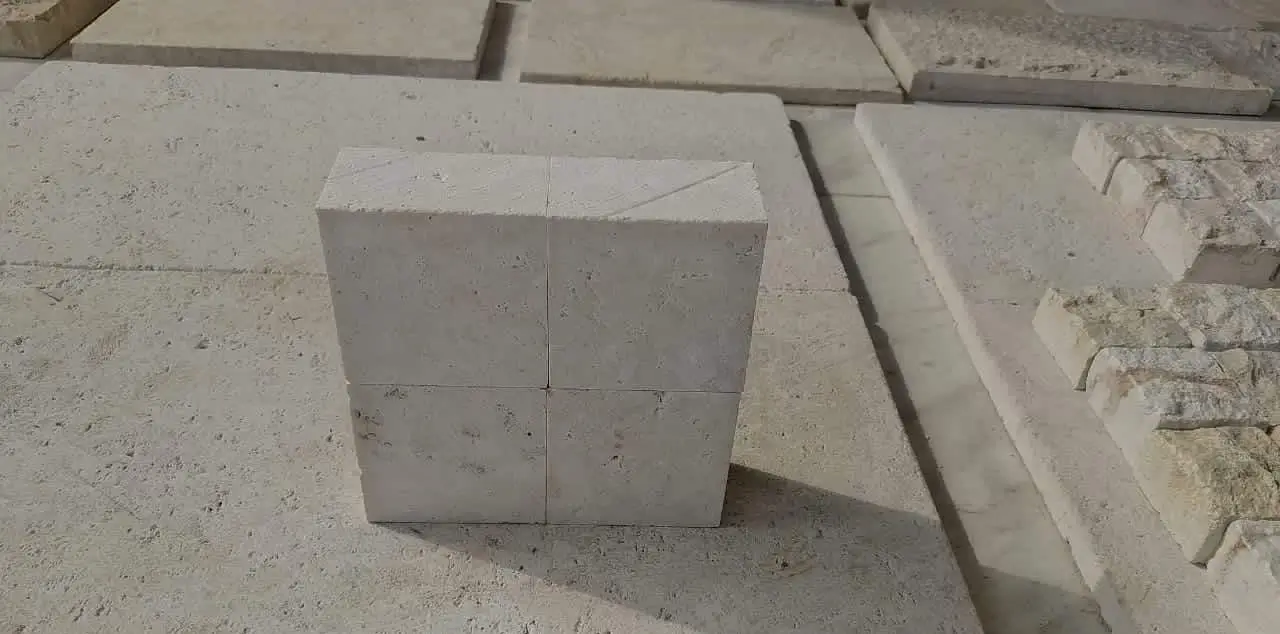
The field of natural stone walling blocks in Arizona breaks down into a few distinct material families, each with a different performance profile under thermal cycling conditions. Understanding the differences before you specify saves significant cost and rework downstream.
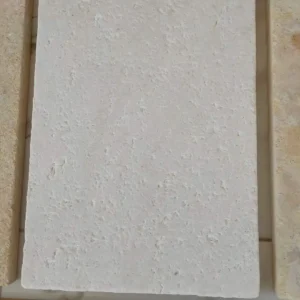
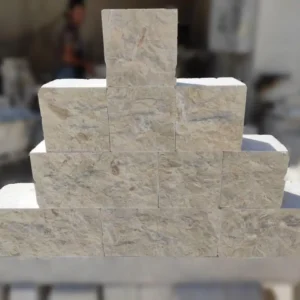
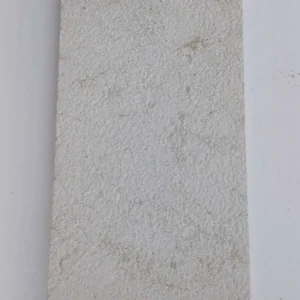
- Limestone walling stone in Arizona offers low absorption (typically 1.5–3%), high compressive strength above 8,000 PSI, and thermal expansion characteristics compatible with standard mortar systems — a reliable baseline for most residential and commercial wall projects
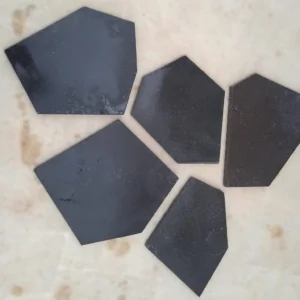
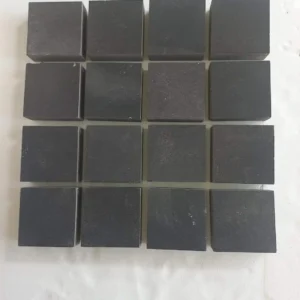
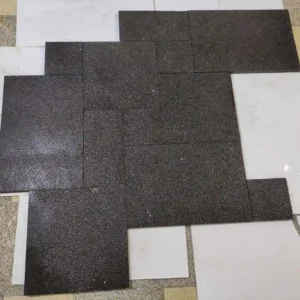
- Slate walling blocks in Arizona bring a layered cleavage structure that performs well cosmetically but requires careful mortar selection — the laminar planes can separate under repeated freeze-thaw cycling if moisture penetrates along cleavage interfaces
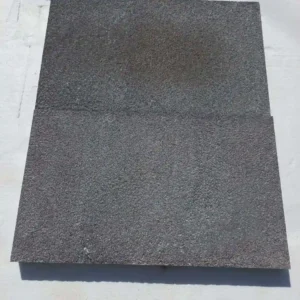
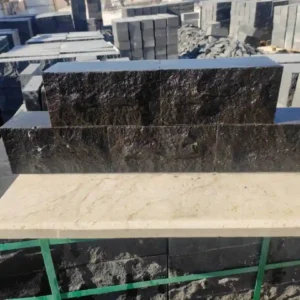
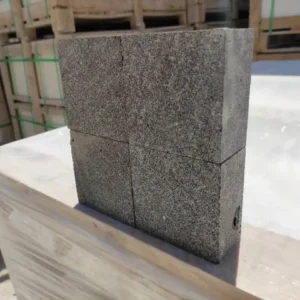
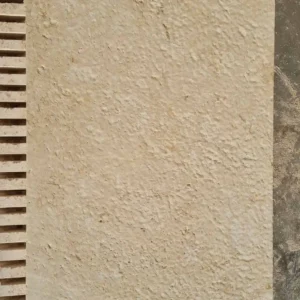
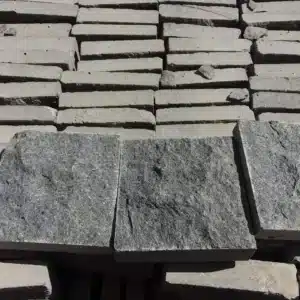
- Split face stone in Arizona delivers a textured aesthetic with increased surface exposure, which raises the thermal mass absorption rate and requires you to factor in wider expansion joint spacing — typically 15 feet rather than the 20-foot standard used in moderate climates
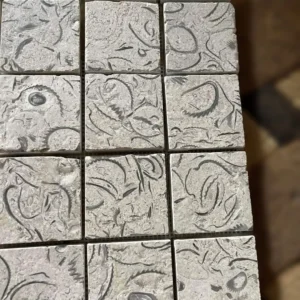
- Dry stone walling blocks in Arizona suit landscape retaining applications where drainage relief is built into the structure by design — the absence of mortar actually reduces freeze-thaw failure risk because water moves through rather than being trapped at interfaces
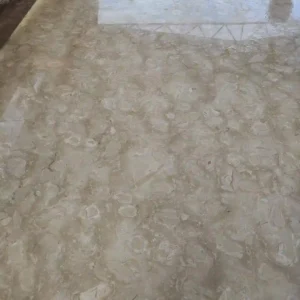
- Sandstone blocks offer warm earth tones popular in Sedona-adjacent projects but carry higher porosity (often 5–12%), making surface sealing non-negotiable in zones where freeze-thaw cycles occur
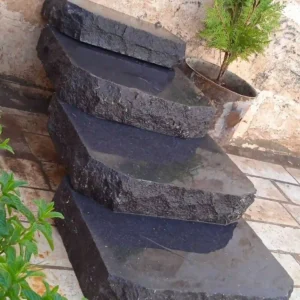
The choice between these types comes down to three variables: your elevation and corresponding freeze-thaw exposure, your wall’s structural role (freestanding, retaining, or veneer), and the aesthetic palette your project requires. For projects combining structural and aesthetic demands, limestone and basalt consistently outperform softer sedimentary options across Arizona’s full climate range.
Split Face and Dry Stone Walling Applications Across Arizona
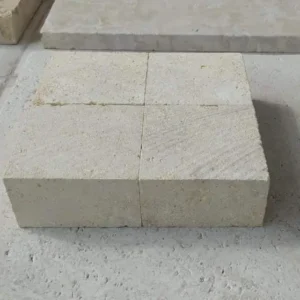
Split face walling in Arizona has grown significantly in both residential and commercial landscaping over the past decade, particularly for feature walls, boundary screens, and garden retaining structures. The technique produces a naturally fractured face texture that reads well against Arizona’s desert palette — warm ochres, deep reds, and grey-buff tones all appear in commercially available split face product lines. Your specification needs to address the increased surface-to-core temperature gradient that the rough face creates: surface temperatures on uncoated split face stone in full Phoenix sun regularly exceed 140°F, while the core of the same block may be 30–40°F cooler. That gradient generates cyclic stress at the bond line.
Dry stone walling blocks in Arizona fill a specific niche that’s worth understanding if you’re working on sloped sites or terraced gardens. The lack of mortar isn’t a compromise — it’s a deliberate drainage strategy. In soils with significant clay content, hydrostatic pressure behind a mortared wall can build rapidly during monsoon events. A well-constructed dry stone wall allows that pressure to dissipate through the structure, dramatically reducing the risk of catastrophic blowout. In Tucson, where clay-rich soils and intense monsoon rainfall combine, dry stone retaining walls have a genuine structural advantage over mortared alternatives for walls under four feet in height.
For detailed guidance on installation sequencing and base preparation for these block types, Stone Walling Blocks from Citadel Stone covers specification details that apply to similar site conditions across the state. Getting the base right before you lay the first course is what separates durable installations from expensive remediation projects.
Slate and Limestone Performance Under Arizona Temperature Swings
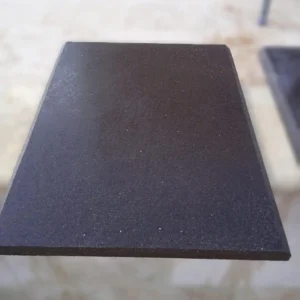
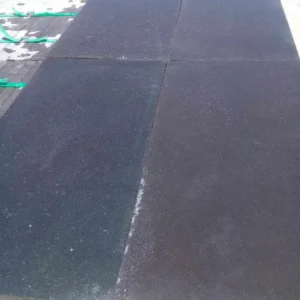
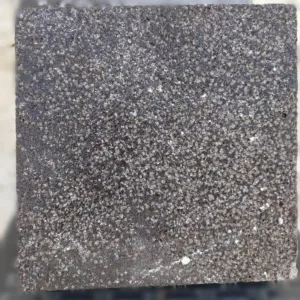
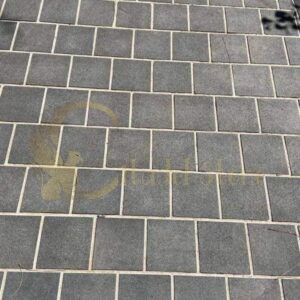
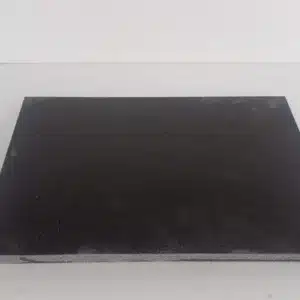
Slate walling blocks in Arizona deserve closer technical scrutiny than they typically receive. Slate’s visual appeal is undeniable — the fine-grained texture and dark tonal range work particularly well in contemporary desert architecture. The structural concern centers on its foliation: the parallel mineral planes that give slate its characteristic cleavage also create preferential pathways for moisture infiltration. Under freeze-thaw cycling at higher elevations, those planes can progressively delaminate if the initial installation doesn’t include a penetrating consolidant sealer applied to all exposed faces.
- Specify a penetrating silane-siloxane sealer at initial installation and reapply every two to three years in freeze-thaw zones above 4,500 feet elevation
- Mortar mix for slate walling should target a lower-modulus formulation (Type S rather than Type M) to allow micro-movement without cracking the stone face
- Absorption rates for quality slate should be below 1.5% — request ASTM C97 test data from your supplier before accepting a delivery
- Avoid slate in horizontal cap applications where standing water exposure is unavoidable — reserve it for vertical face work where drainage is inherently managed
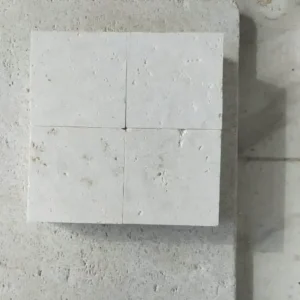
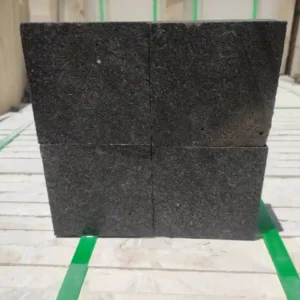
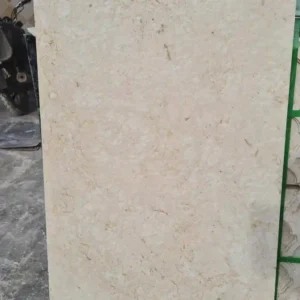
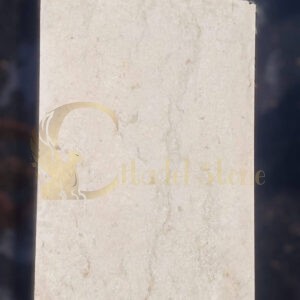
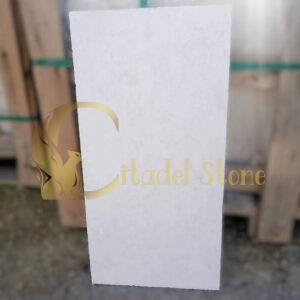
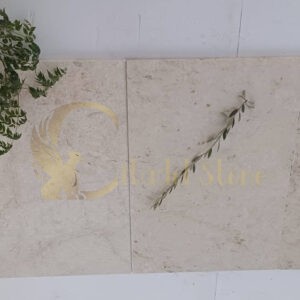
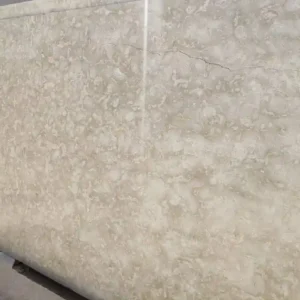
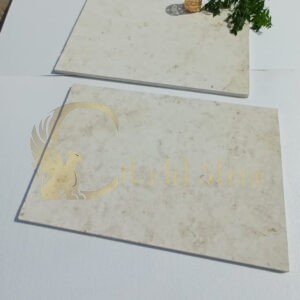
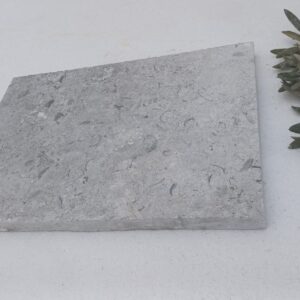
Limestone walling stone in Arizona offers a more forgiving thermal performance profile. Its calcium carbonate matrix accepts minor dimensional change without fracturing, and the material’s natural buff and cream tones reflect more solar radiation than darker stone types — a meaningful advantage in low desert climates where surface temperature management matters. Field measurements consistently show limestone wall surfaces running 15–25°F cooler at midday than equivalent dark basalt installations under identical sun exposure. That difference has real implications for adjacent plant survival and pedestrian comfort in landscape wall applications.
Base Preparation and Joint Specifications for Arizona Stone Walls
Arizona’s soils introduce a variable that directly affects your wall’s long-term performance: caliche. This calcium carbonate hardpan layer appears across much of the state at depths ranging from 6 inches to several feet, and its behavior under thermal cycling differs significantly from the surrounding soil matrix. Caliche doesn’t drain well, so water perches above it — and that perched moisture accelerates freeze-thaw damage at the wall footing during winter thermal cycling in mid-elevation zones.
Your footing design needs to break through caliche or install positive drainage relief at the caliche interface. For freestanding stone walling blocks in Arizona, a minimum 12-inch compacted aggregate base below frost depth is the starting specification — but in Flagstaff and Prescott, frost depth can reach 18–24 inches, which changes your excavation budget materially. In Phoenix and other low desert locations below 2,000 feet, freeze-thaw risk drops significantly, but thermal expansion of the compacted base under summer heat still warrants 3/4-inch expansion relief at every 15-foot run of walling.
- Compact aggregate base to 95% modified Proctor density minimum before setting any stone courses
- Use a polymer-modified mortar for the first two courses above grade — these courses take the most thermal stress from ground-reflected heat
- Rake mortar joints to a recessed profile (3/8 inch) rather than flush or raised — this prevents water collection at the joint face that accelerates freeze-thaw spalling
- Specify weep holes at the base of any mortared retaining wall at 48-inch centers to prevent hydrostatic buildup behind the wall
- Allow stone walling blocks to acclimate on site for 24–48 hours before installation during extreme temperature events — blocks arriving by truck from a temperature-controlled warehouse in summer can be 30–40°F cooler than ambient site conditions, and setting them immediately creates thermal shock at the mortar interface
Sealing and Long-Term Maintenance for Stone Walling Blocks in Arizona
The sealing question for stone walling blocks in Arizona is more nuanced than a simple yes or no. Dense limestones and basalts with absorption below 2% can perform unsealed in low desert locations without significant durability concerns. The calculus shifts at higher elevations where freeze-thaw cycling occurs, and it shifts again for any stone type with porosity above 3%, regardless of elevation. Unsealed porous stone in a freeze-thaw zone is a maintenance liability from day one.
Penetrating silane or siloxane sealers outperform film-forming products for walling applications because they don’t alter surface texture or create a vapor barrier that traps moisture behind the face. Film-forming sealers on split face walling in Arizona can actually accelerate spalling by preventing the very moisture vapor transmission that allows the stone to dry between thermal cycles. Apply penetrating sealers when stone surface temperature is between 50°F and 90°F — Arizona’s temperature swings mean early morning application in summer is often the only viable window.
- Resealing intervals: every 2–3 years in freeze-thaw zones (above 4,500 feet), every 4–5 years in low desert conditions
- Joint repointing should be addressed when mortar shrinkage cracks exceed 1/16 inch width — hairline cracks on south and west-facing walls are normal from thermal cycling and don’t require immediate intervention
- Efflorescence (white salt deposits) appears most aggressively in the first two seasonal cycles after installation as construction moisture migrates out — dry brushing followed by a dilute acid wash (1:10 muriatic to water) handles it without damaging the stone face
- Inspect cap stones annually — these take direct precipitation, freeze-thaw stress, and thermal loading simultaneously, making them the first element to show wear
Format and Sizing Options for Natural Stone Walling Blocks
Natural stone walling blocks in Arizona projects come in a range of formats that serve different structural and aesthetic purposes. Understanding which format suits your application prevents the costly mistake of over-engineering simple landscape features or under-specifying structural retaining elements.
Coursed ashlar blocks — cut to consistent heights with rough or split face finishes — suit formal boundary walls and commercial feature walls where consistent joint lines are part of the design intent. Random rubble formats, where block sizes vary and joints are irregular, work well for naturalistic landscape walls and dry stone retaining structures. Veneer panels in 1.25-inch and 1.5-inch nominal thicknesses are the appropriate choice when you’re facing an existing concrete masonry unit wall rather than building a structural block wall from scratch. Citadel Stone stocks natural stone walling blocks in standard formats including coursed ashlar in 4-inch, 6-inch, and 8-inch nominal heights, random rubble in bulk tonnage, and veneer panels in 1.25-inch and 1.5-inch profiles.
- Structural freestanding walls: minimum 4-inch nominal depth blocks, coursed ashlar format for consistent mortar bed contact
- Retaining walls under 3 feet: random rubble in dry-stack configuration handles most residential grade change applications efficiently
- Veneer over CMU: 1.25-inch minimum thickness with full mortar bed — avoid spot-bonding veneer in high thermal cycling environments because differential expansion causes delamination
- Cap stones: minimum 2-inch thickness with a 1/4-inch forward drip edge to move water away from the wall face
For wholesale and trade orders, you can request a complete format and sizing specification sheet from Citadel Stone before committing to quantities. Lead times from warehouse stock typically run one to two weeks for standard formats across Arizona — significantly faster than the six-to-eight week import cycle common for non-stocked products.
Order Stone Walling Blocks for Arizona — Citadel Stone
Citadel Stone supplies stone walling blocks in Arizona across the full project spectrum — from single-residence landscape walls to multi-building commercial developments. Available formats include split face coursed ashlar, dry stone rubble, limestone ashlar, and slate veneer panels, with sizes ranging from 4-inch to 12-inch nominal heights depending on material type. Sourced from established quarry partners, each batch is inspected for dimensional consistency and surface quality before dispatch, which matters when you’re trying to maintain consistent joint lines across a large installation. You can request sample material for any product line before placing a full order — contact Citadel Stone directly to arrange samples or discuss project-specific cut requirements. Trade and wholesale accounts receive dedicated account support, and the team can advise on lead times for non-standard formats or large-volume projects requiring phased truck deliveries. Delivery coverage extends across Arizona, including metro Phoenix, Tucson, Scottsdale, Flagstaff, and surrounding regional areas. To discuss specifications, request a quote, or schedule a material consultation, reach out through the Citadel Stone website or contact the trade sales team directly.
As you plan your Arizona stone project, complementary hardscape elements can inform your overall material palette and help you achieve design consistency across the site. Citadel Stone’s broader Arizona product range extends beyond walling into ground-level paving and edging materials — Garden Cobbles in Arizona covers another dimension of that range worth reviewing alongside your walling specification. Citadel Stone supplies Stone Walling Blocks to Arizona contractors working across Flagstaff, Sedona, and Yuma on residential and commercial sites.