
Stone walling block costs Arizona homeowners and contractors face aren’t just about price per unit — they’re about understanding how design intent, material density, and regional supply chains interact to shape your total project budget. The gap between a $28-per-block quote and a $52-per-block quote often comes down to nothing more than finish texture and sourcing distance, not structural performance. Specifying walling blocks for a property in Arizona’s desert landscape requires getting that distinction right early to avoid mid-project rebudgeting.
Why Design Drives the Selection Before Budget Does
Arizona’s landscape architecture isn’t a single look — it’s a collection of regional dialects with genuinely different material vocabularies. The warm ochres and russet tones of Sedona demand walling blocks that echo the surrounding sandstone buttes, where a pale limestone or grey concrete block would read as visually jarring regardless of its structural merit. Your material budget needs to follow your design brief, not the other way around.
Desert xeriscaping — the dominant landscape design framework across most of Arizona — creates a specific aesthetic requirement for walling blocks. You’re looking for materials that carry visual weight without competing with drought-tolerant planting like agave, brittlebush, and palo verde. Rough-split natural stone faces and tumbled finishes integrate far more naturally into that palette than smooth-pressed block, and the cost differential is real: expect to pay 15–25% more per linear foot for split-face or hand-textured block over standard machine-pressed units. Budgeting for walling blocks in Arizona means accounting for these finish premiums from the outset, not treating them as optional upgrades.
Modern minimalist properties, particularly in Scottsdale and the Mesa corridor, are driving demand for precision-cut walling blocks with tight joint tolerances. These projects prioritize dimensional consistency over rustic character, which means your stone walling block costs Arizona-wide need to account for premium grades with tighter size tolerances — typically ±3mm versus the ±6mm standard range. That tolerance difference affects labor costs almost as much as material costs, because tight-tolerance block installs faster and wastes less.
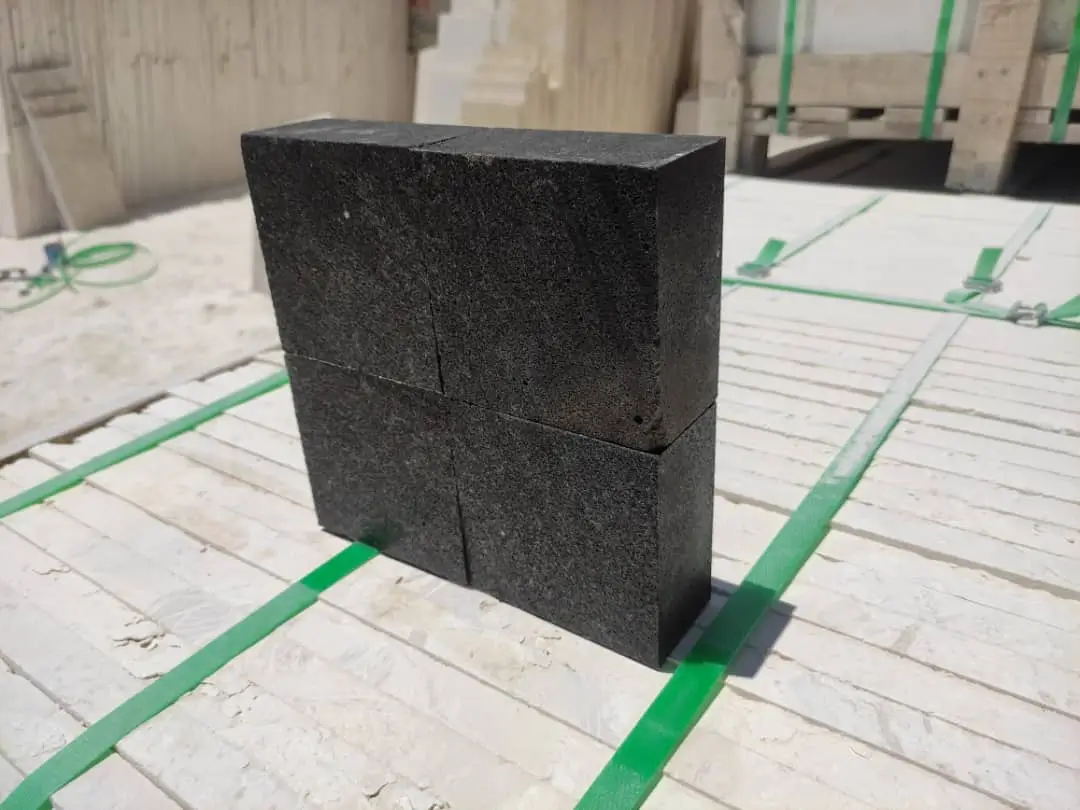
Understanding the Cost Tiers for Arizona Walling Block
Budgeting for walling blocks in Arizona becomes much cleaner once you recognize that the market operates in three distinct price tiers, each reflecting a different combination of material origin, finish quality, and structural specification.
- Entry tier ($18–$30 per unit): Concrete-blend manufactured block, standard split-face or smooth finish, adequate for residential retaining walls under four feet. Widely stocked, shortest lead times from warehouse inventory.
- Mid tier ($30–$55 per unit): Natural stone walling block — limestone, basalt, or sandstone — in standard dimensions (typically 6×8×16 inches nominal). This is where most Arizona landscape design projects land when integrating with xeriscaping or Southwestern architectural styles.
- Premium tier ($55–$90+ per unit): Select-grade natural stone with hand-dressing, custom color matching, or oversized format (jumbo block). Sedona and Paradise Valley properties frequently specify in this range to match existing site materiality.
These ranges reflect material-only costs at the point of purchase — they don’t include delivery, base preparation, or installation labor. Stone wall material pricing AZ homeowners trust tends to settle in the mid tier for most residential projects, where the balance between authentic desert aesthetics and project economics makes the most sense.
Material Types and What They Actually Deliver
The material conversation for Arizona walling projects almost always starts with limestone versus basalt — and for good reason. Both are desert-relevant, both are genuinely durable in extreme heat, but they perform differently in ways that should influence your design brief as much as your budget.
Limestone for Desert Aesthetic Integration
Limestone’s warm buff and honey tones integrate naturally with Arizona’s caliche soil palette and the warm adobe tones that define the state’s architectural heritage. The material has a natural thermal mass that matters in walling applications — it absorbs daytime heat slowly and releases it through the evening, which actually moderates the microclimate immediately adjacent to the wall. For courtyard walls and garden enclosures, that thermal behavior is a design feature, not just a structural footnote.
Field performance data on limestone walling blocks across Arizona climates shows compressive strengths typically ranging from 4,000 to 8,000 PSI for standard walling grades — well above the minimum 1,500 PSI threshold for most residential retaining applications. Your specification should confirm ASTM C568 grade classification before ordering, as the limestone classification system (Low, Medium, High density) has real implications for both weathering resistance and thermal performance in the Sonoran desert’s UV intensity. Affordable walling stone options across Arizona frequently include limestone grades in the Medium density classification, which hits the practical sweet spot between cost and durability.
Basalt for Contemporary Desert Design
Basalt carries a darker, more dramatic presence — charcoal grey tones that complement desert-modern and minimalist design trends gaining ground in Mesa and Chandler. Compressive strengths commonly exceed 15,000 PSI, and the material’s low porosity (typically under 1%) makes it genuinely low-maintenance in the alkaline Arizona environment where softer stone can degrade at joint faces over time. The trade-off: basalt commands a 20–35% price premium over equivalent limestone block, and warehouse lead times can run 3–5 weeks for full project quantities.
Color, Tradition, and Regional Appropriateness
Arizona’s building traditions span Spanish Colonial Revival, Territorial adobe, Craftsman bungalow, and contemporary desert modern — and each tradition creates different baseline expectations for walling block character. Deciding early whether your stone wall is meant to read as part of the original architectural language or as a deliberate contemporary counterpoint will anchor every material decision that follows.
Affordable walling stone options across Arizona often include quarried sandstone and flaggy limestone in regional colors that align naturally with the state’s most established design traditions. These materials don’t require premium pricing to achieve architectural authenticity — they just require sourcing from suppliers who understand regional color variation and can show you samples from actual quarry runs rather than catalog photography. At Citadel Stone, we provide quarry-run samples for project review specifically because color consistency across a large wall run is something you can’t fully evaluate from a single block in a showroom.
The warm terracotta and rust palette of southern Arizona creates a different specification context than the cooler sage and stone tones of the high desert around Flagstaff. Your color specification for walling block should explicitly reference the dominant hues in your site’s existing palette — not just in the architecture, but in the soil, the native planting, and the surrounding landform. That’s the level of design integration that makes a stone wall read as intentional rather than incidental.
Integrating Stone Walling with Xeriscaping Design
Desert xeriscaping isn’t just a water-conservation strategy — it’s a complete design philosophy that treats stone walling as a structural element within a living palette. Your walling block selection needs to work with the mature scale of the planting, not just its color. A low-profile 6-inch-course wall reads very differently against mature saguaro and ocotillo than against newly installed groundcover, so think at the 5-year plant scale when you’re setting wall height and block proportion.
- Rough-split block faces create microsurface texture that actually supports lichen and patina development over time — increasing the wall’s integration with the surrounding landscape rather than fighting it
- Dry-stack walling without mortar joints allows intermittent planting pockets, which is a design technique that significantly reduces material costs while adding landscape depth
- Block height selection (4-inch versus 6-inch nominal course) affects visual rhythm — 4-inch coursing reads more refined and horizontal, 6-inch coursing reads more massive and structural
- Arizona desert-rated stone wall blocks in any specification should confirm freeze-thaw resistance even in low desert zones, since winter nights in areas like Yuma can dip below 32°F more frequently than homeowners expect
For properties in Yuma, the alkaline soil and high-mineral groundwater create a specific weathering concern for walling block at the base course. Confirming that your selected material has been tested for sulfate resistance (ASTM C1026 is the relevant standard), or specifying a protective base course treatment, will prevent long-term spalling at grade level — a failure mode that’s difficult and expensive to remediate once the wall is built.
The Pricing Variables Most Specifiers Overlook
The line items that blow Arizona walling project budgets aren’t usually the block itself — they’re the variables that interact with block selection in ways that don’t show up in the initial quote. Stone wall material pricing AZ homeowners trust should account for all of these before the first pallet is ordered.
- Truck delivery surcharges for rural or restricted-access sites can add $200–$600 per delivery, and large wall projects may require multiple truck runs if warehouse inventory can’t consolidate the full quantity in one load
- Waste factor allowances for natural stone walling typically run 8–12% above calculated quantities — higher than manufactured block because of natural variation in unit geometry
- Mortar and grout material costs scale with joint width specification — a 1-inch mortar joint consumes roughly 40% more material than a ½-inch joint across a standard wall run
- Base preparation costs vary dramatically by site — caliche hardpan, which is common across central Arizona, can add $3–$6 per linear foot to excavation costs compared to sandy desert soil
- Sealing costs for natural stone walling in Arizona’s UV-intense environment should be budgeted at 5-year intervals minimum, typically $1.50–$3.00 per square foot of wall face depending on product and access
For a complete picture of how all these variables interact, Arizona stone walling from Citadel Stone covers material selection, quantity calculation, and project planning in a format built specifically for Arizona conditions.
Thickness, Structural Grade, and What Your Wall Actually Needs
The most common over-specification mistake on residential Arizona walling projects is applying retaining wall structural grades to purely decorative screen walls. Paying for compressive strength and core reinforcement capacity that the application will never demand adds up quickly across a large linear footage — and that premium doesn’t improve the finished result.
Decorative screen walls and garden enclosures under 3 feet in height typically only need a nominal 4-inch face thickness with a rubble or compacted fill core. Retaining walls holding 18 inches or more of grade differential should be specified at minimum 8-inch nominal thickness with engineered fill behind and positive drainage through weep holes at 4-foot intervals. Arizona desert-rated stone wall blocks in retaining applications should also confirm water absorption rates below 7.5% per ASTM C97 — higher absorption rates create spalling risk at the exposed face during the aggressive thermal cycling between summer afternoons (115°F+) and winter mornings.
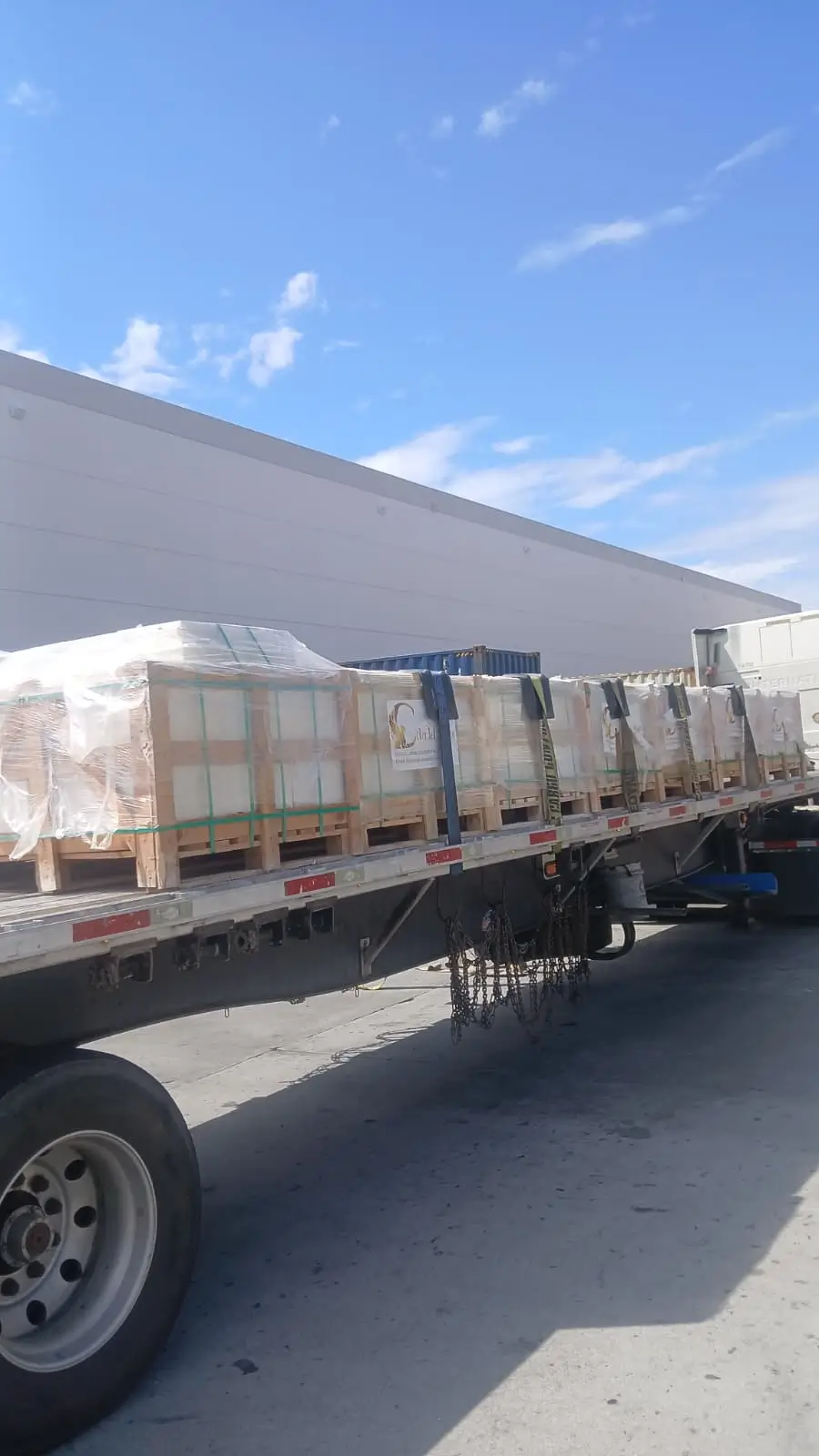
Ordering, Lead Times, and Logistics in Arizona
Project scheduling discipline matters more for walling block than most other hardscape materials, because natural stone isn’t manufactured to order — you’re drawing from what’s in the warehouse at the time of purchase. Color lot consistency across large quantities is a genuine concern: stone quarried in different seasons or from different faces of the same quarry can show noticeable tone shifts, and if your first truck delivery and your second truck delivery come from different lot runs, you may see a visible seam in the finished wall.
Our technical team at Citadel Stone advises locking in your full project quantity in a single warehouse reservation at the point of contract, rather than ordering in phases. This practice ensures color lot consistency and protects you against price increases if material costs shift during a multi-month project timeline. Lead times for standard mid-tier natural stone walling block from our Arizona inventory typically run 1–2 weeks for in-stock material, but custom sizes or premium select grades may require 4–6 weeks from quarry source.
- Confirm truck access dimensions at your site before scheduling delivery — 40-foot flatbed trucks are standard for pallet deliveries and require clear turning radius
- Schedule deliveries for early morning to avoid afternoon heat exposure for your crew during unloading
- Store block pallets on stable, level ground away from irrigation zones — prolonged moisture contact at the pallet base can cause staining on natural stone even before installation
- Inspect for color consistency across all pallets before the truck leaves the site — once delivery is accepted, addressing lot variation becomes significantly more complex
Getting Stone Walling Block Costs Arizona Projects Right From the Start
The real leverage point in managing stone walling block costs Arizona projects face is front-loading your design specificity. The more precisely you define color range, finish texture, dimensional tolerance, and structural grade before you go to market, the less you’ll lose to reselection, reordering, and installation rework. Arizona’s landscape design traditions — whether you’re working in Sedona’s red rock palette, the modern desert aesthetic of the Valley, or the agricultural vernacular of the Yuma region — give you a strong regional context to anchor your specification decisions. That context should drive your material choice first, and then your budget conversation becomes about finding the right supply relationship to deliver it consistently.
For broader material evaluation and project planning, How to Choose Stone Blocks in Arizona: The Complete Buyer’s Guide provides a useful framework for working through the full selection process from design intent to final order — covering the same regional variables and specification decisions that determine stone walling block costs Arizona buyers encounter at every project scale. Contractors in Tucson, Flagstaff, and Chandler rely on Citadel Stone walling blocks selected for their density and consistent sizing, keeping material waste low on Arizona budget-driven builds.