





Drainage First: Why Water Behavior Drives Ashlar Stone Blocks in Arizona Selection
Specifying ashlar stone blocks in Arizona without accounting for drainage geometry first is one of the most consistent mistakes made on otherwise well-planned projects. Arizona’s monsoon season delivers intense, concentrated rainfall events — often 1.5 to 2.5 inches within 90 minutes — and your ashlar block installation needs to route that water away from foundations and mortar joints before thermal cycling ever becomes a factor. The block’s dressed face may be what sells the project aesthetically, but it’s the base system beneath it that determines whether you’re repointing joints in year four or still looking at clean coursework in year eighteen.
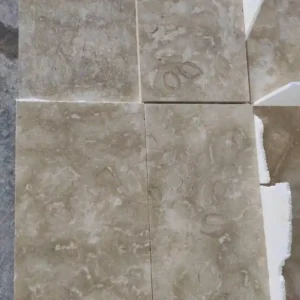
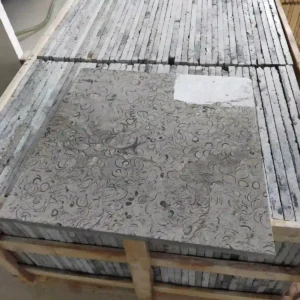
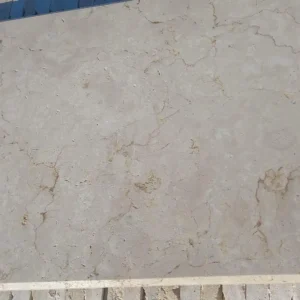
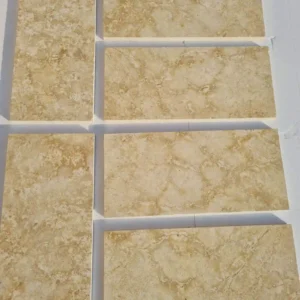
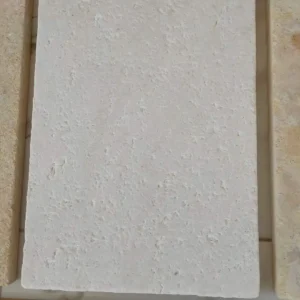
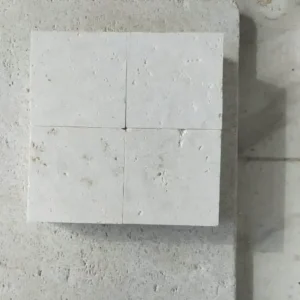
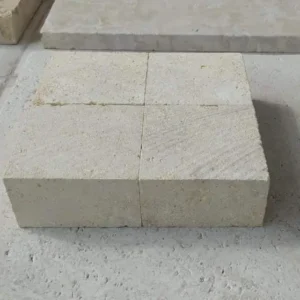
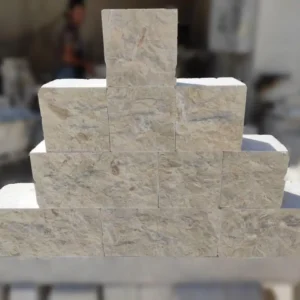
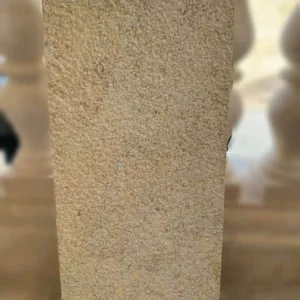
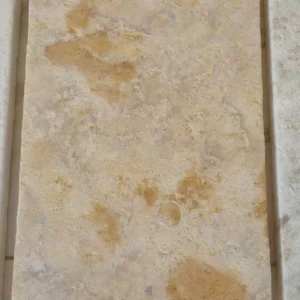
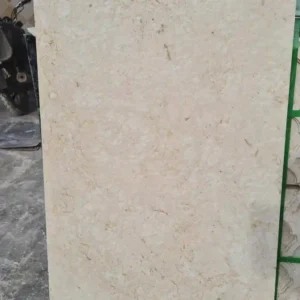
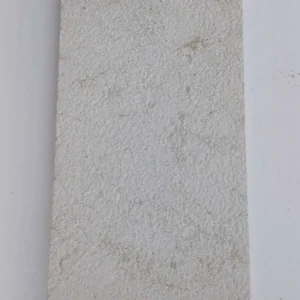
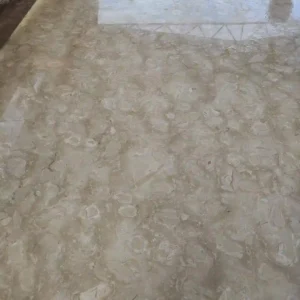
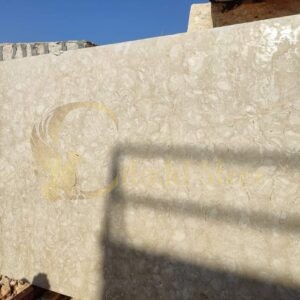
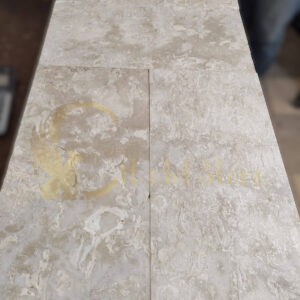
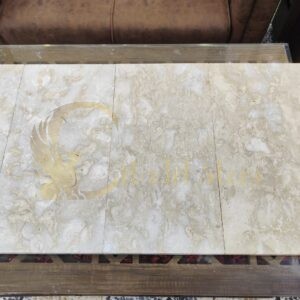
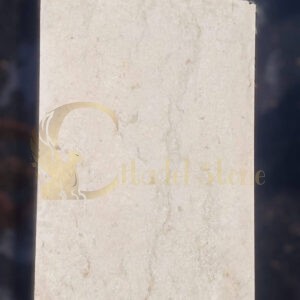
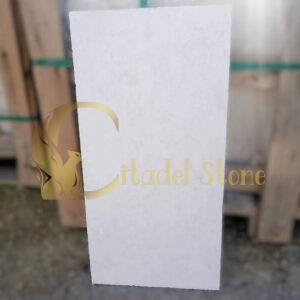
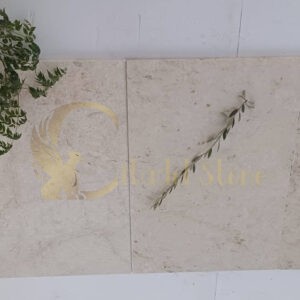
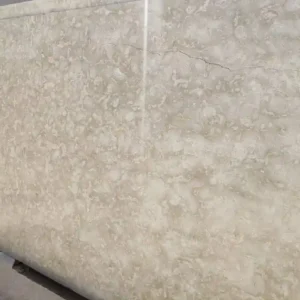
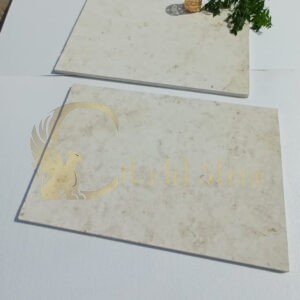
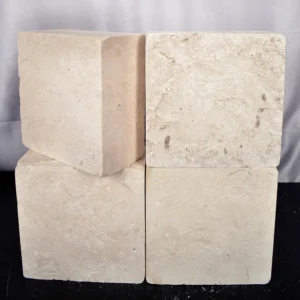
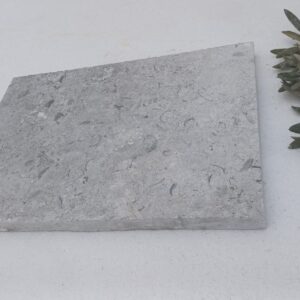
Limestone ashlar blocks in Arizona perform particularly well in drainage-conscious designs because the material’s natural capillary structure allows limited moisture vapor transmission through the face rather than pooling at the mortar interface. That said, you’ll want to confirm your specific limestone source has an absorption rate below 7% per ASTM C97 — anything above that threshold in a monsoon-exposure application is asking for accelerated joint deterioration. Citadel Stone sources ashlar limestone from established quarry partners and inspects each batch for absorption consistency before it leaves the warehouse, which saves you the trouble of field-testing material that’s already been accepted on a project timeline.
How Monsoon Hydrology Shapes Your Block and Base Design
Arizona’s hydrology is deceptive. Much of the state receives fewer than 12 inches of annual rainfall, but that precipitation doesn’t arrive gradually — it hits in short, violent pulses that produce flash-flood conditions even on gently sloped sites. For ashlar stone block applications, this means your drainage design has to handle peak flow rates, not average flow rates. A 2% cross-slope that drains adequately under normal conditions can become a ponding nightmare during a Tucson monsoon event if your collection channels aren’t sized for the real hydraulic load.
The base system matters as much as the surface material. In most Arizona low-desert zones, a compacted Class II road base at 4 to 6 inches over geotextile fabric provides adequate drainage capacity, but in areas with native caliche hardpan, you need to verify that the impermeable layer isn’t trapping water below your aggregate base. Tucson projects regularly encounter caliche at 12 to 18 inches, and if you’re setting dressed stone blocks in Arizona on a site with that soil profile, a perforated drain pipe at the base of your aggregate layer is worth the additional cost.
- Design surface slopes at minimum 2% away from structures — 3% is preferable in high-rainfall exposure zones
- Size collection channels based on a 10-year storm event calculation, not average annual rainfall
- Install geotextile separation between native soil and aggregate base to prevent fines migration
- Verify caliche depth on any site deeper than 8 inches — impermeable hardpan requires a drainage relief layer
- Specify open-graded aggregate base (3/4-inch clean crushed) where high infiltration is a design goal
Material Performance: Limestone, Granite, Bluestone, and Alabaster in Wet-Dry Cycles
Arizona’s wet-dry cycling is punishing in a way that’s different from freeze-thaw climates but equally damaging when you select the wrong material. Repeated absorption and rapid evaporative drying causes salt crystallization within pore structures — a process called subflorescence — that progressively fractures the stone face from the inside. You need to match material porosity to your site’s exposure profile, not just pick based on aesthetics.
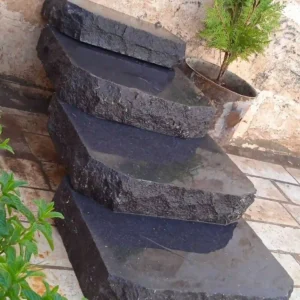
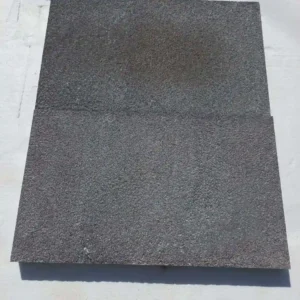
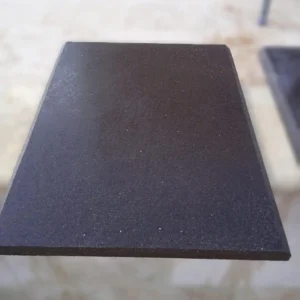
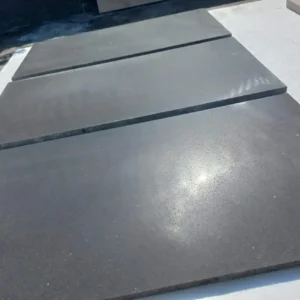
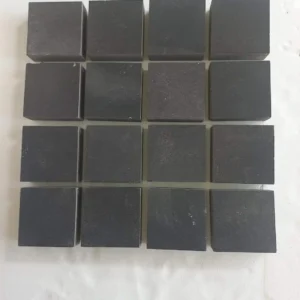
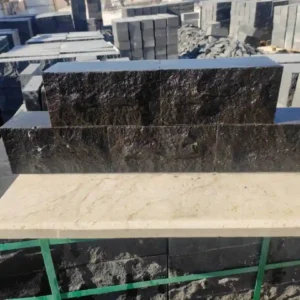
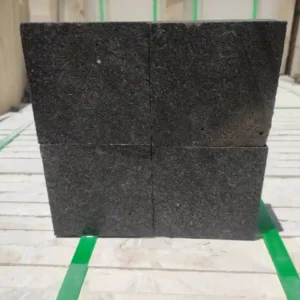
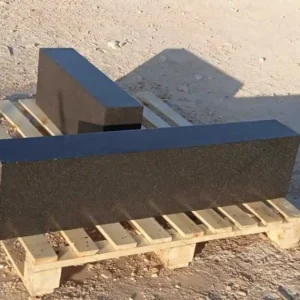
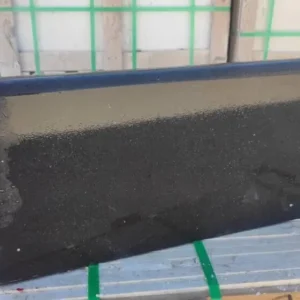
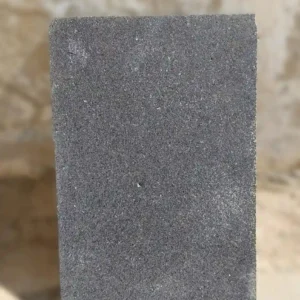
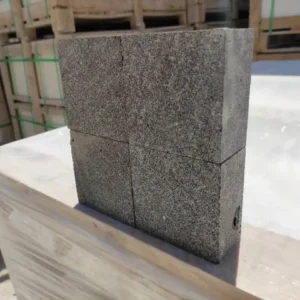
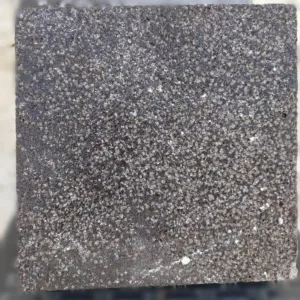
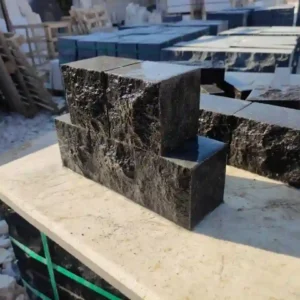
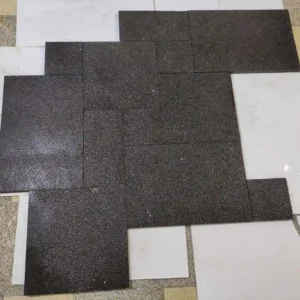
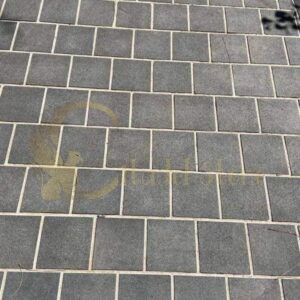
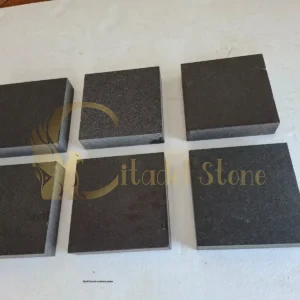
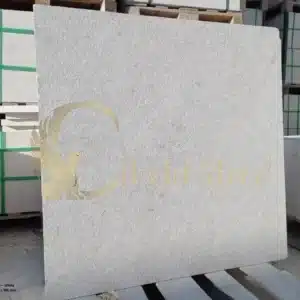
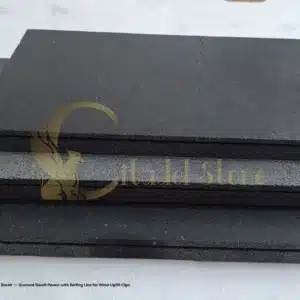
Rough granite block and white granite blocks handle Arizona’s wet-dry cycles exceptionally well. Granite’s crystalline structure keeps absorption rates below 0.5%, which means salt crystallization pressure has almost nowhere to develop. Small granite blocks used in coursed ashlar patterns maintain joint integrity even after years of monsoon exposure. Black granite block performs similarly and is a strong specification choice for contemporary architectural projects in Scottsdale where the visual contrast against stucco or concrete creates a high-value finish.
Bluestone building blocks occupy an interesting middle position. Arizona bluestone blocks have moderate absorption — typically 3 to 5% — and the sandstone or basalt variants available through Citadel Stone hold up well in properly drained installations. Where bluestone blocks underperform is in direct ponding exposure, so you should never use them in applications where water can sit on the surface for more than a few minutes after a rain event. Bluestone blocks are excellent for vertical ashlar coursing on walls and garden structures where drainage is passive and rapid.
- Granite building blocks: absorption below 0.5%, excellent for high-exposure horizontal surfaces
- Limestone ashlar blocks: absorption 3–7%, specify absorption rate before committing to monsoon-exposure applications
- Bluestone blocks: absorption 3–5%, appropriate for vertical and partially sheltered applications
- Alabaster block for carving: high porosity, not recommended for exterior drainage-exposed settings in Arizona
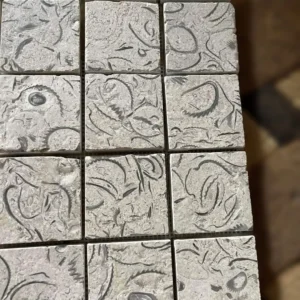
- Tumbled stone blocks: surface texture improves drainage runoff but increases total surface area for moisture uptake
Alabaster block for carving in Arizona is a separate conversation. Alabaster is a calcium sulfate mineral — it dissolves in sustained water contact. Exterior applications exposed to Arizona monsoon rainfall are not appropriate for alabaster, regardless of sealing. Alabaster belongs in interior sculptural and carving applications where moisture exposure is controlled. If you’ve seen alabaster specified outdoors and wondered why it’s deteriorating within two or three seasons, that’s the reason. Limestone carving blocks for sale in Arizona fill the niche that alabaster cannot — carved limestone details on exterior keystones, corbels, and relief panels hold up to monsoon exposure when properly sealed with a penetrating consolidant.
Ashlar Coursing Patterns and Joint Design for Arizona Conditions
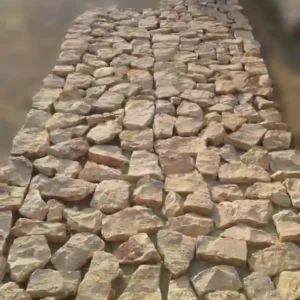
The dressed stone blocks you specify set up your jointing options, and jointing decisions directly affect how your installation manages water infiltration. Traditional random ashlar coursing — mixing block heights across the face — creates more horizontal joint surface area than regular coursing, which means more potential infiltration points during Arizona’s intense monsoon events. That’s not a reason to avoid random ashlar, but it is a reason to be deliberate about your mortar mix and joint tooling depth. For projects where dressed granite blocks in Arizona form the primary wall material, the lower absorption rate of granite gives you more tolerance for joint variability, but the mortar specification remains equally critical.
For Arizona exterior applications, a Type S mortar with a compressive strength of 1,800 to 2,500 PSI gives you the flexibility to handle minor thermal movement while maintaining water resistance at the joint face. Tool your joints to a slight concave profile — not flush, and never raked more than 3/8 inch deep. Raked joints collect water and hold it against the block face through the critical evaporation cycle. This single detail accounts for a measurable portion of premature joint deterioration in Arizona ashlar stone block projects.
- Use Type S mortar for exterior Arizona applications — Type N is too soft for thermal cycling exposure
- Tool joints to a concave profile to shed water away from the block face
- Limit raked joint depth to 3/8 inch maximum — deeper raking creates water collection channels
- Install control joints every 20 linear feet in long wall runs to manage thermal movement without cracking
- Brush-apply a penetrating silane-siloxane sealer to mortar joints 28 days after installation to reduce water uptake
Reviewing cost and specification data alongside these jointing details helps you build a complete project budget before material orders are placed. For projects requiring full material and pricing information, Ashlar Stone Blocks from Citadel Stone covers the cost and specification data you need to finalize your order. Getting the joint specification right at the design stage is far less expensive than repointing a wall installation three years after completion.
Limestone Plinth Blocks and Carved Limestone Applications in Arizona
Limestone plinth blocks in Arizona serve a structural and aesthetic transition role — they bridge the foundation system and the wall face, and they’re exposed to the highest moisture concentration on the wall assembly. Ground-splash during monsoon events means your plinth course receives repeated saturation and rapid drying, which is the most aggressive wet-dry cycling on the entire wall. Specifying a denser limestone at this course — ideally a material testing below 4% absorption — makes a meaningful difference in longevity.
Limestone carving blocks offer a different performance profile than structural ashlar limestone. Carving-grade limestone is selected for uniform grain structure and consistent color, which often means a slightly higher porosity than structural-grade material. For exterior carved details — keystones, relief panels, corbels — you’ll want to seal the carved surfaces with a penetrating consolidant, not just a surface sealer, to protect the fine detail from particulate intrusion during dust storms. Arizona’s haboob events carry alkaline dust that, combined with monsoon moisture, creates a mild caustic solution that attacks carved limestone surfaces over time.
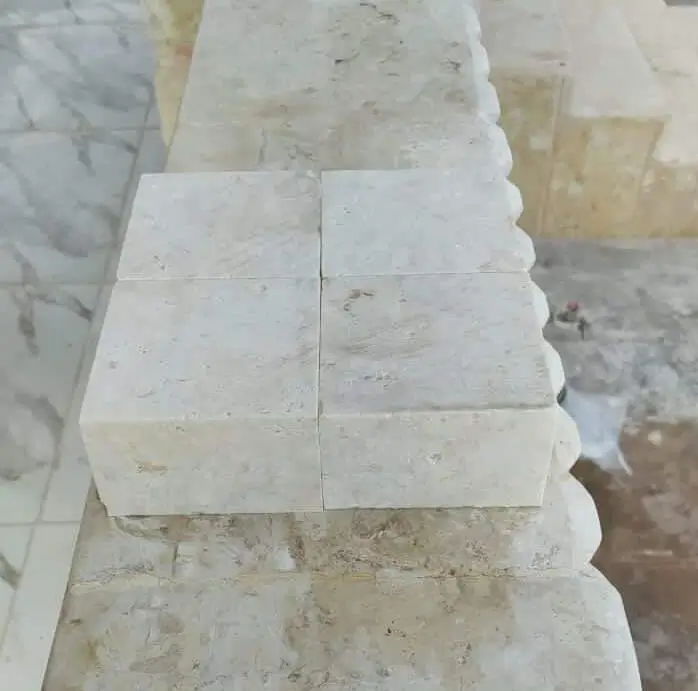
Citadel Stone stocks limestone ashlar blocks in standard formats including nominal 4-inch, 6-inch, and 8-inch heights, with face lengths ranging from 12 to 24 inches. You can request sample pieces and thickness specifications before committing to your project quantities — this is standard practice for any project where color consistency across a large wall face matters. The warehouse carries both limestone plinth block formats and carving-grade limestone in the same standard sizing runs, so you can coordinate both elements in a single order.
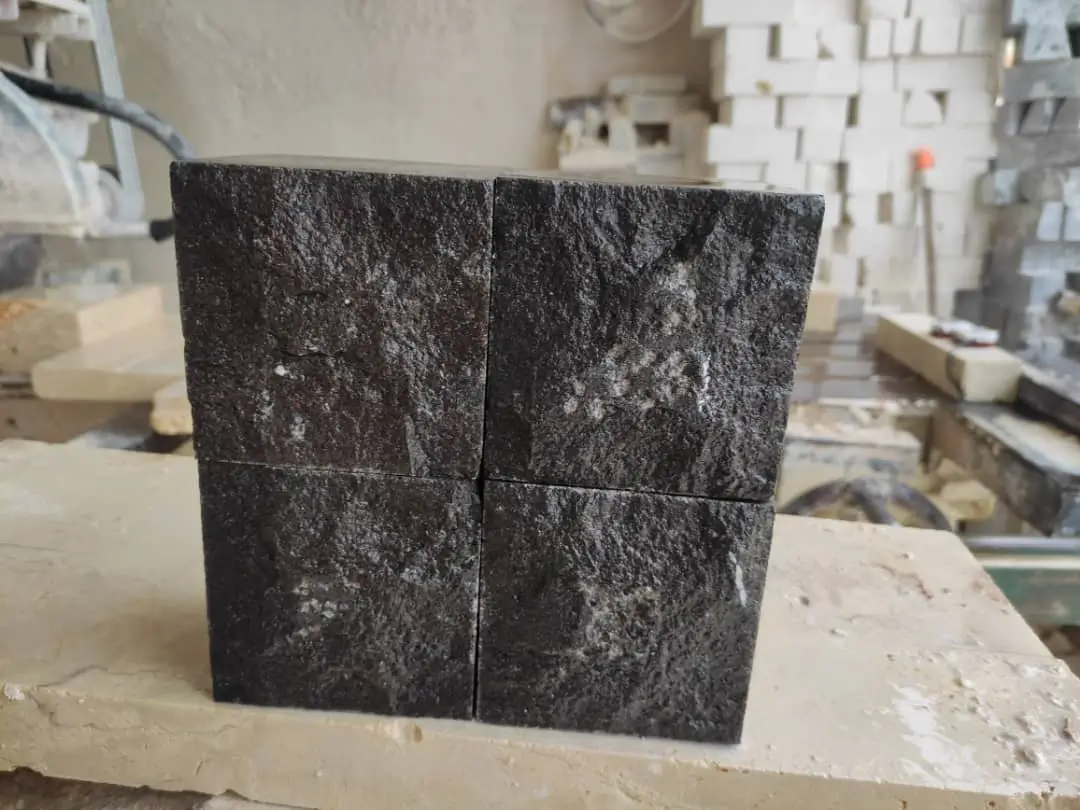
Tumbled and Rough-Finished Blocks: Drainage and Slip-Resistance Considerations
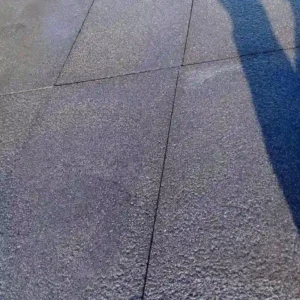
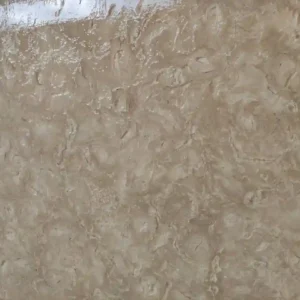
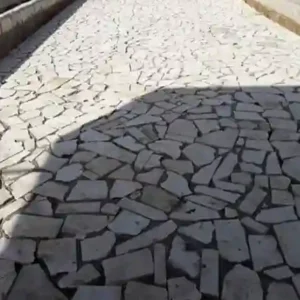
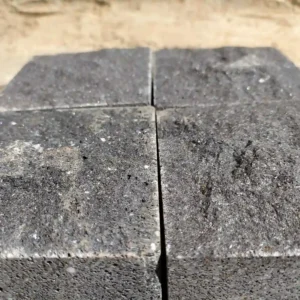
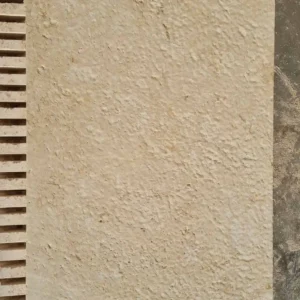
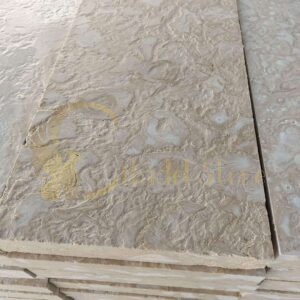
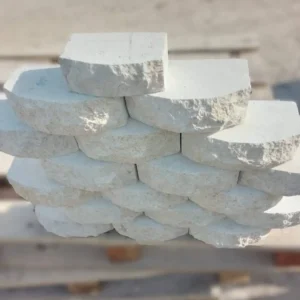
Tumbled stone blocks deliver a textured surface profile that improves drainage runoff velocity compared to honed or sawn ashlar faces. The irregular micro-texture created during tumbling increases the dynamic coefficient of friction from roughly 0.45 on a sawn face to 0.65 to 0.75 on a tumbled surface — the range you need to meet ADA slip-resistance thresholds for wet conditions. If your project includes horizontal walking surfaces such as courtyard paving, stepped terraces, or entry plazas, tumbled stone blocks are a practical specification that solves both the drainage and slip-resistance requirements simultaneously.
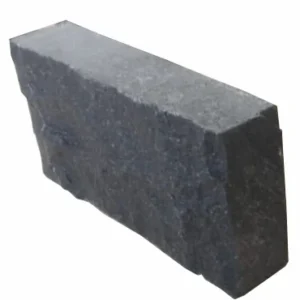
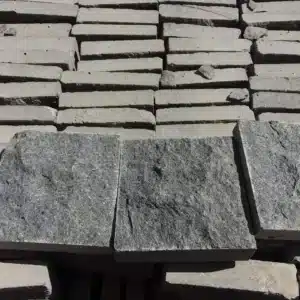
Rough granite block takes this further. The natural cleft or thermally finished surface on rough granite block achieves friction coefficients above 0.80 in wet conditions, making it one of the most reliable slip-resistant surfaces available in natural stone. Projects in Phoenix that specify rough granite block for pool surrounds and spa entries consistently outperform smooth-face competitors on long-term safety compliance reviews. The tradeoff is that rough surfaces accumulate more debris and require more frequent cleaning to maintain drainage performance — factor that into your maintenance specification.
- Tumbled stone blocks: COF 0.65–0.75 wet, suitable for pedestrian surfaces meeting ADA requirements
- Rough granite block: COF above 0.80 wet, preferred for pool surrounds and high-slip-risk areas
- Sawn dressed granite blocks: COF approximately 0.45 wet — appropriate for vertical applications, not horizontal walking surfaces
- Honed limestone: COF 0.40–0.55 wet — requires anti-slip treatment for any horizontal exterior application in Arizona
Dressed granite blocks on vertical wall faces are a different matter. Here the drainage concern shifts from surface runoff to joint water intrusion, and the sawn face actually performs better than rough surfaces because it gives you a tighter mortar bed contact area. Small granite blocks in coursed ashlar patterns on retaining walls benefit from the flat sawn face for precisely this reason — better mortar bond means fewer infiltration pathways at the joint interface.
Installation Sequencing and Moisture Windows in Arizona
Arizona’s monsoon season runs roughly from mid-June through September, and that window creates a real scheduling challenge for ashlar stone blocks in Arizona projects. Fresh mortar joints need 28 days of curing before they can handle sustained water contact, which means you should not be starting new ashlar block work within six weeks of the monsoon onset if your project has any exposed mortar joints. Projects that get caught mid-installation by early monsoon activity routinely end up with efflorescence problems in the first year — the soluble salts in fresh mortar migrate to the surface under repeated wet-dry cycling before the mortar has fully cured and locked them in.
The pre-monsoon window — typically March through May — is the best installation period for most Arizona ashlar block projects. You get consistent low-humidity conditions that allow mortar to cure at the right rate, and you have several months of dry weather before monsoon hydrology tests the installation. Verify warehouse stock availability well before this window opens, because lead times for full project quantities of granite building blocks and limestone ashlar blocks in Arizona can run 2 to 4 weeks from the time of order confirmation. Projects that wait until April to check inventory sometimes find their preferred material on back-order and end up making compromised material selections under deadline pressure.
- Target installation completion at least 6 weeks before mid-June monsoon onset
- Allow 28-day mortar cure before any sustained water exposure
- Protect fresh mortar joints with burlap or shade cloth if unexpected rainfall occurs during the cure window
- Confirm warehouse stock levels and truck delivery scheduling 8–10 weeks before your planned installation start
- Apply joint sealer only after the 28-day cure period — premature sealing traps residual moisture and causes spalling
Buy Ashlar Stone Blocks — Wholesale from Citadel Stone
Citadel Stone supplies ashlar stone blocks in Arizona across the full range of materials covered in this article — limestone ashlar blocks, dressed granite blocks in white, black, and grey tones, bluestone blocks, rough granite block, small granite blocks, tumbled stone blocks, and limestone plinth block formats. Standard inventory runs nominal heights from 3 inches to 8 inches and face lengths from 10 inches to 24 inches, with both sawn-face dressed stone and tumbled-finish options available. For custom cuts, non-standard coursing heights, or large-quantity project orders, Citadel Stone’s technical team can advise on lead times and truck delivery scheduling across Arizona before you commit to your project timeline.
Trade accounts, wholesale enquiries, and contractor pricing are handled directly through Citadel Stone. You can request sample blocks and specification sheets — including absorption rate data, compressive strength testing, and finish options — prior to placing your order. Delivery coverage extends across Arizona, with regional warehouse inventory supporting lead times typically in the 1 to 3 week range for standard stock items. For your next project, contact Citadel Stone to discuss quantities, format selection, and delivery logistics. As you plan the full scope of your Arizona stonework, landscape and garden applications often complement an ashlar block structural installation — Stone Blocks for Garden in Arizona covers how Citadel Stone materials perform in those contexts. Ashlar Stone Blocks from Citadel Stone reaches project sites across Flagstaff, Sedona, and Yuma and throughout Arizona.