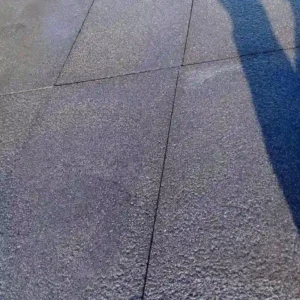
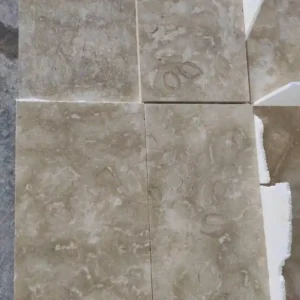

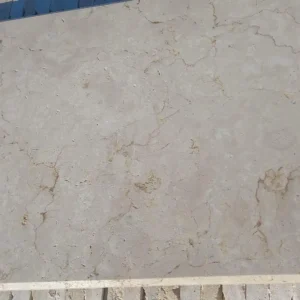
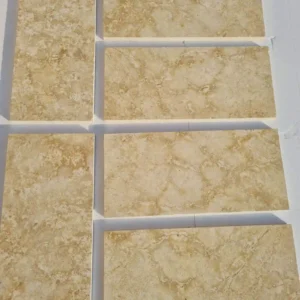


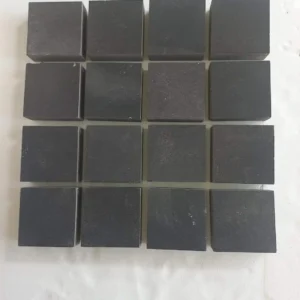
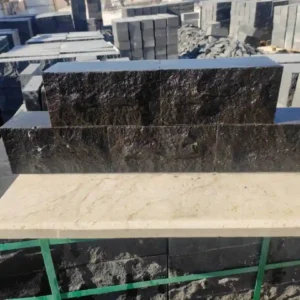
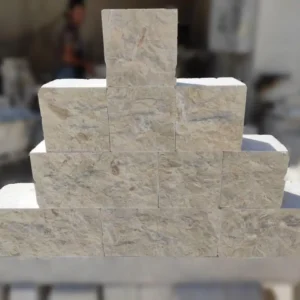
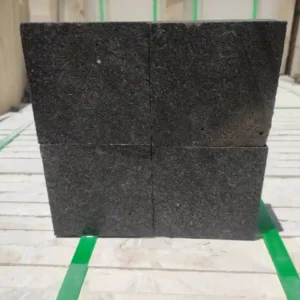



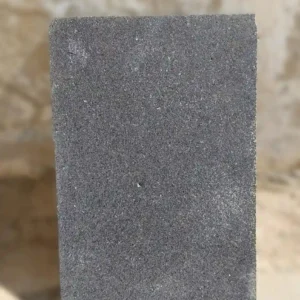
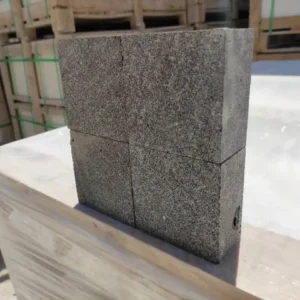
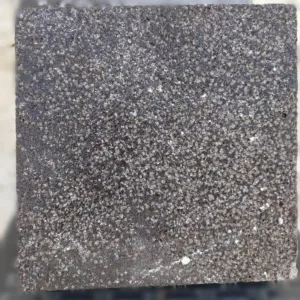

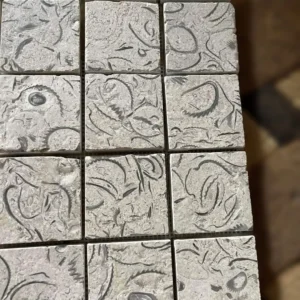

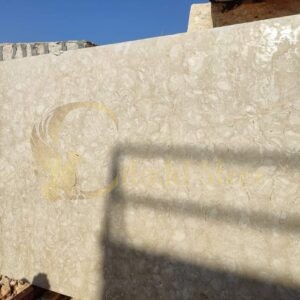
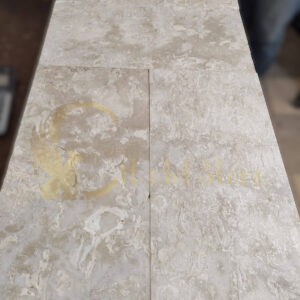
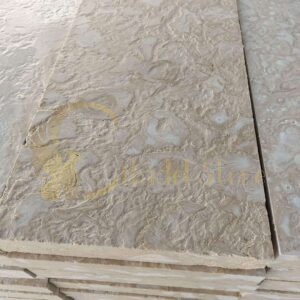
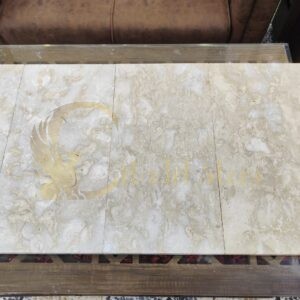
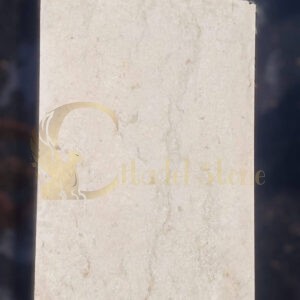
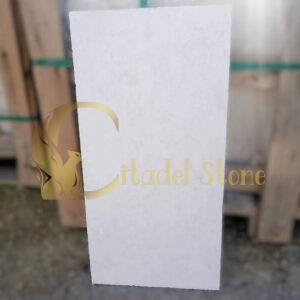

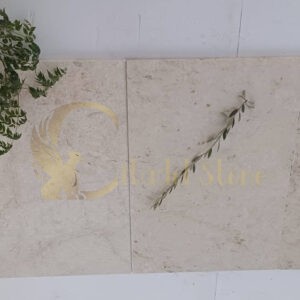



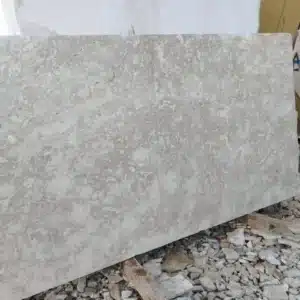

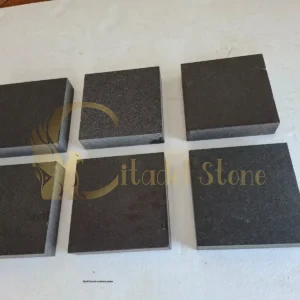

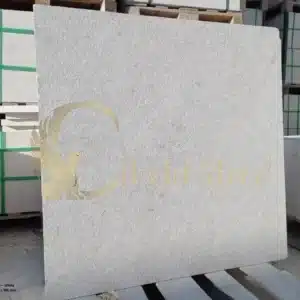


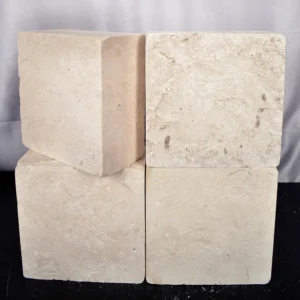
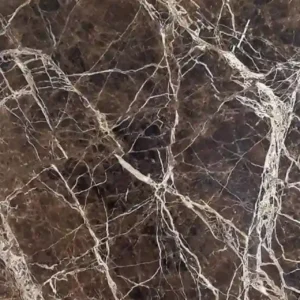
Specifying stone blocks for garden in Arizona demands a sharper focus on thermal cycling than most project planners initially expect. The real performance gap isn’t between good stone and bad stone — it’s between stone specified for a static climate and stone selected to handle daily temperature swings of 40°F to 55°F that are routine across much of the state. In high-elevation zones, you’re layering seasonal freeze-thaw cycles on top of that daily range, and the joint systems, base preparation, and sealer chemistry all need to respond accordingly. Get those variables right from the start, and you’re looking at a garden installation that performs cleanly for 25 years or more.
Why Thermal Cycling Defines Stone Block Performance in Arizona
Arizona’s reputation for heat is only half the story. In Flagstaff, elevations above 6,900 feet produce overnight lows that can drop below 20°F in winter — while afternoon highs the same week push into the mid-50s°F. That 30°F to 35°F daily swing is enough to generate measurable expansion and contraction cycles in any stone material, and over a decade of seasons, those micro-movements accumulate into joint failure, edge cracking, and surface spalling if the original specification didn’t account for them. The critical specification variable isn’t compressive strength — it’s absorption rate combined with linear thermal expansion coefficient.
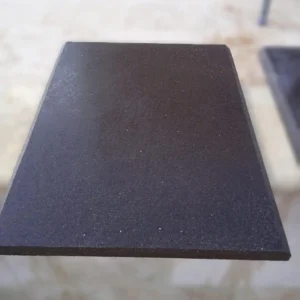
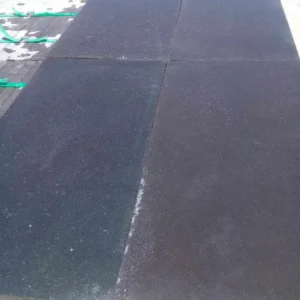
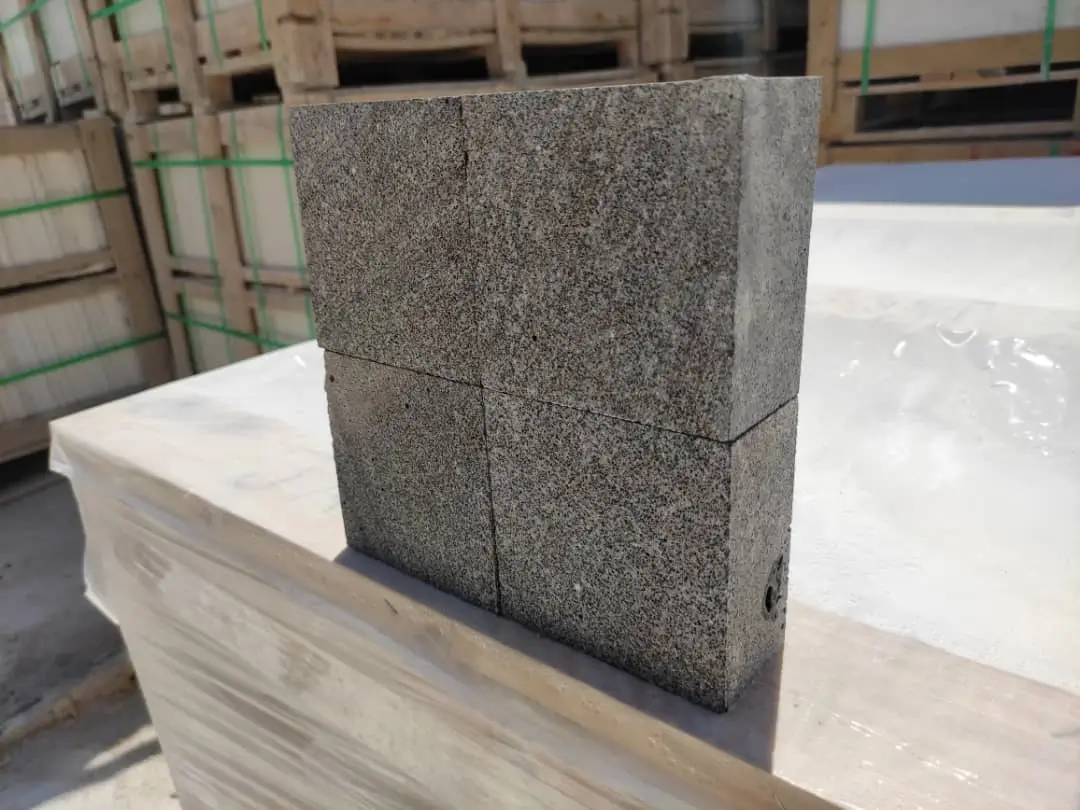
Stone blocks with absorption rates above 7% absorb moisture during the day’s brief humidity window or irrigation overspray, then contract under cooling and freeze at night. That freeze-thaw cycle at the pore level is what fractures faces and undermines mortar bonds. Your material selection should target absorption rates below 3% for any garden installation that sees overnight temperatures below 28°F — even occasionally. Granite blocks for garden in Arizona hit that threshold consistently, typically registering absorption under 0.5% due to their crystalline, non-porous structure.
Stone Types for Arizona Gardens: Performance Comparison
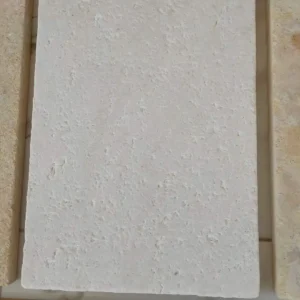
Choosing between granite, limestone, and flagstone blocks for landscaping in Arizona comes down to matching material mineralogy to your site’s specific elevation, sun exposure, and irrigation pattern. These aren’t interchangeable options — each has a performance profile that fits certain conditions well and others poorly.
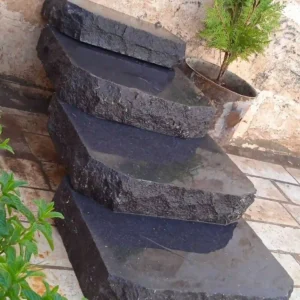
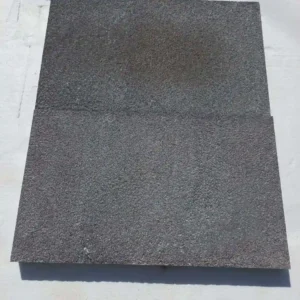
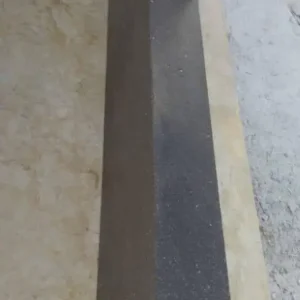
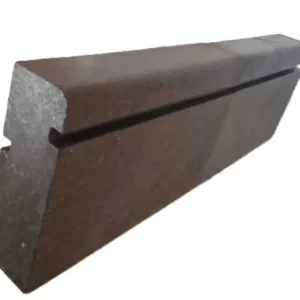
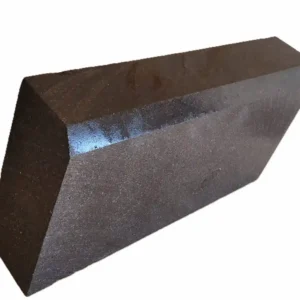
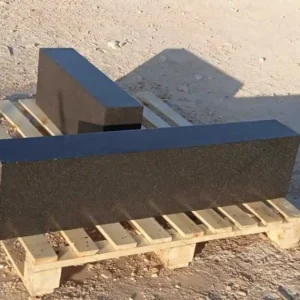
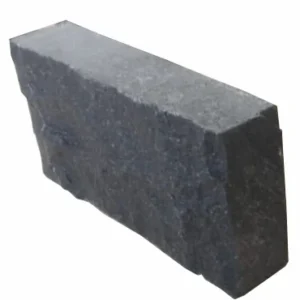
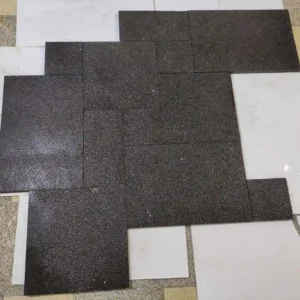
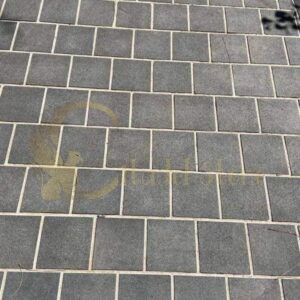
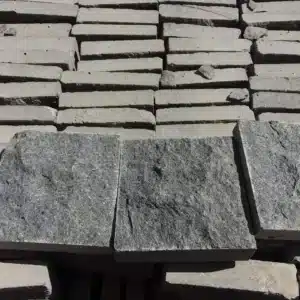
- Granite blocks for garden in Arizona offer the lowest absorption rate (typically 0.1–0.5%), highest compressive strength (15,000–25,000 PSI), and excellent resistance to freeze-thaw spalling — making them the right call for Flagstaff elevations and any site with genuine winter freeze exposure
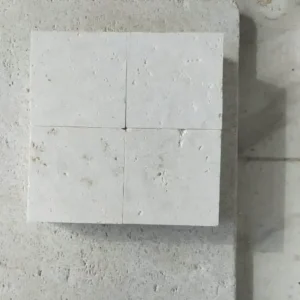
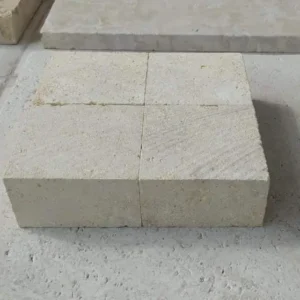
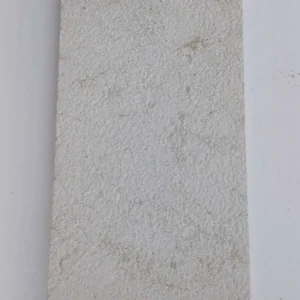
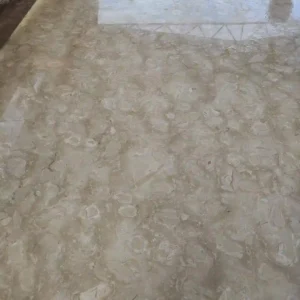
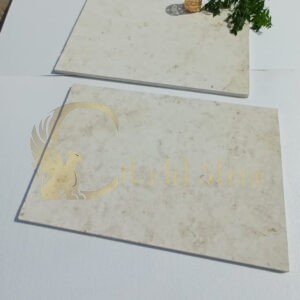
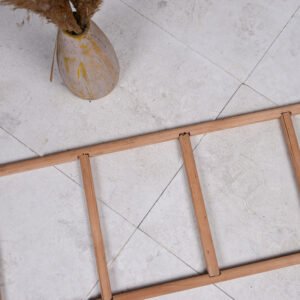
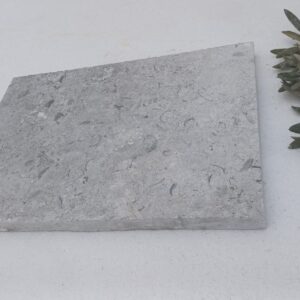
- Limestone blocks handle moderate thermal cycling well when their porosity is below 5%, but you need to verify that the material you’re specifying comes from a dense formation — not all limestone performs equally, and quarry source matters more than the generic name
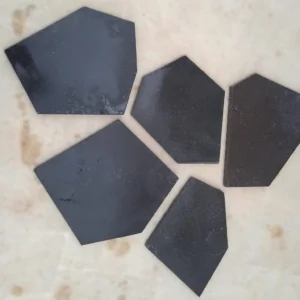
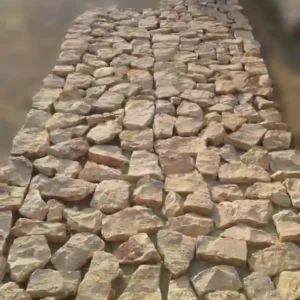
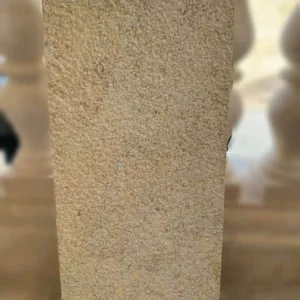
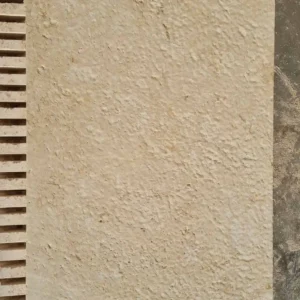
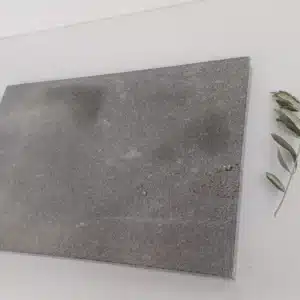
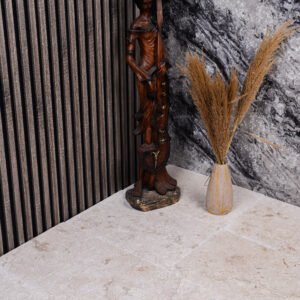
- Flagstone blocks in Arizona — typically sandstone or quartzite — bridge aesthetic warmth with reasonable freeze-thaw performance at mid-range absorptions, but they require a penetrating sealer on a biennial schedule to maintain that protection in cycling climates
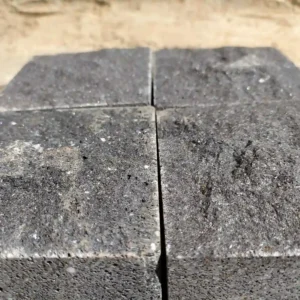
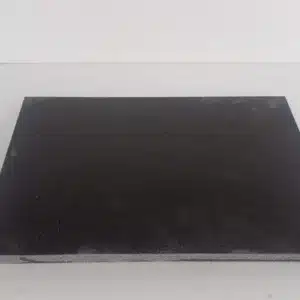
- Basalt blocks offer volcanic density with absorption rates under 1% and a linear thermal expansion coefficient of approximately 3.5 × 10⁻⁶ per °F — one of the lowest available in natural stone, which directly translates to reduced joint stress across extreme temperature ranges
Citadel Stone sources granite and limestone blocks directly from established quarry partners, with each incoming batch inspected for density consistency and surface quality before it reaches warehouse inventory. That intake screening step matters because even within the same quarry formation, batch-to-batch variation in absorption rate can exceed 2%, which affects sealer selection and joint performance downstream.
Understanding Daily and Seasonal Temperature Ranges by Region
Your garden stone blocks in Arizona will experience different stress profiles depending on where the project sits in the state’s elevation gradient. Phoenix’s low desert rarely sees freezing temperatures, but its summer daily swing — 75°F predawn to 118°F afternoon — generates thermal expansion cycles in stone that rival what freeze-thaw does at higher elevations. The expansion differential across a 6-foot slab run in direct sun can reach 0.06 inches over that range, which is why expansion joints every 12 feet (not the 20 feet often cited in general guidelines) are the correct specification for Phoenix garden installations.
In Scottsdale, the combination of intense summer radiant loading and cooler winter nights creates a regime where stone surface temperatures swing between 35°F at night and 160°F on southern exposures in July. That 125°F surface range is the number that should drive your joint sizing calculations — not the ambient air temperature range, which looks far more modest. Stone blocks for landscaping in Arizona that perform in Scottsdale’s conditions need adequate joint width (typically 3/8 to 1/2 inch for blocks over 12 inches in any dimension) filled with a flexible polymeric sand rated for high-movement applications.
- Phoenix elevation: ~1,100 ft — no freeze-thaw risk, but extreme surface thermal amplitude requires wide expansion joints and UV-stable sealers
- Scottsdale elevation: ~1,200–2,000 ft — similar freeze-thaw risk profile to Phoenix, but higher wind exposure accelerates surface drying that affects curing during installation
- Flagstaff elevation: ~6,900 ft — genuine freeze-thaw cycling with USDA Zone 6b winters; absorption rate and sealer freeze-point rating are non-negotiable specs
- Sedona elevation: ~4,300 ft — transitional zone; some winters produce ice events that demand low-absorption stone but stop short of full Flagstaff-level freeze cycling
Base Preparation for Stone Blocks in Arizona Soil Conditions
The base system underneath your stone blocks does more work in Arizona’s cycling climate than almost anywhere else in the country. Thermal cycling at the surface translates into sub-base movement if the aggregate isn’t properly compacted and graded, and Arizona’s expansive clay soils in certain areas compound that movement by swelling when monsoon moisture reaches them. Your base specification needs to address both vectors simultaneously.
For most Arizona garden installations on native soil, the correct base profile is 6 inches of compacted Class II road base over geotextile fabric, with a 1-inch bedding layer of coarse sand directly under the blocks. In areas with heavy clay content — common in parts of the Mesa and East Valley — extend the road base to 8 inches and consider a 2-inch perforated drain pipe at the base perimeter to manage monsoon infiltration. Base compaction should reach 95% Proctor density minimum; anything less and you’ll see differential settlement at joint lines within two or three monsoon seasons. For projects requiring stone block installation specifications across similar site conditions, Stone Blocks for Garden from Citadel Stone provides maintenance and care detail that connects directly to the base performance factors covered here — moisture management at the sub-base level is inseparable from long-term surface maintenance, and they function as one continuous system.
- Verify that your base contractor achieves 95% Proctor compaction with a nuclear densometer test — visual inspection is not sufficient for cycling climates
- Install 2% cross-slope minimum across the base surface to direct monsoon drainage away from structures
- Use angular, well-graded aggregate (3/4-inch minus) rather than round river rock, which won’t interlock and will shift under thermal movement
- Allow the compacted base to cure through at least one significant rainfall event before placing bedding sand and blocks — settlement after stone placement is harder to correct
Joint Systems and Sealer Selection for Arizona Thermal Cycling
The joint between garden stone blocks is where freeze-thaw and thermal cycling do their damage first. A rigid mortar joint in a high-cycling environment will crack within two to three winters at Flagstaff elevations — not because the stone failed, but because the joint material couldn’t accommodate the expansion-contraction differential. The correct joint system for cycling climates is a polymeric sand with a documented movement rating and a freeze-thaw test result down to at least 0°F.
Sealer selection follows the same thermal logic. Film-forming acrylic sealers work well for Phoenix’s UV-dominated environment, but they trap moisture in cycling climates and can delaminate when that trapped moisture freezes. For any installation at elevations above 4,000 feet, penetrating silane-siloxane sealers are the correct specification — they repel water without creating a film layer that can crack or peel, and they maintain breathability so moisture vapor can escape during temperature swings.
- Polymeric sand for high-cycling joints: verify freeze-thaw rating to 0°F minimum; premium products rate to -10°F
- Joint width: 3/8 inch minimum for blocks up to 12 inches in dimension; increase to 1/2 inch for blocks 18 inches and larger
- Penetrating silane-siloxane sealers: reapply every 2 years at elevations above 4,500 ft; every 3 years in Phoenix-range elevations
- Film-forming sealers: acceptable in Phoenix and Scottsdale where freeze-thaw is not a factor, but require annual inspection for edge lifting
- Application temperature window for sealers: 50°F to 90°F ambient — avoid application in July afternoon conditions or November mornings in high-elevation zones
Granite and Limestone Blocks: Thickness and Format Selection
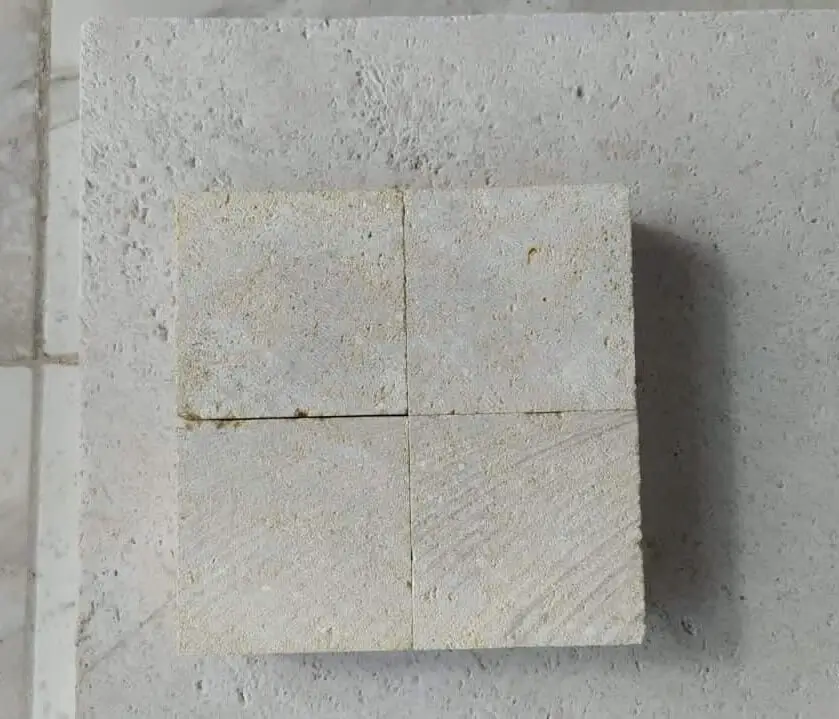
Format selection for garden stone blocks goes beyond aesthetics — in a cycling climate, the block’s thickness-to-span ratio directly affects its resistance to flexural cracking under thermal and load stress. Granite blocks for garden installations where vehicular access is possible need a minimum 3-inch nominal thickness; pedestrian-only garden paths can use 2-inch material without structural concern provided the base is correctly prepared. Limestone blocks for Arizona garden applications in the same pedestrian context should be specified at 2.5 inches minimum, given limestone’s lower modulus of rupture relative to granite.
Flagstone blocks in Arizona are often supplied in irregular thicknesses ranging from 1 to 2.5 inches within the same lot. That variation isn’t a defect — it’s inherent to natural split material — but it requires your installation team to bed each piece individually to achieve a uniform finished surface. The extra labor investment is real, and your project budget should account for it. You can request thickness-graded flagstone from Citadel Stone when uniformity is a priority, which reduces installation time and produces a more consistent joint plane across the finished surface.
- Granite blocks: 2-inch minimum for pedestrian garden paths; 3-inch minimum where any vehicle access is possible
- Limestone blocks in Arizona: 2.5-inch minimum for pedestrian use; request density specification (absorption rate below 5%) before purchasing
- Flagstone blocks: natural thickness variation of 1–2.5 inches requires individual bedding; specify 1.5-inch minimum for structural consistency
- Block format size: larger formats (18 × 24 inches and above) require wider expansion joints and stiffer base compaction — don’t apply small-format joint widths to large-format blocks
In Mesa, caliche hardpan is frequently encountered at 18 to 24 inches below grade, which can actually serve as a reliable sub-base layer if properly profiled and drained. Projects in Mesa with confirmed caliche at moderate depth sometimes reduce their road base requirement to 4 inches while still achieving 95% compaction targets — but this is a site-specific determination that requires field verification, not a default assumption.
Maintenance Protocols That Account for Temperature Cycling
Stone blocks for garden in Arizona don’t require complex maintenance, but they do require scheduled maintenance that’s calibrated to the cycling exposure the installation actually experiences. Generic maintenance schedules written for mild coastal climates don’t translate correctly to Arizona conditions — the sealer consumption rate is higher, joint sand migration is accelerated by thermal movement, and surface cleaning needs to happen before summer UV intensity peak, not during it.
Your maintenance calendar should be built around two anchor events: a pre-summer inspection in late March or April, and a post-monsoon inspection in October. The pre-summer check catches any joint sand loss or edge movement that winter cycling produced before summer heat locks the pattern in place. The post-monsoon check identifies any hydraulic damage — joint washout, sub-base saturation, or surface staining from mineral-laden runoff — before the winter cycling season begins.
- Pre-summer (late March to April): inspect joint sand levels, top up any voids, check sealer integrity on southern exposures first as they take the hardest UV load
- Post-monsoon (October): inspect for joint washout, reapply polymeric sand as needed, clean mineral deposits before resealing
- Resealing schedule: penetrating sealer every 2 years at high elevation; every 3 years in low desert — count from installation date, not from when you notice the surface looking dull
- Surface cleaning: avoid pressure washing at settings above 1,500 PSI on limestone surfaces — it erodes the surface calcium carbonate over time; granite tolerates higher pressure without surface damage
- Winter inspection (November, for high-elevation sites): check for any frost-heave movement at block edges before freeze events lock displaced material in a shifted position
Order Stone Blocks for Garden — Arizona Delivery Available
Citadel Stone stocks garden stone blocks in Arizona in a range of formats designed to match the material and size requirements that Arizona projects most commonly need. Available options include granite blocks, dense limestone blocks, flagstone blocks, and basalt — in thicknesses from 1.5 inches to 4 inches and in both regular cut and natural split faces. Standard pallet quantities are stocked in Citadel Stone’s regional warehouse for reduced lead times; you’re typically looking at 1 to 2 weeks from order confirmation to truck delivery across most of the state, compared to the 6 to 8 week cycle common with direct import sourcing.
You can request sample material and written thickness or absorption specifications before committing to a full order — that step matters when your project is at elevation and absorption rate is a hard specification requirement. For trade accounts, wholesale enquiries, and projects requiring custom-cut formats or non-standard dimensions, Citadel Stone’s technical team can advise on lead times and sourcing options that fit your schedule. Contact Citadel Stone directly to request a project quote, confirm current warehouse stock levels, or schedule a consultation on material selection for your specific Arizona site conditions. As you finalize your stone blocks for garden in Arizona, you may also find value in exploring the full range of options available — Natural Stone Blocks for Sale in Arizona covers the broader Citadel Stone inventory that Arizona projects can draw from. Contractors in Flagstaff, Sedona, and Yuma select Citadel Stone Stone Blocks for Garden for Arizona residential and commercial projects.