
Why Arizona Building Codes Shape Your Maintenance Strategy
Garden stone block care Arizona climate decisions don’t start with a hose and a sealer — they start with your county’s structural requirements and how those standards dictate the block thickness, base depth, and edge restraint specifications you’re working with from day one. Arizona’s International Building Code adoptions, combined with local amendments from Maricopa and Yavapai counties, set minimum base depths and load-bearing thresholds that directly influence how your stone blocks age over time. Get the structural foundation wrong and no maintenance regimen will save you.
Most property owners inherit an installation without reviewing its original specification. Before you commit to any maintenance schedule, pull the permit documentation and verify that the original base depth meets Arizona’s compacted aggregate requirements — typically 4 inches minimum for pedestrian applications and 6–8 inches for vehicular loads. If that foundation is undersized, surface maintenance becomes a cosmetic exercise on a structurally compromised system.
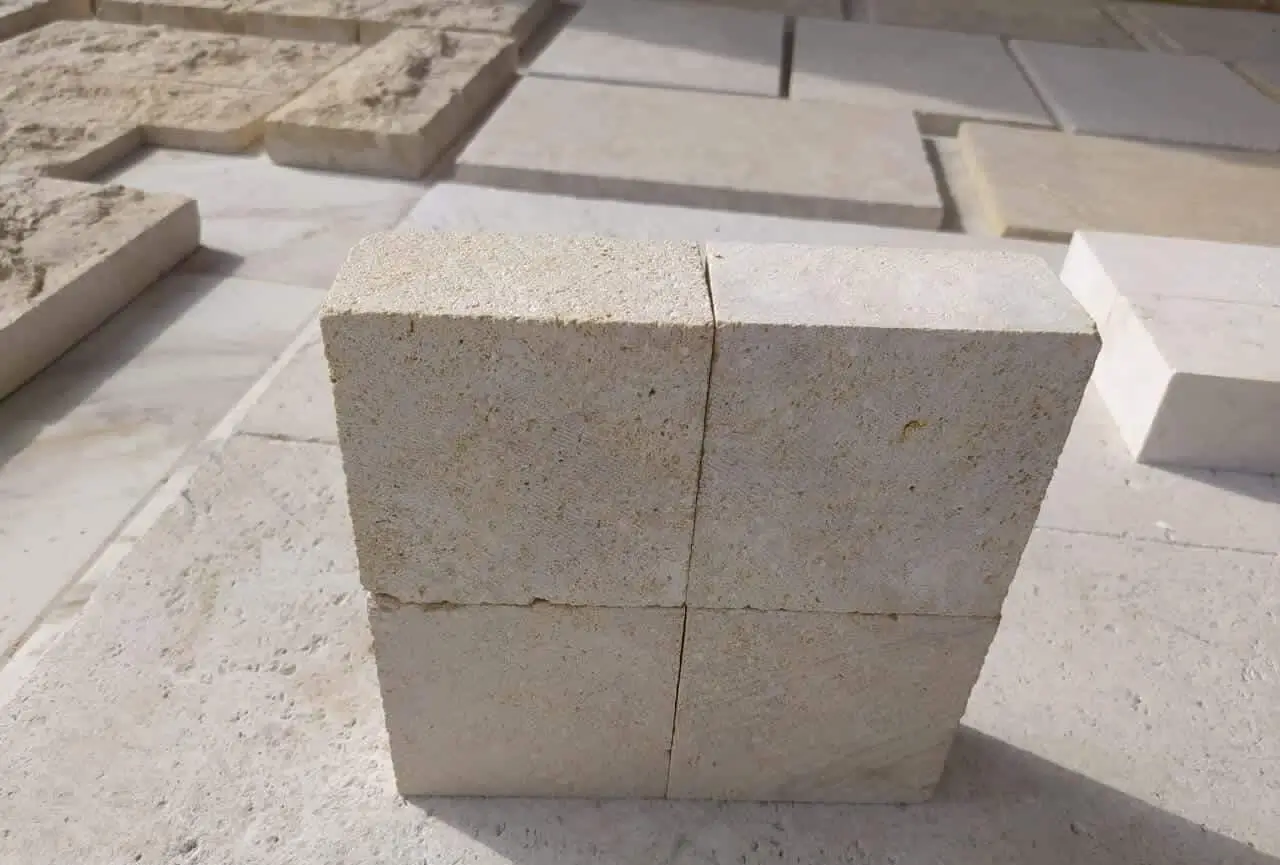
Base Depth and Edge Restraint Standards Across Arizona
Arizona’s desert soils — particularly the expansive clay-heavy profiles common across much of the state — create soil movement patterns that put sustained lateral pressure on garden stone block installations. Edge restraint requirements exist precisely because of this. The IRC and local amendments in most Arizona jurisdictions require edge restraints capable of resisting minimum horizontal displacement of 300 pounds per linear foot for pedestrian hardscape. That’s not a suggestion — it’s a code threshold your installation needs to meet before maintenance begins.
In Mesa, contractors frequently encounter caliche hardpan at 18 to 24 inches below grade, which provides exceptional bearing capacity but creates drainage challenges that can undermine your base aggregate over time. Proper maintenance in these conditions means inspecting weep zones and drainage channels annually, not just cleaning the surface. Hydrostatic pressure trapped against a caliche layer is one of the primary causes of premature block shifting in the East Valley.
- Verify edge restraint fastener spacing doesn’t exceed 12 inches on-center — Arizona’s thermal expansion cycles will exploit any wider gaps within 3–5 years
- Confirm base aggregate meets AASHTO #57 crushed stone specifications — decomposed granite alone fails compaction standards for code-compliant installations
- Check that your installation meets IBC Table 1806.2 bearing capacity requirements before attributing settling to surface maintenance failures
- Review whether your municipality requires inspection sign-off on base preparation — Maricopa County amended this requirement in 2019 for installations exceeding 500 square feet
Cleaning Stone Blocks in Arizona Outdoor Spaces
Cleaning stone blocks in Arizona outdoor spaces requires a different approach than what you’d use in a humid climate, and that distinction matters structurally as well as cosmetically. Desert dust infiltration — particularly the fine particulate matter that settles during haboob events — works its way into joint sand and surface pores, creating abrasive conditions that accelerate wear on block faces faster than UV exposure alone.
Your cleaning protocol should start with a low-pressure rinse at no more than 1,200 PSI. Exceeding that threshold dislodges joint sand, which in turn reduces lateral interlock between blocks. Once interlock weakens, the entire installation loses its code-compliant load distribution, and you’re back to a structural problem masquerading as a cosmetic one. Use a fan-tip nozzle held at a 30-degree angle — never a zero-degree tip, which creates point-load erosion on softer block faces.
- Apply pH-neutral stone cleaner (7.0–8.5 range) — Arizona’s hard water has a mineral content that reacts with alkaline cleaners to leave calcium deposits
- Avoid muriatic acid treatments unless a licensed contractor is supervising — improper dilution etches limestone and travertine block faces permanently
- Schedule deep cleaning twice annually: once in late April before peak heat and once in October after monsoon season deposits organic debris
- Brush joint sand back into place after every cleaning session — depleted joints are the leading cause of block migration that triggers code non-compliance
Sealing Natural Stone Blocks for Arizona Weather Conditions
Sealing natural stone blocks for Arizona weather demands a penetrating impregnator, not a topical film sealer — and the reasoning is structural as much as aesthetic. Film sealers trap moisture vapor beneath the surface in a climate where daytime temperatures can swing 40°F from morning to afternoon. That vapor pressure, cycling daily across a 100°F+ summer, causes film delamination within 18 months. A penetrating silane-siloxane impregnator bonds within the pore matrix and moves with the stone rather than against it.
At Citadel Stone, we recommend testing your block’s absorption rate before selecting sealer viscosity — drop a quarter teaspoon of water on the surface and time how fast it absorbs. If absorption occurs in under 30 seconds, you need a lower-viscosity product that can penetrate fully before flash evaporation in the Arizona heat pulls it to the surface prematurely. Applying sealer when surface temperatures exceed 85°F almost guarantees inadequate penetration depth.
- Apply sealer in the early morning when surface temperatures are below 75°F — this allows 20–30 minutes of working time before evaporation accelerates
- Two thin coats outperform one heavy coat by a measurable margin — the first coat opens the pore matrix, the second achieves full saturation
- Reapply on a 2–3 year cycle in Phoenix-area climates and a 3–4 year cycle at higher elevations where UV intensity is slightly lower
- Check sealer compatibility with your specific stone type — calcium-based stones like limestone react differently to silicone versus fluoropolymer formulations
For comprehensive product options and technical consultation on the right block specifications for your Arizona property, Citadel Stone blocks for Arizona gardens covers the full range of available materials with regional performance data.
Arizona Monsoon-Resistant Stone Garden Block Upkeep
Arizona’s monsoon season runs roughly June through September, delivering 40–60% of the state’s annual precipitation in concentrated, high-intensity bursts. Arizona monsoon-resistant stone garden block upkeep centers on drainage management — specifically, making sure your installation’s drainage slope hasn’t shifted over time due to base settlement. The IBC requires a minimum 1.5% drainage slope for hardscape installations, and Arizona’s monsoon intensity makes anything less than 2% a liability.
In Yuma, monsoon events arrive with particularly high dust loads preceding the rain, which means the first 15 minutes of a storm deposits a fine clay-particulate layer before the water volume increases. That slurry seals surface pores temporarily and forces water to sheet-flow laterally rather than drain through the base. Your joint sand needs to be at 90–95% fill capacity before monsoon season — not after — because depleted joints allow that slurry to infiltrate and compact inside the base aggregate layer, reducing permeability over successive seasons.
- Inspect and correct drainage slope annually using a 4-foot level — even a 0.5% deviation from design creates pooling that accelerates block staining and structural undermining
- Install flexible downspout extensions to redirect roof runoff at least 6 feet from any garden stone block installation — concentrated discharge from gutters exceeds the erosion threshold of most base systems
- Top-dress joint sand with polymeric sand before monsoon season rather than after — wet installation of polymeric sand during active moisture events fails to activate the binding agents properly
- Photograph drainage patterns after the first major storm of the season — standing water visible 30 minutes post-storm indicates base permeability failure requiring core investigation
Maintaining Stone Blocks Across Arizona Desert Landscapes
Maintaining stone blocks across Arizona desert landscapes involves managing three simultaneous stressors that don’t often appear together in non-desert climates: extreme UV radiation, significant diurnal temperature swing, and episodic extreme moisture. The thermal expansion coefficient for natural stone typically runs between 3 and 7 × 10⁻⁶ per °F depending on mineral composition. In Arizona’s Sonoran Desert, where a single 24-hour period can span a 50°F temperature range, that means your garden stone blocks are cycling dimensionally every day of the year — not just seasonally.
Garden stone blocks in Arizona need expansion joints at intervals no greater than 15 linear feet in any direction — tighter than the 20-foot standard you’ll see in generic specifications written for temperate climates. That gap isn’t cosmetic; it’s the pressure relief valve that prevents lateral stress from migrating into your edge restraints and base course. Fill those joints with a closed-cell backer rod and sanded urethane caulk rated for desert UV exposure — standard latex caulk chalks and loses elasticity within 12–18 months in direct Arizona sun.
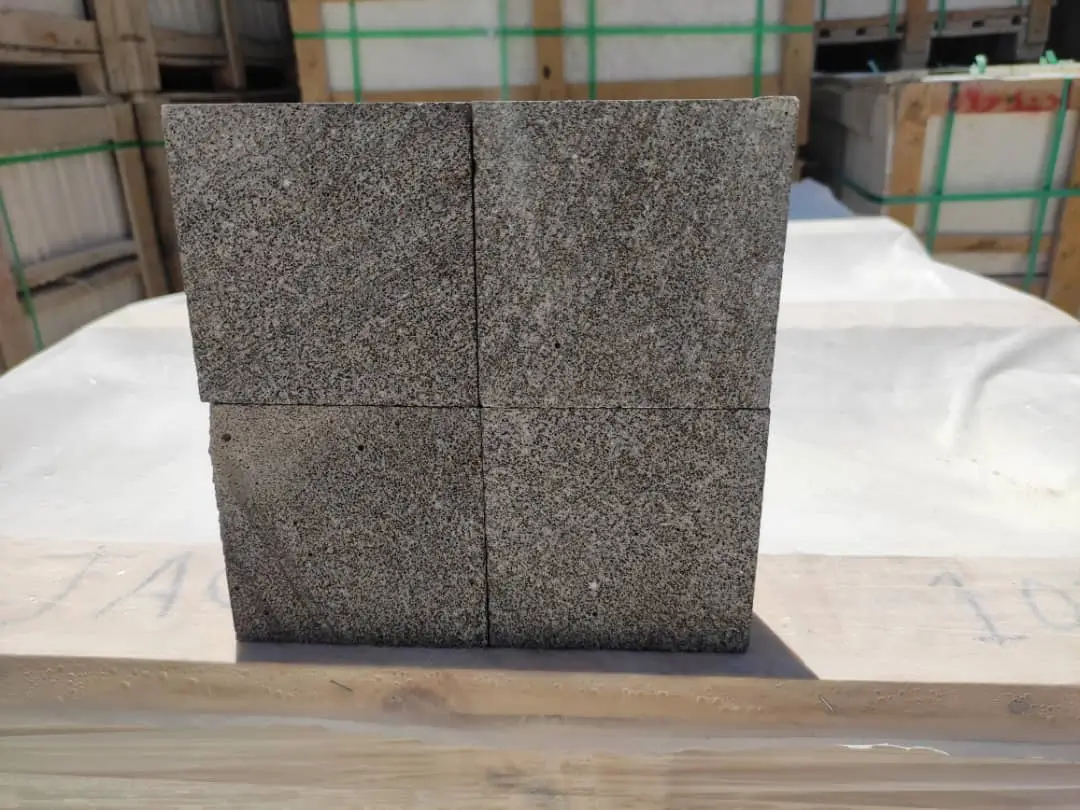
High-Elevation and Red Rock Region Maintenance Factors
Desert doesn’t mean uniform. Sedona‘s elevation of approximately 4,350 feet introduces freeze-thaw cycling that the low desert never experiences — and this changes your maintenance calculus entirely. Properties in the Sedona area can see 20–40 freeze-thaw cycles per year, which means water that infiltrates poorly sealed block faces will expand in pore spaces and cause micro-fracturing that compounds over time. A sealing schedule appropriate for Mesa or Yuma falls short for Sedona — you need annual inspection and resealing every 18–24 months rather than every 3 years.
The seismic considerations relevant to northern Arizona also factor into your base and edge restraint inspection schedule. Arizona sits within seismic Zone 2A per ASCE 7, and while major seismic events are infrequent, the ground micro-movement that occurs along the Mogollon Rim fault system does create subtle base shifting that accumulates over years. Sedona-area installations should include an annual inspection of edge restraint fasteners — even a quarter-inch of lateral migration in a restraint stake represents a compounding structural vulnerability.
Material Selection That Supports Code Compliance
Your choice of garden stone block type directly affects long-term code compliance, not just appearance. Blocks with absorption rates above 6% by weight (ASTM C97 test standard) will suffer accelerating surface degradation in Arizona’s UV environment, eventually losing the dimensional stability required for consistent load distribution. For pedestrian applications, specify blocks with a minimum compressive strength of 8,000 PSI — preferably above 10,000 PSI for anything adjacent to vehicular traffic zones.
Citadel Stone maintains warehouse inventory specifically selected for Arizona’s performance demands, which means you can verify absorption rates and compressive strength data before your truck delivery arrives on site. Waiting until material is staged to discover specification gaps costs projects real money in expedited freight and project delays. Our technical team keeps test data on file for every block variant we stock — ask for it before you finalize your material order.
- Specify minimum 2.5-inch thickness for garden stone blocks in pedestrian areas — Arizona’s point-load conditions from outdoor furniture and equipment exceed what 2-inch nominal provides
- Confirm block face texture provides a minimum static coefficient of friction of 0.6 (ASTM C1028) — required by ADA guidelines for accessible outdoor surfaces
- Select low-porosity block options with absorption below 3% for pool-adjacent and monsoon-exposed installations — higher porosity accelerates efflorescence that compromises surface integrity
- Review the block manufacturer’s freeze-thaw cycling data (ASTM C67) if you’re specifying for elevations above 3,500 feet in Arizona
Sustaining Garden Stone Block Performance in Arizona’s Climate
Effective garden stone block care in Arizona’s climate is as much a structural discipline as a cosmetic one. Your cleaning schedule, sealing frequency, and joint maintenance all trace back to the code-compliant foundation your installation sits on — and every maintenance decision either reinforces or undermines that structural baseline. Verify your base depth and edge restraint specs, match your sealer to your stone’s actual absorption rate, and treat monsoon prep as a pre-season structural inspection rather than a post-storm cleanup. These aren’t abstract best practices; they’re the specific steps that separate a 25-year installation from one that needs partial reconstruction in year 10.
As you refine your Arizona stone maintenance approach, it’s worth understanding how related hardscape elements perform across different scales. How to Maintain 24 Inch Pavers in Arizona’s Climate provides complementary technical detail on larger-format stone maintenance that shares many of the same structural principles covered here — base preparation, sealing protocols, and monsoon drainage management apply across hardscape formats regardless of block size. Projects across Sedona, Gilbert, and Mesa benefit from Citadel Stone’s garden stone block inventory, which includes low-porosity options known for reduced water absorption during Arizona’s seasonal monsoon cycles.