












Selecting the right landscape stone suppliers comes down to more than material aesthetics — the gap between a 15-year installation and a 30-year one almost always traces back to sourcing consistency, stone grade, and supply chain reliability. Landscape stone suppliers who control their quarry relationships deliver tighter thickness tolerances, more consistent colorway batching, and far fewer site-level surprises during installation. Understanding how to evaluate suppliers before you commit to a product specification is the detail most project managers skip — and it costs them later.
What Landscape Stone Suppliers Actually Provide
The distinction between a distributor and a direct-supply landscape stone supplier matters enormously once you’re managing lead times on a live project. Distributors add a margin layer and, more critically, a buffer between you and the source quarry — meaning questions about batch consistency, slab thickness, or finish variation travel through two or three parties before you get a definitive answer. Direct suppliers cut that chain. Citadel Stone sources material directly from our established selected quarries across the Mediterranean and Middle East, which means every batch you receive has been inspected at origin before it ever reaches a warehouse. That upstream quality control is what separates a specification you can defend from one you’re hoping holds up.
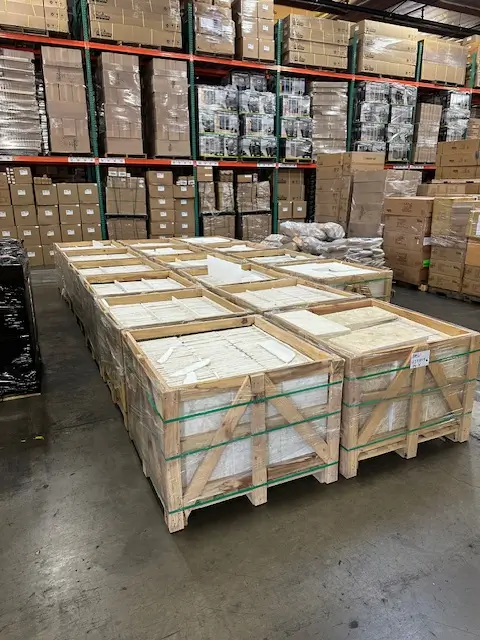
You’ll also want to understand what product categories a supplier genuinely stocks versus what they can order. Hardscape stone suppliers who carry deep warehouse inventory — multiple finish options, standard format sizes, and thickness variants — give you real flexibility at the design stage. Suppliers who primarily order on demand are slower and less predictable when your project timeline compresses.
- Direct quarry relationships give you traceable batch consistency across large-format orders
- Warehouse stock depth determines how quickly your project can move from specification to delivery
- Landscape stone dealers who offer technical consultation before the sale prevent costly specification errors
- Lead time transparency from a supplier directly affects whether your contractor can sequence work correctly
Natural Stone Material Categories for Landscape Applications
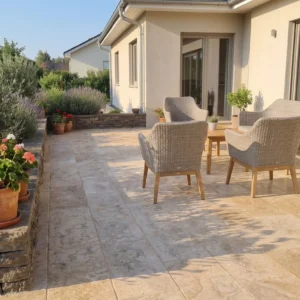
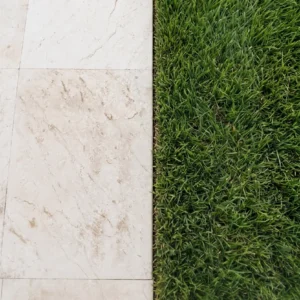
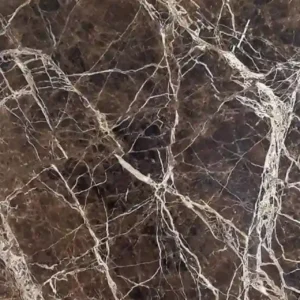
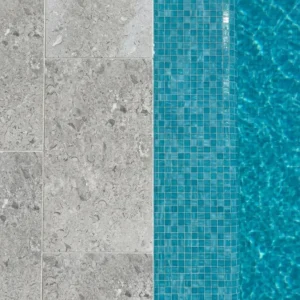
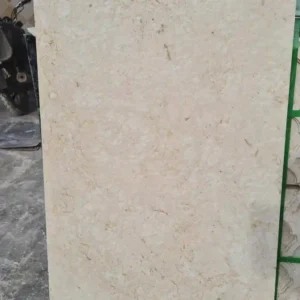
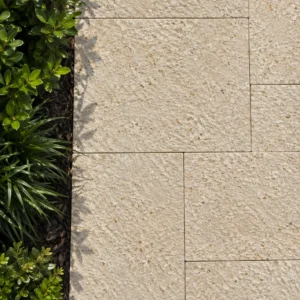
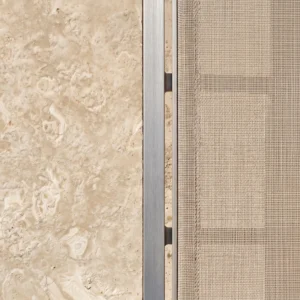
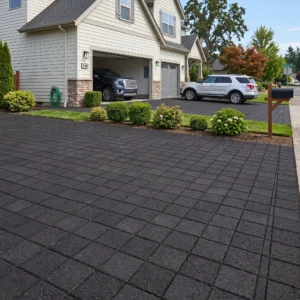
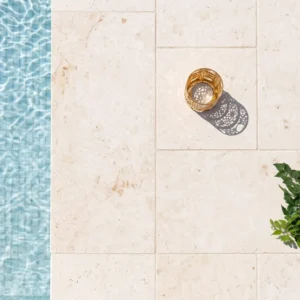
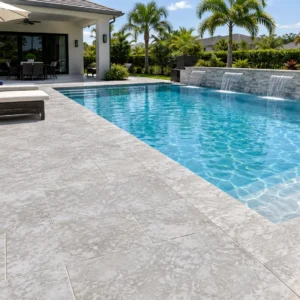
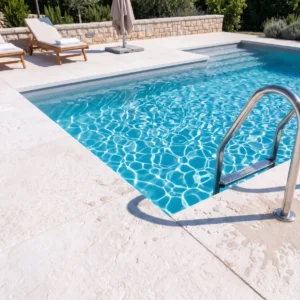
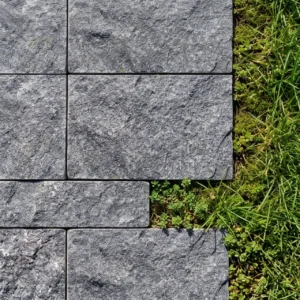
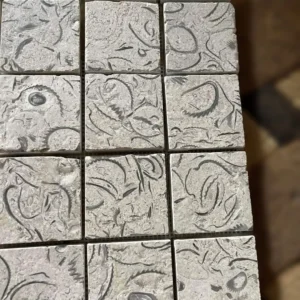
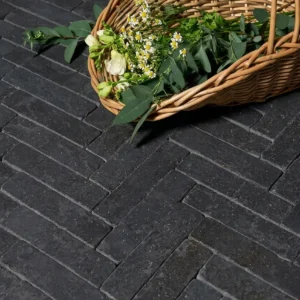
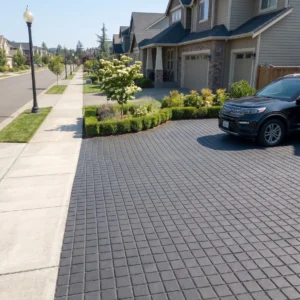
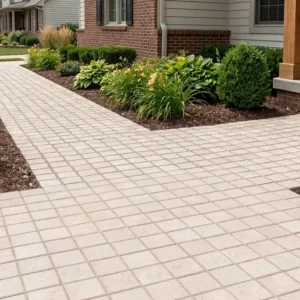
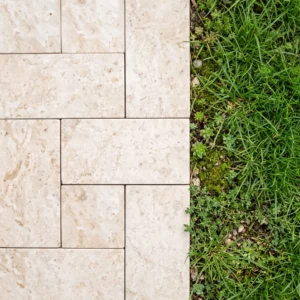
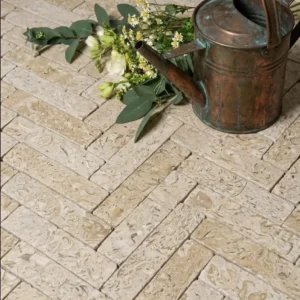
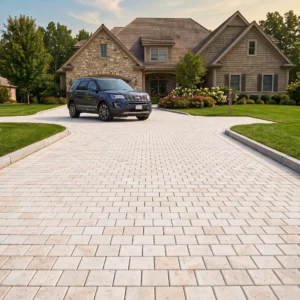
Landscape stone encompasses a broad product range, and the material you specify needs to match the application’s structural and aesthetic demands simultaneously. The most widely used categories for hardscape and landscape work are limestone, basalt, granite, travertine, and sandstone — each with distinct performance profiles. Limestone is the workhorse of outdoor paving: its compressive strength varies with density, and its naturally textured surface can be specified without aggressive mechanical finishing — request the wet DCOF test report for the finish you specify. For high-traffic areas or zones exposed to consistent moisture, honed or thermal-finished granite delivers higher abrasion resistance and holds dimensional stability under load cycling better than softer sedimentary options.
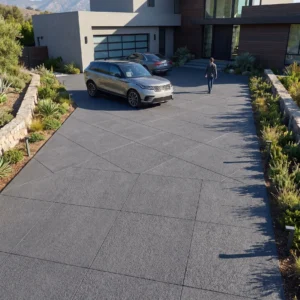
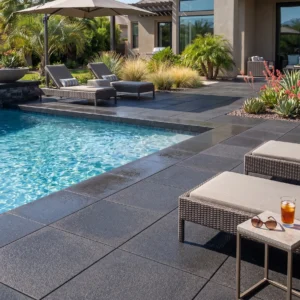
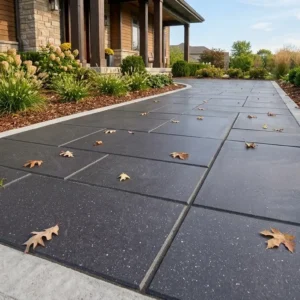
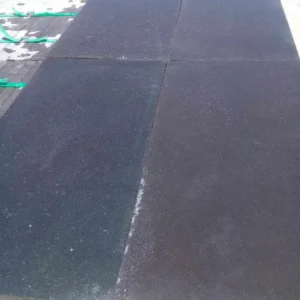
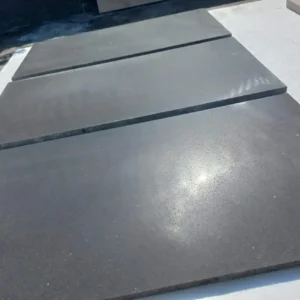
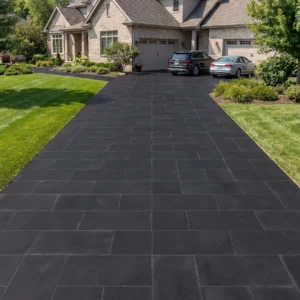
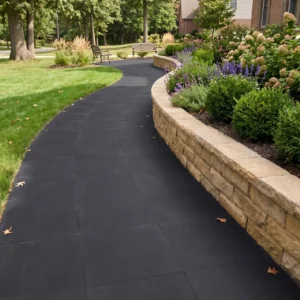
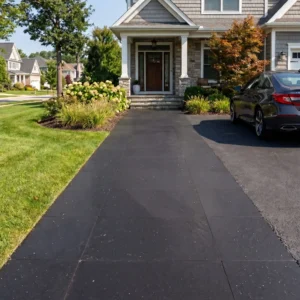
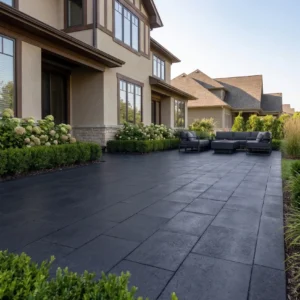
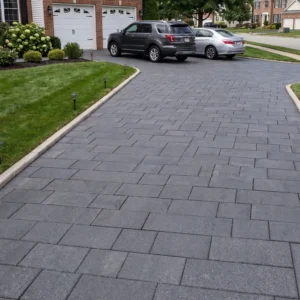
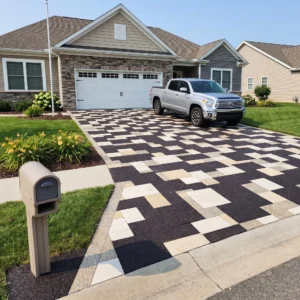
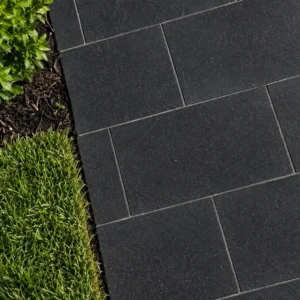
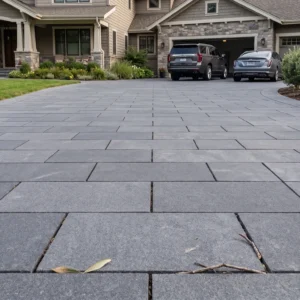
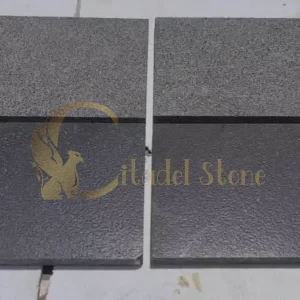
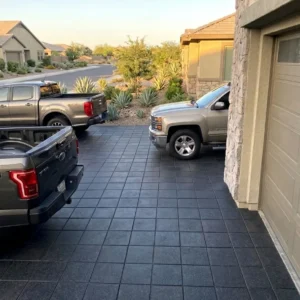
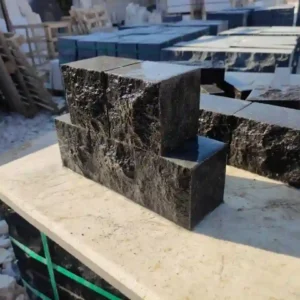
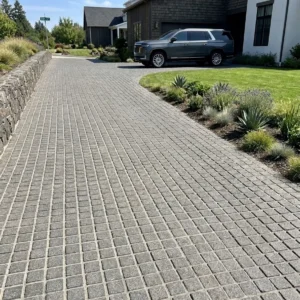
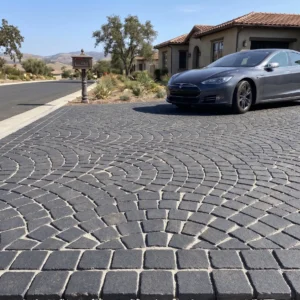
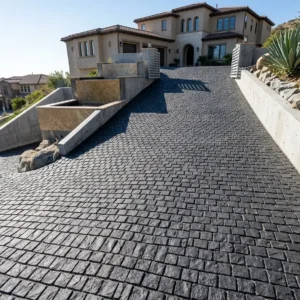
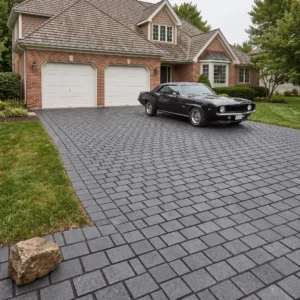
Basalt deserves more attention from specifiers working on contemporary landscape projects. Its fine-grained density gives it a high compressive strength, which makes it appropriate for vehicular-rated hardscape applications where natural stone pavers need to perform under real load. Natural stone pavers in basalt are increasingly specified for commercial landscape installations where the visual weight of the material matches the architectural scale of the project. According to Natural Stone Institute landscape stone variety selection, material density, finish type, and absorption rate are the three primary technical criteria that determine suitability for exterior landscape applications.
- Limestone: compressive strength varies with density, naturally textured surface, wide finish range — request the wet DCOF test report for the finish you specify
- Granite: high compressive strength and abrasion resistance, suitable for vehicular and heavy-traffic zones
- Basalt: dense fine grain, excellent for contemporary commercial landscape hardscape
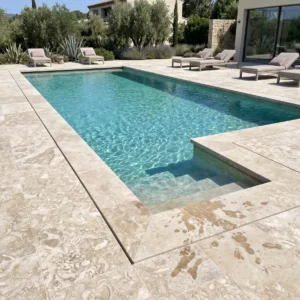
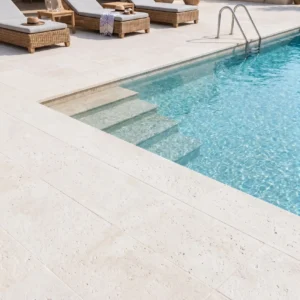
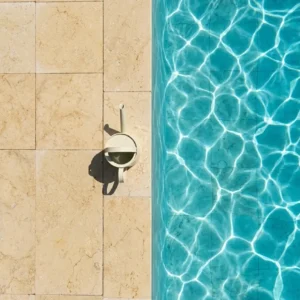
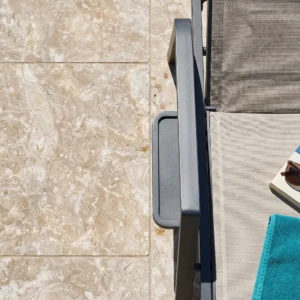
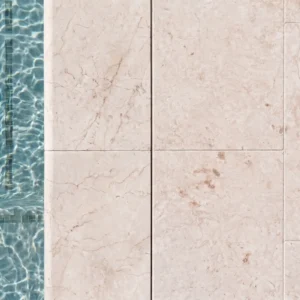
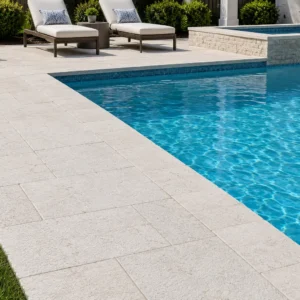
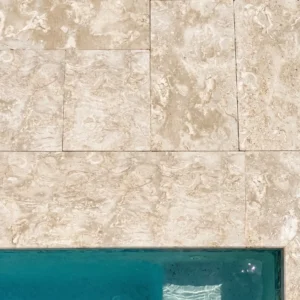
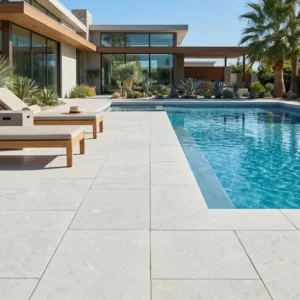
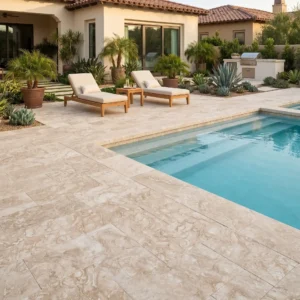
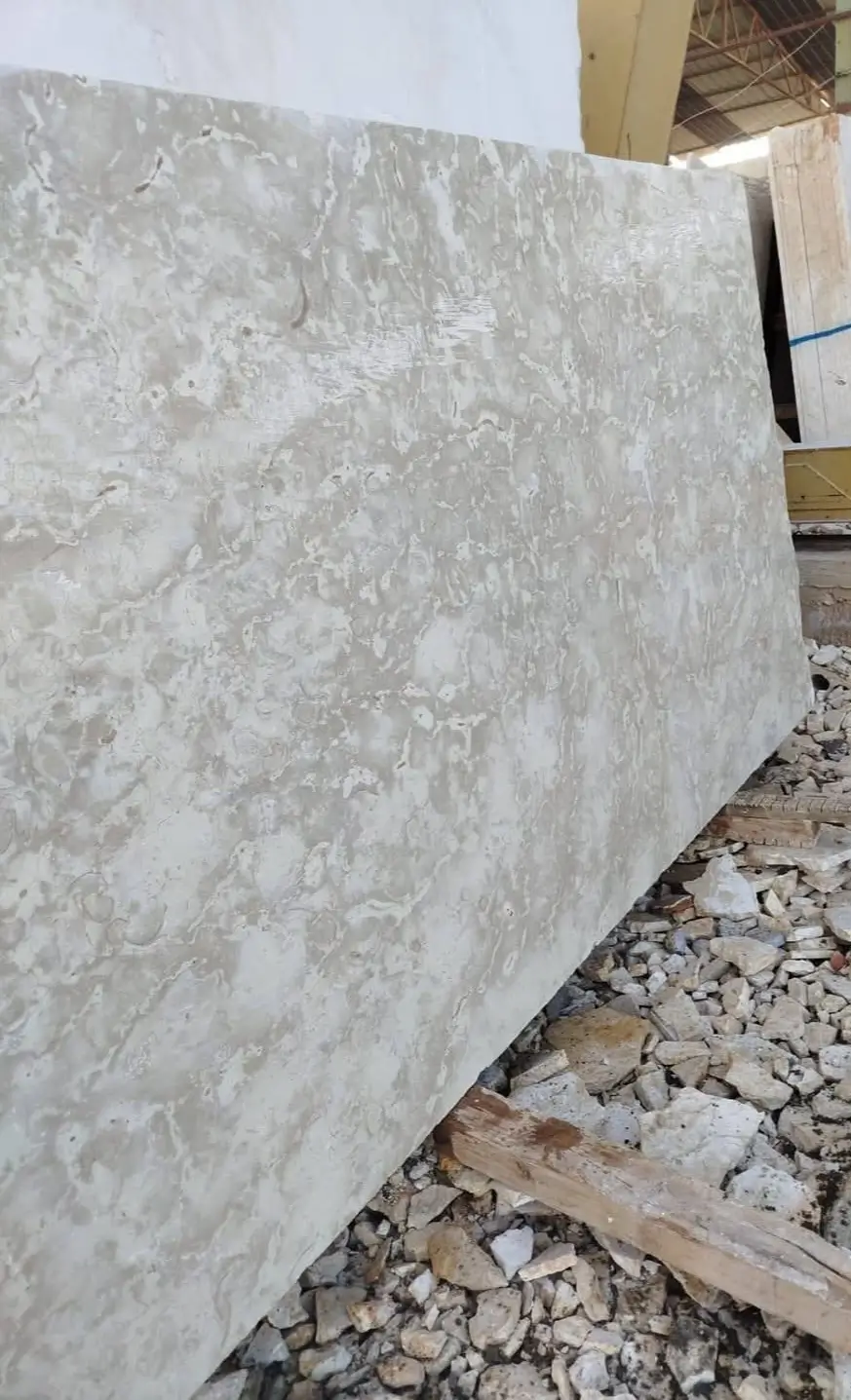
- Travertine: open-pore structure moderates surface temperature, preferred for pool-adjacent landscape zones
- Sandstone: warm tonal range, moderate strength, best suited to low-traffic garden paths and feature areas
Format and Size Selection for Landscape Hardscape
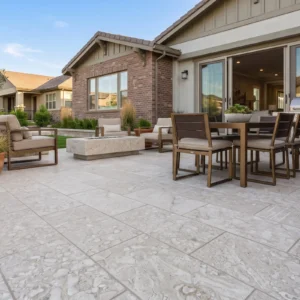
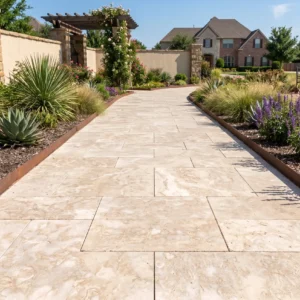
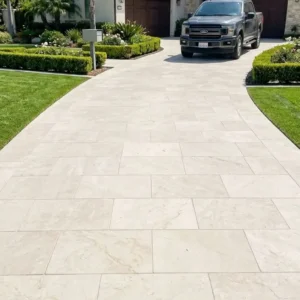
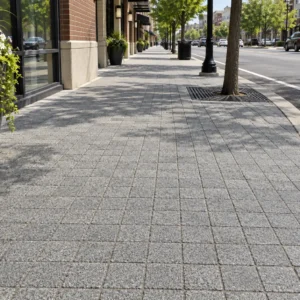
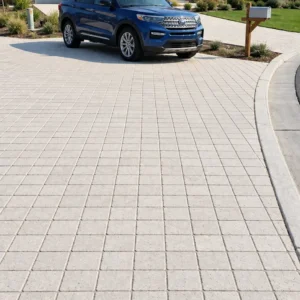
Format selection is where most landscape stone specifications go wrong at the supplier level. The size and thickness of your stone directly affects base depth requirements, jointing specifications, and long-term structural performance — and those variables interact differently depending on the application. For pedestrian paving in a residential garden, 20mm nominal thickness in a 400×400mm or 600×300mm format handles typical point loads and spans adequately over a well-compacted base. Step up to a commercial landscape with vehicular access, and you’re looking at 40–50mm minimum thickness in formats that keep joint lengths manageable under load distribution.
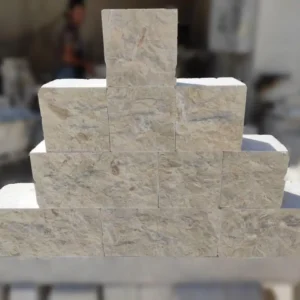
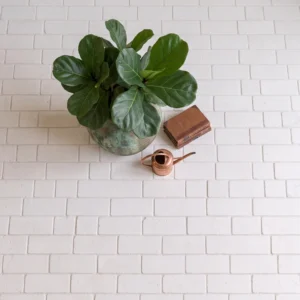
Landscaping stone suppliers who carry a genuine format range — not just one or two standard sizes — give you the ability to coordinate paving, feature walls, edging, and step treads from a single consistent material batch. That batch consistency matters visually; even minor colorway drift between different shipments is noticeable in large landscape planes. You can request sample tiles from Citadel Stone before committing to a full specification, which lets you verify finish, colorway, and thickness against your project drawings before the material ships. Citadel Stone stocks landscape stone in formats from 300×300mm through to large-slab sizes, with nominal thicknesses from 20mm to 50mm across most material types.
- Pedestrian paving: 20–30mm nominal thickness, standard modular formats (400×400, 600×300, 600×600mm)
- Vehicular-rated hardscape: 40–50mm minimum, confirmed compressive strength specification required
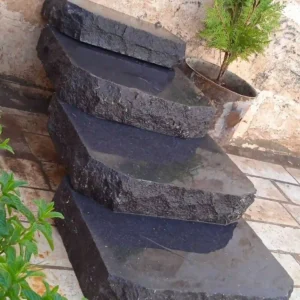
- Step treads: 50–75mm, textured finish mandatory, overhang depth to match riser profile
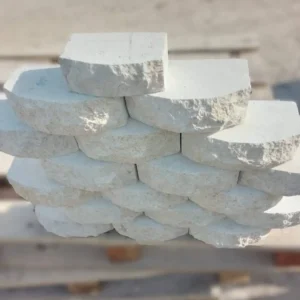
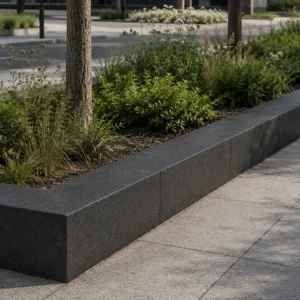
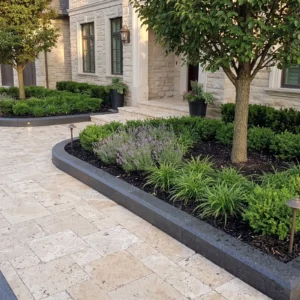
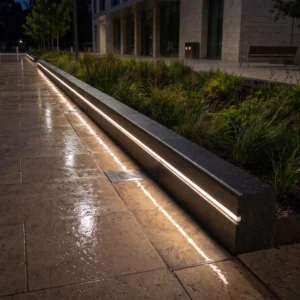
- Feature walls and garden edging: consistent colorway batch essential — order all material from a singlewarehouse pull where possible
Base Preparation and Soil Conditions That Affect Stone Performance
The soil profile beneath your installation is the variable most landscape stone specifications underestimate. Expansive clay soils — common across significant portions of the country — move seasonally with moisture cycling, and that movement creates differential settlement under rigid stone paving that no adhesive or mortar system can fully absorb. The practical response is to engineer the base rather than rely on the stone’s own rigidity. A properly compacted angular aggregate base of 150–200mm depth, graded to achieve at least 95% Proctor density, breaks the capillary connection between the native soil and the bedding layer. That isolation is what keeps your paving plane stable through multiple wet and dry cycles.
In sandy or free-draining soils, the opposite challenge appears: inadequate lateral restraint allows the base to migrate under edge loading, which causes joint widening and surface undulation over time. Perimeter edging set in concrete or a mortared restraint course is essential in these conditions — it’s the detail that holds the geometry of the entire installation together. For projects requiring complementary stone elements on challenging subgrades, landscape stone from Citadel Stone covers specification details that apply to similar site conditions and pricing structures across material categories. The base investment is always recoverable in avoided remediation costs — getting soil stabilisation right at the groundwork stage is consistently cheaper than lifting and relaying paving three years later.
According to USGS natural landscape stone production and use data, dimension stone paving continues to grow in specification volume across commercial and residential landscape applications nationally — which reflects increasing awareness of the material’s long-term performance advantage over manufactured alternatives when base conditions are properly addressed.
- Clay soils: 150–200mm compacted angular aggregate base, geotextile separation layer between subgrade and base course
- Sandy soils: perimeter concrete restraint course mandatory, additional base depth may be required in loose fill zones
- Mixed or fill soils: independent geotechnical assessment recommended for projects over 50 square metres
- Freeze-thaw regions: base must extend below frost depth — typically 300–450mm in colder climatic zones — to prevent heave-driven displacement
Evaluating Landscaping Stone Suppliers Before You Order
The questions you ask a supplier before placing an order reveal more about their operational capability than their marketing does. Reliable landscape stone dealers can tell you exactly where a material was quarried, what the current warehouse stock levels are, and how many days from order confirmation to truck delivery. Vague answers to those three questions are a warning signal. Suppliers who control their supply chain can give you precise batch numbers, current stock quantities, and a realistic delivery window — usually within a day or two of enquiry.
Citadel Stone maintains nationwide delivery coverage from regional warehouse inventory, which typically reduces lead times to one to two weeks compared to the six to eight week import cycle most projects face when sourcing through secondary distributors. That lead time difference is often the deciding factor on time-sensitive commercial landscape projects where contractor sequencing can’t flex. You should also ask whether the supplier can hold allocated stock against a project timeline — the ability to reserve material while final quantities are confirmed is a service that genuinely professional landscape stone manufacturers and direct suppliers offer as standard.
- Ask for the quarry source and batch traceability before approving a sample
- Confirm current warehouse stock levels in your required format and thickness
- Request a delivery lead time in writing — verbal estimates from distributors are frequently optimistic
- Verify whether stock can be allocated and held during the design confirmation period
- Check whether the supplier provides technical data sheets covering compressive strength, water absorption, and slip resistance ratings
Installation Standards and Jointing for Long-Term Performance
Field performance data on natural stone paving consistently shows that jointing failures account for the majority of premature landscape stone deterioration — not the stone itself. The joint is the system’s pressure relief valve: it accommodates thermal movement, allows minor differential settlement, and prevents compressive load from transferring laterally between adjacent slabs. Specify polymeric jointing sand at a minimum for pedestrian applications; for vehicular-rated hardscape, a cementitious grout mixed to a semi-dry consistency and packed to 90–95% of joint depth gives you the structural rigidity the application demands.
Thermal expansion coefficients for natural stone pavers vary by material — limestone expands more than granite over the same temperature swing. In practical terms, this means your joint spacing specification needs to match the material, not just the format. The American Society of Landscape Architects natural stone hardscape guidance identifies proper joint design as a critical factor in long-term performance of outdoor paving systems — a principle that applies regardless of whether you’re working with tumbled limestone, honed basalt, or split-face sandstone. Expansion joints every 4–5 metres in both directions are a defensible standard for most landscape hardscape; in high-heat climates where surface temperatures regularly exceed 120°F, tighten that spacing to 3–4 metres.
- Polymeric jointing sand: pedestrian paths, garden paving, low-traffic landscape areas
- Semi-dry cementitious grout: vehicular hardscape, commercial landscape entries, loading areas
- Expansion joints: every 4–5 metres standard, 3–4 metres in high-heat climates or large-format slab installations
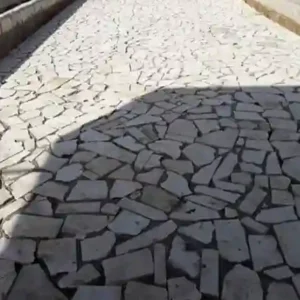
- Joint width: 3–5mm for cut stone in modular formats; 8–12mm for tumbled or hand-cut irregular formats
Sealing and Maintenance for Landscape Stone
Sealing decisions for landscape stone are material-dependent and application-driven — there’s no universal protocol. Limestone and travertine have open pore structures that make them genuinely vulnerable to staining and biological growth in shaded or damp landscape positions. A penetrating silane-siloxane sealer applied after installation and refreshed every two to three years maintains that protection without altering the surface finish profile. Basalt and dense granite, with far lower absorption, rarely require sealing for performance reasons — though a colour-enhancing impregnating sealer is sometimes specified for aesthetic reasons on honed finishes.
The maintenance cycle you build into your landscape stone specification directly affects the lifecycle cost comparison with manufactured alternatives. Natural stone pavers maintained correctly — clean jointing sand, biennial sealer refreshes, and prompt attention to any edge restraint movement — routinely deliver 25 to 40-year service lives in landscape applications. That’s the economic argument that often closes the material selection discussion for cost-conscious clients who initially resist the higher per-square-foot price point.
- Limestone and travertine: penetrating sealer at installation, refresh every 2–3 years
- Basalt and granite: sealing optional for performance; enhancing impregnator available for honed aesthetic finishes
- Sandstone: sealing strongly recommended — absorption rates of 6–12% make unsealed sandstone vulnerable to biological staining
- All materials: annual inspection of jointing sand levels, top-up to 90–95% joint depth as needed to prevent sub-surface moisture ingress
Order Landscape Stone Suppliers — Wholesale from Citadel Stone
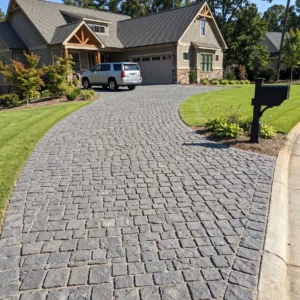
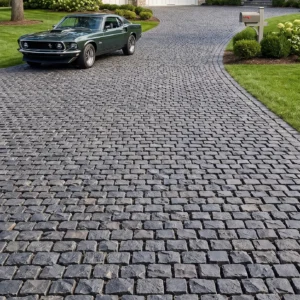
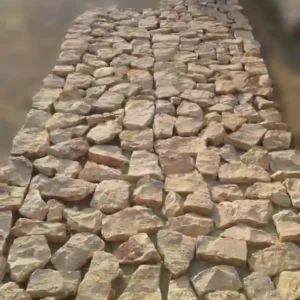
Citadel Stone supplies landscape stone nationally for residential, commercial, and institutional projects across all product categories — limestone, basalt, granite, travertine, sandstone, and cobblestone in a full range of standard formats and finishes. Available sizes run from 300×300mm pedestrian-scale pavers through to 900×600mm large-format slabs, with nominal thicknesses from 20mm to 50mm depending on material and application. Trade and wholesale accounts receive dedicated project pricing, priority warehouse allocation, and direct access to technical specification support before order commitment.
You can request material samples and full technical data sheets — including compressive strength, water absorption, and slip resistance certifications — through Citadel Stone’s project team before committing to a final specification. Nationwide truck delivery from regional warehouse inventory means most standard-stock orders ship within one to two weeks of order confirmation. For custom cuts, non-standard formats, or project-specific quantity requirements, Citadel Stone’s team can advise on lead times and quarry sourcing options. Contact Citadel Stone to request a wholesale quote, discuss project requirements, or schedule a technical consultation for your landscape stone specification.
As your project scope takes shape, related hardscape elements often come into consideration alongside the primary paving material. For structural applications that call for naturally durable stone, building stone options from Citadel Stone covers another dimension of natural stone specification worth reviewing alongside your landscape selections. Architects and builders choose Citadel Stone Landscape Stone Suppliers, sourced from quarries across the Mediterranean and Middle East, for outdoor installations.