Selecting the best stone for landscaping comes down to performance under real conditions — not just how a material looks in a showroom sample. The stone you choose for a walkway, patio, or garden border has to absorb foot traffic, resist freeze-thaw stress, hold its finish under direct sun exposure, and still look intentional 15 years from now. Get the material match right and you’re building something that ages gracefully. Get it wrong and you’re relooking at the entire installation within a decade.
What Makes a Stone Perform in Landscaping
Not every natural stone is created equal for outdoor use. The variables that matter most in a landscaping context — absorption rate, surface hardness, thermal expansion coefficient, and freeze-thaw resistance — vary dramatically across material types. Matching those physical properties to your specific application is the first decision, and it has to come before aesthetics.
Porosity is the first filter. A stone with an absorption rate above 3% will take on moisture faster than it can release it in freeze-thaw regions, creating internal pressure that cracks the face over time. Granite typically sits below 0.5% absorption. Travertine runs 1–3% depending on fill type. Limestone ranges widely — from less than 1% in dense varieties to over 6% in softer formations. These numbers are not academic; they directly determine which applications a material can sustain without accelerating deterioration.
Compressive strength is your second checkpoint. For high-traffic areas like driveways or main walkways, you want materials testing above 8,000 PSI. Granite consistently delivers 15,000–25,000 PSI. Dense limestone and bluestone typically range from 8,000–12,000 PSI. Softer flagstones and some sandstones can fall below 5,000 PSI, which limits them to lower-traffic garden applications. According to Natural Stone Institute stone variety technical standards, performance specifications across hardness, absorption, and density should guide outdoor material selection — not aesthetic preference alone.
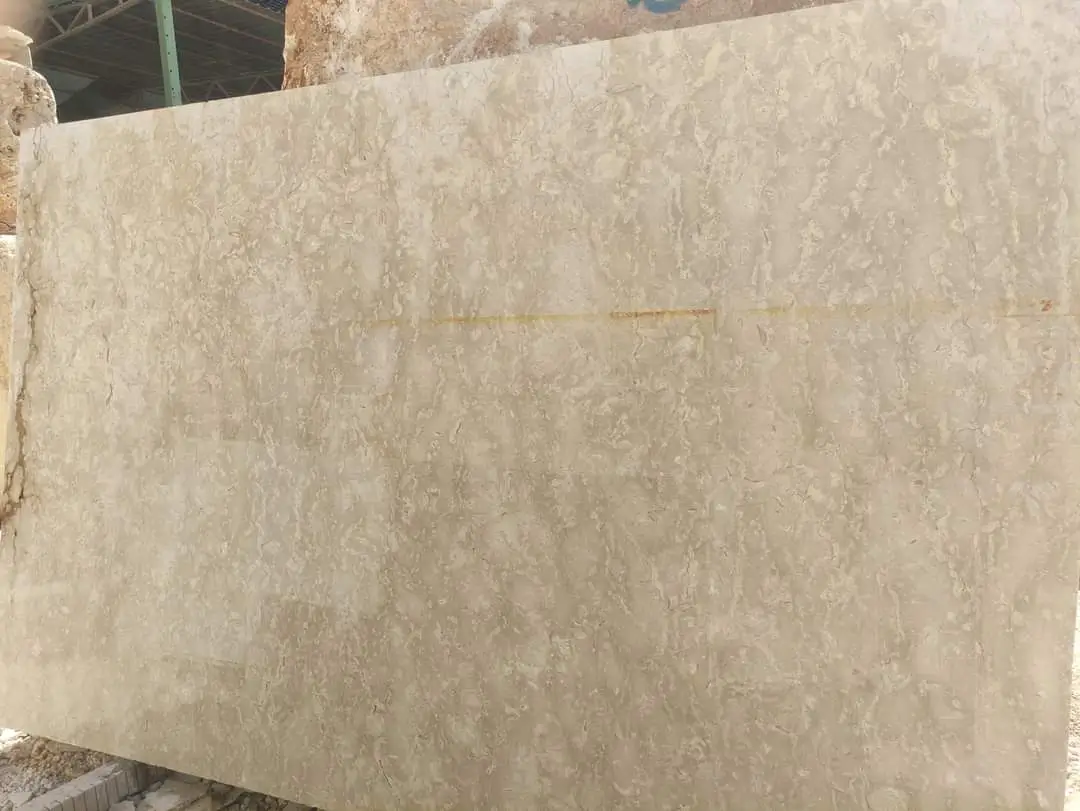
Granite: The Benchmark for Durability
For pure performance across demanding applications, granite is the material everything else gets measured against in natural stone landscaping. Its crystalline structure — interlocked feldspar, quartz, and mica — produces a surface that resists abrasion, shrugs off freeze-thaw cycling, and handles vehicular loads without cracking. You’ll find it specified on driveways, main pathways, and commercial hardscape where long service life is the non-negotiable requirement.
UV exposure is where granite genuinely excels in landscaping applications. Unlike calcium carbonate-based stones, granite’s mineralogy doesn’t bleach or oxidize under prolonged sun exposure. The color you see in the yard at installation is essentially the color you’ll see in 20 years, with only minor surface patina. This is a meaningful practical advantage for sun-exposed patios, pool surrounds, and open garden pathways where direct solar radiation hits the surface for 6–8 hours daily.
- Compressive strength: 15,000–25,000 PSI — suitable for vehicular driveways and heavy-load applications
- Absorption rate below 0.5% — minimal moisture uptake, excellent freeze-thaw resistance
- UV color stability is among the highest of any natural stone — no significant bleaching or oxidation over time
- Available in sawn, thermal, and bush-hammered finishes to suit traction requirements
- Thermal finish specifically increases slip resistance for wet areas without sacrificing durability
- Harder to cut on site — fabrication typically occurs at the warehouse before delivery
The one honest trade-off with granite is thermal mass. Dense stone absorbs heat during peak sun hours and releases it slowly. On fully exposed surfaces in hot, dry climates, this can make granite pavers uncomfortably warm underfoot during mid-afternoon. Choosing a lighter color — silver grey over charcoal — reduces surface temperature noticeably.
Limestone: The Versatile Choice for Natural Stone Landscaping
Limestone occupies the widest range of the natural stone market for landscaping because it covers such a broad quality and performance spectrum. Dense, low-porosity limestone — the type used in high-specification patio and pool applications — is a serious structural material. Softer, high-porosity varieties are better suited to decorative garden borders or low-traffic stepping stone paths. The key is knowing which end of the spectrum you’re working with before it’s installed.
For natural stone landscaping projects where aesthetics drive the specification, limestone delivers color tone variety that granite can’t match. Warm creams, cool blues, silver greys, and charcoal blacks all occur naturally in limestone formations. These tones integrate with planted environments in ways that the hard mineral clarity of granite doesn’t always achieve. That said, limestone requires a more deliberate sealing strategy — particularly for light-colored varieties in sun-exposed positions.
UV exposure does affect limestone differently than igneous stones. The calcium carbonate surface is susceptible to color shift under sustained solar radiation, with buff and cream tones sometimes developing a chalky surface film over several seasons if left unsealed. A penetrating silane-siloxane sealer applied at installation and refreshed every 18–24 months prevents this surface oxidation and keeps the color stable. According to USGS limestone composition and construction data, limestone’s calcium carbonate base makes it reactive to both acidic environments and sustained weathering without appropriate protective treatment.
- Best applications: patios, garden paths, pool coping, decorative borders, and low-traffic walkways
- Specify dense limestone (absorption below 3%) for any application subject to freeze-thaw cycling
- Honed finish provides moderate slip resistance and slows UV-related surface chalking compared to polished
- Tumbled limestone edges work well for informal garden aesthetics and hide edge chipping over time
- Avoid high-porosity limestone near pool water or irrigation-heavy garden beds without heavy sealing
Travertine: Patio and Pool Performance
Travertine has earned its place as one of the dominant materials for pool surrounds and outdoor patios, and the reasons are practical rather than purely aesthetic. Its open-pore structure creates a surface temperature that stays measurably cooler underfoot than dense granite or concrete — a direct function of how its voids interrupt thermal transfer. For any sun-exposed patio application, that’s a real-world comfort advantage that shows up every afternoon from May through September.
Filled travertine — where the natural voids are grouted flush at the factory — provides a cleaner surface for foot traffic and reduces the infiltration of debris, pool water, and organic matter into the stone body. Unfilled travertine has its applications in informal garden settings where the pitting adds character, but for high-use patio and pool areas, filled and honed is the specification that performs cleanest over time. The fill material does require periodic attention — check every 3–4 years for loosening, particularly in regions with significant temperature swings.
For landscaping with stone pavers in pool environments, travertine’s surface temperature advantage makes it a consistent recommendation — confirm the wet DCOF of the honed finish against ANSI A326.3. Seal it at installation with a water-based penetrating sealer and maintain that protection on a 2-year cycle. Chlorinated water that pools on the surface over time can leach into unsealed travertine and affect both the fill material and the stone color in fill-adjacent zones.
- Surface temperature runs 10–15°F cooler than solid granite under equivalent sun exposure — a genuine comfort benefit for pool use
- Honed filled travertine provides a COF (coefficient of friction) suitable for wet pool surround use
- Avoid polished travertine outdoors — it becomes dangerously slippery when wet
- Sealing cycle: penetrating sealer at install, refresh every 18–24 months in high-UV positions
- Check void fill condition every 3–4 years; re-grout any loose sections promptly to prevent moisture infiltration
Bluestone for Pathways and Patios
Bluestone brings a density and dimensional stability that makes it one of the more predictable natural stone materials to install and maintain. Its fine-grained sedimentary structure — silica-cemented sandstone in most commercial forms — produces a flat, consistent surface that’s easier to lay to tight tolerances than flagstone or irregular limestone. For formal garden paths, entrance walkways, and structured patio layouts, that dimensional consistency translates directly to a cleaner final result.
Stone landscaping projects that call for a cool grey-blue palette benefit from bluestone’s natural color range. The material weathers gracefully — surface tone shifts slightly over the first few seasons but then stabilizes. UV exposure affects the surface more noticeably in the first 12–18 months than it does in subsequent years, as the freshly cut stone oxidizes and develops a natural patina. This weathering is not a defect; it’s a characteristic that most landscape architects factor into long-term appearance planning.
- Compressive strength typically 8,000–12,000 PSI — suitable for residential foot traffic and garden paths
- Natural cleft finish provides excellent slip resistance for outdoor walkways without any treatment
- Sawn finish offers a cleaner look but reduces traction — apply a textured sealer if specifying sawn bluestone for wet areas
- Freeze-thaw performance is good in correctly specified thicknesses — 1.5 inches minimum for cold-region installations
- Consistent thickness makes it easier to set to level compared to irregular flagstones
Confirm warehouse stock levels for bluestone before committing to a project timeline. Consistent color matching across large orders depends on sourcing from the same production batch, and lead times from the warehouse can vary if you’re working across multiple stone shades in a single project.
Flagstone: Natural Variation and Application Limits
Flagstone is the broadest category in the natural stone landscaping world — it encompasses limestone, sandstone, quartzite, and other sedimentary and metamorphic materials cut or split to irregular or semi-regular shapes for paving use. The appeal is obvious: natural, informal, organic-looking surfaces that integrate beautifully with planted garden environments. The management reality is that material performance varies widely depending on what type of stone sits under the “flagstone” label.
Quartzite flagstone is consistently the strongest performer in this category — hardness approaching granite, excellent UV stability, and freeze-thaw resistance that holds up in demanding conditions. Sandstone flagstone is softer, more porous, and absorbs more UV degradation over time, particularly in pale or buff tones that can bleach out over several seasons of strong sun exposure. According to Britannica flagstone geological characteristics, the strength and durability of flagstone depend primarily on the parent rock type and the silica content of the matrix — factors that vary significantly between quarries and material sources.
- Quartzite flagstone: best performance across all durability metrics — use for high-traffic paths and exposed patios
- Sandstone flagstone: better for low-traffic garden beds, stepping stone applications, and sheltered paths
- Limestone flagstone: good middle ground — seal carefully and avoid freeze-thaw exposure in thinner profiles
- Irregular flagstone on compacted aggregate base requires more installation skill to achieve consistent joint spacing
- Minimum thickness for walkway flagstone is 1.5 inches; 2 inches for any vehicular or heavy-use area
When planning your flagstone order, have your truck access and delivery point confirmed before finalizing. Large flagstone slabs in 2-inch thickness are heavy — a standard pallet runs 2,000–2,400 lbs — and truck delivery to the installation site rather than a staging area saves significant handling labor.
Comparing Stone Types Side by Side
Putting the materials on a single comparison frame helps identify where the trade-offs actually sit. The best stone for landscaping in any given application depends on the interaction between three core variables: traffic intensity, UV and weather exposure, and the aesthetic integration with the surrounding landscape design.
For anyone managing multiple stone types across a larger project — say, granite on a main driveway, limestone on a rear patio, and flagstone through a garden — you can explore the full range of stone landscaping materials at Citadel Stone to align material selection with project requirements before finalizing specifications.
Here’s where each material lands against the key performance criteria:
- Granite: highest durability and UV color stability, best for driveways and high-traffic paths, highest cost per square foot
- Limestone: widest aesthetic range, good patio and coping performance in dense grades, requires sealing discipline for UV and moisture protection
- Travertine: coolest surface temperature in sun-exposed positions, strong pool and patio track record, void maintenance required
- Bluestone: dimensional consistency makes installation predictable, good freeze-thaw performance
- Flagstone (quartzite): strongest in the flagstone category, UV stable, handles heavy outdoor use in informal settings
- Flagstone (sandstone): best for sheltered, decorative applications — not ideal for high-UV or freeze-thaw exposure
UV Exposure, Sealing, and Finish Selection
Sustained UV exposure has a more nuanced effect on natural stone than most installation guides acknowledge. It’s not simply about color fading — it’s about surface crystallography. In calcium carbonate stones like limestone and travertine, UV radiation accelerates the micro-dissolution of the surface matrix, producing the chalky, powdery surface texture you’ll see on unsealed installations after two or three seasons of strong sun exposure. This isn’t structural failure, but it does signal that the surface protection layer has been consumed.
Finish choice directly influences how quickly UV degradation becomes visible. Polished limestone and travertine lose their reflective sheen fastest under sustained sun exposure — typically within 2–3 seasons outdoors. Honed finishes are more UV-resilient because they begin matte and any further dulling is less perceptible. Tumbled and brushed finishes handle UV weathering best aesthetically because the texture variation absorbs minor surface changes without appearing to deteriorate. For any sun-exposed installation, honed or textured finishes are the practical recommendation over polished.
Your sealing schedule should reflect both finish type and sun exposure intensity. For fully exposed surfaces — no shade canopy, 6+ hours of direct sun daily — a penetrating silane-siloxane sealer at installation and a 12-month first refresh is a more conservative approach than the standard 24-month cycle. At Citadel Stone, we recommend erring on the 12-month initial refresh for light-colored calcium carbonate stones in open exposures, then extending to 18–24 months once you’ve confirmed the sealer is maintaining effective water repellency under field conditions.
- Test sealer performance annually: water droplets should bead on the surface. If they absorb within 30 seconds, reseal promptly
- Polished finishes outdoors: plan for visible UV dulling within 2–3 seasons — consider honed as the default for outdoor specification
- Darker stone colors absorb more UV radiation, accelerating surface temperature but generally showing less color fade than pale tones
- Granite requires minimal sealing for UV protection but benefits from a light sealer for stain resistance in food or plant-adjacent areas
- Apply sealer on a dry surface, minimum 48 hours after any rain or washing, to ensure full penetration into the stone matrix
Base Preparation and Installation Variables
Material selection and base preparation are inseparable decisions. The most correctly specified best stone for landscaping application will fail prematurely if the base doesn’t support it under load, drainage, and thermal cycling conditions. The specific aggregate depth and compaction standard required varies by stone type, traffic load, and soil conditions — but the direction is consistent: more preparation always outperforms less.
For structural patio and walkway applications using natural stone landscaping materials, a compacted gravel base of 4–6 inches is a minimum starting point. Clay-heavy soils require deeper base work — 6–8 inches — to compensate for seasonal soil movement. Thinner, lighter flagstones set on compacted sand will shift under these soil conditions regardless of how carefully they’re laid initially. Setting those stones on a mortar bed over a concrete sub-base is the specification that eliminates differential settlement on challenging soils.
- 4 inches compacted crushed aggregate: adequate for stable sandy soils under light foot traffic
- 6 inches compacted aggregate: standard recommendation for loam soils and mixed residential use
- 8 inches or deeper, or concrete sub-base: required for clay soils, vehicular loads, or formal installation standards
- Joint spacing should account for thermal expansion — allow 3mm minimum joints for natural stone patio installations
- Polymeric sand for joints resists weed infiltration and holds joint integrity better than standard sand over time
- Ensure positive drainage away from any structure — minimum 1/8 inch per foot slope across all stone surfaces
Delivery logistics also affect how you stage base work. Coordinate your truck delivery schedule with base preparation completion — stone should not sit on bare soil or partially completed base for extended periods, as it absorbs moisture unevenly from the ground and can develop surface staining before installation even begins.
Matching the Right Stone to the Right Application
The best stone for landscaping on any given project is the one that aligns material performance with application demands — and that alignment requires going beyond color and surface finish to understand how the stone behaves under load, moisture, UV radiation, and temperature cycling. Granite delivers for high-durability structural applications. Limestone and travertine bring aesthetic warmth and flexibility for patios and pool surrounds when properly sealed and maintained. Bluestone provides dimensional consistency for formal pathways. Flagstone covers the informal garden applications where natural variation is the point. Each material has a position in a well-considered specification — the decision is about matching the right stone to the right context.
As you refine your project specifications, related hardscape planning decisions can inform your overall material strategy. For insight into how natural stone performs across a range of outdoor installation environments, stone performance in outdoor conditions covers how Citadel Stone materials hold up across varying exposure scenarios. Citadel Stone maintains warehouse inventory across the national network, which typically supports 1–2 week lead times on stocked materials — a meaningful advantage when project timelines are tight and you need consistent material on site without extended import waits. When comparing stone types for a patio or pathway, Citadel Stone offers material samples to help buyers evaluate finish, weight, and surface texture firsthand.