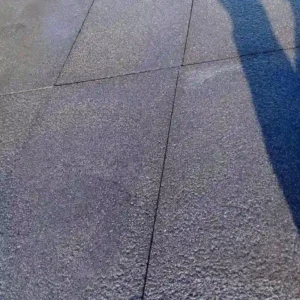
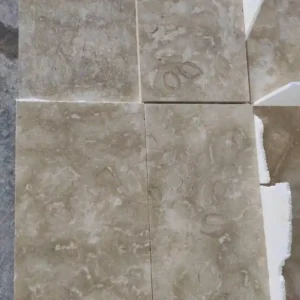
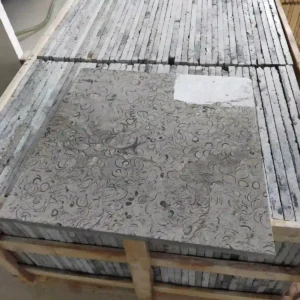
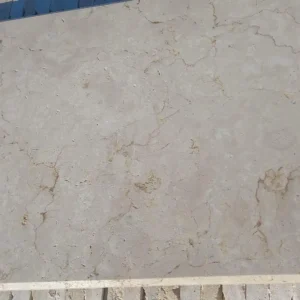
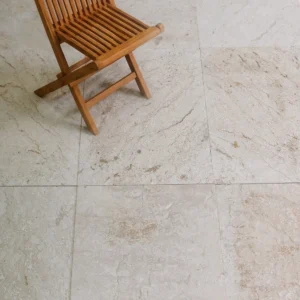
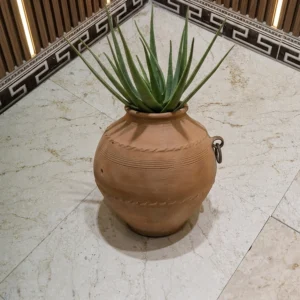
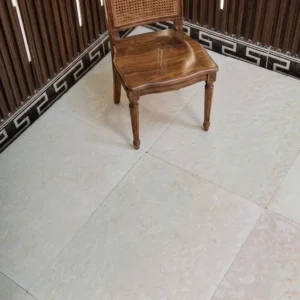
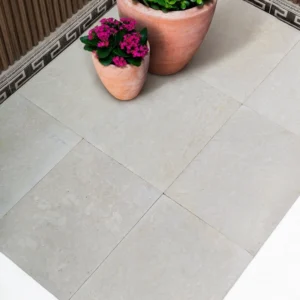
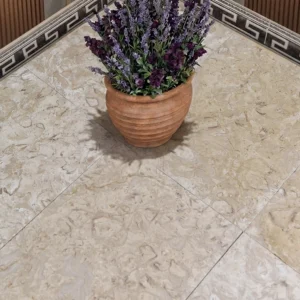
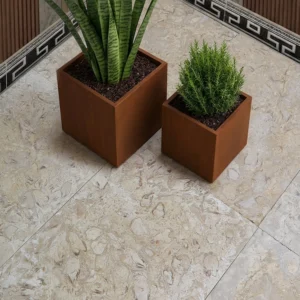
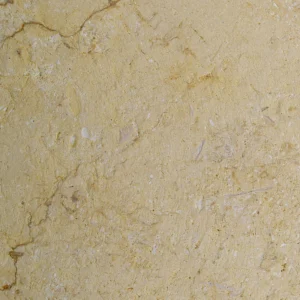
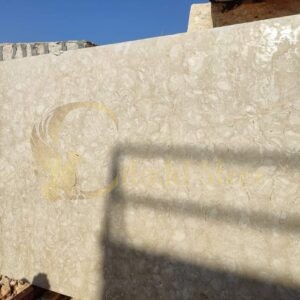
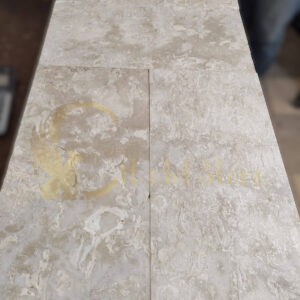
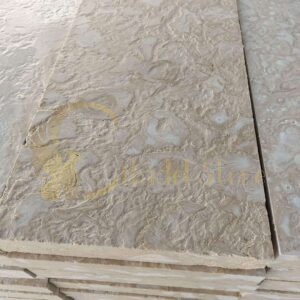
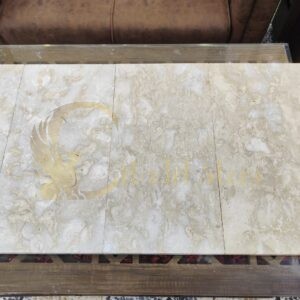
Stone suppliers in Arizona who understand regional design traditions don’t just sell material — they help you match geological character to architectural intent. The design vocabulary of Arizona runs deep: earthen adobe, desert ironwood, saguaro shadows on warm stucco. The stone you specify either speaks that language fluently or clashes with it in ways no amount of clever planting can fix. The difference between a project that looks inevitable in its setting and one that looks imported from a different region usually traces back to a single decision made early: which stone family anchors the palette.
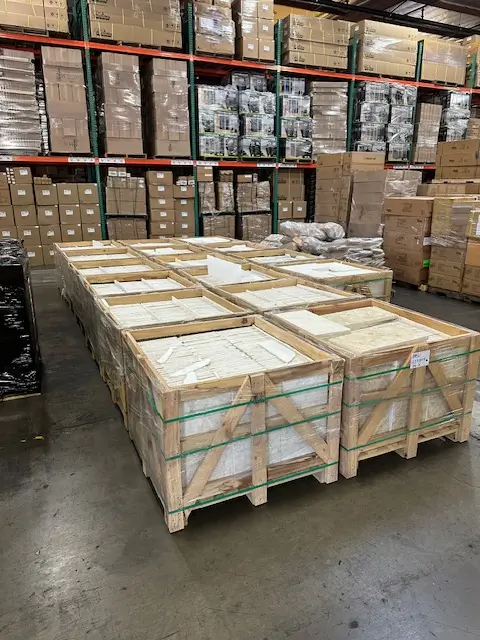
At Citadel Stone, we’ve tracked those decisions across hundreds of Arizona projects, and the pattern is consistent — specifiers who get material sourcing right from the start save significant time and budget compared to those who try to adapt mismatched material mid-project. Citadel Stone sources natural stone directly from established quarry partners and inspects each batch at the warehouse for color consistency, dimensional tolerance, and surface integrity before it ships to your site. That upstream quality control is what makes downstream installation predictable.
Reading Arizona’s Design Palette Before You Specify Stone
Arizona’s architectural traditions aren’t uniform, and that variability is exactly why material selection demands attention to regional context. The warm ochres and terracottas of Tucson’s historic adobe district call for entirely different stone choices than the clean contemporary lines dominating newer Scottsdale developments. Both are valid design languages, but conflating them produces results that feel incoherent to anyone who knows the region well.
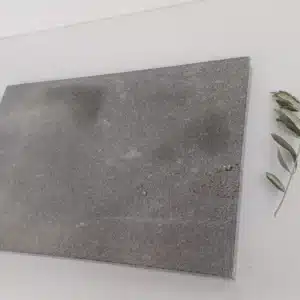
Understanding the dominant palette in your project’s submarket shapes everything from stone color to surface finish. The low desert favors warm buff, honey gold, and sedimentary tones that echo the desert floor. Higher elevation work — think northern Arizona and the Flagstaff corridor — integrates darker basaltic tones and cooler greys that reflect the ponderosa pine forest context. Getting this right doesn’t require artistic intuition so much as disciplined observation of what the landscape itself provides as reference material.
Key color and material families that perform well within Arizona’s regional design traditions:
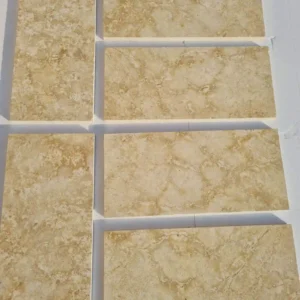
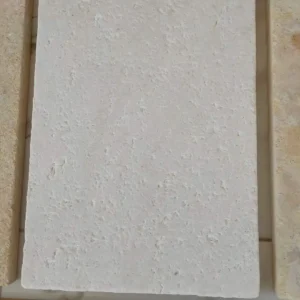
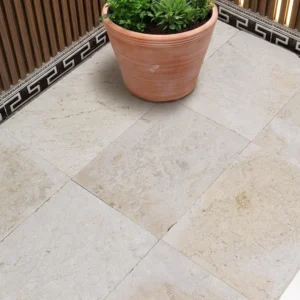
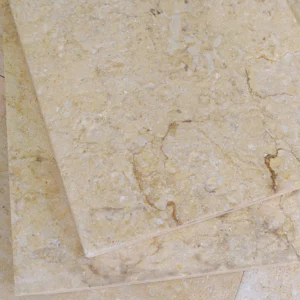
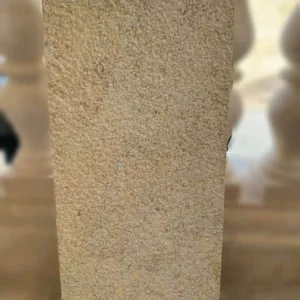
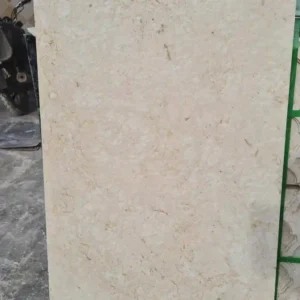
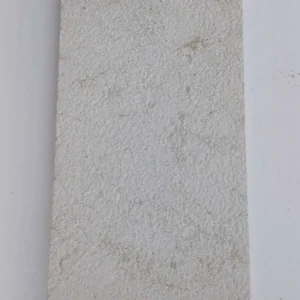
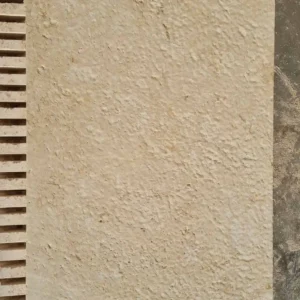
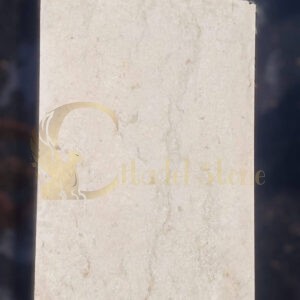
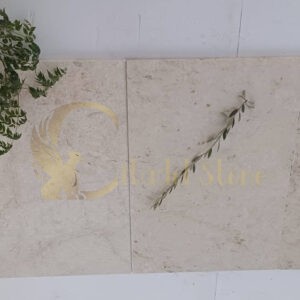
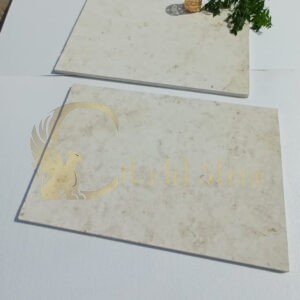
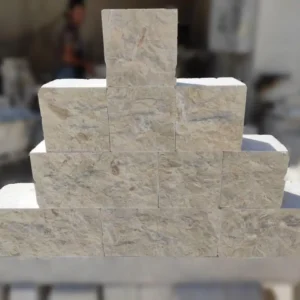
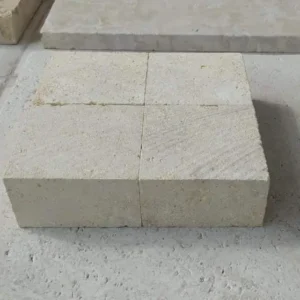
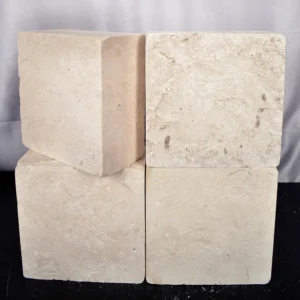
- Warm buff and cream limestone for desert-contemporary and Southwestern residential contexts
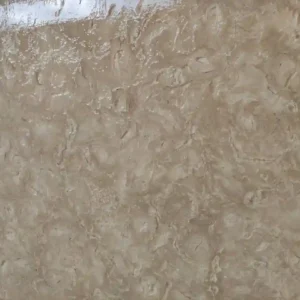
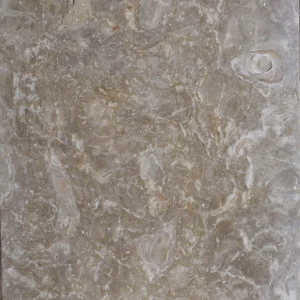
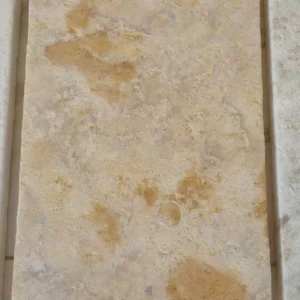
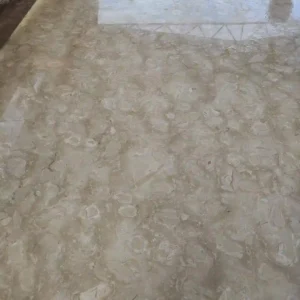
- Honey-toned travertine pavers for pool surrounds and covered outdoor living areas
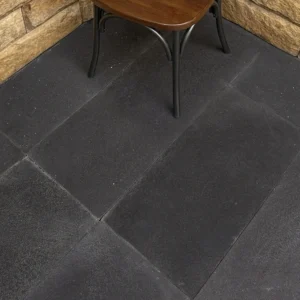
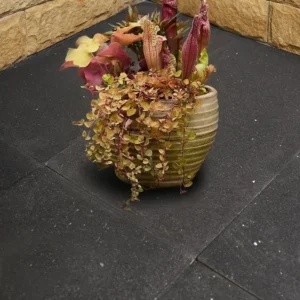
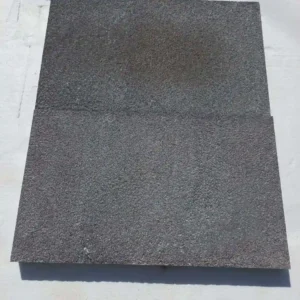
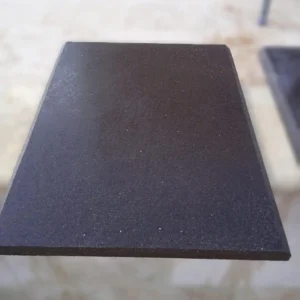
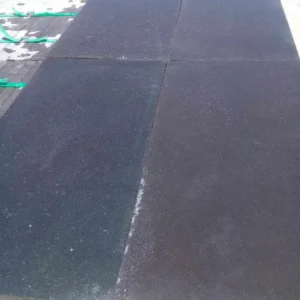
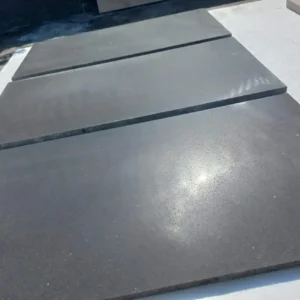
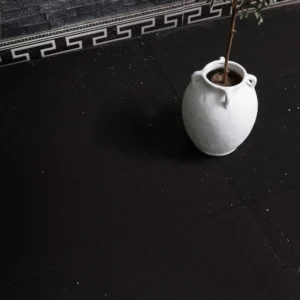
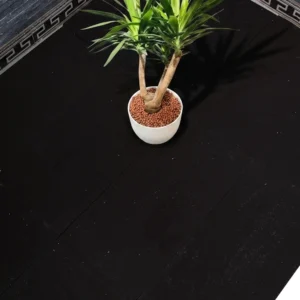
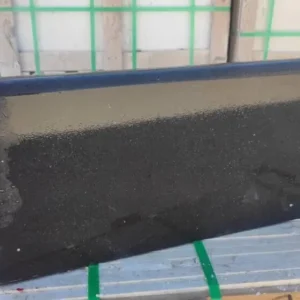
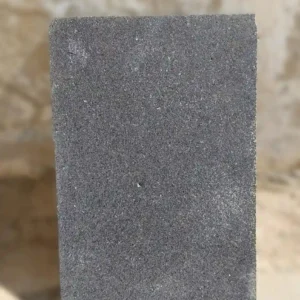
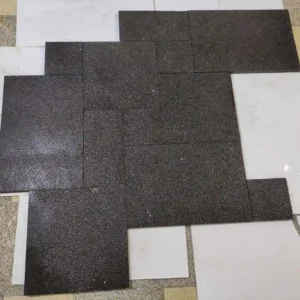
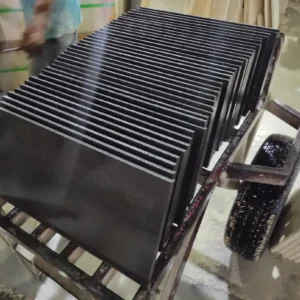
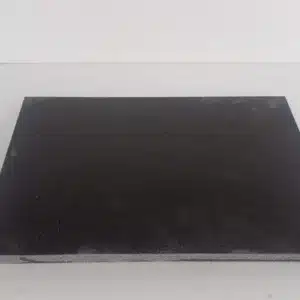
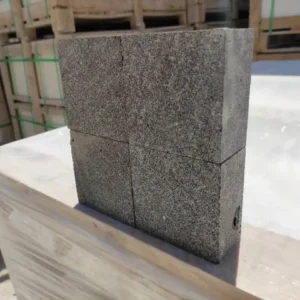
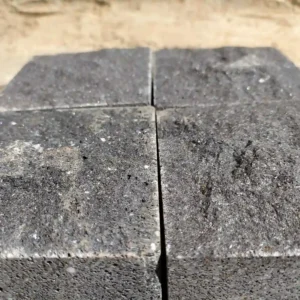
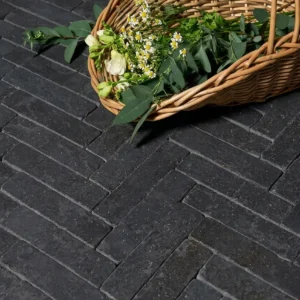
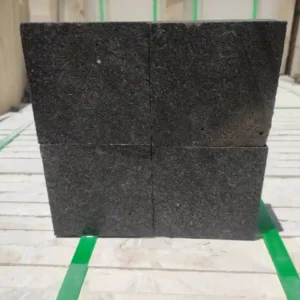
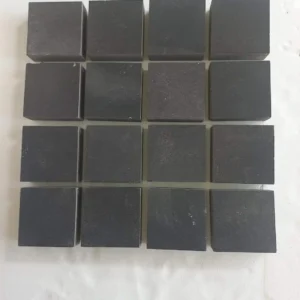
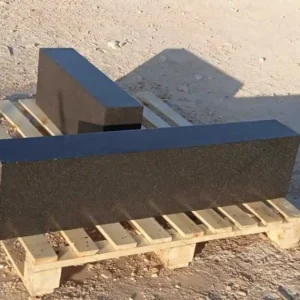
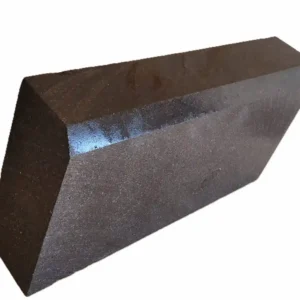
- Charcoal and dark grey basalt for modern architectural projects in the Phoenix metro
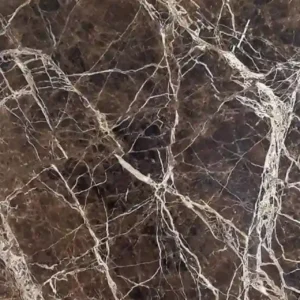
- Silver-veined quartzite for accent walls and entry features where contrast is the design intent
- Rustic sandstone in red-brown tones for projects referencing Sedona’s canyon geology
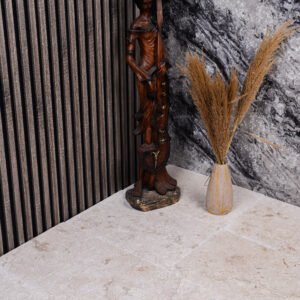
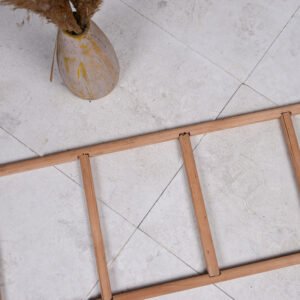
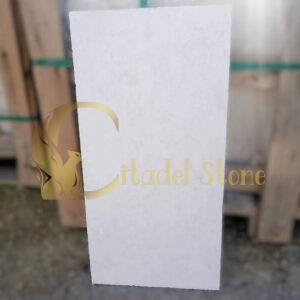
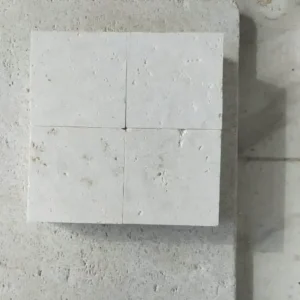
- Ivory and warm white limestone for contemporary Scottsdale work where clean lines dominate
Material Families Every Arizona Stone Supplier Should Stock
The depth of a stone supplier’s product range matters more in Arizona than in most states because the diversity of the built environment here is genuinely extreme. You’re specifying for projects that range from high-altitude mountain retreats near Flagstaff to low-desert resort compounds outside Yuma, where surface temperatures routinely exceed 160°F on unshaded hardscape. That thermal range demands different material answers, and a supplier who stocks only one or two stone families will push you toward compromises you shouldn’t have to make.
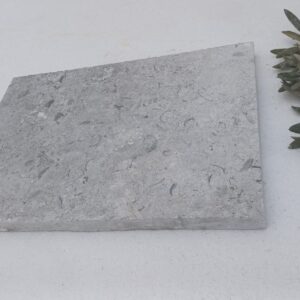
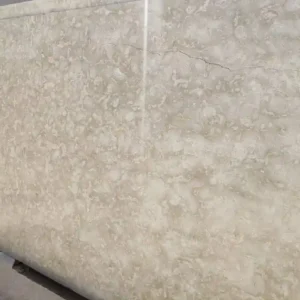
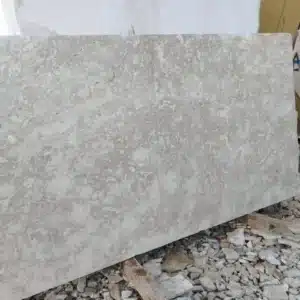
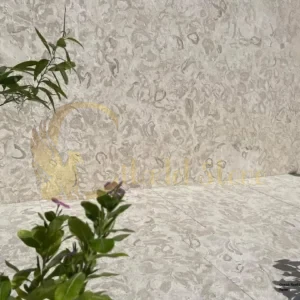
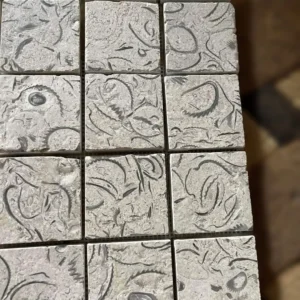
Natural limestone remains the dominant specification choice across Arizona’s residential and commercial landscape sectors. Its compressive strength typically ranges from 4,000 to 15,000 PSI depending on formation and quarry origin, which gives it more than adequate structural performance for the loading scenarios most outdoor projects encounter. More importantly, limestone’s natural color variation within the buff-to-cream spectrum integrates seamlessly with Arizona’s dominant earth tones without the forced quality that imported European stones sometimes carry in desert contexts.
Travertine continues to earn its place as a premium specification for pool decks and shaded courtyard applications. The material’s interconnected pore structure delivers naturally cooler surface temperatures than dense stone alternatives — a measurable advantage when you’re working in Phoenix’s summer conditions. Field temperature readings on unfilled travertine typically run 15–22°F cooler than adjacent concrete under identical midday exposure, which translates directly to barefoot comfort for any residential pool project.
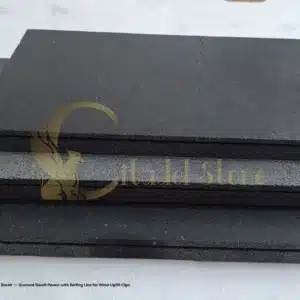
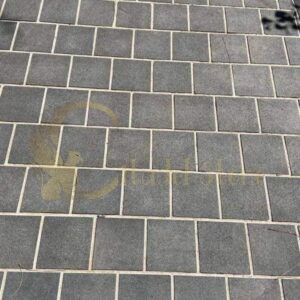
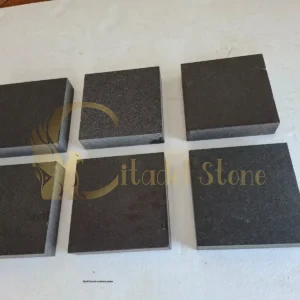
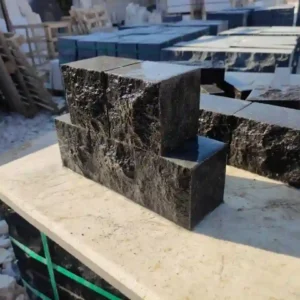
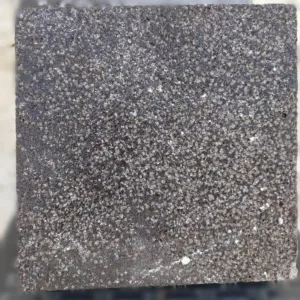
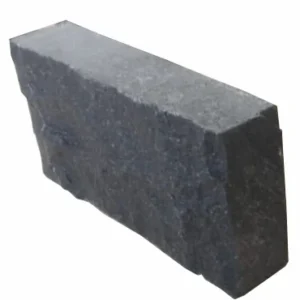
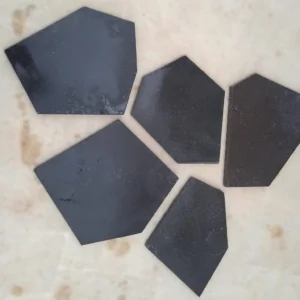
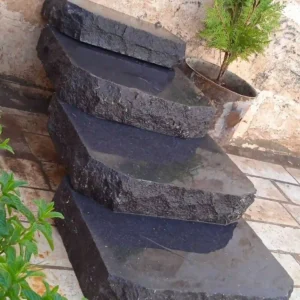
Basalt and bluestone serve the modern architectural segment, providing the dark tonal contrast that contemporary designers specify for feature walls, water elements, and transitional flooring between indoor and outdoor spaces. Their density — typically 165–175 lbs per cubic foot — means they handle vehicular loading without thickness escalation, which matters for driveway and motor court applications where slab weight becomes a logistics consideration.
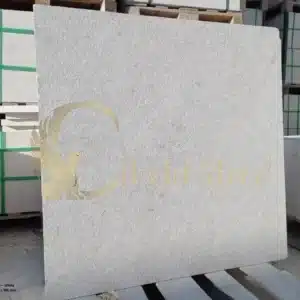
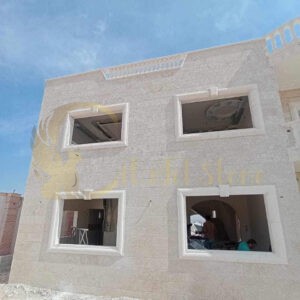
For projects requiring block and stone construction rather than paving applications, quality stone supply in Arizona should include dimensional ashlar cuts, veneer panels, and irregular fieldstone options. The masonry and stone supply chain for wall applications follows different dimensional tolerancing than paver stock, and your stone supply company should be able to clarify those distinctions clearly before you commit to quantities.
Outdoor Stone Selection: Matching Material to Application
The most common specification error in Arizona outdoor stone projects isn’t choosing the wrong stone family — it’s choosing the right stone family but in the wrong format or finish for the application. Outdoor stone suppliers who understand this distinction will steer you toward finished specifications that actually perform; those who don’t will simply fill your order and let the field problems sort themselves out.
Surface finish drives both aesthetic and functional outcomes. For outdoor stone in high-traffic Arizona applications, the relevant finish categories break down like this:
- Brushed or tumbled finishes reduce slip risk on pool decks and outdoor entertaining areas without sacrificing the natural stone character
- Honed surfaces provide the clean, matte look popular in contemporary Scottsdale projects but require sealing schedules tightened to annual rather than biennial applications in UV-intense desert environments
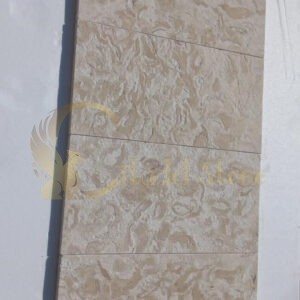
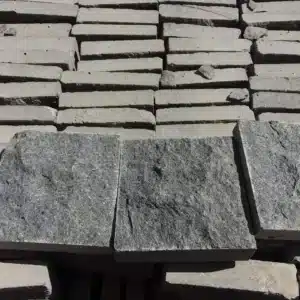
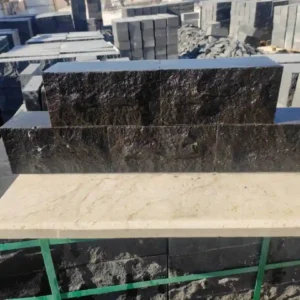
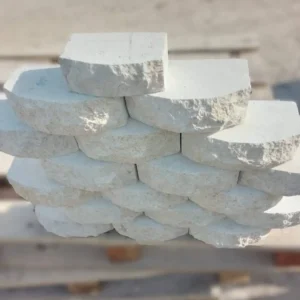
- Split-face finishes for wall stone and vertical applications provide texture that integrates naturally with Southwestern architectural traditions
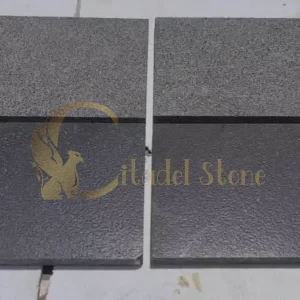
- Flamed finishes on granite and basalt create additional surface texture and mineral pop that performs well on driveways and commercial pedestrian areas
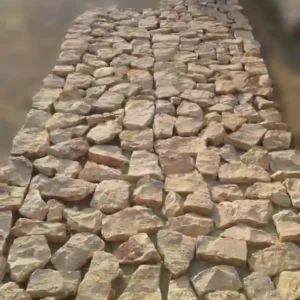
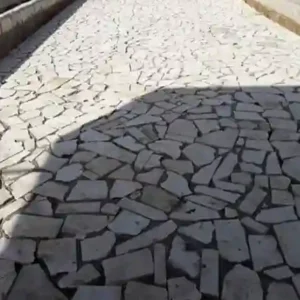
- Natural cleft finishes on flagstone maintain the organic character appropriate for informal garden pathways and xeriscape-integrated designs
Format selection — meaning the dimensional geometry of what you’re specifying — determines installation efficiency as much as finished aesthetics. Modular formats in 12×24, 16×16, and 24×24 inch nominal sizes move through installation faster and generate less cut waste on straightforward rectangular projects. Random flagstone formats create the informal character that suits desert garden and xeriscape contexts but add labor time that your project budget needs to account for honestly.
Citadel Stone stocks outdoor stone in standard modular formats across multiple material families, and you can request sample tiles or full specification sheets before committing to quantities. For projects with unusual format requirements or non-standard thicknesses, lead times from the warehouse typically extend by one to two weeks compared to in-stock formats — worth factoring into your project schedule at the specification stage rather than discovering it when you place the order.
What Local Stone Sourcing Actually Means for Arizona Projects
The phrase “local stone suppliers” gets used loosely in the Arizona market, and it’s worth understanding what it actually implies for your project. True local stone supply in Arizona means material that’s either quarried within the region or maintained in regional warehouse inventory close enough to reduce lead times significantly below the import cycle. The distinction matters when your project schedule has real constraints.
Import stone — particularly premium travertine from Turkey and limestone from Portugal — typically carries a 6–10 week lead time from order to delivery, depending on port and customs conditions. That timeline can accommodate planned projects with firm start dates, but it creates serious exposure on any project where the schedule shifts. Regional inventory, by contrast, compresses that timeline to days or weeks, which preserves your scheduling flexibility when site conditions or client decisions change mid-project.
The practical implication for specifiers: verify warehouse stock levels and confirm whether your specified material is held locally or ordered on demand before you lock in your project schedule. An outdoor stone supplier who maintains genuine Arizona inventory — not just a catalog of materials ordered project by project — gives you fundamentally different supply reliability than one operating on a pure drop-ship model. For projects in Phoenix and the surrounding metro, that distinction between stocked and special-order material can mean the difference between hitting a landscaping window and missing it entirely.
Stone manufacturers and masonry stone suppliers who warehouse regionally also provide a practical advantage for material matching. When additional quantities are needed mid-project — which happens more often than anyone’s estimating template suggests — matching dye lots and quarry batches is far more reliable from regional inventory than from international supply chains where the same SKU might shift quarry source between production runs.
Masonry and Stone Supply for Wall and Structural Applications
Wall stone applications in Arizona demand a different specification logic than paving work, and the material supply chain differs accordingly. Masonry stone suppliers who handle both paving and structural work understand the tolerancing differences between veneer panels, ashlar courses, and dimensional blocks — and those tolerances matter the moment your mason starts laying courses and needs consistency in bed depth and face dimension.
For retaining wall applications in Arizona’s expansive soils, stone block suppliers should be providing material with consistent compressive strength documentation. Most landscape retaining applications work comfortably with stone at 4,000 PSI minimum, but engineered walls — anything over 4 feet in retained height — require documentation that your supplying stone masonry company should be able to provide on request. Don’t accept verbal assurances on structural applications; get the material data sheets.
Stone and masonry supply for veneer applications presents its own sourcing logic. Veneer panels need tight dimensional tolerancing — typically ±1/8 inch on thickness — because variations beyond that range create visible lippage at joints and force masons into time-consuming shimming work. The quality of masonry stone supply directly affects your labor cost on veneer applications in ways that specifiers sometimes underestimate when comparing supplier pricing on material alone.
- Dimensional ashlar veneer: specify ±1/8 inch thickness tolerance to control installation labor
- Random rubble and fieldstone: appropriate for informal garden walls and accent applications, not engineered structures
- Ledgestone panels: factory-assembled formats that install faster than individually selected pieces — useful for large commercial feature walls
- Dimensional block: used for freestanding walls, seat walls, and raised planters where structural integrity and aesthetic consistency both matter
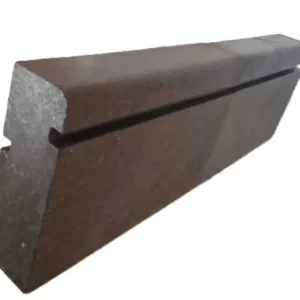
- Wall cap stone: source from the same supplier as your wall face material to ensure color and weathering compatibility over time
Projects in Scottsdale frequently combine wall stone and paving from the same material family to create cohesive outdoor rooms — a design approach that works well but requires your stone supply company to maintain consistent color matching across both product forms. Citadel Stone’s sourcing process includes cross-batch color verification specifically to support this kind of integrated specification.
Stone Slab and Granite Supply: Countertops, Coping, and Feature Elements
Stone slab suppliers occupy a distinct niche within the broader stone supply category, and the specification logic for slabs diverges from paving and masonry work in several important ways. Slab applications — countertops, pool coping, outdoor kitchen surfaces, water feature surrounds — prioritize face consistency, veining character, and edge fabrication capability over the structural metrics that dominate paving specifications.
Stone and granite suppliers serving Arizona’s high-end residential market carry an enormous range of material, but not all of it performs equally well in outdoor desert applications. Some premium granites and exotic stones that look spectacular in a showroom slab carry absorption rates that are genuinely problematic in outdoor Arizona conditions. Material with water absorption above 0.4% by weight — fairly common in some quartzite and certain marble families — requires aggressive sealing schedules to prevent staining from pool chemicals, landscape irrigation, and organic debris.
For pool coping specifically, stone and rock suppliers should be able to provide ANSI A137.1 slip resistance data on the coping edge finish you’re specifying. The coping edge is a high-risk slip zone, and surface finish choices that look elegant in a design presentation can create liability exposure if the DCOF (Dynamic Coefficient of Friction) falls below 0.42 on wet surfaces — the threshold relevant to most outdoor wet-area applications.
Stone slab supply for outdoor kitchen countertops in Arizona benefits from material selection that accounts for thermal cycling. Granite’s thermal expansion coefficient runs approximately 4.4–8.5 × 10⁻⁶ per °F, which means a 6-foot granite countertop exposed to Arizona’s 80°F daily temperature swing can expand nearly 3/16 inch over its length. That’s not a problem if your fabricator accounts for it in edge support and undermount joint design — but it becomes a cracking risk if the installation treats outdoor stone like interior countertop work.
Evaluating Stone Suppliers in Arizona: What Separates Quality Sources from the Rest
The Arizona stone supply market has consolidated meaningfully over the past decade, but it still includes suppliers who operate primarily as catalog resellers alongside those who maintain genuine inventory, technical capability, and supply chain continuity. Knowing which you’re working with before you commit to a supplier — not after a project’s first delivery falls short — saves real time and money.
For those researching Tucson and southern Arizona stone supply options, it’s worth noting that proximity to the Mexican border creates access to Sonoran quarry sources that don’t appear in most national supplier catalogs. Regional stone vendors who’ve developed direct sourcing relationships with those quarries can offer material with authentic regional character at competitive pricing — but verification of quarry documentation and material consistency still applies regardless of how compelling the sourcing story sounds.
The criteria that actually differentiate quality stone supply in Arizona from lower-tier competitors:
- Regional warehouse inventory versus pure catalog ordering — verifiable by asking for current stock confirmation on any material you’re considering
- Material documentation capability — the ability to provide compressive strength, absorption, and slip resistance data on request for structural and wet-area applications
- Batch consistency management — processes for matching additional orders to original dye lots, especially important on phased projects
- Delivery reliability — truck scheduling and site access coordination that accounts for Arizona’s summer heat and the material handling constraints it creates
- Technical consultation depth — staff who can discuss installation details, not just product specifications, and who’ve worked through field problems before
- Transparent lead times — clear differentiation between in-stock and special-order timelines so you can plan accurately
The best stone supplier in Arizona for your project isn’t necessarily the one with the largest catalog or the lowest unit price — it’s the one whose operational model matches your project’s actual requirements for timeline, technical support, and material quality consistency. For large-scale projects requiring custom cuts or non-standard formats, working through Citadel Stone’s project consultation process at the specification stage helps identify lead time constraints early, before they become schedule problems. You can request detailed project specifications and truck delivery logistics information directly through Citadel Stone’s technical team before committing to a purchase order. Reviewing how other specifiers navigate sourcing challenges in the Arizona market is genuinely useful — natural stone from Citadel Stone addresses the practical problem-solving side of Arizona stone supply, covering situations where standard catalog solutions fall short and project-specific sourcing becomes necessary.
Base Preparation and Installation Considerations for Arizona Stone Projects
Design intent and material quality both become irrelevant if your base preparation doesn’t match Arizona’s site conditions. The state’s geological diversity means base conditions vary more dramatically here than in most comparable markets — from the expansive clay soils common in parts of the Phoenix metro to the caliche hardpan that appears in much of the desert floor and the decomposed granite profiles that characterize higher elevation sites.
Caliche deserves particular attention because specifiers unfamiliar with the region tend to treat it as a problem when it’s actually an asset if handled correctly. Dense caliche at 18–24 inches provides an excellent natural sub-base for stone paving — far better than the imported aggregate base you’d otherwise need to build. The complication is surface caliche, which can be irregular and expansive depending on its mineral composition. Testing the specific caliche layer on your site before assuming it provides adequate bearing capacity is a step worth adding to your pre-installation scope on any project where budget consequences of settling or heaving would be significant.
Expansion joint placement in Arizona stone installations should run closer to 10–12 feet on center in direct sun exposure rather than the 15–20 feet that generic installation guidelines typically specify. The actual thermal cycling Arizona stone experiences — surface temperatures swinging from 45°F on winter nights to 165°F on summer afternoons in Phoenix — subjects joints to movement accumulation that standard specifications from temperate-climate contexts significantly underestimate. Stone slab and brick applications feel that stress most acutely at corners and boundaries, which is exactly where premature cracking appears on under-jointed installations.
- Minimum compacted aggregate base: 4 inches for pedestrian applications, 6 inches for vehicular paving in standard Arizona soil conditions
- Sub-base fabric: geotextile separation layer recommended wherever native soil has fine particle content above 15% — prevents base contamination over time
- Sand setting bed: 1-inch nominal depth, consistent thickness critical for avoiding lippage on modular formats
- Mortar setting for pool coping and water feature elements: polymer-modified mortar with waterproofing admixture recommended for all wet-zone applications
- Expansion joints: 10–12 feet on center maximum in full sun exposure, silicone-based sealant (not mortar) to accommodate thermal movement
Source Stone Suppliers in Arizona — Arizona Supply by Citadel Stone
Citadel Stone stocks natural stone across the full material range Arizona projects demand — limestone pavers and slabs, travertine in multiple finishes, basalt for contemporary applications, quartzite and granite for slab work, and dimensional stone for masonry and wall construction. Standard formats are available from regional warehouse inventory, with in-stock material typically moving to truck delivery within three to five business days for metro Arizona destinations and one to two weeks for more remote project sites across the state.
For specifiers and contractors evaluating material for upcoming projects, sample tiles and full material data sheets — including compressive strength, water absorption, and surface friction documentation — are available on request before you commit to quantities. Trade and wholesale accounts receive volume pricing and dedicated project support from Citadel Stone’s technical team, with consistent batch management across phased project deliveries to protect color matching on multi-stage jobs.
Custom cutting, non-standard format production, and specialty finishes are available with lead times that vary by material and volume — getting that information early in the specification process prevents the schedule compression that creates field problems later. Citadel Stone ships stone across Arizona, serving the Phoenix metro, Tucson market, Scottsdale residential sector, and outlying areas statewide. Contact Citadel Stone to request project pricing, verify current warehouse availability, or schedule a technical consultation for your upcoming Arizona stone specification. As you finalize your Arizona stone project specifications, interior and covered transition areas often warrant consideration alongside your outdoor selections — Limestone Floor Tiles in Arizona provides detailed guidance on limestone floor tile specification that complements the outdoor material decisions covered in this article. Stone selections for Arizona projects in Flagstaff, Sedona, and Yuma include Stone suppliers supplied direct from Citadel Stone.