
The Budget Reality Check Arizona Buyers Miss
Stone sourcing problems solved Arizona projects run into most often aren’t about the stone itself — they’re about the gap between quoted price and landed cost. Freight from a supplier in Atlanta, Houston, or even Los Angeles adds $180–$340 per pallet by the time a truck rolls into a Mesa job site, and that number quietly reshapes your entire material-to-labor ratio before a single stone gets set. Understanding Arizona’s regional pricing dynamics upfront is what separates projects that finish on budget from those that scramble for value engineering options at the 60% mark.
The state’s geography creates a cost structure most buyers underestimate on first pass. You’re dealing with long haul distances from major stone-processing hubs, a labor market that runs tight in the Phoenix metro, and material availability that skews heavily toward a handful of domestic suppliers unless you know how to source internationally. Getting ahead of these factors before you finalize specifications is the practical fix most buyers wish they’d applied earlier.
Freight Distance and the True Cost Per Square Foot
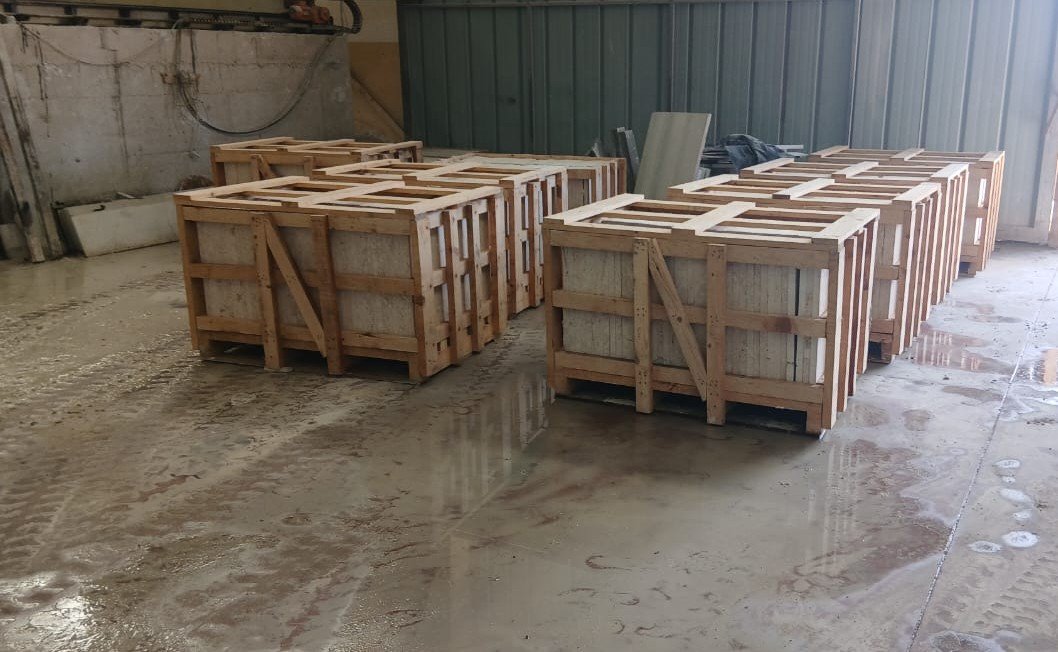
Here’s what most specifiers miss when they’re comparing vendor quotes side by side: a $4.20/sq ft price from a supplier in Georgia versus $5.10/sq ft from a regional warehouse in Arizona can flip completely once you apply full freight costs. Palletized natural stone ships heavy — a standard pallet of 2-inch travertine or limestone runs 2,400–2,800 lbs, and LTL freight pricing to Arizona from the Southeast typically lands between $310–$420 per pallet depending on the season and carrier availability.
- Calculate landed cost (material + freight + unloading labor) before comparing quotes
- Request freight-included pricing from at least two regional suppliers to establish a baseline
- Factor in liftgate fees if the delivery truck can’t back to a loading dock — this adds $75–$150 per drop
- Ask about consolidation options if you’re ordering multiple pallets — full truckload rates can reduce per-pallet freight costs by 25–35%
- Confirm lead times from the warehouse before committing to a project schedule — import delays compound freight variability
Projects in Yuma sit at an interesting freight crossroads — the city’s proximity to the California border means some suppliers can route shipments through Southern California distribution points, occasionally improving delivery timelines and reducing costs compared to direct East-Coast-to-Arizona runs. It’s worth asking your supplier which routing option applies to your order before you lock in a price.
Why Material Availability Is Thinner Than It Looks
Arizona’s stone vendor landscape has grown considerably over the past decade, but the depth of stocked inventory at any given time is a different story. Many local distributors carry sample slabs and can place orders, but their actual warehouse stock — the material you can have on a truck within a week — tends to concentrate around a narrow range of high-turnover SKUs. When you need something specific, like a consistent vein cut travertine or a particular limestone with a tight color range, challenges finding reliable stone suppliers in Arizona become real and fast.
The practical fix here is asking direct questions about stocked versus ordered inventory before you finalize your specification. “Available” and “in stock” don’t mean the same thing at many distributors. Material that requires an import order adds 6–10 weeks minimum to your timeline, and in a tight labor market where your crew is already scheduled, that’s a cost you absorb through idle time or rushed rescheduling. Challenges finding reliable stone suppliers in Arizona are most acute when your window is narrow and your specification is precise.
At Citadel Stone, we maintain working warehouse inventory across core Arizona-ready materials rather than relying exclusively on order-to-ship models, which is what makes a practical difference for contractors working against firm completion dates.
Labor Market Conditions and How They Shift Your Material Strategy
Arizona’s construction labor market runs expensive relative to neighboring states, particularly in the Phoenix-Scottsdale corridor. Skilled stone setters and hardscape crews bill at $65–$95 per hour depending on the trade and project complexity, which means your material-to-labor cost ratio tilts more heavily toward labor than in markets like Texas or the Carolinas. That ratio matters for a specific reason: it changes the economic case for using premium-grade natural stone versus mid-grade material.
- Labor cost per sq ft typically runs $8–$14 for standard pattern stone setting in Arizona
- Complex pattern work (herringbone, radial cuts, custom borders) pushes labor to $18–$28 per sq ft
- When labor represents 55–65% of installed cost, upgrading material grade adds a smaller percentage to total project cost than most clients assume
- Lower-grade material with more cuts, rejects, and inconsistencies drives labor costs up — the savings on material often disappear in the field
- Specifying consistent thickness and calibration reduces installation time and protects your labor budget
The value engineering conversation in Arizona usually gets framed as “cheaper material to save money,” but experienced project managers know it often goes the other direction. Consistent, well-calibrated stone vendors in Arizona deliver material that installs faster with fewer rejects, and that difference shows up directly in your labor line item.
Resolving Natural Stone Quality Issues AZ Buyers Face
Resolving natural stone quality issues AZ buyers face most frequently comes down to three recurring problems: inconsistent thickness calibration, color variation beyond specified tolerances, and structural voids or hairline fractures that don’t appear until the material is on site. All three are manageable, but they require you to build inspection checkpoints into your procurement process rather than assuming vendor QA handled it upstream.
Thickness variation is the one that causes the most installation grief. Natural stone tolerates a nominal ±1/8-inch variance in calibrated material, but lower-cost imports sometimes run ±3/16 inch or more, which forces your setter to float beds inconsistently and slows installation significantly. Request calibration certificates or arrange for a sample batch inspection before your full order ships. That one step has saved more than a few Arizona projects from a serious mid-install budget overrun. When resolving natural stone quality issues AZ buyers encounter at this stage, having a written calibration standard in your purchase agreement is the most reliable backstop.
- Specify calibration tolerance in writing — ±3mm is the acceptable standard for most paving applications
- Request photographic documentation of material from the warehouse batch before truck dispatch
- Include a rejection clause in your purchase agreement for material outside specified thickness and color tolerances
- Stage your delivery to allow for a small inspection lot before the full order arrives on site
Overcoming Stone Supply Delays Across Arizona Builds
Overcoming stone supply delays across Arizona builds requires you to think about sequencing differently than you might in markets closer to major port cities. The state doesn’t sit on a primary import corridor, which means international stone shipments that clear the Port of Los Angeles or Long Beach still need a secondary truck leg to reach Phoenix, Tucson, or points north. That secondary leg adds 3–5 business days in normal conditions and significantly more during peak freight seasons or regional disruptions.
For projects in Sedona, the logistics layer gets another dimension — delivery access through the Oak Creek Canyon corridor limits truck size, and some suppliers won’t guarantee full-pallet drops without pre-confirmation of site access. Build that into your planning timeline and confirm vehicle restrictions with your supplier before you schedule delivery. Overcoming stone supply delays across Arizona builds in locations like this demands earlier coordination than projects on flat valley terrain.
- Order material 8–12 weeks ahead of installation for international stone; 2–4 weeks for regionally stocked material
- Confirm truck accessibility at your site — tight canyon roads, HOA access restrictions, and weight limits affect delivery scheduling
- Build a 10–15% material overage into your order to avoid a second shipment for small shortfalls
- Identify a backup supplier before your primary order is placed — if your main order has a warehouse delay, you need a fallback without restarting the sourcing process
- Track freight status actively — carrier communication in LTL shipping is inconsistent, and a missed delivery can push your installation crew by a full week
You can access our Arizona stone vendor solutions to review stocked inventory options and current lead times that reflect actual warehouse availability rather than estimated import windows.
Desert Climate Factors That Feed Back Into Sourcing Decisions
Arizona’s desert environment creates specific material performance requirements that loop back into your sourcing strategy. While the budget and logistics factors drive the big decisions, specifying the wrong material for the climate compounds every other sourcing problem — because you’ll be replacing it sooner than the project economics assumed. Dense, low-absorption stone performs significantly better in the thermal cycling that Arizona’s temperature swings produce: Phoenix averages a 35–45°F daily temperature differential in shoulder seasons, and that cycling stresses open-pore, high-absorption stones over time.
The practical sourcing implication is that not all stone vendors in Arizona stock material that meets the absorption thresholds appropriate for desert hardscape applications. Travertine, limestone, and basalt all come in absorption ranges from under 1% to over 6% depending on quarry origin and cut orientation. For exterior applications in the low desert, you want absorption below 3% — ideally under 1.5% for pool surrounds and heavily irrigated areas. Ask your supplier for technical data sheets, not just product names. Arizona desert climate stone sourcing difficulties often trace back to material specified without these thresholds in place.
Value Engineering Without Compromising Long-Term Performance
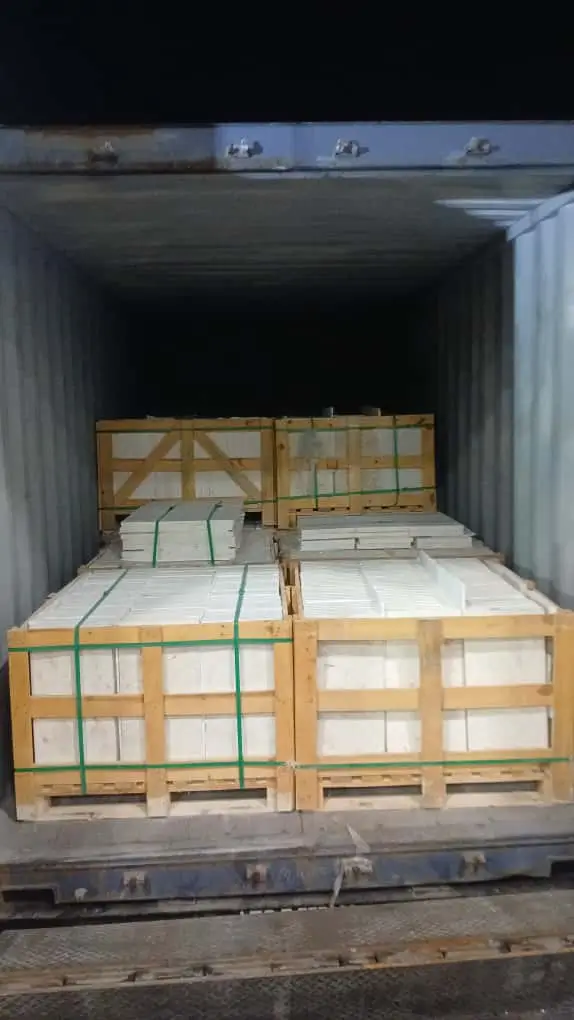
Value engineering on natural stone projects in Arizona doesn’t have to mean downgrading material quality. There are several levers you can pull that reduce total project cost without pushing material performance below what the desert climate demands. The most effective ones involve specification adjustments rather than material substitutions.
- Specify 3/4-inch material for pedestrian patio applications instead of 1 1/4-inch where the structural load allows — cost savings of $1.20–$2.40 per sq ft with no performance compromise on residential terraces
- Use irregular or gauged ashlar patterns to reduce cut waste and labor time versus tight-joint patterns that require more precision cutting
- Source material in a single quarry batch to maintain color consistency without paying premium for hand-selected lots
- Consolidate orders across project phases to reach full truckload minimums — the freight savings often offset the carrying cost of early delivery
- Consider unfilled travertine for covered outdoor areas where the void fill isn’t structurally necessary — lower material cost with equivalent durability in covered applications
Projects in Mesa benefit from the Phoenix metro’s larger pool of stone contractors, which means you can often find crews experienced with faster installation techniques for specific materials — another variable that affects total installed cost and should factor into your material specification decisions.
Before You Specify: Locking In the Right Stone Sourcing Decisions
Stone sourcing problems solved Arizona buyers deal with most consistently trace back to decisions made before the purchase order is issued, not after. The freight calculation, the warehouse stock confirmation, the absorption rating check, the calibration tolerance specification — these are upstream decisions that determine whether your project budget holds and your installation runs on schedule. Getting these steps locked in before you commit to a supplier and a timeline is what the most experienced Arizona project managers do differently than everyone else.
For a detailed breakdown of how regional pricing structures compare across supplier types, Arizona Stone Supplier Pricing: The Complete Buyer’s Guide provides the cost framework you need to evaluate competing quotes with accuracy. Citadel Stone maintains stocked material ranges for Phoenix, Scottsdale, and Chandler buyers facing desert-climate sourcing challenges, drawing inventory direct from quarries in Turkey, the Mediterranean, and beyond.