50 Years Of Manufacturing & Delivering The Highest-Quality Natural Stone. Sourced & Hand-Picked From The Middle East.

Escrow Payment & Independent Verifying Agent For New Clients

Contact Me Personally For The Absolute Best Wholesale & Trade Prices:

USA & Worldwide Hassle-Free Delivery Options – Guaranteed.

White Limestone Polished & Filled

$2.30

The Polished & Filled Process

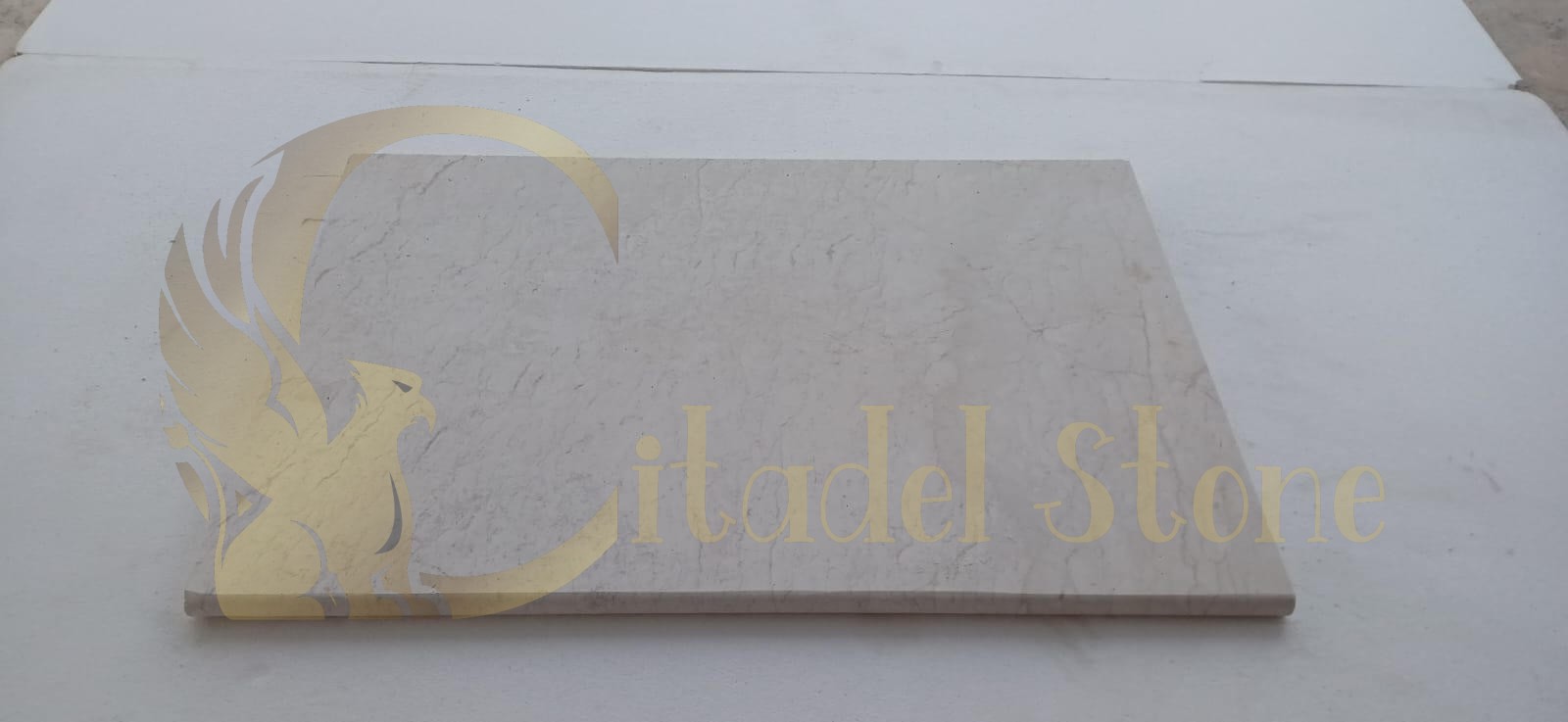
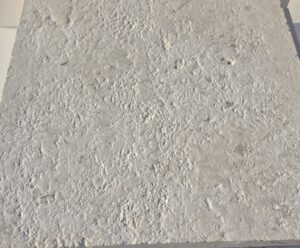
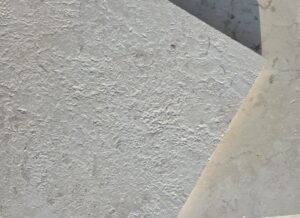
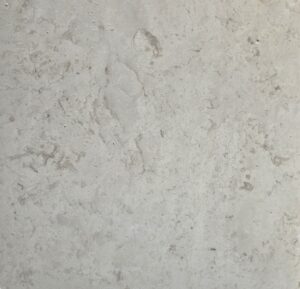
White Limestone Polished & Filled is the most thoroughly prepared white limestone surface in the Citadel Stone catalogue. The production process involves two distinct finishing stages applied sequentially to hand-selected Middle Eastern limestone, and the result is a surface that is meaningfully different from a standard polished limestone in both visual character and practical performance.

The filling stage comes first. Bioclastic limestone — formed from compressed marine sediments over geological time — naturally carries small voids and surface micro-pores that reflect its origin as a sedimentary stone. On a standard polished surface these voids remain visible as small irregularities, sometimes attractive in a natural-stone context and sometimes undesirable in a refined interior specification. The filling process eliminates them: a precisely colour-matched stone-compatible resin is worked into every visible void and pore, the resin is cured under controlled conditions, and the excess is removed flush with the surface. The result is a continuous, uninterrupted surface plane with no visible void interruption.

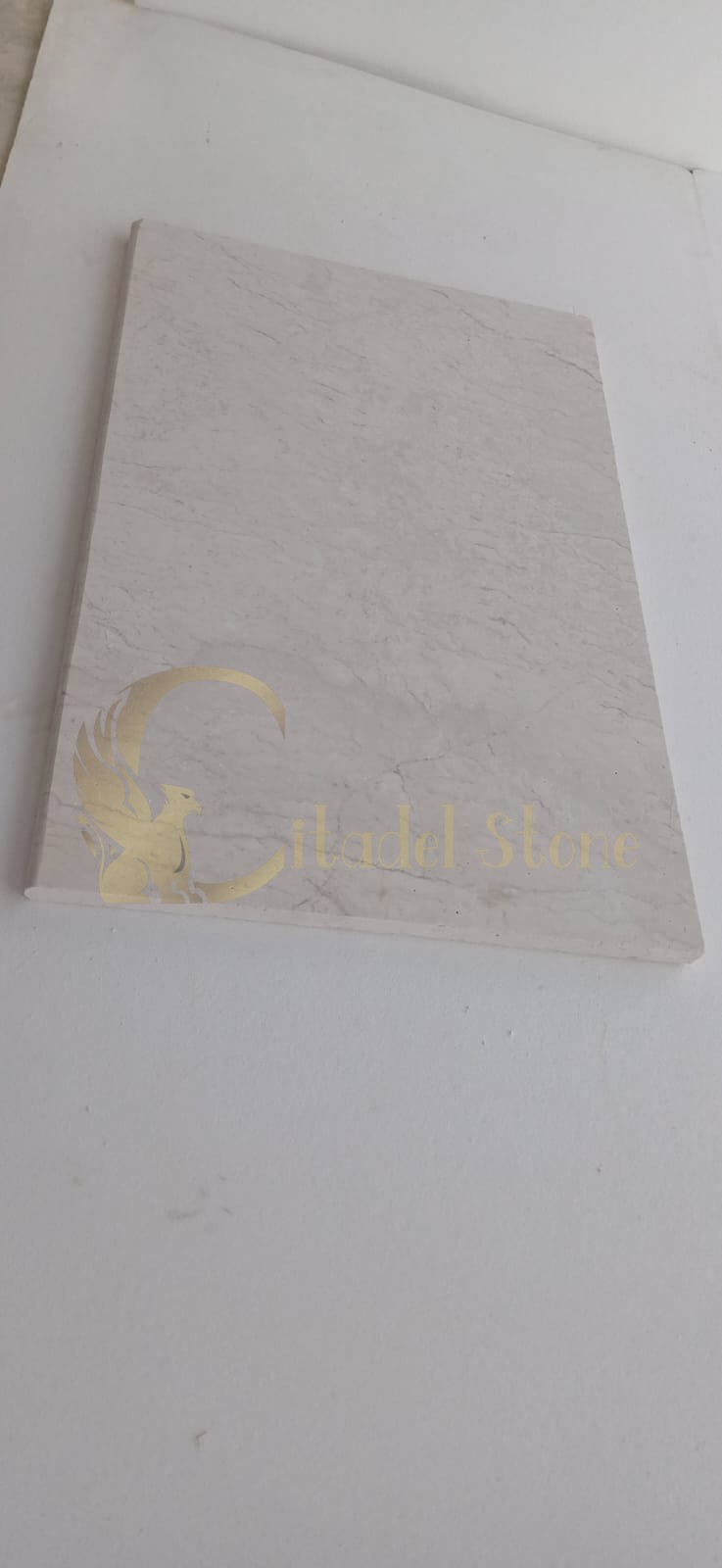
The polishing stage follows. The filled surface is taken through progressive abrasive grits — coarse, medium, fine, and very fine — each stage removing the marks of the previous one and producing a smoother surface. The final buffing pass brings the surface to a luminous mirror-bright state that intensifies the warm pale tone of the stone, brings out the fine natural grain, and gives the surface its characteristic light-reflective quality. Because the polishing is performed on an already-filled surface, the finish is more uniform and more reflective than a polished finish would be on an unfilled stone of the same colour.

What This Finish Delivers That Polished Alone Does Not

The combined treatment produces three measurable advantages over a standard polished surface. First, the visual finish is more uniform and more refined — the elimination of natural voids means the surface reads as a continuous plane of stone rather than a stone interrupted by small natural irregularities. For luxury interior specifications where surface refinement is part of the design intent, this visual continuity is significant. Second, the filled voids reduce the surface porosity meaningfully — the filling resin is not porous, so the proportion of absorbent surface area is reduced compared to an unfilled polished surface. This does not eliminate the need for sealing on the limestone itself, but it does mean the surface is more forgiving of incidental contact with liquids. Third, the filled surface is easier to clean and maintain — debris, dust, and incidental staining substances have fewer entry points into the surface, and routine cleaning achieves a more thorough result.

Sealing — Still Essential, Less Frequent

Even with the filling and polishing treatments described above, sealing remains essential for this product. The limestone surface between the filled voids is still natural sedimentary stone, still porous, and still subject to absorption and staining in the absence of a quality penetrating sealer. A common misconception is that polished and filled stone is fully sealed by virtue of its finish — this is not correct. The finishing treatments improve the surface character and reduce the proportion of porous surface area, but they do not seal the stone chemically.

That said, the sealing schedule for this finish is meaningfully less demanding than for less-refined limestone preparations. In protected interior settings, resealing every three to five years is sufficient under normal use. In wet areas such as bathrooms and around kitchen sinks, the schedule moves to every two to three years. For exterior installations — which should be limited to sheltered and protected exterior settings for this particular finish — annual resealing is required. Citadel Stone provides specific sealer recommendations and application guidance with every order. Customers planning exterior installations should consider that the polished surface, even after filling, is less appropriate for fully exposed exterior conditions than honed, bush-hammered, or natural-finish alternatives, and the natural-finish or honed product in the same stone family may be a better specification for the most demanding outdoor work.

Climate Suitability

White Limestone Polished & Filled is best specified for projects in mild to warm climates — the southern United States, Mediterranean and subtropical regions, and temperate areas with limited freeze-thaw exposure. Interior installations are not climate-sensitive in any meaningful way, and the material performs identically in any indoor environment. Exterior installations are climate-sensitive: in cold climates with regular freeze-thaw cycling, the polished and filled finish is best confined to sheltered exterior settings, sealing must be maintained annually without lapse, and customers should accept that the surface will require more attention than less-refined finishes of the same stone. For exposed exterior installations in severe cold climates, Citadel basalt is the more weather-resilient choice and is recommended without reservation.

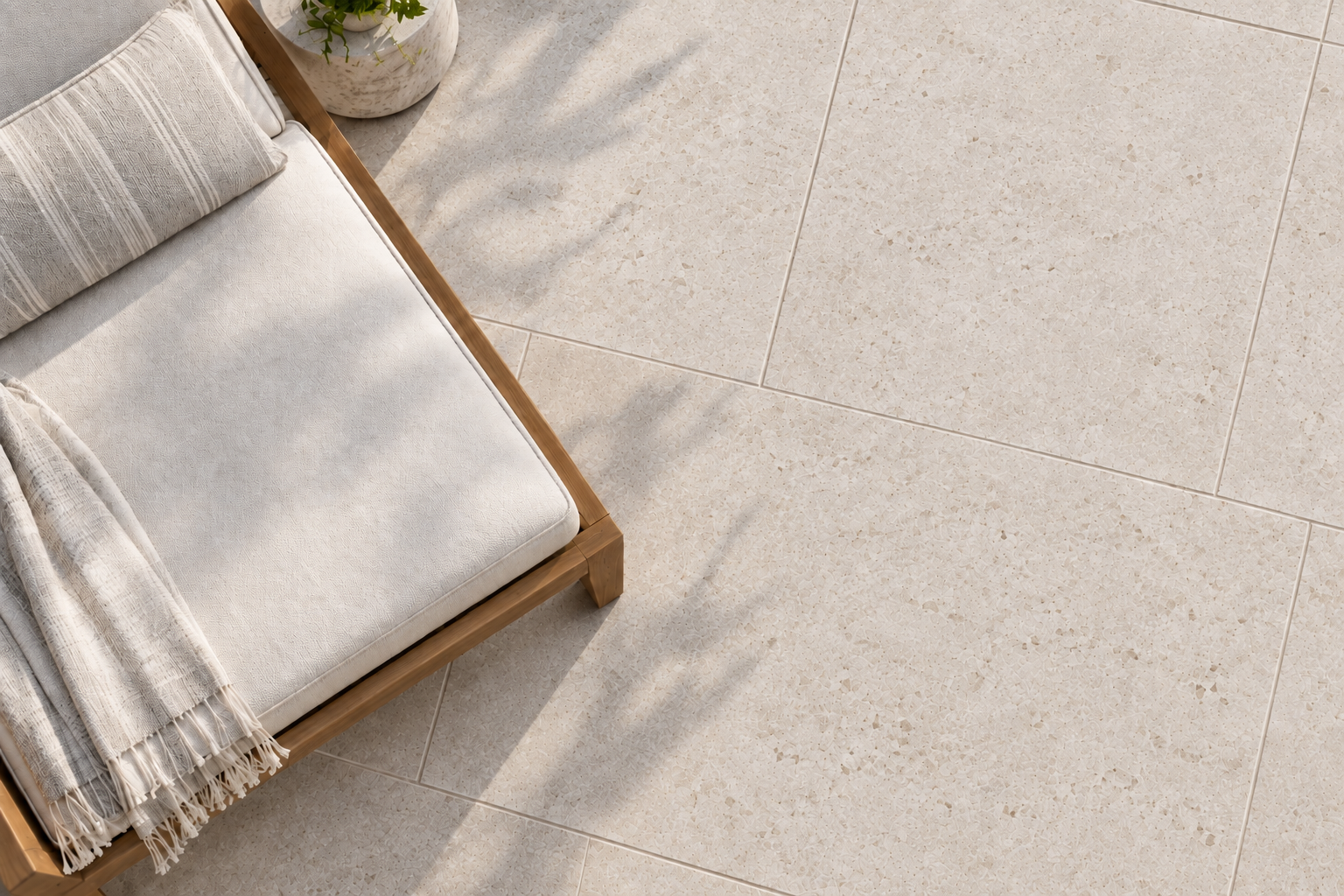
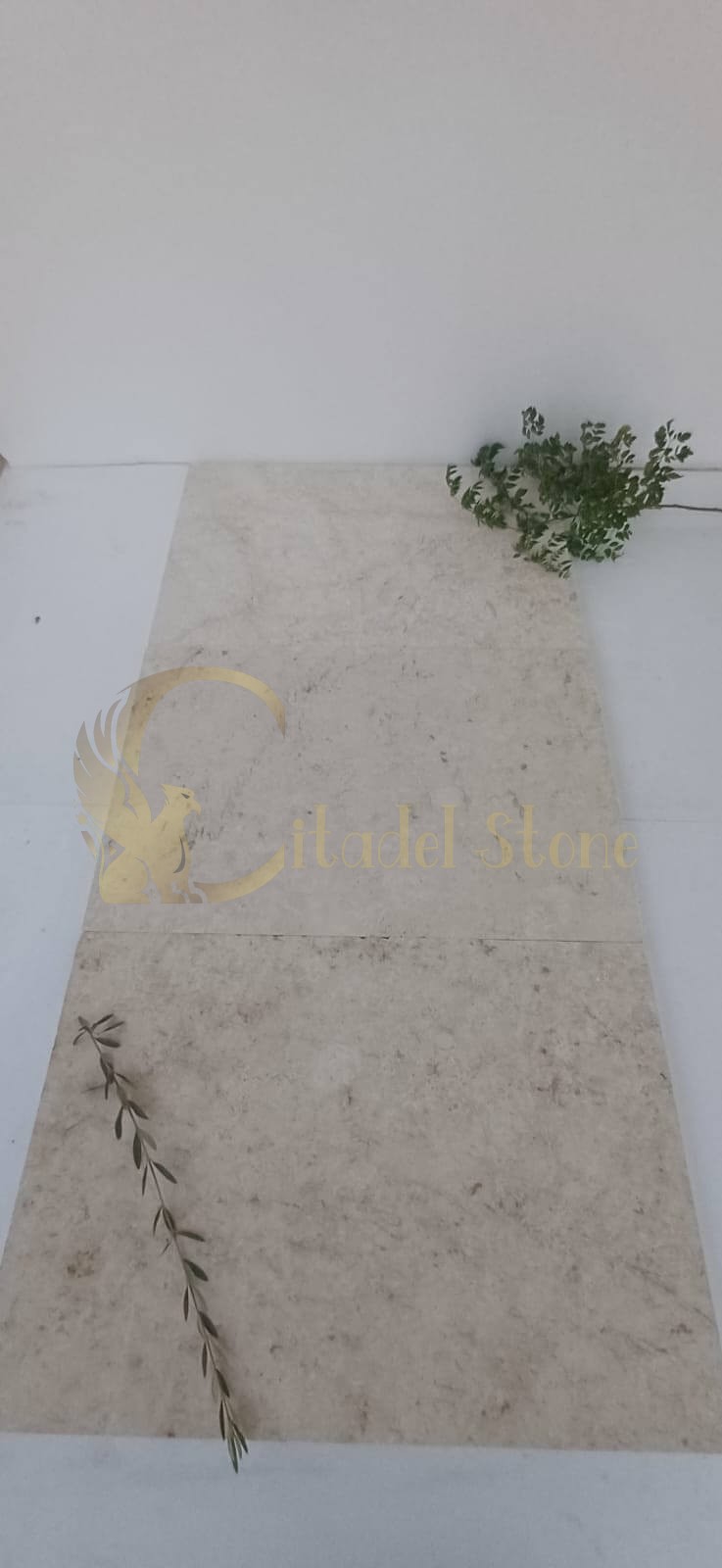
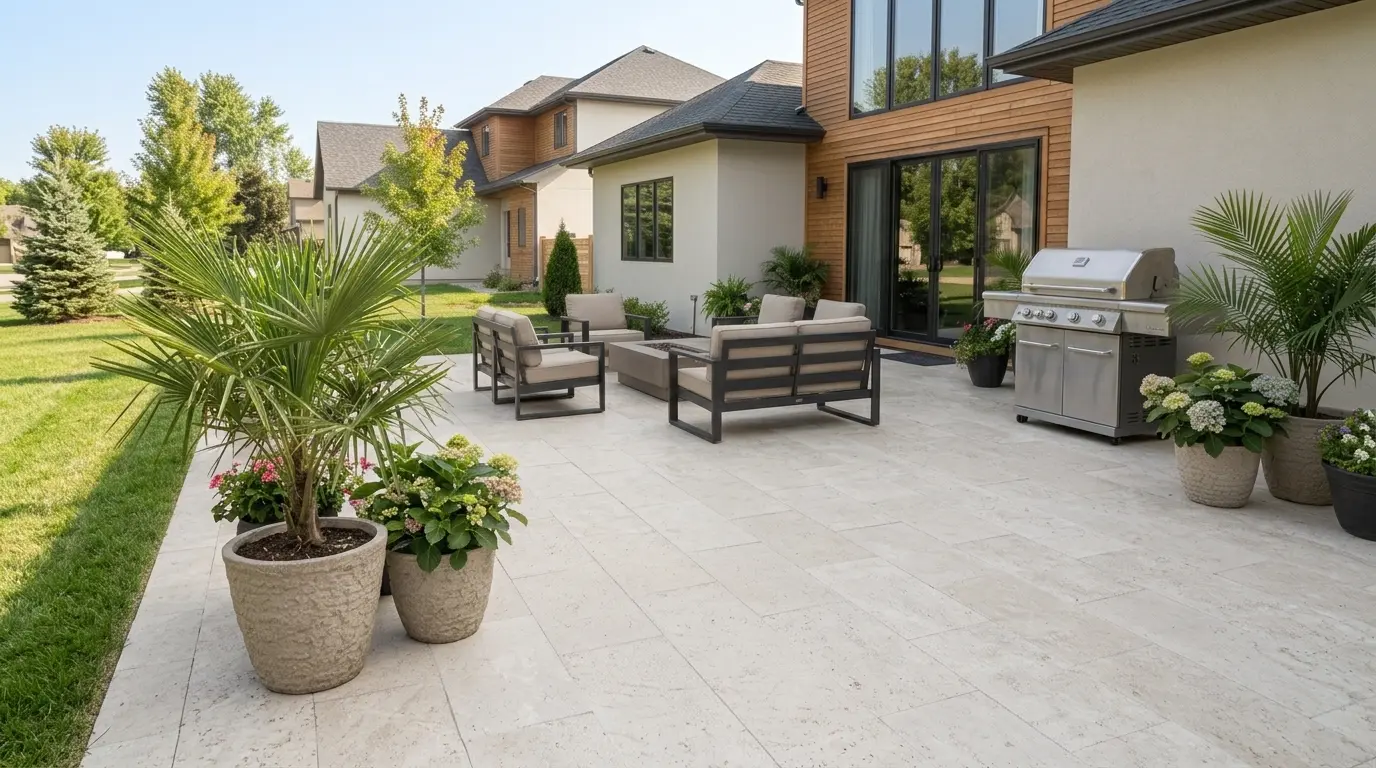
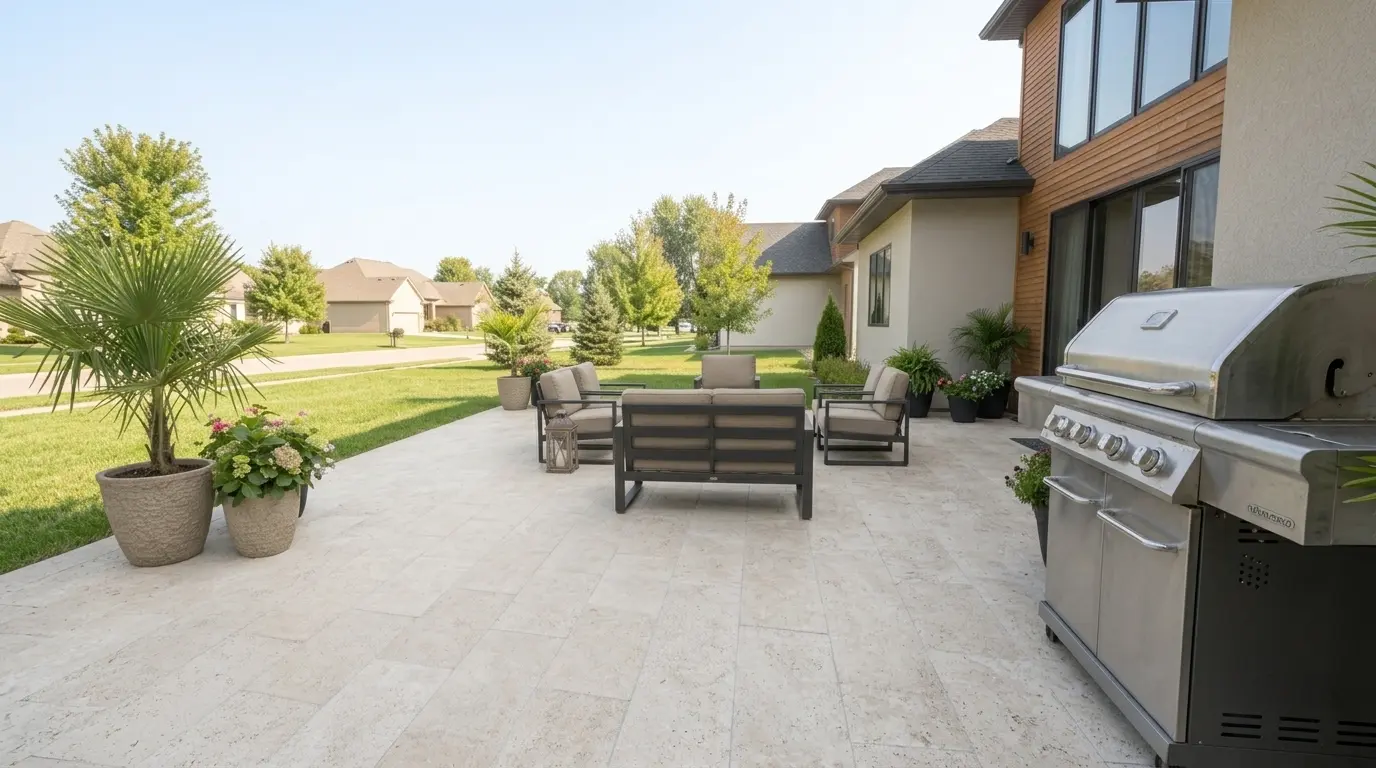
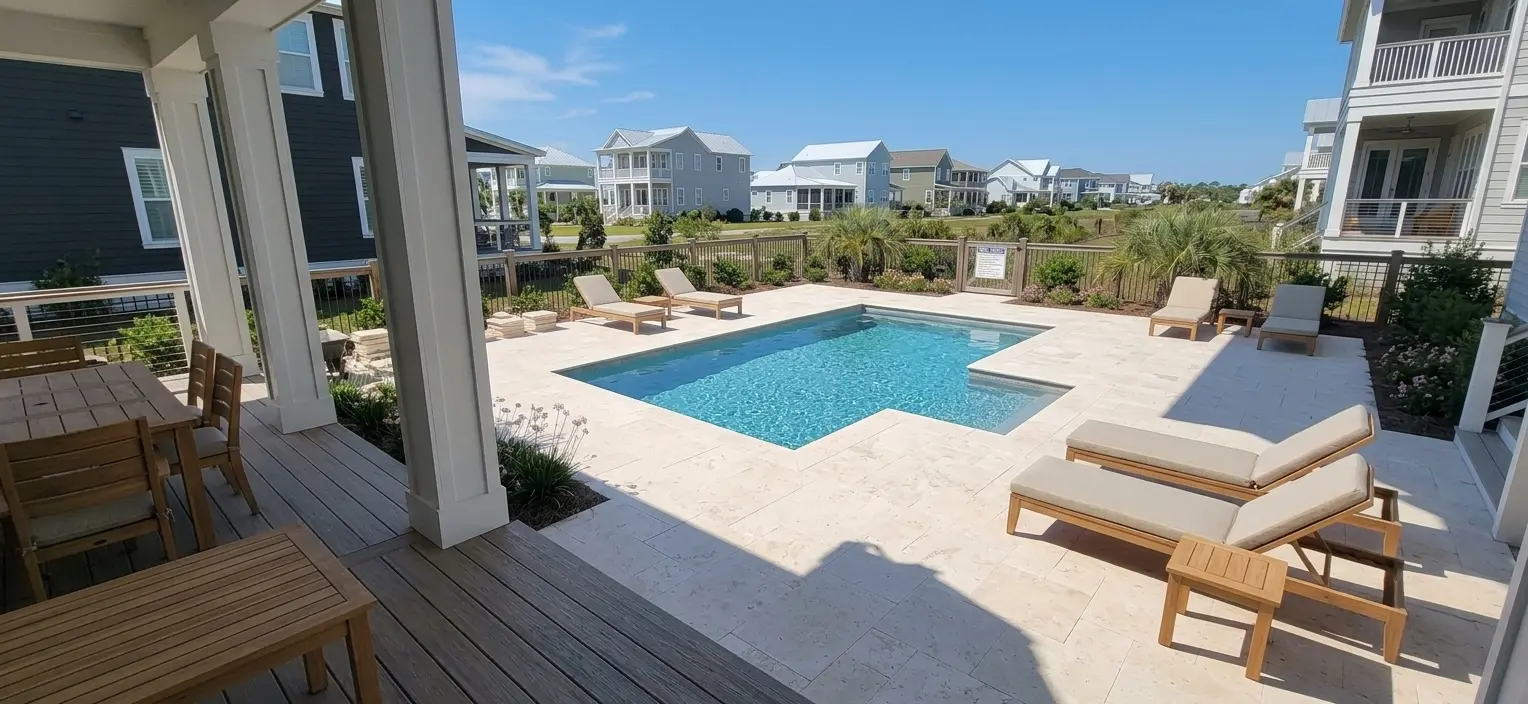
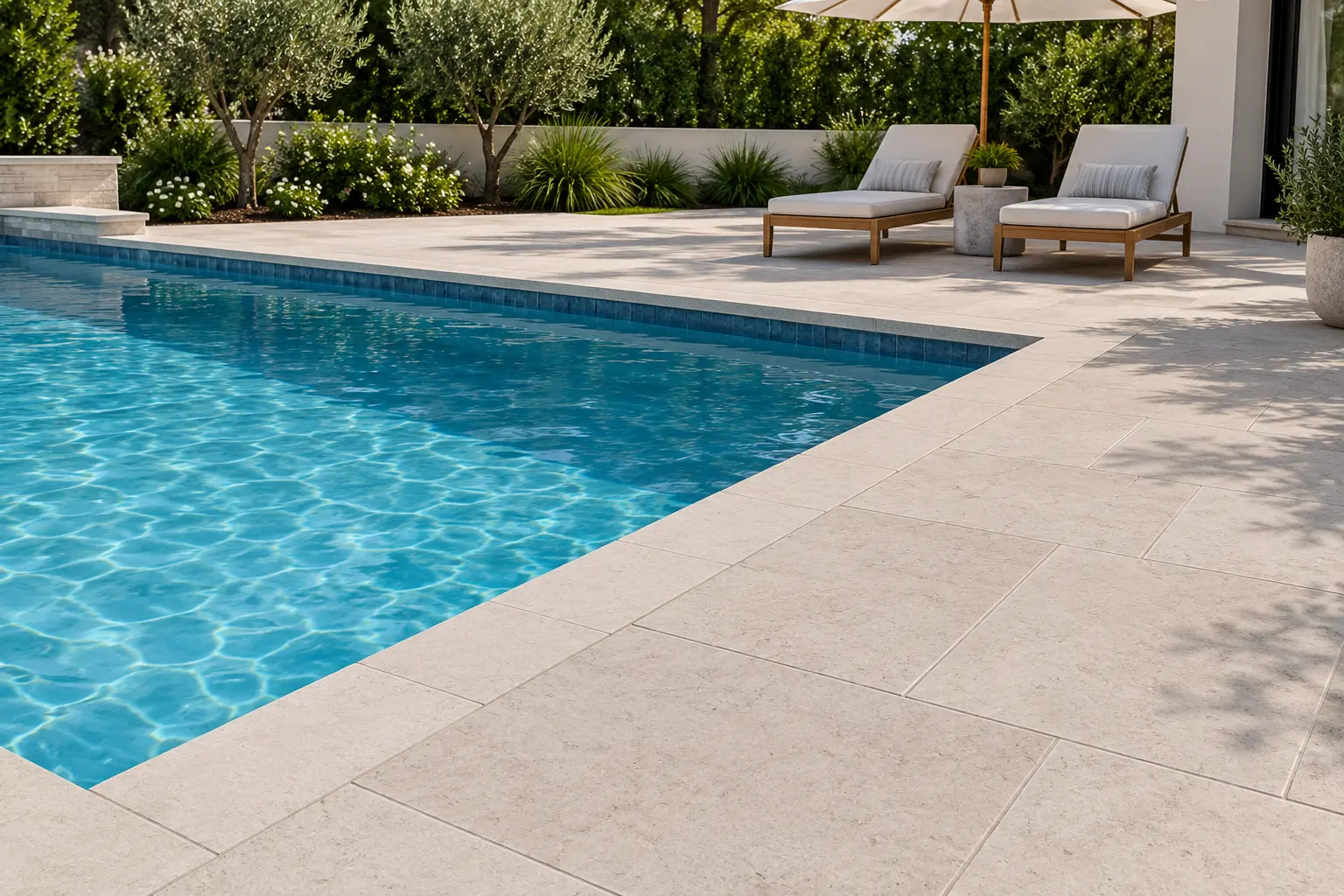
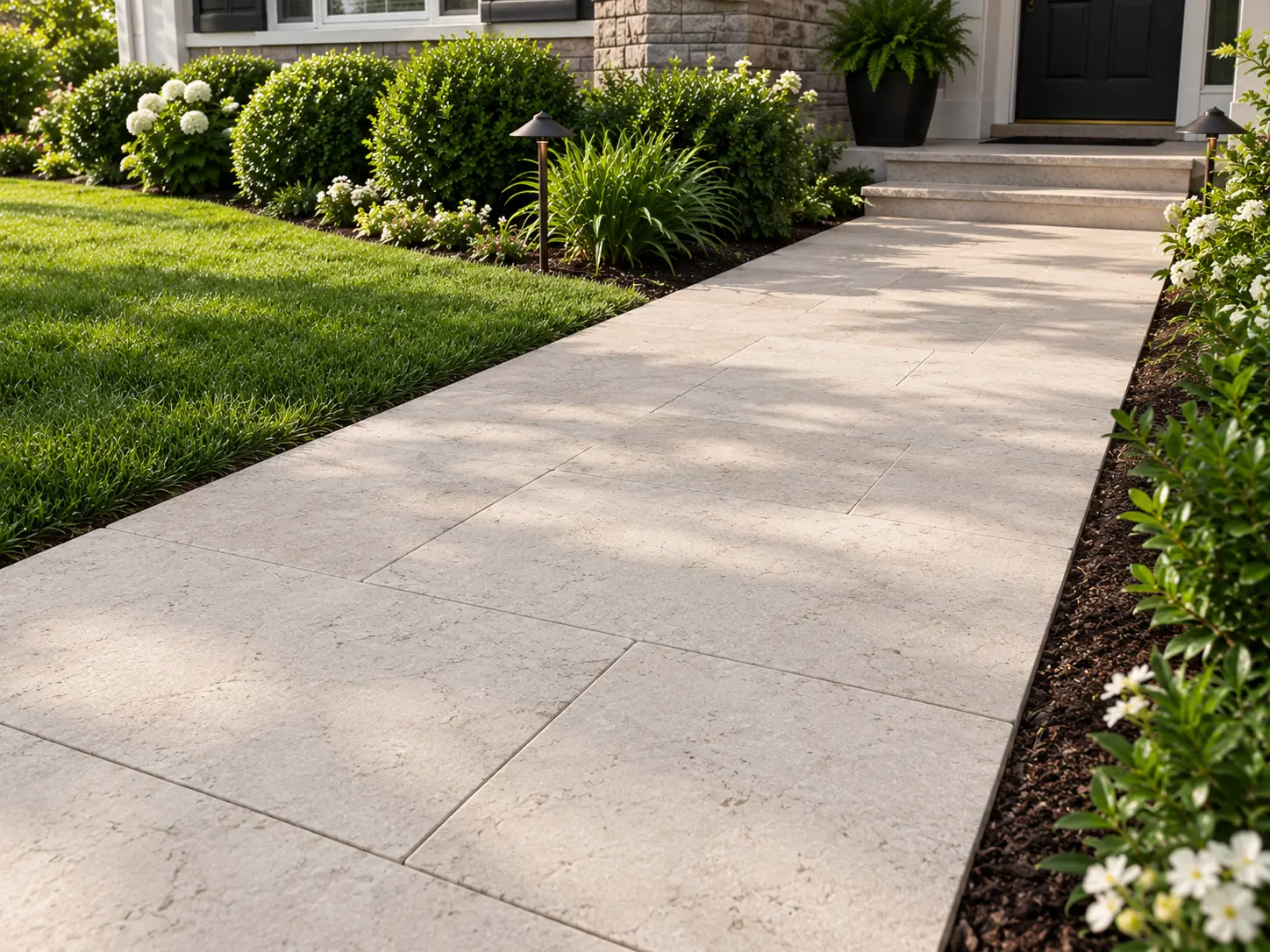
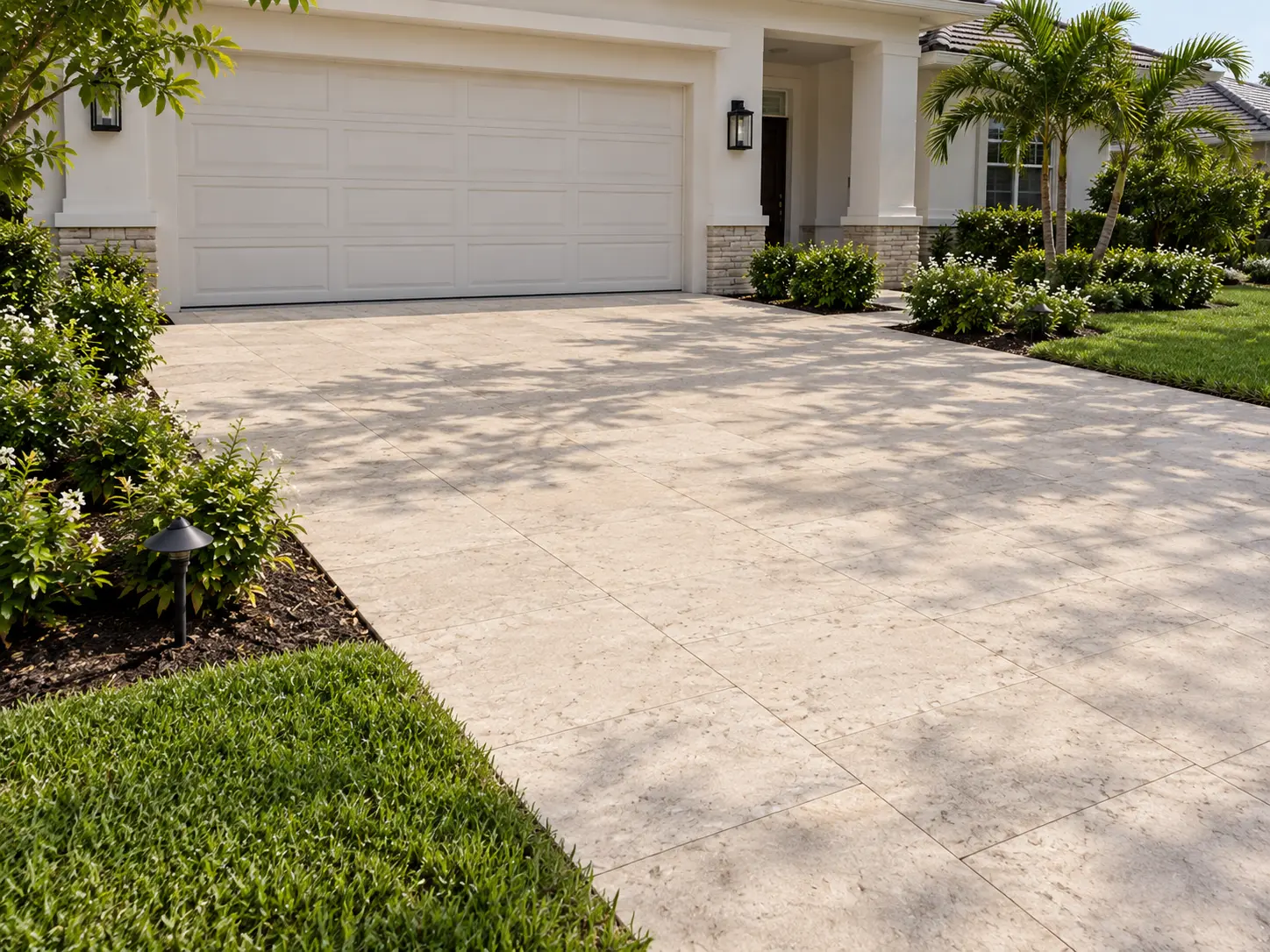
White patio slabs
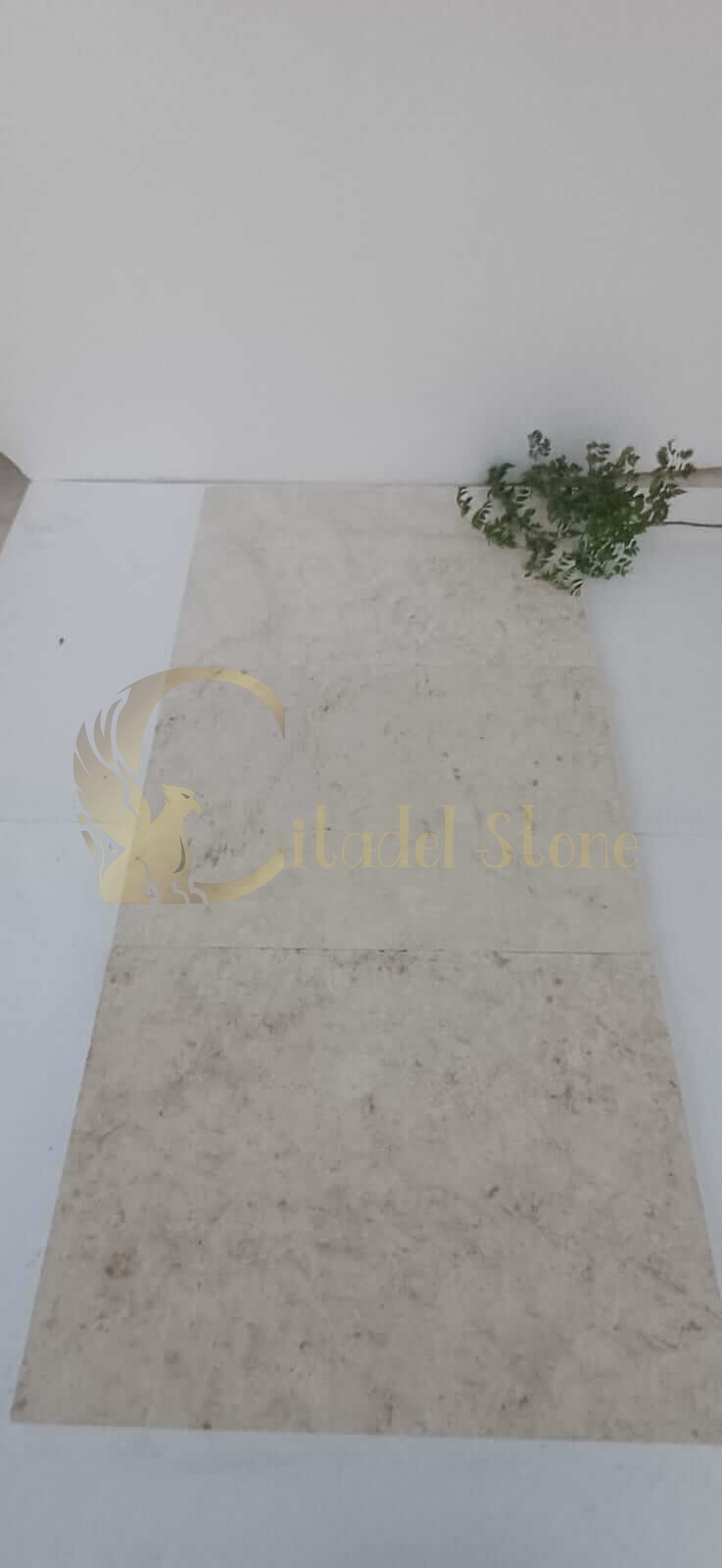
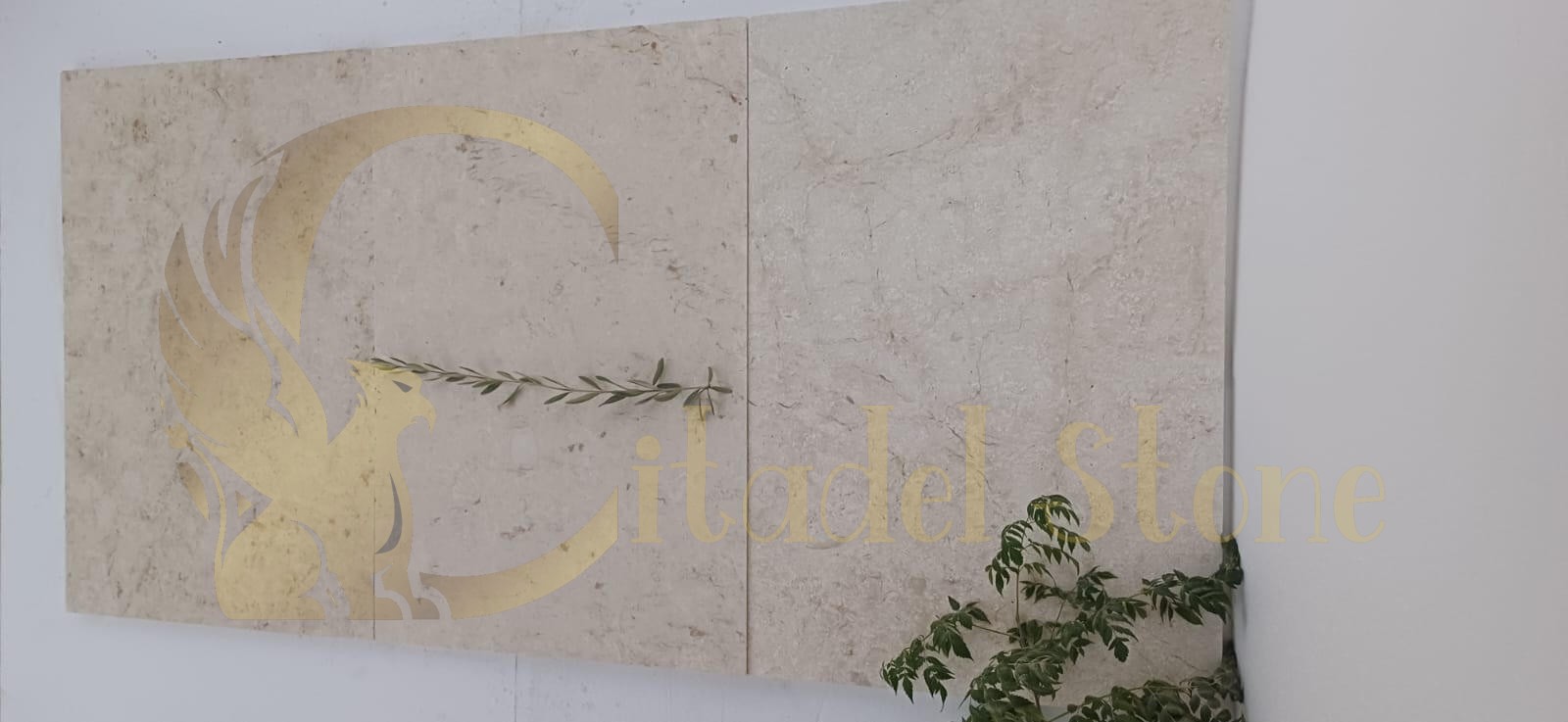
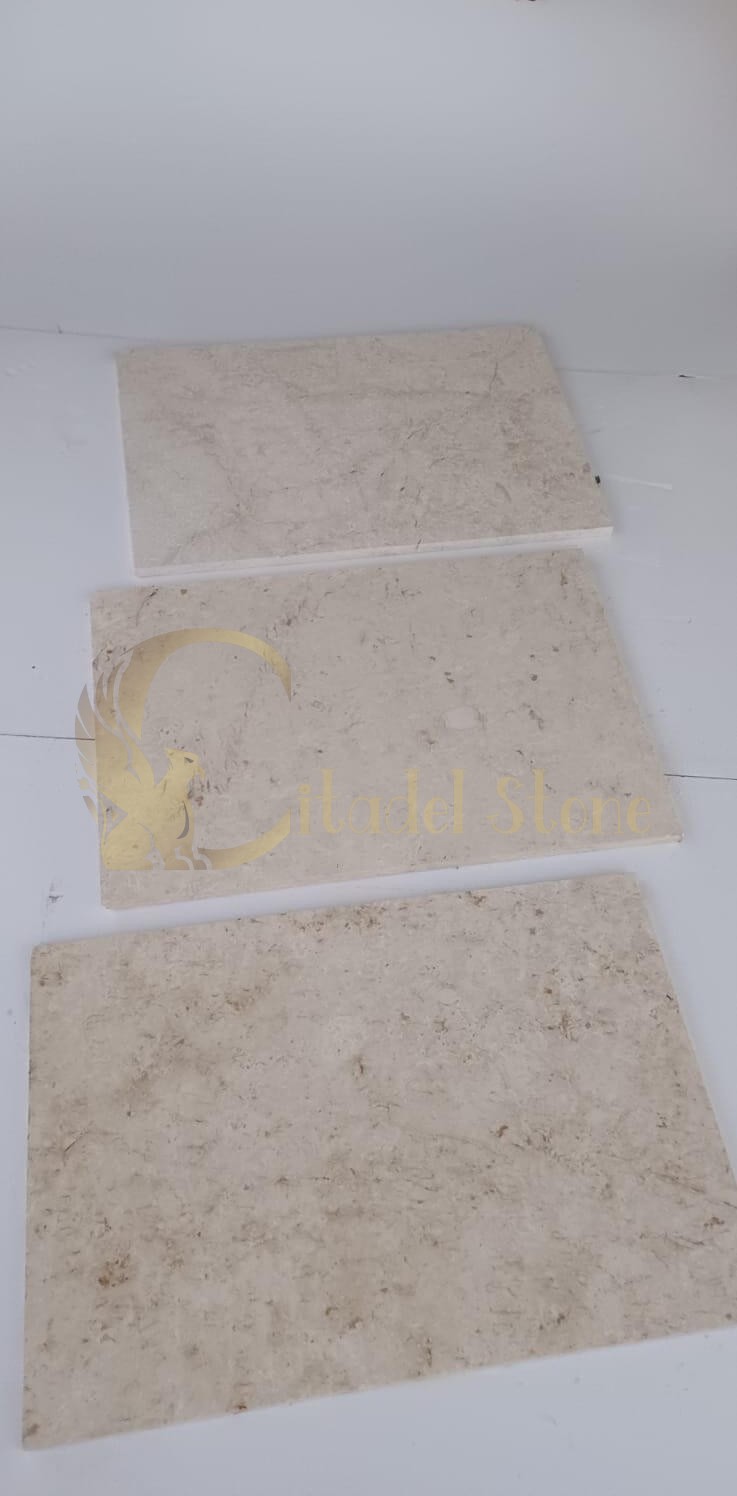
White limestone – Citadel Stone

Applications

The six application sections below address the architectural settings where this finish performs at its best. Each section reflects how the specific polished and filled preparation, the warm pale limestone tone, and the format of supply combine in real projects.

Interior Luxury Flooring

Luxury interior flooring is the application for which this finish was developed and where it performs at its absolute best. The combination of a continuous uninterrupted surface plane, a high-gloss reflective polish, and the warm pale tone of the underlying limestone produces a floor that communicates quality and considered design at first sight. Hotel lobbies, luxury residential entrance halls, formal living rooms, dining rooms, and grand corridors are the typical settings. The reflective polished surface amplifies natural and artificial light, making interior spaces feel larger, brighter, and more open. Commercial applications include premium retail showrooms, upscale restaurant interiors, corporate reception areas, and hospitality spaces where the entrance floor is part of the brand experience. Sealing on interior floors is straightforward: an initial sealer application at installation, with resealing every three to five years under normal use. Felt pads under all furniture legs are essential, and entrance matting at all doorways protects the surface from abrasive grit being tracked across the floor.

Bathroom Walls & Floors

The polished and filled finish is particularly well-suited to bathroom installations because the reduced surface porosity translates directly to better performance in a wet environment. Bathroom floors benefit from the smooth continuous surface — easier to clean, more forgiving of standing water than unfilled finishes, and a luxurious feel underfoot when paired with underfloor heating. Shower walls and walk-in shower floors use the same advantages, with the reflective polished surface giving the shower environment a spa-like luminous quality. Vanity surrounds and bathroom feature walls translate the finish into vertical specification. For wet-area applications, sealing is reapplied every two to three years rather than every three to five, and the test for sealing effectiveness is straightforward: water on the surface should bead and remain on the surface rather than darkening the stone as it absorbs. Acidic personal care products and cleaning products should be avoided — citrus-based cleaners and abrasive scouring agents will damage the polished finish over time.

Kitchen Surfaces & Backsplashes

Kitchen surfaces — countertops, splashbacks, and feature walls — use this finish where a refined polished appearance is part of the kitchen’s design language. The reduced porosity of the filled surface is a meaningful advantage in a kitchen environment, where incidental contact with cooking oils, wine, fruit juice, vinegar, and citrus is routine. With sealing properly maintained, this finish handles a working kitchen well. However, two practical cautions are worth stating directly: limestone, even when polished and filled, is significantly more sensitive to acid etching than granite or porcelain, so acidic spills must be wiped immediately rather than left to sit on the surface. And while the filled finish reduces porosity, it does not eliminate it — sealing remains essential and the wet-area resealing schedule (every two to three years) applies. For kitchen environments where acid resistance is a primary concern, Citadel basalt is a more acid-resistant alternative that should be considered as part of the specification conversation.

Hospitality, Retail & Commercial Interiors

Hospitality, retail, and commercial interior applications use this finish where the floor or wall surface is part of the visitor experience. Hotel lobbies, luxury retail showrooms, restaurant interiors, corporate reception areas, museum and gallery floors, and upscale office environments all specify polished and filled stone for the same reason: the surface communicates investment, craftsmanship, and considered design without ostentation. The light-reflective polished surface is particularly effective in spaces with limited natural light, where artificial lighting bounces off the floor to amplify the perceived spatial volume. For commercial settings, the maintenance protocol moves closer to the wet-area schedule — resealing every two to three years rather than every three to five, with daily care managed by trained cleaning staff using pH-neutral natural stone cleaning products. Heavy commercial traffic over many years may eventually warrant professional re-polishing, which is a routine service available from stone restoration specialists and restores the original finish.

Interior Feature Walls & Statement Surfaces

The polished and filled finish translates exceptionally well from horizontal flooring to vertical wall installations, where the smooth continuous surface and the light-reflective polish take on a different visual character. Light reflects across a vertical polished surface in subtle shifting patterns that draw the eye to the wall as an architectural feature. Living room feature walls, hotel reception walls, fireplace surrounds, and atrium walls all use this finish to create statement surfaces. Bathroom feature walls — particularly behind freestanding baths or in walk-in shower environments — pair the visual refinement of the polish with the practical performance of the filled, reduced-porosity surface. Wall installations require the same sealing protocol as floors and the vertical orientation does not exempt the surface from the porosity considerations that govern all limestone installations, but the lower exposure to spills and standing water means the schedule is generally the less-frequent interior schedule rather than the wet-area schedule.

Sheltered Exterior Applications

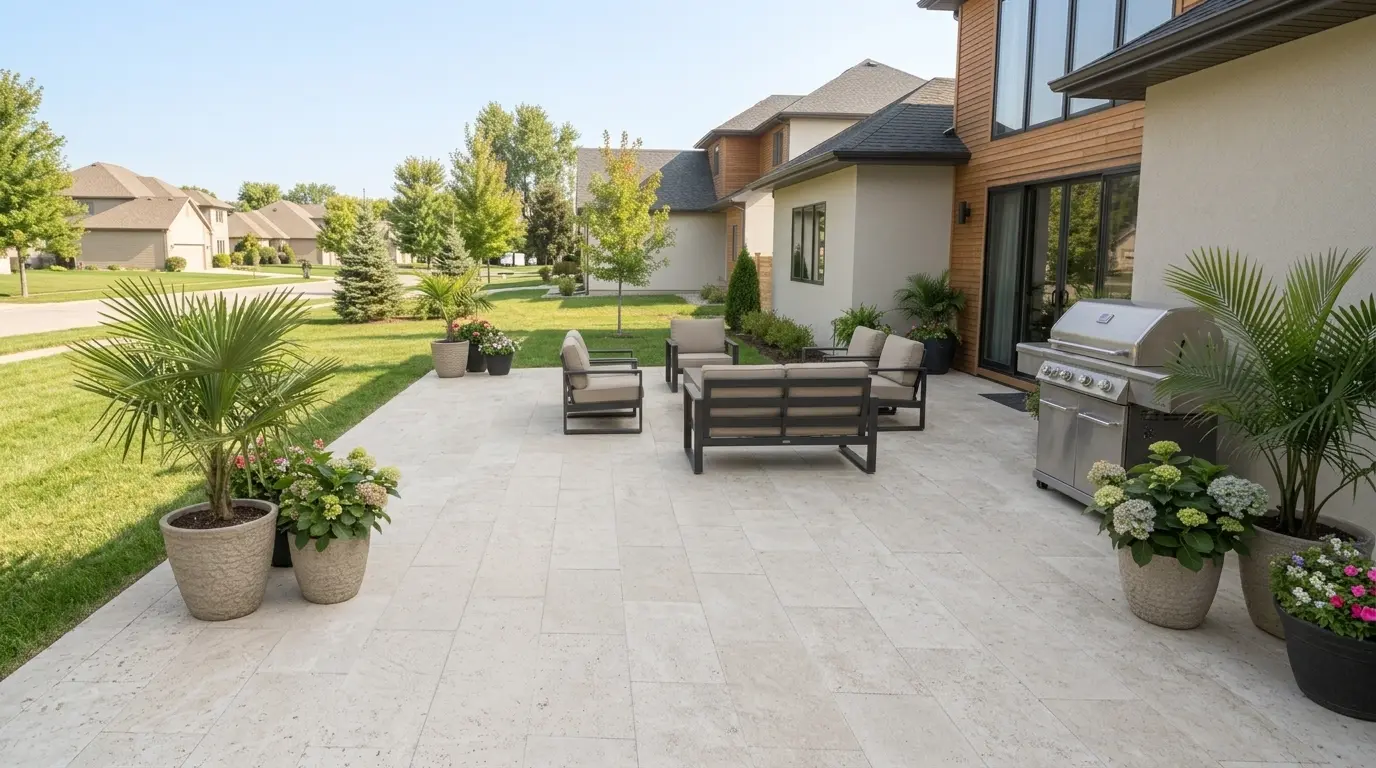
Sheltered exterior applications — covered terraces, porticos, atriums with partial weather protection, loggias, and similar protected outdoor settings — extend this finish to the indoor-outdoor transition spaces that define contemporary architectural design. Used here, the same finish that flows through the interior continues into the protected exterior, creating a single visual material across the threshold. The technical specification for sheltered exterior installations is more demanding than interior work: sealing must be applied immediately at installation, reapplied annually, and inspected periodically for degradation. Drainage falls must be designed to move water away from the surface rather than letting it pool. For fully exposed exterior installations — patios with no overhead protection, exposed pool surrounds, exposed garden paths — a less-refined finish in the same stone (honed, bush-hammered, or natural) is the more appropriate specification, and Citadel Stone will recommend the alternative finish during specification rather than supply this finish for an installation it is not best suited to.

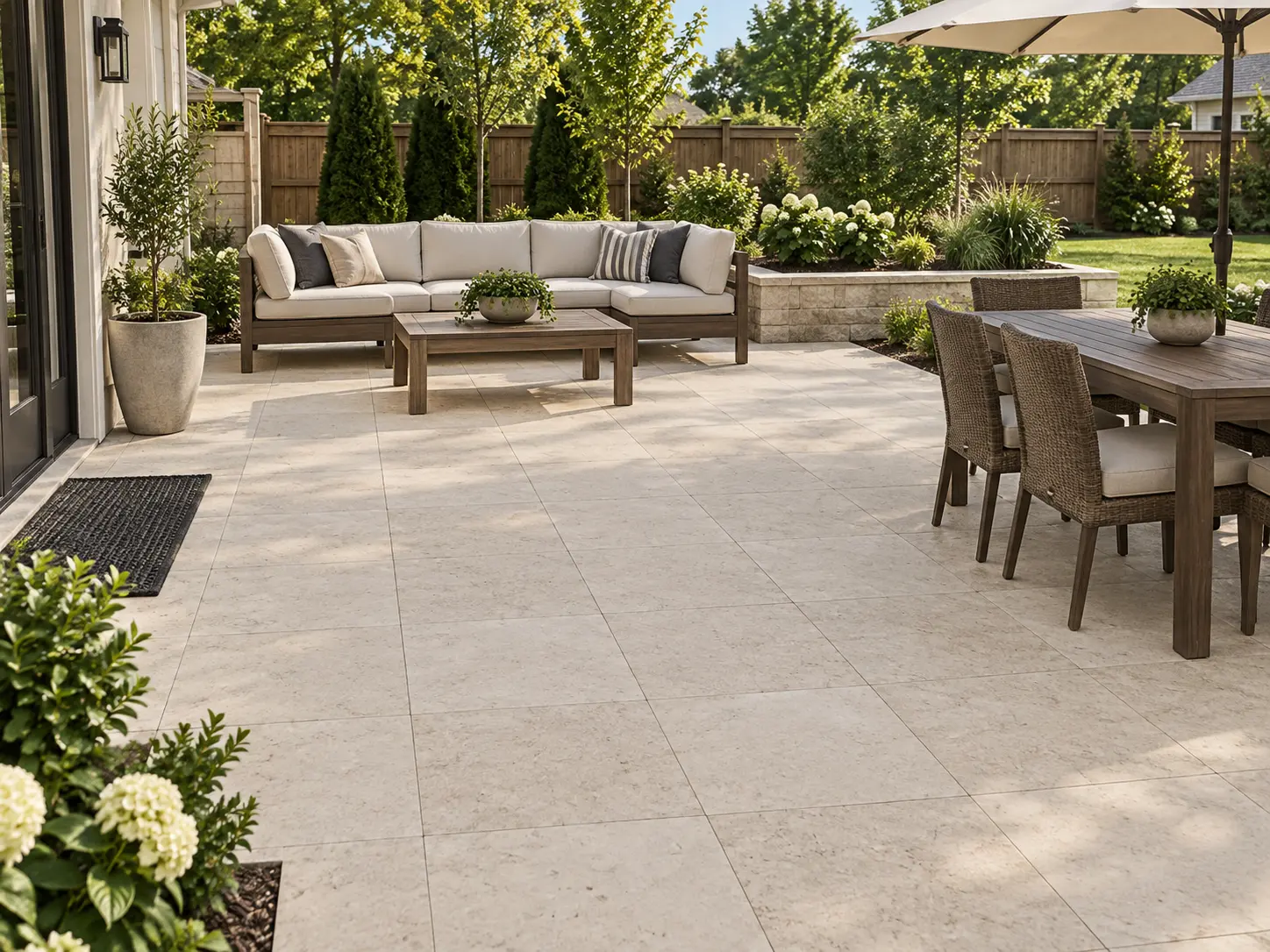
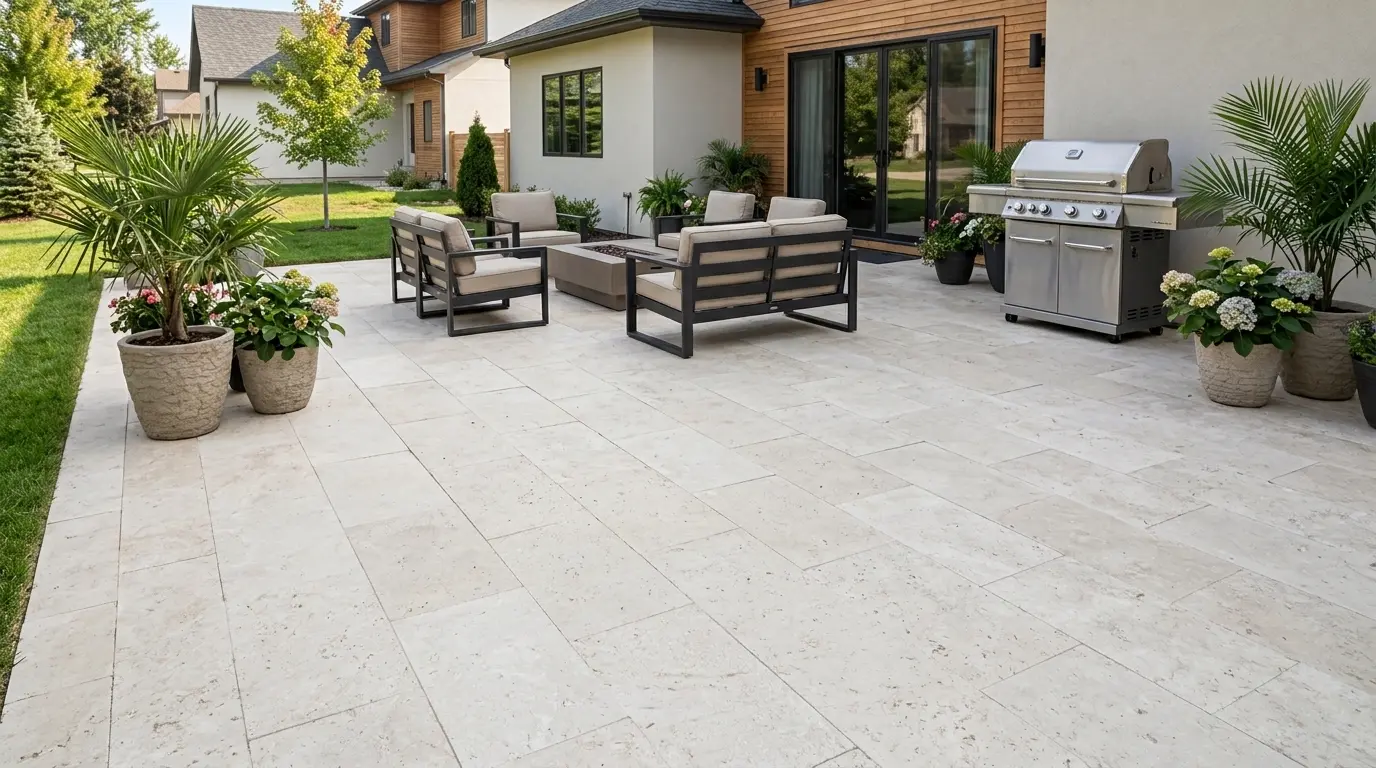
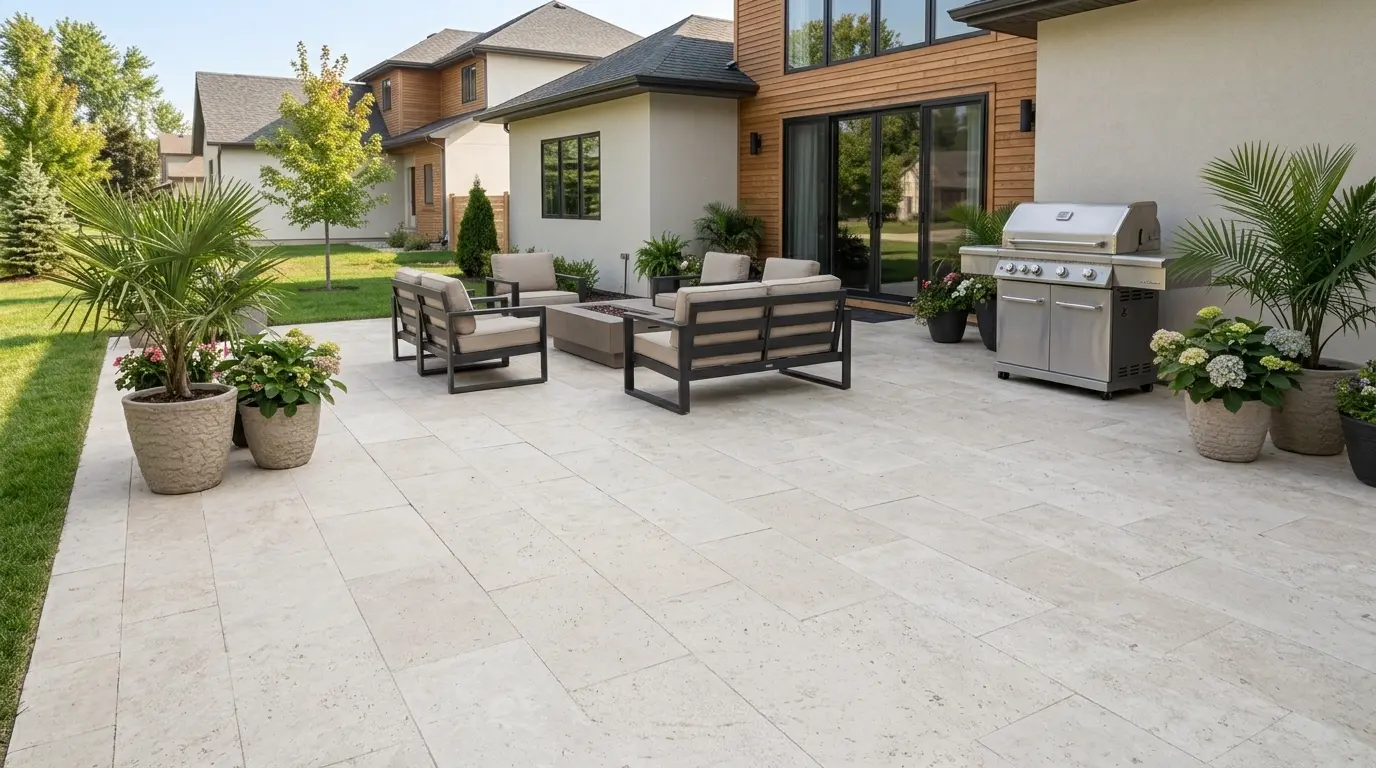
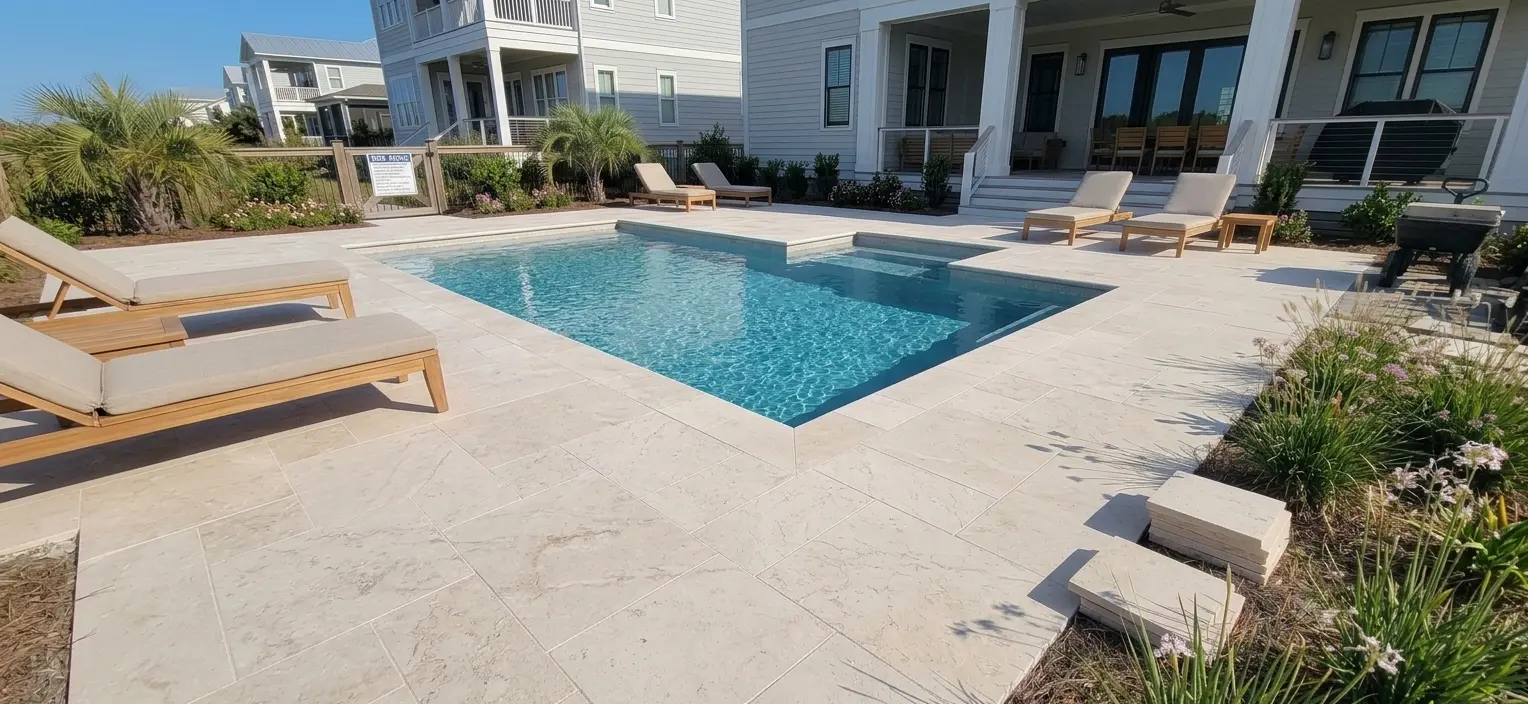
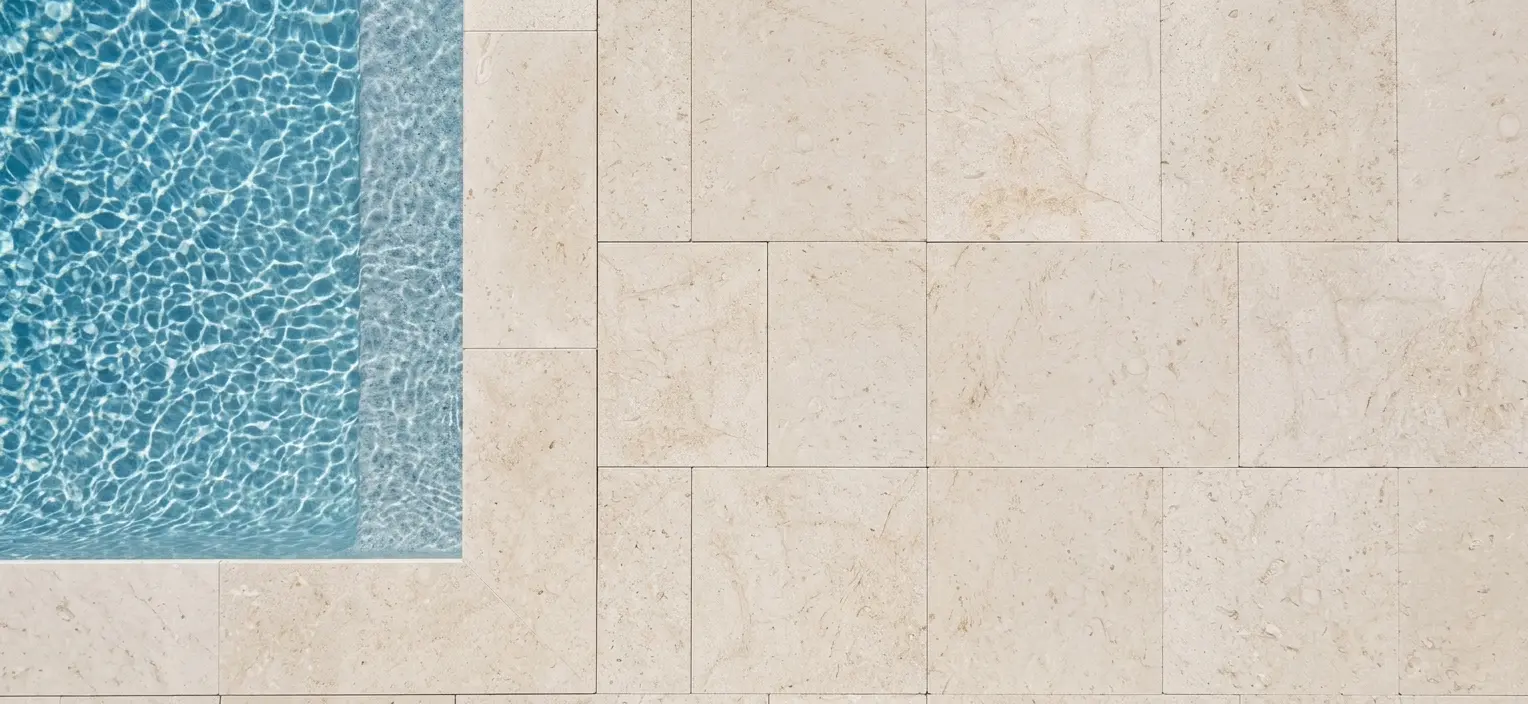
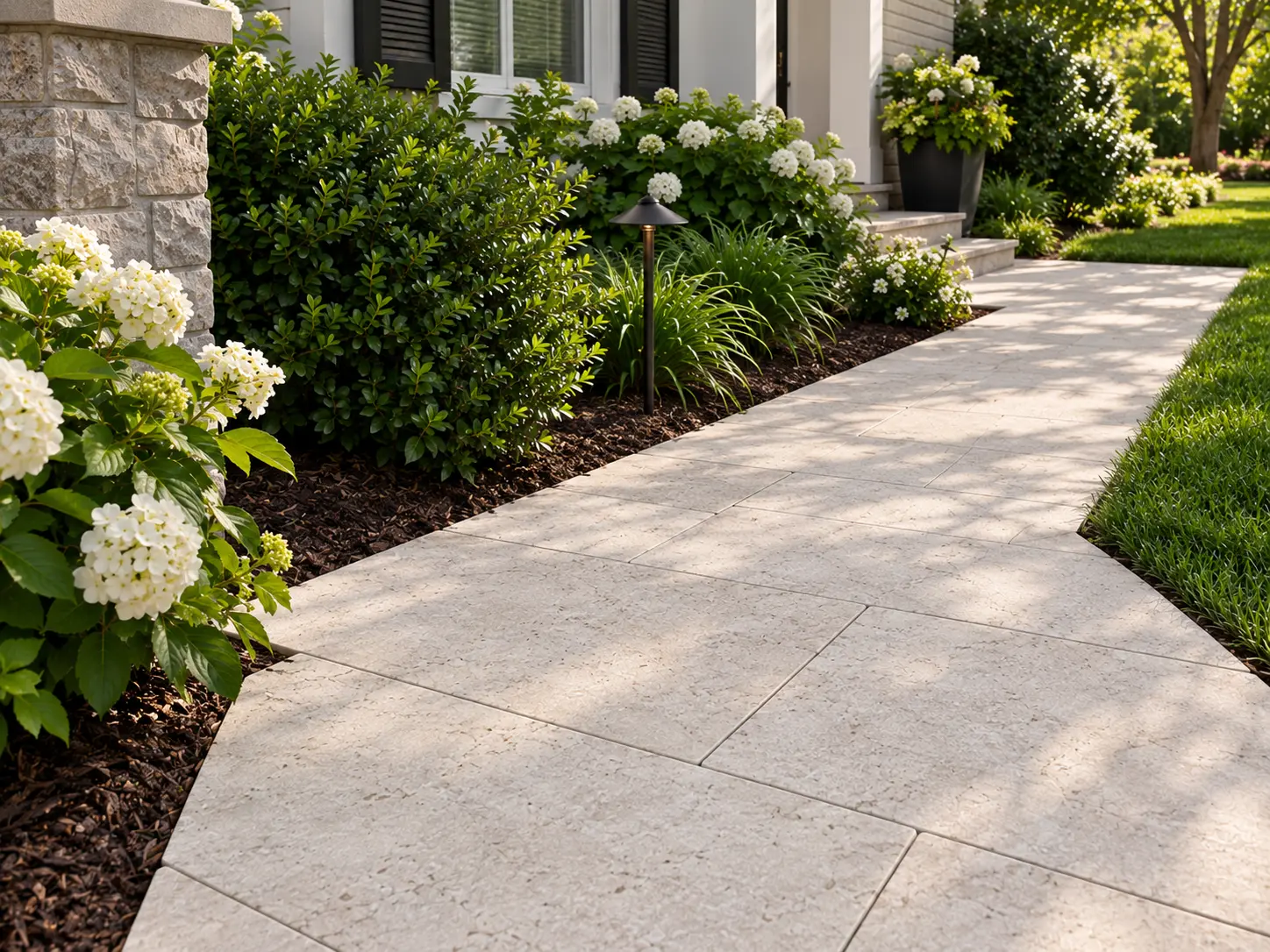
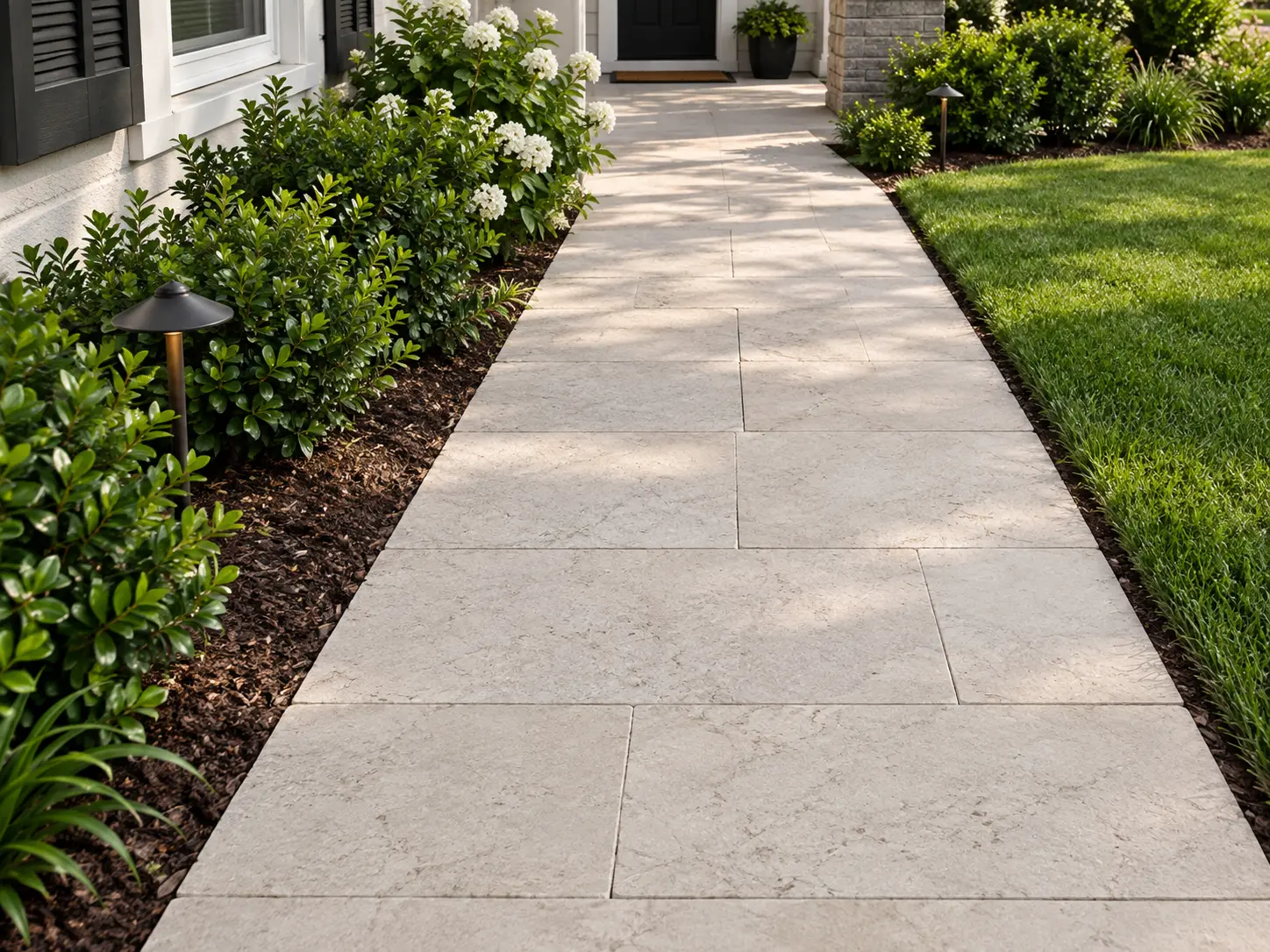
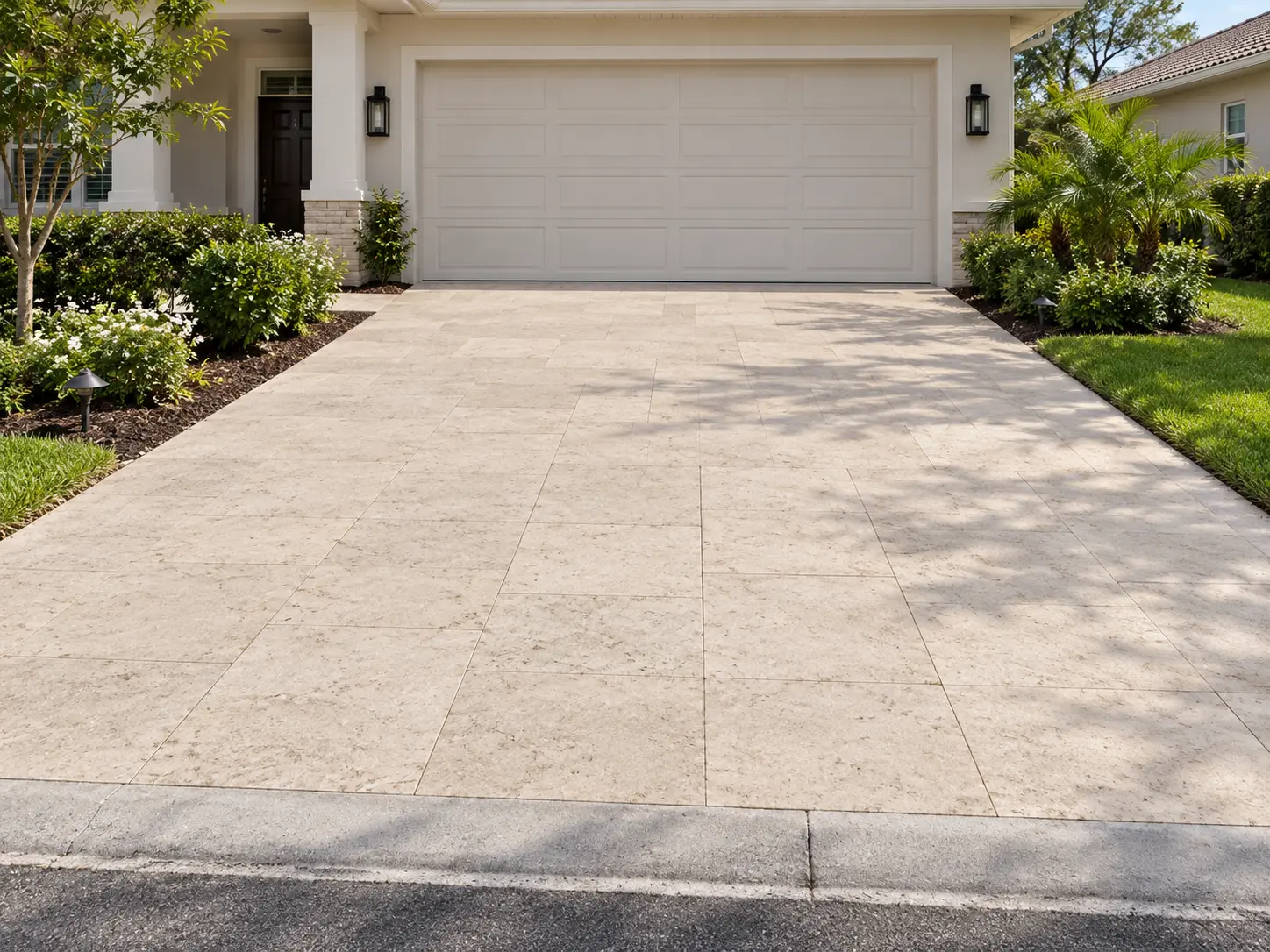
White paving slabs
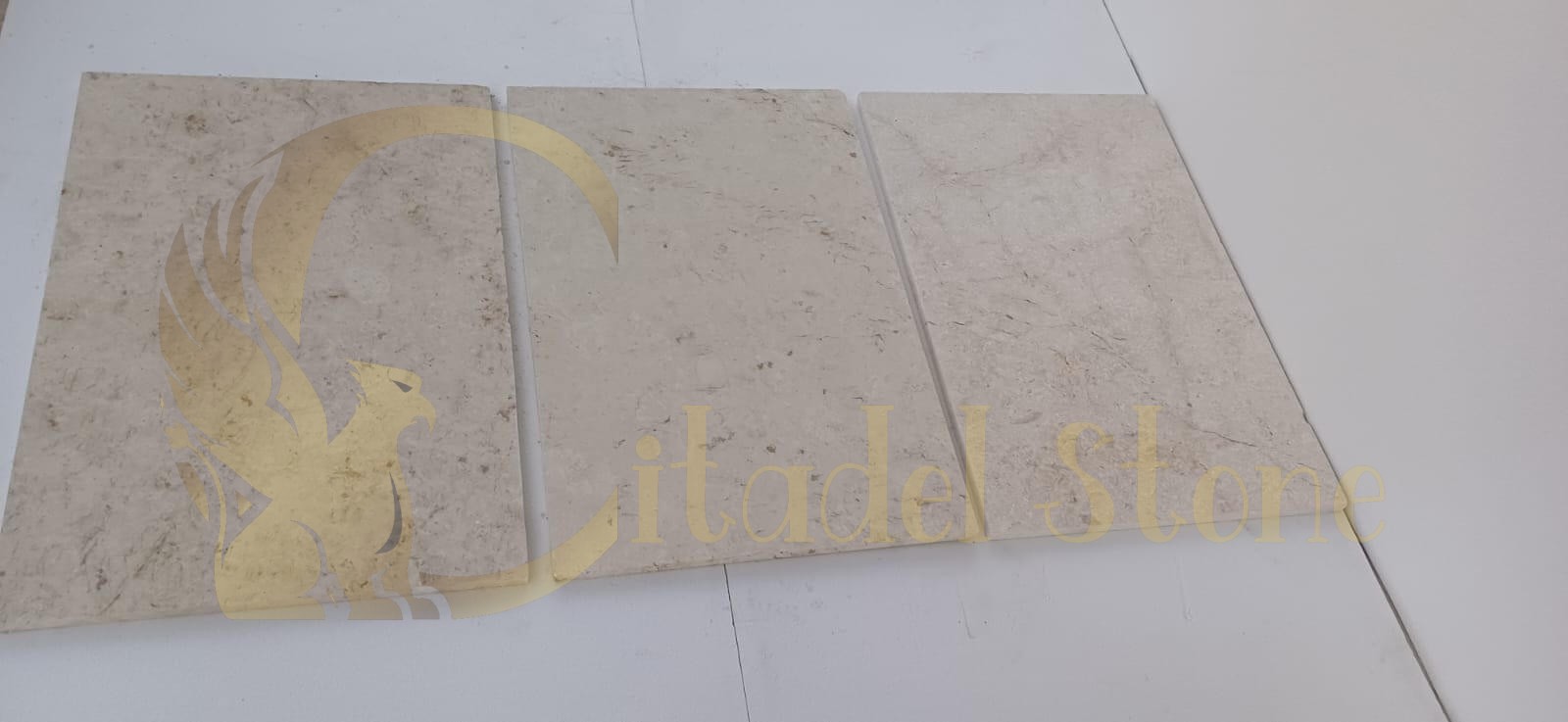
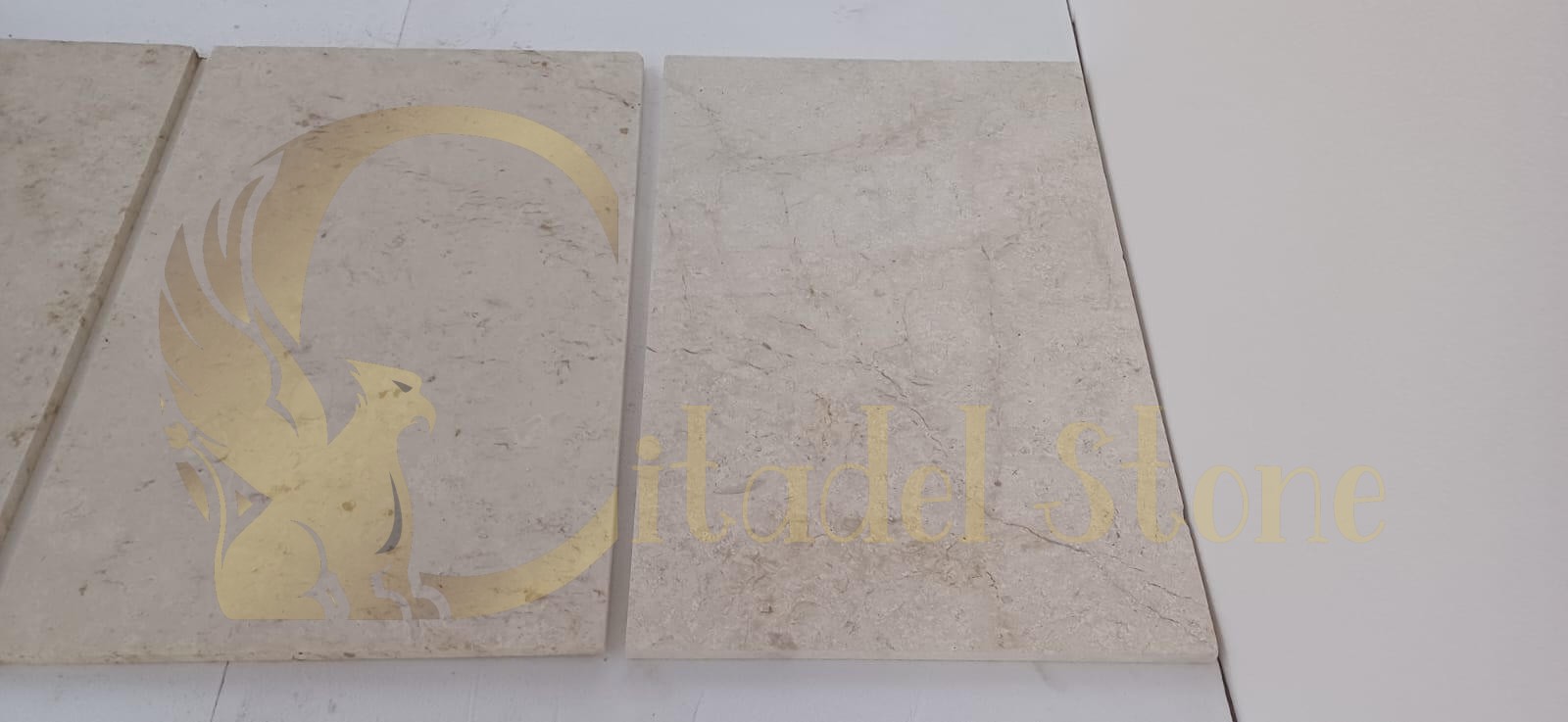
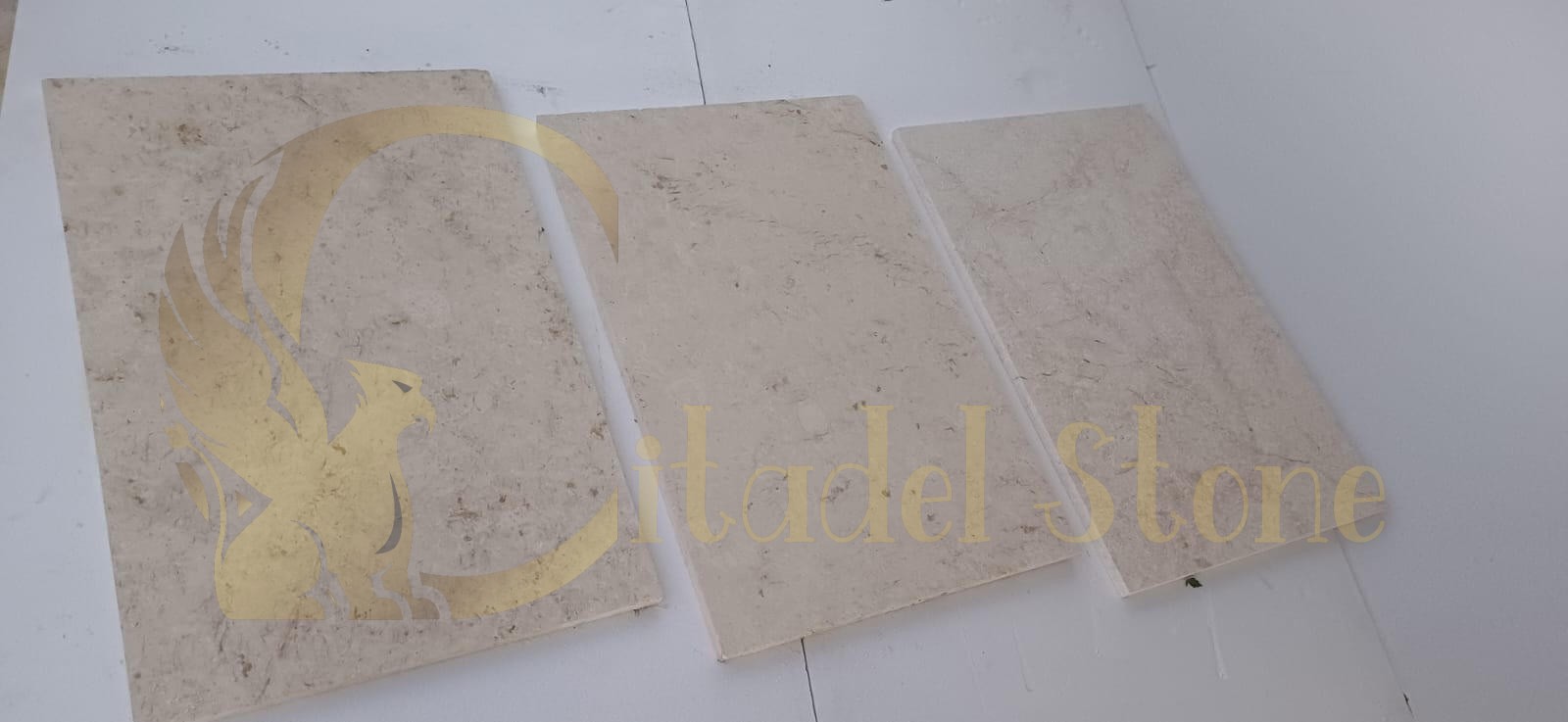
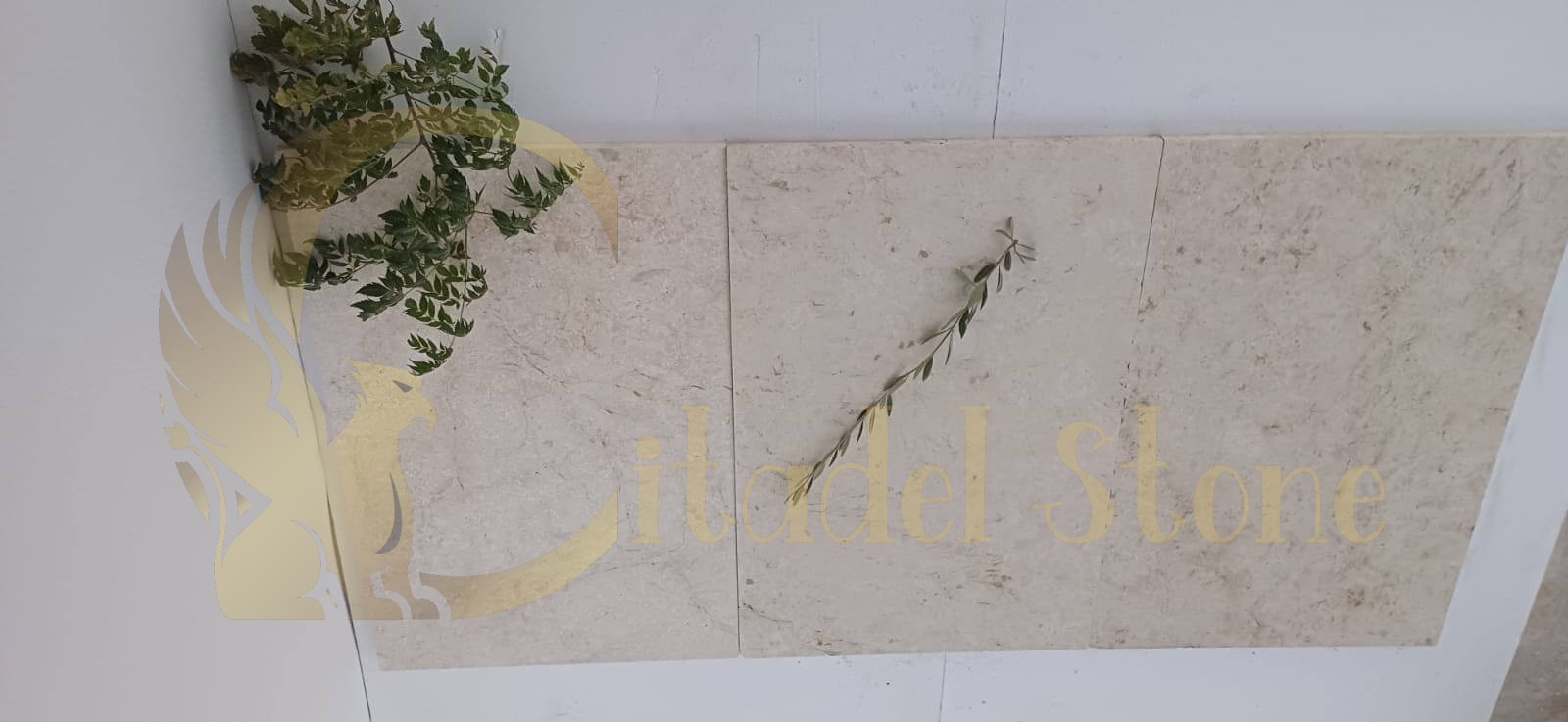
Three white limestone – Citadel Stone

Technical Properties

Property Value Notes
Stone Classification Bioclastic Limestone Sedimentary rock prepared with void-filling and polishing treatments.
Origin Middle East Hand-quarried from Citadel Stone’s exclusive Middle Eastern limestone deposits.
Surface Treatment Polished & Filled Two-stage finish: colour-matched resin fill followed by multi-stage polish.
Surface Character Mirror-Bright, Continuous Light-reflective polished surface free of natural void interruption.
Density 2.30 – 2.55 g/cm³ Standard density range for premium bioclastic limestone.
Water Absorption (Filled) 1.0 – 2.0 % Reduced from unfilled equivalent by the filling treatment; sealing still essential.
Compressive Strength 30 – 55 N/mm² Suitable for interior floors, wall cladding, and light exterior use in sheltered settings.
Flexural Strength 6.0 – 9.0 N/mm² Adequate for standard installations with proper substrate and flexible adhesive.
Mohs Hardness 3 – 4 Standard limestone hardness; avoid abrasive contact and dragging heavy items.
Slip Resistance (Dry) Moderate Suitable for dry interior areas; specify alternative finishes for wet floor zones.
Slip Resistance (Wet) Low Not appropriate for pool decks, exposed exterior steps, or wet outdoor walking surfaces.
Sealing Requirement Essential Initial application at installation; resealing every 3–5 years interior, 2–3 years wet areas, annually exterior.
Thermal Conductivity Good Compatible with underfloor heating systems; distributes warmth evenly.
Acid Sensitivity High Avoid all acidic cleaners and address acidic spills immediately.
Restorability Excellent Polished and filled finish can be professionally re-honed, re-filled, and re-polished.
Optimum Climate Mild to Warm Cold-climate exterior applications require rigorous sealing; basalt recommended for severe conditions.

Sizes and Thicknesses

This finish is available across a full range of standard formats and in custom dimensions for bespoke architectural specifications. Thickness selection follows the standard interior/exterior pattern: thinner formats for wall cladding and light-duty interior floors, heavier formats for high-traffic commercial floors and sheltered exterior work.

Thickness Imperial Recommended Application
10 mm (1.0 cm) 3/8 in Interior wall cladding, lightweight feature walls, splashbacks.
15 mm (1.5 cm) 5/8 in Light-duty interior floors, residential wall applications, bathroom walls.
20 mm (2.0 cm) 3/4 in Standard interior flooring — the most widely specified thickness for this finish.
25 mm (2.5 cm) 1 in Commercial interior flooring, hospitality and retail installations.
30 mm (3.0 cm) 1-3/16 in Covered terraces, sheltered patios, transitional indoor-outdoor floors.
Custom On request Bespoke specification for commercial and architectural projects.
Format Dimensions Best Suited For
Square Small 30 × 30 cm (12 × 12 in) Bathrooms, feature walls, borders.
Square Medium 40 × 40 cm (16 × 16 in) Kitchens, hallways, utility spaces.
Rectangle Standard 30 × 60 cm (12 × 24 in) Living rooms, corridors, hotel guest rooms.
Square Large 60 × 60 cm (24 × 24 in) Open-plan interiors, hotel lobbies, commercial floors.
Rectangle Large 60 × 90 cm (24 × 36 in) Grand entrances, statement floors, large terraces.
Plank Format 60 × 120 cm (24 × 48 in) Minimalist interiors, seamless large-format installations.
Custom Any dimension All bespoke architectural projects.

Performance Comparison

The comparison below positions White Limestone Polished & Filled against the four materials most often considered as alternatives in luxury interior specification: marble, porcelain, granite, and travertine. The comparison is honest and reflects real-world performance and aesthetic outcomes.

Property This Finish Marble Porcelain Granite Travertine
Natural Material Yes Yes No (manufactured) Yes Yes
Surface Continuity Filled — Continuous Continuous Continuous Continuous Often Filled
Mohs Hardness 3 – 4 3 – 4 7 – 8 6 – 7 3 – 4
Water Absorption 1.0 – 2.0% 0.1 – 1.0% <0.5% 0.1 – 0.5% 1.5 – 3.0%
Acid Sensitivity High High None Low High
Sealing Required Essential Yes No Recommended Essential
Visual Warmth Warm Cream Cool/Variable Synthetic Cool/Variable Warm Beige
Polish Restorability Excellent Excellent None Good Good
Cold Climate (Exterior) Conditional Conditional Excellent Excellent Conditional
Visual Refinement Very High Very High Engineered High High

The polished and filled limestone occupies a distinctive position: it offers the warm soft character of a sedimentary stone with the refined surface continuity normally associated with marble, at a more accessible price than premium marble varieties. Compared to porcelain, it offers authentic natural material with restorability over the life of the floor; compared to granite, it offers warmer tone and softer character with the trade-off of higher acid sensitivity. Compared to unfilled travertine, the filling treatment produces a more uniformly refined finish suited to luxury interior work.

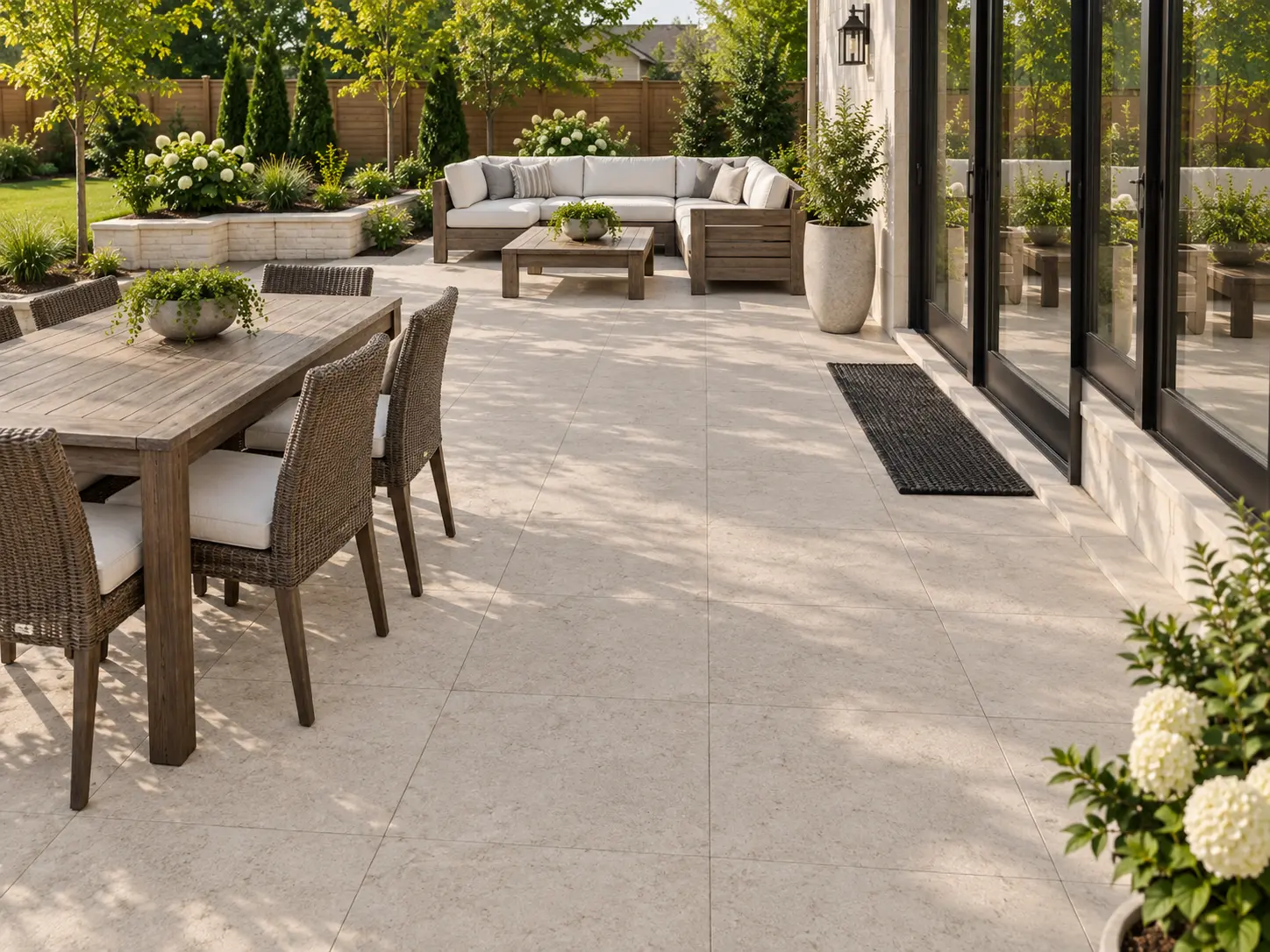
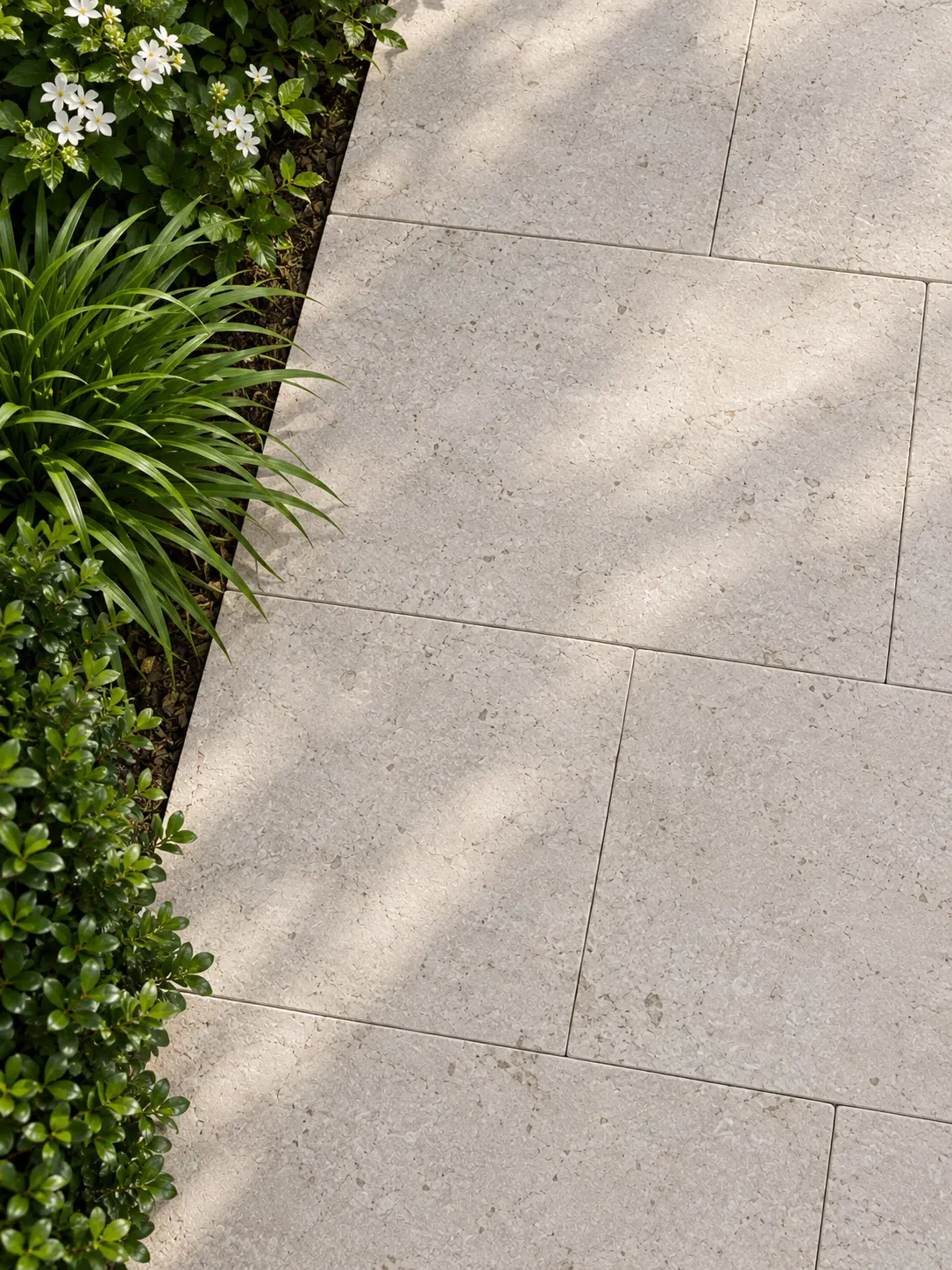
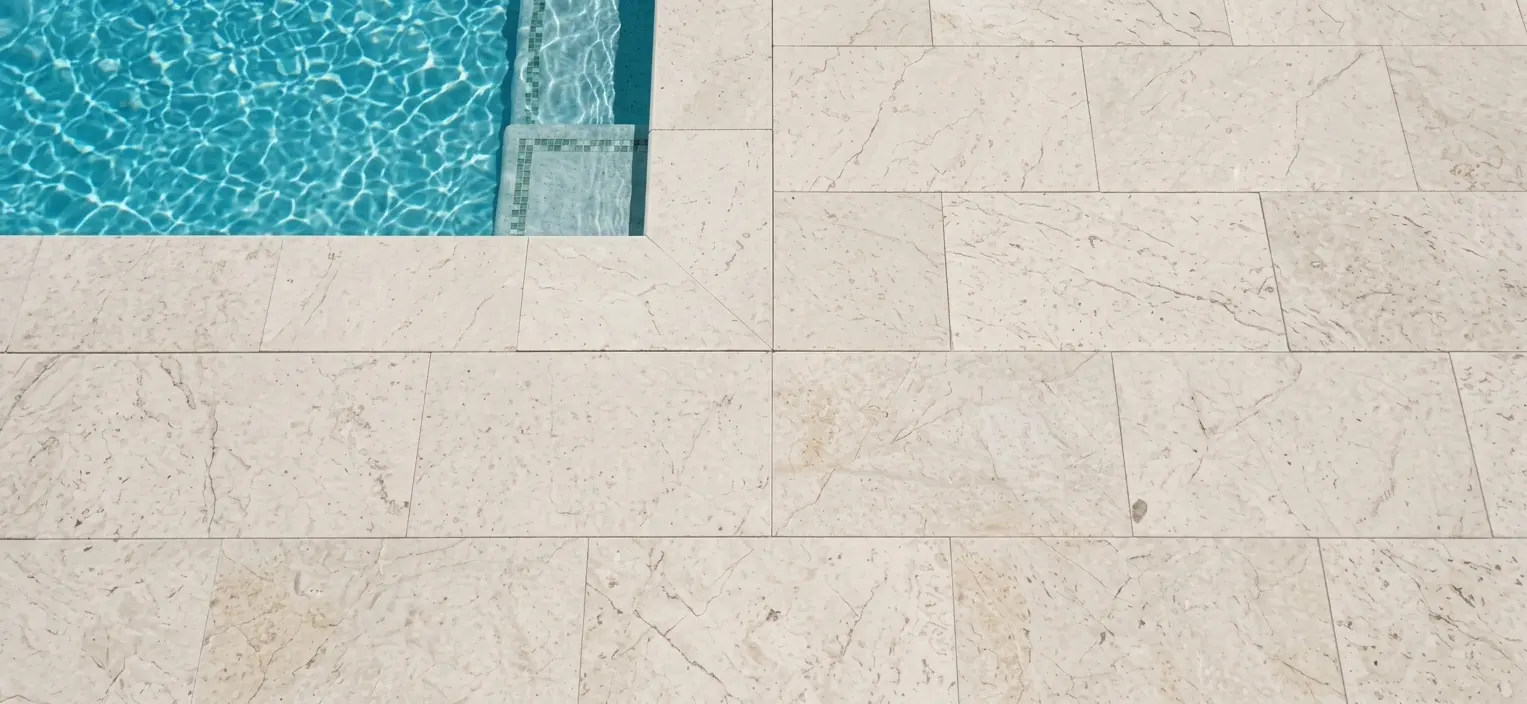
White limestone floor tiles
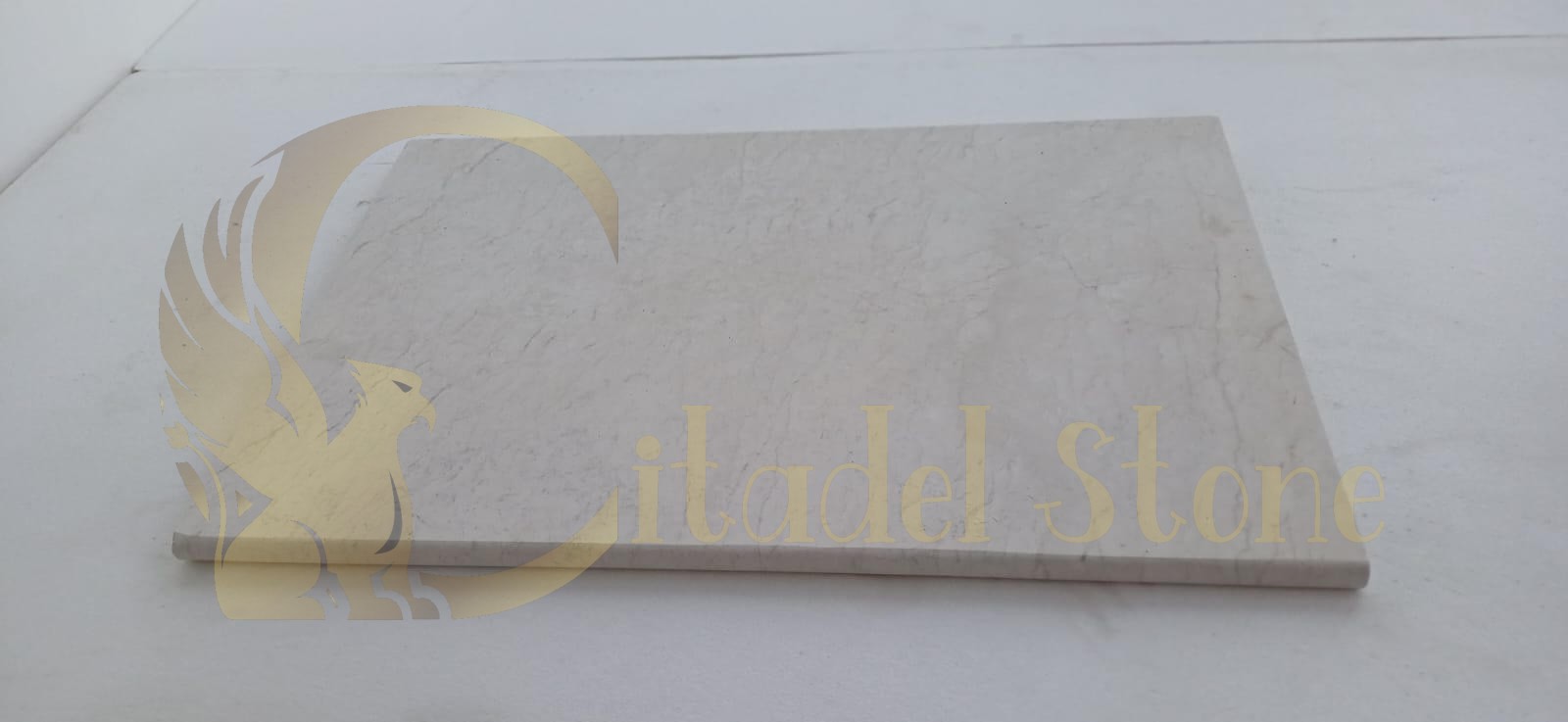
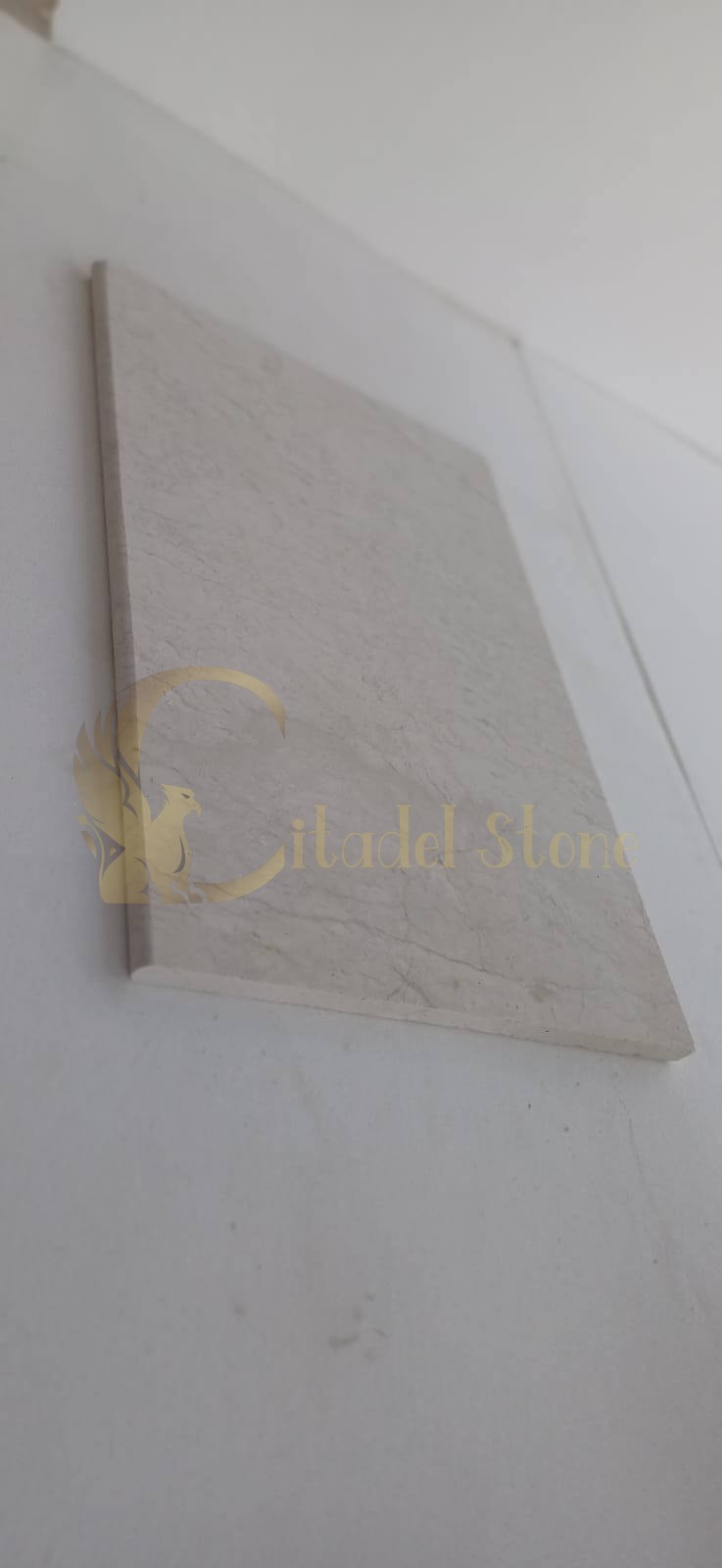
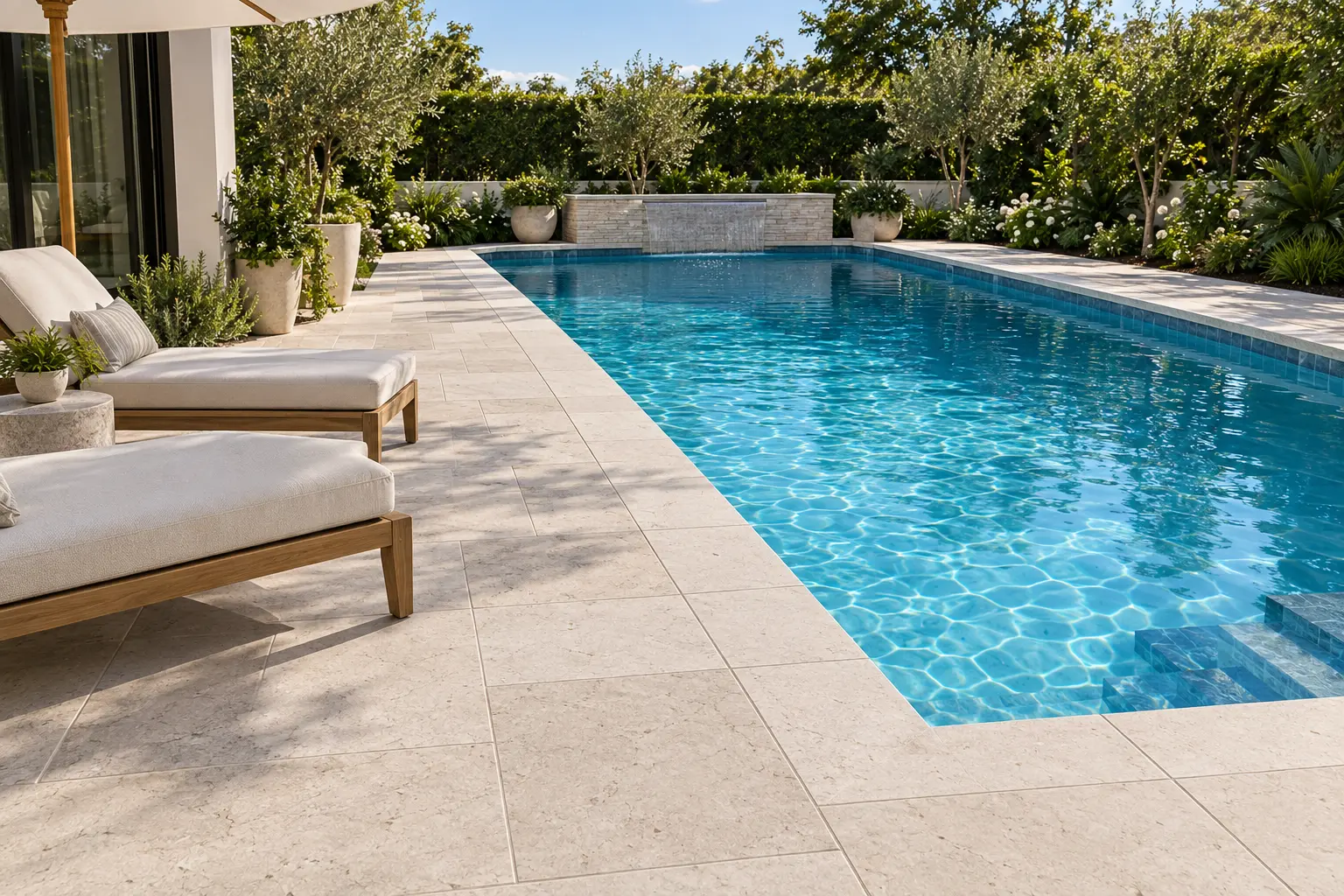
White limestone with bullnosed

Installation Considerations

Polished and filled limestone is installed using standard natural-stone tile-laying techniques and should be specified to a qualified tile contractor experienced with premium natural stone. Substrate preparation matters significantly: the substrate must be level, stable, and structurally sound, with deflection limited to industry standards for natural stone installation. Cementitious backerboard or a properly cured concrete slab are the appropriate substrates for this finish.

Adhesive selection should be a high-quality flexible thinset specifically formulated for natural stone, ideally a non-staining white formulation to prevent any colour bleed through the joints into the warm pale stone. For large-format pieces (60 × 60 cm and above), a medium-bed or large-format-and-heavy-tile mortar is preferable to standard thinset. Grout joints should be kept narrow — typically 2 to 3 mm — to maintain visual continuity across the floor or wall, and grout colour should be matched closely to the stone tone to prevent the grid from visually fragmenting the installation.

Pre-installation sealing is critical. A penetrating sealer should be applied to the stone before grouting begins, to prevent grout haze and grout colour from absorbing into the stone surface. This step is non-optional for polished and filled limestone — skipping it can produce permanent grout shadowing along every joint. After installation and final cleaning, a second sealer application protects the installed surface for use.


Care and Maintenance

Routine care of polished and filled limestone is straightforward but disciplined. Daily care consists of dust-mopping or soft-brush sweeping to remove abrasive grit — the primary cause of micro-scratching on any polished surface. Weekly cleaning uses a pH-neutral natural stone cleaner with a microfibre mop. Acidic cleaners must be avoided absolutely: vinegar, citrus-based products, bleach, and standard household tile cleaners will etch the polished surface permanently and cannot be reversed by cleaning alone.

Spills should be addressed immediately, particularly wine, fruit juice, coffee, oils, and any acidic substances. Felt pads under furniture legs are essential, and heavy furniture must not be dragged across the polished surface. Entrance mats at all exterior doorways significantly extend the life of the polished finish by preventing abrasive grit from being tracked across the floor.

Sealer testing is the foundation of effective long-term maintenance. The test is simple: a water droplet placed on the surface should bead and remain on the surface for several minutes rather than darkening the stone as it absorbs. When the bead test fails, the surface is no longer sealed and resealing should be undertaken promptly. The labour of resealing a typical residential floor is modest — generally a single morning’s work — and is the difference between a floor that ages beautifully and one that progressively absorbs incidental staining.

Over the lifetime of the floor, the polished and filled finish may eventually require professional restoration. This is a routine service available from stone restoration specialists in most US cities and involves re-honing the surface, addressing any failed filling resin, refilling new voids if any have opened, and re-polishing to original finish quality. The ability to fully restore the surface — not patch or refinish, but return to original quality — is one of the principal long-term advantages of polished and filled natural limestone over any manufactured alternative.

White limestone polished and filled tiles
White limestone polished & filled

Frequently Asked Questions

What does “filled” mean in practice — what is actually being filled?

Bioclastic limestone is formed from compressed marine sediments over geological time, and the resulting stone naturally contains small voids and surface pores — sometimes only fractions of a millimetre across, sometimes larger. On an unfilled finish these voids remain visible as small surface irregularities. The filling process applies a colour-matched stone-compatible resin into every visible void, the resin cures to a hard finish, and the excess is removed flush with the surface. The result is a continuous, uninterrupted surface plane without the small natural void interruptions that mark less-prepared limestone finishes. The filling is permanent under normal use and can be redone professionally if needed over the long lifetime of the floor.

How does this differ from your White Limestone Polished finish without filling?

Both products use the same hand-selected Middle Eastern white limestone and the same multi-stage polishing process. The difference is the filling treatment applied before polishing in this product. The polished-and-filled finish has a more uniform, more continuous surface plane and is more suitable for luxury interior specifications where small natural voids would be visually disruptive. The polished-only finish retains the small natural surface voids as visible characteristics of the stone, which some specifications prefer for authentic natural-stone expression. Practically, the polished and filled version is also slightly less porous than the polished-only version because the filling resin is non-absorbent. Both products require sealing — the filling does not eliminate the need for sealing — but the filled version may extend the practical interval between resealings.

Is the filling resin visible against the limestone?

Properly executed filling is essentially invisible. The resin used is precisely colour-matched to the stone tone, and the curing and flushing process ensures the filled voids sit flush with the surrounding surface. Under close inspection in directional light, attentive observers may notice subtle differences in surface character between filled areas and unfilled stone, but in normal use and viewing conditions the surface reads as continuous polished stone. The filling is significantly less visible than it is in some travertine products where filling is also common.

Can I use this finish in a high-use kitchen?

Yes, with two practical considerations. Kitchen surfaces in polished and filled limestone require diligent care around acidic substances — citrus juice, vinegar, wine, tomatoes — which can etch the polished surface if left in contact. The filling does not protect against acid etching, only against absorption and staining. The recommendation is to wipe spills immediately rather than allow them to sit, and to use cutting boards rather than direct contact between food acids and the stone. The wet-area sealing schedule (every two to three years) applies to kitchen surfaces. For kitchen environments where extreme acid resistance is a primary specification driver, Citadel basalt is the more acid-resistant alternative and should be considered as part of the specification conversation.

How does this finish perform in cold climates with freeze-thaw cycling?

Interior installations are not climate-sensitive in any meaningful way and perform identically in any indoor environment. Exterior installations are sensitive: the polished and filled finish on exposed exterior surfaces requires annual sealing without lapse, and even with diligent maintenance the finish is best confined to sheltered exterior settings rather than fully exposed conditions. For exposed exterior installations in severe cold-climate conditions, Citadel basalt is the more weather-resilient choice and is recommended without reservation. Customers planning exterior cold-climate work should specify the natural or bush-hammered finish in the same stone family, or move to basalt for the most demanding exposure conditions.

Can the finish be restored if it loses its lustre over many years?

Yes, completely. Professional stone restoration specialists can fully restore polished and filled limestone — re-honing the surface to remove wear, addressing any filling resin that has degraded or shrunk over time, refilling any new voids that have opened, and re-polishing to original mirror finish. The cost of restoration is significantly less than full replacement and the result is identical to a new installation. This complete restorability — not refinishing or repair, but true restoration to original quality — is one of the principal long-term value advantages of polished and filled natural limestone over manufactured alternatives, which cannot be restored once their surface integrity is compromised.


Why Choose Citadel Stone

  • Two-stage finishing in our own facilities. Filling and polishing are both performed in Citadel Stone’s controlled production environment by experienced stone craftsmen — not subcontracted out, not rushed, and inspected at every stage. The quality of the finish reflects this control over the entire production process.
  • Colour-matched filling resin. The resin used in the filling stage is precisely matched to each batch of stone to ensure the filled voids are visually continuous with the surrounding surface. This level of finish refinement is not a default in the industry and is one of the visible markers of quality preparation.
  • Hand-quarried Middle Eastern limestone. Citadel Stone owns the supply relationship from the quarry to your delivery. Polish-and-fill-grade selection is significantly more demanding than commercial-grade selection, and every block is inspected at the quarry before processing.
  • Family-coordinated stone specification. The same white limestone is supplied across polished, polished-and-filled, honed, natural, bush-hammered, and split-face finishes — supporting whole-project specification with stone-family coherence across vertical and horizontal surfaces, indoor and outdoor settings.
  • Honest specification guidance. Citadel Stone will recommend a less-refined finish in the same stone family — or move to Citadel basalt — wherever this polished and filled finish is not the best fit for the application. The advice you receive protects the long-term success of your project rather than just closing the sale.
  • Detailed sealing protocol with every order. Sealer recommendations, application instructions, and a maintenance schedule are supplied with every shipment, ensuring the installation performs as intended from day one.
  • Custom dimensions on request. Beyond the standard format range, this finish is available in any size and thickness required by your project. Bespoke specifications are handled in-house from quote to delivery.
  • Nationwide US delivery and worldwide shipping. Coordinated logistics to all fifty states and to international destinations, with careful packaging protecting every polished and filled piece in transit.
  • Escrow payment protection for new clients. First-time customers receive full payment protection through an escrow arrangement, providing complete financial security on the initial transaction.
  • Full restoration service available. Citadel Stone can coordinate professional restoration of polished and filled installations after years of service, returning the surface to original quality — a service that effectively makes this finish a permanent material.

Request a Quote or Consultation

Citadel Stone offers a free consultation service for every project regardless of scale. The consultation includes review of the project scope, finish recommendation based on the specific application and setting, climate suitability assessment, sealing protocol guidance, format and thickness recommendation, and detailed quantity take-off. Consultation is available by email, telephone, and video call, and is staffed by experienced natural stone specialists who can discuss both the technical and aesthetic considerations of polished and filled stone specification.

For architects, interior designers, and contractors working on commercial and luxury residential projects, Citadel Stone provides dedicated trade support. This includes priority technical advice during specification development, lead-time guarantees on committed orders, custom dimension and bespoke format development for individual projects, presentation sample boards for client meetings, and structured pricing for sustained trade volumes. Trade accounts are opened on request and require a single project reference to activate.

Free physical samples are dispatched to specifiers and homeowners alike on request. Because the polished and filled finish is most accurately understood in physical form — the surface continuity, the colour-matched filling, and the polish lustre are difficult to convey through photography — the sample is one of the most important specification tools for this product. To request a sample, a quote, or a project consultation, contact Citadel Stone directly using the form on this page or the email address provided.


Product specifications and pricing are subject to change. Contact Citadel Stone for current stock availability and project-specific recommendations.

Citadel Stone’s White Limestone Polished & Filled brings together the two most demanding finishing processes in natural stone preparation. Every piece is first inspected and treated with a colour-matched resin that fills natural voids and surface pores, eliminating the small irregularities that are inherent to bioclastic limestone and that compromise a polished finish on lesser-prepared stone. Once the resin has cured, the surface is polished through multi-stage progressive abrasives, finishing in a fine buffing pass that produces a luminous, light-reflective mirror state. The combined treatment delivers a surface that is dramatically smoother and meaningfully less porous than standard polished limestone, while preserving the warm pale tone, fine natural grain, and subtle character variation that define genuine natural stone. This finish is the most refined white limestone preparation available — and consequently the standard specification for luxury interior flooring, hotel lobbies and hospitality work, premium bathroom installations, kitchen surfaces, and refined commercial environments. Sealing remains essential for exterior and wet-area applications, with periodic interior resealing recommended. This material is best specified for mild to warm climates; cold-climate installations require rigorous sealing maintenance, and Citadel basalt is recommended for the most demanding exterior cold-climate work.

Price: $2.30 per sq. ft.

Total: $2.30

Need a Free Quote?

Hassle-Free Pricing

Need a Sample? Request Your Free Today

See It to Believe It

Free Stone Tile Calculator: Effortlessly Plan Your Next Project

Square Foot Calculator

Book a Free Consultation

Get Expert Advice: Explore Your Tile Options