50 years quarry-direct·USA & worldwide·🛡️ Escrow payment for new clients·Contact me personally for the best wholesale prices: kareem@citadelstone.us
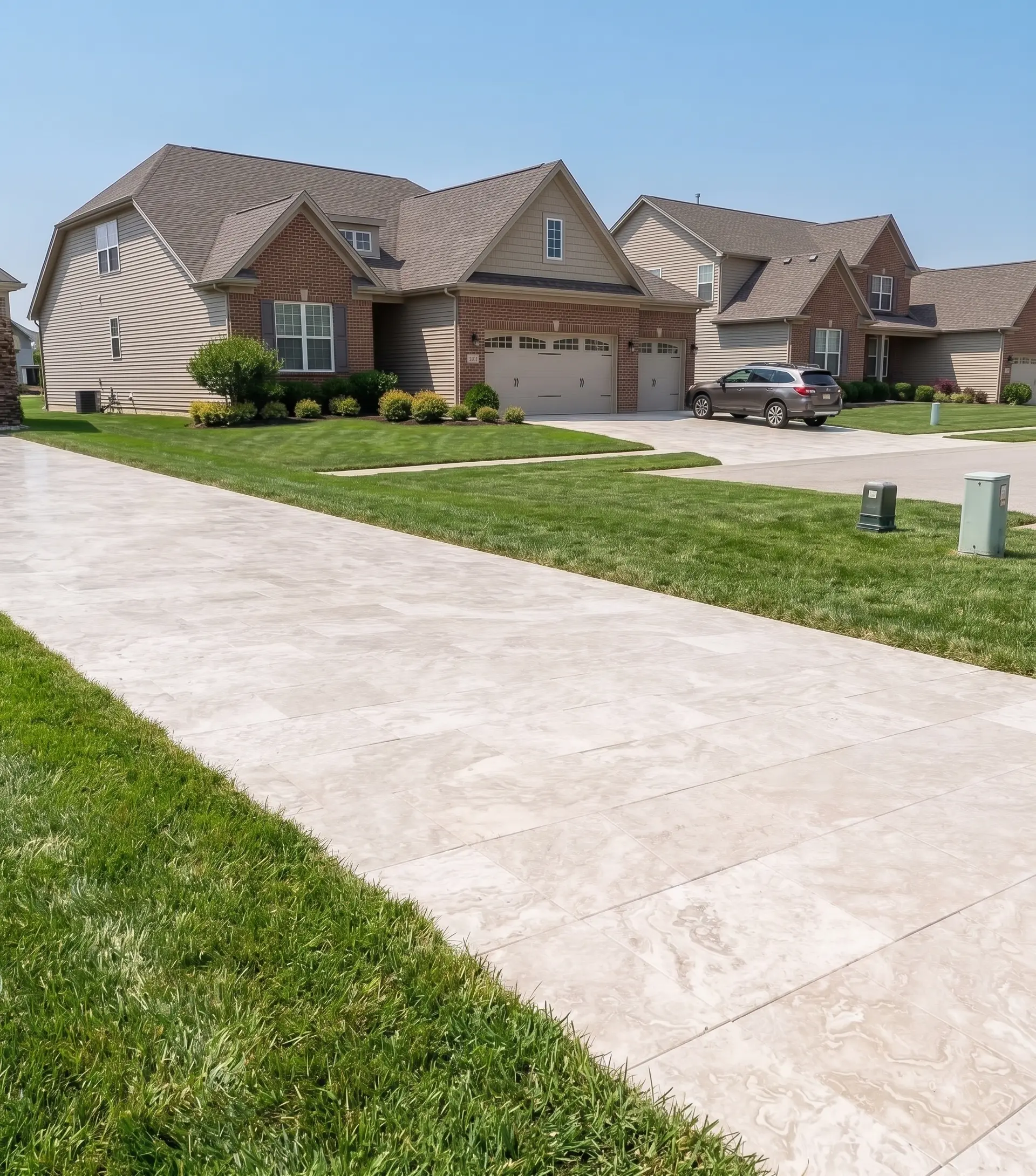
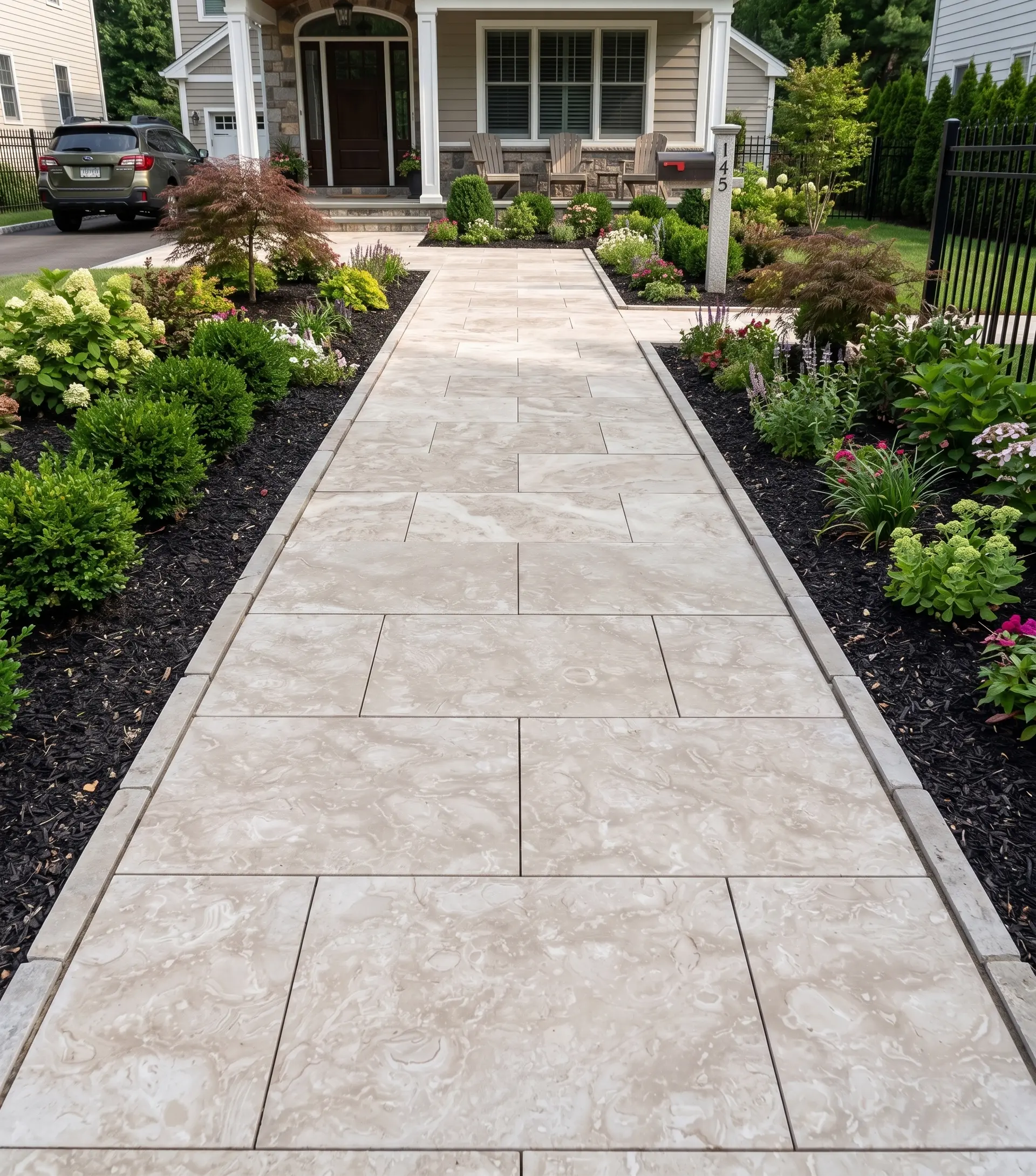
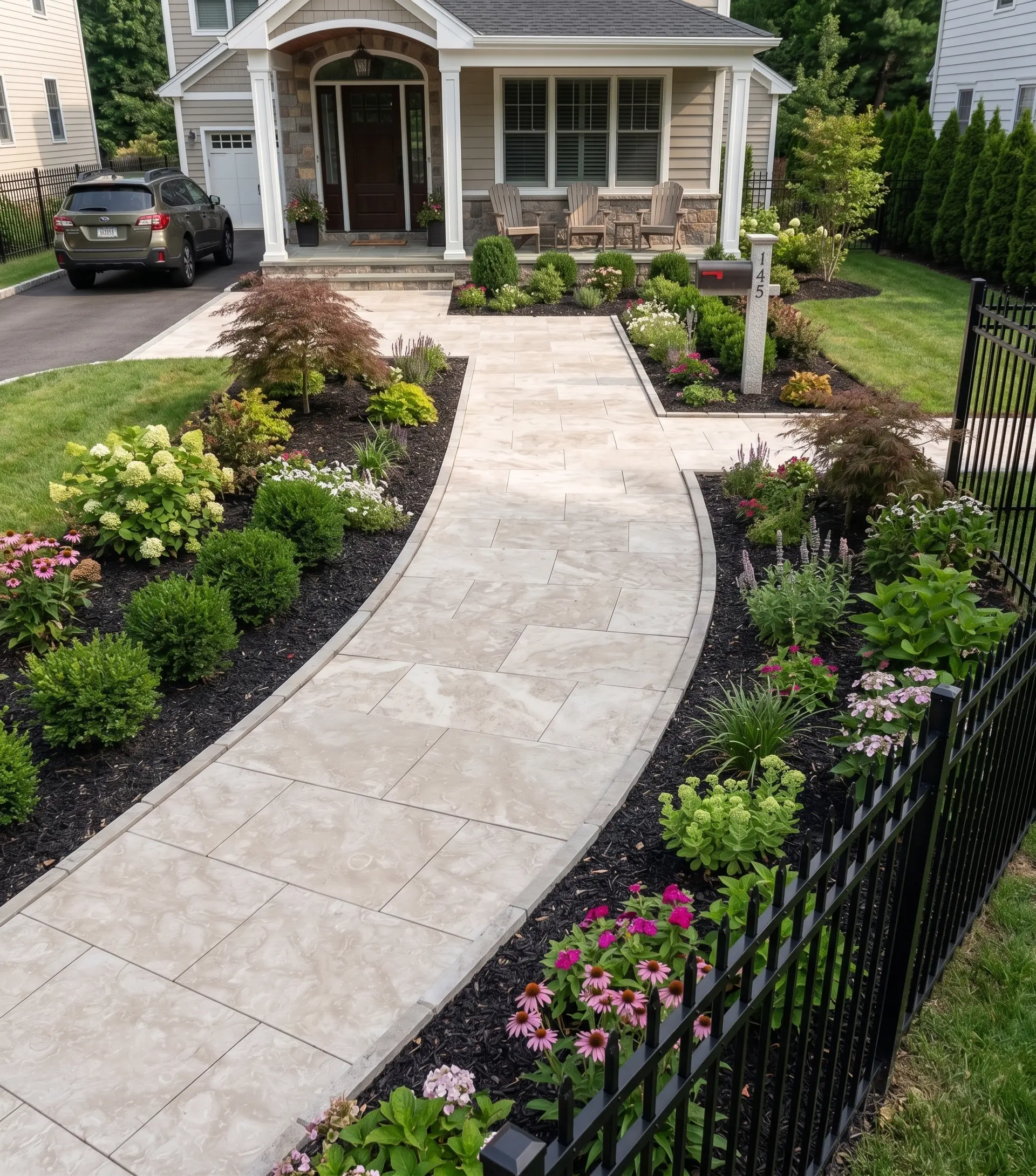
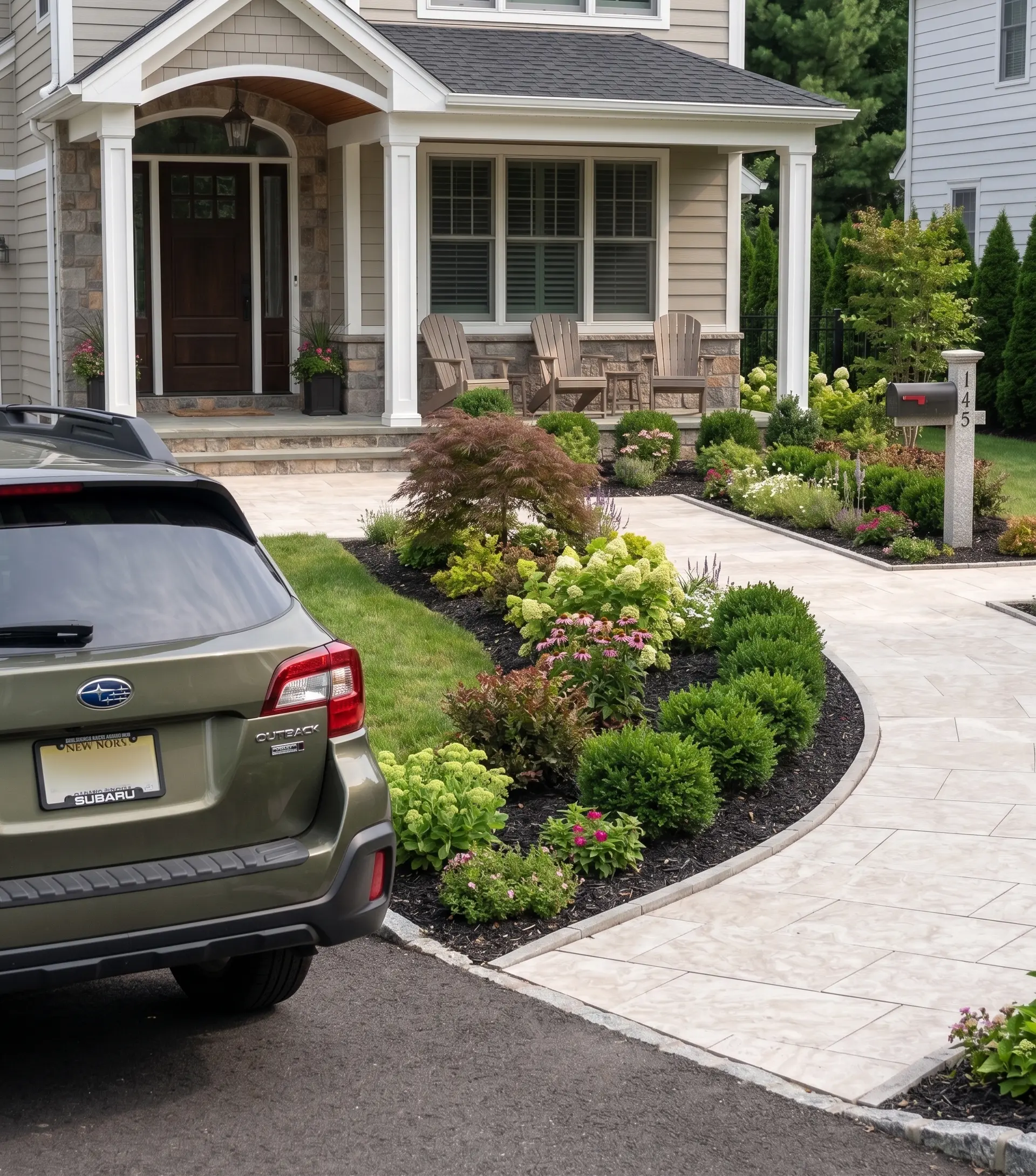
Quarry-Direct · Middle East Natural Stone
$2.30
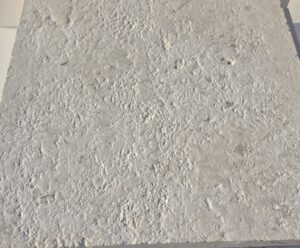
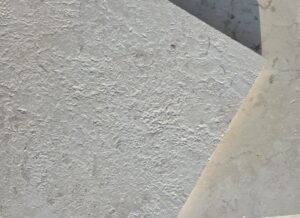
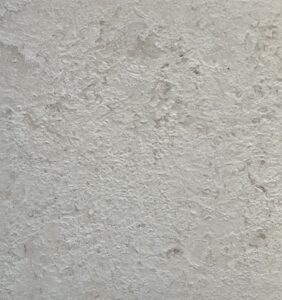
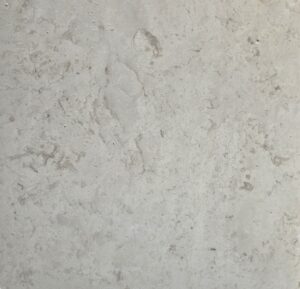
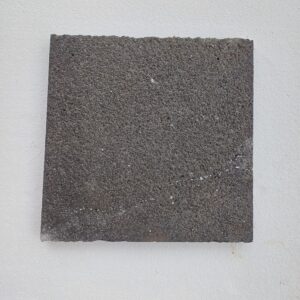
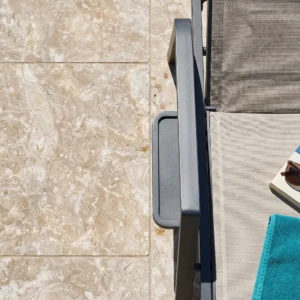
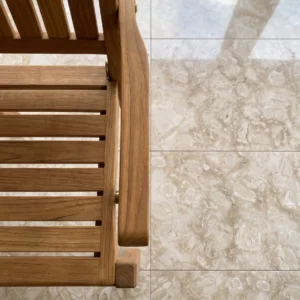
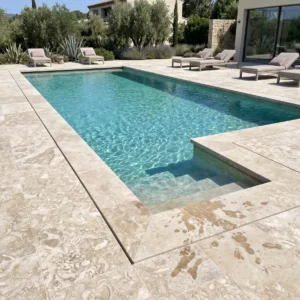
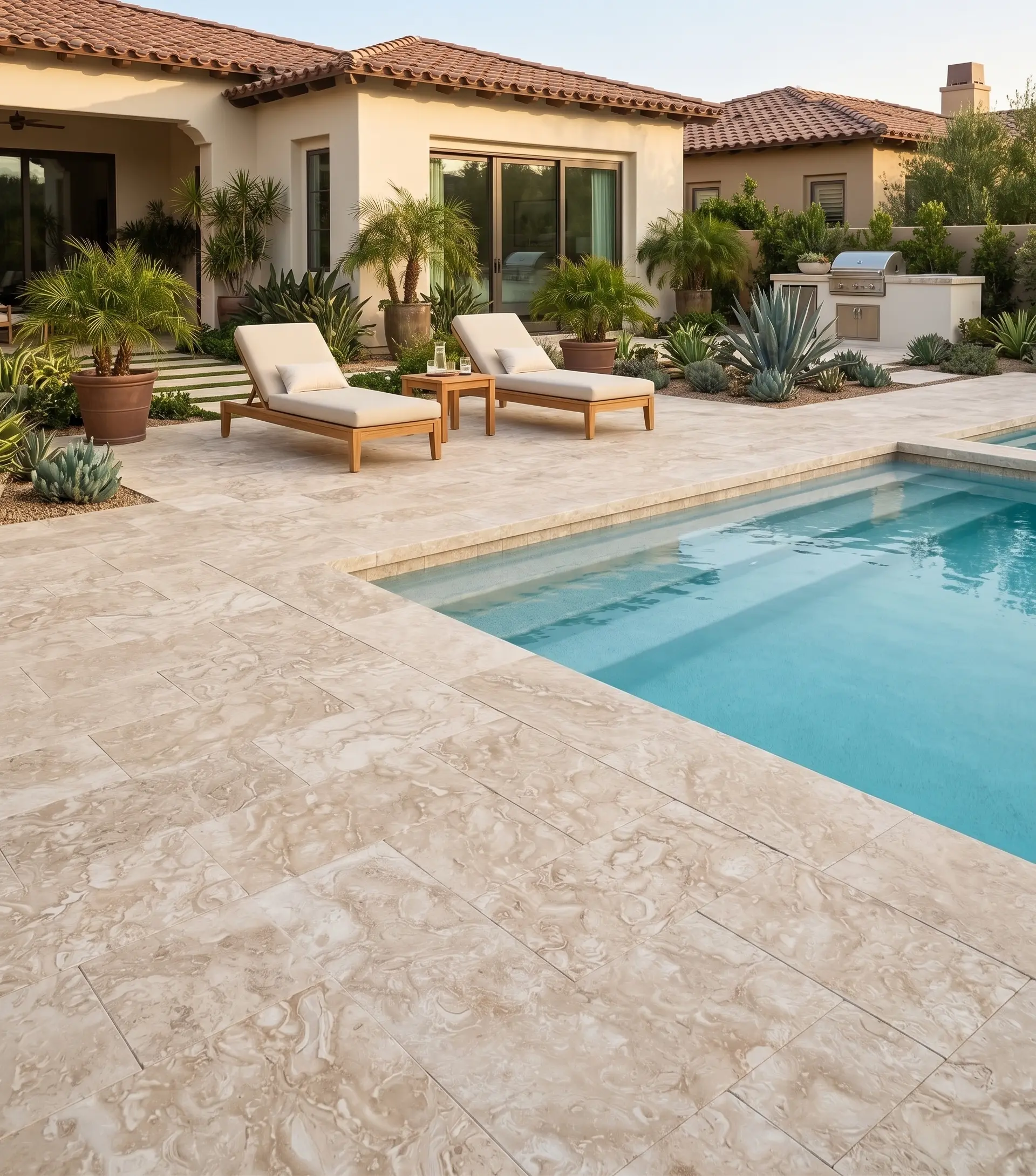
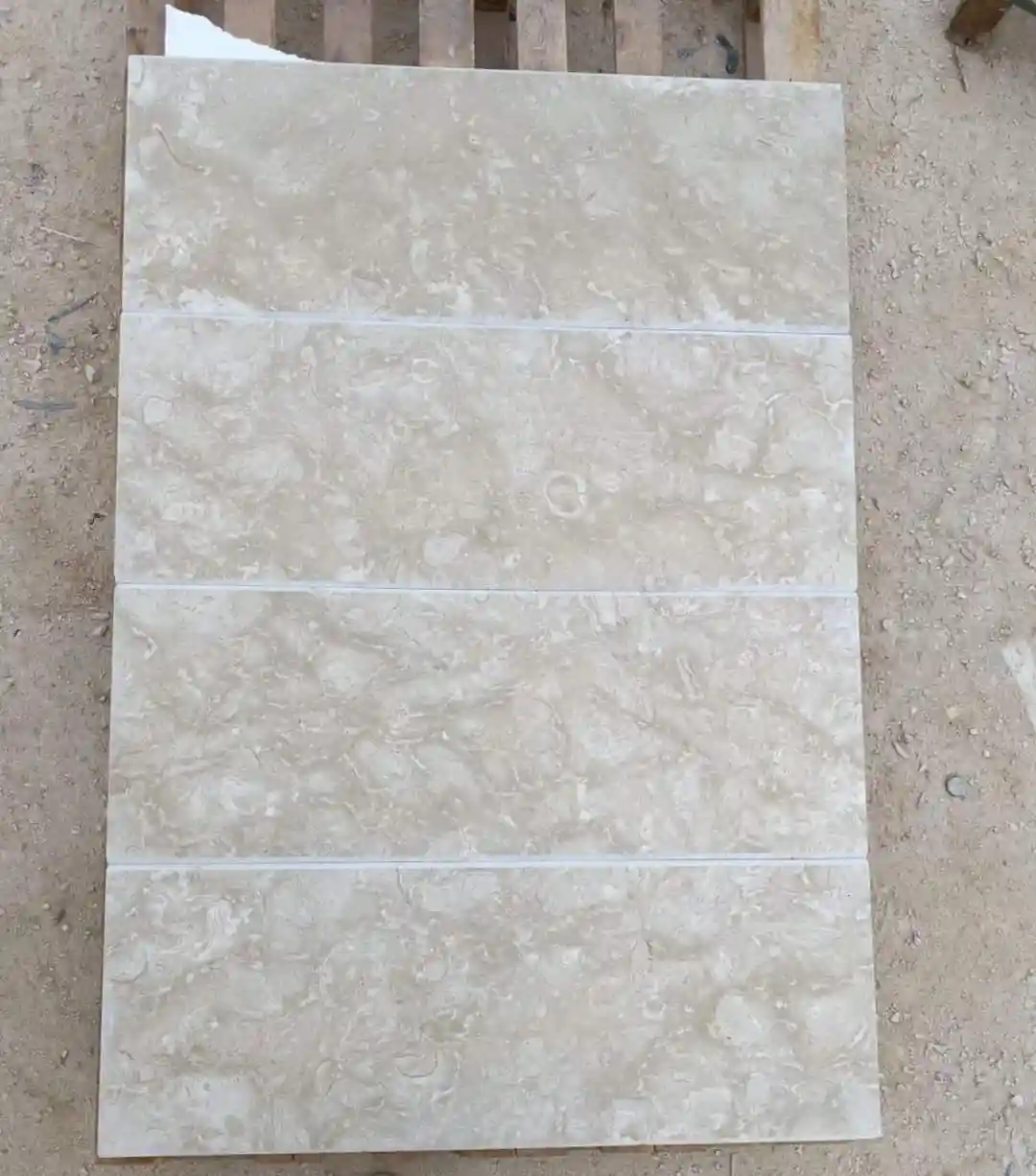
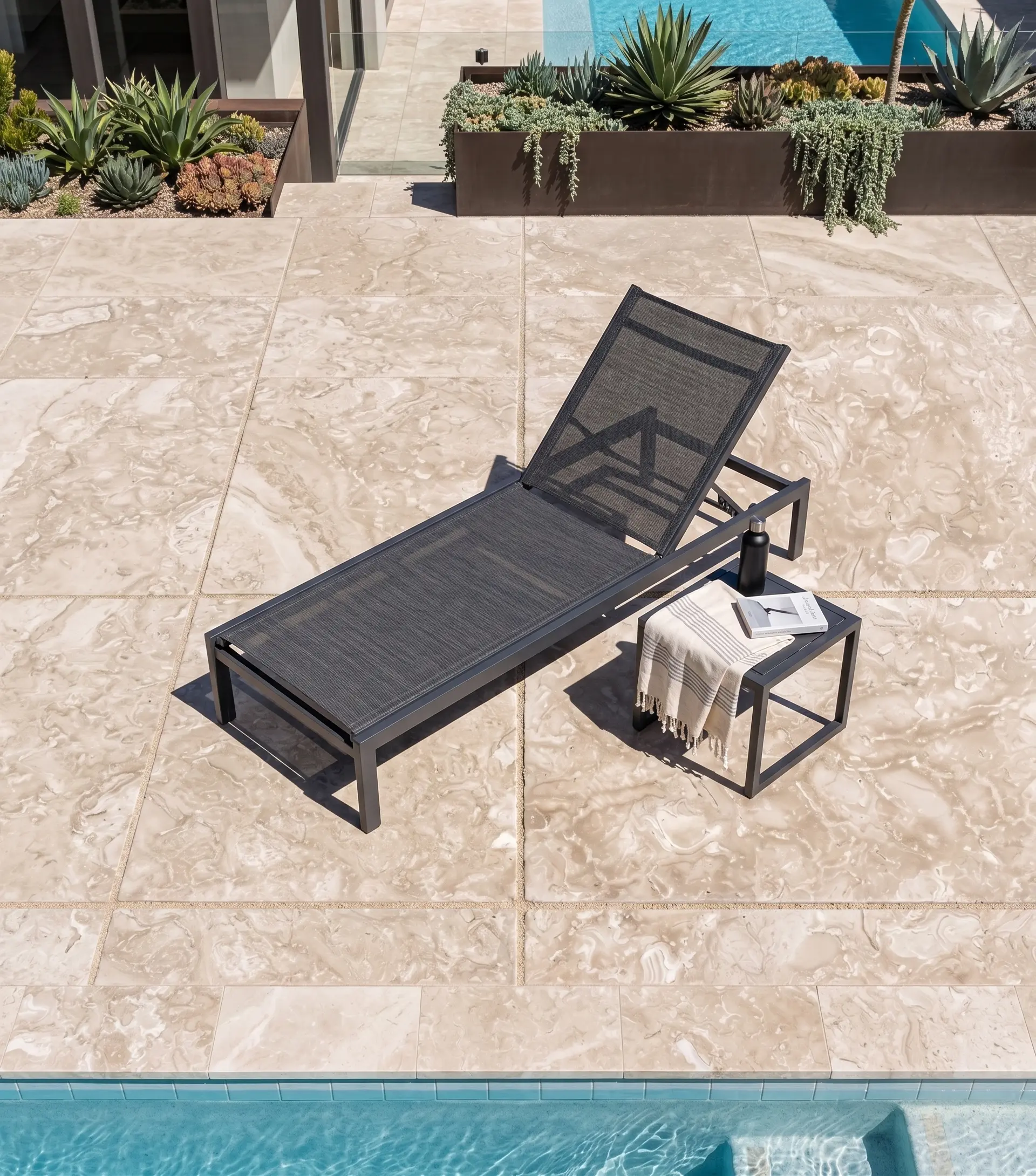
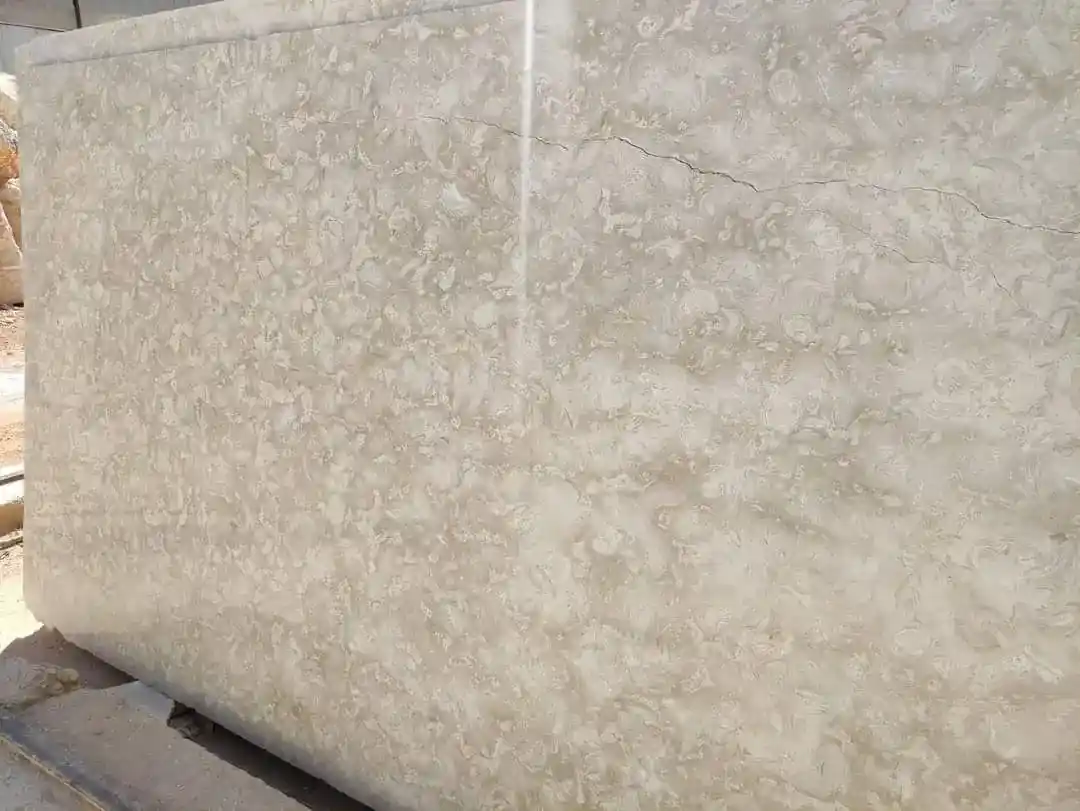
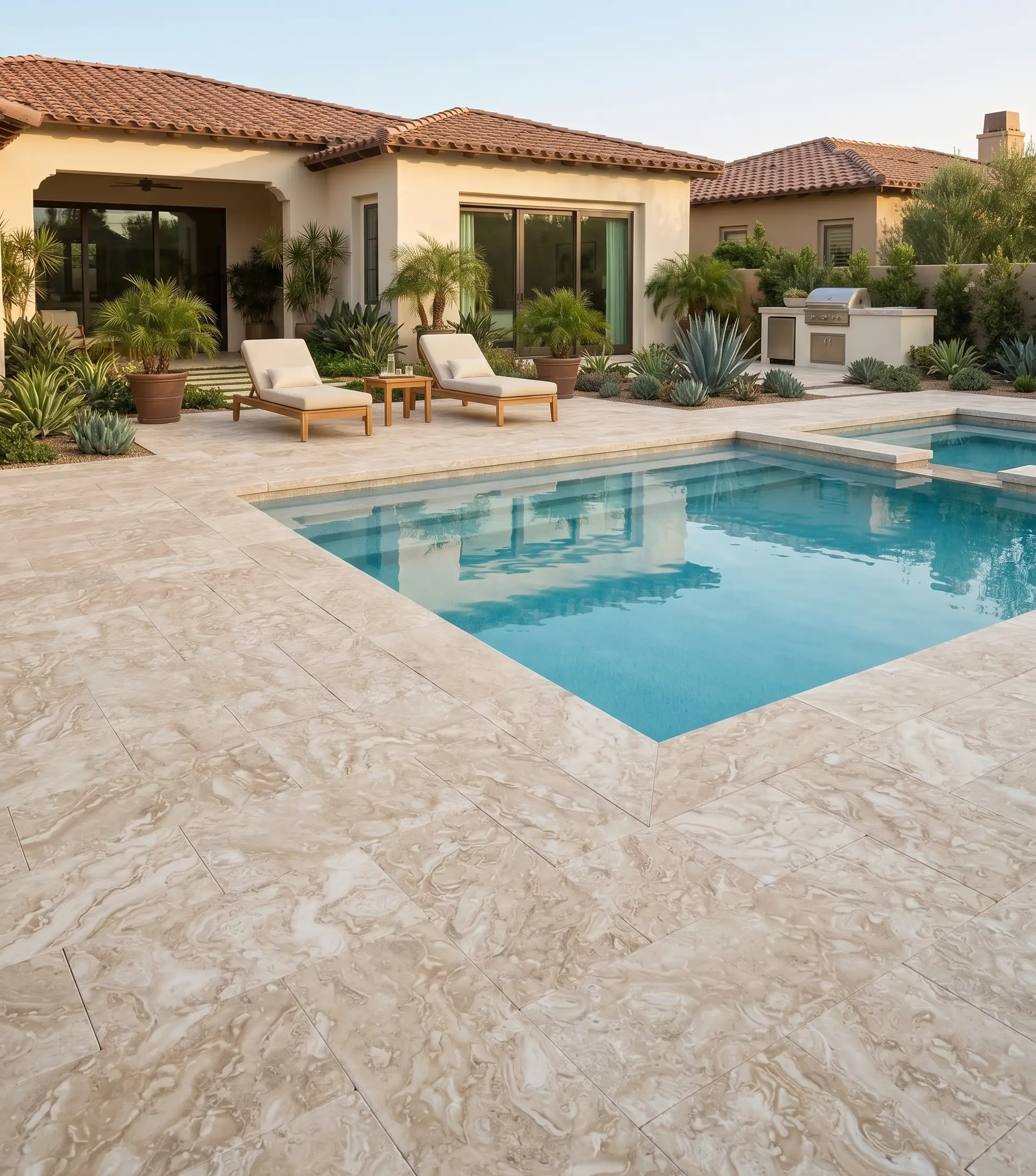
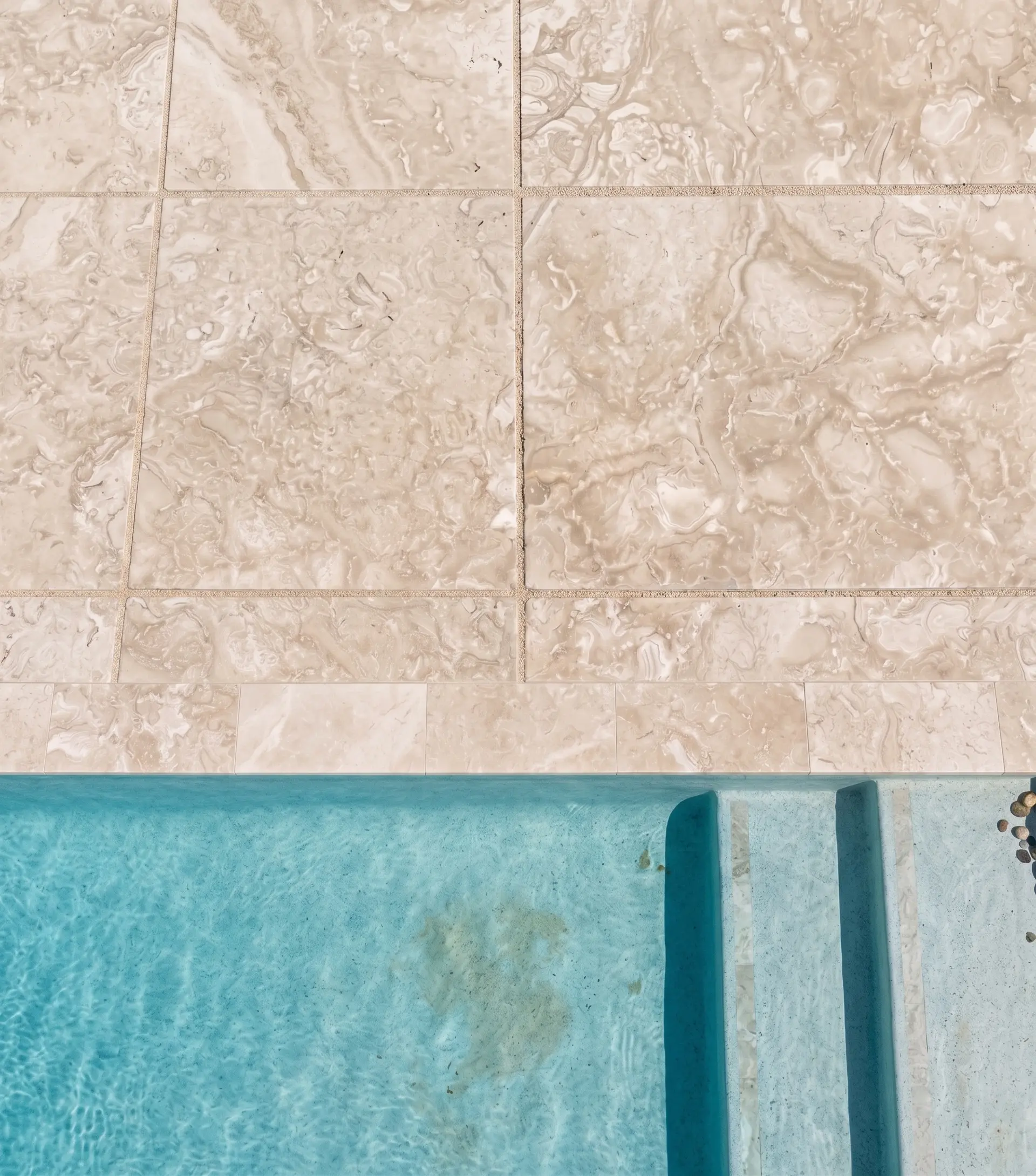
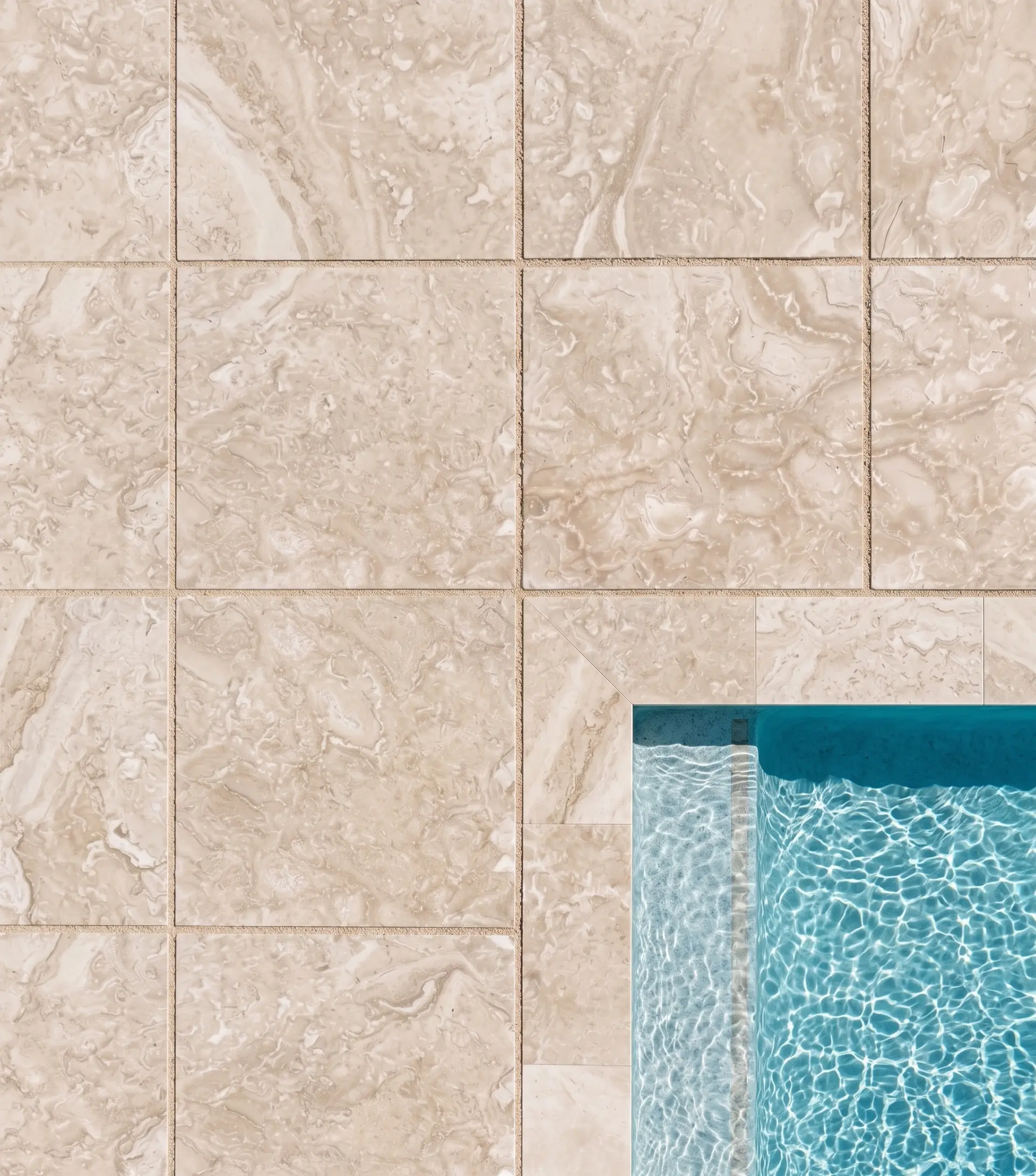
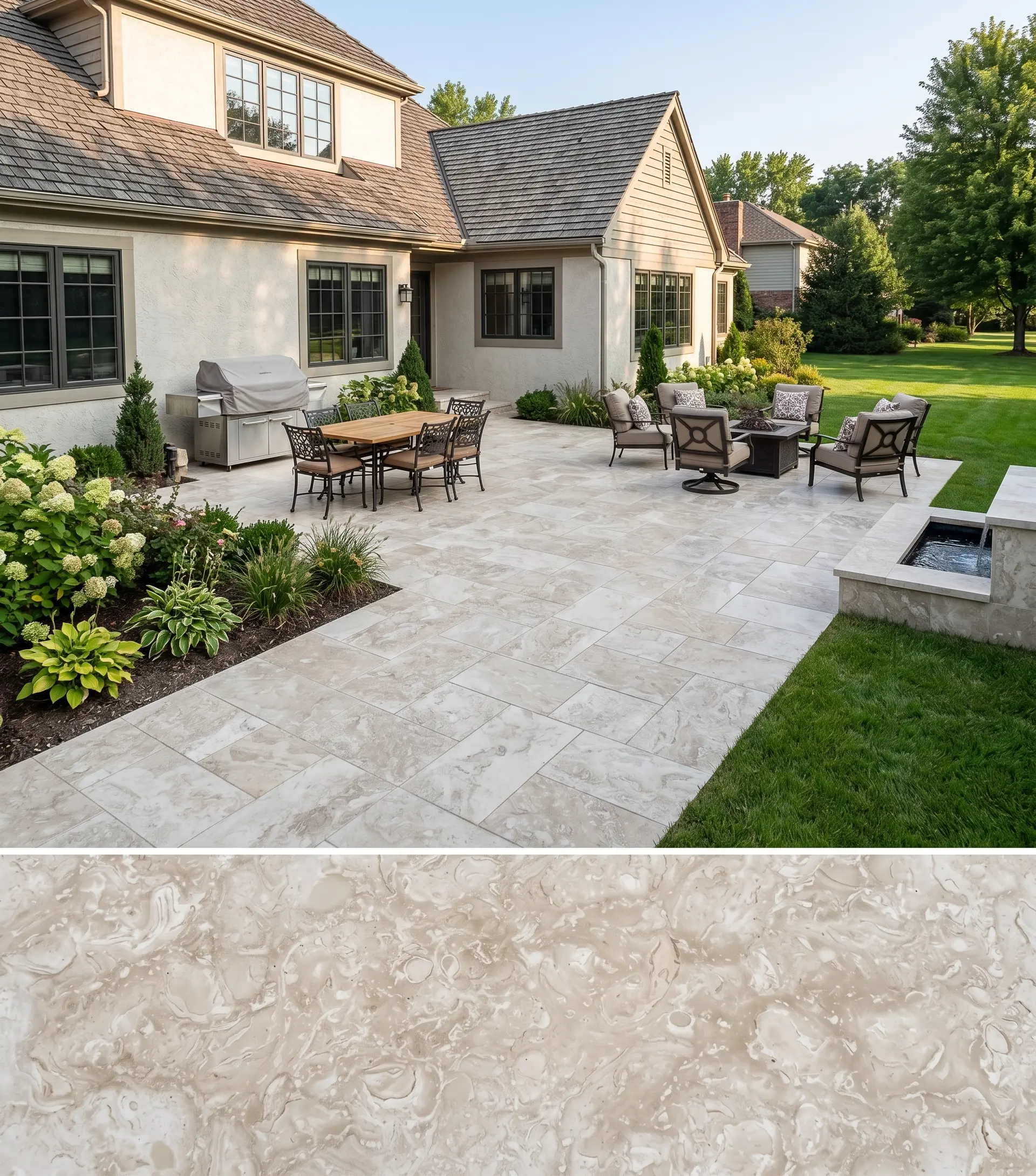
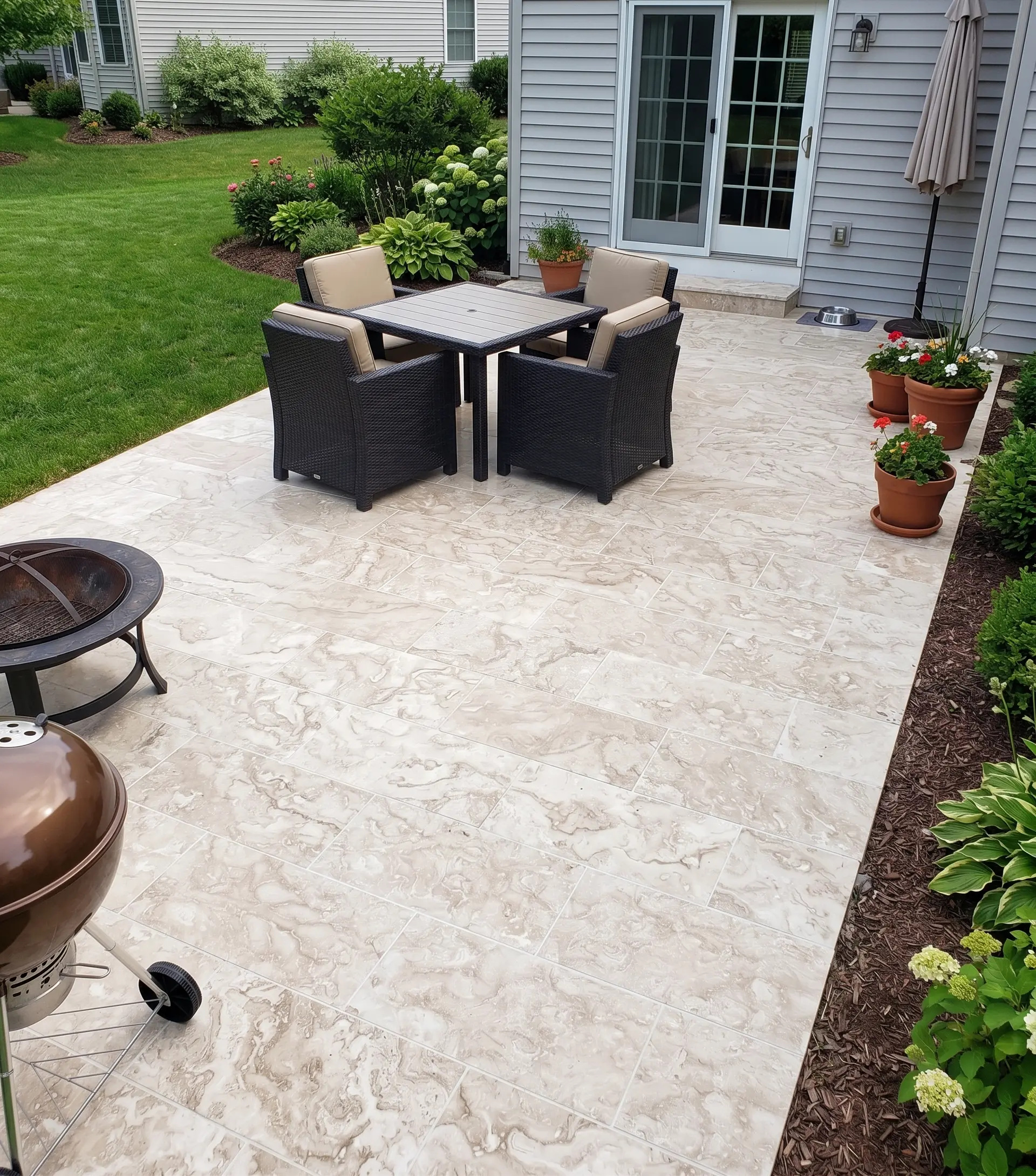
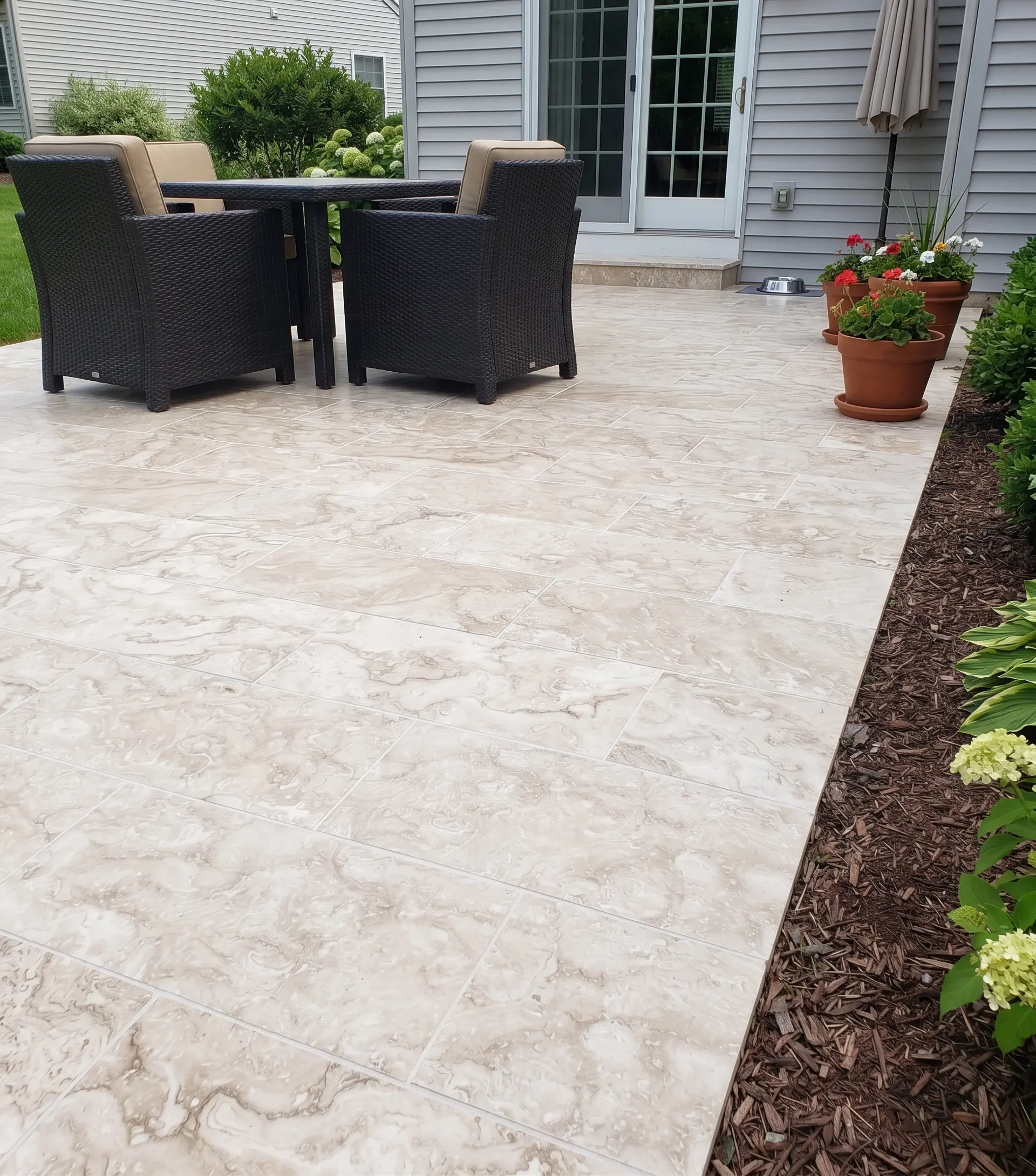
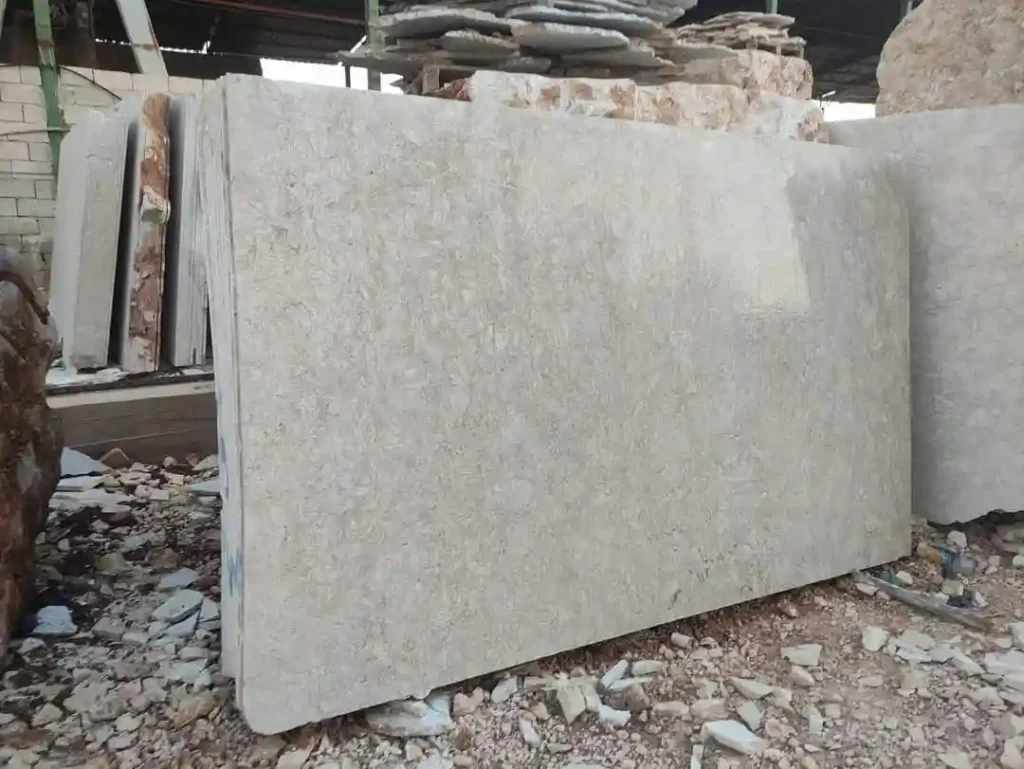
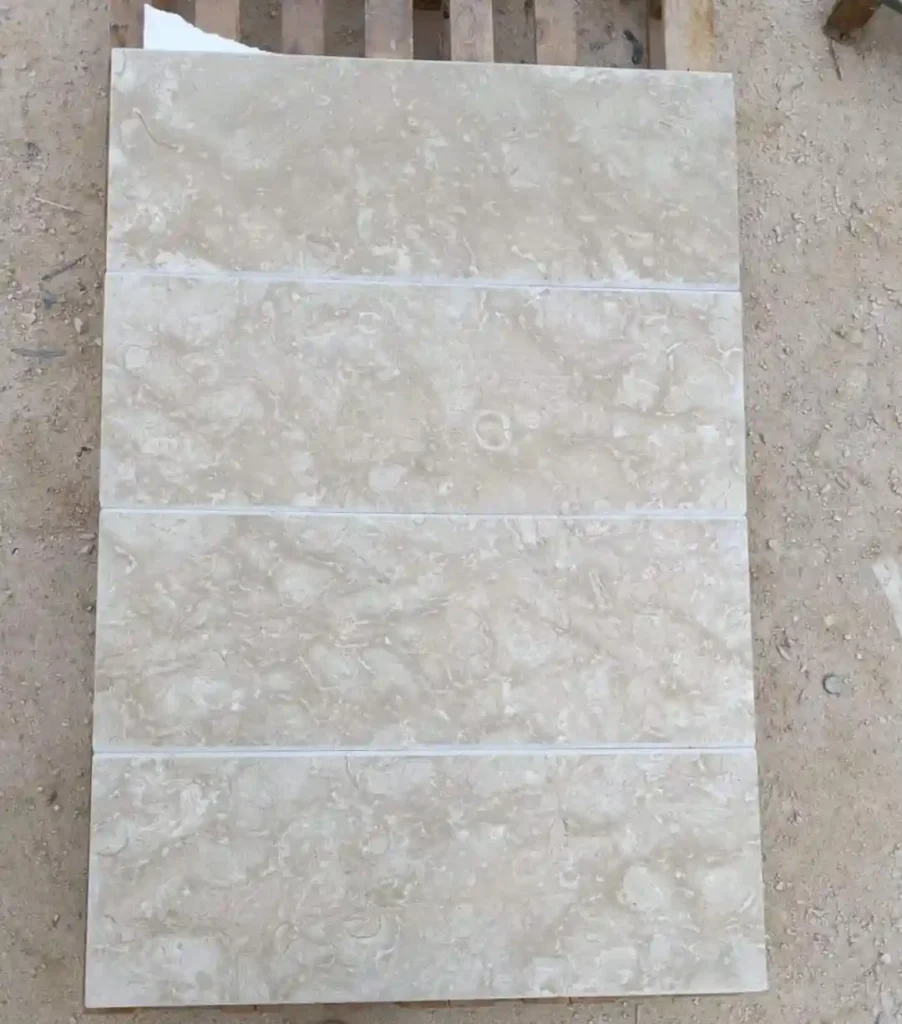
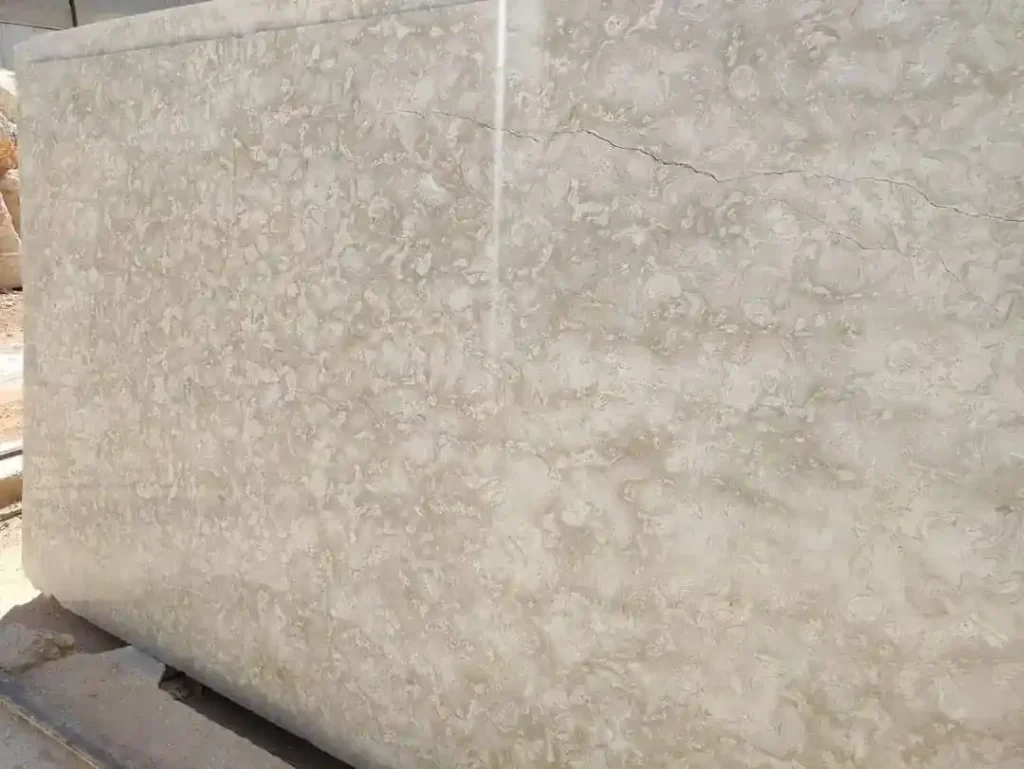
Ocean Reef Shellstone Polished Finish is our shell-and-coral limestone polished to a high gloss, which deepens the pale-cream colour and sharpens the fossil detail. It is made for interior floors, lobbies, bathrooms and feature walls, and for sheltered outdoor areas. For pool decks and other wet outdoor paving, choose a coarse-grit brushed finish instead.
Price: $2.30 per sq. ft.
Total: $2.30
Your size. Your thickness. Your finish, confirmed for this stone.
We cut this stone to the dimensions and thickness your project calls for. Brushed is our signature finish, from a coarse 16 grit to a fine 80, or finer to order. Most of our limestone and basalt can also be supplied sawn, honed or bush-hammered; polished, tumbled and split-face are made on selected stones. Tell us the size, thickness, finish and use, and we’ll confirm what this stone can be made in. Looking for another color? See the full collection.
Planning a laying pattern? See which of our formats suit herringbone, French pattern, running bond, stack bond, basketweave and fan layouts in our paver laying patterns guide.
Ships by pallet or container to any US state · Lead time quoted per order
Suitability varies with size, thickness, finish, and substrate. Tell us your application when you request a quote and we will confirm the right specification for it.
Bedding: full-bed sand and cement mix or a flexible adhesive appropriate to the substrate.
Joints: from 3 mm for sawn tiles; wider for split-face setts and cobbles.
Sealing: a quality impregnating sealer is recommended for limestone and shellstone; basalt and granite typically need none.
Cutting: wet saw with a diamond blade.
Installation requirements differ by stone and format — a product-specific method note is included with every quote, and our team is available for your installer’s technical questions.
Pricing improves materially with quantity: pallet rates beat per-piece pricing, and full-container rates beat both. Every quote is calculated quarry-direct, with no distributor margin in between.
Distributors, stone yards, and retailers: our Trade & Wholesale Program covers container-load pricing, recurring supply schedules, and private-label production.
Orders ship by pallet or full container to any US state, with kerbside delivery to the nearest safe access point. Lead times depend on stone, finish, and quantity, and are confirmed with your quote. Samples reach any US address within five working days.
Every crate is inspected and photographed before dispatch — if anything is wrong on arrival, contact us and we will make it right.
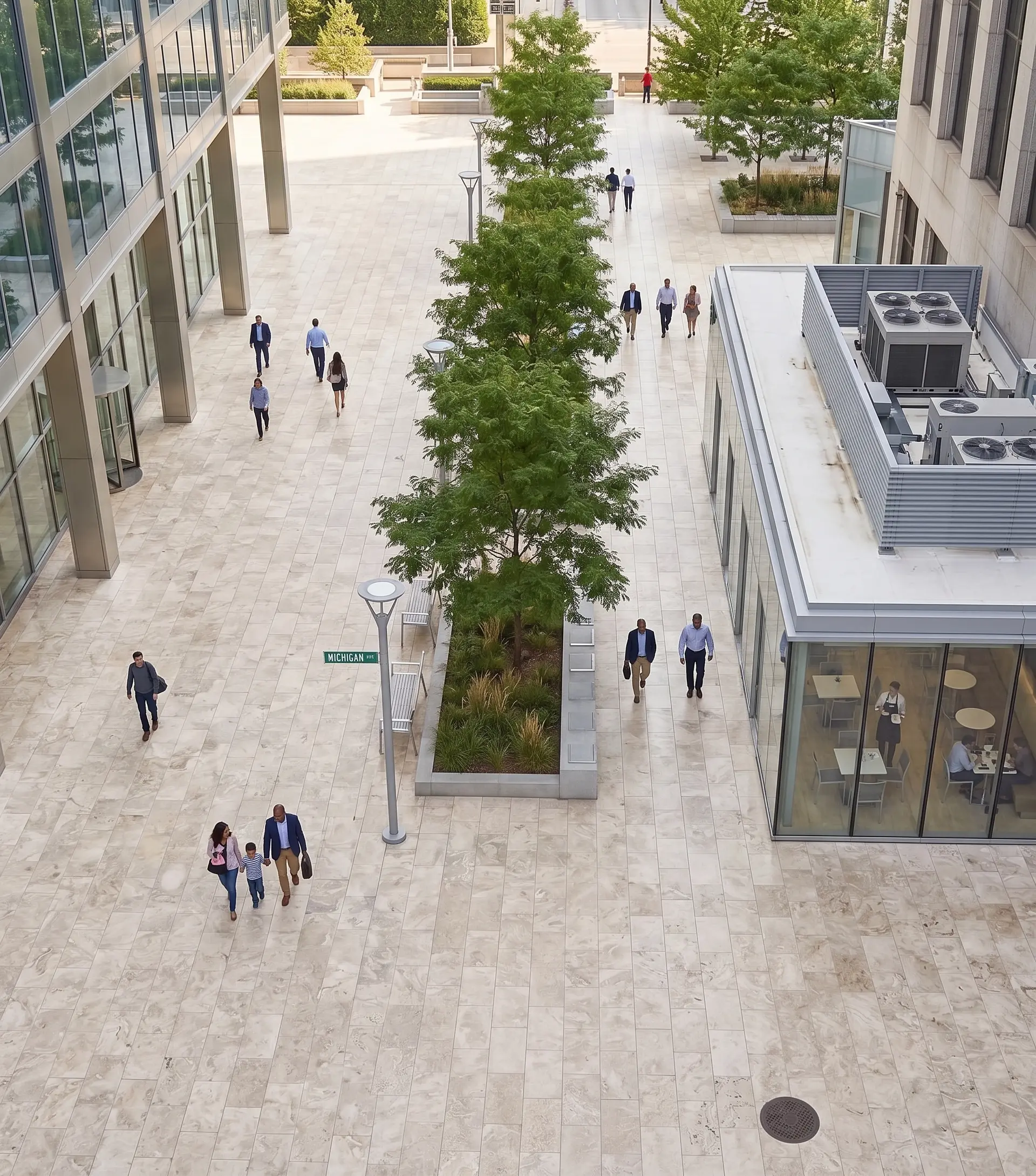
Ocean Reef Shellstone Polished is the most refined natural stone specification in the Citadel Stone catalogue and the finish of choice for luxury interior work across warm-climate United States markets — coastal Florida and the Gulf Coast, Southern California and Arizona, Hawaii and the Caribbean, and the design-led residential and hospitality projects across these regions that demand authentic natural material at the highest level of finish refinement. The polished surface transforms Ocean Reef Shellstone from an exterior hardscape material into a luxury interior surface, while preserving the visible shell and coral fossil content that distinguishes this stone from any manufactured or non-fossiliferous natural alternative.
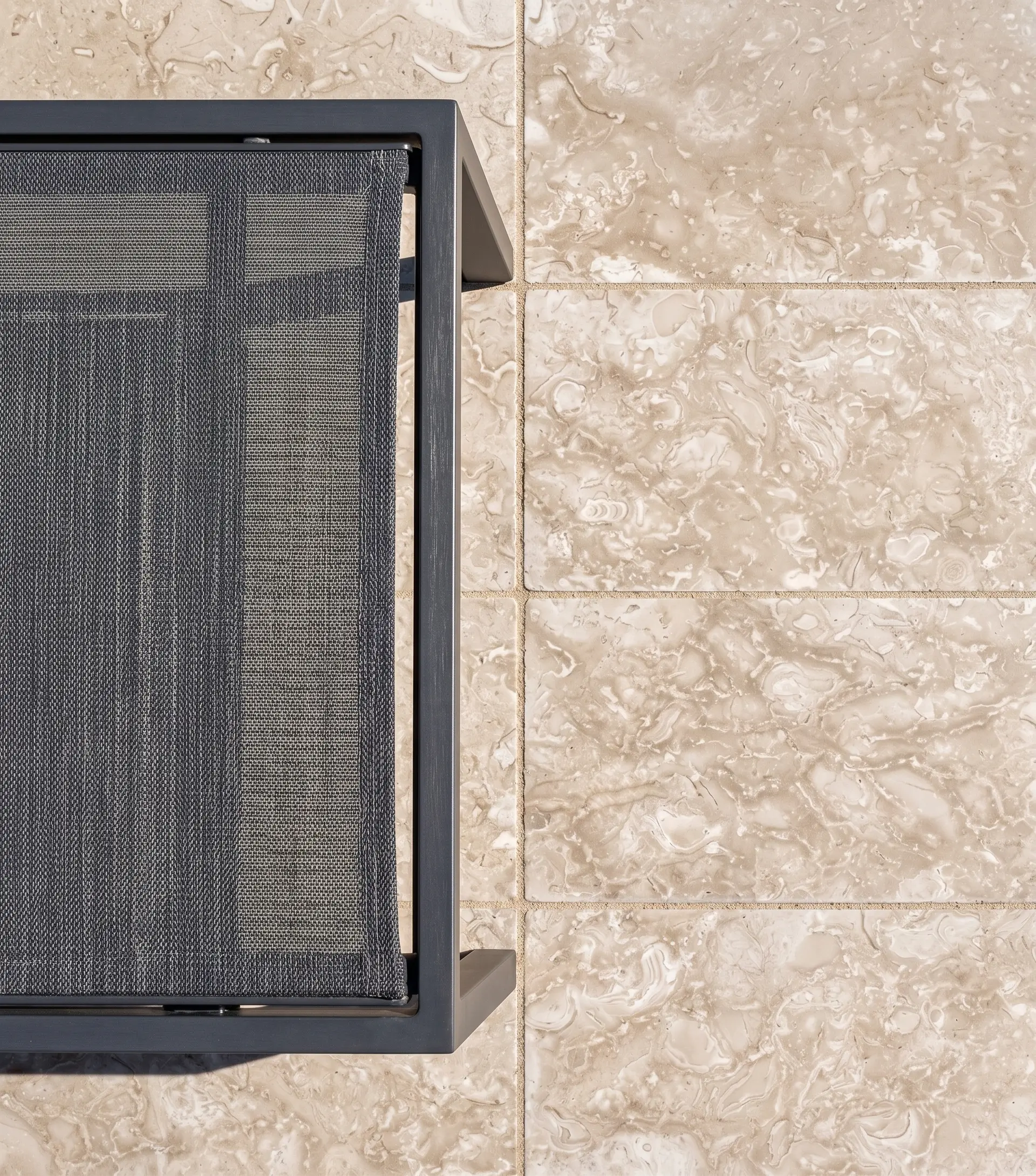
What polishing delivers on this specific stone is fundamentally different from what it delivers on marble or granite. Where polishing intensifies the colour of a marble and exposes the crystalline structure of a granite, polishing on Ocean Reef Shellstone brings the geological history of the stone into the visible foreground. The visible shell cross-sections, coral fragments, and reef sediment imprints that read as subtle texture on a brushed surface become defined visual features under polish, catching light differently across the floor plane and creating an interior surface that holds attention at conversational distance. For projects where the floor or wall is intended to be part of the architectural narrative rather than a neutral background, no manufactured alternative comes close.
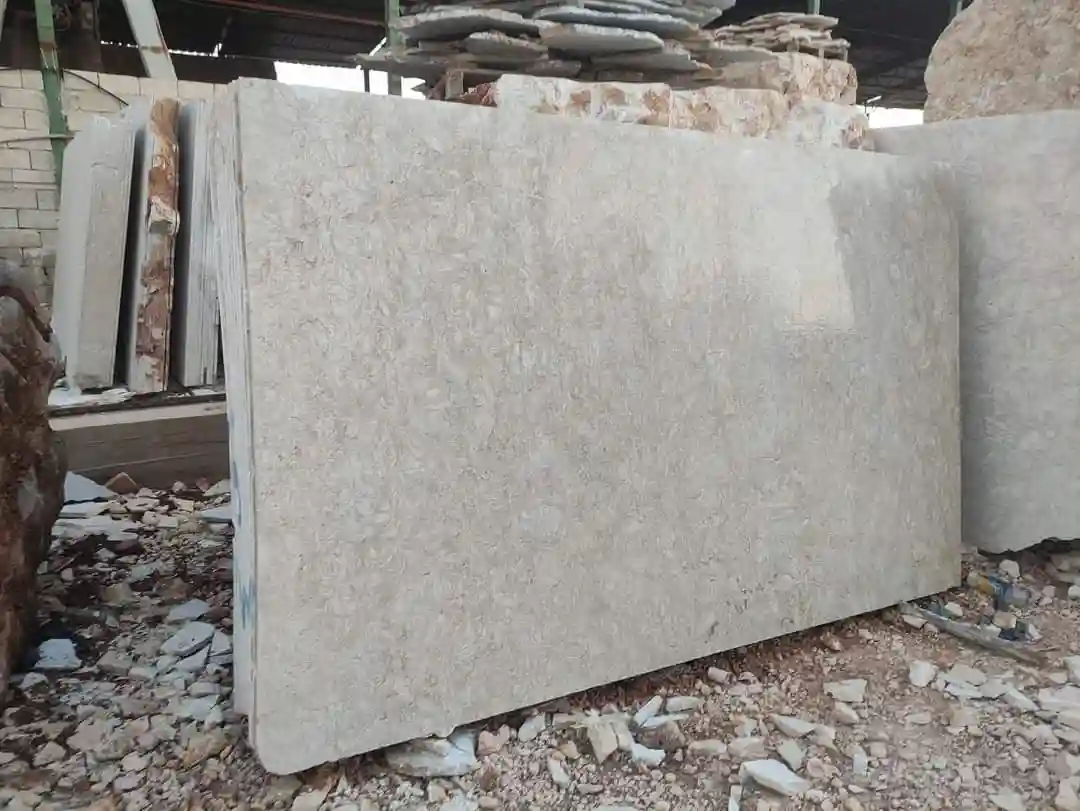
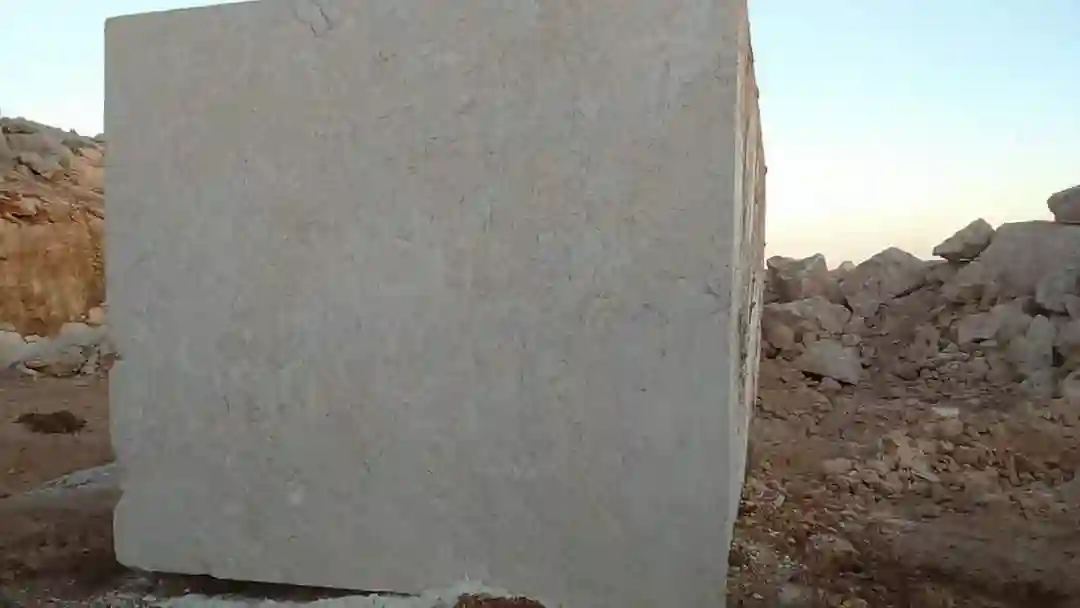
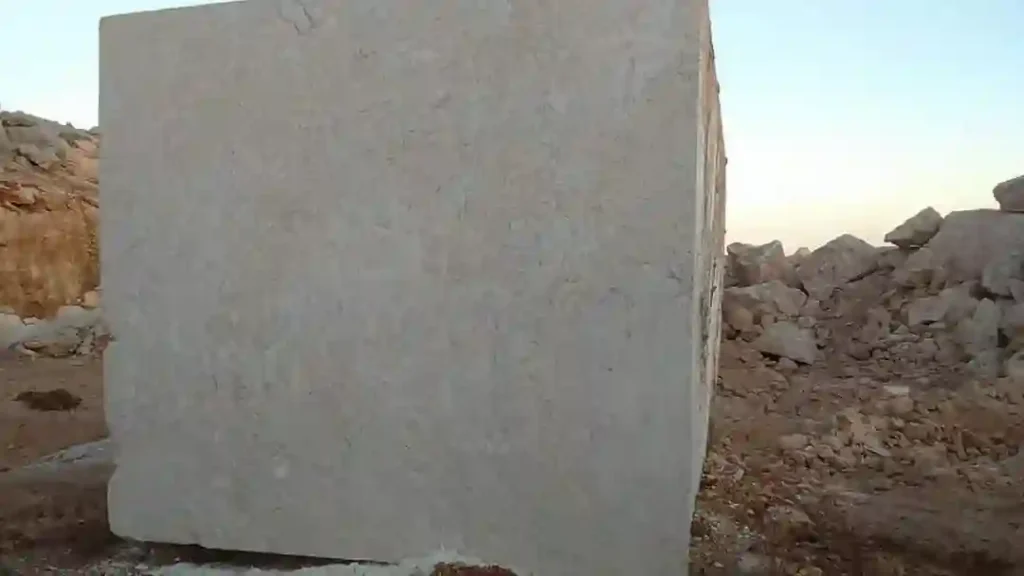
Ocean Reef Shellstone is a fossiliferous limestone — geologically a coquina — formed from the calcified remains of marine organisms compressed and lithified over geological time in ancient reef and shallow-water sediment environments. The Mediterranean and Middle Eastern deposits from which Citadel Stone sources the material are selected for fossil richness, colour consistency across the supply, and the structural integrity required to take and hold a high polish.
The polishing process is multi-stage. The surface is taken through progressive abrasive grits — coarse, medium, fine, very fine, and extra-fine — each stage removing the marks of the previous and refining the surface further. The final passes are fine-grit buffing applications that bring the surface to its high-gloss reflective state. The process is more demanding on fossiliferous limestone than on denser materials because the natural voids and fossil cavities in the stone must be filled or accepted as visual character. Citadel Stone’s polished shellstone is supplied with the natural fossil voids preserved as visible character rather than filled — the visible shell-and-coral content is part of the material identity and customers seeking a more uniform polished surface are typically directed to denser limestone alternatives in the wider Citadel Stone catalogue where filling and polishing produce a more uniform plane.
The polished finish on this stone delivers four distinct visual effects that no other finish in the Ocean Reef range achieves. The warm pale tone intensifies under polish, becoming richer and more saturated than it appears on brushed or honed surfaces. The visible fossil content moves to the foreground, with shell cross-sections and coral fragments reading at sharper definition. The surface becomes light-reflective, bouncing natural and artificial light across the floor or wall to amplify the perceived spatial volume of the room. And the surface gains the silky-smooth tactile quality that distinguishes polished natural stone underfoot from any other surface treatment available in natural materials.
Sealing is essential for every Ocean Reef Shellstone Polished installation without exception. The polished surface is smoother and visually denser than the brushed or natural finishes of the same stone, but the underlying material is still porous fossiliferous limestone. The polish refines the surface; it does not seal the material. A quality penetrating natural stone sealer is the critical specification element.
For interior floor installations in dry conditioned environments, initial sealer application is performed within thirty days of installation completion, after grout has fully cured. Reapplication every three to five years under normal residential use is typically sufficient — the test for reseal timing is the standard limestone bead test described in the maintenance section. For commercial interior installations subject to higher-frequency cleaning protocols, the reseal interval moves to every two to three years.
For bathroom and wet-area installations — including powder rooms, master bathrooms, and any flooring or wall surface in regular contact with water — sealing follows a more rigorous schedule. Annual reapplication is recommended for the first three years after installation, with the interval extending modestly thereafter under normal residential use. For shower floors and continuously wet surfaces, the annual schedule should be maintained indefinitely.
For sheltered exterior installations — covered terraces, loggias, atriums with partial weather protection, and the indoor-outdoor transition spaces typical of warm-climate architecture — sealing follows the exterior protocol of annual reapplication, scheduled before the wettest season in the project’s climate. Citadel Stone supplies specific sealer recommendations and application guidance with every order and will not supply this material to customers who have not understood and accepted the sealing requirement.
Interior installations of this material are not climate-sensitive in any meaningful way. The polished surface performs identically in any conditioned indoor environment regardless of the building’s external climate, and projects in cold-climate USA states — New York, Massachusetts, the Mountain West, the Upper Midwest — routinely specify this finish for interior luxury work without concern. The interior environment is the primary use case for polished shellstone and the optimal application across the entire United States market.
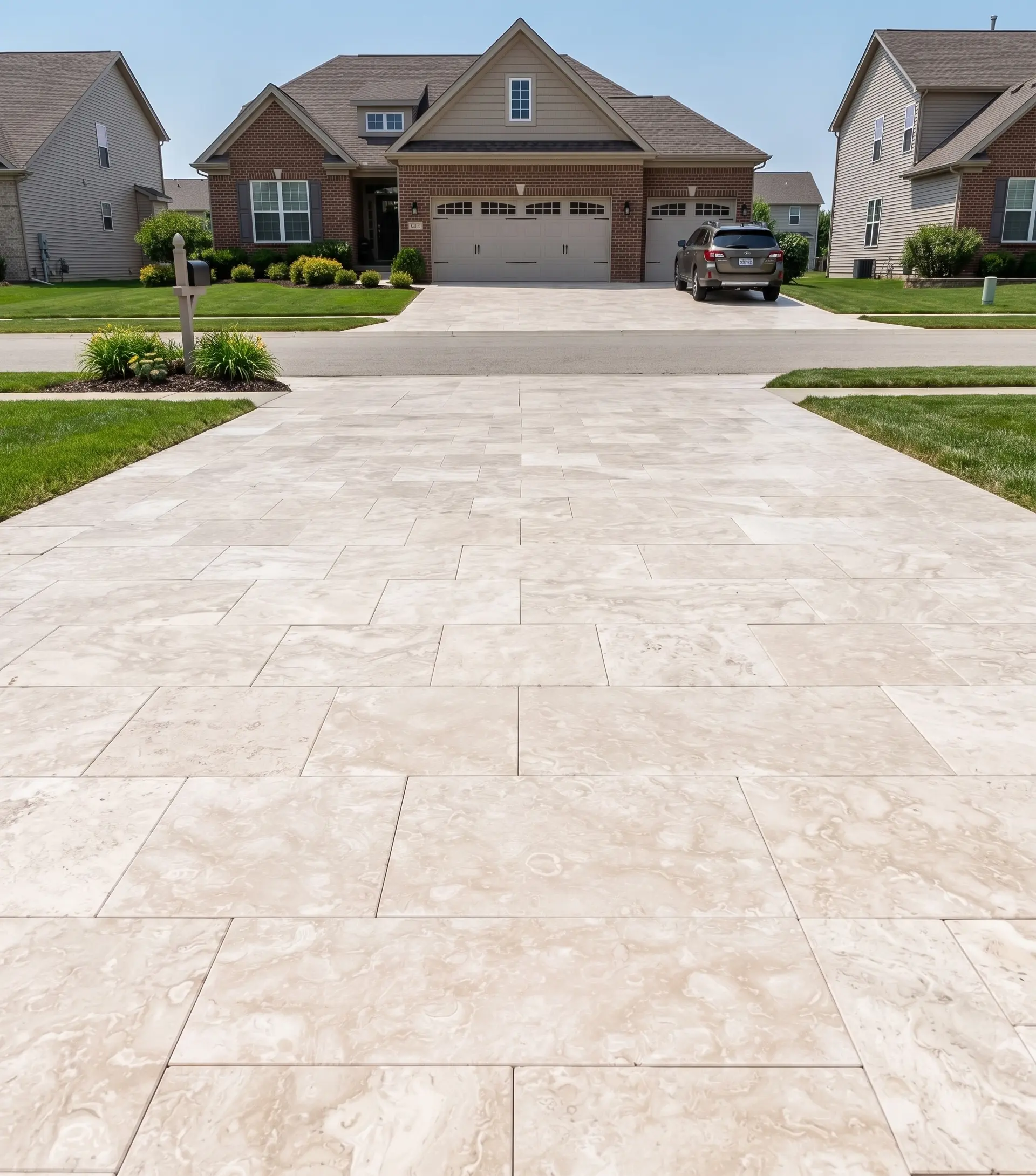
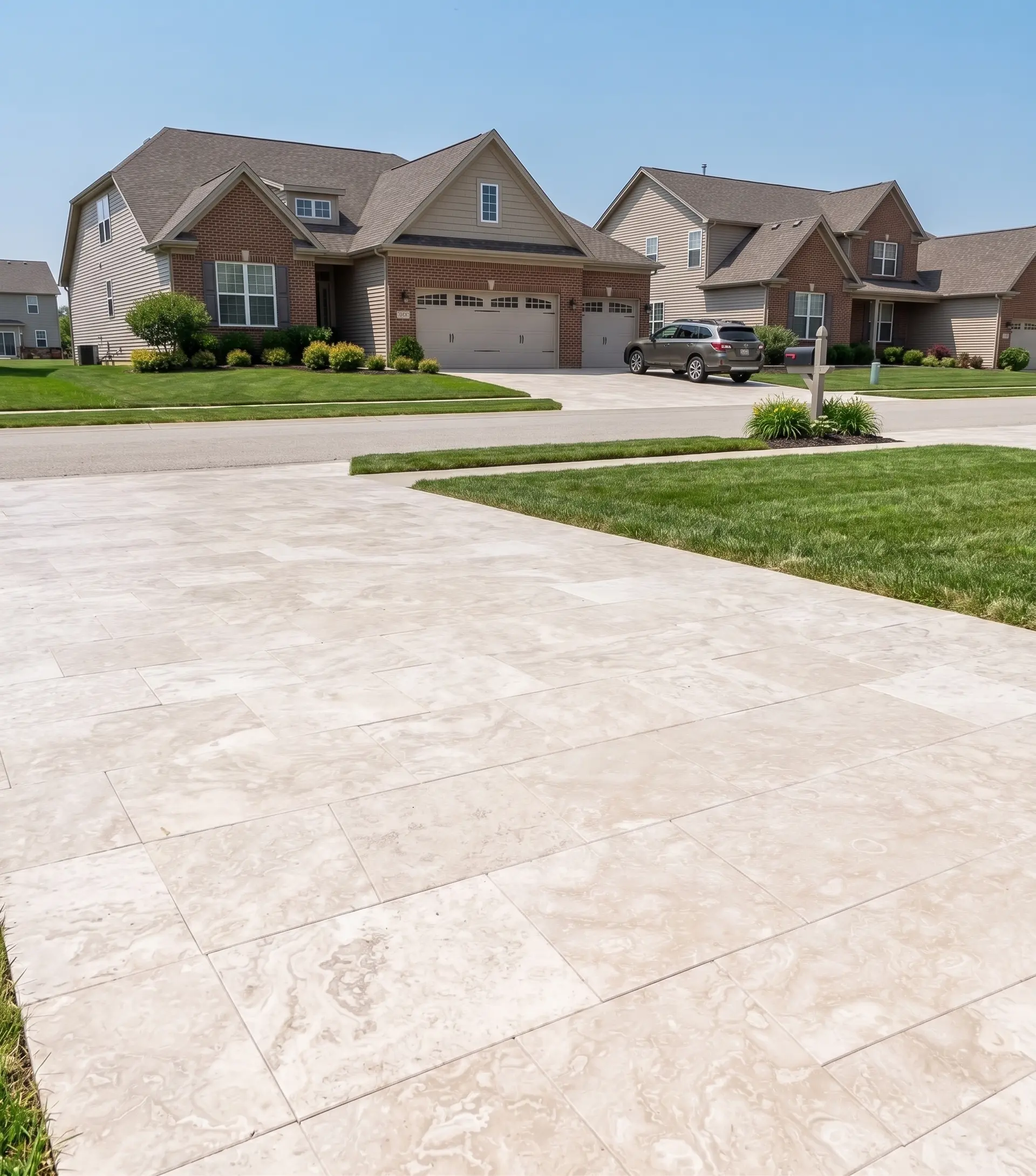
Exterior installations are climate-sensitive and require careful specification. The combination of porosity, exposed fossil structure, and a polished surface that holds water on contact rather than shedding it is why we keep the polished finish for interiors and sheltered outdoor rooms, and supply the same stone brushed for fully exposed paving. For exterior work, this finish is appropriate only for sheltered settings — covered terraces, deep-eave loggias, atriums with overhead protection, and similar partially-protected outdoor architecture. For fully exposed exterior work, choose the same stone in its brushed finish, a popular choice for pool decks and surrounds, driveways, patios and other outdoor paving; for these areas we recommend a coarse grit, and Citadel basalt is recommended for the most demanding exposed exterior conditions in cold climates. The optimal exterior markets for this finish remain the warm and tropical climates of the USA — Florida, Gulf Coast, Hawaii, Caribbean territories, Southern California, and equivalent locations where the sheltered exterior application falls naturally into the climate-appropriate range.
The six application sections below address the architectural settings where Ocean Reef Shellstone Polished performs at its best. Each reflects the specific character of the polished surface and the warm-climate orientation of the material.
Luxury interior flooring is the principal application for this finish and where it performs at its absolute best. The combination of light-reflective polished surface, warm pale tone, and visible fossil content produces a floor that communicates investment, considered design, and authentic natural material at first sight. Residential applications include entry halls and foyers where the floor establishes the architectural identity of the home, formal living rooms and dining rooms where the polished surface amplifies natural light through tall windows, hallways and corridors where the directional flow of the floor draws the eye through the space, and the floors of grand staircases and atrium spaces where the visual scale of the installation amplifies its cumulative impact. The 24-by-24-inch and 24-by-12-inch formats are the most popular residential specifications, with larger formats including 24-by-36 and 36-by-36 used in grand residential spaces and commercial settings. Sealing follows the residential schedule of every three to five years, with felt pads under all furniture legs and entrance matting at all doorways the standard practical measures to extend the life of the polished surface.
Bathroom installations are a natural application for this finish in luxury residential work, where the polished surface delivers the spa-quality material refinement appropriate to master bathrooms, en-suite bathrooms, and powder rooms. The warm pale colour reads as inviting and luxurious rather than the cool clinical tone of polished marble or porcelain, the visible fossil content gives the bathroom an authentic natural-stone character that no manufactured alternative can replicate, and the polished surface paired with underfloor heating produces the silky-smooth warm-underfoot experience that defines luxury bathroom design. The application requires diligent sealing — the wet-area protocol of annual reapplication for the first three years and the careful management of acidic personal-care products and cleaning agents that would etch the polished surface. Vanity surrounds, freestanding-bath feature walls, and powder-room wall cladding extend the polished specification from horizontal floor to vertical surface within the same space, creating bathroom environments where the material identity is consistent across every visible surface. For wall cladding in the same stone, see Ocean Reef Shellstone Wall 24″ × 12″.
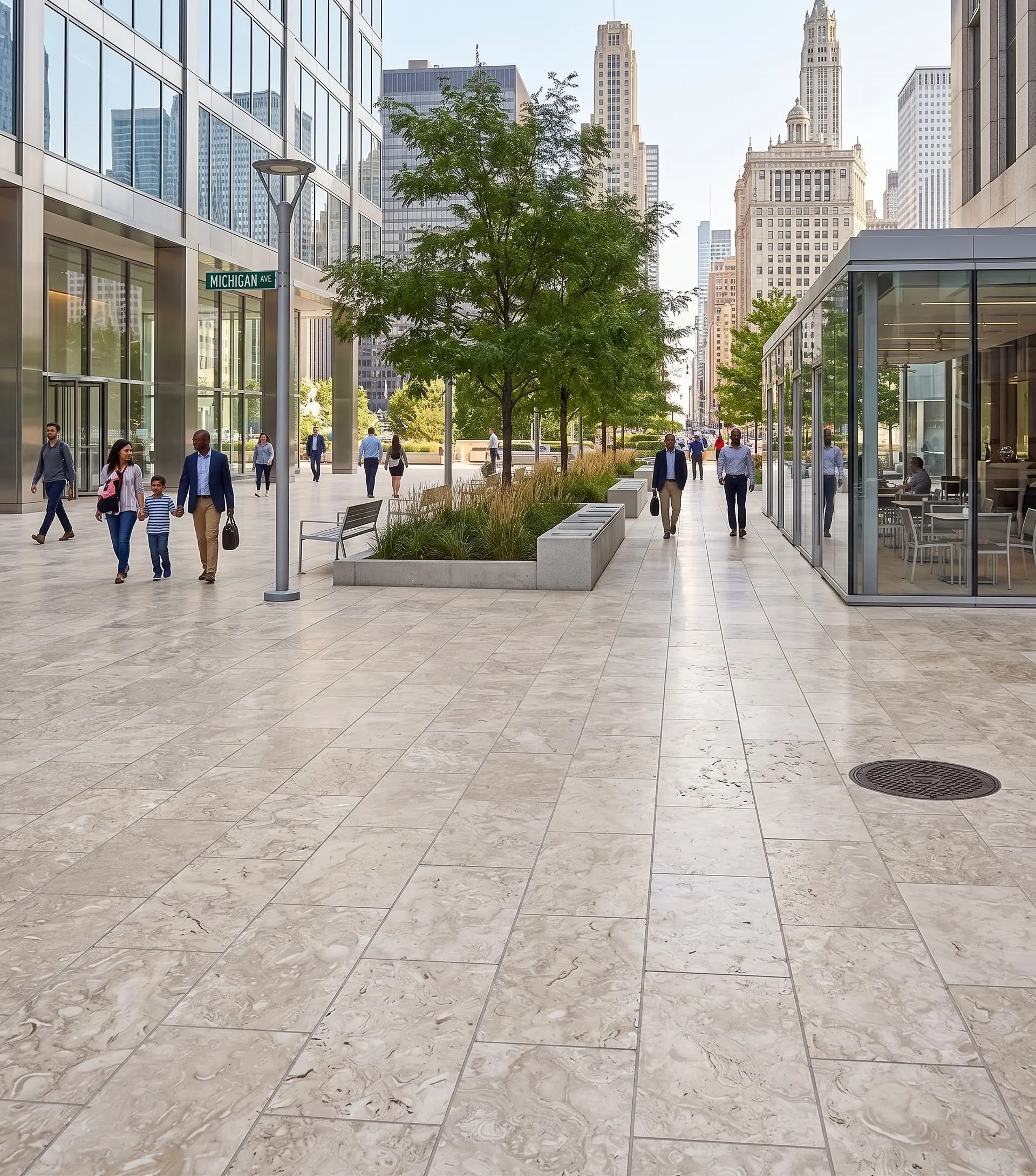
Hospitality and commercial interior applications represent a substantial portion of Ocean Reef Shellstone Polished installations because the material communicates the right qualities for high-investment commercial settings: authentic natural material, considered design, geographical specificity to warm-climate markets, and a visual character that no manufactured floor can replicate. Hotel lobbies in coastal Florida resorts, Caribbean luxury hotels, Hawaiian resort architecture, restaurant interiors in warm-climate hospitality, retail showrooms in design-led commercial development, corporate reception areas in coastal commercial buildings, and the floors of high-end retail boutiques all specify this finish. Commercial installations follow a more frequent maintenance schedule than residential — sealing every two to three years rather than three to five, with daily care managed by trained cleaning staff using only pH-neutral natural stone cleaning products. Heavy commercial traffic over many years may eventually warrant professional re-polishing, which is a routine service available from stone restoration specialists in most US cities and restores the original mirror finish indefinitely.
The polished finish translates exceptionally well from horizontal flooring to vertical wall installations, where the light-reflective surface takes on a different visual character — light reflects across the polished wall in subtle shifting patterns that draw attention to the wall as an architectural feature rather than a background surface. Living room feature walls, hotel reception walls behind check-in counters, fireplace surrounds where the polished surface catches firelight in evening hours, two-storey atrium walls, bathroom feature walls behind freestanding baths, and the lower walls of grand interior staircases all use this finish to create statement vertical surfaces. The visible fossil content reads particularly well on wall installations because the close viewing distance typical of interior wall environments brings the shell and coral fragments into sharper detail than is visible from standing height on a floor. Wall installations follow the same sealing protocol as floors, though the lower exposure to spills and standing water typical of vertical orientation means the schedule sits at the relaxed end of the range — every three to five years for protected interior walls, with the wet-area schedule applying only where the wall is regularly in contact with water as in a shower environment.
Sheltered exterior applications — covered terraces, loggias, atriums with partial weather protection, and the indoor-outdoor transition spaces that define contemporary warm-climate architecture — extend this finish into protected outdoor settings where the same flooring continues from interior to exterior across the threshold. Used here, the polished surface creates the seamless material continuity that defines luxury warm-climate design, with a single material reading across the indoor and outdoor portions of the entertaining space. The specification works because the covered or partially-covered setting protects the polished surface from the direct rainfall and standing-water exposure that would compromise the finish in fully exposed outdoor settings. The sealing protocol is the exterior schedule of annual reapplication, drainage falls must be designed to move water off the surface rather than allowing it to pool, and the application is appropriate for warm-climate USA markets where the indoor-outdoor transition is part of the architectural vocabulary. Fully exposed exterior applications — open patios, uncovered terraces, exposed pool decks — are not appropriate for this finish; the brushed finish in the same stone family is the right specification for those settings, and Citadel basalt is the recommendation for the most demanding exposed exterior conditions.
Polished shellstone kitchen surfaces — island faces, banquette walls, vertical surrounds of built-in cabinetry, breakfast bar cladding, and the visible vertical surfaces of kitchen architecture — bring the visible fossil character of the stone into the most-used room of warm-climate residential design. The application is specifically for vertical and statement surfaces rather than horizontal countertop work, because polished limestone is significantly more acid-sensitive than the engineered surfaces typically specified for kitchen countertops, and the routine contact of food preparation with citrus, vinegar, wine, and tomato-based ingredients would etch a horizontal polished limestone surface visibly over time. For vertical kitchen surfaces — where incidental contact with food acids is rare and easily addressed — the polished finish performs reliably and brings the visible natural-stone character into the kitchen environment without the maintenance demands of horizontal applications. Kitchen surface installations follow the residential interior sealing schedule of every three to five years, with prompt attention to any incidental contact with acidic substances.
| Property | Value | Notes |
|---|---|---|
| Stone Classification | Fossiliferous Limestone (Coquina) | Reef-formed sedimentary stone with visible shell and coral fossil content. |
| Origin | Mediterranean & Middle East | Hand-quarried from Citadel Stone’s exclusive source deposits. |
| Surface Treatment | High-Gloss Polished | Multi-stage progressive abrasion followed by fine buffing to mirror finish. |
| Density | 2.49 g/cm³ (certified mill test) | Use it for weight and freight calculations. |
| Water Absorption | 1.34% (certified mill test) | Water taken up by weight. Lower means less moisture uptake and staining. Sealing is essential for every installation. |
| Compressive Strength | 47.60 N/mm² (certified mill test) | Adequate for residential and commercial interior flooring. |
| Mohs Hardness | 3 – 4 | Standard limestone hardness; avoid abrasive contact and dragging heavy items. |
| Surface Texture | Moderate | Suitable for dry interior areas. |
| Wet-Area Use | Low | Polished is for dry indoor floors; for pool decks and wet steps choose the same stone brushed with a coarse grit, or bush-hammered. |
| Acid Sensitivity | High | Highly sensitive to citric acid, vinegar, wine, and acidic cleaning products. |
| Light Reflectivity | High | Amplifies natural and artificial light; brightens interior spaces. |
| Light Reflection | Excellent | Pale colour brightens sunlit interior settings. |
| Sealing Requirement | Essential | Penetrating natural stone sealer; reapplied every 3–5 years interior, annually wet-area and sheltered exterior. |
| Restorability | Excellent | Can be professionally re-honed and re-polished to original finish. |
| Optimum Climate (Interior) | Any | Interior installations are unaffected by the climate outside. |
| Optimum Climate (Exterior) | Warm, Tropical, Subtropical | Sheltered exterior settings; for fully exposed paving choose the same stone brushed. |
Ocean Reef Shellstone Polished is supplied in a comprehensive range of formats appropriate to interior flooring, wall cladding, and sheltered exterior work. Custom dimensions and bespoke formats are available for commercial and architectural projects.
| Thickness | Imperial | Recommended Application |
|---|---|---|
| 1/2 inch (1.2 cm) | 1/2 in | Wall cladding, vertical feature surfaces. |
| 3/4 inch (2 cm) | 3/4 in | Standard interior flooring, residential and light commercial. |
| 1 inch (2.5 cm) | 1 in | Heavy commercial interior flooring, hospitality and retail. |
| 1-3/16 inch (3 cm) | 1-3/16 in | Sheltered exterior terraces, covered loggias, transitional spaces. |
| Custom | On request | Bespoke specification for commercial and architectural projects. |
| Format | Dimensions | Best Suited For |
|---|---|---|
| Square Medium | 16″ × 16″ | Bathroom floors, powder rooms, smaller residential spaces. |
| Square Standard | 18″ × 18″ | Residential interior flooring, hallways. |
| Rectangle Standard | 12″ × 24″ | Modern residential interiors, brick-pattern installations. |
| Square Large | 24″ × 24″ | Open-plan residential and commercial interiors, hotel guest rooms. |
| Rectangle Large | 24″ × 36″ | Grand entrances, hotel lobbies, large residential floors. |
| Square Statement | 36″ × 36″ | Hospitality lobbies, statement residential floors, grand commercial installations. |
| Plank Format | 12″ × 48″ or 16″ × 48″ | Contemporary minimalist installations, hallway runs. |
| Custom | Any dimension | All bespoke architectural projects. |
The comparison below positions Ocean Reef Shellstone Polished against the four materials most often considered as alternatives for luxury interior flooring and surface specification: polished marble, porcelain, polished granite, and engineered quartz. Travertine is deliberately excluded from this comparison.
| Property | This Stone | Polished Marble | Porcelain | Polished Granite | Engineered Quartz |
|---|---|---|---|---|---|
| Natural Material | Yes | Yes | No (manufactured) | Yes | No (manufactured) |
| Visible Fossil Content | Yes | Rarely | No | No | No |
| Visual Authenticity | True Natural | True Natural | Engineered Print | True Natural | Engineered |
| Mohs Hardness | 3 – 4 | 3 – 4 | 7 – 8 | 6 – 7 | 7 |
| Water Absorption | 1.34% (certified mill test) | 0.1 – 1.0% | <0.5% | 0.1 – 0.5% | <0.1% |
| Acid Sensitivity | High | High | None | Low | None |
| Sealing Required | Essential | Yes | No | Recommended | No |
| Light Reflectivity | High | Very High | Variable | Very High | Variable |
| Visual Warmth | Warm Cream | Cool/Variable | Synthetic | Cool/Variable | Engineered |
| Restorability | Excellent | Excellent | None | Good | None |
| Heritage Authenticity | Centuries | Millennia | Modern | Centuries | Modern |
| Cold Climate (Interior) | Excellent | Excellent | Excellent | Excellent | Excellent |
| Cold Climate (Exterior) | Sheltered Only | Conditional | Excellent | Excellent | Conditional |
Ocean Reef Shellstone Polished occupies a distinctive position in the luxury interior flooring market: it is the only widely-available natural stone that combines authentic fossil content with a high-gloss polished finish, offering a visual identity that no marble, porcelain, granite, or engineered surface can replicate. The sealing and acid-sensitivity considerations are the trade-offs for that authenticity. Clients who accept the maintenance protocols receive an interior surface with multi-decade lifespan, complete restorability, and material character that improves with age — qualities that no manufactured alternative offers at any price.
Ocean Reef Shellstone Polished is installed using standard premium-natural-stone tile-laying techniques and should be specified to a tile contractor experienced with polished limestone installation. Substrate preparation is critical: the substrate must be flat within industry tolerances for polished natural stone (deflection less than 1/720 of span for residential, 1/1000 for commercial), structurally sound, and properly waterproofed where appropriate to the application — mandatory for wet-area installations.
Adhesive selection is a high-quality flexible thinset mortar specifically formulated for natural stone, ideally a non-staining white formulation to prevent any colour bleed into the warm pale stone. For large-format pieces (24-inch and larger), a medium-bed or large-format-and-heavy-tile mortar is the appropriate specification. Grout joints should be kept narrow — typically 1/8 to 3/16 inch — to maintain visual continuity across the floor or wall, with grout colour matched closely to the stone tone to prevent the grid pattern from visually fragmenting the installation.
Pre-installation sealing is essential. A penetrating sealer applied to the stone before grouting prevents grout haze and grout colour from absorbing into the porous stone surface — this step is not optional for polished shellstone, and skipping it can produce permanent grout shadowing along every joint that cannot be cleaned out after the fact. After installation and final cleaning, a second sealer application protects the installed surface for use. The sealing schedule outlined earlier begins from this second application.
For wet-area installations, additional waterproofing measures are mandatory: a proper waterproofing membrane behind the substrate, sealed transitions at every wall-to-floor and wall-to-fixture junction, and verified pre-installation sealing of every piece including edges. For shower installations, professional waterproofing inspection before tile installation is strongly recommended.
The maintenance of polished shellstone is straightforward but disciplined. Daily care consists of dust-mopping or soft-brush sweeping to remove abrasive grit — the primary cause of micro-scratching on any polished surface. Weekly cleaning uses a pH-neutral natural stone cleaner with a microfibre mop. Acidic cleaners must be avoided absolutely: vinegar, citrus-based products, bleach, and standard household tile cleaners will etch the polished surface permanently and cannot be reversed by cleaning alone.
Spills should be addressed immediately, particularly wine, fruit juice, coffee, oils, and any acidic substances. The combination of high acid sensitivity and visible polished surface means that even brief contact with acidic spills can produce dull spots that remain visible after the spill is cleaned. Felt pads under furniture legs are essential, heavy furniture must never be dragged across the polished surface, and entrance mats at all doorways extend the life of the finish significantly by preventing abrasive grit from being tracked across the floor.
Sealer testing is the foundation of long-term maintenance. The bead test is straightforward: a water droplet placed on the surface should bead and remain on the surface for several minutes rather than darkening the stone as it absorbs. When the bead test fails, resealing is required promptly. The labour of resealing is modest — generally a single morning’s work for a typical residential floor — and is the difference between a floor that ages beautifully and one that progressively absorbs incidental staining.
Over the lifetime of the floor, the polished finish may eventually require professional restoration. This is a routine service available from stone restoration specialists in most US cities and involves re-honing the surface to remove accumulated wear, addressing any deep scratches or etching, and re-polishing to original mirror-bright finish. The ability to fully restore the polished surface — not refinish or repair, but return to original quality — is one of the principal long-term value advantages of polished natural stone over manufactured alternatives, which cannot be restored once their surface integrity is compromised.
Both products use the same hand-selected Mediterranean and Middle Eastern fossiliferous limestone, but the finishes serve fundamentally different applications. The polished finish produces a smooth, high-gloss, light-reflective surface optimized for interior luxury work — interior floors, hospitality lobbies, premium wall cladding, and bathroom and powder-room installations. The brushed finish produces a matte, lightly-textured surface optimized for exterior warm-climate hardscape — pool decks, patios, walkways, and outdoor entertaining areas. Polished is for interior; brushed is for exterior. The two finishes are routinely specified together in luxury warm-climate projects: polished in the residential or hospitality interior, brushed flowing out to the pool deck and patio, with both finishes drawing from the same stone identity for whole-project material consistency.
Polished surfaces of any natural stone are significantly more slippery when wet than honed, brushed, or bush-hammered surfaces of the same material. For pool decks, where wet feet and standing water are the everyday environment, we recommend a textured finish instead. The polished finish is also harder to maintain in the chlorinated or salt-water environment of a pool deck — pool chemistry damages limestone over time and the polished surface shows that damage more visibly than less-refined finishes would. For pool decks, the brushed finish in the same Ocean Reef Shellstone family delivers the surface texture and aesthetic appropriateness that the application requires. The polished finish can be used for vertical pool-house walls, fountain surrounds, and decorative elements adjacent to but not part of the wet pool deck environment.
The choice between polished shellstone and polished marble is fundamentally an aesthetic choice — both materials offer authentic natural stone identity with high-gloss polished surfaces and similar maintenance characteristics. The visual difference is significant: polished marble tends toward cool tones with veining as the primary character, while polished shellstone delivers warm tones with visible fossil content as the primary character. For warm-climate, coastal, tropical, or transitional design vocabularies, polished shellstone reads as more geographically appropriate. For neutral or cool-climate luxury interiors, polished marble is often the more traditional choice. Practically, both materials share similar acid sensitivity, similar sealing requirements, similar restorability, and similar pricing positioning in the luxury natural-stone market. Polished shellstone tends to be more distinctive — fewer projects use it, which makes it a stronger design statement for clients who want their interior to feel particular to its setting rather than universally luxurious.
Yes, completely. Professional stone restoration specialists can fully restore polished shellstone — re-honing the surface to remove wear and minor scratching, addressing any deep etching from acidic exposure, addressing any sealer failure, and re-polishing through the same progressive abrasive stages used in original manufacture to return the surface to original mirror-bright finish. The process is routine, available from restoration specialists in most US cities, and significantly less expensive than full replacement. The restoration can be repeated multiple times over the lifetime of the floor, effectively making polished natural shellstone a permanent material that can be returned to original quality at any point in its service life.
The honest answer is that this finish is not the right specification for fully exposed cold-climate exterior installations. The combination of porosity, polished surface that holds water on contact, and fossil-rich character makes the finish vulnerable to freeze-thaw damage in exposed cold-climate settings even with diligent sealing. For exposed cold-climate exterior work, the right Citadel Stone specifications are the brushed Ocean Reef Shellstone for sheltered cold-climate exterior settings, or Citadel basalt for fully exposed cold-climate exterior work where weather resistance is the dominant specification driver. Citadel Stone will recommend the appropriate alternative material wherever this polished finish is not the right fit for the application, because the long-term success of the project matters more than completing the specific sale.
Standard formats are normally available from stock for delivery to most United States destinations within three to four weeks of order confirmation. Custom dimensions, project-specific batches, and large commercial orders typically require six to twelve weeks from order confirmation to delivery. Minimum order quantities are modest — typically a single pallet (120 to 160 square feet depending on format and thickness) is the practical minimum for cost-effective shipping. For trade accounts, commercial projects, and orders above three pallets, dedicated production runs and bespoke specifications are coordinated through the Citadel Stone trade support team with structured pricing reflecting volume. Physical samples are dispatched ahead of full orders on request to confirm the colour, fossil content, and polish quality in the actual lighting of the project setting before commitment.
Citadel Stone provides a free consultation service for every Ocean Reef Shellstone Polished project regardless of scale. The consultation includes review of the project scope and design intent, application-suitability assessment for the specific project setting, format and thickness recommendation based on the application, sealer specification and reapplication schedule, coverage and quantity take-off with appropriate waste allowance, and discussion of any project-specific specification considerations. Consultation is available by email, telephone, and video call, and is staffed by experienced natural stone specialists who understand the specific demands of polished fossiliferous limestone specification.
For architects, interior designers, hospitality groups, and contractors working on luxury residential and commercial projects across the United States, Citadel Stone provides dedicated trade support. This includes priority technical advice during specification development, lead-time guarantees on committed orders, custom format and thickness development for project-specific requirements, presentation sample boards for client meetings, and structured pricing for sustained trade volumes. Trade accounts are opened on request and require a single project reference to activate.
Physical samples of Ocean Reef Shellstone Polished are dispatched to specifiers and homeowners alike on request. The polished surface and fossil character of this material are most accurately understood in physical form — the light-reflective quality of the polished surface, the visible shell and coral fossil content, and the warm pale tone are difficult to convey through photography alone. The sample allows colour, fossil distribution, and polish quality to be assessed in the actual lighting of the project setting before commitment. To request a sample, a quote, or a project consultation, contact Citadel Stone directly using the form on this page or the email address provided.
Product specifications and pricing are subject to change. Contact Citadel Stone for current stock availability and project-specific recommendations.
Choose Your Finish with Confidence
The finish decides how your stone looks, feels and grips underfoot. Compare every finish we produce — brushed 16, 36 and 80 grit, honed and bush-hammered — photographed up close on the actual stone we supply, so you can judge the texture before you order. Samples of any finish are at your door within 3 working days.
Explore the Stone Finishes GalleryA sample of the exact stone ships before any full order — judge tone, veining, and texture in your own light.