


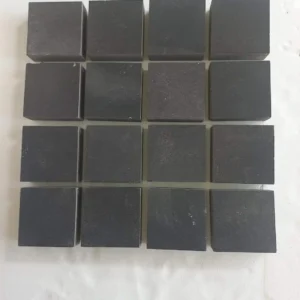
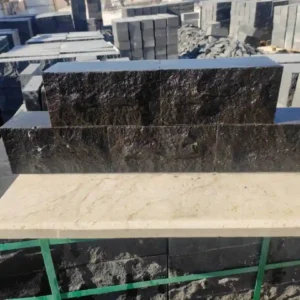
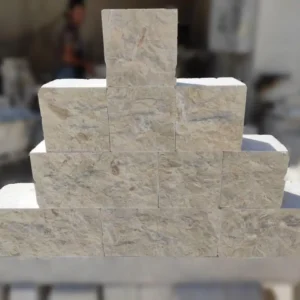
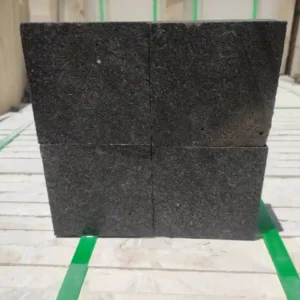


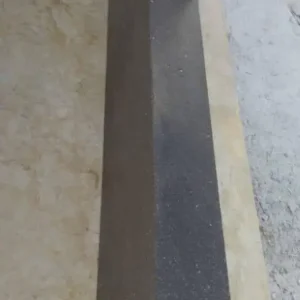
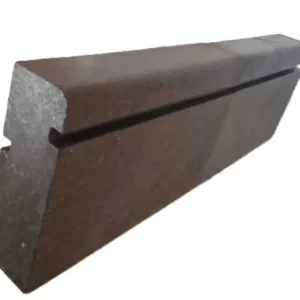
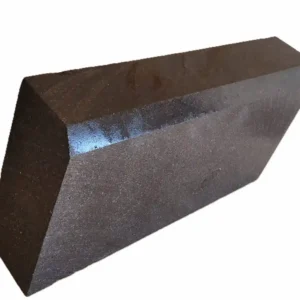
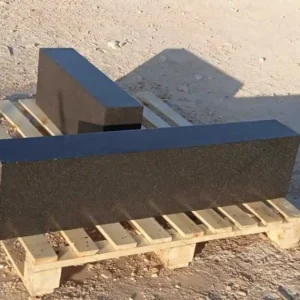











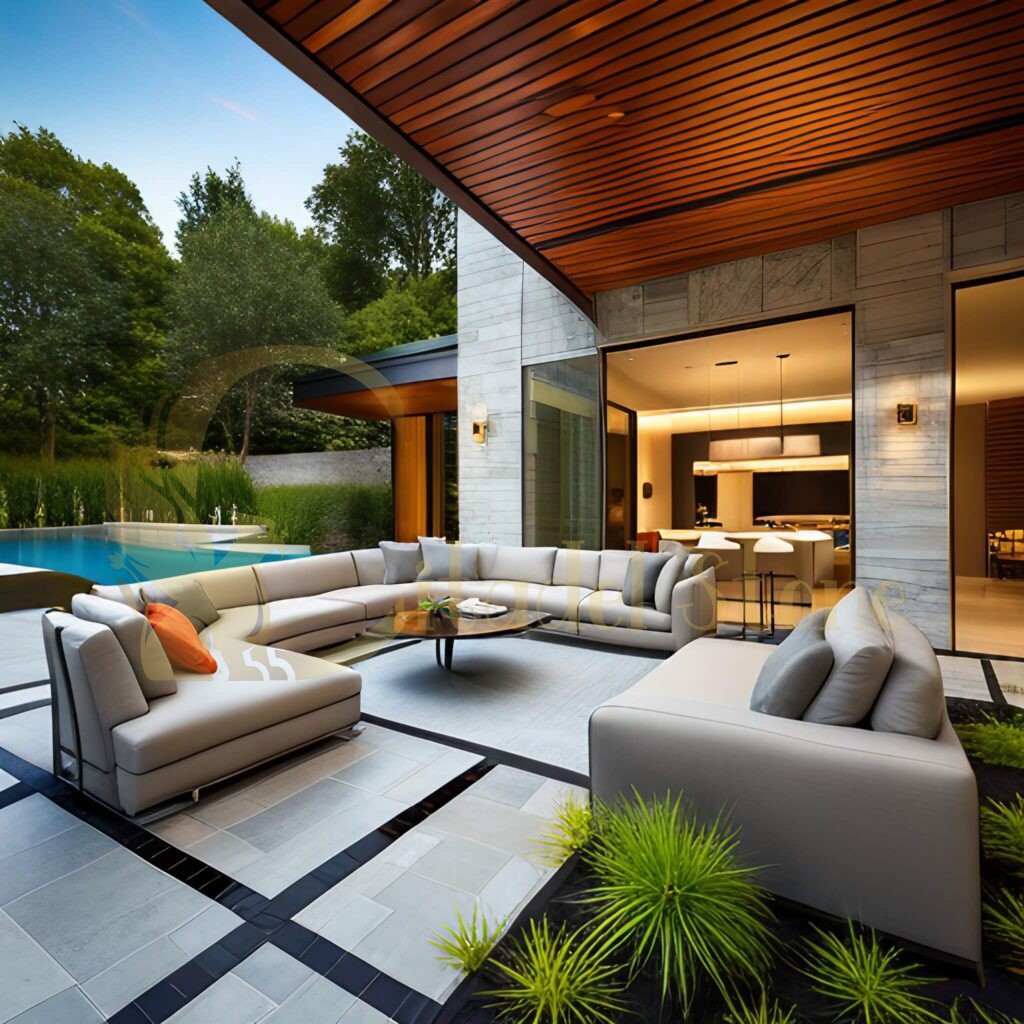
Base geometry is where cobblestone edging in Arizona either succeeds or fails long before a single stone is laid. The state’s dramatic elevation changes — from Yuma’s sea-level desert floor to Flagstaff’s 7,000-foot plateau — create drainage gradients and soil behaviors that demand far more from your subbase design than a standard residential spec will ever account for. Getting the edge profile right means understanding how water moves through your specific terrain, not just selecting a stone that looks good in a catalog.
How Arizona’s Terrain Shapes Drainage Design for Cobblestone Edging
Elevation dictates everything about how water behaves at your site. At higher elevations, you’re dealing with freeze-thaw cycling, concentrated snowmelt runoff, and soils that shift as moisture content fluctuates seasonally. At lower desert elevations, the challenge flips — intense monsoon events deliver several inches of rain in under an hour, and compacted caliche layers prevent that water from percolating downward. Your cobblestone edging installation has to manage both scenarios based on where you’re building.
In practice, this means your drainage design can’t be an afterthought. The edging line needs to be graded deliberately — a minimum 2% cross-slope away from planting beds and structures — and your base aggregate must be open-graded crushed stone, not clean sand, to allow vertical drainage movement. Projects on sites with slopes above 8% need a French drain positioned behind the edging line to intercept subsurface flow before hydrostatic pressure can displace the stones.
- Grade cobblestone edger block installations at no less than 2% slope to prevent pooling behind the edging line
- Use 3/4-inch open-graded crushed aggregate for base material — fine sand retains moisture and promotes freeze-thaw damage at elevation
- Install filter fabric between native soil and aggregate on sites with clay-heavy or caliche-dominant subgrades
- On grades above 8%, incorporate a perforated drain pipe behind the edging line set 6 inches below finished grade
- Account for seasonal soil expansion in the Phoenix and Tucson metro areas where expansive clay content can shift horizontal alignment by 1/2 inch or more annually
Citadel Stone stocks cobblestone edging in Arizona in standard formats compatible with these drainage configurations — you can request dimensional specifications or sample pieces before your project breaks ground, which helps avoid costly mid-project substitutions.
Base Preparation Across Arizona’s Elevation Zones
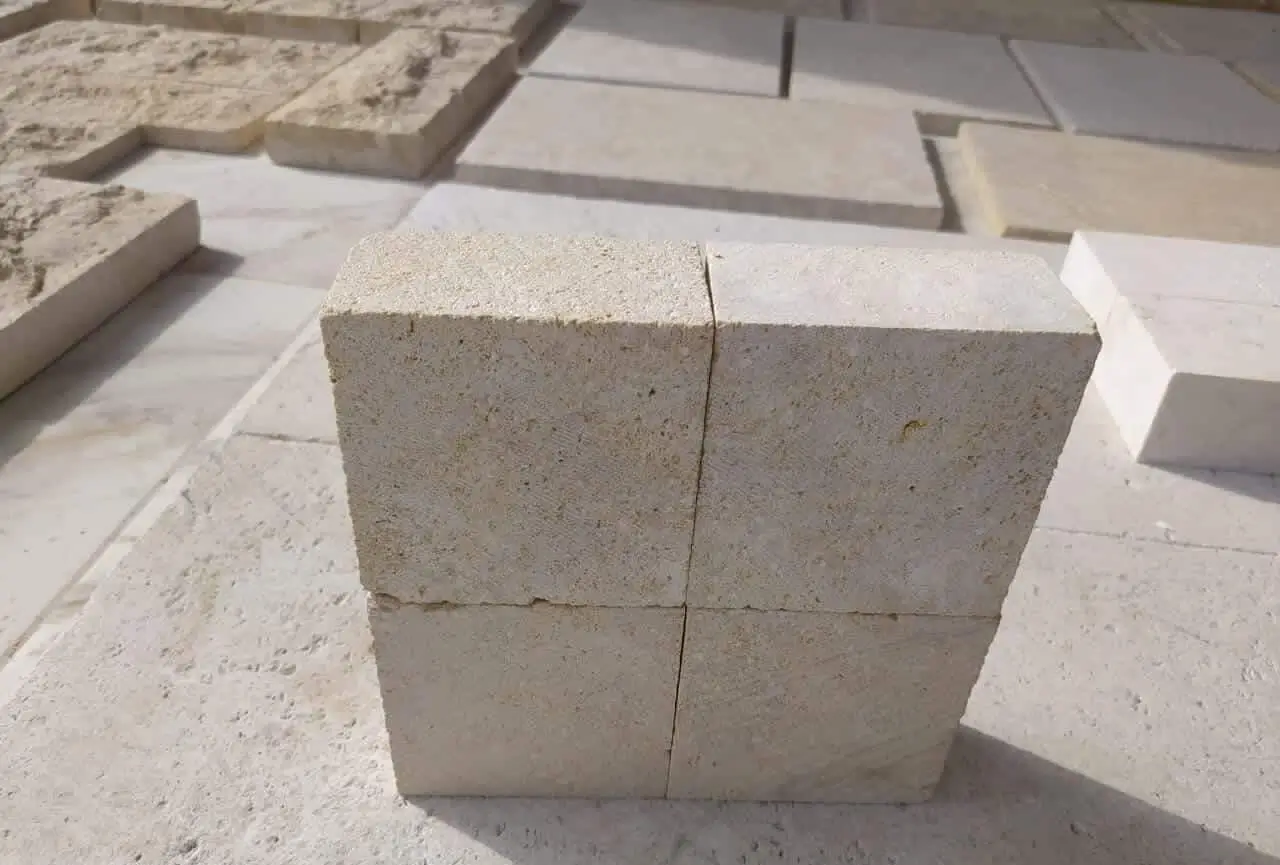
The base depth you specify for cobblestone landscape edging in Arizona depends less on traffic load — edging rarely carries structural weight — and far more on soil type and frost exposure. Projects below 4,500 feet in elevation can typically work with a 4-inch compacted base. Above 5,000 feet, you need 6 to 8 inches minimum to account for the heave potential when frozen soil expands beneath the stones.
In Flagstaff, the combination of volcanic cinder soil and genuine freeze-thaw cycling creates conditions that are genuinely different from anything you’ll encounter in the low desert. That cinder soil drains beautifully — which is a significant advantage — but it also compacts unevenly, so your base prep needs two compaction passes with a plate compactor rather than the single pass that works in denser soils. Using cobble edging for garden installations in this zone without a proper frost-depth base is the most common cause of the wavy, displaced edging lines contractors get called back to repair two seasons after installation.
- Below 4,500 ft elevation: 4-inch minimum compacted crushed aggregate base, single compaction pass
- 4,500–6,000 ft elevation: 6-inch base minimum, two compaction passes, filter fabric mandatory
- Above 6,000 ft elevation: 8-inch base, two compaction passes, consider a geogrid layer for additional lateral stability
- Caliche hardpan within 18 inches of finish grade: scarify and recompact or use as subbase where structurally sound
- Expansive soils in valley floors: add a 2-inch sand setting bed to allow minor horizontal adjustment as soils shift seasonally
Projects in Phoenix frequently encounter caliche at relatively shallow depths — sometimes as little as 12 inches below grade — which can actually work in your favor as a stable subbase layer when it’s properly leveled and doesn’t obstruct your drainage pathway. The key is making sure water can escape laterally rather than pooling behind that impermeable layer where it will undermine your cobbled stone edging base over time.
Material Selection: Reliable Styles for Cobblestone Edging in Arizona
The material you choose for cobblestone edging in Arizona needs to balance three things simultaneously: thermal stability, water absorption rate, and visual compatibility with the surrounding landscape. Arizona’s terrain spans such a wide range of aesthetics — desert contemporary in Scottsdale, alpine rustic near Sedona, Sonoran vernacular in Tucson — that material style genuinely matters beyond just structural performance.
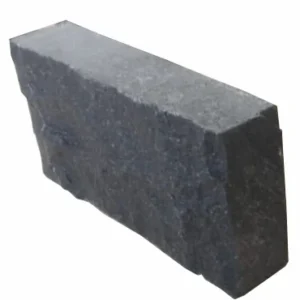
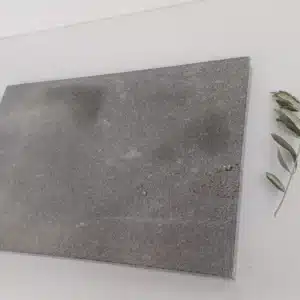
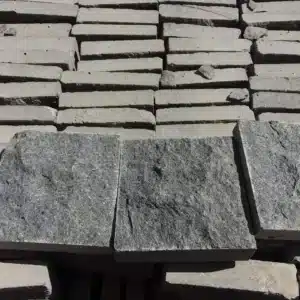
Granite cobble edging is the most dimensionally stable option across all Arizona elevation zones. Granite’s low absorption rate — typically under 0.5% by weight — means it holds its integrity through both monsoon saturation events and the drying cycles that follow. Granite cobblestone edging in Arizona performs consistently whether you’re at sea level in Yuma or at altitude in the White Mountains. The trade-off is that granite reads as fairly uniform in color and texture, which doesn’t always complement the warmer, earthier palettes of southwestern landscape design.
- Granite cobble edging: absorption below 0.5%, minimal thermal expansion, suits all elevation zones
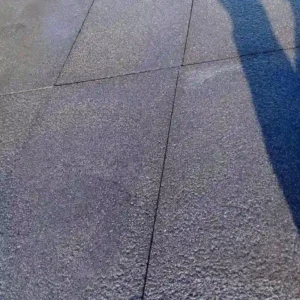
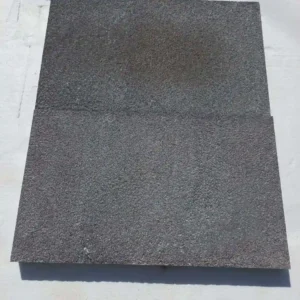
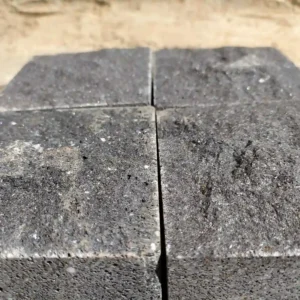
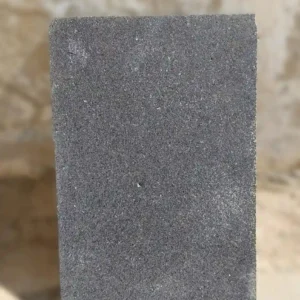
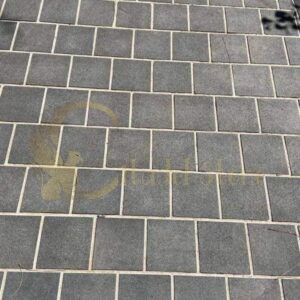
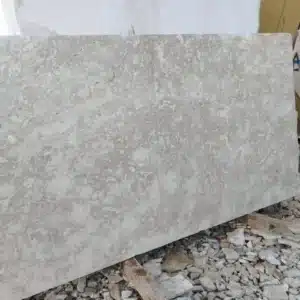
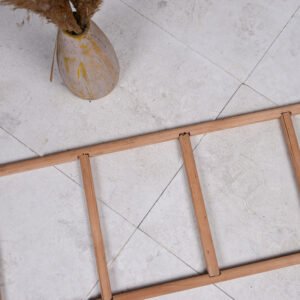
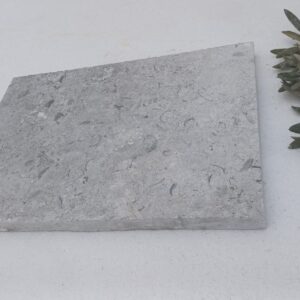
- Grey cobblestone edging in Arizona: works well visually against decomposed granite mulch, caliche gravel, and brown concrete flatwork common in Arizona residential landscapes
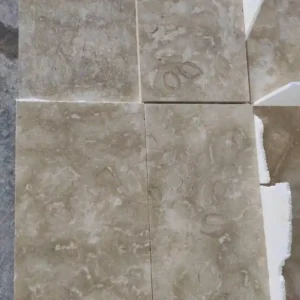
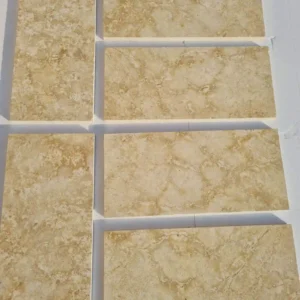
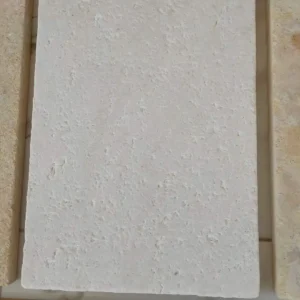
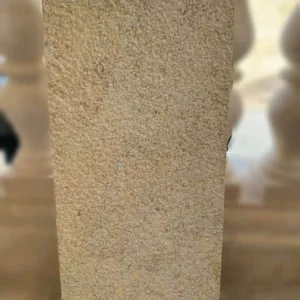
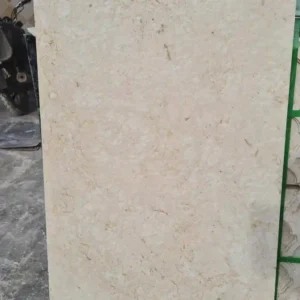
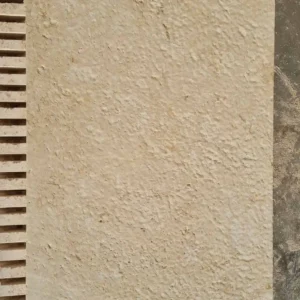
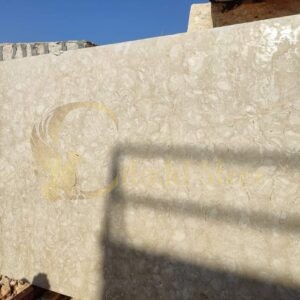
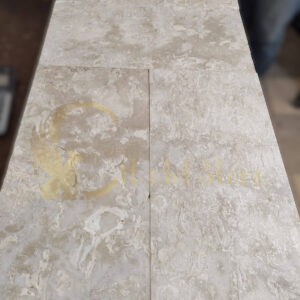
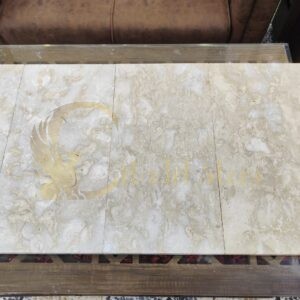
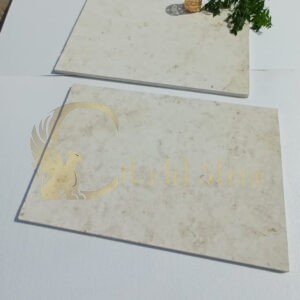
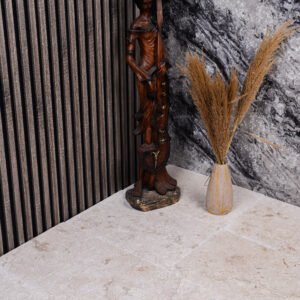
- Cobbled stone edging in buff or tan tones: integrates with natural desert soil colors and sandstone wall materials common in Sedona-area projects
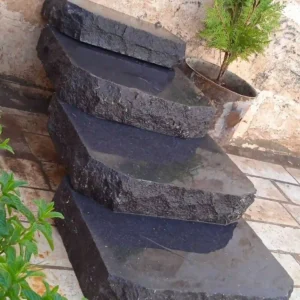
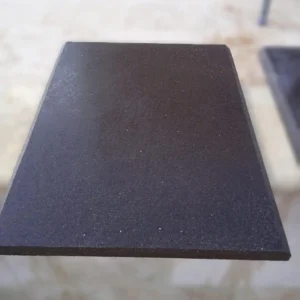
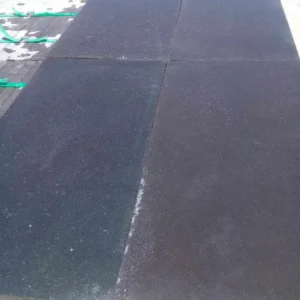
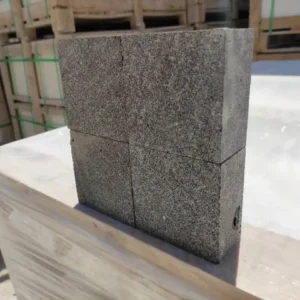
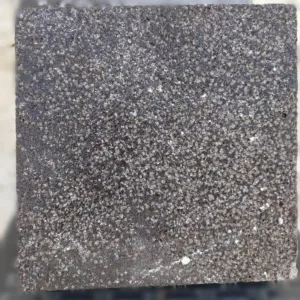
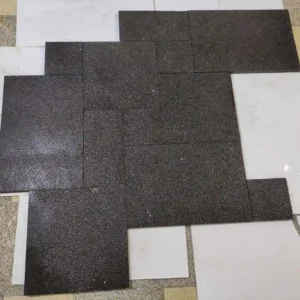
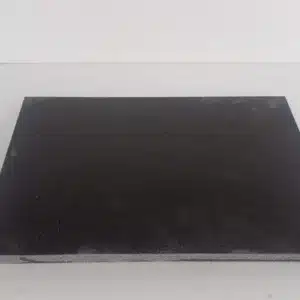
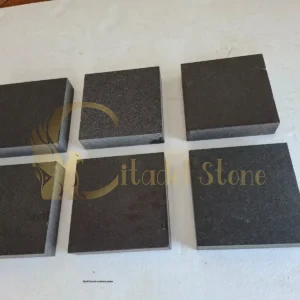
- Dark basalt cobbles: absorb more heat but provide strong visual contrast against light-colored desert gravel — best used in shaded garden beds rather than full-sun exposures
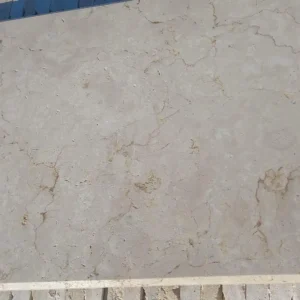
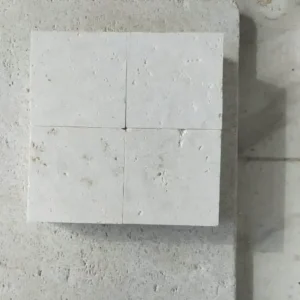
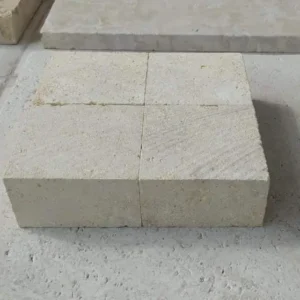
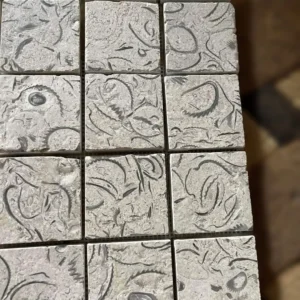
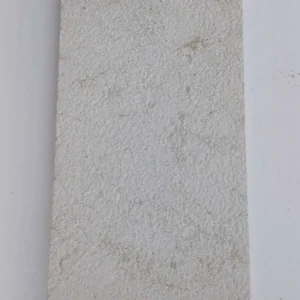
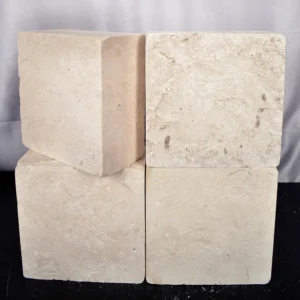
- Limestone cobbles: moderate absorption rates require sealing every 2–3 years in monsoon-prone areas, but deliver the warmest color palette for garden applications
Grey cobblestone edging in Arizona has become a consistent specification choice for landscape architects working on residential projects in the metro areas because it reads as neutral against the wide range of concrete and masonry finishes in use. It doesn’t compete visually with the landscape materials around it, which is exactly the point — edging should define space, not dominate it. For projects requiring custom cuts or non-standard profile heights, Citadel Stone’s team can advise on lead times and quarry sourcing options that match your material palette.
Cobblestone Garden Edging: Field Performance in Arizona Landscapes
Cobblestone garden edging in Arizona does more than separate lawn from planting bed — it functions as a drainage management tool, a heat buffer, and a root barrier simultaneously. Understanding all three functions helps you specify the right edging profile and installation depth for the application.
As a drainage tool, the edging line creates a defined channel gradient. By setting the top of the cobbles 1 to 1.5 inches above finished mulch grade, you create a physical barrier that slows sheet flow during high-intensity monsoon events. This matters in sloped garden beds particularly — without that physical check, heavy rain events can mobilize several inches of mulch or decomposed granite in a single storm. The cobblestone edger block profile works better than thin steel or plastic edging here because the mass resists displacement when water velocity is high.
Base this maintenance schedule on your site’s conditions: for projects in Scottsdale where HOA standards are strict, annual re-leveling of any shifted stones keeps the edging line visually clean and structurally sound. Getting ahead of minor shifts in the first year prevents the compounding displacement that turns a small correction into a full reinstallation. For detailed guidance on maintaining your cobblestone landscape edging installation through Arizona’s seasonal cycles, Cobblestone Edging from Citadel Stone covers the specific protocols that apply to these desert and elevation-zone conditions.
- Set top of cobbles 1–1.5 inches above mulch grade to create a functional water check along sloped beds
- Install cobble edging for garden applications with the widest face down for maximum stability — a 4-inch nominal stone with a flat base outperforms a rounded stone at the same height
- In established landscape beds with root systems, use a mechanical edging tool to cut a clean trench before setting cobbles — root interference causes uneven base compaction
- Re-check level and alignment annually in the first two years; most shifting occurs as the base adjusts to seasonal moisture cycles
- For cobbles for garden borders adjacent to irrigation zones, seal limestone and softer cobble materials every 18–24 months to limit absorption from repeated wetting cycles
Installation Sequence and Jointing for Cobbled Stone Edging
The installation sequence for cobbled stone edging follows a tighter discipline than most landscapers expect, especially when terrain grade varies along the edging run. You can’t simply snap a string line and work off finished grade — you need to establish your drainage slope first, then work backward to determine where each cobble’s base sits relative to subgrade.
Start by setting your string line at the desired finished height with the 2% drainage slope built in. Excavate to your base depth specification for the full run before placing any stone. This sounds obvious, but the most common field error is excavating and setting cobbles in short sections, which causes the drainage slope to drift across the run because each section’s base depth is being gauged independently. Setting the full base first — compacted, checked for slope with a digital level, and ready for stone — gives you a consistent reference plane for your cobble edging in Arizona installation.
- Excavate the full edging run before placing any base material — never install in short sections independently
- Use a digital level rather than a visual check for slope verification — 2% is subtle enough that eye assessment will miss it
- Set cobbles in a full mortar bed for permanent installations, or in a sand setting bed for installations that may need future adjustment or relocation
- Joint spacing between cobblestones should be 3/8 to 1/2 inch — tighter joints trap debris and moisture, wider joints reduce structural continuity
- For granite cobblestone edging in Arizona, use a Type S mortar mix with a water-to-cement ratio no higher than 0.45 to maintain joint strength in monsoon saturation events
- Polymeric sand in joints performs better than standard silica sand for cobble edging installations in irrigated landscapes — it resists washout from both irrigation spray and rain events
Sourced from established quarry partners, each batch of cobblestone material Citadel Stone supplies is inspected for dimensional consistency before leaving the warehouse, which means the setting bed depth you calibrate at the start of the run stays consistent through to the last stone rather than varying with thickness irregularities that can throw off your finished line.
Granite vs. Limestone: Comparing Cobblestone Edging Performance for Arizona Sites
Choosing between granite and limestone for your cobblestone edging comes down to the specific demands of your site — not a blanket performance hierarchy. Both materials are viable across most Arizona elevation zones, but they handle the state’s characteristic stressors differently enough that the site conditions should drive the decision.
Granite cobble edging excels on sites with consistent irrigation, high monsoon exposure, or frost cycling above 5,000 feet. Its low absorption rate means it won’t accumulate moisture that later freezes and fractures the stone face. Granite cobblestone edging in Arizona projects also tends to retain its dimensional profile over time — it doesn’t develop the surface weathering that softer stones show after 10 to 15 years of UV and moisture cycling. The practical downside is that granite is harder to cut on-site, which matters when you’re working a curved edging line with tight radii.
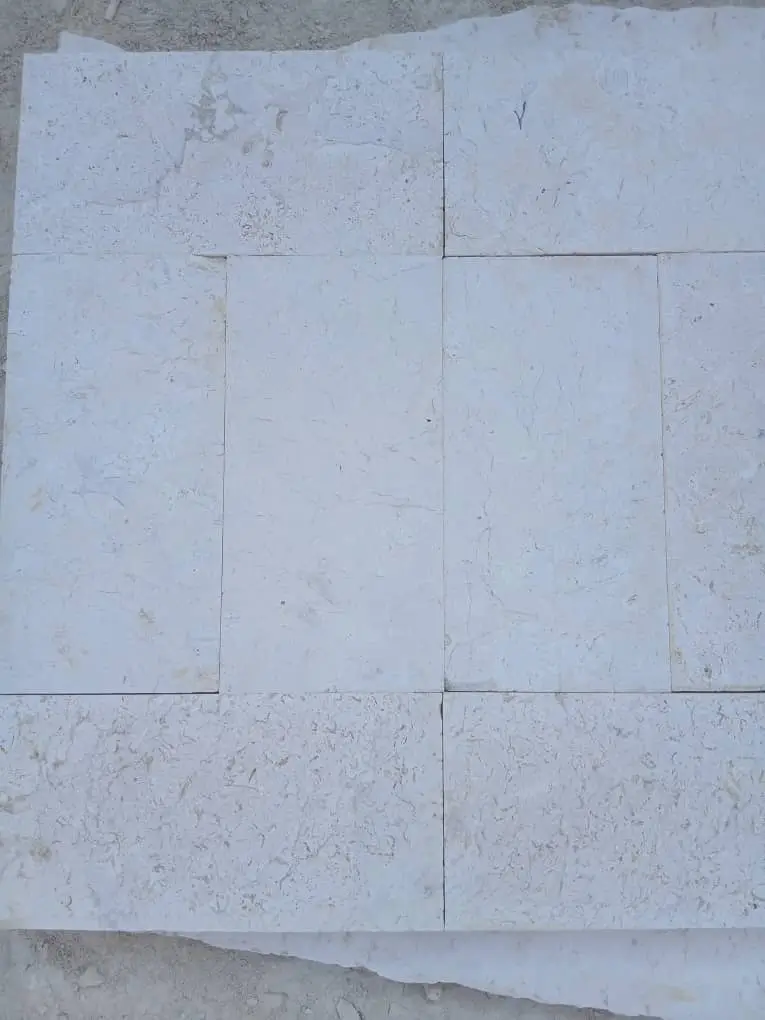
Limestone cobbles offer warmer color tones and cleaner cut faces, which is why cobblestone landscape edging in Arizona using limestone remains popular in residential projects where aesthetics drive specification. The absorption rate — typically 3 to 8% depending on the specific stone — requires a sealing program, but a penetrating silane-siloxane sealer applied every two to three years keeps moisture uptake manageable even in monsoon-heavy locations. What often gets overlooked in the granite-versus-limestone comparison is that limestone’s slightly softer surface actually improves traction in pedestrian applications — the micro-texture holds underfoot better than the polished face of some granite cobbles.
- Granite absorption: under 0.5% — no sealing required, superior freeze-thaw resistance
- Limestone absorption: 3–8% — sealing every 2–3 years required, particularly in irrigated and monsoon-exposed zones
- Granite compressive strength: typically 19,000–25,000 PSI — handles vehicular overhang in driveway border applications
- Limestone compressive strength: 8,000–14,000 PSI — appropriate for pedestrian garden and landscape edging applications
- Grey cobblestone edging in granite finish maintains color stability under Arizona UV loading without topical coatings
- Limestone cobble edging in buff or cream tones develops a natural patina under Arizona’s alkaline water conditions — some specifiers find this desirable, others do not
Order Cobblestone Edging in Arizona — Direct Supply from Citadel Stone
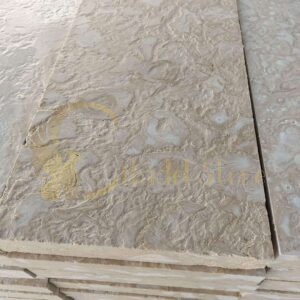
Citadel Stone supplies cobblestone edging for Arizona residential and commercial projects in standard formats including 4x4x4-inch tumbled cobbles, 6x4x4-inch rectangular sets, and larger 8x4x4-inch pieces suitable for heavier edging lines and border applications. Available finishes include tumbled, split-face, and natural cleft — each suited to different visual contexts from formal garden design to naturalistic desert landscaping. You can request sample pieces or detailed dimensional specifications before committing to a material and format, which is the right approach when you’re matching existing stone on a renovation project or coordinating with a specific masonry veneer.
Trade and wholesale inquiries are handled directly through Citadel Stone’s project team. Citadel Stone ships cobblestone edging across Arizona from regional warehouse inventory, which typically keeps lead times in the one-to-two-week range for standard stock formats. Custom sizing, non-standard profiles, or large commercial quantities may require additional lead time depending on quarry availability — the project team can confirm current lead times and advise on the best format for your specific base design. For complementary stone features beyond edging, Black Limestone Cobbles in Arizona covers another dimension of Arizona cobblestone specification worth reviewing if your project includes paving or feature surface applications alongside the edging work. Contractors in Flagstaff, Sedona, and Yuma select Citadel Stone Cobblestone Edging for Arizona residential and commercial projects.