
























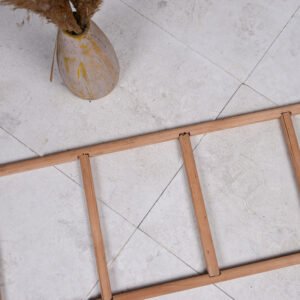
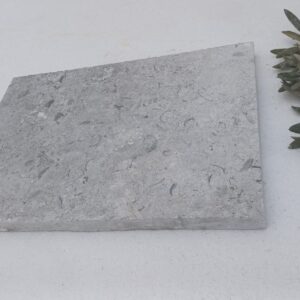
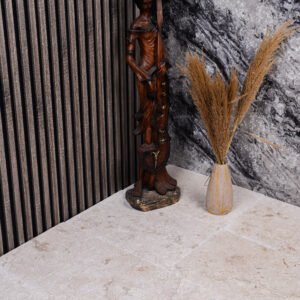

Key Takeaways: Trusted Wholesale Stone Supplier USA
- Citadel Stone is a premier nationwide wholesale stone supplier in the US, offering a diverse selection of high-quality natural stones with a robust distribution network for efficient delivery.
- The company provides a variety of stone types including Middle Eastern limestone known for its durability and aesthetic appeal, and custom options such as basalt slabs and cobblestones for high-traffic areas.
- Citadel Stone emphasizes eco-friendly practices in their operations, utilizing renewable energy for production and ensuring their natural stone products are sustainable, long-lasting, and maintainable with minimal environmental impact.
Discovering Citadel Stone: Your Nationwide Wholesale Stone Supplier
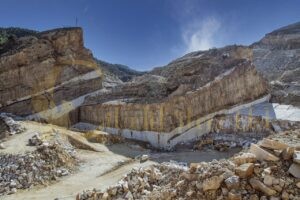
When it comes to natural stone, quality is paramount. You need a supplier who offers not just a wide variety, but an assurance of excellence. Enter Citadel Stone, a champion of premium natural stones. From the heart of the earth to the heart of your project, Citadel Stone brings you an expansive selection of high-quality natural stones that are sure to meet your unique needs.
Regardless of project scale or location, Citadel Stone provides nationwide coverage within the United States.
The Reach of Citadel Stone
But how does Citadel Stone ensure your project gets the stone it needs, when and where it needs it? The secret lies in Citadel Stone’s expansive distribution network. With a robust supply chain infrastructure, the company ensures blanket coverage for efficient delivery across the entire nation. Citadel Stone’s commitment to reliable deliveries and seamless logistics is a testament to their dedication to customer satisfaction.
Rest assured, Citadel Stone is committed to fulfilling your orders promptly and accurately, anywhere in the United States.
Partnering with Excellence
In the competitive world of construction and design, the strength of your partnerships can make all the difference. That’s why Citadel Stone is committed to fostering strong relationships with key industry players such as limestone dealers, manufacturers, and architects. By understanding and addressing every project requirement, Citadel Stone ensures that each partnership is a journey towards creating excellence. Plus, they promise a quick response time – you can expect a reply within two business days.
Their collaborative strategy allows Citadel Stone to cater to each project’s unique needs with a diverse selection of premium limestone products.
Limestone Elegance: A Cut Above the Rest
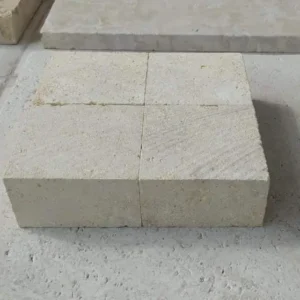
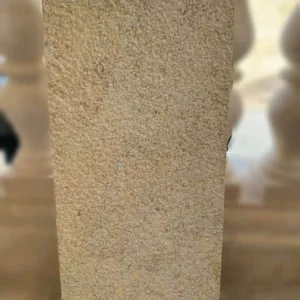
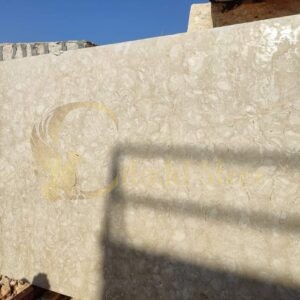
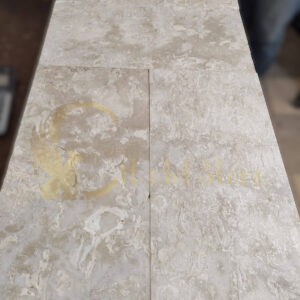
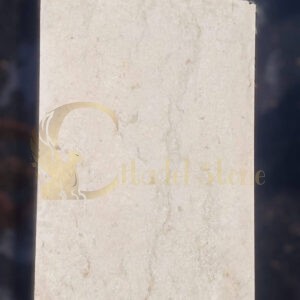
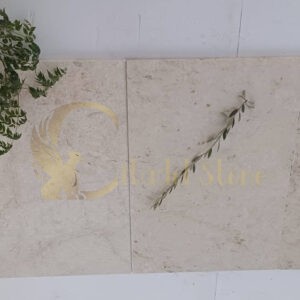
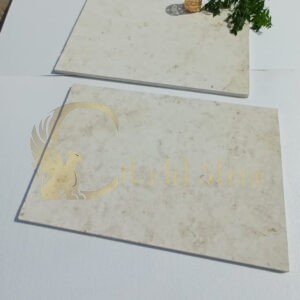
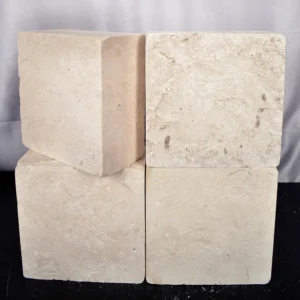
When it comes to limestone, not all stones are created equal. Citadel Stone sources its limestone directly from the Middle East, a region known for its superior quality limestone. This limestone stands out in the crowd, outperforming limestone from Turkey, Egypt, and India in terms of beauty and durability.
The Middle Eastern limestone, enriched with a variety of textures and colors due to millions of years of marine organism accumulation and compaction, is aesthetically appealing. When it comes to durability, particularly limestone from Syria, this material is an excellent choice for construction projects that require long-lasting materials.
Ocean Reef to Blue Fossil: A Range of Choices
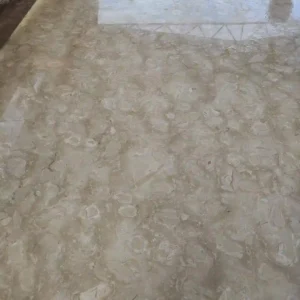
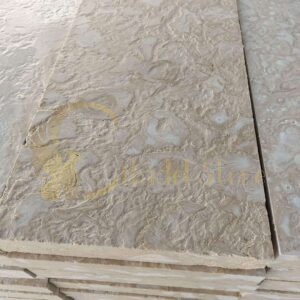
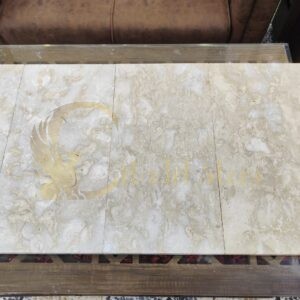
Among the many varieties of limestone offered by Citadel Stone, durable Ocean Reef limestone for sustainable designs, and durable fossil limestone tiles for flooring stand out as unique options for projects aiming for a touch of luxury. But what sets these two apart? It’s the well-preserved marine fossils within the stone. These fossils not only add significant aesthetic and scientific value to the limestone but also make Ocean Reef and Blue Fossil distinctive choices well-suited for luxurious projects and discerning clientele.
The Durability Factor
Durability is the cornerstone of any construction material, and Middle Eastern limestone is no exception. Recognized for its exceptional durability, this limestone holds up well in outdoor environments where toughness and damage resistance are paramount. The stone’s inherent resistance to the elements safeguards it from weather-induced wear, making it an apt choice for external applications like pool decks and patios.
What’s more, the maintenance for limestone pavers is minimal, enhancing the durability factor. With its ability to resist:
- scratches
- chips
- stains
- fire
- mold
- bacteria
Middle Eastern limestone proves its durability over time.
Basalt and Beyond: Superiority in Stone
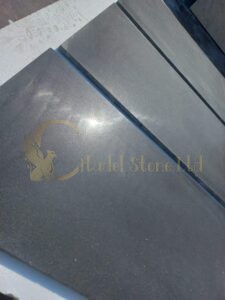
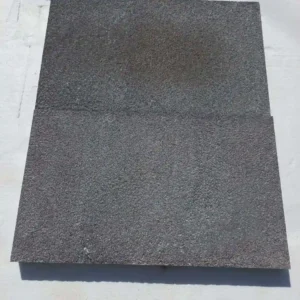
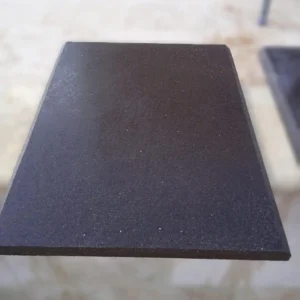
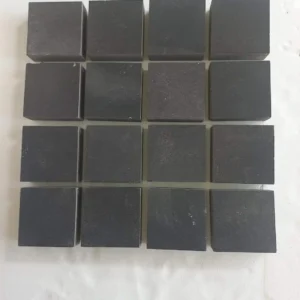
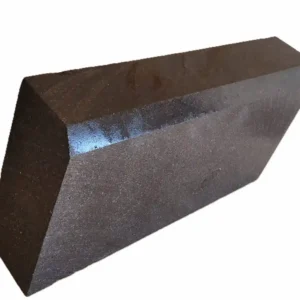
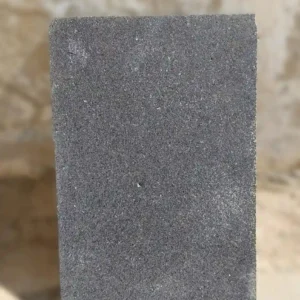
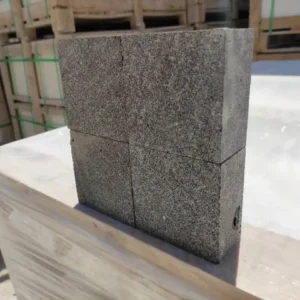
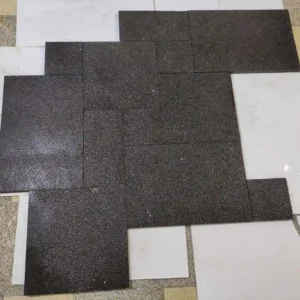
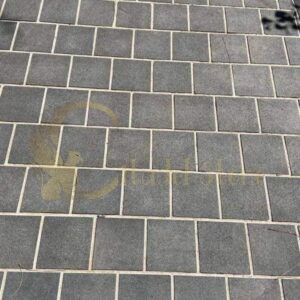
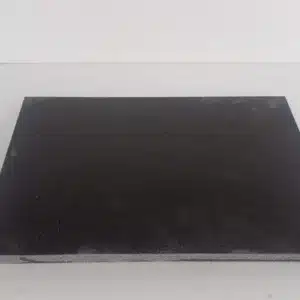
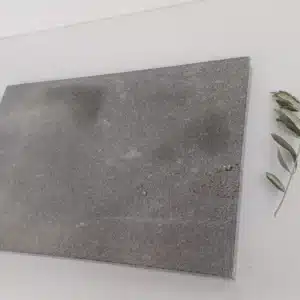
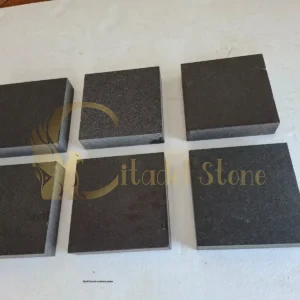
If limestone is the star player in Citadel Stone’s lineup, basalt slabs are the unsung heroes. With enhanced strength, greater strain tolerance before failure, and resistance to high temperatures, Citadel Stone’s basalt slabs exhibit superior properties. These slabs demonstrate superior quality when compared to basalt tiles imported from China.
With their deep gray hues, Citadel Stone’s basalt slabs are not just versatile but also a testament to the superiority in stone, rivaling even slate in their appeal.
Granite and Basalt Cobblestones
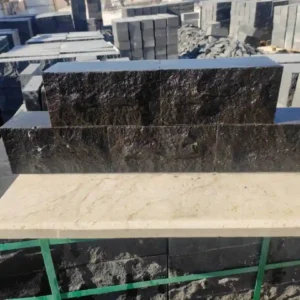
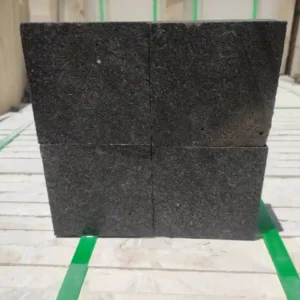
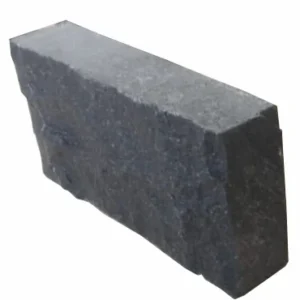
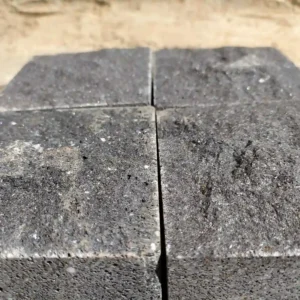
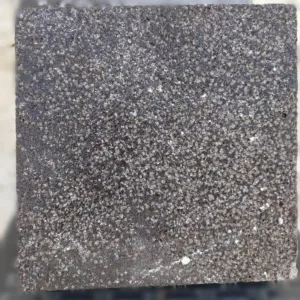
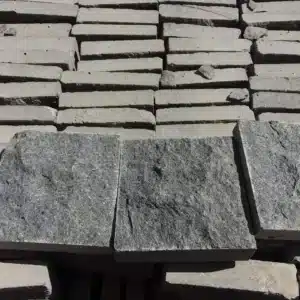
Durability and high-traffic areas go hand in hand. That’s where granite and sustainable basalt cobblestones for eco-friendly projects from Citadel Stone come into play. Renowned for creating long-lasting pathways and driveways due to their strength and hard-wearing nature, both basalt and granite cobblestones are an excellent choice for high-traffic areas.
And it’s not just about the strength. Black Granite Cobblestones offer a striking aesthetic that can enrich both traditional and contemporary landscape designs with their robust color and durability. From paving stones to block paving, Citadel Stone’s lineup enhances the selection for landscaping and architectural projects.
Customization at Its Finest
Customization is the key to creating unique and personal spaces. That’s why Citadel Stone provides custom cut stone services, including:
- A variety of finishes
- Different thicknesses
- Various shapes
- Different sizes
This allows for matching or complementary stones that enhance the attractive aesthetic and functional qualities of any building project.
The company offers an array of customization options for flagstone pavers involving different sizes, colors, and textures. Citadel Stone ensures unmatched flexibility, catering to the needs of both designers and builders.
Paving the Way with Unique Stone Solutions
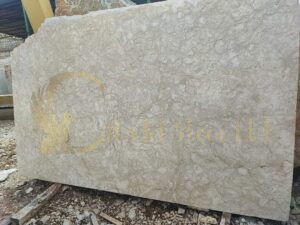
Recognizing that each project has unique requirements, Citadel Stone specializes in offering a variety of distinctive limestone solutions to cater to a wide range of construction and renovation needs. The exclusive product range includes:
- Premium Ocean Reef Limestone tiles for elegant spaces: opulent and luxurious
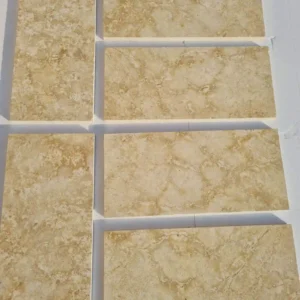
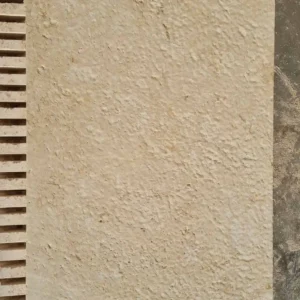
- Polished yellow limestone tiles for glossy finishes: warm-toned and inviting
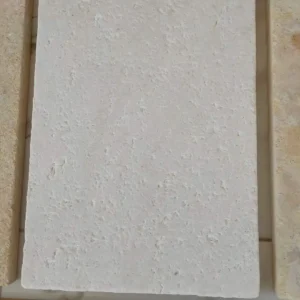
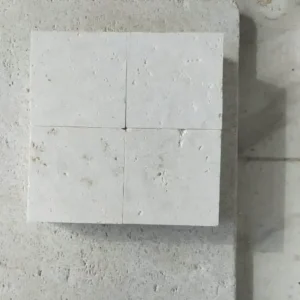
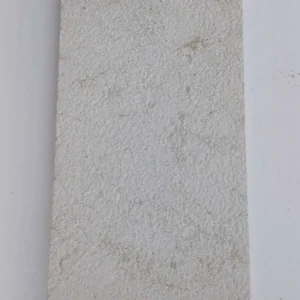
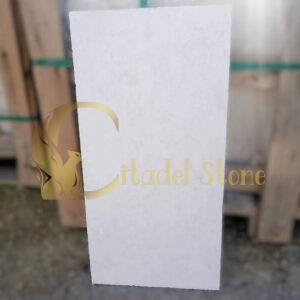
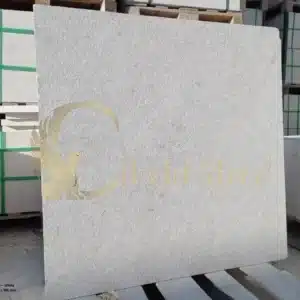
- Textured white limestone tiles for enhanced grip: pristine and elegant
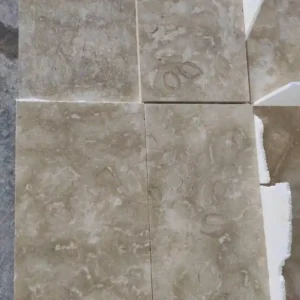
- Limestone tiles with preserved natural fossils: intriguing and unique,
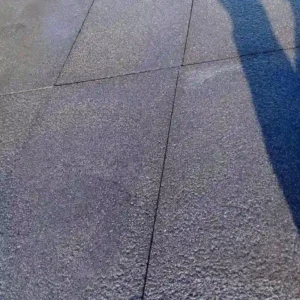
- Polished basalt for luxurious garden embellishments: The most durable black pavers in the world.
Each of these products is a great addition, adding richness and distinct character to any project, paving the way for unique stone solutions.
Landscape Curbing for a Polished Look
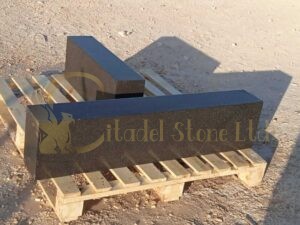
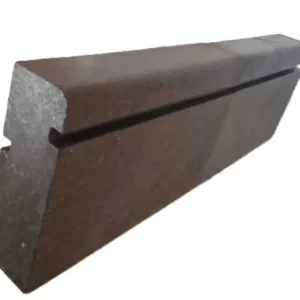
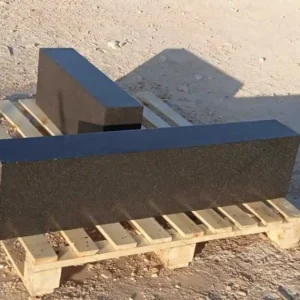
A landscape without defined boundaries can seem chaotic. Curb stones – strength meets aesthetics brings in the much-needed order, maintaining landscape integrity, and enhancing curb appeal. It not only delineates garden boundaries for a well-defined, polished look but also potentially increases property value. And it’s not just about aesthetics. Landscape curbing acts as a barrier against invasive plants, helping to prevent weeds from creeping into garden spaces.
With a variety of landscape curbing types at your disposal, including other types like walls, customizable, and practical options, you can choose what best suits your outdoor space.
Inspiration for Every Design
When it comes to design, having options is empowering. Flagstones from Citadel Stone offer just that. They are available in a variety of colors, including:
- Hues of blue
- Red
- Brown
- Mixed variations
These color options cater to individual design preferences, allowing you to create a unique and personalized look for your space. From understated neutrals to vibrant hues, the color options for flagstone pavers extend your design possibilities.
Beyond colors, Citadel Stone’s diverse catalog of flagstone pavers inspires with a variety of sizes and textures – offering inspiration for every design.
Commitment to Service: Logistics and Samples
Behind every successful project lies a strong commitment to service. Citadel Stone exemplifies this by providing the following services:
- Rapid delivery services
- Sending stone samples anywhere in the US within five working days
- Facilitating swift delivery systems across various locations
- Ensuring that shipping of pavers is handled by reliable shipping providers
Citadel Stone leaves no stone unturned in meeting the demands of the projects.
Ease of Selection
Selecting the right stone for your project should not feel like moving mountains. Citadel Stone makes this process easier by providing stone samples in manageable sizes, typically 4 by 7 inches or 6 by 6 inches. This allows for an easy evaluation of the product’s structure and weight.
Best of all, Citadel Stone prioritizes client convenience by guaranteeing that these samples will be sent anywhere in the US within a five-working-day timeframe.
Seamless Project Execution
Project logistics can be complex, but with Citadel Stone, it’s all smooth sailing. Citadel Stone offers the following services to ensure that your pavers are delivered in perfect condition, ready for project execution without delay:
- Sturdy packaging to protect the pavers during transportation
- Unloading equipment for residential deliveries
- Expertise in managing complex delivery routes
- Knowledge of regulatory requirements for large-scale projects
With Citadel Stone, you can trust that your project logistics will be handled with care and efficiency.
This allows you to concentrate on realizing your design as Citadel Stone handles the logistics.
Eco-friendly Stone Supplier in the US
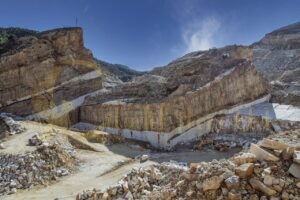
In today’s world, sustainability is not just a trend, it’s a necessity. Citadel Stone understands this and emphasizes sustainability by:
Utilizing renewable energy in the production of their natural stone products
Processing natural stone with minimal water use
Ensuring the stone can be efficiently recycled and repurposed after its functional lifespan
Citadel Stone is truly the eco-friendly choice in natural stone, compared to other natural stone options.
Renewable Energy in Manufacturing
Natural stone production involves energy consumption at different stages, including quarrying, transporting, and processing. But what if this energy could be renewable? Citadel Stone makes this possible by mitigating the environmental impacts from energy usage in the production of natural stone through the use of renewable energy sources.
The carbon footprint can be further reduced by transporting natural stone using electric vehicles, making the process even more eco-friendly.
Long-lasting and Low-maintenance
Sustainability doesn’t end with manufacturing. The longevity and low maintenance requirements of natural stone contribute to its environmental sustainability. Be it limestone’s notably long lifespan or the enduring colors of flagstone pavers, natural stone stands the test of time. And when it comes to maintenance, it’s as simple as cleaning twice a year.
Citadel Stone’s efforts, from sealing to preserve the condition of the stones to recycling production water, aim to minimize the environmental footprint of natural stone.
Tailoring to Your Needs: Sizes, Colors, and Textures
Recognizing that every design has unique requirements, Citadel Stone crafts customized natural stone products tailored to your specific needs. Whether it’s custom designs for a range of stone products or tailoring architectural needs with options in colors, sizes, shapes, and finishes, Citadel Stone ensures that your stone is just as unique as your design.
From Subtle to Bold
Choosing the right color can transform a design from ordinary to extraordinary. Limestone offers a diversity of neutral tones, including:
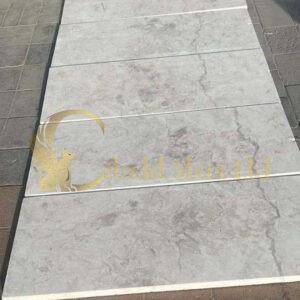
White limestone slabs for a clean and modern aesthetic
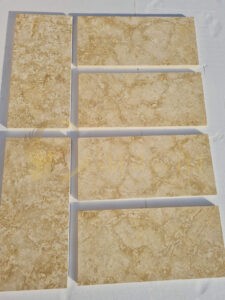
Yellow limestone pavers with eye-catching color variations
Shades of green, red, and blue for those looking to introduce more color into their design
From subtle to bold, limestone and travertine have got you covered.
The Right Fit
Having the right fit is essential in design. That’s why Citadel Stone offers customers the flexibility to select flagstones in diverse shapes, sizes, and thicknesses. With this precise tailoring, flagstones seamlessly integrate into the intended design, enhancing the overall aesthetic and functionality.
Citadel Stone guarantees a flawless fit and finish in all projects, regardless of size, shape, or texture.
Citadel Stone Is One-stop For All Your Wholesale Stone Supplies
From limestone and black basalt to tiles, paving stones, curbstones, path edgings, and steps, Citadel Stone is your one-stop solution for all your wholesale stone supplies. But it’s not just about the variety. Citadel Stone ensures quick delivery of their products to customers around the world, accommodating custom truckload orders and maintaining strong relationships with quarriers.
Be it direct shipping or pick-up, Citadel Stone caters to all your stone supply needs.
Pool Pavers – Uniqueness & Durability
A pool area with the right paver can transform your backyard into an oasis. Citadel Stone offers unique and durable pool pavers that are:
Not just about aesthetics but also about safety and functionality
Made from high-quality materials like concrete or natural stone
Able to withstand heavy foot traffic and adverse weather conditions
Their built-in drainage systems prevent water accumulation, thus enhancing safety in poolside outdoor spaces and avoiding damage from stagnant water. And the best part? They stay cooler underfoot compared to materials like concrete or asphalt, providing comfort in hot weather.
Stone Wholesalers Right at Your Fingertips For Limestone Dealers in The USA
Whether you’re a limestone dealer looking for wholesale supply of limestone grade calcium carbonate or a distributor of limestone suitable for applications in various industries, Citadel Stone is your trusted partner. From residential to commercial applications, Citadel Stone caters to all your limestone needs.
Citadel Stone assists US limestone dealers by offering a broad selection of top-quality natural stones and dependable logistics.
Citadel Stone Paver Specifications
When it comes to high-traction pavers for safe walkways, Citadel Stone offers specifications that make their products a great addition to any project. The pavers, crafted from premium materials such as limestone, travertine, and black basalt, are designed to create a harmonious blend of aesthetics and functionality.
One of the key benefits of Citadel Stone pavers is their resistance to cracking. The high-quality material used in these pavers ensures that they withstand the test of time, even in areas with heavy foot traffic or extreme weather conditions. This durability is especially important for clients who want to enjoy their investment without the worry of frequent repairs or replacements.
Moreover, Citadel Stone pavers are budget-friendly, allowing you to find the perfect match for your project without compromising on quality. Whether you’re designing an elegant pathway, a robust driveway, or decorative walls, these pavers provide a cost-effective solution that doesn’t skimp on elegance or durability.
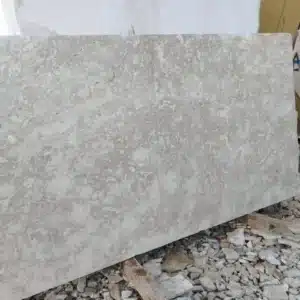
Travertine pavers from Citadel Stone are particularly resistant to extreme temperatures, making them an ideal choice for poolside areas where the stone is less likely to become uncomfortably hot underfoot. Additionally, the natural color variations in travertine pavers contribute to a visually appealing outdoor space.
All Citadel Stone pavers are designed to be resistant to mold and bacteria, ensuring a clean and healthy environment. They are also easy to maintain, which means you can enjoy their beauty for years to come with minimal effort.
In summary, Citadel Stone pavers offer a combination of durability, resistance to cracking, and aesthetic appeal, all while being a budget-conscious choice for designers and homeowners alike. With these pavers, you can create a space that is both functional and beautiful, ensuring that your project stands out for all the right reasons.
How Citadel Stone Supports Natural Stone Dealers in the US
From facilitating access to a wide array of high-quality natural stones to offering specialized knowledge and advice, Citadel Stone supports natural stone dealers in the US in myriad ways. By working closely with quarries and processing facilities, Citadel Stone ensures consistent availability of stone products, which is crucial for dealers to maintain supply to their customers. And it’s not just about the products.
Additionally, Citadel Stone provides natural stone dealers with convenient delivery options, thereby simplifying the logistics process.
Middle Eastern Limestone Wholesaler USA
From sourcing the finest Middle Eastern limestone to offering bespoke natural stone products, Citadel Stone is truly a beacon of quality in the realm of natural stone suppliers. The company’s commitment to customer satisfaction, sustainability, and service sets it apart, making it a reliable partner for limestone dealers, architects, and homeowners alike. Whether you’re designing a luxurious space or a simple backyard, with Citadel Stone, you’re not just choosing a stone, you’re choosing a story. A story of elegance, durability, and sustainability. So, are you ready to script your own narrative of transformation?