













Introduction: Your Foundation for Flawless Stone Projects
In the world of hardscaping and architectural design, choosing the right stone supplier in the United States represents one of the most critical decisions affecting your project’s success, longevity, and aesthetic impact. Whether you’re a homeowner envisioning a stunning patio transformation, a landscape architect crafting intricate garden installations, a commercial developer designing monumental facades, or a contractor executing large-scale builds, your success fundamentally depends on establishing a partnership with a stone supplier USA that delivers consistent quality, ethical sourcing, and reliable service.
The quest to choose a stone supplier extends far beyond simply locating a material source—it’s about forging a strategic relationship that ensures timely delivery of high-quality, responsibly sourced materials meeting your project’s precise specifications while respecting budget constraints. This comprehensive guide equips you with the knowledge and actionable insights needed to navigate the diverse landscape of stone suppliers across the United States, evaluate their offerings against industry benchmarks, master stone quality evaluation techniques, and build lasting partnerships that elevate your projects from initial concept through final installation and beyond.
We’ll explore everything from understanding different supplier types and implementing rigorous stone quality standards to mastering negotiation strategies, ensuring ethical stone sourcing, and leveraging regional advantages. By the end of this guide, you’ll be empowered to make informed decisions in stone procurement, ensuring your projects rest on a foundation of excellence, reliability, and responsible business practices.
Understanding the Stone Supplier Landscape in the United States
The stone supply industry in the USA encompasses a vast and intricate ecosystem, ranging from century-old quarries to cutting-edge fabrication facilities and sophisticated nationwide distribution networks. Understanding this landscape proves crucial for anyone engaged in natural stone sourcing. The market segments itself by stone type, intended application (hardscape, architectural cladding, interior surfaces), project scale, and geographic specialization.
Market Segments and Supplier Specializations
Stone suppliers typically concentrate on specific market segments, each offering unique capabilities:
Residential Market: Focuses on homeowners and smaller-scale projects, offering decorative stones, pavers, countertop materials, and feature wall elements. These suppliers prioritize aesthetic appeal, manageable installation processes for DIY enthusiasts, and partnerships with local contractors.
Commercial Construction: Caters to architectural firms and large-scale construction projects, providing bulk quantities of structural stone, exterior cladding systems, and custom-fabricated architectural elements. These stone supplier USA operations emphasize batch consistency, strict compliance with building codes, and logistical efficiency capable of meeting demanding construction schedules.
Landscape Architecture: Specializes in outdoor applications including boulders, decorative gravel, flagstone pathways, retaining wall systems, and water feature elements. Their inventory prioritizes durability under weather extremes, natural aesthetics, and materials engineered for exterior performance.
Interior Design and High-End Residential: Offers premium and exotic stones for luxury applications such as book-matched marble installations, unique countertops, statement flooring, and sculptural wall features. These premium stone distributors provide specialized services including precision cutting, custom polishing, and exclusive finishes unavailable through standard channels.

Industry Trends Reshaping Stone Procurement
The stone supply chain continues evolving rapidly, influenced by several transformative trends:
Sustainability and Ethical Stone Sourcing: Growing demand for environmentally responsible materials drives suppliers to adopt sustainable quarrying practices, implement carbon reduction strategies, and ensure fair labor conditions throughout their supply chains. Certifications like the Natural Stone Sustainability Standard (ANSI/NSC 373) have become critical differentiators for leading stone vendors.
Digital Transformation: Innovations in digital inventory management, augmented reality visualization tools, and blockchain-enabled traceability platforms are revolutionizing how buyers choose a stone supplier. Many top distributors now offer virtual showrooms with real-time inventory feeds, allowing architects to pre-qualify slabs online before scheduling site visits.
Advanced Fabrication Technologies: CNC-machined edge profiles, water-jet cutting precision, and laser-etched custom patterns enable unprecedented customization. Suppliers investing in these technologies deliver tighter tolerances (±1⁄32″) and faster turnaround on custom orders.
Global Sourcing with Regional Focus: While local quarries remain vital for specific stone types and sustainability goals, the global marketplace provides access to unique materials from Italy, Brazil, India, and the Middle East. However, savvy buyers increasingly balance exotic imports with locally quarried stone to optimize both aesthetics and environmental impact.
Supply Chain Resilience: Recent disruptions highlighted the importance of robust logistics networks. Leading stone supplier in the USA operations now diversify their quarry relationships, optimize transportation routes, and maintain strategic inventory buffers to ensure project continuity.
Types of Stone Suppliers: Choosing Your Strategic Partner
When engaged in natural stone sourcing, you’ll encounter various supplier categories, each with distinct operational models and strategic advantages. Understanding these differences proves essential for selecting the optimal partner aligned with your project requirements.
Local Quarries: Direct Access to Source Materials
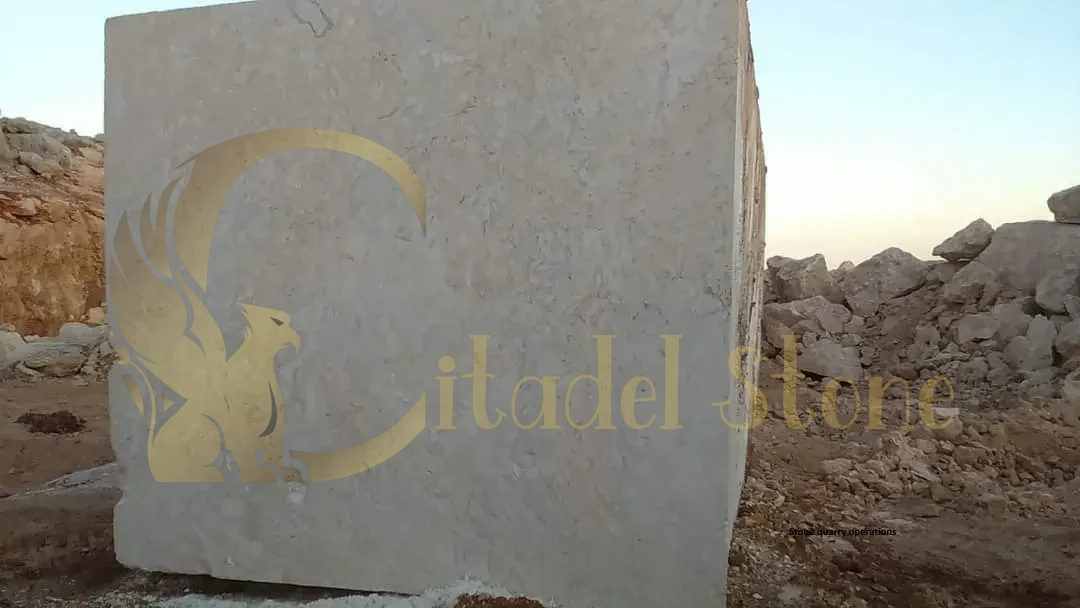
Local quarries extract stone directly from the earth, offering an authentic connection to regional geology. Many represent multi-generational family businesses with deep expertise in local stone characteristics and extraction techniques.
Advantages of Local Quarries:
- Authentic Regional Character: Access stone with unique geological properties unavailable elsewhere, reflecting local landscape aesthetics
- Cost Efficiency for Volume: Large-scale projects requiring significant quantities of specific local stone often achieve better pricing by eliminating intermediary markups
- Reduced Transportation Lead Times: Geographic proximity can cut delivery windows from weeks to days
- Specialized Geological Knowledge: Quarry operators possess intimate understanding of stone formation, inherent properties, and optimal applications
- Environmental Benefits: Local sourcing dramatically reduces transportation-related carbon emissions
Considerations with Local Quarries:
- Limited selection restricted to extracted stone types
- May primarily sell raw blocks requiring separate fabrication arrangements
- Smaller operations might lack infrastructure for specialized handling or nationwide delivery
- Environmental practices vary widely; thorough vetting of reclamation efforts and sustainable extraction methods remains essential
National Distributors: Scale, Consistency, and Accessibility
National distributors operate extensive warehouse networks, sourcing materials from diverse domestic and international quarries. These stone supplier in the United States operations function as sophisticated intermediaries with comprehensive logistical capabilities.
Advantages of National Distributors:
- Extensive Material Libraries: Broad selection spanning granite, marble, limestone, quartzite, slate, travertine, and engineered alternatives in numerous colors and finishes
- Logistical Infrastructure: Multiple distribution centers enable faster regional delivery and consistent material availability
- Integrated Fabrication Services: Many offer in-house cutting, edge profiling, and specialized finishing—providing turnkey solutions
- Supply Consistency: Large inventory buffers and diversified sourcing ensure reliable access to popular materials even during demand spikes
- Professional Support Systems: Dedicated technical teams assist with material selection, specification development, and project planning
Considerations with National Distributors:
- Higher pricing structures reflecting operational overhead and profit margins across distribution networks
- Sales representatives may lack the hands-on quarry knowledge of direct extractors
- Highly specialized customization might be less flexible compared to boutique fabricators
Specialty Importers: Exclusive and Exotic Materials
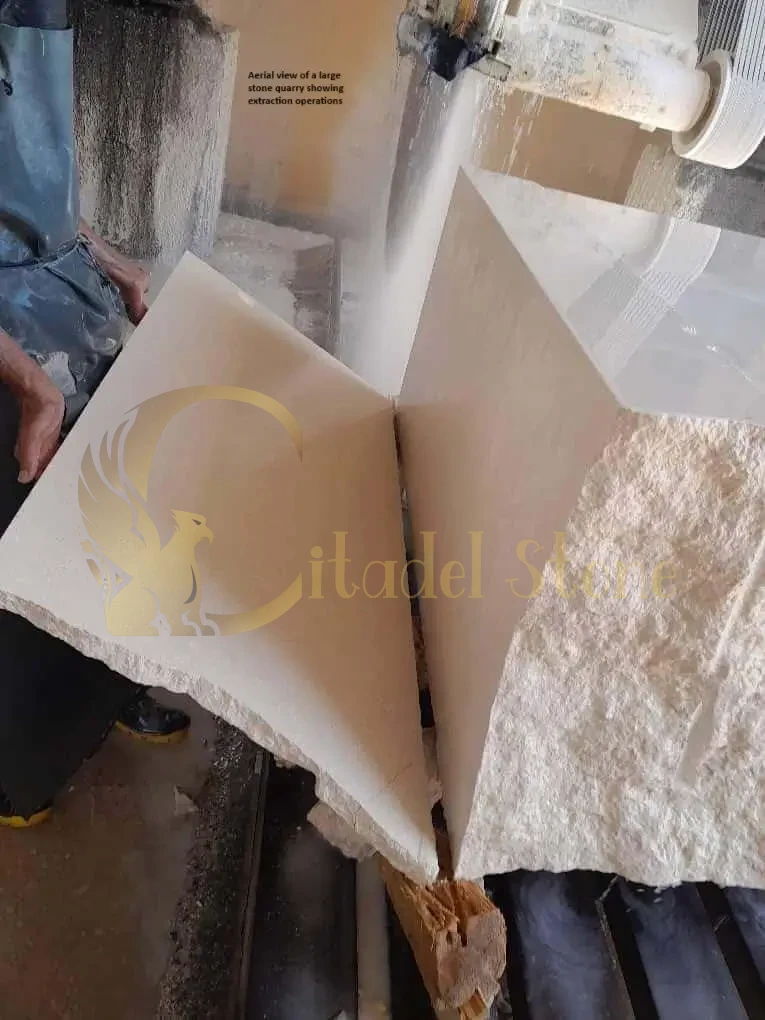
Specialty importers curate unique stones from international quarries, serving high-end residential and signature commercial projects requiring distinctive aesthetics.
Advantages of Specialty Importers:
- Exclusive Material Access: Curated selections of rare marbles, unique quartzites, and exotic granites unavailable through conventional channels
- International Sourcing Expertise: Specialized knowledge of global stone markets, import regulations, and international logistics management
- Premium Quality Control: Reputable importers implement stringent quarry-side inspections ensuring material integrity
Considerations with Specialty Importers:
- Premium pricing reflecting rarity, specialized sourcing, and international transportation
- Extended lead times due to overseas shipping schedules and customs processing
- Potentially limited volume availability for rare stone types
- Greater logistical complexity requiring careful project timeline planning
Regional Stone Suppliers: Balanced Local and National Capabilities
Many successful stone supplier near me operations occupy a middle ground—regional distributors maintaining strong local presence while accessing broader material networks. These suppliers often combine the personalized service of local yards with the inventory depth of larger distributors.
The optimal choice depends heavily on project scale, budget parameters, timeline constraints, and specific aesthetic requirements. Small local renovations might benefit most from nearby stone vendors, while large commercial developments often require the robust capabilities of national distributors. Signature design projects may demand the exclusive offerings of specialty importers.
Key Criteria for Evaluating Stone Suppliers
Successfully identifying a best stone supplier requires systematic evaluation across multiple dimensions that collectively define their capacity to deliver superior products and comprehensive services. These benchmarks extend beyond mere material provision to encompass the entire operational spectrum.
Product Range and Material Quality
The breadth of a supplier’s inventory and the inherent quality of their materials represent foundational indicators of their standing as a leading stone vendor. A diverse selection—encompassing granite, marble, limestone, quartzite, slate, travertine, basalt, and sandstone—demonstrates comprehensive sourcing capabilities and ability to accommodate varied project specifications.
Beyond variety, intrinsic material quality proves paramount. This involves assessing physical properties including:
- Density and Structural Integrity: Higher density typically correlates with greater durability and weather resistance
- Water Absorption Rate: Critical for exterior applications and areas exposed to moisture; rates under 0.5% indicate superior performance
- Compressive Strength: Essential for structural applications and high-traffic areas; premium materials exceed 15,000 psi
- Abrasion Resistance: Particularly important for flooring; measured through standardized wear tests
- Freeze-Thaw Durability: Crucial for cold climates; materials should withstand 50+ cycles without spalling
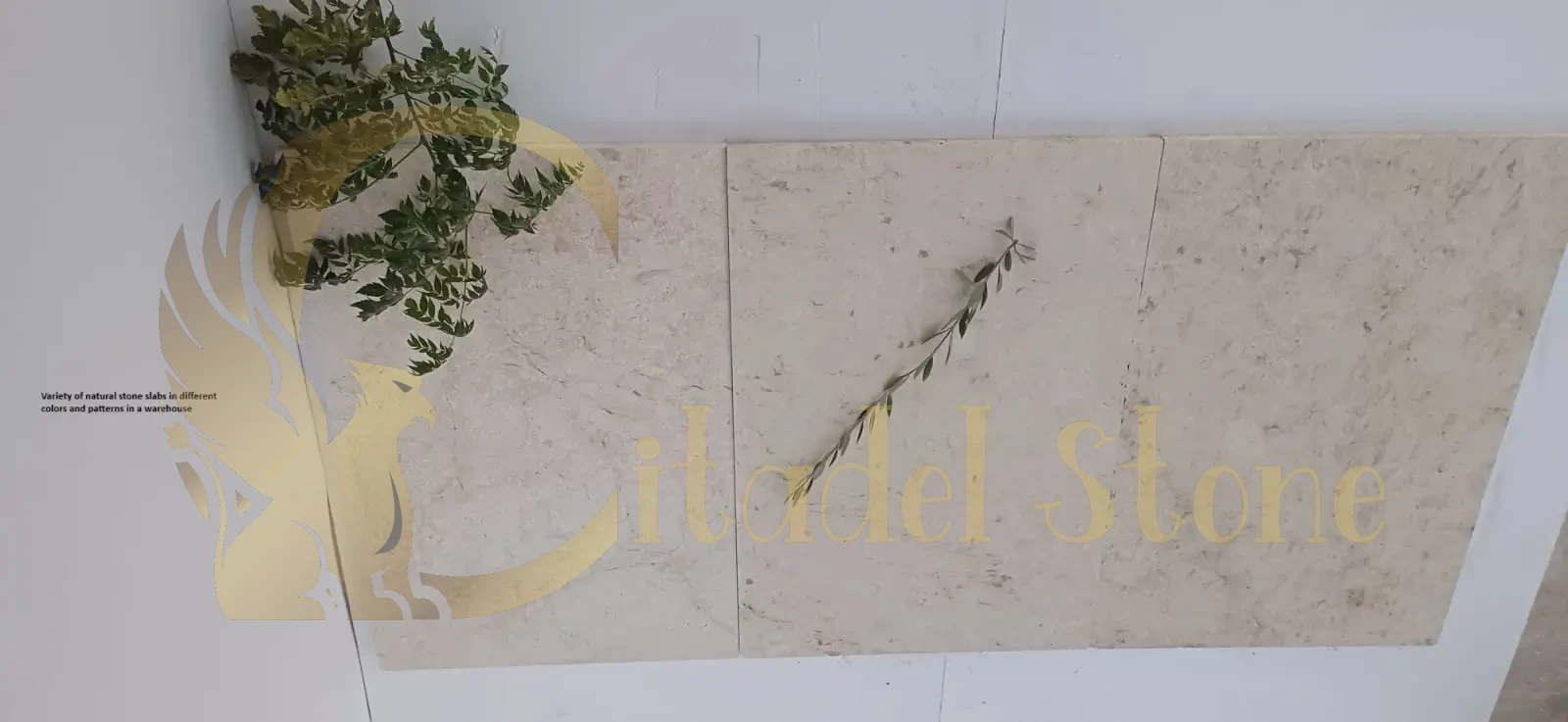
Reputable premium stone distributors provide detailed technical data sheets and ASTM International test results validating these properties. Visual quality assessment examines color consistency, veining patterns, surface finish uniformity, and absence of structural flaws or excessive fill material.
Certifications and Compliance Standards
Industry certifications serve as external validations of a supplier’s commitment to stone quality standards, safety protocols, and ethical practices. Essential credentials include:
ASTM International Standards: Rigorous testing protocols for natural stone properties including C170 (compressive strength), C97 (absorption and density), C880 (flexural strength), and C1353 (abrasion resistance)
ANSI/NSC 373 – Natural Stone Sustainability Standard: Validates environmentally responsible quarrying, fair labor practices, and sustainable manufacturing processes—increasingly important for LEED-certified projects
ISO 9001 Quality Management: Indicates robust quality control systems ensuring consistent product standards and customer satisfaction
ISO 14001 Environmental Management: Demonstrates systematic approach to minimizing environmental impact across operations
NSF/ANSI 51 Food Equipment Materials: Required for food-contact surfaces in commercial kitchens
Greenguard Certification: Validates low VOC emissions for indoor air quality—relevant for sealants and adhesives
A best stone supplier near me will readily provide documentation for these certifications and demonstrate compliance with local and international building codes. This transparency ensures materials are not only aesthetically superior but also safe, durable, and responsibly sourced.
Pricing Transparency and Value Assessment
While cost should never be the sole determinant in stone procurement, a leading stone vendor offers transparent pricing and competitive quotes without compromising material quality or service standards. This means providing:
- Itemized Cost Breakdowns: Clear separation of material prices, fabrication fees, finishing charges, and transportation costs
- Volume Discount Structures: Defined pricing tiers for bulk purchases with specific threshold quantities
- Fixed vs. Variable Cost Clarity: Transparent identification of which costs remain stable and which fluctuate with market conditions
- All-Inclusive Pricing Options: Comprehensive quotes eliminating surprise charges for standard services
Beware of stone suppliers offering dramatically below-market pricing without clear justification—this often indicates compromised material quality, hidden fees, or unreliable service. Obtaining multiple detailed quotes enables effective stone supplier comparison focused on total delivered value rather than bottom-line price alone.
Logistics Excellence and Delivery Reliability
Efficient supply chain management and dependable delivery systems distinguish a leading natural stone supplier from mediocre competitors. Critical evaluation criteria include:
Lead Time Performance: Realistic estimates for in-stock, special-order, and custom-fabricated materials with documented on-time delivery rates
Transportation Options: Range of delivery methods including full truckload, LTL consolidation, expedited service, and specialized handling for fragile materials
Geographic Coverage: Distribution center locations and service territories aligned with your project locations
Inventory Management Systems: Real-time stock visibility through online portals or direct communication channels
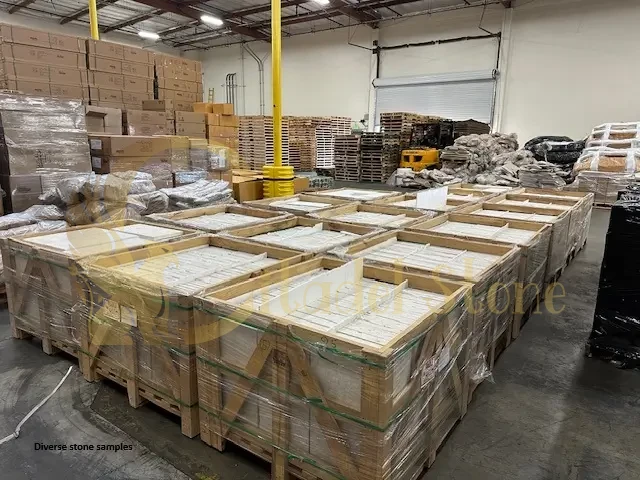
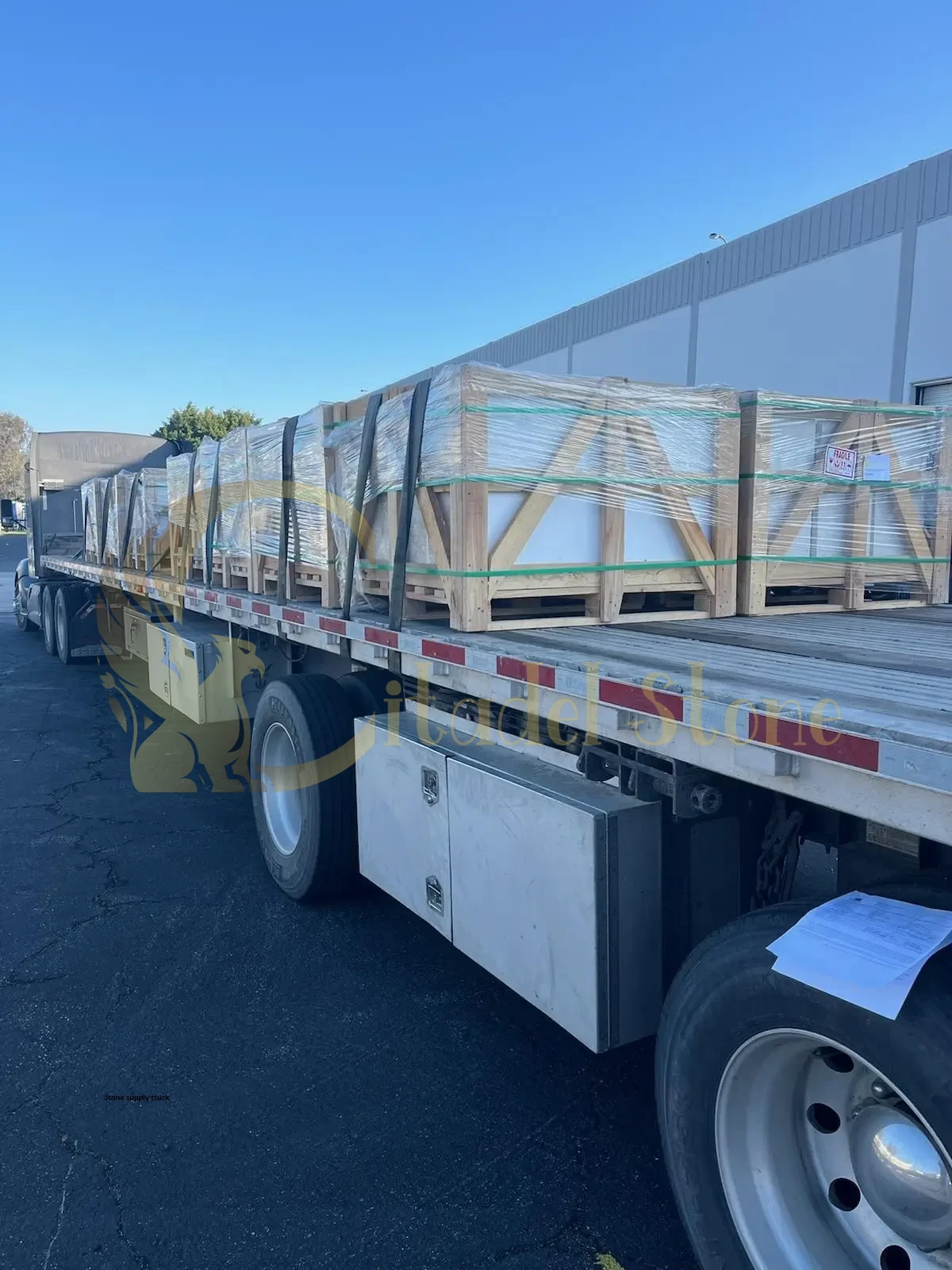
Packaging Standards: Professional crating, palletizing, and protective measures preventing transit damage
Delivery Coordination: Flexible scheduling accommodating construction timelines with advance notification systems
For projects with tight deadlines, a stone supplier USA with proven logistics capabilities and contingency planning becomes indispensable.
Customer Service Excellence and Technical Support
Exceptional customer service and comprehensive technical guidance define a true partnership rather than a transactional relationship. A premium stone distributor demonstrates commitment through:
Pre-Purchase Consultation: Expert material selection advice considering application requirements, traffic patterns, climate exposure, and maintenance expectations
Technical Documentation: Detailed specification sheets, installation guidelines, maintenance protocols, and troubleshooting resources
Responsive Communication: Prompt replies to inquiries through multiple channels (phone, email, online chat) with knowledgeable staff
Sample Programs: Generous sample policies allowing hands-on evaluation before commitment
Installation Support: Guidance on substrate preparation, adhesive selection, joint sizing, and sealing procedures
Post-Delivery Assistance: Ongoing support for care, cleaning, stain removal, and performance optimization
Problem Resolution: Clear escalation procedures and fair policies for addressing material defects, shipping damage, or specification mismatches
This level of service proves invaluable for navigating complex projects and builds lasting trust in your stone supplier in the USA partnership.
The Strategic Advantages of Local Stone Suppliers
While national distributors offer breadth and scale, a local stone supplier near me provides distinct tactical advantages that often make them the superior choice for many projects—particularly those emphasizing speed, sustainability, and personalized service.
Accelerated Delivery and Reduced Freight Costs
Geographic proximity to your stone supplier near me translates directly into faster material availability and significant cost savings:
Minimized Lead Times: Same-day or next-day delivery for in-stock materials eliminates weeks-long wait periods, crucial for fast-track projects or unexpected material needs mid-construction
Lower Transportation Expenses: Reduced mileage dramatically cuts fuel surcharges, trucking fees, and handling charges—savings often reaching 20-40% compared to cross-country shipments. For bulk orders, these savings become substantial.
Reduced Damage Risk: Every transportation mile increases potential for chips, cracks, or breakage. Shorter routes mean materials arrive in superior condition with fewer insurance claims and replacement hassles.
Flexible Pickup Options: Proximity enables will-call pickup for urgent small quantities, providing ultimate schedule control
Personalized Relationships and Expert Local Knowledge
A nearby stone vendor typically fosters closer client relationships, offering personalized attention and invaluable regional expertise:
Dedicated Personal Service: One-on-one attention from knowledgeable staff genuinely invested in project success, providing tailored recommendations based on specific needs
Hands-On Expertise: Staff often possess direct installation experience, offering practical advice on handling techniques, optimal sealants for local conditions, and maintenance protocols suited to regional climate
Regional Building Code Familiarity: Deep understanding of local permitting requirements, inspection standards, and municipality-specific regulations
Climate-Specific Recommendations: Knowledge of which stone types perform optimally under local weather patterns—crucial for freeze-thaw zones, high-humidity regions, or areas with intense UV exposure
Established Local Networks: Connections with trusted fabricators, installers, and complementary trade professionals streamlining project coordination
Community Investment and Environmental Responsibility
Choosing a local stone supplier near me extends benefits beyond your immediate project:
Economic Multiplier Effect: Your investment circulates within the local economy, supporting regional employment and stimulating other area businesses
Enhanced Accountability: Local businesses maintain stronger community ties and reputational stakes, often resulting in superior service and fair dispute resolution
Environmental Sustainability: Reduced transportation distances significantly lower carbon footprint—an important consideration for green building certification programs and environmentally conscious clients
Faster Site Visits: Proximity enables quick on-site consultations, material verification, and problem-solving visits without the scheduling challenges of distant suppliers
These advantages collectively position a regional stone supplier as an ideal partner for projects valuing speed, sustainability, and the personal touch of local business relationships.
Regional Stone Markets: Finding Quality Suppliers Across America
The geological diversity of the United States creates distinct regional stone markets, each characterized by specific material availability, supplier specialization, and market dynamics. Understanding these regional nuances optimizes your stone supplier comparison process and ensures geographic alignment.
Northeast Stone Markets
New England (CT, ME, MA, NH, RI, VT): Rich tradition of granite and marble quarrying, particularly Vermont’s famous Danby marble and Bethel quartzite. Dense, glacially-scored stones naturally resist freeze-thaw damage. Leading suppliers offer same-day pickup within 100 miles and volume discounts beginning at 25 tons. Off-season rates (November–February) can reduce delivery fees by 12%.
Middle Atlantic (NJ, NY, PA): Known for Pennsylvania bluestone, high-calcite limestones, and brownstone. Suppliers blend historic restoration expertise with modern fabrication capabilities. Urban deliveries within NYC metro incur $1.50–$2.00/mile surcharges. Consolidated orders through regional distribution centers unlock freight rebates starting at 50 tons.
Key Considerations: Prioritize suppliers providing ASTM C1026 frost-rating certificates. Verify slip-resistance certification (BS 7976 or ADA compliance) for exterior applications. Many yards stock reclaimed materials offering 20% savings versus newly quarried stone.
Midwest Stone Markets
East North Central (IL, IN, MI, OH, WI): Dominated by Indiana limestone—an architectural standard—alongside Michigan dolomite and Wisconsin granite. Suppliers offer architectural-grade consistency and rapid turnaround through established quarry relationships. Statewide delivery contracts reduce per-mile charges by 10%. Winter “freeze-proof” sealing services available at 15% discount when bundled with materials.
West North Central (IA, KS, MN, MO, NE, ND, SD): Source of iron-rich basalts, decorative quartzites, and aggregate mixes. Bulk rail shipping via Kansas City hubs cuts freight up to 30%. Seasonal stone harvest in late spring yields off-peak pricing advantages. DIY-friendly yard rates available in rural branches for orders under 5 tons.
Key Considerations: Require third-party core testing for compressive strength (>8,000 psi) ensuring traffic load resistance and salt abrasion tolerance. Schedule spring stockpile orders (March–April) to capitalize on post-winter quarry clearances (5–7% discount).
Southern Stone Markets
South Atlantic (DE, DC, FL, GA, MD, NC, SC, VA, WV): Characterized by coastal coquina, Georgia marble, Carolina bluestone, and oolitic limestone. Suppliers specialize in salt-spray resistant materials and understand high-humidity performance requirements. Coastal projects may require specialized packaging ($0.10/sq ft extra). Summer “rain-season” promotions can reduce material costs 8% when ordered before July.
East South Central (AL, KY, MS, TN): Known for Tennessee marble, cherty limestones, and Appalachian sandstone. Local Kentucky quarries deliver within 200 miles at flat-rate $1.25/mile. Competitive labor-plus-material bundles (10% savings) available through select partners. Off-season (December–February) lowers quarry minimums to 10 tons.
West South Central (AR, LA, OK, TX): Abundant Texas limestone, Arkansas marble, and Louisiana oolites. Bulk discounts of 5–15% on orders ≥100 tons standard. Many yards offer on-site cutting and edging ($2–$4/sq ft). Winter off-peak ordering saves 7% on trucking.
Key Considerations: Demand UV-stability testing (ASTM G154) for intense sun exposure. Verify water absorption ratings and slip-resistance data (PTV ≥36) for coastal and pool applications. In flood-zone areas, ensure installation plans meet FEMA requirements.
Western Stone Markets
Mountain Region (AZ, CO, ID, MT, NV, NM, UT, WY): Rich in dolomitic limestones, volcanic tuffs, Colorado buff limestone, and flagstones. Short-haul delivery (<150 miles) rates as low as $1.00/mile. Many suppliers offer seasonal credit terms (30–60 days) for insulated projects. High-altitude surcharge (5–8%) applies above 7,000 ft locations. Require thermal expansion coefficients (ASTM C531) to account for extreme temperature swings.
Pacific Region (AK, CA, HI, OR, WA): Mix of marine limestones, Pacific Northwest basalt, California granite, and volcanic aggregates. Coastal freight via barge to Hawaii adds 25–30% to standard rates. Mainland distributors in Los Angeles and Seattle offer next-week delivery on popular lines. Cal-OSHA compliance packaging (seismic zones) may add $0.05–$0.10/sq ft. Prioritize suppliers with earthquake-resistant anchoring systems.
Key Considerations: Request salt-spray testing (ASTM B117) for coastal exposure. Inspect quartz content—levels >15% can create brittleness in seismic zones. California’s CalGreen mandates 25% regional content; ask suppliers for documentation.
Stone Quality Evaluation: Ensuring Material Excellence
Thorough stone quality evaluation represents the cornerstone of successful procurement, protecting your investment and ensuring long-term performance. This systematic assessment encompasses visual inspection, physical property verification, and compliance documentation review.
Understanding Material Grading Standards
Natural stone exhibits inherent variations—a product of geological formation over millennia. To standardize stone quality standards, the industry employs grading systems that vary by stone type but generally categorize materials as commercial grade, standard/select grade, and first choice/premium grade.
Premium/First Choice Grade: Represents highest quality with minimal imperfections, exceptional color consistency, and uniform veining patterns. Commands premium pricing but delivers superior aesthetics and performance predictability.
Standard/Select Grade: Exhibits minor color variations, small fissures, or occasional pitting within acceptable tolerances. Offers excellent balance of quality and value for most applications.
Commercial Grade: Shows more pronounced imperfections, significant color variation, and larger fissures or pits. While more affordable, requires careful selection and may need additional sealing or maintenance.
Beyond cosmetic grading, physical properties prove equally critical:
- Density: Measured in g/cm³; higher density (>2.6) indicates superior durability
- Porosity/Absorption: Percentage of water absorbed; <0.5% excellent, 0.5-3% good, >3% requires frequent sealing
- Compressive Strength: Measured in psi; >15,000 psi ideal for structural applications
- Flexural Strength: Resistance to bending; critical for spanning applications
- Abrasion Resistance: Measured through Taber tests; essential for flooring in high-traffic areas
Reputable suppliers provide technical data sheets documenting these properties alongside relevant ASTM test results, enabling informed material comparison.
Comprehensive Sample Inspection Protocol
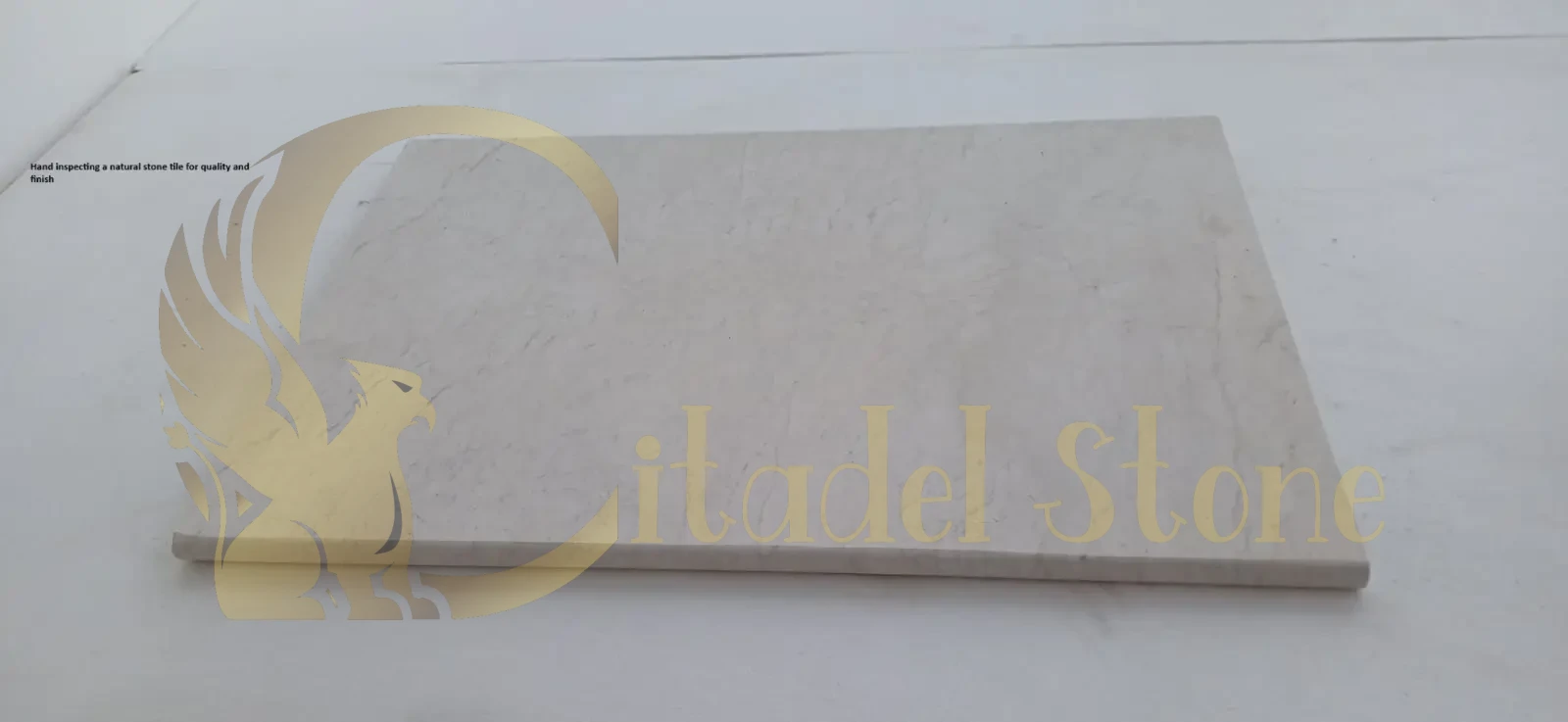
Always request substantial samples—minimum 12×12 inches—of intended materials before committing to large orders. Implement this systematic inspection approach:
Visual Quality Assessment:
- Examine color range and consistency across multiple samples from the same lot
- Study veining patterns, mineral distribution, and overall aesthetic character
- Identify surface imperfections: cracks, chips, pits, fill material, or dull spots
- Verify finish uniformity (polish level, honed consistency, texture depth)
- Check thickness calibration, especially critical for tile installations
Physical Property Testing:
- Conduct water drop tests assessing absorption rate
- Perform scratch tests with common objects to gauge hardness
- Execute ring tests (tap sample edge) listening for clear ring versus dull thud indicating internal fractures
- Measure actual thickness with calipers confirming specification compliance
Environmental Simulation:
- View samples under project-specific lighting conditions (natural daylight, LED, incandescent)
- Test samples in situ, observing how they interact with existing materials and architectural elements
- For exterior applications, expose samples to water, examining drainage patterns and darkening effects
Documentation Review:
- Request batch certification numbers enabling traceability
- Verify quarry of origin and extraction date
- Obtain copies of all relevant test certifications
On-Site Showroom and Yard Visits
Whenever feasible, visit supplier facilities to assess operations, view full inventory, and evaluate professionalism:
Inventory Organization: Well-maintained yards with properly stored materials (vertical slab storage, covered stock, organized labeling) indicate operational excellence
Material Handling: Observe how staff move and protect stone during selection and loading—careful handling suggests quality consciousness throughout operations
Equipment Quality: Modern cutting, polishing, and fabrication equipment demonstrates capability for precision work and custom orders
Full Slab Inspection: View entire slabs to understand natural variation scope—small samples can misrepresent large-format material appearance
Installation Examples: Review completed installations or vignettes showing stones in real-world applications, providing valuable design inspiration
This hands-on evaluation proves invaluable for confident material selection and supplier vetting.
Ethical Stone Sourcing and Sustainability Practices
Modern stone procurement increasingly emphasizes environmental stewardship and social responsibility. Choosing a stone supplier USA committed to ethical stone sourcing ensures your projects contribute positively to environmental conservation and global labor equity.
Environmentally Responsible Quarrying Practices
Progressive quarries and suppliers implement comprehensive sustainability measures:
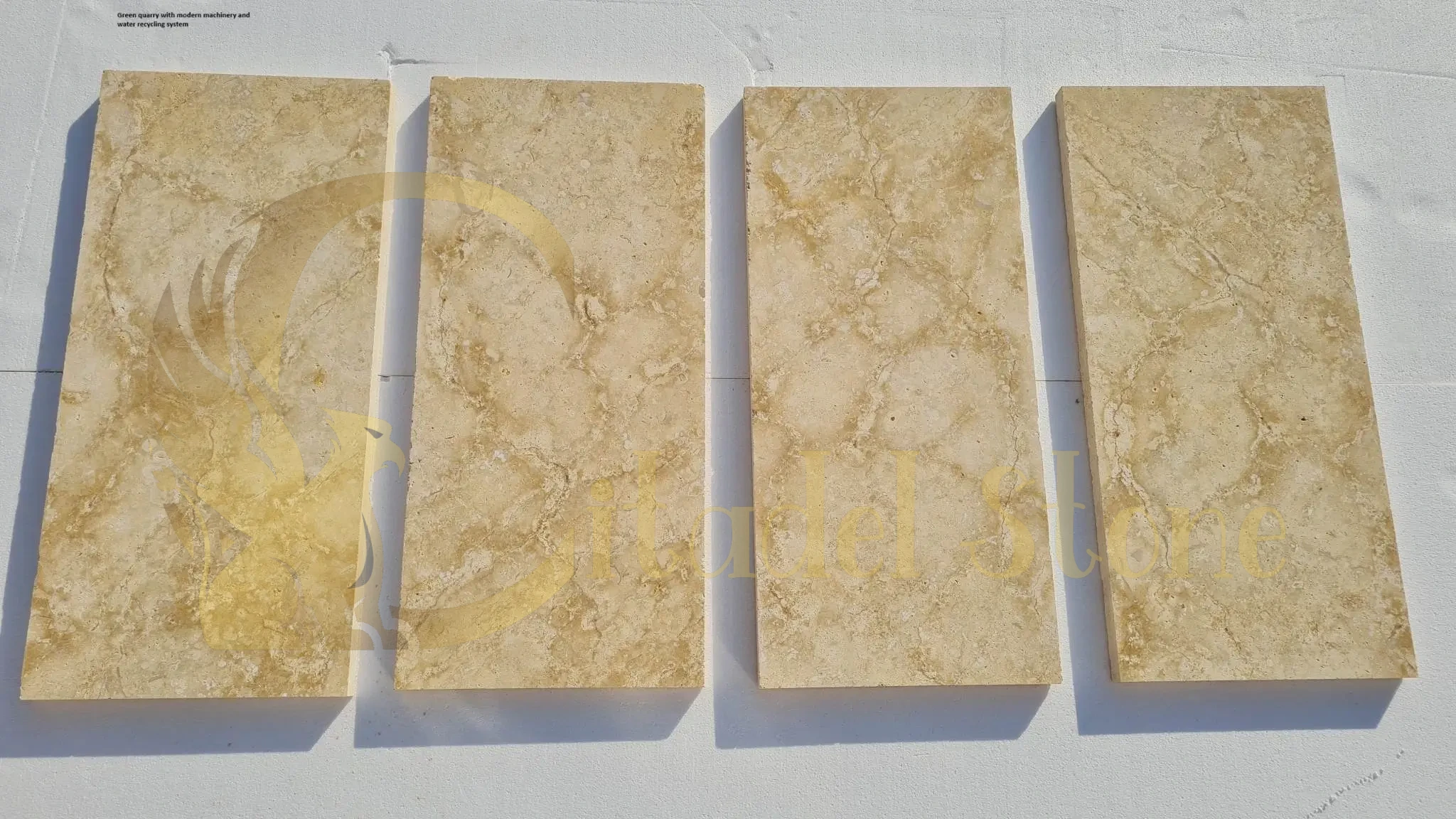
Water Management: Closed-loop recycling systems reclaim and reuse 70-90% of cutting water, preventing local water source contamination and reducing consumption
Energy Efficiency: Investment in electric equipment, LED lighting, and renewable energy sources (solar, wind) substantially lowers operational carbon footprint
Waste Minimization: Precision extraction techniques maximize material yield per block. Stone dust byproducts are repurposed for agricultural lime, terrazzo aggregates, or composite materials—diverting waste from landfills.
Land Reclamation: Comprehensive restoration plans return exhausted quarries to natural states or repurpose them for productive uses (wildlife habitats, recreational areas, water reservoirs)
Local Sourcing Priority: When specifications allow, locally quarried stone dramatically reduces transportation emissions—often by 50% or more compared to transcontinental shipments
Natural Material Advantages: Stone itself represents an inherently sustainable choice—durable, long-lasting, requiring minimal processing compared to manufactured alternatives, and fully recyclable at end of life
Fair Labor Standards and Social Equity
The global stone industry has faced scrutiny regarding labor practices, particularly in certain extraction regions. Ethical stone sourcing addresses these critical concerns:
Fair Wage Standards: Commitment to compensation meeting or exceeding regional living wage benchmarks
Safe Working Conditions: OSHA-equivalent safety protocols, protective equipment provision, and comprehensive training programs
Elimination of Exploitative Practices: Zero tolerance for child labor, forced labor, or human trafficking throughout supply chains
Community Investment: Support for local infrastructure, education, and healthcare in quarrying regions
Third-Party Verification: Independent audits by reputable organizations confirming compliance with international labor standards
Supplier Codes of Conduct: Written ethical guidelines requiring adherence from all supply chain partners
Look for suppliers holding ANSI/NSC 373 certification, which includes robust social equity criteria, or those participating in emerging fair-trade stone initiatives.
Carbon Footprint Reduction Strategies
While natural stone possesses relatively low embodied carbon compared to many manufactured materials, leading suppliers actively work to minimize emissions:
Transportation Optimization: Route efficiency analysis, vehicle fuel efficiency investments, and modal shifting (utilizing rail or sea transport over long-haul trucking where feasible)
Local Processing Infrastructure: Establishing fabrication facilities near quarries reduces need to transport heavy raw blocks across continents
Renewable Energy Adoption: Transitioning quarry and fabrication operations to solar, wind, or hydroelectric power sources
Carbon Offset Programs: Investment in verified offset projects compensating for unavoidable emissions
Lifecycle Analysis Transparency: Publication of environmental product declarations (EPDs) quantifying total environmental impact from extraction through installation
Prioritizing suppliers demonstrating measurable commitment to sustainability aligns your projects with green building standards (LEED, Living Building Challenge, WELL) while supporting industry-wide environmental progress.
Mastering Stone Procurement: Pricing, Negotiation, and Logistics
Successful stone procurement requires understanding pricing structures, developing effective negotiation strategies, and coordinating complex logistics to ensure materials arrive safely and on schedule.
Pricing Models in the Stone Industry
Stone suppliers typically employ several pricing approaches:
Fixed Per-Unit Pricing: Standard rate per square foot, linear foot, or piece for readily available materials. Offers predictability but limited negotiation flexibility.
Tiered Volume Pricing: Discounted rates based on quantity thresholds (e.g., 5-10 tons, 10-25 tons, 25+ tons). Incentivizes larger orders and can yield 10-30% savings at highest tiers.
Project-Based Comprehensive Quotes: Custom quotes for complex projects bundling materials, fabrication, specialized finishes, and delivery. Requires detailed scope documentation but provides total cost visibility.
Wholesale/Trade Pricing: Reduced rates for qualified trade professionals (contractors, architects, designers) with established accounts. Typically 20-40% below retail pricing.
Dynamic Market Pricing: Some materials fluctuate with international market conditions, quarry production levels, or seasonal demand. Understand which materials have stable versus variable pricing.
Strategic Negotiation Techniques
Effective negotiation can yield substantial savings without compromising quality:
Conduct Thorough Market Research: Understand prevailing rates for your desired materials in your region before engaging suppliers. Industry publications, peer networks, and multiple quotes provide benchmarks.
Communicate Requirements Precisely: Detailed specifications (exact stone type, quantity, dimensions, finishes, delivery timeline) enable accurate quotes and prevent misunderstandings causing cost overruns.
Solicit Multiple Competitive Bids: Obtain detailed quotes from at least three qualified suppliers, providing negotiation leverage and market rate validation.
Emphasize Long-Term Partnership Potential: Suppliers value consistent business relationships. Indicate future project pipeline and willingness to establish preferred vendor status in exchange for favorable terms.
Explore Alternative Materials or Grades: If budget constrained, ask about slightly lower grades, alternative stone types with similar aesthetics, or different finish options achieving comparable results at reduced cost.
Negotiate Bundle Pricing: Combining materials, fabrication, and delivery in single agreements often unlocks better overall pricing than purchasing components separately.
Leverage Timing Flexibility: Off-peak purchasing (typically fall and winter) often yields better pricing and terms as suppliers seek to maintain production flow during slower seasons.
Request Price Protection: For multi-phase projects, negotiate locked pricing for future orders protecting against market increases.
Logistics Management and Delivery Coordination
Efficient logistics separate exceptional projects from troubled ones:
Lead Time Planning: Understand and plan for realistic lead times—in-stock materials (1-7 days), special orders (2-6 weeks), custom fabrication (4-8 weeks), international imports (6-12 weeks). Build appropriate buffers into project schedules.
Transportation Methods:
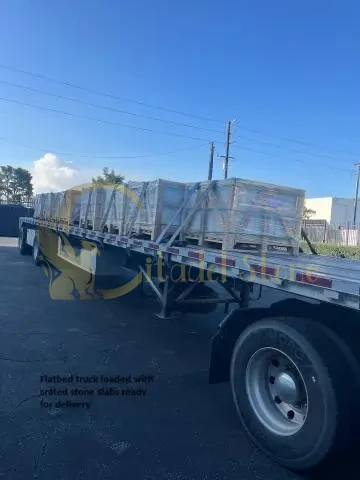
- Flatbed trucks for slabs, blocks, and palletized materials
- Container shipping for international volumes
- LTL consolidation for smaller mixed orders
- Expedited services for urgent needs
Packaging Standards: Verify suppliers use appropriate crating, banding, corner protection, and cushioning materials preventing transit damage.
Delivery Coordination: Schedule deliveries aligned with construction milestones. Ensure site access for trucks, adequate offloading equipment (forklifts, cranes), flat stable staging areas, and weather protection.
Receiving Inspection Protocol: Inspect shipments immediately upon arrival before signing delivery receipts. Document any damage with photographs and notify supplier within specified timeframes (typically 24-48 hours).
On-Site Storage: Store slabs vertically on A-frames, protect pallets with waterproof covers, maintain organization by stone type and batch, and keep away from contaminants (mortar, chemicals, excessive moisture).
Why Citadel Stone Stands as Your Premier Stone Supplier USA Partner
When the search for a best stone supplier leads you to a partner embodying unparalleled quality, ethical sourcing, and dedicated service, you’ve found Citadel Stone. We distinguish ourselves in the natural stone industry not merely as a vendor but as a strategic partner genuinely invested in your project success.
Exclusive Middle Eastern Sourcing Relationships
Our direct partnerships with premier quarries in Syria and Turkey provide access to extraordinary materials unavailable through conventional channels:
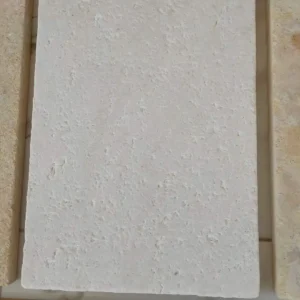
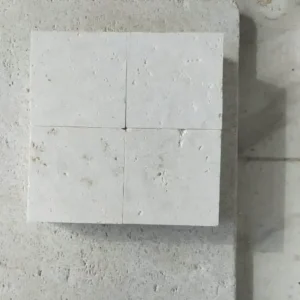
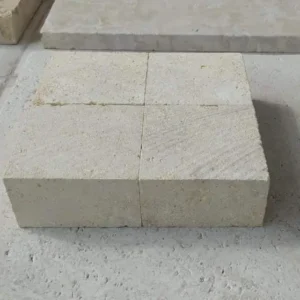
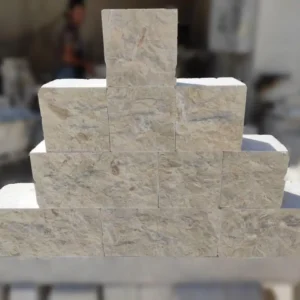
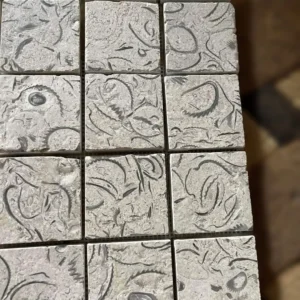
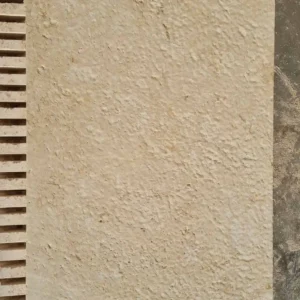
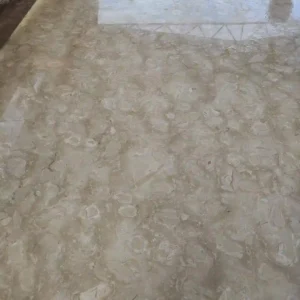
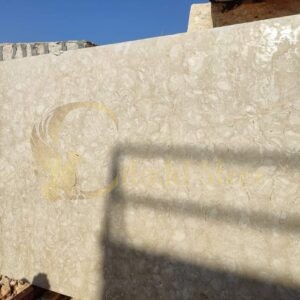
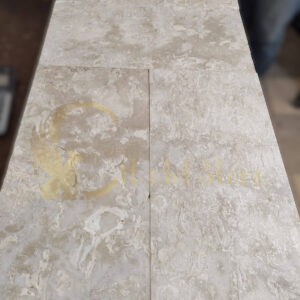
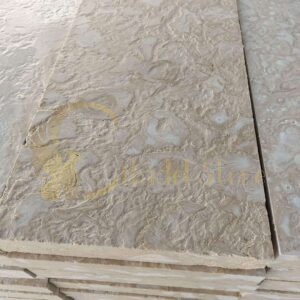
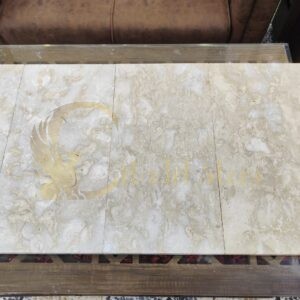
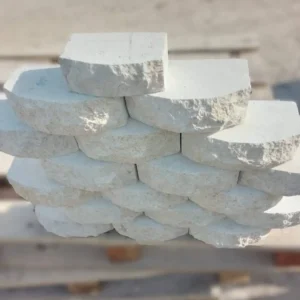
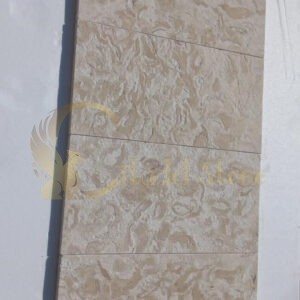
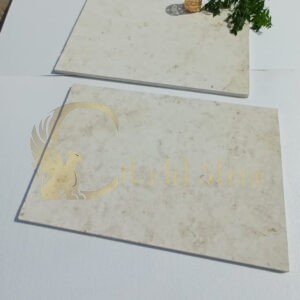
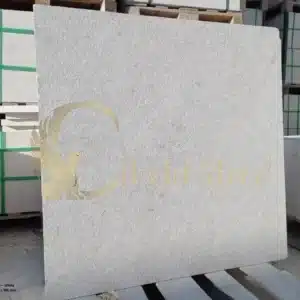
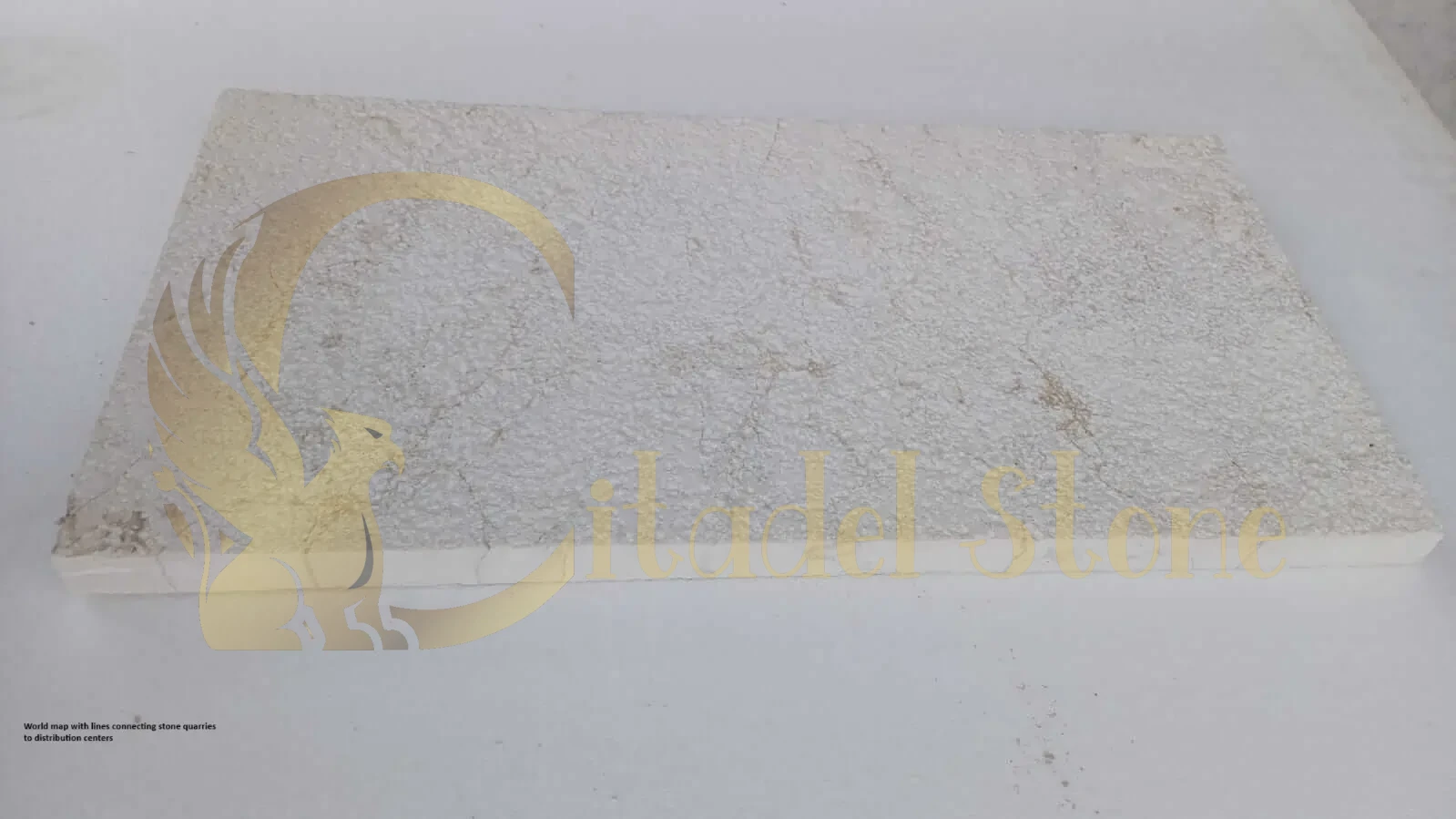
White Shellstone: Luminous marine-limestone featuring fossilized shell inclusions, offering unique organic textures and superior durability for both interior and exterior applications
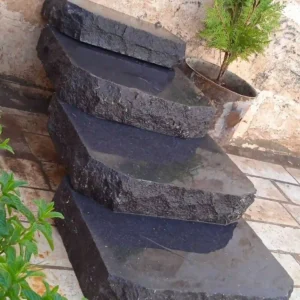
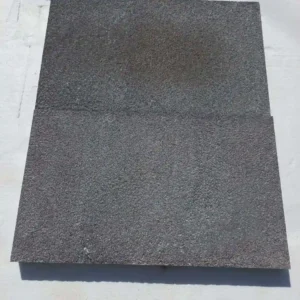
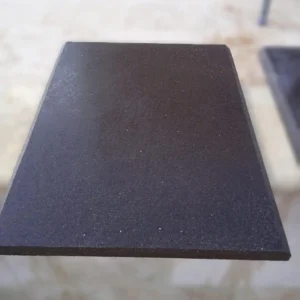
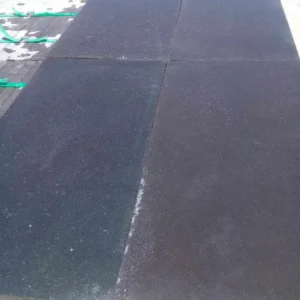
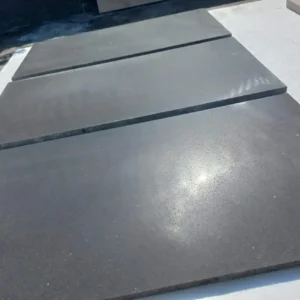
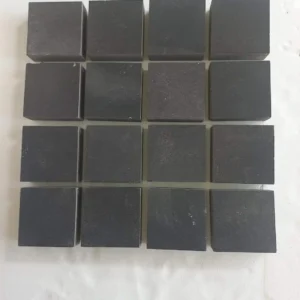
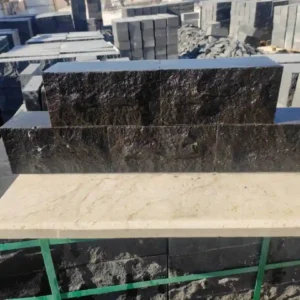
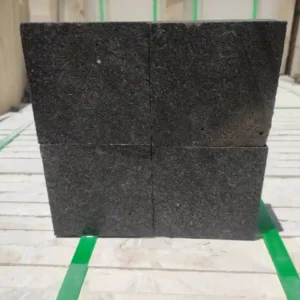
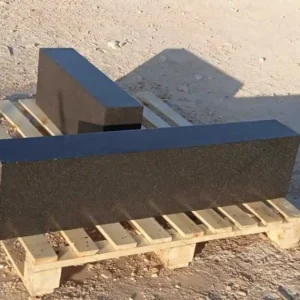
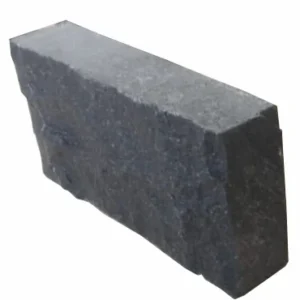
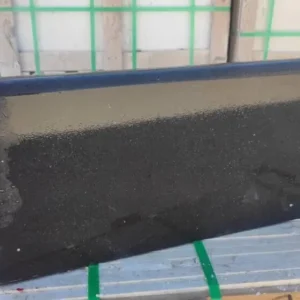
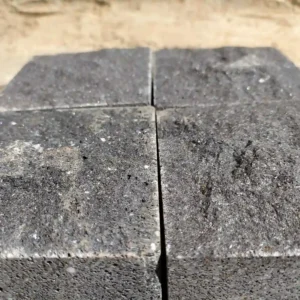
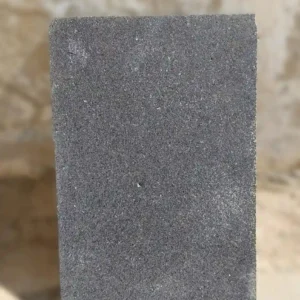
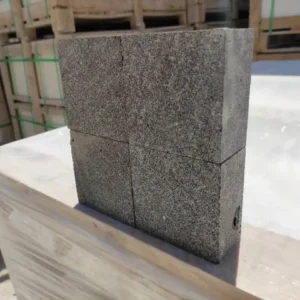
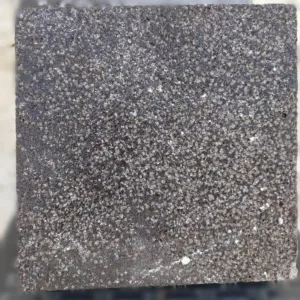
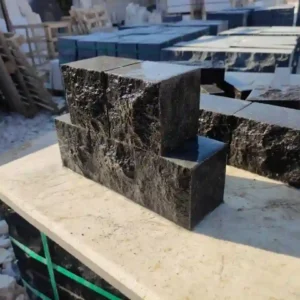
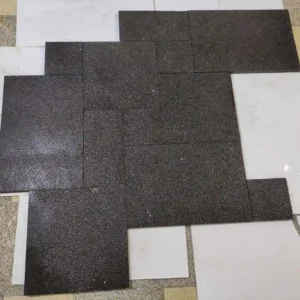
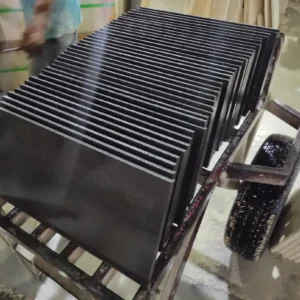
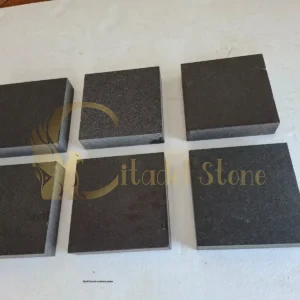
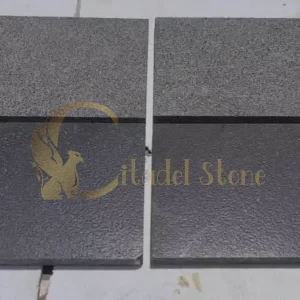
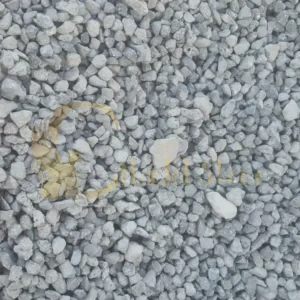
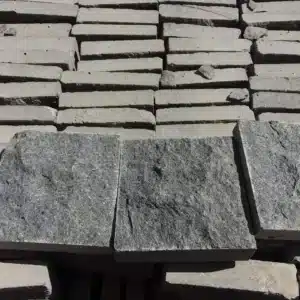
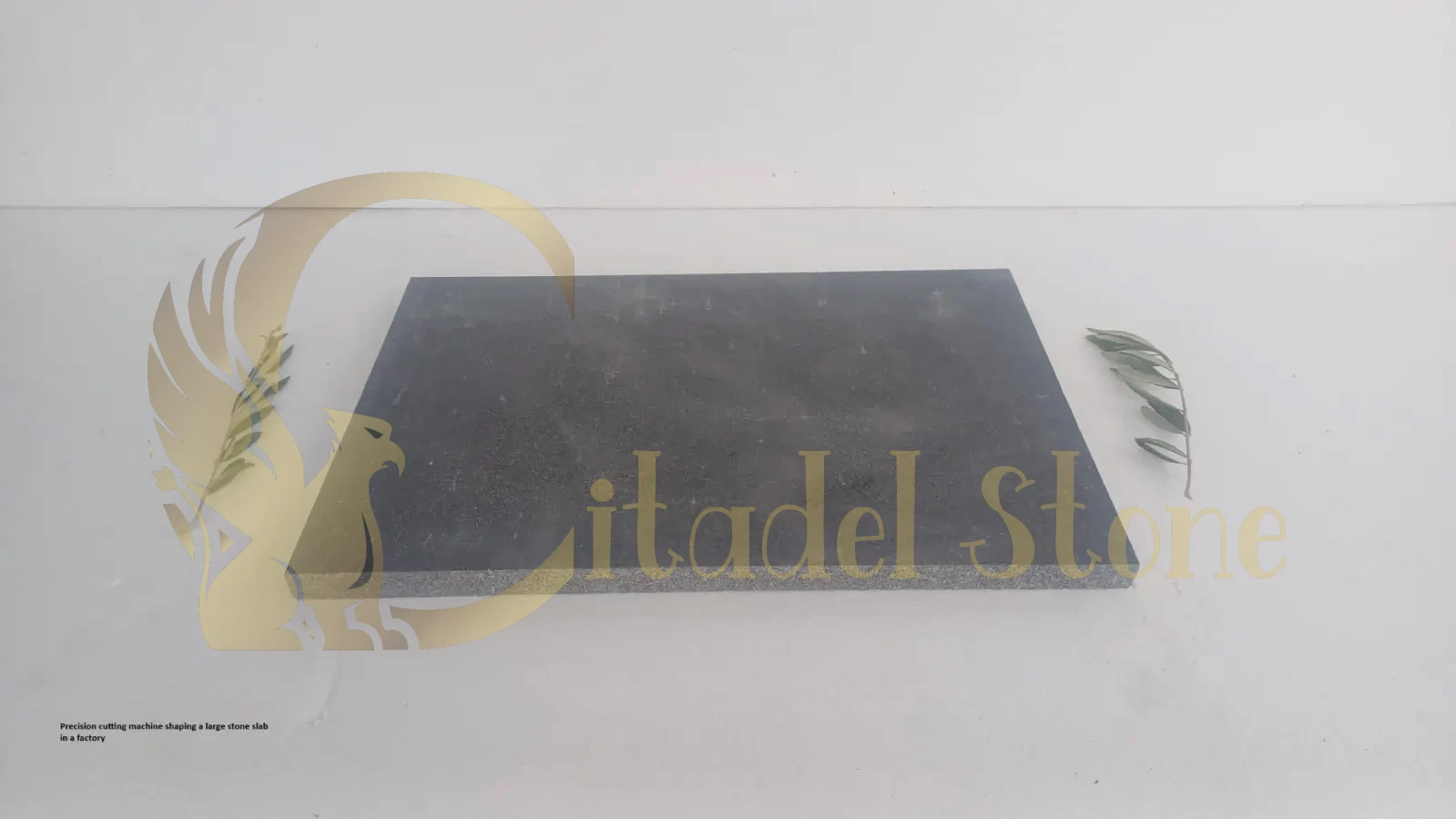
Black Basalt: Dense volcanic stone with fine-grain structure and deep, consistent coloration—ideal for modern minimalist aesthetics and extreme-durability requirements
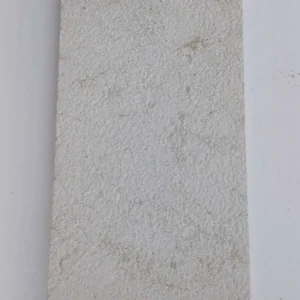
Ocean Reef Pavers: Distinctive oolitic limestone formed in ancient marine environments, providing slip-resistant surfaces perfect for pool decks and outdoor living spaces
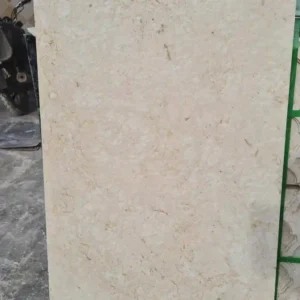
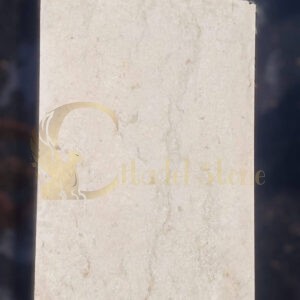
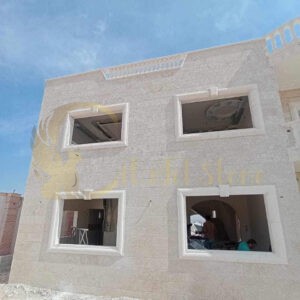
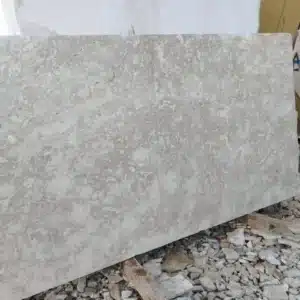
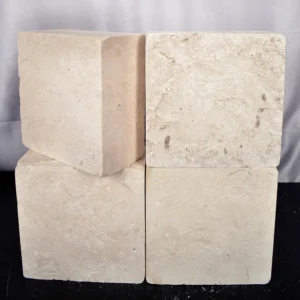
Syrian Limestone: Warm-toned, consistent material prized for architectural cladding and refined interior installations
These exclusive materials, sourced directly from origin, eliminate intermediary markups while ensuring supply consistency for multi-phase projects.
Uncompromising Quality Assurance
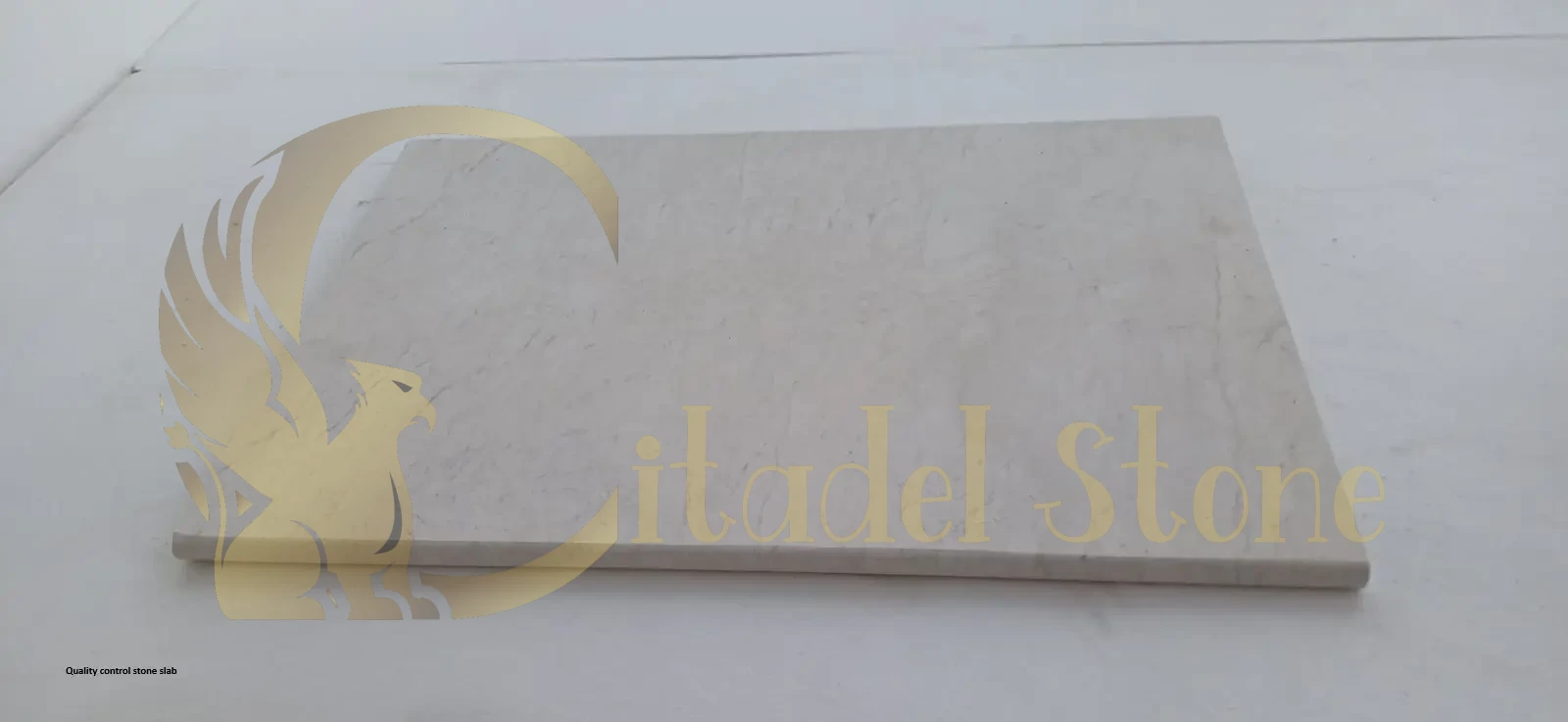
Every slab, paver, and custom piece undergoes our rigorous multi-stage inspection process:
Quarry-Side Selection: Our representatives personally inspect materials at source, approving only blocks meeting our stringent standards
Pre-Shipment Verification: Complete dimensional checks, surface quality assessment, and batch consistency confirmation before materials leave origin facilities
Port-of-Entry Inspection: Additional quality verification upon arrival in United States, identifying and resolving any transit-related issues
Final Pre-Delivery Review: Comprehensive inspection at distribution centers ensuring only perfect materials reach your project site
This meticulous quality control guarantees the stone quality standards you expect and your projects deserve.
Comprehensive Digital Tools and Technical Support
Citadel Stone combines traditional stone expertise with cutting-edge digital capabilities:
Real-Time Inventory Portal: Live stock visibility across all distribution centers enabling informed material selection and accurate project planning
CAD and BIM Libraries: Downloadable specification details, dimension drawings, and building information modeling objects streamlining architectural documentation
Virtual Visualization Tools: Upload project photos to preview stone selections digitally before commitment
LEED Documentation Packages: Pre-compiled environmental product declarations, regional sourcing verification, and sustainable material certifications supporting green building requirements
Technical Specification Support: Expert assistance with performance criteria, installation guidelines, and maintenance protocols
Nationwide Distribution Network
Strategic distribution centers positioned across the United States ensure efficient service regardless of project location:
Rapid Fulfillment: Next-day delivery available in most metropolitan markets Flexible Scheduling: Coordinated deliveries timed to construction phase requirements Protected Transit: Climate-controlled transportation and custom crating systems Just-in-Time Programs: Staggered shipments eliminating on-site storage constraints for large projects
Commitment to Sustainable and Ethical Practices
Citadel Stone’s commitment to ethical stone sourcing extends throughout our operations:
Verified Quarry Partnerships: All source quarries undergo third-party audits confirming environmental compliance and fair labor standards Carbon Offset Programs: Verified offset initiatives neutralizing transportation emissions Closed-Loop Water Systems: Fabrication facilities reclaim and reuse 85% of process water Waste Minimization: Installation cutoffs and excess materials accepted through our take-back recycling program Transparency: Published annual sustainability reports detailing environmental metrics and continuous improvement initiatives.
Unparalleled Customer Support
Our dedicated team provides comprehensive support throughout your project lifecycle:
Pre-Purchase Consultation: Expert material recommendations considering application, climate, traffic, and aesthetic requirements Sample Programs: Generous sample policies with complimentary delivery to project sites Installation Guidance: Detailed technical support for substrate preparation, adhesive selection, and proper installation techniques Maintenance Education: Comprehensive care instructions, sealing schedules, and troubleshooting assistance Long-Term Partnership: Preferred customer programs, priority access to new materials, and volume pricing for repeat clients
Stone Procurement Case Studies: Real-World Success Across America
Understanding how leading projects successfully navigate stone supplier selection provides valuable practical insights. These case studies demonstrate best practices in supplier vetting, quality control, and project coordination.
San Francisco Bay Area Tech Campus Courtyard
Challenge: Silicon Valley campus required large-format granite pavers resisting thermal expansion while mitigating urban heat island effects in California’s climate.
Supplier Selection Process: Three regional stone suppliers submitted comprehensive quotes. The selected supplier provided ASTM C411 thermal shock data showing <0.2mm panel movement after 50 cycles, plus albedo verification (SRI ≥65) for heat reduction.
Quality Verification: 10 sq ft pilot installation monitored for two weeks under peak summer sun, logging surface temperatures 15°F lower than concrete alternatives.
Results: 98% budget adherence, 8-week lead time (2 weeks ahead of quote), zero thermal expansion issues, and validated cooling performance preventing HVAC system over-design.
Memphis Music Hall Acoustic Renovation
Challenge: Historic venue required marble-composite wall panels enhancing acoustics while meeting NFPA fire-safety codes.
Supplier Vetting: Selected supplier provided ASTM C423 sound-absorption data (≥0.45 mid-frequency coefficient) and UL 263 fire-resistance certification (2-hour integrity at 1,700°F).
Mock-Up Testing: 20×10 ft temporary wall installed during rehearsal period, measuring 18% reverberation time improvement exceeding architect’s target.
Results: 97% budget adherence, 10-week delivery (2 weeks early), code approval without redesign, and validated acoustic performance.
Louisville Bourbon Distillery Tasting Bar
Challenge: New tasting bar demanded honed limestone surfaces withstanding high-proof alcohol spills and frequent sanitizing.
Material Testing: Supplier conducted ASTM D543 solvent resistance trials with 95% ethanol, demonstrating <0.05g mass loss after 24 hours. NSF-ANSI 51 food-contact certification verified for all sealants.
Performance Validation: 6×6 ft countertop sample subjected to daily bourbon spills and aggressive cleaning for two weeks, maintaining zero etching.
Results: 96% budget adherence, 7-week lead time (2 weeks early), flawless hygiene inspection, and perfect chemical resistance eliminating field sealant failures.
Honolulu Beachfront Hotel Pool Deck
Challenge: Waikiki location required volcanic basalt decking remaining cool under tropical sun without UV-induced color fade.
Quality Assurance: Supplier provided ASTM G154 accelerated UV testing simulating 10 years equatorial sun exposure (ΔE <2 color shift). Thermal conductivity measurements confirmed deck surfaces <12°F above ambient.
Field Validation: 10×10 ft pilot area installed poolside during summer, with continuous temperature logging validating lab predictions—surfaces measured 10°F cooler than competing materials.
Results: 98% budget adherence, 8-week delivery (2 weeks early), zero guest comfort complaints, and validated thermal performance eliminating barefoot burn risks.
Frequently Asked Questions About Stone Supplier Selection
Q: What represents the single most important factor when you choose a stone supplier?
A: While many factors matter, consistent material quality combined with transparent communication proves most critical. A supplier providing premium-grade stone with clear documentation of properties, sourcing, and testing—while maintaining open, honest dialogue throughout the project—will be your most reliable partner.
Q: How can I effectively verify stone quality before purchasing?
A: Request substantial samples (minimum 12×12 inches) for hands-on inspection. Examine color consistency, veining patterns, and surface finish. Conduct simple tests like water absorption. Request technical data sheets documenting physical properties (density, absorption rate, strength) with relevant ASTM test results. Visit showrooms to view full slabs. For critical projects, consider independent third-party laboratory testing.
Q: Are local stone suppliers always better than national distributors?
A: Not necessarily—the optimal choice depends on specific project requirements. Local suppliers excel at regional materials, rapid delivery, personalized service, and lower transportation costs for nearby projects. National distributors provide broader material selection, consistent availability across locations, and robust logistics for large-scale developments. Evaluate based on your project’s material needs, timeline, scale, and budget.
Q: What certifications should I prioritize when evaluating stone suppliers?
A: Key certifications include ASTM International standards for physical properties, ANSI/NSC 373 for sustainability and ethical practices, ISO 9001 for quality management, and ISO 14001 for environmental responsibility. For food-contact surfaces, verify NSF-ANSI 51 compliance. For interior applications, check Greenguard certification for low VOC emissions.
Q: How much can I save by purchasing stone during off-peak seasons?
A: Seasonal pricing variations typically range from 5-15% savings during fall and winter months when construction activity slows. Some suppliers offer clearance sales with discounts reaching 20-30% on overstocked materials. Off-peak purchasing also often yields shorter lead times and more flexible delivery scheduling.
Q: What should I prepare for when scheduling stone delivery?
A: Ensure clear, unobstructed truck access to your site. Prepare a flat, stable staging area capable of supporting material weight. Protect finished surfaces with plywood or tarps. Have appropriate offloading equipment available (forklift, crane) or arrange for supplier-provided equipment. Most importantly, ensure a responsible person is present to inspect materials immediately upon arrival, documenting any damage before signing delivery receipts.
Q: Do stone suppliers typically provide installation services?
A: Most suppliers focus on material provision rather than installation, but many maintain networks of qualified fabricators and installers they can recommend. Some full-service suppliers offer turnkey solutions including installation. Always clarify service scope during initial discussions and verify installer credentials, insurance, and warranty coverage.
Q: What red flags should alert me to potentially unreliable suppliers?
A: Warning signs include dramatically below-market pricing without clear explanation, reluctance to provide samples or detailed technical documentation, poor communication or slow response times, consistently negative online reviews highlighting delivery or quality issues, lack of relevant certifications or industry memberships, and unwillingness to provide client references or showroom access.
Your Next Steps: Begin Your Partnership with Citadel Stone
Having explored the essential criteria for stone procurement, regional market dynamics, quality evaluation techniques, and the distinct advantages Citadel Stone offers, your path forward is clear. We invite you to experience firsthand why discerning professionals across the United States choose Citadel Stone for their most important projects.
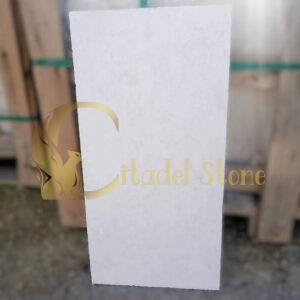
Explore Our Exclusive Material Collections: Browse our comprehensive online catalog showcasing Turkish-sourced white outdoor pavers, Syrian black basalt tiles, Ocean Reef pavers, distinctive shellstone, and premium limestone selections unavailable through conventional suppliers. Each material page provides detailed technical specifications, application photography, and maintenance guidelines.
Request Complimentary Samples: Experience the superior quality and unique character of our materials through our generous sample program. We’ll deliver samples directly to your project site or design studio, enabling evaluation under actual lighting conditions and alongside existing materials.
Schedule Expert Consultation: Connect with our team of stone specialists for personalized project guidance. We provide material recommendations optimized for your specific application, climate zone, traffic patterns, and aesthetic vision—backed by decades of combined expertise in natural stone sourcing and application.
Obtain Detailed Project Quote: Receive transparent, comprehensive pricing for your project including all materials, fabrication services, and delivery—with no hidden fees or surprise charges. Our itemized quotes enable confident budgeting and accurate project planning.
Visit Regional Showrooms: Experience the beauty and quality of our materials in person at conveniently located showrooms where you can view full slabs, compare finish options, and consult with knowledgeable staff about your specific needs.
Partner with Confidence: Choose Citadel Stone as your trusted stone supplier USA partner and ensure your project benefits from the finest materials, ethical sourcing practices, and dedicated service that transforms architectural visions into enduring reality.
The success of your stone project begins with choosing the right supplier. Let Citadel Stone’s proven expertise, exclusive materials, and unwavering commitment to quality become the foundation of your next great achievement.
Contact us today to discuss your project requirements, request samples, or schedule a consultation with our stone specialists. Discover why architects, designers, contractors, and homeowners across America trust Citadel Stone for natural stone excellence.
Your journey to exceptional stone projects starts here.