
The UV Reality That Drives Stone Material Costs in Arizona
Stone material costs Arizona projects carry aren’t just about purchase price per square foot — they’re about how much UV exposure will cost you in sealing cycles, surface restoration, and premature replacement if you choose the wrong material for your exposure conditions. Arizona’s UV index regularly hits 11+ during summer months, and that level of radiation doesn’t just fade color — it breaks down binder minerals in softer stones, oxidizes iron-rich veining, and accelerates the surface spalling process in porous materials faster than heat alone. Understanding how each stone type weathers under that UV load is what separates a smart cost calculation from a misleading one.
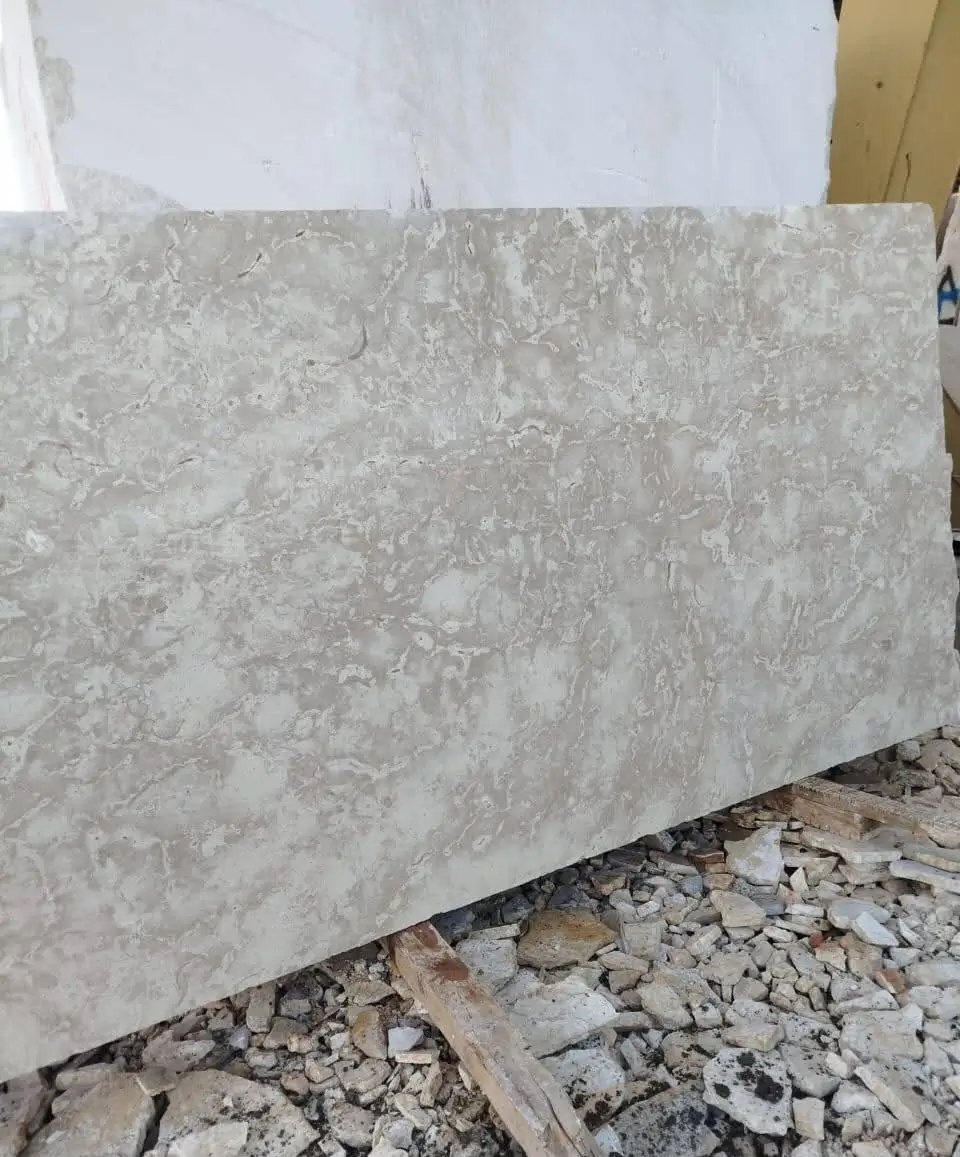
Comparing Stone Prices in Arizona and Their UV Cost Implications
Comparing stone prices in Arizona means nothing if you’re not accounting for what happens to that material after 18 months of desert sun exposure. The sticker price on a pallet of sandstone looks competitive until you realize you’re resealing every 12 months instead of every 24, and spending an additional $0.40–$0.80 per square foot in labor each cycle. Here’s how the most common stone types stack up on both upfront cost and UV-related lifecycle costs:
- Travertine: $4–$8 per sq ft material cost; UV performance is strong when filled and sealed, but open-vein travertine oxidizes at exposed edges — you’ll see amber staining within two to three seasons in full southern exposures
- Limestone: $3–$7 per sq ft; dense, tight-grained varieties from Turkish and domestic quarries hold their finish well, but softer Indiana varieties will show UV bleaching within the first full summer
- Basalt: $6–$11 per sq ft; among the most UV-stable options available — its low porosity and dark mineral density resist photodegradation at the surface level better than calcium-based stones
- Sandstone: $2–$5 per sq ft upfront, but feldspar-heavy compositions break down under sustained UV, causing surface delamination that no sealer fully prevents
- Quartzite: $5–$10 per sq ft; silica-dominant composition means minimal UV reactivity — color retention over a decade-long exposure cycle is exceptional without aggressive sealing schedules
For Arizona outdoor spaces, the cost difference between stone types only becomes meaningful when you factor in a 10-year horizon. A quartzite installation at $8 per sq ft with one sealing cycle every three years often outperforms a sandstone installation at $3 per sq ft that requires annual maintenance and spot replacement by year six.
Stone Grade Pricing and Why It Matters Under Arizona Sun
Stone grade pricing for Arizona outdoor spaces isn’t just a quality conversation — it’s a UV durability conversation. Grade A material from a given quarry typically means denser mineral composition, tighter tolerances on surface porosity, and fewer natural voids that become UV-exposure points. Grade B and C material often includes more variation in mineral density across the slab face, which creates uneven UV absorption and accelerates differential weathering — some areas fade faster than others, giving you a patchy surface appearance within two to three years.
The price gap between Grade A and Grade B limestone in Arizona typically runs $1.50–$2.50 per square foot. That premium buys you measurably better UV performance: independent porosity tests show Grade A Turkish limestone at 0.4–0.8% absorption versus Grade B at 1.2–2.1%. Lower absorption means less photochemical reaction at the surface, less moisture infiltration that catalyzes UV-related spalling, and a longer window between resealing cycles. For projects in Scottsdale where design aesthetics matter as much as durability, that grade investment is nearly always justified.
At Citadel Stone, we grade incoming inventory against porosity and surface density standards before it reaches the warehouse floor — a step that isn’t standard across all distributors. That process means the Grade A designation on our invoices reflects actual performance testing, not just cosmetic sorting at origin.
Sealing Costs and UV-Driven Maintenance Schedules by Material
The single most underestimated line item in stone material costs Arizona projects carry is sealing — not the product cost, but the cumulative labor and frequency driven by UV degradation. Here’s the practical breakdown by material type:
- Travertine (filled, honed): reseal every 18–24 months in full-sun Arizona exposure; penetrating silane-siloxane sealers at $0.15–$0.25 per sq ft per cycle
- Limestone (dense, Grade A): reseal every 24–36 months; UV-stable impregnating sealers maintain color retention without surface film buildup
- Basalt: reseal every 36–48 months due to inherent low porosity; UV has minimal impact on mineral color since basalt’s iron compounds are already in stable oxidized form
- Quartzite: reseal every 36–60 months; silica composition provides natural UV resistance, making it the lowest-maintenance option in Arizona’s climate
- Sandstone: reseal every 12 months minimum; surface-applied sealers on sandstone tend to peel under UV-driven thermal cycling, requiring mechanical removal before reapplication
Projects in Tucson with west-facing orientations experience approximately 30% higher UV loading on exposed stone surfaces compared to north-facing installations — a factor that compresses sealing intervals by four to six months regardless of material type. Your orientation matters as much as your material choice when you’re calculating true maintenance costs.
Finish Selection for UV Resistance: The Cost Variable Most Buyers Miss
Your finish selection directly affects both upfront stone material costs and long-term UV performance in ways that most cost comparisons completely ignore. Here’s the honest breakdown:
Honed finishes expose the raw mineral surface, which absorbs UV energy and begins photochemical degradation faster than a polished or brushed surface. Polished limestone or travertine carries a $0.50–$1.25 per sq ft premium over honed, but the reflective surface layer actually deflects a portion of UV radiation rather than absorbing it — extending the period before color shift becomes visible by one to two seasons. Brushed and tumbled finishes fall between the two, with natural micro-texture that dissipates UV rather than concentrating it at the surface plane.
- Polished finish: highest UV reflection, slower color shift, premium pricing, not ideal for slip resistance in wet zones
- Honed finish: neutral appearance, faster UV absorption at mineral level, requires earlier sealing intervention in Arizona exposure
- Brushed finish: good UV dissipation, natural aesthetic, mid-range cost, excellent for pool surrounds and walkways
- Tumbled finish: irregular surface limits UV focus points, aged appearance masks early weathering, lower maintenance visibility threshold
- Flamed finish: opened surface structure increases UV exposure area — typically not recommended for full-sun Arizona applications without aggressive penetrating sealer protocols
Among the affordable natural stone options Arizona buyers trust most for full-sun applications, honed limestone and brushed travertine consistently rank at the top — not because they’re the cheapest per square foot, but because their finish-to-climate compatibility reduces the total cost of ownership over a 10-year window.
Real Cost Differences Between Stone Types Over Time
The cost difference between stone types in Arizona becomes most visible between years three and seven of an installation. Here’s a practical comparison for a 500 sq ft patio project under full Arizona sun exposure:
- Sandstone at $2.50 per sq ft: $1,250 material + $3,500 installation + annual resealing at $200/cycle = approximately $4,150 baseline, plus $400–$600 in spot replacements by year five due to UV surface delamination
- Limestone (Grade A) at $5.50 per sq ft: $2,750 material + $3,500 installation + biennial resealing at $200/cycle = approximately $6,650 over 10 years with no replacement costs
- Quartzite at $8 per sq ft: $4,000 material + $3,500 installation + triennial resealing at $200/cycle = approximately $8,167 over 10 years; appearance retention is the strongest of the three
The limestone option costs $2,500 more upfront than sandstone but saves approximately $800–$1,200 by year 10 when you account for replacement and additional sealing cycles. Quartzite costs more than limestone at purchase, but the gap narrows significantly when you model the reduced maintenance schedule. These numbers aren’t hypothetical — they reflect real project cost tracking across similar Arizona installations in comparable sun exposure zones.
For a broader look at how to evaluate and compare your options before committing to a purchase, Citadel Stone cost comparison Arizona provides a practical framework organized by material type and project application.
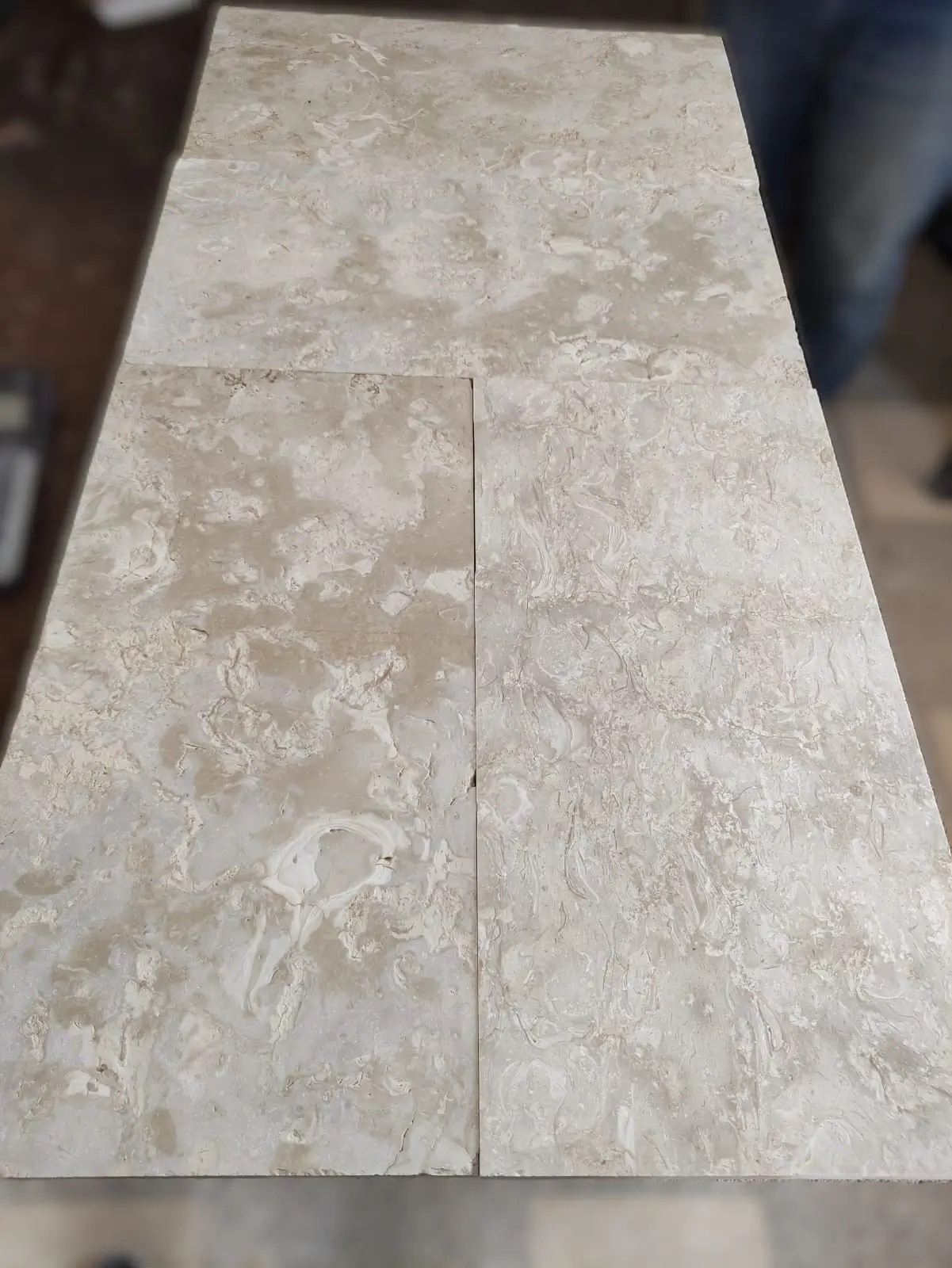
Color Fading, Oxidation, and How Material Selection Prevents It
Color fading in natural stone under Arizona UV conditions isn’t uniform — it’s mineral-specific. Iron-bearing stones like certain sandstones and some travertines undergo photooxidation, where sustained UV exposure accelerates the conversion of ferrous iron (Fe²⁺) to ferric iron (Fe³⁺), producing visible color shift from warm gold tones toward pale tan or orange-gray within 24–36 months. You can slow this process with UV-blocking impregnating sealers, but you can’t stop it entirely in high-iron material — you’re managing the rate, not eliminating the reaction.
Low-iron stones — dense limestone, quartzite, and most basalt — show virtually no photooxidation under the same exposure conditions. Their color stability comes from the fact that there’s no reactive iron compound available for UV to act on at the surface level. This is one of the most undervalued factors when comparing stone prices in Arizona: a pale gray quartzite that looks identical to a cream sandstone in the showroom will look dramatically different after two Arizona summers in full sun exposure.
For installations in Flagstaff, the UV load is slightly lower than the Phoenix metro due to elevation-related atmospheric filtering, but freeze-thaw cycling creates a different threat — microfractures at the surface that UV exposure then exploits, accelerating weathering in stones that would perform acceptably at lower elevations. Your sealing schedule needs to account for both stressors simultaneously.
Ordering, Logistics, and Timing Your Project Around UV Windows
Stone material costs on Arizona projects can creep upward when logistics aren’t planned around the UV installation window. Installing natural stone in June through August under full Arizona sun creates two problems: surface temperatures on fresh stone can exceed 160°F, which affects setting mortar hydration rates and can cause premature sealer volatilization if you’re applying finish treatments within 48 hours of installation. The ideal installation window is September through April — both for material performance and for your installers’ safety.
Citadel Stone maintains warehouse inventory across Arizona, which typically reduces material lead times to one to two weeks — a meaningful advantage when you’re trying to hit a specific installation window before temperatures climb. Standard import cycles from overseas quarries run six to eight weeks, which means a project planned for a March installation needs stone ordered no later than early January. Missing that window pushes you into summer installation conditions, which adds cost through adjusted labor rates and potential sealer application delays.
- Verify warehouse stock levels before committing to project timelines — material availability in Arizona fluctuates with regional construction demand in Q1 and Q4
- Truck delivery scheduling should account for job site access constraints — full pallet loads of stone require a level, hardened surface for safe unloading, and summer heat affects driver scheduling windows
- Request material samples and expose them to direct sun for two to four weeks before final specification commitment — color and finish behavior under UV tells you more than a showroom viewing ever will
- Coordinate sealing application for early morning hours in Arizona — ambient temperature below 90°F produces measurably better sealer penetration and cure consistency than afternoon applications
Professional Summary: Getting Stone Material Costs Right in Arizona
Stone material costs Arizona projects demand a complete accounting — not just the per-square-foot price on a pallet, but the UV weathering rate, sealing frequency, finish selection, and grade quality that determine what you’re actually paying over the life of the installation. The materials that look affordable at purchase often carry the highest long-term UV maintenance costs, while denser, lower-porosity options that seem expensive upfront tend to deliver better cost-per-year performance in Arizona’s sustained solar conditions. Your finish choice, your orientation, your grade specification, and your sealing protocol all feed directly into the real cost number that matters: total spend divided by years of acceptable performance.
Stone grade pricing for Arizona outdoor spaces, sealing schedules, finish selection, and orientation are all variables that interact — and ignoring any one of them produces a cost estimate that won’t survive contact with actual desert conditions. Planning your stone selection with a 10-year lens rather than a purchase-day lens is what separates projects that hold up and hold value from ones that require expensive remediation by year five. The affordable natural stone options Arizona buyers trust most are rarely the cheapest upfront — they’re the ones whose total lifecycle cost pencils out over time. For deeper guidance on evaluating your specific material options and understanding what different stone categories actually deliver in Arizona conditions, the How to Choose Stone for Sale in Arizona: Buyer’s Guide walks through the full decision framework with practical specification detail. Available across Flagstaff, Yuma, and Peoria, Citadel Stone’s natural stone for sale in Arizona is organized by grade and finish so that buyers can match stone material costs to their specific project scope and budget.