























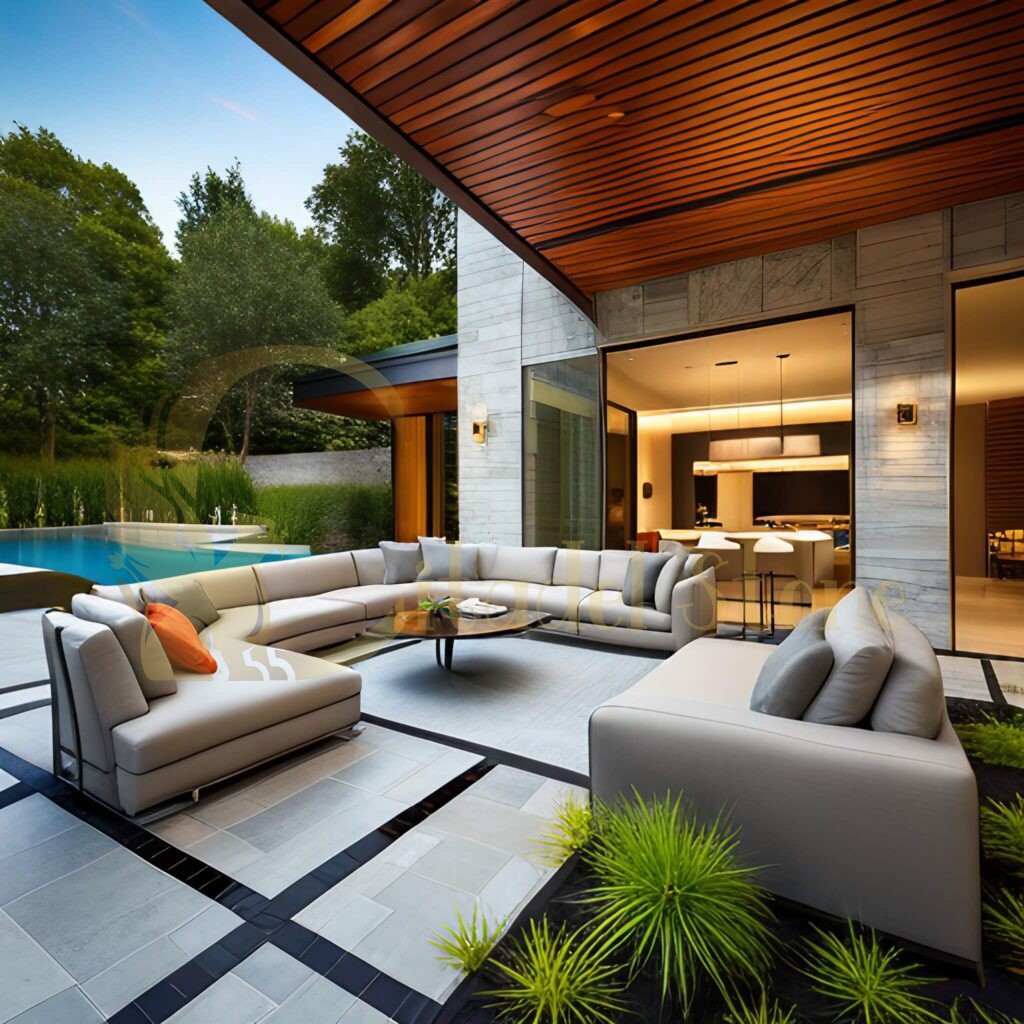
Structural compliance drives every granite specification decision in Arizona — and most project failures trace back to ignoring this reality when selecting wholesale granite suppliers in Arizona. The state’s building codes aren’t uniform from valley floor to high plateau, and the load-bearing, seismic, and substrate requirements that govern granite installation in Phoenix differ meaningfully from what you’ll encounter specifying the same material in Flagstaff. Getting this right from the sourcing stage prevents costly remediation that no amount of premium material can fix after the fact.
How Arizona Building Codes Shape Your Granite Specification
Arizona operates under the International Building Code with state-specific amendments, and those amendments carry real consequences for granite selection. Minimum slab thickness requirements under IBC Chapter 16 load calculations mean your granite specification needs to start with structural loads, not aesthetics. For commercial projects in Phoenix metro, live load requirements for exterior hardscape typically exceed 100 psf — which immediately eliminates thin-format granite below 3/4 inch nominal from consideration for most trafficked surfaces.
Compressive strength ratings matter here in a way that gets undervalued in standard spec sheets. Most granite sourced through a reputable granite stone warehouse in Arizona will show compressive strength between 19,000 and 30,000 PSI — but you need to confirm the specific batch data, not rely on species averages. Citadel Stone includes quarry batch certification with each warehouse shipment, which gives you the documentation your structural engineer actually needs to sign off on the spec.
Seismic Zone D requirements apply to significant portions of Arizona, particularly along fault systems running through the central corridor. This affects not only the substrate anchoring for vertical granite applications but also the expansion joint frequency for horizontal installations. You’ll want to spec expansion joints every 10 to 12 feet in seismically active zones — tighter than the 15-foot standard you’d use elsewhere.
Granite Performance Under Arizona’s Structural and Thermal Load Conditions
Thermal expansion coefficient for granite runs approximately 4.4 to 5.5 × 10⁻⁶ per °F — modest compared to concrete at 6.5 × 10⁻⁶, but still significant across Arizona’s diurnal temperature swings. In the Phoenix metro, daily temperature differentials of 35 to 45°F are common in shoulder seasons, and that cycling accumulates stress at joint interfaces faster than most installation specs account for. Your joint compound selection needs to accommodate this movement, not just fill the gap.
For projects in Flagstaff, the calculation shifts entirely — you’re dealing with a frost line depth of approximately 18 inches and genuine freeze-thaw cycling that eliminates several granite finishes from consideration. Honed and polished surfaces absorb minimal moisture but any surface with open porosity above 0.4% will deteriorate under repeated freeze-thaw stress. Specify a water absorption rate at or below 0.2% for any Flagstaff exterior installation and confirm this against the technical data sheet from your granite supply yard, not the general product description.
What most specifiers miss is the interaction between Arizona’s expansive clay soils and granite base preparation. Caliche layers common across the central valley can create a false sense of sub-base stability that fails seasonally. Your structural base needs to be engineered independently of whatever natural layer sits beneath it — typically 6 to 8 inches of compacted Class II aggregate over a geotextile separation fabric in clay-heavy soils.
- Confirm compressive strength data per batch, not per species average — variance within a single granite variety can exceed 4,000 PSI
- Seismic Zone D areas require shorter expansion joint intervals regardless of slab format
- Frost line depth at 18 inches in Flagstaff demands full sub-base isolation from native soil
- Water absorption rate below 0.2% is the threshold for exterior freeze-thaw resistance
- Clay soil expansion coefficients require geotextile separation regardless of apparent sub-base hardness
Sourcing From a Wholesale Granite Warehouse in Arizona — What to Verify
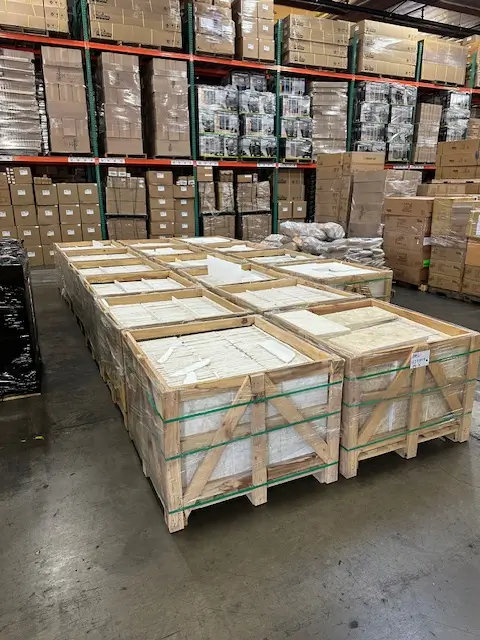
Not all granite stone yards in Arizona operate with the same documentation standards, and that gap matters when you’re pulling building permits. A wholesale granite warehouse in Arizona should be able to provide you with ASTM C615 certification for standard granite, ASTM C1354 data for flexural strength under concentrated loads, and batch-specific absorption testing. If your supplier can’t produce those on request before you commit to quantity, that’s a red flag worth heeding before the material reaches your job site.
Granite manufacturers and importers operate on different documentation chains. A granite manufacturer in Arizona who sources domestically will typically carry more consistent batch documentation than an importer managing multiple overseas quarry relationships. Either source can produce compliant material — but your verification process needs to be tighter with import-chain suppliers because documentation gaps appear more frequently. Ask specifically for the quarry-of-origin certificate and the most recent absorption test date, not just the product specification sheet.
Lead times from a granite supply yard matter more than most project managers allow for. Standard warehouse stock in common formats — typically 12×12, 18×18, 24×24, and 24×12 in nominal thicknesses of 3/4 inch and 1-1/4 inch — usually ships within 5 to 7 business days from confirmed order. Custom cuts, non-standard thicknesses, or specialty finishes like leathered or flamed surfaces run 3 to 5 weeks from most granite and stone yards in Arizona. Build this into your procurement schedule before you lock the installation date.
- Request ASTM C615 certification and batch-specific absorption data before committing to quantity
- Confirm quarry-of-origin documentation, especially for import-chain supply
- Standard warehouse formats typically ship in 5 to 7 business days from confirmed order
- Custom cuts and specialty finishes require 3 to 5 week lead times — plan accordingly
- Verify that the granite and stone yard can match batch numbers across split deliveries to maintain color consistency
Understanding What Arizona Granite Manufacturers and Suppliers Grade Differently
The grading terminology across granite manufacturers in Arizona isn’t standardized in the way lumber grades or concrete mix designs are, and this creates real specification problems. “Commercial grade,” “builder grade,” and “premium” mean different things to different suppliers — so your spec should reference measurable performance criteria, not grade labels. Specify minimum flexural strength at 1,500 PSI under ASTM C880, maximum water absorption at 0.2%, and minimum compressive strength at 19,000 PSI. Those numbers are defensible in a code compliance review; “premium grade” is not.
Color consistency across large-format installations is the second place where granite specification falls apart at the wholesale level. Natural granite exhibits inherent variation, but the range of acceptable variation within a single project lot needs to be defined contractually. Request consecutive slab runs from the same quarry block where visual consistency is critical — a reputable granite manufacturer will accommodate this for large orders, though it typically adds 10 to 15 days to the lead time. For projects in Scottsdale where exterior finishes are subject to HOA and design review scrutiny, this pre-qualification step prevents costly substitutions mid-project.
Finish selection interacts with both code compliance and maintenance requirements in ways the spec sheet doesn’t always make obvious. Polished granite offers the lowest water absorption but the highest slip coefficient under wet conditions — which directly affects ADA compliance for public exterior surfaces. Flamed and brushed finishes increase surface texture and improve wet slip resistance (DCOF above 0.42 under ANSI A137.1), but they open the surface pores slightly, increasing maintenance sealing frequency from biennial to annual in high-UV desert exposure. For projects requiring complementary stone elements sourced at wholesale volume, Wholesale Granite Suppliers from Citadel Stone covers specification and pricing details that apply directly to Arizona project conditions and procurement logistics.
What Your Granite Stone Yard Won’t Tell You About Base Preparation
Base preparation is where Arizona granite installations succeed or fail, and most granite and stone yard conversations focus entirely on the material rather than what goes beneath it. Your compacted aggregate base depth for foot-traffic exterior granite should be a minimum of 4 inches over native soil with a minimum CBR (California Bearing Ratio) of 10 — but in the expansive clay zones common to the Salt River Valley, you need to verify the native CBR, not assume it meets minimum. The cost of a geotechnical test boring is trivial compared to the cost of releveling a 2,000-square-foot granite terrace 18 months post-installation.
For vehicular applications — driveways, commercial loading areas, parking surfaces — the base calculation changes entirely. Granite slab thickness for vehicular loading should be 2 inches nominal minimum, set in a mortar bed over 6 inches of compacted Class II base. Most wholesale granite suppliers in Arizona stock 2-inch nominal slabs as a standard format; verify this against your project’s structural load requirements and confirm truck delivery access to the site before finalizing your slab size selection. Large format slabs above 24×24 inches require a truck with a crane or forklift offload capability — something worth confirming when you’re scheduling delivery.
Projects in Mesa frequently encounter caliche hardpan at 18 to 24 inches below grade, which provides excellent bearing capacity once properly prepared but creates drainage complications if left untreated. Caliche is essentially impermeable, so any water that infiltrates through granite joints will pond above the caliche layer unless you install a positive drainage plane — typically a 2-inch crushed gravel drainage layer with a perforated collection pipe to daylight. This detail rarely appears in standard granite installation specs but it’s critical in the Mesa-Chandler corridor.
- Verify native soil CBR before assuming minimum base depth is adequate in expansive clay zones
- Vehicular applications require 2-inch nominal granite minimum over 6-inch compacted Class II base
- Large format slabs above 24×24 require crane or forklift truck offload — confirm site access at scheduling
- Caliche hardpan requires positive drainage plane installation to prevent sub-base ponding
- Setting mortar must be mixed to Type S specification for exterior applications — Type N is insufficient for thermal cycling stress
Finish Selection, Sealing, and Long-Term Performance From Your Arizona Granite Supply Yard
The finish you specify at the granite supply yard determines your maintenance schedule for the life of the installation — and in Arizona’s UV intensity, that schedule is more aggressive than most national maintenance guides suggest. Polished granite in a low-desert exterior application will show oxidation and surface degradation within 3 to 5 years without a UV-stable penetrating sealer applied biennially. The sealer doesn’t just protect the surface aesthetics; it limits water infiltration that accelerates joint mortar degradation from the underside.
Flamed granite is technically the best performer for Arizona exterior applications when you balance slip resistance, thermal stability, and maintenance requirements. The flaming process closes surface micro-fractures while creating texture, and the resulting surface stays below 130°F surface temperature even under direct midday sun — roughly 25 to 30°F cooler than a polished surface of equivalent color. For pool decks and commercial pedestrian plazas where barefoot surface temperature is a liability concern, this matters. Your granite stone warehouse should be able to provide flamed finish inventory in the standard format sizes without a special order in most cases.
Honed granite occupies the middle ground — lower maintenance than polished, better aesthetics than flamed for interior-adjacent applications, and DCOF ratings that typically land between 0.38 and 0.44 depending on surface profile depth. For covered exterior areas in Scottsdale and Phoenix that don’t receive direct rainfall, honed is often the right balance. You’ll want to confirm the specific DCOF test result from the supplier’s technical documentation, not rely on finish category generalizations, especially for any application subject to ADA compliance review.
Granite Color and Format Decisions in the Context of Arizona Code Requirements
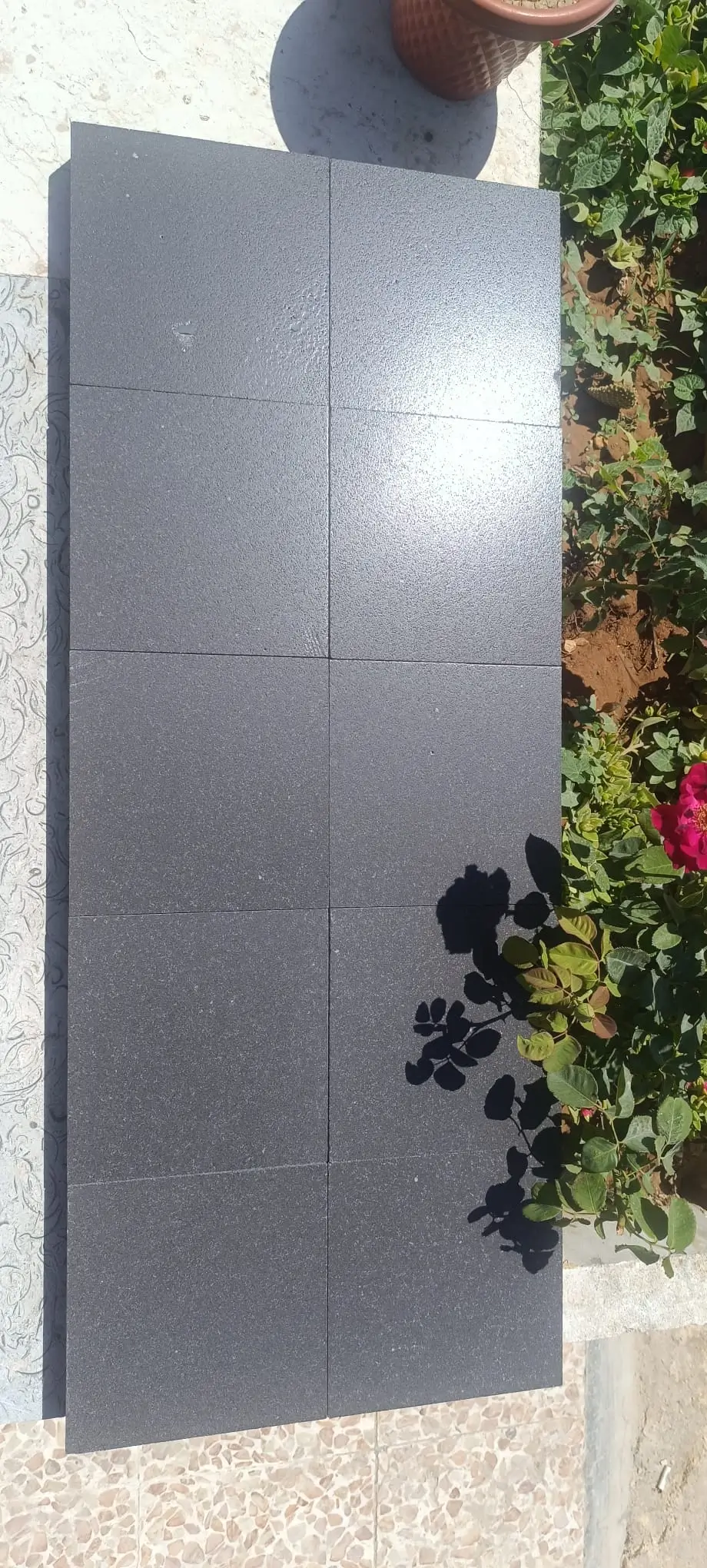
Color selection at the granite and stone yard intersects with building code in one specific way that most buyers overlook: solar reflectance requirements in Arizona’s Title 24-equivalent energy standards and local municipal ordinances for commercial hardscape. Phoenix, Scottsdale, and Chandler have all adopted urban heat island mitigation provisions that affect exterior paving material selection on commercial projects above certain square footages. Light-colored granite — whites, creams, light grays — with solar reflectance index (SRI) above 29 typically satisfies these requirements; darker blacks and dark grays often do not without supplementary mitigation measures.
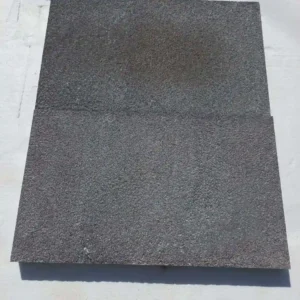
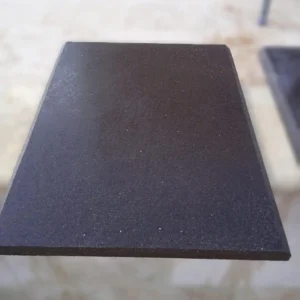
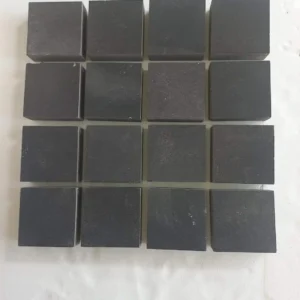
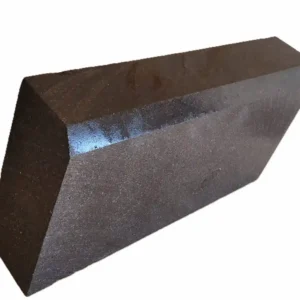
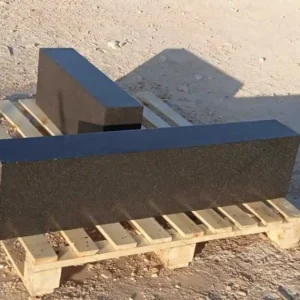
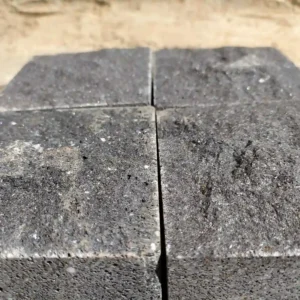
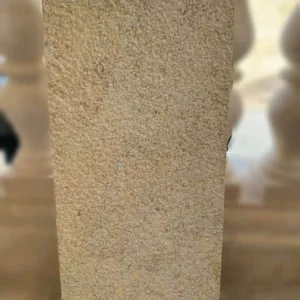
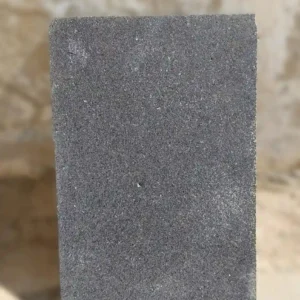
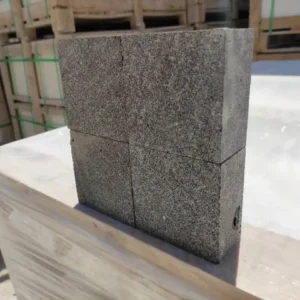
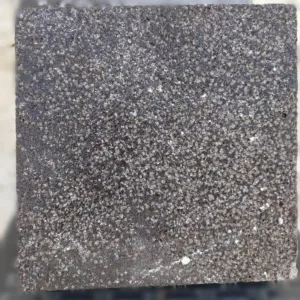
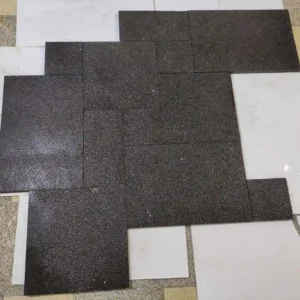
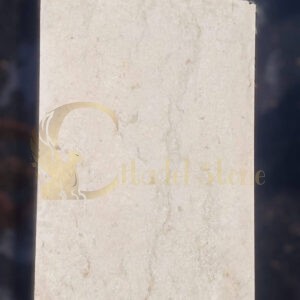
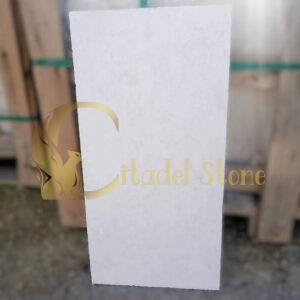
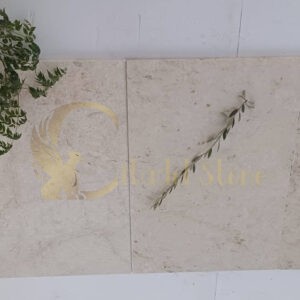
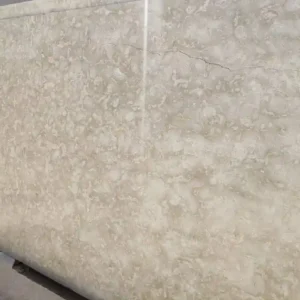
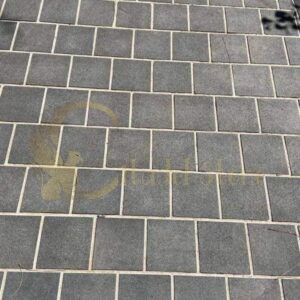
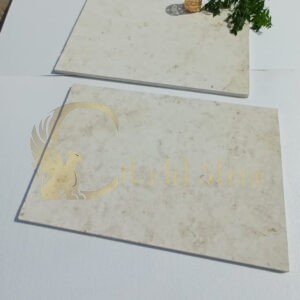
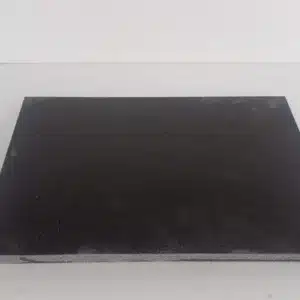
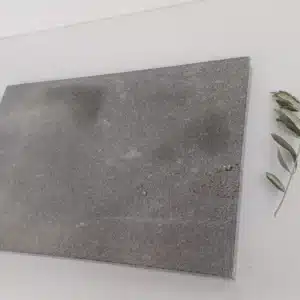
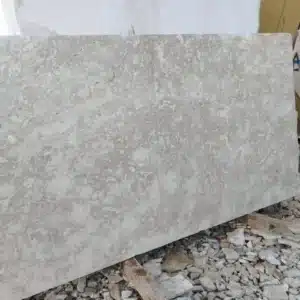
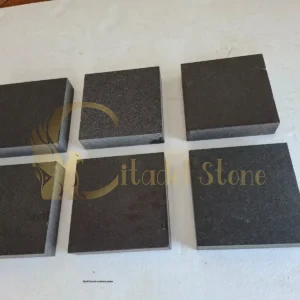
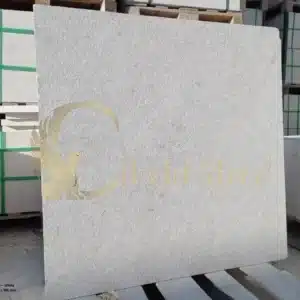
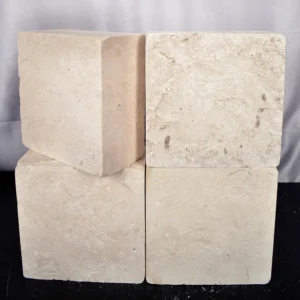
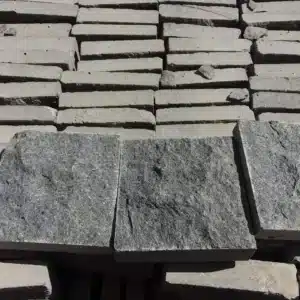
Citadel Stone stocks wholesale granite in Arizona across a range of standard colors including light gray, charcoal, black, white, and multicolor varieties, typically available in 12×12 through 24×24 formats from warehouse inventory. You can request sample tiles and SRI test data from Citadel Stone before committing to a project quantity — a step that’s particularly useful when your project requires documentation for a design review or permit submission. Having the SRI data from the actual batch, not just the product category, strengthens your compliance documentation package considerably.
Format selection should also align with your structural span calculations. Larger format slabs — 24×24 and above — span further between support points, which means the sub-base has more tolerance for minor inconsistency without inducing flexural stress in the stone. This is counterintuitive to most buyers who assume smaller formats are more forgiving, but the physics favor larger format on well-prepared bases. Smaller formats (12×12, 12×24) are more appropriate over bases with verified high bearing capacity and tight tolerances, because any differential settlement will telegraph as lippage much faster in small-format installations.
- Verify SRI rating against local municipal ordinances for commercial projects — not all jurisdictions share the same threshold
- Request batch-specific SRI data, not product category estimates, for permit documentation
- Larger format slabs are more forgiving of minor sub-base inconsistency — smaller formats require tighter tolerance
- Light gray and cream granite commonly exceed SRI 29 without supplementary calculation
- Dark charcoal and black granite may require supplementary mitigation documentation on commercial sites
Request Wholesale Granite Suppliers Pricing — Citadel Stone Arizona
Citadel Stone supplies wholesale granite across Arizona from regional warehouse inventory, with standard format availability in thicknesses from 3/4 inch through 2 inch nominal. Trade accounts, contractors, and commercial specifiers can request sample tiles, batch-specific technical documentation, and format availability lists before committing to project quantities. Lead times from confirmed order typically run 5 to 7 business days for stocked formats and 3 to 5 weeks for custom cuts, specialty thicknesses, or non-standard finishes. Truck delivery is available statewide, and for large-volume projects, Citadel Stone’s team can coordinate staged truck delivery to match your installation sequence rather than requiring you to receive and store the entire order at once.
For wholesale and trade enquiries, contact Citadel Stone directly to discuss project specifications, confirm current warehouse stock levels, and get pricing calibrated to your project volume. The technical consultation process covers not just material selection but also base preparation requirements, finish compatibility with your code environment, and documentation support for permit submissions. Whether your project is in the Phoenix metro or in higher-elevation zones with freeze-thaw requirements, the specification approach needs to be adapted to your specific site conditions — and that’s a conversation worth having before the material is ordered, not after it arrives on site. As you finalize your sourcing strategy for Arizona stonework, Wholesale Stone Suppliers in Arizona provides a broader view of natural stone supply options across the state that may inform complementary material decisions for your project. Stone selections for Arizona projects in Flagstaff, Sedona, and Yuma include Wholesale Granite Suppliers supplied direct from Citadel Stone.