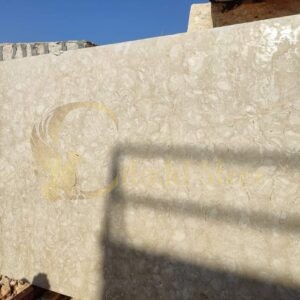
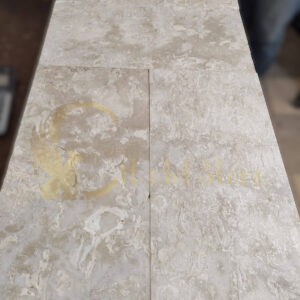
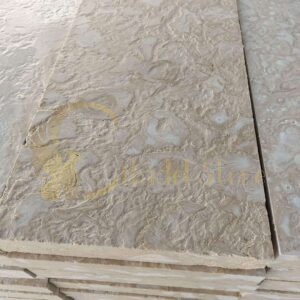
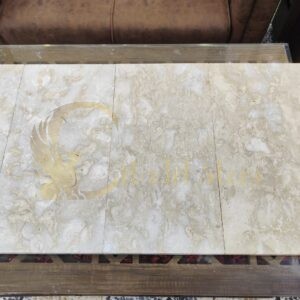





Lava rock pavers in Arizona perform differently across the calendar year than most specifiers expect — not because of raw heat alone, but because the state’s seasonal temperature swing between night and day during shoulder months creates compaction and curing windows that concrete-based schedules simply don’t account for. The thermal mass of volcanic stone means substrate moisture, ambient temperature, and bedding sand consistency all interact in ways that shift significantly from October through April versus the brutal June-through-August stretch. Get the installation window right and you’re looking at 25-plus years of performance; push it into the wrong season without adjusting your process and you’ll see joint failure within three to four years.
Why Volcanic Stone Behaves Differently in Arizona Heat
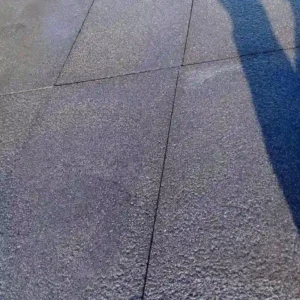
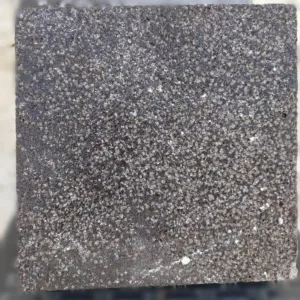
Lava stone pavers in Arizona carry a porosity profile that separates them from basalt, travertine, or concrete alternatives — vesicular pore structures formed during rapid magma cooling create a surface with inherent thermal buffering. That interconnected porosity, typically ranging from 15 to 25 percent by volume, means the material absorbs and releases heat at a slower rate than dense stone. For your patio or pool deck in Scottsdale, that translates to surface temperatures running 18 to 25°F cooler than adjacent concrete slabs under the same midday exposure — a meaningful comfort factor from May through September.
Volcanic rock pavers in Arizona also exhibit a coefficient of thermal expansion around 3.2 × 10⁻⁶ per °F, which is notably lower than standard concrete at roughly 5.5 × 10⁻⁶ per °F. That difference directly affects your joint spacing specification. You can extend joint intervals to 18 to 20 feet in lower-elevation Phoenix installations, whereas the same material placed at Flagstaff elevation — where freeze-thaw cycles introduce mechanical stress that low-desert installs never see — requires tightening joint spacing back to 12 to 15 feet and using a flexible polymeric sand rather than standard dry-set joint filler.
Seasonal Installation Timing for Lava Rock Pavers in Arizona
The optimal installation window for lava pavers in Arizona runs from mid-October through late March — a range driven by bedding sand behavior and adhesive curing chemistry, not just comfort on the job site. Below 95°F ambient temperature, your polymeric sand activates and sets within the manufacturer’s specified time frame. Above that threshold, the activation chemistry accelerates unpredictably, and in Phoenix where pavement surface temps regularly exceed 160°F by 9 a.m. in July, you’re looking at premature curing before you’ve even finished screeding the second run of sand.
Here’s what most installation crews underestimate: the critical constraint isn’t the peak daytime temperature — it’s the overnight low in November and December. Bedding sand that hasn’t reached full compaction density before temperatures drop below 40°F can experience frost-heave micro-movement that breaks early joint set, even in low-desert installations that see frost only three or four nights per year. Your scheduling window between mid-October and late November is genuinely the sweet spot across most of Arizona — ambient temps stay in the 65 to 85°F range during the day, nights stay above 45°F, and the soil moisture profile is stable after summer monsoon activity has normalized.
- Mid-October through late November: primary installation window, optimal curing conditions across all Arizona elevations below 5,000 feet
- December through February: viable at lower elevations but monitor overnight lows — suspend polymeric sand application when 48-hour forecast shows sub-40°F nights
- March through mid-April: secondary window, rising temperatures still allow adequate working time if start times are before 8 a.m.
- Late April through September: avoid polymeric sand and adhesive-set applications — dry-set with standard joint sand is possible for experienced crews starting at dawn, but expect accelerated drying and higher waste rates
Citadel Stone regularly ships lava stone pavers in Arizona from regional warehouse inventory, which means your October project doesn’t depend on a six-to-eight week import cycle. Confirming truck availability for your delivery window before the fall installation season starts — ideally by early September — keeps your schedule from compressing into the less forgiving late-November window.
Base Preparation Standards for Volcanic Rock Pavers
Your base preparation approach has to account for Arizona’s soil variability more than almost any other state. In Mesa, caliche hardpan frequently appears at 18 to 30 inches of depth, and when it’s dense and unfractured, it actually functions as a near-ideal sub-base — compressive strength exceeding 2,000 psi and essentially zero consolidation settlement. The mistake crews make is assuming that caliche presence eliminates the need for a compacted aggregate base layer above it. Caliche is impermeable, so without a 4 to 6-inch Class II aggregate layer between the caliche surface and your bedding sand, you’ll trap seasonal moisture that has nowhere to drain. For volcanic rock pavers in Arizona, trapped moisture cycling through the vesicular pore structure accelerates efflorescence and, at elevation, ice-lens formation.
Standard base depth for residential pedestrian applications runs 4 inches of compacted aggregate over native soil, or 2 to 3 inches over confirmed caliche. Driveway and vehicle-rated applications require a minimum 6-inch compacted base, and for vehicular areas in clay-heavy soils, adding a geotextile separation layer at the native soil interface prevents upward clay migration that slowly degrades aggregate interlock over time.
- Compaction target: 95% Standard Proctor density on the aggregate base before screeding bedding sand
- Bedding sand thickness: 1-inch nominal, not variable — inconsistent depth is the leading cause of uneven settlement across large-format lava paver fields
- Verify subgrade moisture content before placing aggregate — wet monsoon-season soils in late August need 2 to 4 weeks to stabilize before base compaction achieves reliable density
- Edge restraint: aluminum or composite — steel corrodes at the soil interface in Arizona’s alkaline soil conditions, losing mechanical retention within 8 to 12 years
Format and Thickness Selection for Lava Pavers Arizona
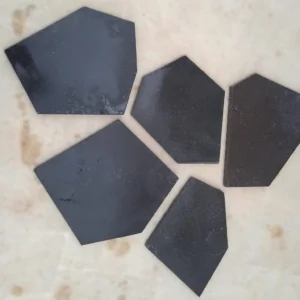
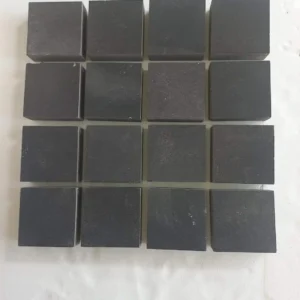
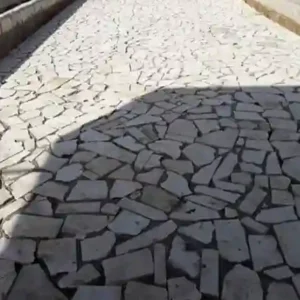
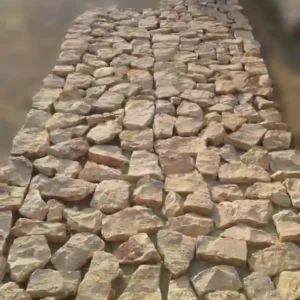
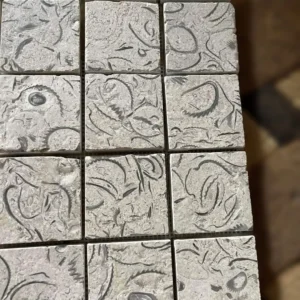
Lava rock pavers in Arizona are available in formats ranging from irregular random flagging to precision-cut 12×24-inch and 16×16-inch modular tiles. Your format choice affects more than aesthetics — it directly determines how thermal expansion stress distributes across the field. Larger format pieces accumulate more absolute thermal movement per unit, so 24×24-inch cuts in a Phoenix courtyard setting require wider nominal joints (3/8 inch minimum) compared to the 1/4-inch joints appropriate for 12×12-inch units.
Thickness specification for lava stone pavers in Arizona follows load requirements, but porosity adds a variable that denser stones don’t present. At 1.25-inch nominal thickness, vesicular lava pavers carry residential pedestrian loads comfortably — compressive strength for quality-sourced material runs 6,000 to 9,000 psi depending on density grade. For driveway or light vehicle applications, specify 1.75-inch to 2-inch thickness. Sourced from established quarry partners, each batch Citadel Stone receives is inspected for density consistency and void distribution before it leaves the warehouse — density variation above 12% within a single batch creates differential thermal movement that produces visible cracking at joints within two to three seasonal cycles. You can request thickness and density specification sheets before committing to a material order.
For budget-sensitive projects evaluating lava pavers in Arizona, understanding cost drivers at the specification stage — particularly format size, finish type, and thickness — prevents the value-engineering decisions that compromise long-term performance. Connecting material selection to realistic lava rock paving solutions Arizona cost planning helps you allocate the right budget before mobilization rather than discovering overruns mid-project.
Finish Options and Slip Resistance for Arizona Conditions
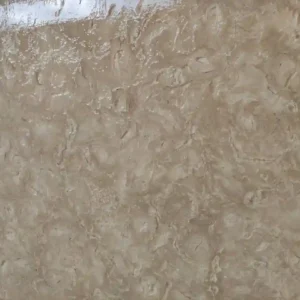
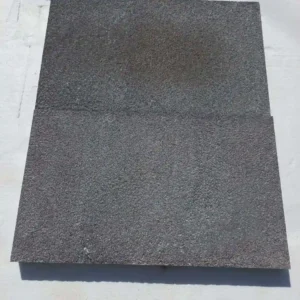
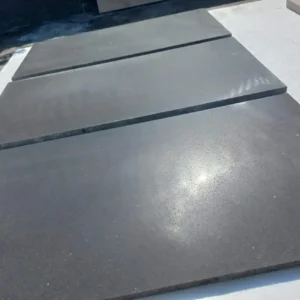
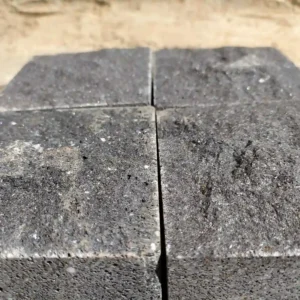
The natural vesicular texture of volcanic rock pavers in Arizona provides inherent slip resistance that many manufactured finishes struggle to match — ASTM C1028 wet static coefficient of friction values for natural lava surface typically range from 0.65 to 0.85, well above the 0.60 minimum threshold for pool deck and wet-area applications. That said, the specific finish you select interacts with Arizona’s dust and mineral-deposit environment in ways worth understanding before you specify.
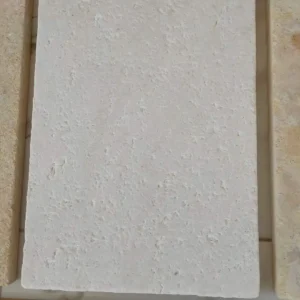
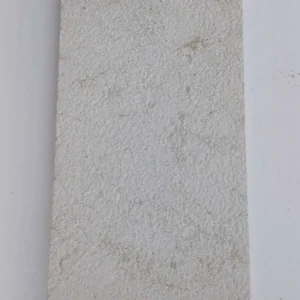
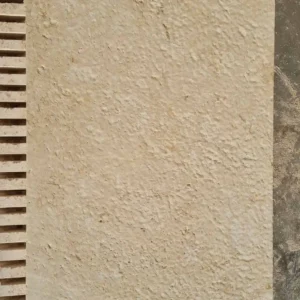
Natural split-face and brushed finishes maintain slip resistance over time because the surface texture isn’t mechanical — it’s intrinsic to the material structure. Honed finishes, while aesthetically refined, drop wet COF values to the 0.50 to 0.60 range and require textured sealer application to stay code-compliant around pool decks. For covered patio and interior courtyard applications where wet exposure is limited, honed lava pavers deliver a sophisticated surface that pairs well with the architectural styles common across Tucson’s and Scottsdale’s high-value residential market.
- Natural/split face: highest slip resistance, zero additional treatment needed, best for pool surrounds and areas with regular irrigation exposure
- Brushed finish: moderate texture reduction from natural, COF typically 0.70 to 0.80 wet — appropriate for walkways and patios
- Honed finish: smooth, refined appearance, requires textured sealer for wet-area compliance, best suited to covered or interior applications
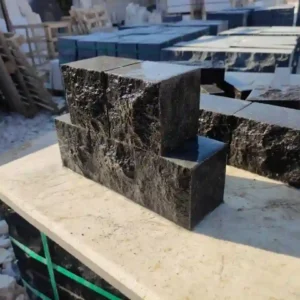
- Tumbled edge: period and Mediterranean aesthetics, no structural disadvantage, frequently specified in Sedona and historic district projects
Sealing and Maintenance Schedule for Arizona Climate
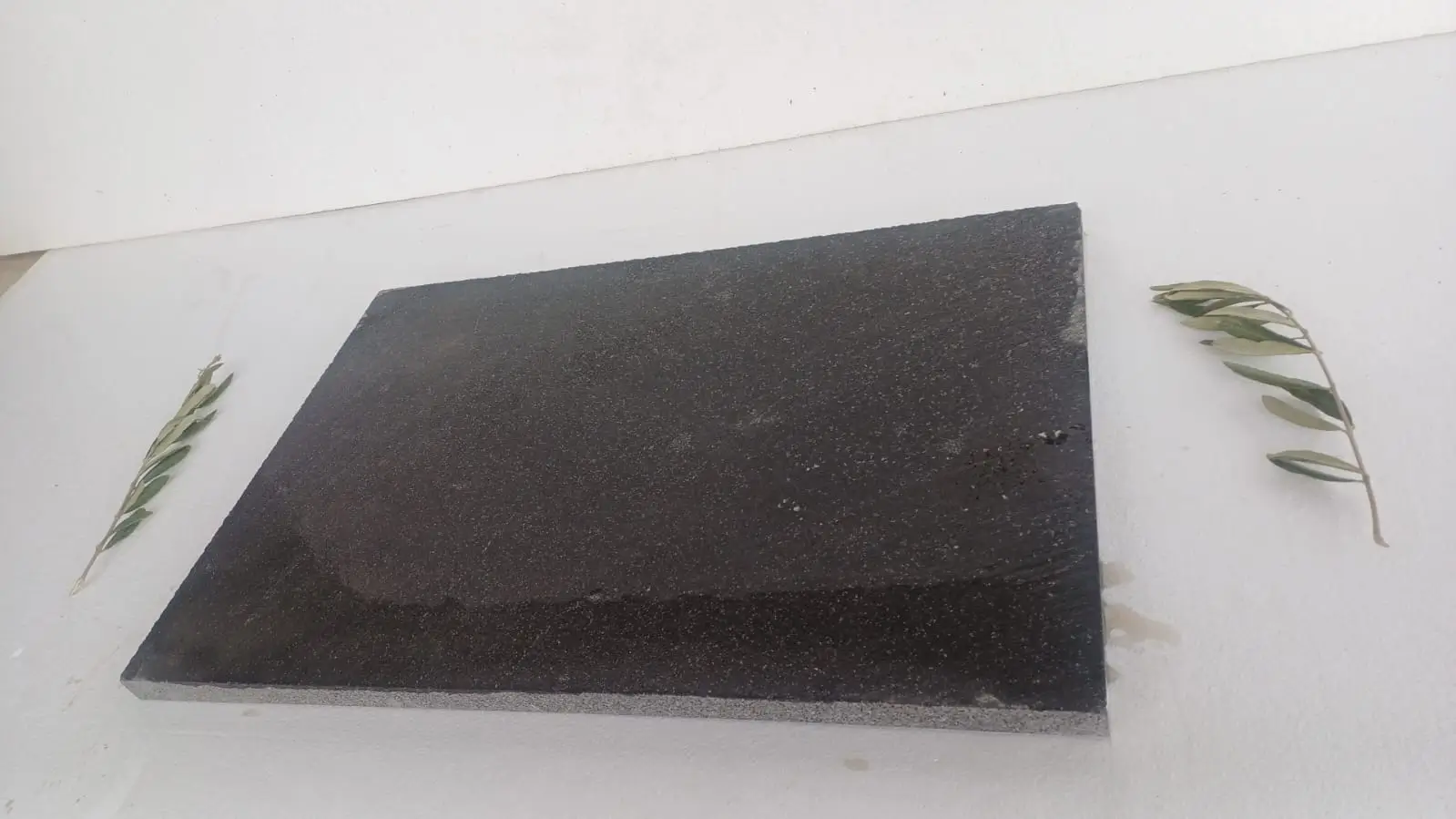
The sealing protocol for lava stone pavers in Arizona diverges from standard dense-stone maintenance in one critical respect: vesicular porosity means penetrating sealers absorb at a significantly higher rate than on travertine or limestone. Your first sealer application typically requires 30 to 50 percent more product per square foot than the manufacturer’s coverage estimate — that estimate is calibrated for dense tile, not volcanic material. Budget accordingly and don’t let coverage shortfall lead you to thin the first coat; an under-saturated first application leaves the pore network incompletely filled and the second coat can’t compensate.
For low-desert installations in Phoenix and Tucson, a biennial resealing schedule maintains adequate protection — UV degradation of sealer films runs faster here than in most U.S. climates due to annual UV index averages above 10. Apply sealer in the fall installation window (October through November) rather than spring: spring application on material that has been thermally cycling through summer means the substrate is slightly expanded, and sealers applied to expanded stone can trap micro-tension that causes film delamination as temperatures normalize. Flagstaff‘s freeze-thaw cycle environment demands an annual resealing schedule and a sealer with Class F freeze-thaw flexibility ratings — standard penetrating sealers specified for low-desert Arizona will fracture under repeated sub-freezing expansion stress at 7,000-foot elevation.
Buy Lava Rock Pavers in Arizona for Your Project
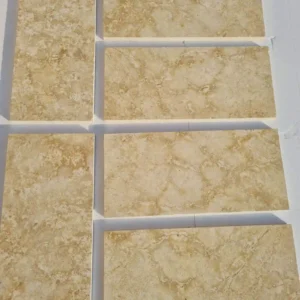
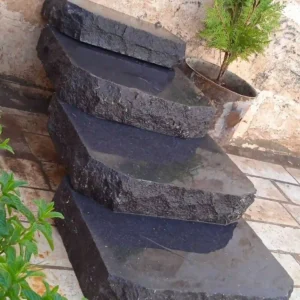
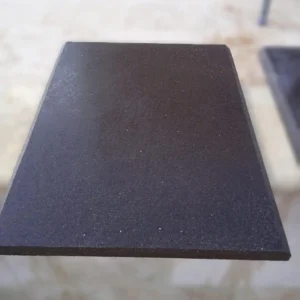
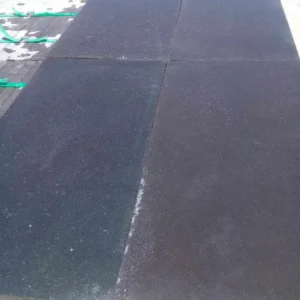
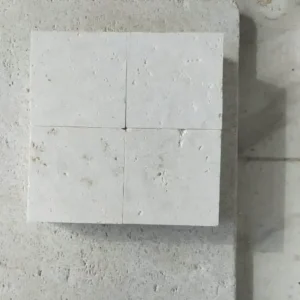
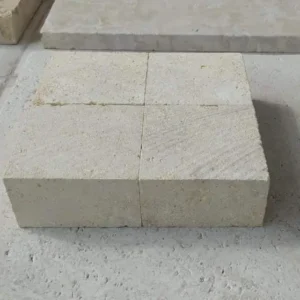
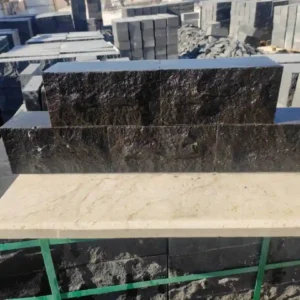
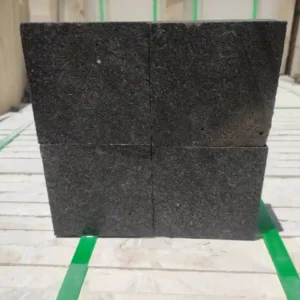
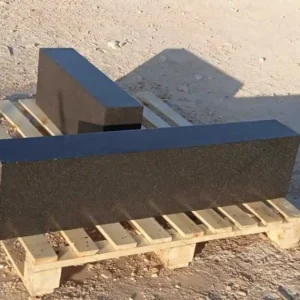
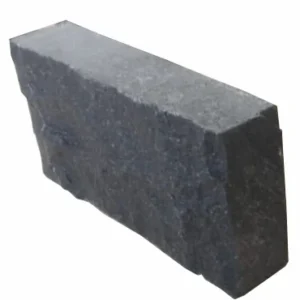
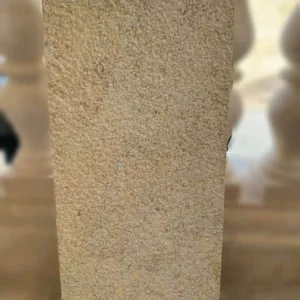
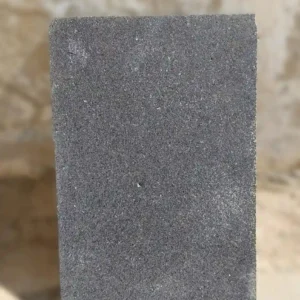
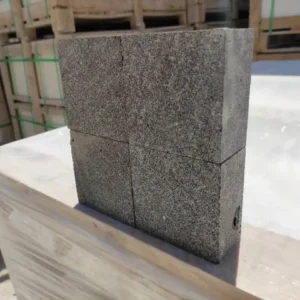
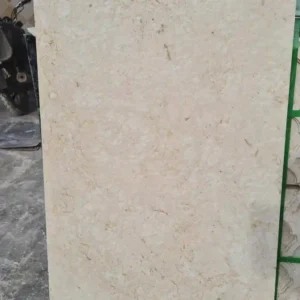
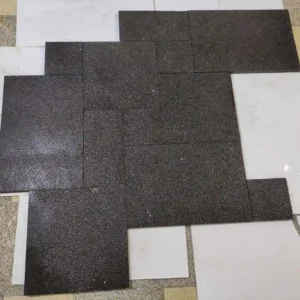
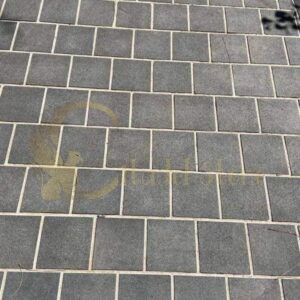
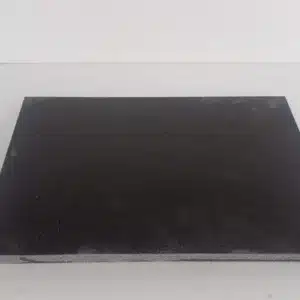
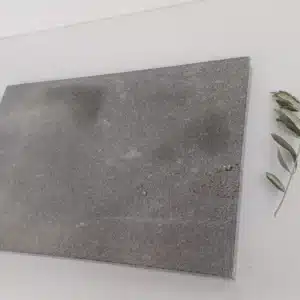
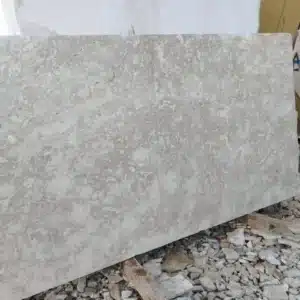
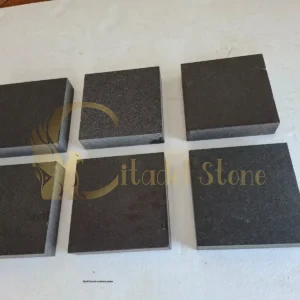
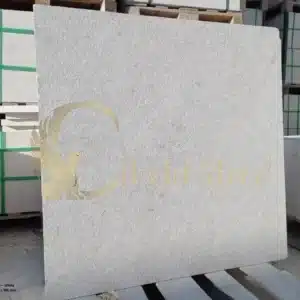
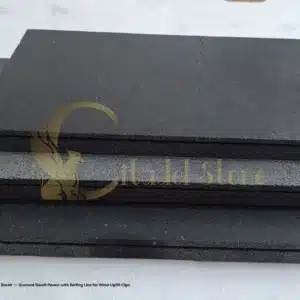
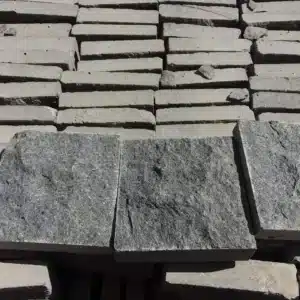
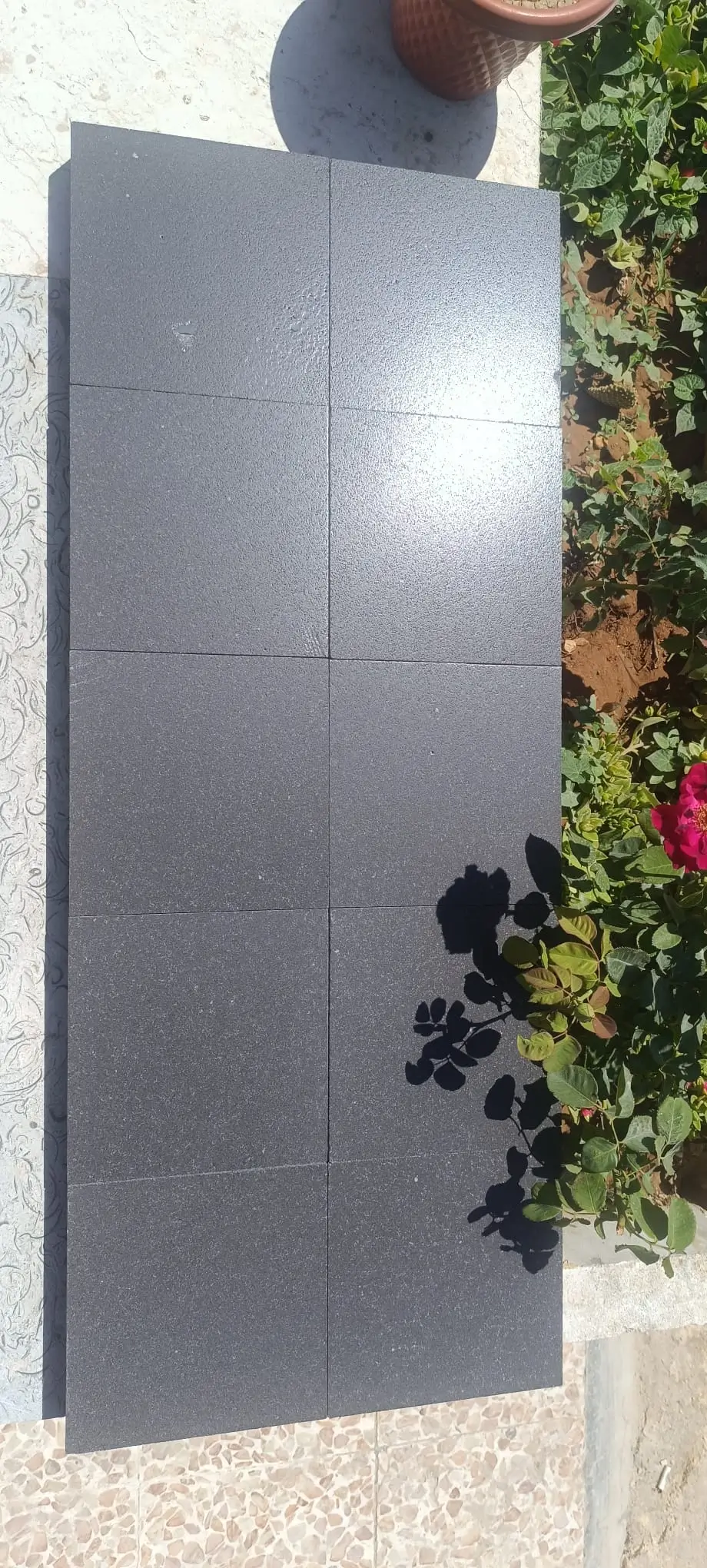
Citadel Stone stocks lava rock pavers in Arizona in standard formats including 12×12, 16×16, and 12×24-inch modular cuts, as well as random flagging for organic-pattern applications. Available finishes cover natural split, brushed, and honed surfaces in the dark charcoal, red-brown, and grey-black tonal ranges typical of quality volcanic sources. Thickness options run from 1.25-inch residential pedestrian grade through 2-inch vehicle-rated specification, with cut-to-size available for non-standard project requirements. You can request sample tiles and full specification sheets — including density grades, COF test results, and thickness tolerances — before committing to your order.
For trade accounts and wholesale enquiries, Citadel Stone’s team can advise on project-specific lead times and regional delivery scheduling. Truck delivery across Arizona typically runs on 1 to 2-week lead times from warehouse stock for standard formats — significantly shorter than the 6 to 8-week import timeline that affects non-stocked material. Contact Citadel Stone to confirm current warehouse availability for your project’s timeline, request a material quote, or schedule a technical consultation on format and thickness specification for your installation conditions.
As you finalize your Arizona stone project scope, complementary hardscape elements are worth planning in parallel — Paver Seating Wall in Arizona covers how Citadel Stone materials perform in built stone seating applications that frequently accompany lava paver patios and courtyards. For Arizona projects requiring durable, natural stone surfaces, Citadel Stone provides informed guidance and quality lava rock pavers backed by regional installation experience.