
How Arizona’s Terrain Shapes Lava Rock Paver Cost
Lava rock paver cost Arizona projects carry varies more with topography than most homeowners expect — the same square footage on a flat desert lot in Chandler costs meaningfully less to install than an identical footprint on a sloped hillside parcel in the East Valley foothills. That cost gap isn’t just about labor hours. It’s about engineered base depth, drainage architecture, and the weight logistics of moving dense volcanic stone up a grade. Understanding this terrain-driven pricing structure is what separates a realistic project budget from one that blows up three weeks into construction.
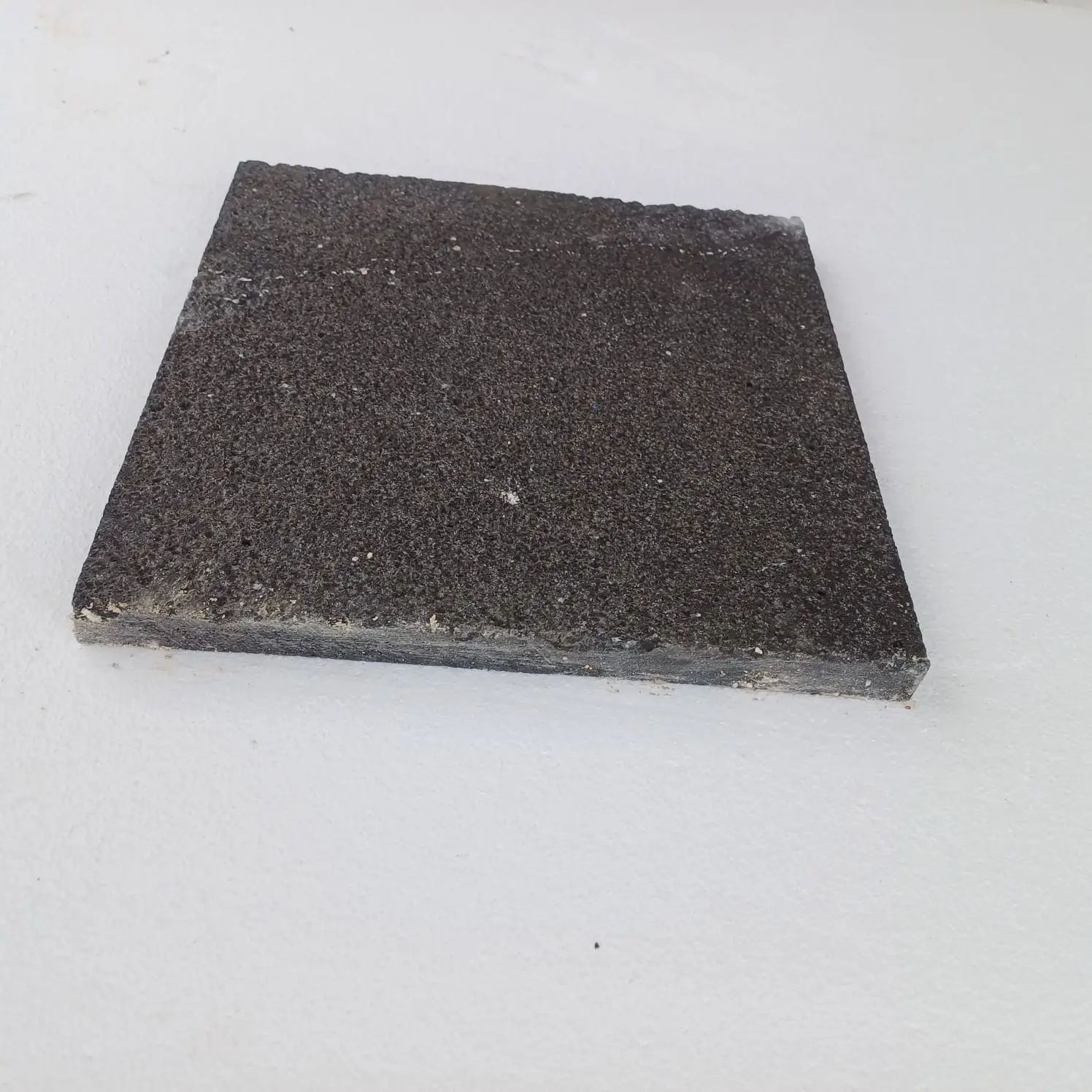
The volcanic origin of lava rock pavers gives them a naturally irregular surface texture and an open cellular structure — both of which actually work in your favor on sloped Arizona sites. The micro-porosity channels surface water rather than sheeting it, which reduces the hydraulic load on your drainage system when you’re managing grade. That’s a technical advantage worth pricing correctly from the start.
Base Preparation and What It Really Costs on Arizona Slopes
Here’s what most pricing guides skip entirely: base preparation on sloped Arizona terrain is not a flat per-square-foot number. Your base system has to perform two jobs simultaneously — bearing the structural load of the stone and intercepting lateral water movement before it undermines your compacted aggregate. On grades steeper than 3%, you’re typically looking at a stepped sub-base design, which adds both material volume and labor time that flat-site estimates don’t capture.
For projects in Mesa, the caliche hardpan that sits at 18–24 inches below grade on many residential lots is actually a structural asset when you’re installing on a gentle slope. It provides a stable, nearly impermeable sub-base layer that prevents base migration downhill — something you’d otherwise have to engineer with geotextile fabric and compacted Class II base at extra cost. Knowing your soil profile before you price the job can save you several thousand dollars in engineered base material.
Standard base preparation costs for lava stone pavers in Arizona — a key variable in budgeting for lava rock pavers in Arizona — generally break down like this:
- Flat sites (0–1% grade): 4–6 inches compacted aggregate base, standard geotextile, no special drainage engineering required
- Moderate slopes (2–5% grade): 6–8 inches base, step-cut sub-base on longer runs, perforated pipe drainage at base of slope
- Steep terrain (6%+ grade): Full engineered drainage plan, potential retaining element integration, minimum 8 inches base with lateral drainage channels
- Caliche-present sites: Mechanical scarification or selective removal adds $1.50–$3.00 per square foot before base installation begins
The base preparation component often represents 30–45% of total installed cost on a sloped Arizona site. That’s not a mistake in the quote — it’s the engineering reality of keeping volcanic stone pavers stable over a decade-plus on terrain that drains aggressively and expands seasonally.
Lava Rock Paver Material Cost by Thickness and Format
Volcanic stone paver pricing in Arizona varies by thickness, format, and finish — and thickness matters more on sloped installations because you need the additional mass to resist creep under gravity loading. A 1.25-inch nominal paver is appropriate for pedestrian-only flat patios. For sloped walkways or driveways with grade, you’re looking at 2-inch minimum, and some hillside driveway applications call for 2.5-inch stone to prevent individual unit rocking under tire load.
Material cost ranges for lava stone pavers in Arizona typically fall into these tiers:
- 1.25-inch nominal, natural cleft finish: $4.50–$6.50 per square foot material only
- 2-inch nominal, natural cleft finish: $6.00–$8.50 per square foot material only
- 2-inch nominal, tumbled or honed finish: $7.50–$10.00 per square foot material only
- 2.5-inch nominal, heavy-duty format: $9.00–$13.00 per square foot material only
- Random irregular format (dry-stack aesthetic): $5.50–$8.00 per square foot, but layout labor increases significantly
You’ll also encounter price differences based on color consistency. Uniform charcoal-black lava pavers command a premium because the sorting process at the quarry is more selective. Mixed-tone volcanic palettes — the natural variation you get with less sorting — typically run 10–15% less per square foot but require a more skilled eye during layout to avoid visual banding across your patio surface.
Drainage Design and Its Direct Cost Impact on Arizona Projects
Budgeting for lava rock pavers in Arizona without factoring drainage design into your numbers is one of the most common mistakes in residential project planning. Arizona’s monsoonal rain pattern delivers intense short-duration precipitation — sometimes 1–2 inches in under an hour — and your paver system has to move that water volume before it saturates your base and causes settlement. On flat sites, a simple cross-slope of 1/8 inch per foot handles most of this. On terrain with elevation changes, you need an engineered drainage path.
Drainage system costs that directly affect your total lava rock paver cost in Arizona include:
- Surface cross-slope grading: typically included in base prep costs, minimal add-on
- Perforated pipe collection at base of slope: $8–$15 per linear foot installed
- Catch basin installation: $350–$600 per unit depending on depth and access
- French drain systems integrated below paver base: $12–$20 per linear foot
- Channel drains at grade transition points: $25–$45 per linear foot for quality polymer or stainless units
The drainage hardware cost is non-negotiable if you’re installing on terrain — skipping it transfers the expense to repair work within 3–5 years. Properly specified drainage on a sloped Arizona lava stone paver project adds 8–18% to total installed cost, but it’s the component that determines whether your investment holds for 20 years or starts showing base failure in year four.
Regional Pricing by Application Type Across Arizona
Natural lava paving material costs across Arizona shift based on application type, and you need to be specific about what you’re pricing when you request quotes. A backyard patio quote, a front entry walkway quote, and a sloped driveway quote use entirely different labor rates, equipment, and base specifications — even when the square footage is identical.
Projects in Gilbert and the broader Southeast Valley represent a good baseline for flat-site pricing because the terrain there is relatively consistent and contractors have deep experience with standard lava stone paver installations. When you move toward properties with elevation changes in areas north of the Valley floor, expect installed cost to increase by 20–35% for equivalent square footage.
Application-type cost benchmarks for lava stone pavers in Arizona:
- Flat residential patio (pedestrian only): $18–$26 per square foot installed, including base and jointing sand
- Sloped walkway (3–6% grade): $24–$34 per square foot installed, including drainage integration
- Pool surround on flat grade: $22–$30 per square foot installed, non-slip surface specification required
- Driveway on flat site: $28–$38 per square foot installed, 2-inch minimum stone thickness
- Hillside driveway or sloped motor court: $38–$55+ per square foot installed, engineered base required
- Step construction integrated with grade change: $45–$80 per linear foot depending on riser height and stone format
These ranges assume professionally sourced material — not big-box product — and licensed installation. The lower end of each range applies to straightforward sites with good access. Truck delivery to tight urban lots or properties with restricted driveway access adds $150–$400 to material delivery cost and affects scheduling flexibility.
Comparing Lava Rock to Other Volcanic Stone Paver Options
Volcanic stone paver pricing comparisons that Arizona homeowners run often reveal that lava rock sits in the mid-range of the natural stone market — more affordable than premium basalt cut stone, but priced above standard concrete pavers by 40–60% on a material-only basis. That premium is justified by performance characteristics that matter specifically on Arizona terrain: higher porosity reduces surface runoff velocity, the cellular structure dampens thermal expansion stress, and the natural surface texture maintains slip resistance without additional processing.
Here’s a practical comparison for Arizona outdoor paver project cost planning:
- Lava rock pavers: $4.50–$13.00 material, strong drainage performance, good thermal mass, natural non-slip texture
- Cut basalt pavers: $9.00–$16.00 material, excellent structural strength, minimal porosity, requires honed or flamed finish for slip resistance on slopes
- Travertine: $5.00–$12.00 material, high porosity beneficial in heat, requires sealing on grades to prevent subsurface moisture migration
- Concrete pavers: $2.50–$5.50 material, low porosity creates runoff concentration on slopes, requires careful drainage planning
- Flagstone (sandstone/quartzite): $4.00–$9.00 material, irregular sizing complicates engineered base on sloped sites
The drainage performance difference between lava rock and low-porosity options like cut basalt or concrete becomes most significant on sites with 4%+ grade. More water moves through the joint system and surface texture with lava rock, which translates to reduced drainage infrastructure cost — partially offsetting the material price premium on sloped Arizona projects.
For transparent numbers before you commit to a contractor quote, check our lava stone paver pricing for Arizona — it breaks down material cost by thickness and format without the markup layers that typically appear mid-supply-chain.
Delivery Logistics and Site Access Costs on Arizona Terrain
Lava rock is heavier per cubic foot than many homeowners expect — the cellular structure reduces some weight compared to solid basalt, but a pallet of 2-inch lava pavers still runs 2,800–3,400 pounds. On sloped sites or properties with restricted access, getting that material from the truck to your installation area requires either mechanical lifting equipment or multiple manual handling stages, each of which adds labor cost. Accurate Arizona outdoor paver project cost planning accounts for these access variables before a contractor ever sets foot on site.
Citadel Stone ships directly from warehouse inventory in Arizona, which keeps truck lead times to 1–2 weeks on most orders — significantly shorter than the 6–8 week import cycle you encounter with overseas-sourced volcanic stone. That scheduling advantage matters when you’re coordinating a multi-trade project where the paver installation gates the landscape and irrigation work that follows.
Site access factors that affect your total project cost:
- Standard residential delivery (curbside, paved access): no surcharge beyond freight rate
- Long carry from truck to install zone (50+ feet): $0.50–$1.50 per square foot labor add
- Mechanical equipment required for slope access: equipment rental adds $300–$800 per day to project cost
- Weight restrictions on private road or bridge: specialized delivery equipment may add $400–$700
- Second-floor or elevated deck delivery: crane or lift equipment required, significant cost addition
Sealing and Long-Term Maintenance Costs for Arizona Lava Stone Pavers
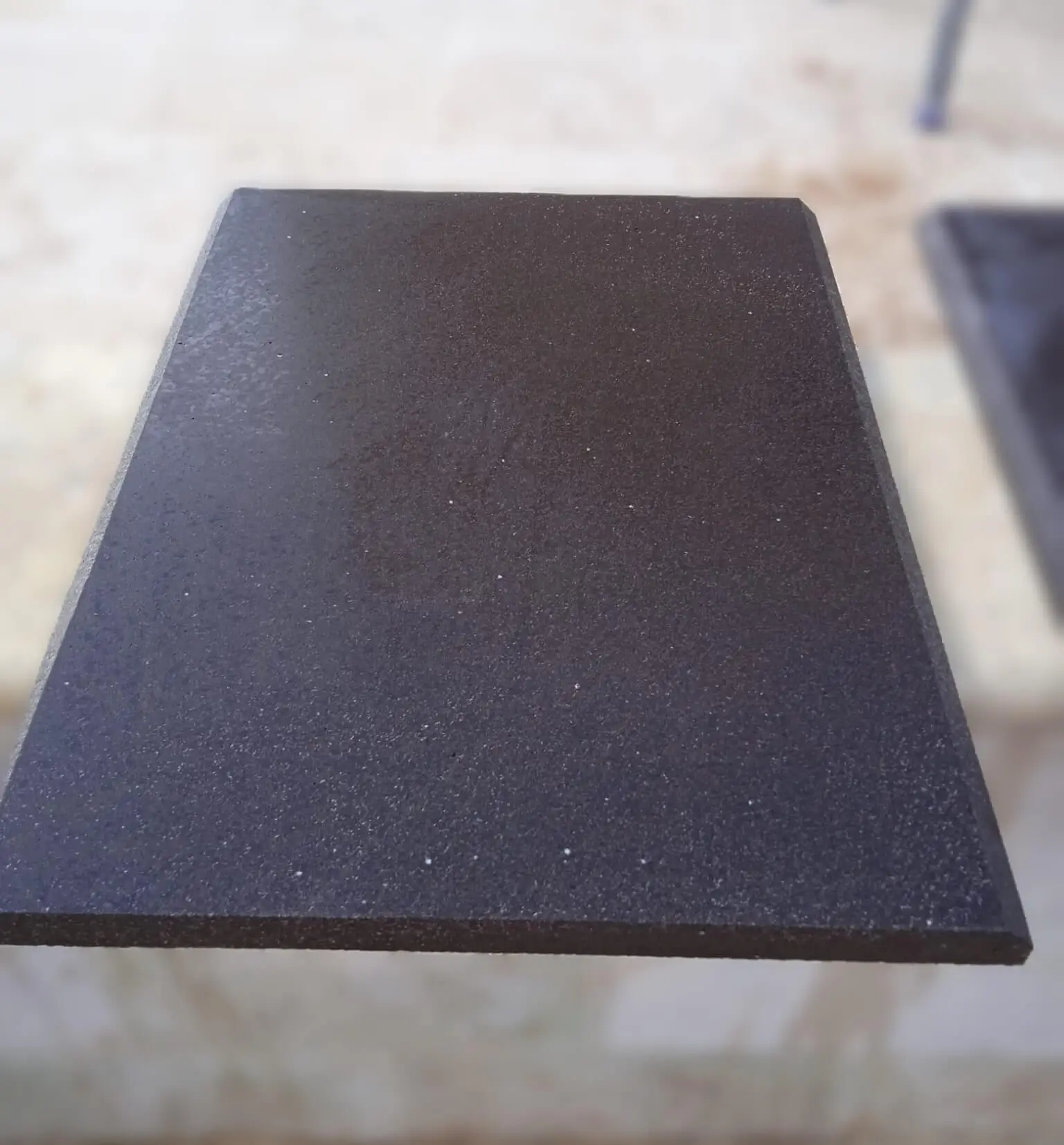
The open-cell structure that makes lava rock pavers perform well for drainage on sloped Arizona sites also means the stone is moderately absorbent — and in the desert Southwest, that absorbency interacts with alkaline soils, mineral-rich irrigation water, and intense UV to create efflorescence and surface staining if you don’t seal on schedule. Your long-term cost of ownership depends significantly on your sealing protocol.
For projects in Chandler and similar low-desert communities where irrigation water carries high mineral loads, sealing every 18–24 months is the practical maintenance cycle for lava stone pavers. Higher-elevation Arizona sites with lower humidity and less irrigation exposure can extend that to 30–36 months. The sealer type matters: penetrating silane-siloxane formulations protect without altering the natural texture, which preserves the slip resistance that makes lava rock appropriate for sloped installations.
Long-term maintenance cost factors to include in your Arizona outdoor paver project cost planning:
- Initial sealer application at installation: $1.00–$2.00 per square foot for professional application
- Routine resealing every 18–36 months: $0.75–$1.50 per square foot depending on site size and access
- Joint sand replenishment (every 3–5 years on sloped sites): $0.50–$1.00 per square foot
- Pressure washing before resealing: typically included in resealing quote or $0.25–$0.50 per square foot
- Spot repair of settled units (sloped sites more susceptible): $8–$15 per unit reset including leveling
Over a 20-year period, sealing and maintenance typically adds $3.50–$7.00 per square foot to your total cost of ownership — a number worth factoring into your initial project budget comparison, especially when volcanic stone paver pricing comparisons AZ homeowners run need to account for full lifecycle expense, not just upfront material cost.
Spec Wrap-Up: Getting Your Lava Rock Paver Cost Right
Getting your lava rock paver cost Arizona projects right means starting with terrain and working outward — not starting with a material price per square foot and hoping the site cooperates. The slope of your property, the soil composition beneath it, the drainage path you need to engineer, and the access constraints for delivery all feed directly into your final installed number. Flat-site ballpark figures are useful for initial feasibility only; once you know your grade, your soil, and your application type, you can build a defensible project budget using the cost tiers this guide provides.
At Citadel Stone, we work directly with Arizona homeowners, landscape architects, and general contractors to match lava stone paver specifications to actual site conditions — not just square footage. Our technical team has reviewed enough graded-site projects to know exactly where the cost surprises hide, and we structure our material recommendations to account for those variables upfront. The detail that affects your bottom line most isn’t the material price itself — it’s whether your spec accounts for the terrain your stone is going into. For the installation side of this equation, How to Install Lava Rock Pavers in Arizona walks through the base preparation and setting process in detail, which directly informs how your cost estimates translate to field execution.
Property owners in Peoria, Gilbert, and Yuma comparing lava stone paver costs find that Citadel Stone’s direct quarry sourcing helps reduce mid-supply-chain markups that typically inflate Arizona outdoor project budgets.