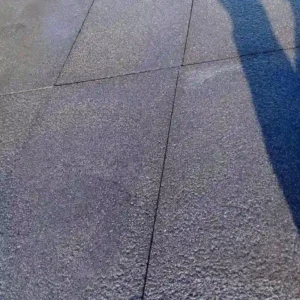
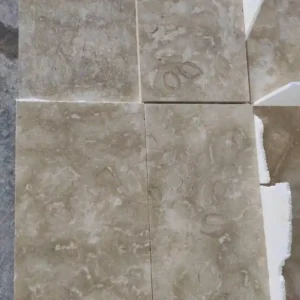

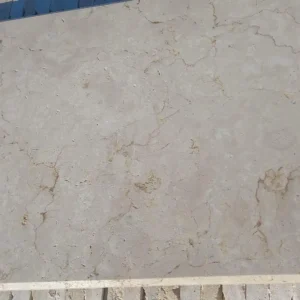
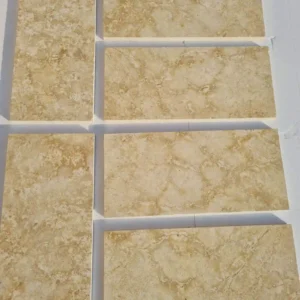


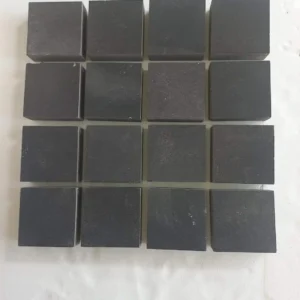
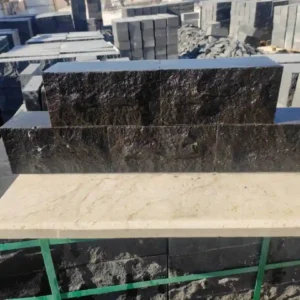
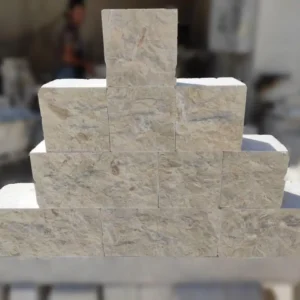
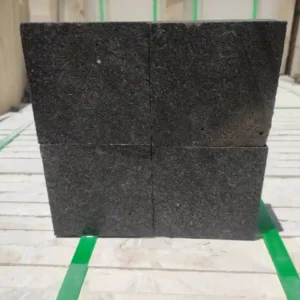


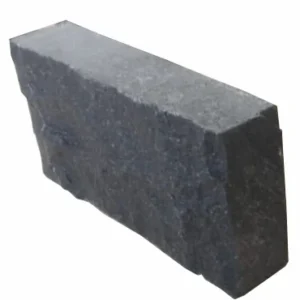

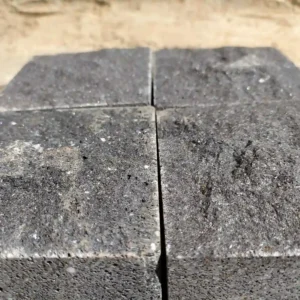
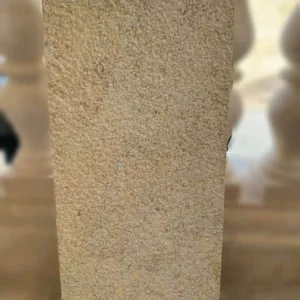

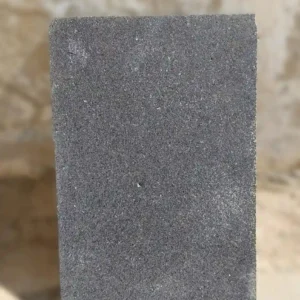
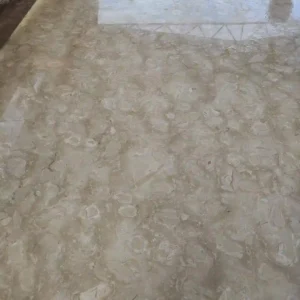
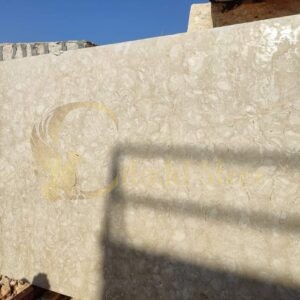
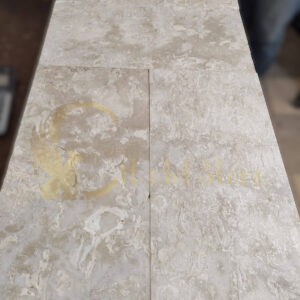
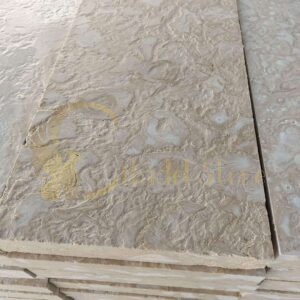





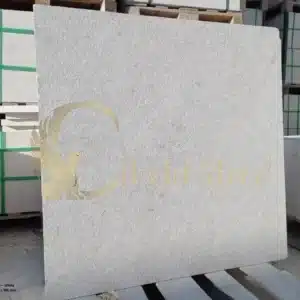
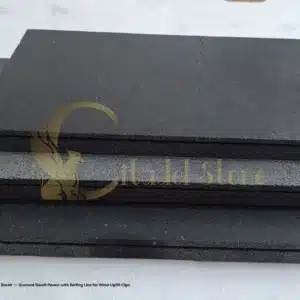

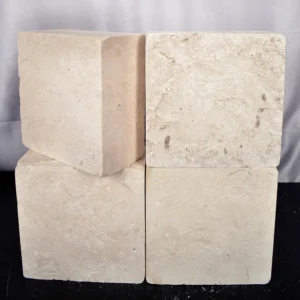
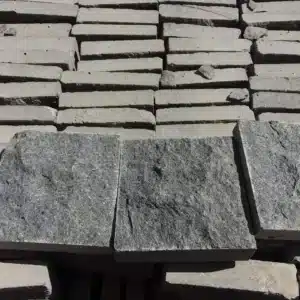
Specifying a paver seating wall in Arizona requires you to solve a problem that most generic installation guides completely ignore: the material isn’t just sitting in heat — it’s cycling through a thermal range that can swing 40°F to 50°F between a winter night in the high desert and the following afternoon. That daily compression-and-expansion stress, repeated hundreds of times per year, is what separates a 25-year installation from one that starts rocking and cracking by year six. Understanding how paver wall blocks respond to that cycling — not just to peak temperatures — is where your specification needs to start.
Why Thermal Cycling Defines Paver Seating Wall Performance in Arizona
Arizona’s temperature range is genuinely extreme in ways that catch even experienced contractors off guard. Phoenix sees summer daytime highs above 110°F dropping to overnight lows in the mid-80s — a modest swing by comparison. But in Scottsdale’s desert foothills or anywhere above 2,000 feet elevation, you’re looking at 35°F to 45°F daily swings that persist through eight to nine months of the year. Natural stone and concrete paver wall blocks expand and contract at measurably different rates, and the joint material between them has to accommodate that movement without cracking or loosening.
Dense concrete masonry units — the most common patio wall blocks — carry a coefficient of thermal expansion around 5.5 × 10⁻⁶ per °F. Over a 10-foot wall section cycling through a 45°F range daily, that translates to roughly 0.030 inches of cumulative movement. That number sounds small until you’ve watched a wall with under-sized expansion joints develop horizontal cracking along mortar beds by the second summer. Your joint spacing and mortar selection aren’t aesthetic decisions in Arizona — they’re structural ones driven directly by the thermal math.
Citadel Stone evaluates every batch of paver wall stone for dimensional consistency and absorption rates before it ships, because both variables directly affect how a wall performs through freeze-thaw and high-amplitude thermal cycling. You can request material data sheets for any product in the current inventory to confirm specifications before committing to a project timeline.
Freeze-Thaw Cycles and Elevation: What Arizona Projects Above 4,500 Feet Must Address
The freeze-thaw conversation changes completely once you move above 4,500 feet in Arizona. Flagstaff averages over 100 freeze-thaw cycles annually — a figure that rivals many northern states — and any paver sitting wall in Arizona at that elevation needs to be specified with the same rigor you’d apply to a Minnesota project. The mechanism is straightforward: water infiltrates the porous structure of the stone or mortar joint, expands approximately 9% upon freezing, and over multiple cycles, micro-fractures propagate through the material until visible spalling or joint failure occurs.
The critical specification variable here is water absorption rate. You’ll want patio wall stone with an absorption rate below 6% for high-elevation Arizona installations, and ideally below 3% for any wall receiving consistent irrigation overspray. Dense limestone, basalt, and low-porosity concrete masonry units all perform reliably in this range. Highly porous materials — certain sandstones and some tumbled travertines — absorb enough water to fail within three to five freeze-thaw seasons regardless of sealing quality.
- Target absorption rate below 6% for Flagstaff-elevation and above projects
- Specify ASTM C140 testing compliance for any concrete masonry patio wall blocks
- Use Type S mortar minimum for all freestanding paver wall in Arizona above 4,500 feet
- Select joint widths of 3/8 inch minimum to allow adequate mortar bond surface
- Verify that your patio wall stone supplier can confirm freeze-thaw cycle test data — not just compressive strength
At lower desert elevations, freeze-thaw is genuinely rare — Phoenix and Yuma see perhaps two to five events per year at most. But the thermal amplitude cycling is relentless at every elevation, and it demands the same disciplined approach to joint design and material selection that any patio seating wall in Arizona requires to perform over decades.
Choosing the Right Paver Wall Blocks: Material Performance Under Arizona’s Temperature Swings
The patio wall bricks and blocks available for seating wall construction in Arizona fall into three practical categories: natural stone, concrete masonry units (CMUs), and manufactured concrete pavers used in a stacked or mortared wall configuration. Each handles the state’s thermal cycling differently, and each carries specific trade-offs worth understanding before you spec the job.
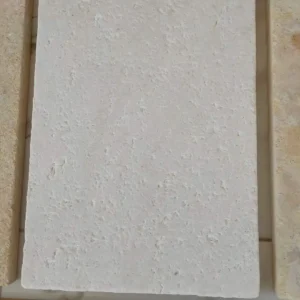
Natural stone — particularly dense limestone and basalt — offers the best long-term thermal performance because the material’s crystalline structure is inherently resistant to the micro-fracturing that thermal cycling causes in more porous materials. Limestone’s thermal expansion coefficient runs slightly lower than concrete, typically around 4.4 × 10⁻⁶ per °F, which reduces cumulative joint stress over a multi-decade service life. The trade-off is that natural patio wall stone requires more precise cutting tolerances for consistent coursing, and any surface sealing schedule needs to be maintained every two to three years in high-UV desert environments.
Concrete masonry patio wall blocks are the workhorse choice for most Arizona paver patio seating wall projects because of their dimensional consistency, wide availability, and competitive cost per linear foot. The key specification variable is density — standard-weight CMUs at 125–140 pcf perform significantly better through thermal cycling than lightweight alternatives at 85–105 pcf. The denser the unit, the lower the absorption rate and the better the freeze-thaw resistance.
- Dense limestone: thermal expansion ~4.4 × 10⁻⁶ per °F, absorption typically 2–5%
- Standard-weight CMU: thermal expansion ~5.5 × 10⁻⁶ per °F, absorption varies 5–12% by mix
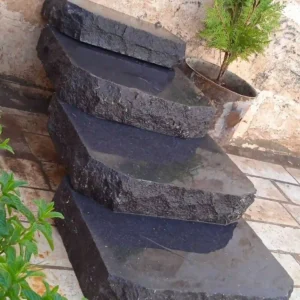
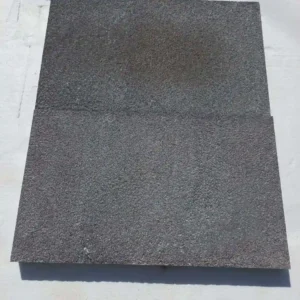
- Basalt: thermal expansion ~3.5 × 10⁻⁶ per °F, absorption typically below 2%, excellent freeze-thaw performance
- Tumbled travertine: visually appealing but absorption rates of 8–15% create real freeze-thaw risk above 4,000 feet
- Manufactured concrete wall pavers: consistent dimensions simplify coursing, but verify actual density before specifying
For projects where you want the warmth of natural patio wall stone without the absorption risk, honed or sawn limestone at 2.5-inch minimum thickness with a penetrating sealer applied within 30 days of installation delivers strong long-term performance across Arizona’s elevation range. Wall pavers in Arizona sourced from dense natural stone also tend to hold color more consistently under prolonged UV exposure than pigmented concrete alternatives.
Base Preparation for a Freestanding Paver Wall in Arizona’s Expansive Soils
The most common structural failure in a freestanding paver wall in Arizona isn’t the wall material itself — it’s differential settlement caused by expansive clay soils reacting to seasonal moisture swings. Arizona’s Vertisol and montmorillonite clay formations are widespread across the Phoenix metro basin and parts of the Tucson valley, and they can exert lateral and vertical pressures on wall footings that exceed 2,000 psf under wet conditions. Your base preparation has to account for this before the first course of patio wall blocks ever goes down.
For a freestanding seating wall up to 24 inches tall — the most common height for a paver patio with sitting wall — you need a continuous reinforced concrete footing a minimum of 12 inches wide and 8 inches deep, bearing below the active soil layer. In expansive clay zones, that active layer typically runs 18 to 24 inches deep. In Mesa, caliche hardpan frequently appears at 20 to 30 inches, which actually provides an excellent bearing layer once the overlying clay is removed and replaced with compacted granular fill.
- Minimum footing depth: 12 inches below finish grade in low-desert zones, 18 inches in expansive clay areas
- Footing width: 1.5× the wall width minimum for seating wall loads
- Compacted granular base under footing: 4 inches minimum, 6 inches preferred in high-clay soils
- Isolation joints: every 10 to 12 feet in straight wall runs to accommodate thermal movement
- Drainage: footing must be above the water table with positive drainage away from the wall base
Thermal cycling adds a second dimension to base preparation that most residential specifications miss. The footing itself expands and contracts with temperature, and if you haven’t included proper isolation joints between the footing sections, you’ll see those thermal stresses transfer directly into the wall above — typically showing up as stair-step cracking in mortar joints by the third summer. A paver patio seating wall in Arizona that skips this detail rarely makes it to year eight without visible structural movement.
Paver Walls Landscaping: Design Principles for Arizona Outdoor Living Spaces
A well-designed paver seating wall in Arizona does more than define the edge of a patio sitting area — in the state’s outdoor living culture, it becomes a structural element of the landscape that needs to perform visually and functionally across twelve months of active use. The design decisions you make at the specification stage determine whether the wall looks as good in year fifteen as it did at installation, or whether it’s showing its age by year five through color fade, efflorescence, and joint erosion.
Height is the first design variable to get right. The ergonomic sweet spot for a sitting wall around patio edges falls between 17 and 19 inches from finish grade to top of cap — consistent with standard seating height. Going taller than 20 inches without a back support creates an uncomfortable perch; going below 16 inches forces an awkward posture. For a paver bench seating in Arizona configuration that doubles as a planter retainer, 24 to 30 inches works well because the height difference is explained by the planter function.
Cap stone selection is where Arizona thermal cycling becomes a visible design factor. Your cap units need to handle the full brunt of direct solar exposure — surface temperatures on dark-colored caps in Phoenix can reach 165°F to 175°F in summer. Light-colored limestone or travertine caps run 25°F to 35°F cooler under identical sun exposure, which matters both for occupant comfort and for the thermal stress on the cap-to-wall mortar joint. For paver wall designs in Arizona that prioritize usability through summer, cap color is a functional specification, not just an aesthetic one.
Exploring the full range of paver seating wall design options can help you align your layout, materials, and budget before finalizing the project scope. The detail decisions — cap overhang, base reveal, coping profile — all interact with thermal performance in ways that are easier to address in the design phase than during construction. Paver walls landscaping in Arizona that accounts for these thermal factors at the outset consistently outperforms work that treats material selection as a purely visual decision.
Mortar, Joint Sand, and Sealing Protocols for Arizona’s Temperature Range
Joint material selection for a paver patio seating wall in Arizona deserves the same attention you’d give the block selection itself, because joints are statistically the first failure point in any thermally stressed wall assembly. The joint has to accommodate movement while maintaining bond — and those two requirements pull in opposite directions as the temperature range widens.
For mortared paver wall designs, Type S mortar (minimum 1,800 psi compressive strength) is the standard specification for Arizona exterior applications. Type N works in sheltered interior conditions but lacks the bond strength and freeze-thaw resistance needed for an exposed seating wall that’s cycling through 40°F+ daily swings. In Flagstaff and Sedona at elevation, some engineers prefer Type M (minimum 2,500 psi) for the additional freeze-thaw durability, though Type M’s reduced flexibility makes it more prone to cracking under differential movement — so isolation joint spacing becomes even more critical.
- Type S mortar: correct specification for most Arizona paver sitting wall applications
- Type M mortar: appropriate for high-elevation freeze-thaw exposure with 8-foot maximum isolation joint spacing
- Polymer-modified mortar: adds flexibility and bond strength, recommended for caps and any wall sections with limited drainage
- Joint width: 3/8 inch standard, 1/2 inch for walls with high thermal amplitude exposure
- Sealing: penetrating silane-siloxane sealer, reapplied every 24 to 36 months in full-desert sun exposure
Efflorescence — the white salt deposits that migrate through masonry joints — is more aggressive in Arizona’s alkaline soil environment than in most other states. Specifying a low-alkali Portland cement mortar mix reduces but doesn’t eliminate the risk. Your best long-term defense is a penetrating sealer applied within 28 days of installation, before the first seasonal moisture cycle activates the salt migration process. This protocol applies equally to a sitting wall around patio edges and to any freestanding patio wall pavers in Arizona exposed to full irrigation cycles.
Installation Scheduling, Logistics, and Material Handling in Arizona Conditions
Mortar work on an Arizona paver patio with sitting wall requires scheduling discipline that most out-of-state specs don’t account for. Above 90°F ambient temperature — which describes roughly seven months of the year in Phoenix and Tucson — standard mortar mixes hydrate too rapidly, reducing working time to 20 to 30 minutes per batch and compromising bond strength if joints are tooled late. You’ll need to adjust your mix water ratio, work in shaded conditions where possible, and plan your installation sequence so freshly laid courses are protected from direct afternoon sun for at least four hours.
In Scottsdale and the broader Phoenix metro, early morning starts — 5:00 a.m. to 11:00 a.m. — are the practical window for quality mortar work from May through September. That four- to six-hour window shapes how you sequence deliveries, crew staging, and material pre-positioning. Your truck access planning matters here: scheduling deliveries for 6:00 a.m. to beat peak temperature and avoid midday traffic on residential streets is a real logistics consideration on high-value projects.
Warehouse inventory availability affects your scheduling flexibility more than most buyers realize. Citadel Stone maintains regional Arizona warehouse stock of standard patio wall blocks and wall pavers in Arizona, which typically reduces lead times to one to two weeks — compared to the six to eight week import cycle that affects many special-order materials. Confirming warehouse availability before you finalize your project calendar lets you compress the schedule without taking procurement risks.
- Schedule mortar work before 11:00 a.m. from May through September
- Pre-wet patio wall blocks in extreme heat to reduce rapid moisture absorption from fresh mortar
- Plan truck deliveries for early morning to preserve material temperature and reduce road congestion
- Stage materials in shaded areas — direct sun on block pallets raises surface temperature and affects mortar working time
- Confirm warehouse stock before committing to installation start dates — lead time gaps cause costly crew scheduling conflicts
Cap units need particular care during hot-weather installation. Applying mortar to a cap surface that’s sitting at 140°F to 150°F from sun exposure will cause flash-setting that prevents adequate bond development. Shade the caps for 30 minutes before installation, and test the surface temperature by hand before mortaring — if you can’t hold your palm on it for three seconds, it’s too hot to mortar.
Get Trade Pricing on Paver Seating Wall in Arizona from Citadel Stone
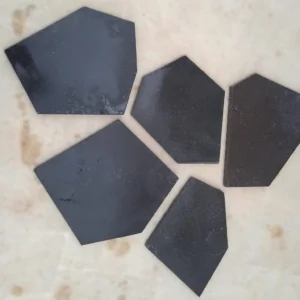
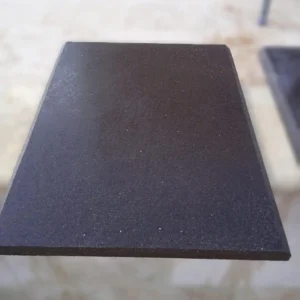
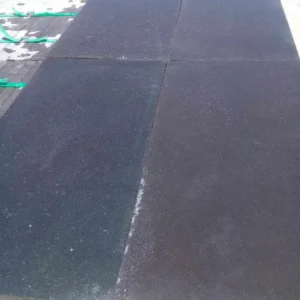
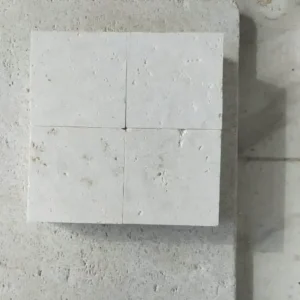
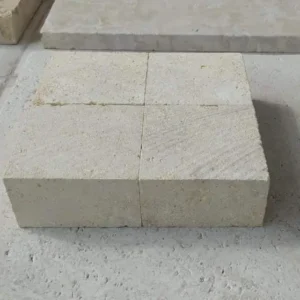
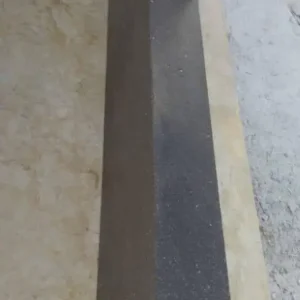
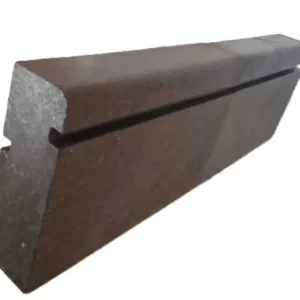
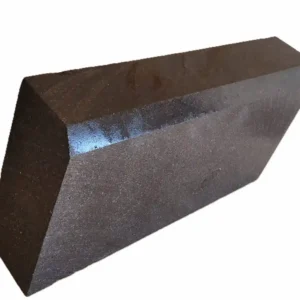
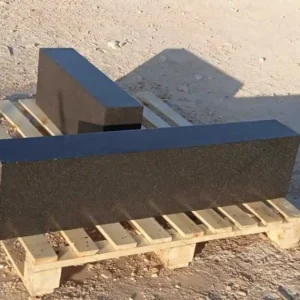
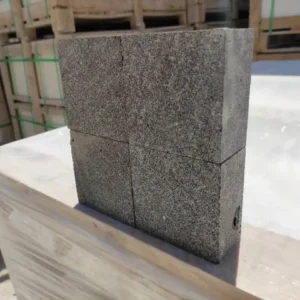
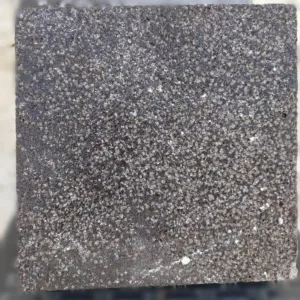
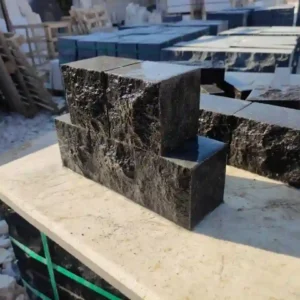
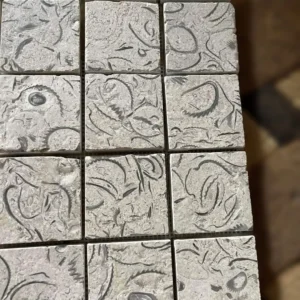
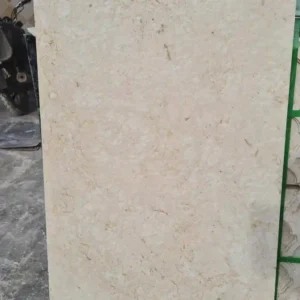
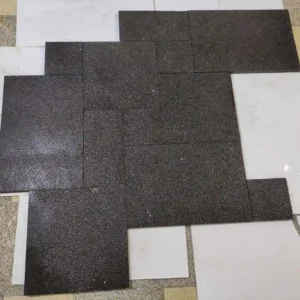
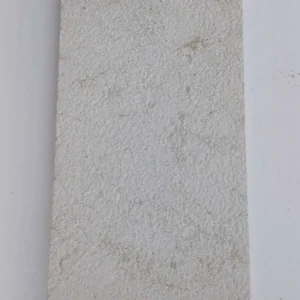
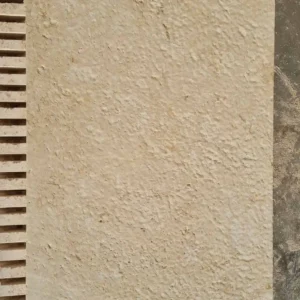
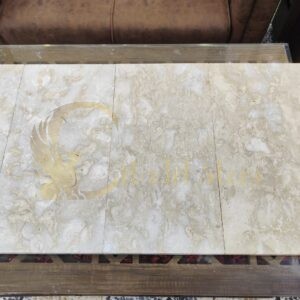
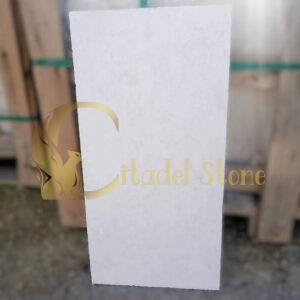
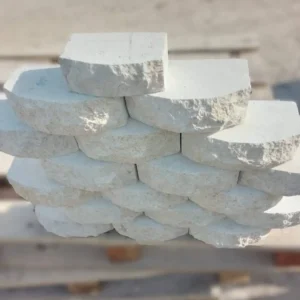
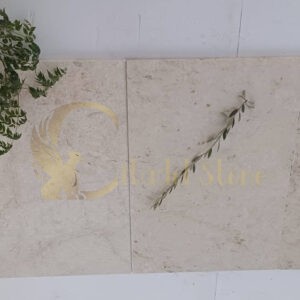
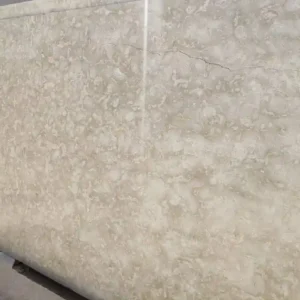
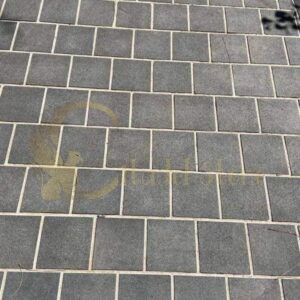
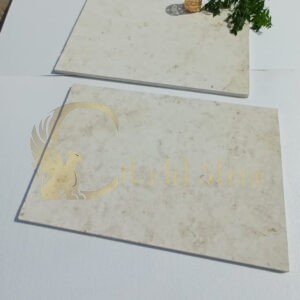
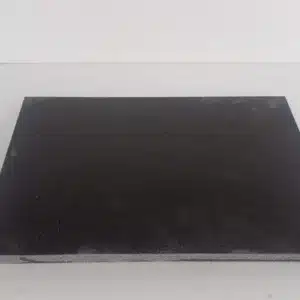
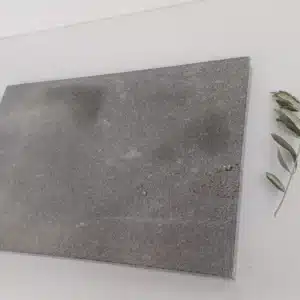
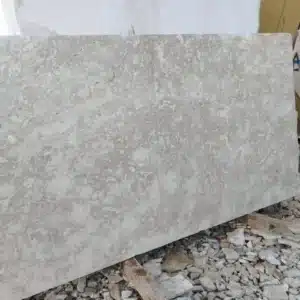
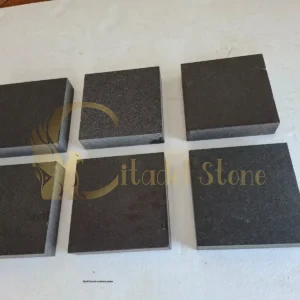
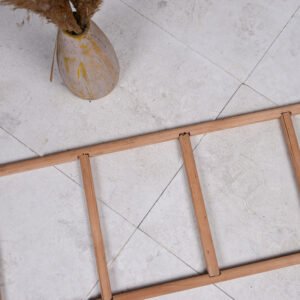
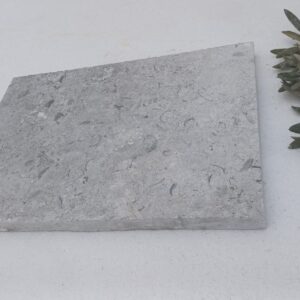
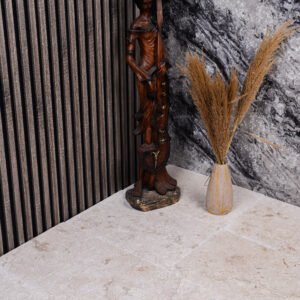
Citadel Stone stocks paver seating wall materials in multiple formats suited to Arizona’s range of project scales and design requirements. Wall pavers for sale cover standard running bond dimensions — nominal 8×4×3.5 inch through 16×8×6 inch — plus cap units in 24-inch and 36-inch lengths with a 3-inch nominal thickness appropriate for seating wall tops. Natural stone options including limestone and basalt are available in sawn and split-face finishes, with color ranges from warm buff and tan to charcoal and basalt grey. You can request sample pieces or full specification sheets before placing an order — this is standard practice for trade and wholesale accounts, and the team can confirm current warehouse availability at the same time.
For projects requiring custom cuts, non-standard thicknesses, or high-volume supply across multiple Arizona sites, contacting Citadel Stone’s team early in the design phase lets you align material specifications with actual available product dimensions — which often simplifies the structural design and reduces waste. Delivery covers the full Arizona market, with truck logistics coordinated to reach both metro Phoenix addresses and regional sites in Sedona, Flagstaff, and southern Arizona. Trade and wholesale pricing is available on request, and lead times from confirmed order to truck delivery typically run one to two weeks for stocked formats. Reach out through the website to request a quote or schedule a material consultation for your project.
As you finalize your Arizona hardscape plans, complementary stone elements can strengthen the overall design coherence of your outdoor space — Front Garden Paving in Arizona covers material selection and performance detail for another key area of Arizona property that benefits from the same thermal-cycling-aware specification approach used when planning a paver seating wall in Arizona. For Arizona properties requiring reliable craftsmanship and quality materials, Citadel Stone offers paver seating wall solutions built to perform across the state’s varied conditions.