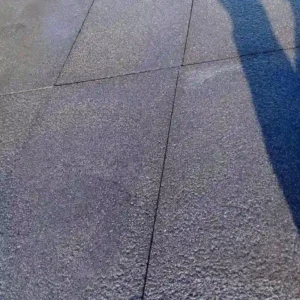
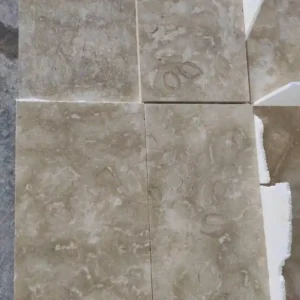

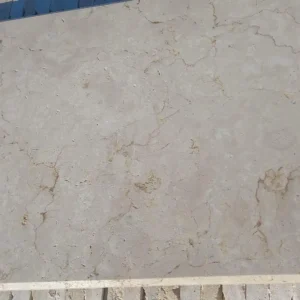
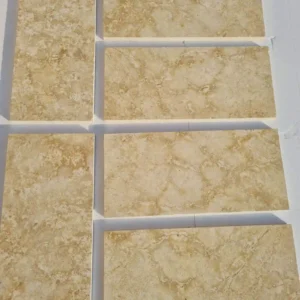






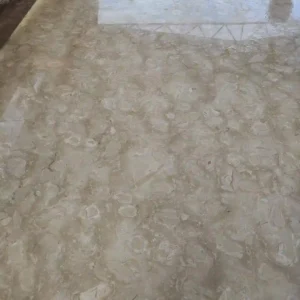
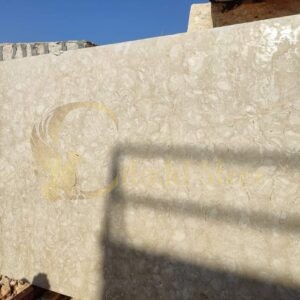
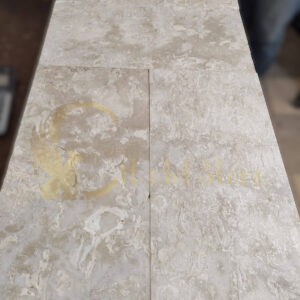
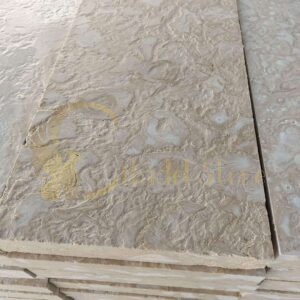



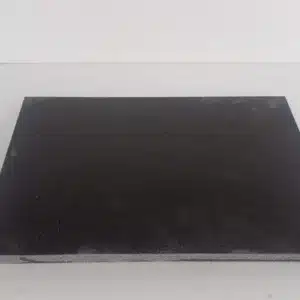
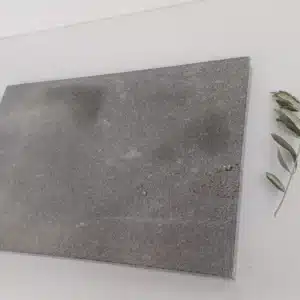
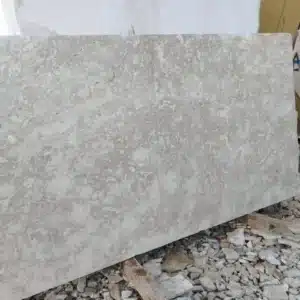

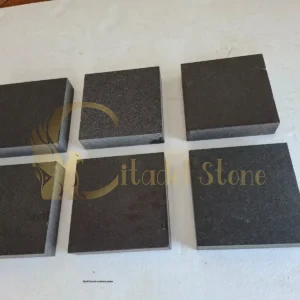


Thermal cycling — not peak heat — is the real stress test for front garden paving in Arizona. The range from a 28°F January night in Flagstaff to a 110°F July afternoon creates cumulative joint fatigue that standard residential specifications simply don’t account for. Your material selection and installation detailing need to address this cycling behavior from the first design decision, not as an afterthought during the punch list phase.
How Thermal Cycling Shapes Stone Performance in Arizona
Arizona’s temperature swings are more aggressive than most people realize — and they vary dramatically by elevation. Even in the low desert around Phoenix, daily temperature differentials of 35–45°F are routine in transitional seasons, and those aren’t just summer numbers. Spring and fall push hard diurnal swings that cycle stone through expansion and contraction phases multiple times a week. Over a 20-year installation, you’re looking at tens of thousands of micro-stress events in the joint structure alone.
The thermal expansion coefficient of natural stone sits between 3.0 and 7.5 × 10⁻⁶ per °F depending on mineral composition. For a 24-inch limestone paver, that translates to roughly 0.003 to 0.007 inches of movement per 100°F swing — small per unit, but cumulative across a 200 square foot front garden paving in Arizona installation and multiplied by joint-to-joint interactions. Your installation needs relief joints at 10–12 foot intervals maximum, not the 15–20 feet you’d see in a temperate climate spec.
Citadel Stone sources front garden paving materials from quarry partners whose stone is tested specifically for thermal stability, with density and absorption data available for each product so you can match material properties to your elevation and microclimate conditions.
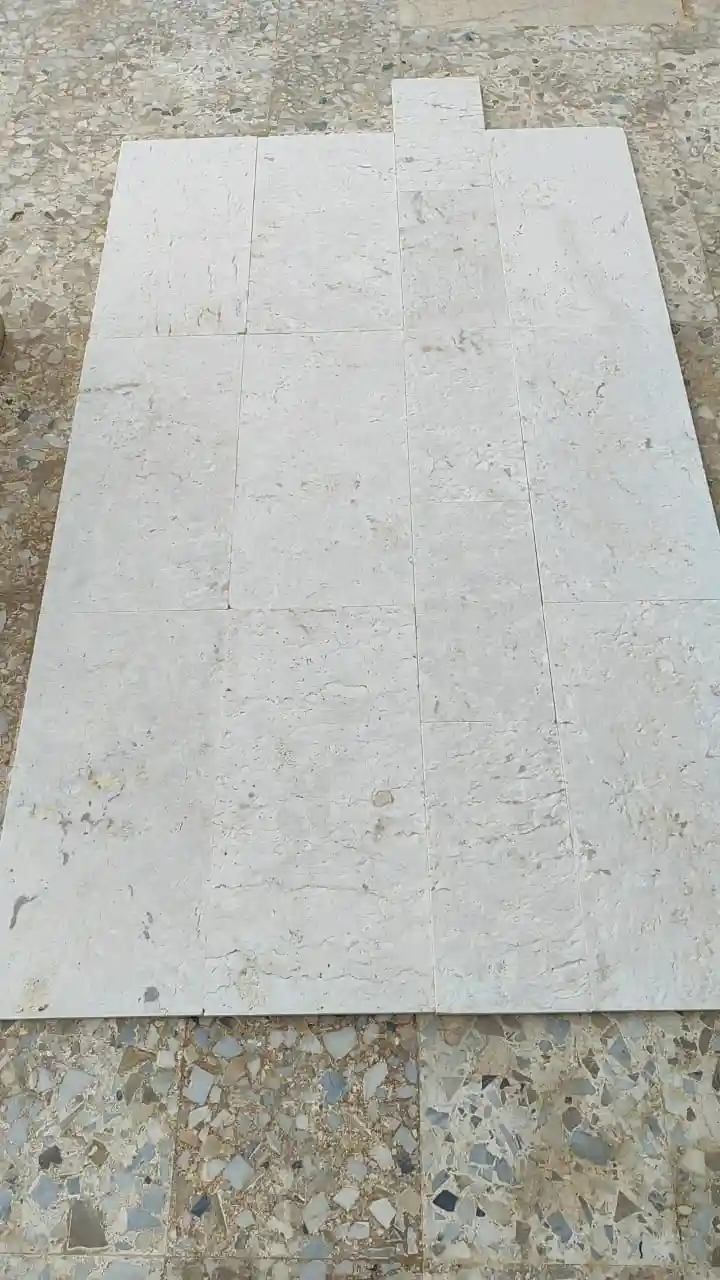
Material Selection for Front Garden Paving in Arizona Climates
Natural stone outperforms concrete pavers specifically because of how it handles the freeze-thaw cycling that Flagstaff and higher-elevation Arizona communities experience 40–70 nights per year. Concrete pavers accumulate micro-fracturing at the aggregate interface with repeated freeze-thaw exposure. Dense natural stone — particularly limestone and basalt with absorption rates below 3% — resists water infiltration at the surface level, which limits the volume of freezable water available to cause spalling.
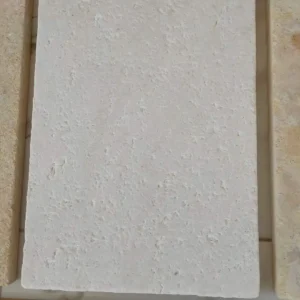
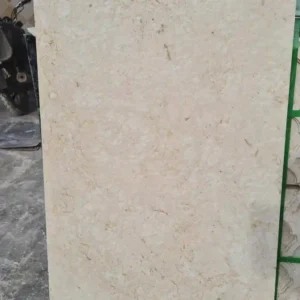
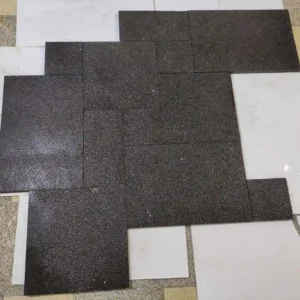
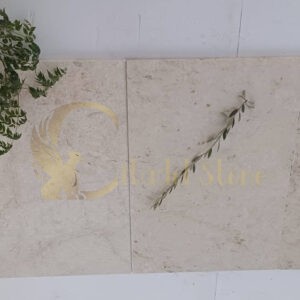
For front patio pavers in Arizona’s low desert zones, the priority shifts toward thermal mass management. Lighter-colored stone — cream limestone, buff travertine — reflects solar radiation more effectively and surfaces run 15–25°F cooler than dark basalt or charcoal-finished pavers at midday. That’s a meaningful comfort variable for front walkway pavers in Arizona where guests and residents cross the surface barefoot in summer.
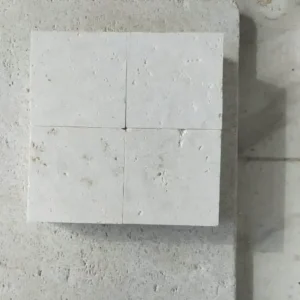
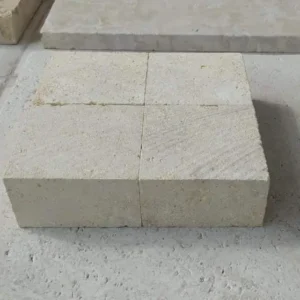
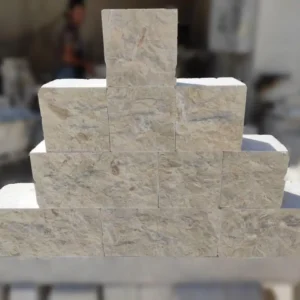
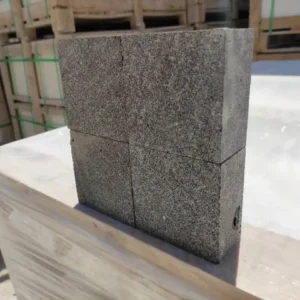
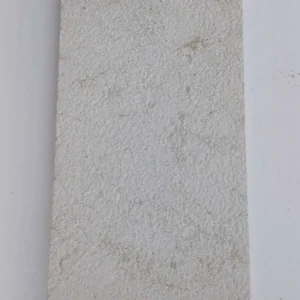
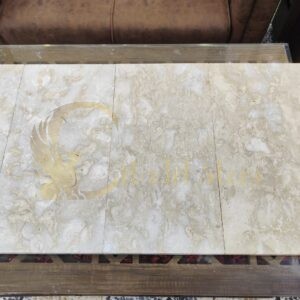
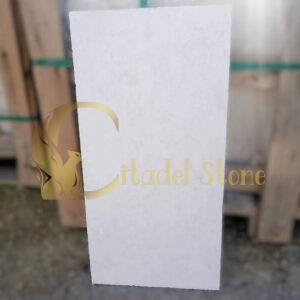
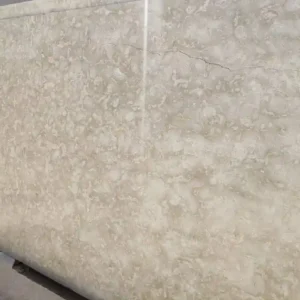
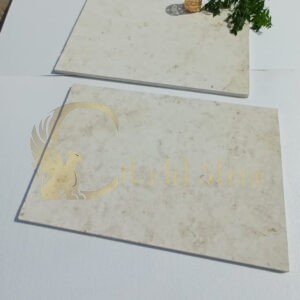
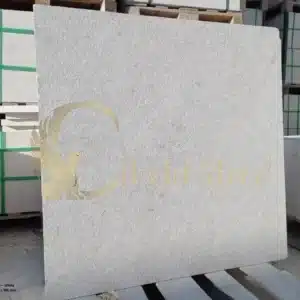
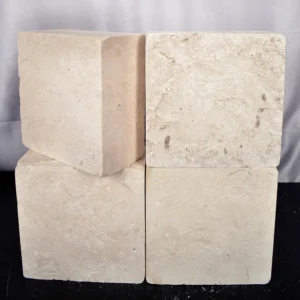
- Limestone (absorption below 2.5%): excellent thermal stability, available in cream, buff, and grey tones, performs well in both freeze-thaw and extreme heat cycling
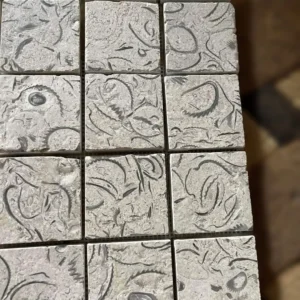
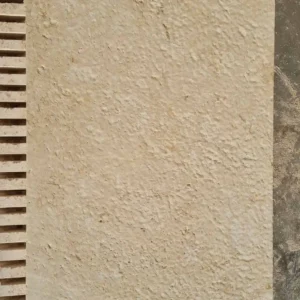
- Travertine (honed or tumbled): natural voids require filling before installation in freeze-thaw zones — unfilled travertine deteriorates significantly faster above 5,000 feet elevation
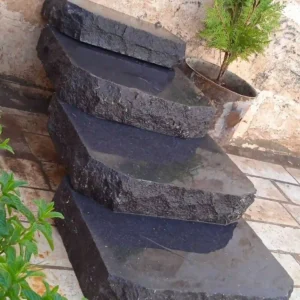
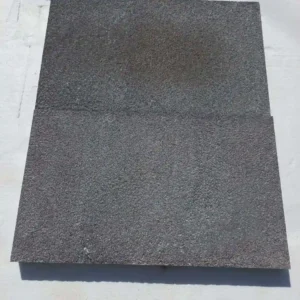
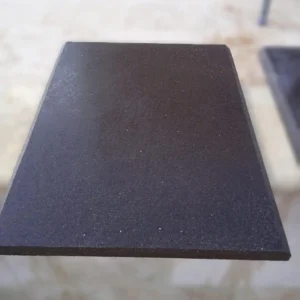
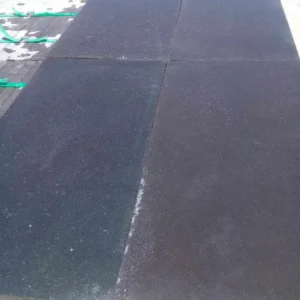
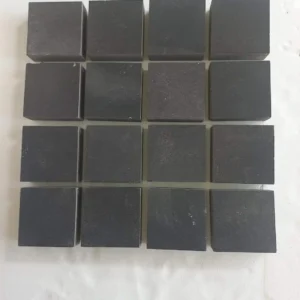
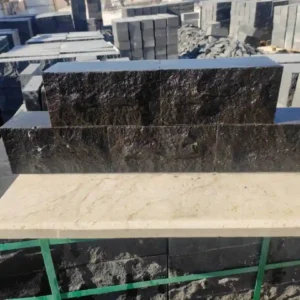
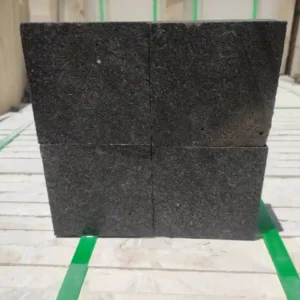
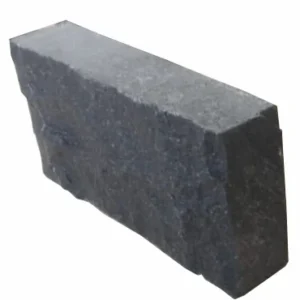
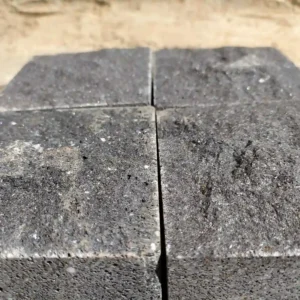
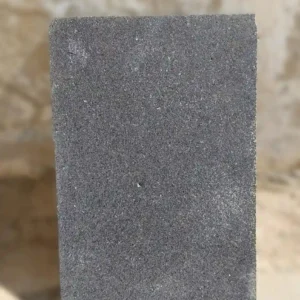
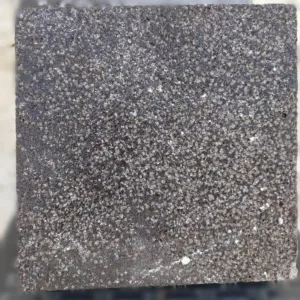
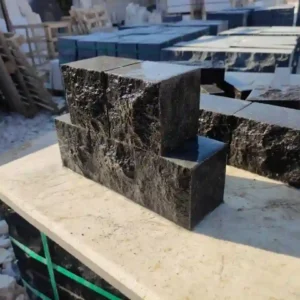
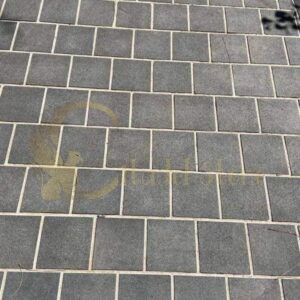
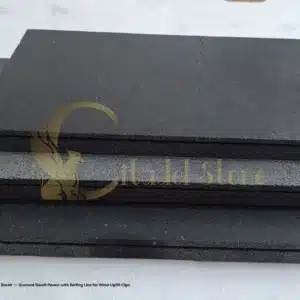
- Basalt: highest density and lowest absorption of common paving stones, handles aggressive cycling well but surface temperatures run high in direct exposure
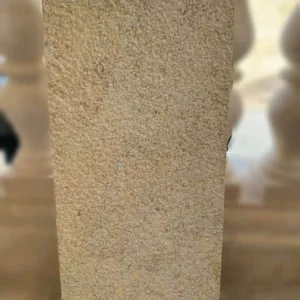
- Sandstone: avoid in freeze-thaw zones above 4,500 feet — laminar structure separates under repeated ice expansion pressure
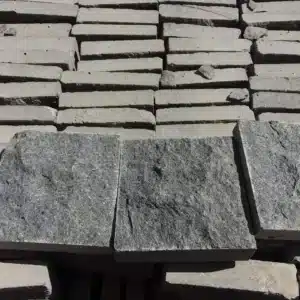
- Granite: exceptional durability but higher cost and limited format availability for residential front yard landscape with pavers in Arizona applications
Your choice between these materials should factor in your project’s elevation, the number of freeze-thaw cycles your site sees annually, and whether thermal comfort on the surface is a priority for pedestrian use.
Design Considerations for Front Porch and Patio Areas
The front porch pavers in Arizona transition zone — where the paved surface meets the structure’s foundation — demands specific expansion joint detailing that most residential projects underspecify. Your porch slab and the adjacent front patio pavers in Arizona will move at different rates under thermal cycling because they have different mass, different substrate support, and often different sun exposure profiles. A 3/8-inch compressible expansion joint at this interface, filled with a UV-stable backer rod and polyurethane sealant, absorbs that differential movement without cracking either surface.
Format selection matters here more than most homeowners realize. Large-format pavers (24×24 or larger) look spectacular but create fewer relief joints per square foot — which means each joint carries more cumulative thermal movement. For front patio surfaces in Arizona that see aggressive cycling, 16×16 or 12×24 formats give you the clean look you want while maintaining adequate joint frequency. The front paver patio in Arizona projects that fail prematurely almost always used oversized formats with undersized joint allowances.
- Maintain minimum 3/16-inch joint width for thermal relief in desert climate installations
- Use polymeric sand rated for temperatures above 130°F — standard polymeric sand softens and loses integrity at surface temperatures common in Arizona summer
- Slope all front patio surfaces at minimum 1/8 inch per foot away from the structure — standing water in joints accelerates freeze-thaw damage at elevation
- Avoid running joints parallel to the building face in configurations where thermal shadow creates uneven cycling across the patio width
Walkway Specification: From Street to Entry
Your front yard paver walkway in Arizona carries different loads and sees different thermal exposure than the adjacent patio area. A walkway surface facing south or west in the Phoenix metro can reach 160°F surface temperature in July. That matters for material selection — you want a paver with a surface finish that remains dimensionally stable at those extremes, and you want a bedding mortar or sand bed that doesn’t destabilize under those same conditions.
For front walkway with pavers in Arizona using a mortar-set installation (which you should use for any surface with significant slope or where precision alignment matters), your mortar mix needs a plasticizer additive rated for high-heat cure conditions. Standard Type S mortar cures too quickly in Arizona summer conditions, leading to micro-cracking in the bed before the stone even sees its first thermal cycle. Schedule mortar-set work for cooler morning hours, cover the surface with burlap for the first 72 hours, and mist twice daily during cure.
Sand-set front yard walkway pavers in Arizona work well in flat or gently graded applications with a well-compacted aggregate base. Specify Class II aggregate base at 4-inch minimum depth for pedestrian applications, 6 inches for any area that sees vehicle overhang. Your compaction target is 95% Modified Proctor — don’t accept anything less on Arizona’s expansive desert soils.
Complementary specification details for step risers, edging, and similar hardscape elements apply to comparable site conditions and material combinations — front patio pavers Arizona covers those details alongside cost considerations that are useful to have before finalizing your contractor selection. Reviewing that guidance early keeps your bid package accurate from the start.
Base Preparation and Soil Behavior in Arizona
Arizona soils are not uniform — a fact that catches out specifiers who treat the state as a single climate zone. In Scottsdale and the eastern Valley, you’ll frequently encounter caliche hardpan within 18–24 inches of grade. Caliche is actually excellent sub-base material when it’s competent and continuous, but it creates drainage problems when it traps water above its surface. Your front yard landscaping pavers installation needs perforated sub-drain pipe at the caliche interface if the grade doesn’t naturally direct water away from the paved area.
In areas without caliche, desert sandy loam can shift unexpectedly when winter rain saturates it after extended dry periods. This soil behavior, combined with freeze-thaw cycling at higher elevations, means your compacted aggregate base needs to be deeper than textbook minimums. Plan on 5–6 inches for residential pedestrian applications in sandy soil zones, and verify compaction at 3-inch lifts rather than placing the full depth at once.
- Test soil expansion index before finalizing base depth — Arizona’s desert soils vary from near-zero to moderate expansion potential depending on clay content
- In areas with significant slope, install a geotextile fabric between native soil and aggregate base to prevent base material migration during heavy monsoon rain events
- For front yard paver patio in Arizona projects adjacent to irrigation zones, specify a 12-inch clearance between irrigation emitters and paved edges to limit soil saturation under the base
- Compaction testing at 95% Modified Proctor is mandatory — surface failure in front yard walkway pavers in Arizona typically traces to inadequate base compaction, not material deficiency
Freeze-Thaw Performance at Elevation: What Changes Above 4,500 Feet
The performance requirements for front garden paving in Arizona shift significantly once you’re above 4,500 feet elevation. At this altitude — encompassing communities around Flagstaff, Prescott, and the Rim country — freeze-thaw cycle counts per year can reach 50–80, compared to fewer than 10 in the Phoenix metro. That’s a fundamentally different design environment requiring tighter material specifications and more aggressive sealing protocols.
Stone porosity becomes the critical variable at elevation. For freeze-thaw resistance, you want a stone with absorption below 2.0% — the lower the better. Water that infiltrates a paver’s pore structure and then freezes expands approximately 9% in volume. In a stone with 4% absorption, that expansion creates internal stress exceeding the tensile strength of many natural stones within a few seasons. Citadel Stone’s warehouse inventory for elevation-zone projects includes density-tested limestone and basalt products with absorption values documented on product specification sheets, giving you the data you need to specify confidently.
Your sealing schedule at elevation should run on an 18-month cycle rather than the 2–3 year cycle typical for low desert installations. A penetrating silane-siloxane sealer rated for freeze-thaw conditions creates a hydrophobic barrier in the stone’s pore structure without altering surface appearance or increasing slip risk. Apply it in fall before the first freeze cycle of the season, not in spring after winter damage has already begun accumulating.
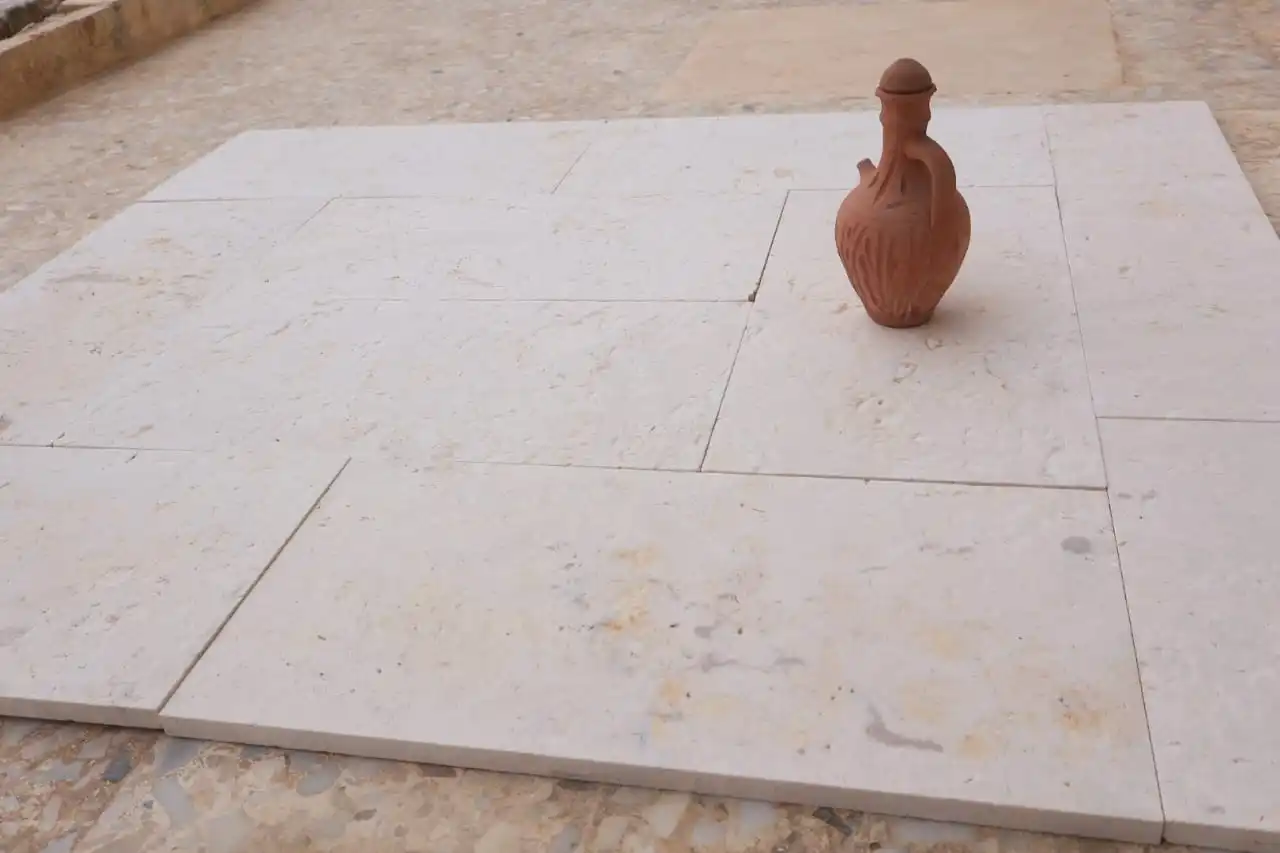
Integrating Front Yard Landscape with Pavers: Aesthetics and Drainage
Front yard landscape with pavers in Arizona needs to reconcile two competing design pressures: the visual warmth homeowners want and the drainage efficiency the climate demands. Arizona’s monsoon season delivers intense short-duration rainfall — 1–2 inches in under an hour is not unusual. Your paved front yard areas need to be designed for runoff, not infiltration, in the low desert. Permeable paver systems that work well in temperate climates become sediment-clogged quickly in Arizona’s dusty conditions and can’t handle the volume of monsoon events effectively.
Solid-set stone with a well-designed drainage pattern — swales, catch basins, or directed sheet flow to landscaped areas — performs more reliably for front yard landscaping pavers in most Arizona residential contexts. The aesthetic bonus here is that solid stone surfaces give you more control over the finished appearance: consistent joint lines, uniform color presentation, and better resistance to the weed intrusion that open-jointed permeable systems struggle with in desert conditions.
- Design surface drainage to direct runoff at 1.5–2% minimum slope away from the foundation — the 1/8-inch-per-foot minimum is a floor, not a target
- Incorporate a planted or gravel buffer strip between paved areas and the street to handle peak monsoon runoff without creating a drainage conflict at the curb
- Select stone colors that complement your home’s exterior — cream and buff limestone reads warmer against stucco, while grey basalt suits contemporary and Territorial architectural styles
- Consider the shadow pattern your entry landscaping creates — areas that are shaded for most of the day will retain moisture longer and may benefit from a slightly more porous joint fill to aid evaporation
- Front yard paver patio in Arizona installations adjacent to planting areas should use a metal or concrete edge restraint to prevent paver migration as landscape beds are maintained over time
Maintenance Schedules and Long-Term Performance
A properly installed front garden paving project in Arizona’s climate should deliver 25–35 years of performance when you maintain the joint integrity and sealing schedule consistently. The failure mode that shortens this timeline isn’t usually the stone itself — it’s joint sand loss from the combination of monsoon washout, ant activity, and thermal cycling that opens gaps at paver edges. Once joint sand drops below 85% capacity, the pavers begin rocking under foot traffic, which accelerates edge chipping and creates drainage channels that undermine the base.
Your annual maintenance checklist for a front patio in Arizona should cover four non-negotiable items. First, inspect joint sand depth in early spring after winter cycling. Second, check the expansion joint perimeter for sealant cracking or compression failure. Third, examine pavers at the transition zones — entry threshold, driveway edge, planting bed borders — for any signs of differential settlement. Fourth, assess sealer performance with a water bead test: if water soaks in within 30 seconds rather than beading, the sealer needs reapplication.
Citadel Stone’s technical team can advise on sealer compatibility with specific stone types and help you schedule delivery of maintenance materials to align with your project’s service cycle. Verify warehouse stock on joint sand and sealer products before your maintenance window — high-demand periods in spring can create brief lead time gaps.
- Re-sand joints with polymeric sand rated for high-temperature environments — never use standard mason’s sand as a replacement, as it compacts poorly and washes out quickly
- Pressure washing is appropriate at 1,200–1,500 PSI maximum — higher pressures dislodge joint sand and can etch softer limestone surfaces
- Organic staining from leaf debris and irrigation overspray responds well to a pH-neutral stone cleaner; avoid acid-based cleaners on limestone and travertine
- For paver front patio surfaces with oil staining near entry areas, a poultice treatment with diatomaceous earth and acetone draws hydrocarbons from the stone without acid etching
Request Front Garden Paving Pricing — Citadel Stone Arizona
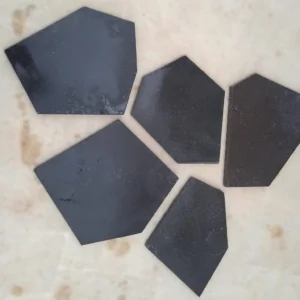
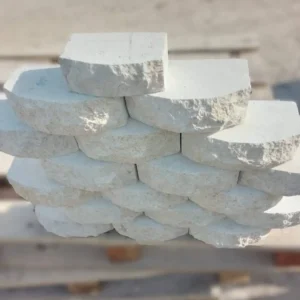
Citadel Stone stocks front garden paving materials in standard residential formats — 12×12, 16×16, 12×24, and 24×24 — as well as irregular flagstone sizing for naturalistic walkway applications. Thickness options run from 1.25 inches for pedestrian-only applications up to 2 inches for any surface that sees vehicle crossover. You can request sample tiles and full product specification sheets, including absorption rate data and compressive strength values, before committing to a material for your project.
For wholesale and trade inquiries — landscape contractors, architects, and design-build firms working on multiple Arizona projects — Citadel Stone’s pricing structure accommodates project-volume orders with documented lead times from regional warehouse inventory. Delivery coverage extends across Arizona, with truck scheduling available for Phoenix, Tucson, Scottsdale, and surrounding metro areas on a regular rotation. Custom cutting for step treads, coping pieces, and non-standard dimensions is available with appropriate lead time — contact the team to confirm current production scheduling before finalizing your project timeline.
Your project’s material requirements — coverage area, thickness, format, and any custom elements — can be translated directly into a quantity specification by Citadel Stone’s team. Reaching out early, before finalizing your contractor selection, gives you accurate material cost data to include in your bid package. Beyond front garden paving in Arizona, your property may benefit from complementary hardscape elements suited to the same demanding thermal and cycling conditions — Garden Paving in Arizona explores a broader range of Citadel Stone materials suited to Arizona’s specific cycling and thermal conditions. For Arizona residents seeking reliable front garden paving, Citadel Stone offers material expertise and local knowledge to guide every project from selection through installation.