













Why Storm Resistance Defines Bluestone Patio Paver Selection in Arizona
Structural density above 160 lbs/ft³ makes bluestone patio pavers in Arizona one of the few natural stone options that genuinely holds its position under the mechanical stress of monsoon-season wind loading — but only when your base system is engineered to match. Arizona’s summer storm events aren’t subtle: haboobs generate sustained wind speeds exceeding 60 mph, and the accompanying pressure differentials create uplift forces that expose every weakness in a paver installation. Your slab thickness, mortar bed depth, and joint sand specification all become load-bearing decisions the moment those storms roll across the valley floor. What separates a 25-year installation from a 10-year replacement cycle is rarely the stone itself — it’s whether the specification accounted for dynamic lateral and vertical forces from the start.
How Arizona Storm Events Stress Patio Stone Differently Than Heat
Most specifiers focus their Arizona hardscape conversations on thermal performance — and thermal performance matters — but the mechanical stress profile from wind and storm events is a completely different engineering problem. During a monsoon haboob, a 300-square-foot patio surface can experience lateral wind pressure in the range of 12–18 psf depending on elevation and exposure category. That’s not a heat problem. That’s a fastened-system problem, a joint-integrity problem, and a drainage problem all converging simultaneously.
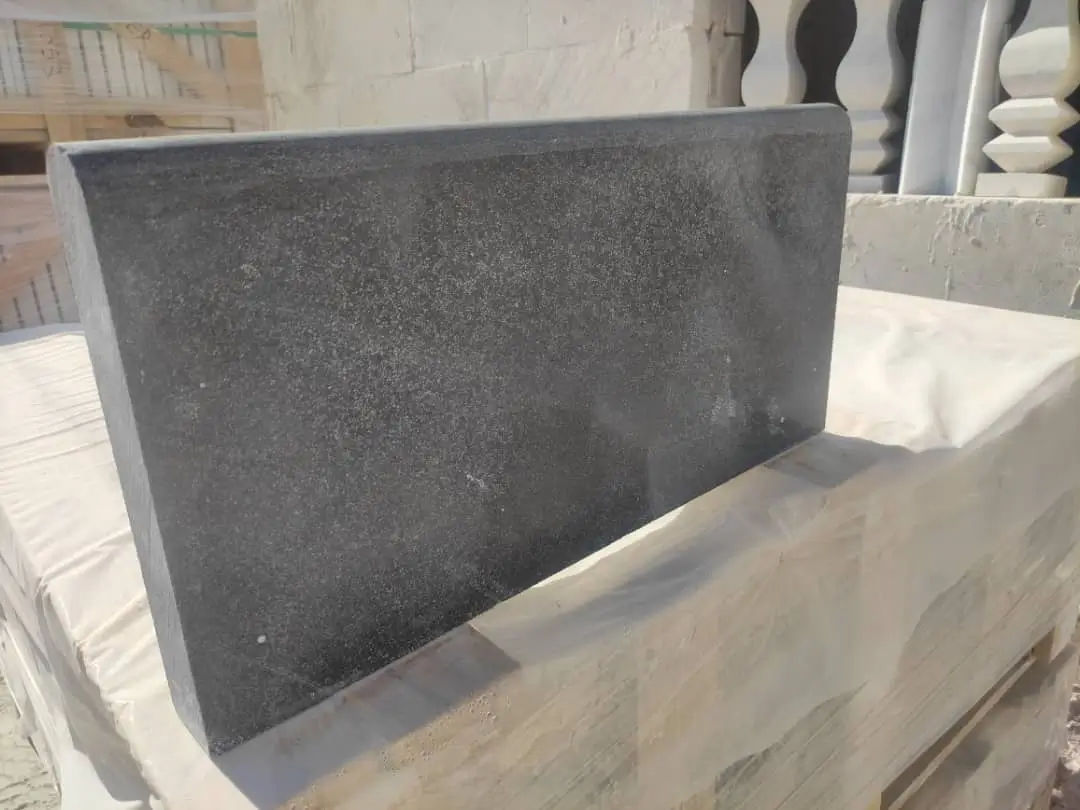
Hail events compound the picture. Arizona hail typically ranges from pea-sized to golf ball diameter, and impact energy at terminal velocity creates localized point loads that can fracture softer sedimentary stones. Dense bluestone patio stone in Arizona, with compressive strength in the 14,000–18,000 PSI range depending on the quarry source, handles those impact loads without surface spalling. Your material choice here isn’t about aesthetics — it’s about absorbing kinetic energy without propagating fractures.
- Wind uplift forces require a minimum 1-inch mortar bed or full-coverage adhesive for installed bluestone patio slabs in Arizona in exposed locations
- Hail impact resistance correlates directly with stone density — denser bluestone varieties outperform thinner, lower-density sedimentary alternatives
- Storm-driven debris abrasion is a real surface concern in open desert sites where sand and gravel become projectiles
- Drainage capacity becomes critical during high-intensity storm rain events that can deliver 2–3 inches per hour in localized bursts
- Joint sand displacement from wind is the most common post-storm maintenance issue and can be mitigated with polymer-modified joint sand rated for high-wind zones
Bluestone Varieties That Perform Under Mechanical Stress
Not all bluestone behaves identically under storm loading. The term covers a range of dense basaltic and argillite-family stones that share a blue-gray color range but vary meaningfully in density, cleavage pattern, and surface integrity. For Arizona’s storm exposure profile, prioritize varieties with tight, consistent grain structure rather than those with pronounced laminar cleavage planes — the latter can delaminate under repeated freeze-thaw or hail impact cycles, particularly at elevations where Flagstaff-area freeze-thaw cycles introduce additional mechanical stress beyond the monsoon season.
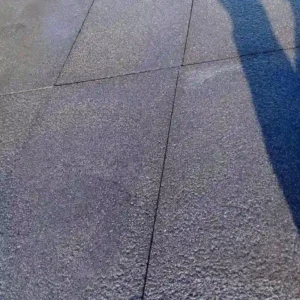
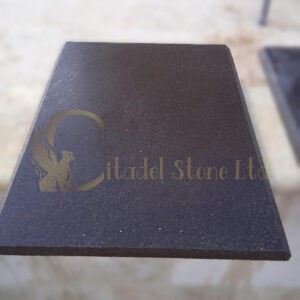
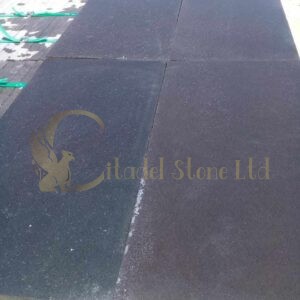
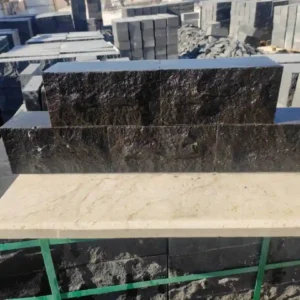
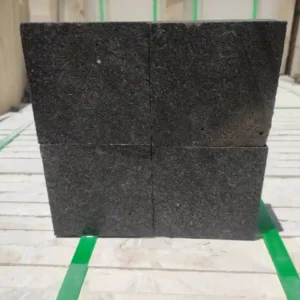
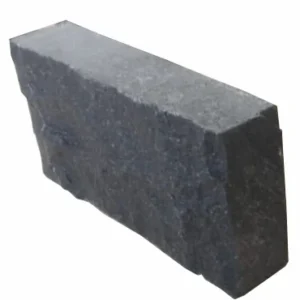
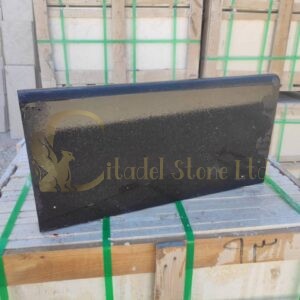
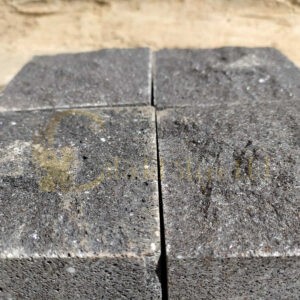
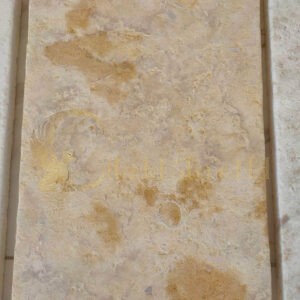
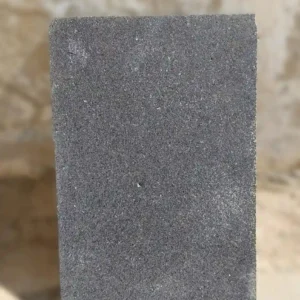
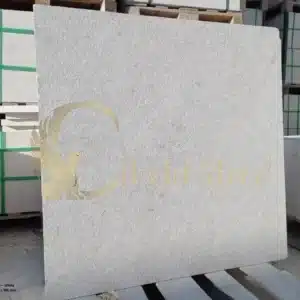
Thermal bluestone — the dense, fine-grained variety with a flame-textured surface — offers the best combination of slip resistance and impact toughness for blue patio pavers in Arizona. Its surface texture also resists wind-driven sand abrasion better than honed or gauged finishes, which can become visibly etched over several monsoon seasons in exposed locations. Citadel Stone sources bluestone patio blocks in Arizona and slabs from established quarry partners whose material consistency is verified batch by batch, so you’re not getting thickness variations that compromise mortar bed integrity at scale.
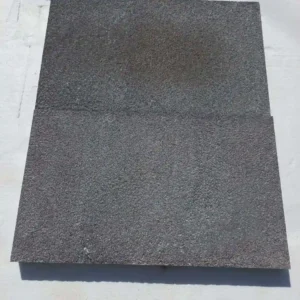
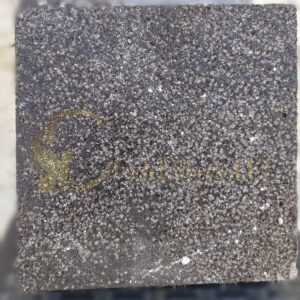
- Thermal finish bluestone: best storm abrasion resistance, DCOF above 0.42 wet, ideal for open patio applications
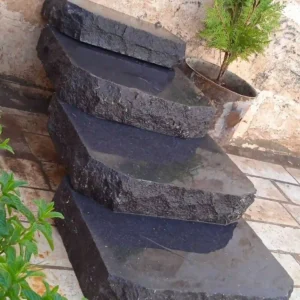
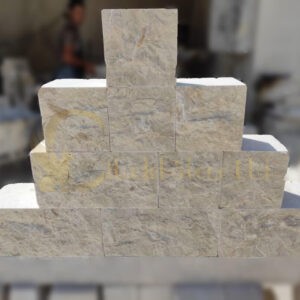
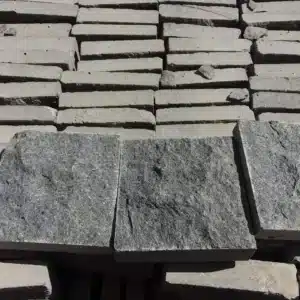
- Natural cleft bluestone: authentic texture and high density, but inspect each piece for through-cleavage before installation in hail-prone exposures
- Gauged bluestone: uniform thickness simplifies installation but requires more careful joint sand management in wind-exposed zones
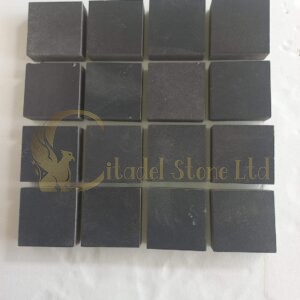
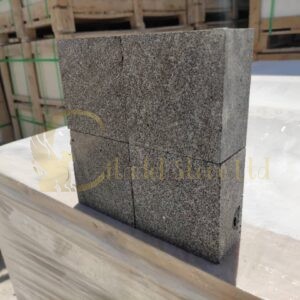
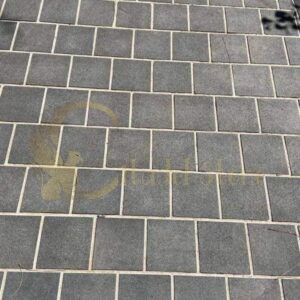
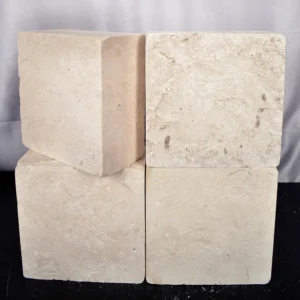
- Bluestone brick pavers in Arizona: smaller format reduces individual uplift exposure but requires precise joint sand compaction across a larger total joint length
Base System Requirements for Wind-Exposed Arizona Patios
Your base system is doing more work in a high-wind environment than most installation guides acknowledge. The standard 4-inch compacted aggregate base works adequately for sheltered residential patios, but wind-exposed sites in the Phoenix metro and open Sonoran Desert locations demand a more robust approach. The pressure differential from sustained wind loading creates micro-vibration at the stone-to-base interface, and that vibration gradually loosens the bond between the mortar bed and the substrate if the base isn’t properly stabilized.
For sites with unobstructed wind exposure — think open backyard patios in outer Mesa or newly developed lots without mature landscaping windbreaks — a 6-inch compacted base with a 1-inch mortar setting bed outperforms a sand-set system significantly over time. The mortar bed eliminates the displacement risk that polymer joint sand alone can’t fully prevent under sustained 50+ mph wind loading. Projects in Scottsdale luxury residential work routinely specify full mortar-set bluestone patio pavers in Arizona for precisely this reason — the combination of high-end aesthetics and storm performance is non-negotiable at that price point.
- Sand-set systems: appropriate for sheltered courtyard installations, not recommended for open desert exposure
- Mortar-set on concrete slab: highest storm resistance, eliminates displacement, adds 2–3 weeks to project schedule
- Compacted aggregate with polymeric sand: suitable for semi-sheltered sites, requires post-storm joint sand inspection after each major weather event
- Drainage slope of 1/8 to 1/4 inch per foot is non-negotiable — Arizona’s high-intensity storm rainfall events overwhelm flat installations
Thickness Specifications for Storm-Resilient Installations
Thickness selection interacts directly with storm performance in ways that aren’t obvious from a product sheet. A 1-inch nominal bluestone patio slab carries adequate compressive strength for foot traffic under static conditions, but dynamic storm loading — particularly hail impact — introduces bending stress at the center of unsupported spans. The rule of thumb from field experience is to keep your maximum unsupported span to no more than 24 times the stone thickness. For 1-inch stone, that means your support points — whether mortar bed high spots or pedestals — should be no more than 24 inches apart.
At Citadel Stone, we recommend stepping up to 1.5-inch or 2-inch nominal thickness for any installation in Arizona’s high-wind corridors or for projects where patio furniture and foot traffic combine with storm exposure risk. The weight increase also helps resist wind uplift: a 2-inch bluestone patio slab in Arizona in the 3-square-foot range weighs approximately 30–35 lbs per piece, which is meaningfully harder to displace than a 1-inch piece at 15–18 lbs. Requesting sample tiles and thickness specifications from Citadel Stone before finalizing your material order confirms actual delivered dimensions and avoids the frustration of field adjustments mid-installation.
Joint Sand and Edge Restraint in High-Wind Zones
Polymer-modified joint sand is table stakes for any Arizona patio installation, but the product selection matters more than most installers acknowledge. Standard polymeric sand formulations are designed for normal rainfall intensity — not the 2-inch-per-hour cloudburst events that Arizona monsoons deliver. A product with cure-rated washout resistance that matches or exceeds the storm intensity profile for your project’s location is essential. Check the manufacturer’s washout resistance data, not just the marketing language on the bag.
Edge restraint is the other half of the joint stability equation. Perimeter-secured plastic or aluminum edge restraints anchored every 12 inches prevent the progressive outward migration that wind pressure accelerates. That bluestone brick patio in Arizona you saw fail after two monsoon seasons? Odds are the edge restraint was pinned at 24-inch intervals or skipped entirely on the downhill side where it was less visible. Anchor spacing at 8–10 inches on wind-exposed sides is a specification upgrade worth its modest cost.
- Use polymeric sand rated for high-intensity rainfall washout, not just standard residential applications
- Edge restraints on wind-facing perimeter sides should be anchored at 8–10 inch spike spacing
- Allow full polymeric sand cure time — typically 24–48 hours of dry weather — before the installation faces any wind or rain event
- Re-inspect joint sand depth after the first three monsoon seasons and top-dress as needed to maintain 1/8-inch below the paver surface
Bluestone Herringbone and Pattern Performance Under Storm Loading
Pattern selection has a real — if underappreciated — effect on storm performance. Bluestone herringbone pavers in Arizona distribute lateral force more effectively than running-bond patterns because the interlocking geometry creates mechanical resistance to displacement in both the X and Y axes simultaneously. This is the same principle that makes herringbone brick so effective in driveway applications under vehicular loading — the pattern itself provides structural contribution beyond what the individual units deliver on their own.
For a blue stone paver patio in Arizona exposed to regular monsoon wind loading, herringbone is worth the additional cutting labor at edges. The pattern’s inherent interlocking geometry reduces the tendency for individual pavers to walk outward over time, which is the most common progressive failure mode in wind-exposed sand-set installations. The tradeoff is that herringbone requires more precise base leveling — the interlocked geometry magnifies any base irregularity into visible lippage, so your screed work before laying needs to be tighter than you’d tolerate in a running-bond layout.
For projects spanning larger square footages, the full range of bluestone paver patio options available covers complementary specification details that apply to similar Arizona site conditions and installation scenarios — including surface maintenance considerations that directly affect long-term storm performance on blue pavers for patio use in Arizona. Getting the layout pattern right early in the design phase avoids costly field corrections once material is ordered and cut.
Sealing Bluestone for Storm and Debris Exposure
Sealing strategy for bluestone patio stone in Arizona needs to account for storm-driven debris as much as moisture intrusion. Wind-carried sand and caliche dust act as a mild abrasive on unsealed or under-sealed surfaces, and repeated monsoon seasons can gradually dull a honed finish or begin to open the pore structure on lower-density varieties. A penetrating impregnator sealer — specifically one with a solids content above 10% — creates an internal barrier that resists both moisture wicking and surface abrasion without creating a film that can peel under Arizona’s UV intensity.
Re-sealing intervals depend on your traffic level and storm exposure. For covered patio applications in Tucson‘s urban core, where summer heat combines with monsoon moisture cycling, a three-year interval is typically adequate. For fully exposed patios in high-wind corridors, plan for a two-year schedule and do a water-bead test annually to monitor sealer performance between cycles. Citadel Stone’s team can advise on sealer compatibility with specific bluestone varieties before you commit — not all penetrating sealers perform equally across the density range that bluestone encompasses.
- Apply sealer after initial installation cure — at minimum 72 hours after mortar work or 48 hours after polymeric sand sets
- Two-coat application with a 30-minute interval between coats provides better pore saturation than a single heavy coat
- Storm-driven caliche dust is mildly alkaline — periodic pH-neutral cleaning protects both the sealer and the stone surface
- Avoid solvent-based sealers on blue pavers for patio use in direct sun — solvent systems can amber over time, shifting the stone’s color profile
Ordering Logistics for Arizona Bluestone Projects
Material lead time planning is more consequential in Arizona than in most markets because the monsoon season installation window is compressed. Getting bluestone patio pavers in Arizona on-site and acclimated before the late-June pre-monsoon heat peak requires ordering 8–10 weeks ahead of your target start date for imported bluestone varieties. Citadel Stone maintains warehouse inventory of core bluestone patio pavers in standard formats, which can reduce lead times substantially compared to the full import cycle — typically bringing delivery windows down to 1–2 weeks from warehouse stock rather than 6–8 weeks on import orders.
Truck access to your job site is a logistics variable worth confirming early. Full-pallet bluestone deliveries arrive on standard flatbed or liftgate trucks, and many residential addresses in older Phoenix neighborhoods or hillside Scottsdale lots have access constraints that require a smaller delivery vehicle or a transload to a pickup truck for the final run. Confirming your site’s truck access and any HOA delivery time restrictions before placing your material order saves the delay and restocking fees that come from a refused or rescheduled delivery. Citadel Stone’s team factors these logistics details into delivery planning so your material arrives when your crew is ready — not a week early stacked in the driveway or a week late after your installation window has closed.
Projects in Phoenix often benefit from coordinating deliveries outside peak summer afternoon hours, both to protect bluestone bricks in Arizona from unnecessary thermal shock on a hot truck bed and to ensure your crew can off-load efficiently before the day’s heat peak makes physical labor conditions more demanding.
- Order 10–15% overage on bluestone garden pavers in Arizona to account for cuts, pattern waste, and any factory thickness variation that requires grading out pieces at installation
- Confirm warehouse stock availability before finalizing your project schedule — core formats are typically in stock, specialty sizes may require lead time
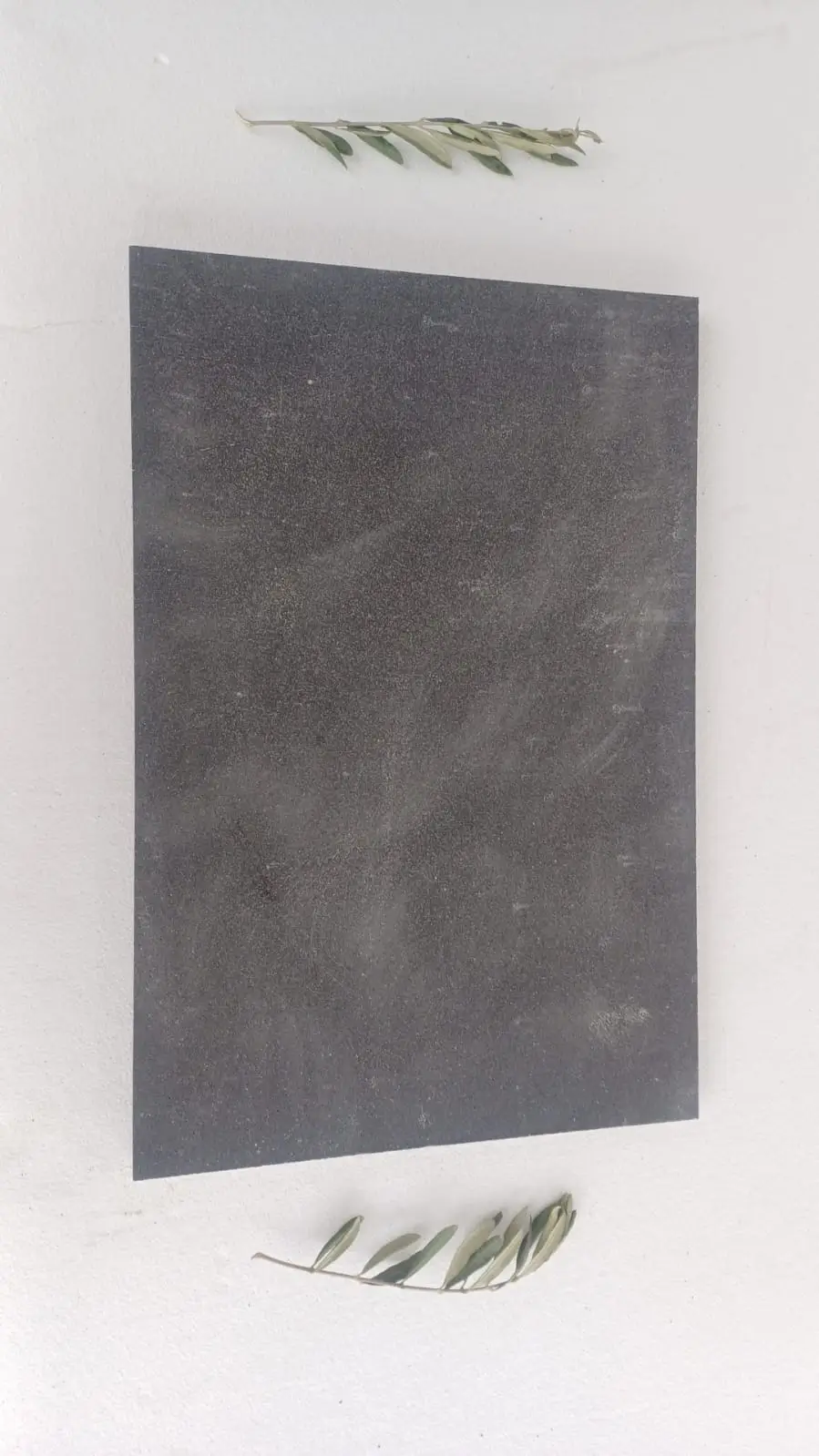
- Request a material sample and thickness verification from your order batch before full delivery to confirm color consistency and dimensional tolerance
- Sourced from established quarry partners, each batch of bluestone patio slabs in Arizona is inspected for consistency before shipping to ensure you’re not discovering problematic pieces mid-installation
Making Bluestone Patio Pavers Work for Your Arizona Project
The decisions that determine long-term performance on a bluestone patio in Arizona come down to three converging factors: material density appropriate for your storm exposure class, a base system engineered for dynamic wind and drainage loads rather than just static weight, and a joint and edge detail that holds through repeated high-intensity weather cycles without progressive displacement. Get those three right and a well-specified bluestone brick patio in Arizona will still look like it was installed last season after 20 years of monsoon seasons.
For broader context on natural stone selection across Arizona hardscape applications, Bluestone Pavers in Arizona provides additional specification and selection guidance that complements the storm-performance focus covered here. For Arizona projects requiring reliable bluestone patio pavers, Citadel Stone provides knowledgeable guidance and consistent material supply to support residential and commercial installations across the state.