

What Arizona Heat Actually Does to Bluestone
Maintaining bluestone patios in Arizona heat starts with understanding what’s really happening at the surface — not just the obvious fading or dust accumulation, but the cumulative stress from thermal cycling that compounds season after season. Bluestone expands and contracts at roughly 5.2 × 10⁻⁶ per °F, and when your patio swings from 55°F overnight to 115°F by early afternoon, those micro-movements add up at the joint interfaces. Most homeowners notice the cosmetic issues first, but the structural ones arrive quietly underneath.
The particular challenge in Arizona isn’t a single extreme event — it’s the relentless repetition. Day after day of that thermal cycle works at any pre-existing micro-fractures in the stone, widening them incrementally. Plan a close visual inspection at least twice a year: once in early April before summer hits, and once in October when the worst of the heat has passed. Look for hairline separations along the cleft face, not just the joints.
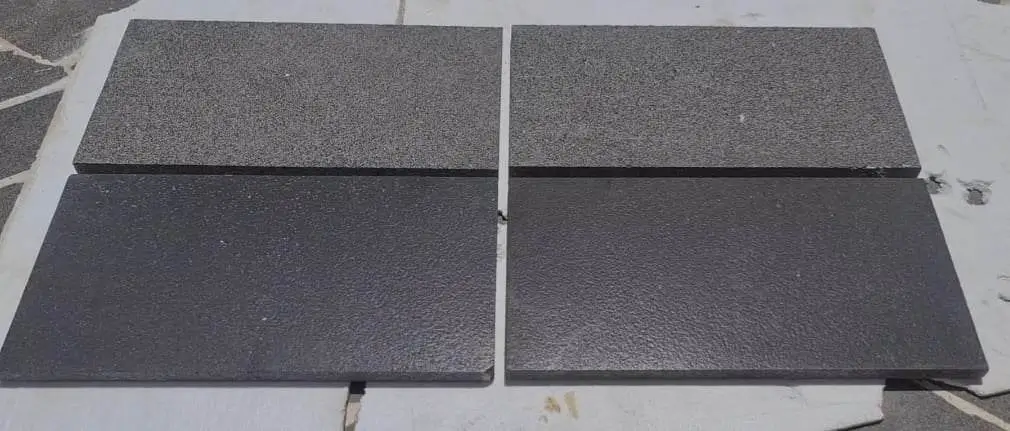
Bluestone Patio Sealing in Arizona Desert Conditions
Sealing is where most Arizona patio owners either overcorrect or neglect entirely. The desert environment creates a specific sealing challenge: UV intensity at Arizona’s latitude degrades conventional acrylic-based sealers far faster than the manufacturer’s timelines suggest. A sealer rated for three-year reapplication in a Mid-Atlantic climate may need attention after 18 months in Scottsdale, where UV index values regularly push into the extreme range from May through September.
For bluestone patio sealing in Arizona desert conditions, penetrating silane-siloxane formulations consistently outperform film-forming sealers. Here’s the practical reason: film-formers trap heat at the surface and create a vapor barrier that can cause spalling when any residual moisture tries to escape during rapid temperature changes. Penetrating sealers let the stone breathe while still blocking the alkaline mineral deposits that accumulate from irrigation overspray and monsoon splash-back.
- Apply sealer only when surface temperature is between 50°F and 85°F — early morning in summer months is your only viable window
- Allow a minimum 48-hour dry time after any rain before sealing, even in Arizona’s arid climate
- Use a low-nap roller rather than a sprayer to control penetration depth and prevent pooling in the cleft texture
- Two thin coats outperform one heavy application — the second coat should go on within 30 minutes of the first
- Plan reapplication every 18–24 months in low desert zones, every 24–30 months at higher elevations
Cleaning Bluestone Pavers: Arizona Dust and Mineral Deposits
Cleaning bluestone pavers dealing with Arizona dust and mineral deposits is a two-problem scenario that requires two different approaches — and conflating them is the most common maintenance mistake. Dust and fine particulate from haboobs and daily wind load sit on the surface and are relatively straightforward to manage. Mineral deposits, particularly calcium carbonate from hard water irrigation, are a different matter entirely and require targeted treatment.
For routine dust removal, a low-pressure rinse followed by a soft-bristle brush works well on the irregular cleft surface. Avoid pressure washing above 1,200 PSI on unsealed or older bluestone — the cleft texture creates turbulence that can dislodge surface aggregate at higher pressures. For mineral efflorescence and calcium buildup, a pH-neutral stone cleaner diluted to roughly half the standard concentration gives you better control on bluestone’s slightly absorbent surface than going full-strength.
- Never use vinegar or citrus-based cleaners on bluestone — the acid attacks the mica and feldspar minerals that give the stone its characteristic color
- Hard water staining from drip irrigation typically responds to a diluted sulfamic acid solution, applied with a stiff nylon brush and thoroughly rinsed within 5 minutes
- Rust staining from iron-rich soil splash requires a specialized oxalic acid poultice — standard rust removers designed for concrete are too aggressive
- Organic debris from desert plants — particularly palo verde sap and mesquite pods — should be removed within 48 hours before they begin to etch the surface
Seasonal Bluestone Patio Care Across Arizona
Seasonal bluestone patio care across Arizona looks different from what you’d read in a general stone maintenance guide written for a national audience. The seasonal rhythm here is just as demanding as freeze-thaw climates — it’s simply organized around monsoon season and the pre-summer heat surge instead of winter ice.
The four maintenance windows that actually matter in Arizona’s climate break down like this:
- February–March: Inspect joints for sand loss from winter wind, reapply joint stabilizer if needed, spot-treat any winter efflorescence from irrigation
- April–May: Final sealing window before summer heat closes it — surface temps above 90°F compromise sealer cure chemistry
- August–September: Post-monsoon inspection for organic staining, mineral deposits from storm runoff, and any joint washout from heavy rain events
- October–November: Deep clean cycle, assess sealer integrity, address any hairline cracking before cooler temperatures slow stone movement
At Citadel Stone, we recommend treating the pre-monsoon and post-monsoon windows as your two primary maintenance cycles, with lighter checks in between. The monsoon season — typically July through mid-September — introduces the most unpredictable stress on Arizona patios, combining heavy intermittent rain with sustained extreme heat. Bluestone patio pavers in Arizona that go into monsoon season with compromised sealer or depleted joint sand are the ones that show significant deterioration by fall.
Preventing Bluestone Damage in Arizona Climate Extremes
Preventing bluestone damage in Arizona’s climate extremes comes down to managing two things most people underestimate: joint integrity and thermal mass loading. The joints aren’t just filler — they’re the expansion relief system for the entire installation. Polymeric sand that’s lost 30% or more of its mass from wind erosion and rain washout turns your rigid-looking patio into a system with nowhere to move, and that’s when you start seeing surface fractures propagate from the edges inward.
For projects in Tucson, caliche hardpan near the surface actually helps base stability, but it creates a drainage challenge that needs deliberate attention. Water that can’t percolate vertically has to move laterally, and if your patio perimeter doesn’t accommodate that, hydrostatic pressure builds under the slab — particularly after intense monsoon events. A properly graded 1.5% cross-slope and open-joint perimeter strip solve this without compromising the look of the installation.
- Inspect polymeric joint sand every spring — if you can see more than 3mm of depth loss, top-fill before monsoon season arrives
- Keep furniture pads in place year-round — rubber feet concentrate point loads that accelerate surface stress on cleft bluestone in high-heat periods
- Avoid planting high-root-activity species within 4 feet of patio edges — desert-adapted plants like bougainvillea can exert surprisingly aggressive lateral root pressure
- Thermal expansion at corners and fixed edges deserves a 1/4-inch gap against any vertical structure — skipping this is the fastest path to edge chipping under Arizona summer conditions
For reference on material selection and performance specs, our bluestone patio pavers in Arizona covers thickness grades, finish options, and sourcing details that inform how your maintenance program should be structured from the start.
High-Elevation Maintenance: A Different Equation
At roughly 7,000 feet, Flagstaff introduces a maintenance variable that low-desert Arizona owners simply don’t face. Freeze-thaw cycling becomes a real factor from November through March, which means moisture management inside the stone takes on critical importance. A bluestone paver that’s absorbed water from late-autumn rain and then freezes can experience internal spalling pressure — this is where choosing properly sealed, low-absorption bluestone at specification time pays off in reduced maintenance costs over the installation’s life.
The sealing schedule for Flagstaff installations should run on a shorter cycle than low-desert equivalents — plan for reapplication every 18 months and use a silane-siloxane penetrating sealer with a stated water absorption reduction of at least 85%. Joint sand in freeze-thaw climates also benefits from a polymer-enhanced formulation that resists the heaving that can accompany deep frost penetration in unprotected base layers. Maintaining bluestone patios in Arizona heat is one challenge; managing freeze-thaw stress at elevation is a genuinely separate maintenance discipline that demands its own sealing and inspection protocols.
Ordering and Material Planning for Arizona Projects
Practical maintenance planning includes having the right materials on hand before you need them — and that means thinking about your supply chain before you’re standing in front of a damaged section in August. Citadel Stone maintains warehouse inventory in Arizona, which typically cuts lead times to one to two weeks for standard bluestone dimensions compared to the six to eight week import cycle you’d face ordering directly through some overseas suppliers.
Consider ordering 8–10% additional material at project inception to cover future replacement needs. Bluestone’s color variation means matching pavers sourced years apart from different lots can be visually inconsistent. Having warehouse stock from your original order gives you a direct match when spot repairs become necessary — and in Arizona’s climate, spot repairs are a when, not an if. Truck access at delivery should be confirmed early in the planning process, particularly for larger patios requiring multiple pallets; narrow side-yard access or steep driveways occasionally require alternative delivery staging.
- Confirm pallet weight limits with your structural engineer if staging over a garage or elevated deck area
- Request quarry lot documentation at the time of order — this allows future matching from the same stone batch
- Budget for replacement pavers equal to roughly 8% of your total square footage for long-term maintenance reserves
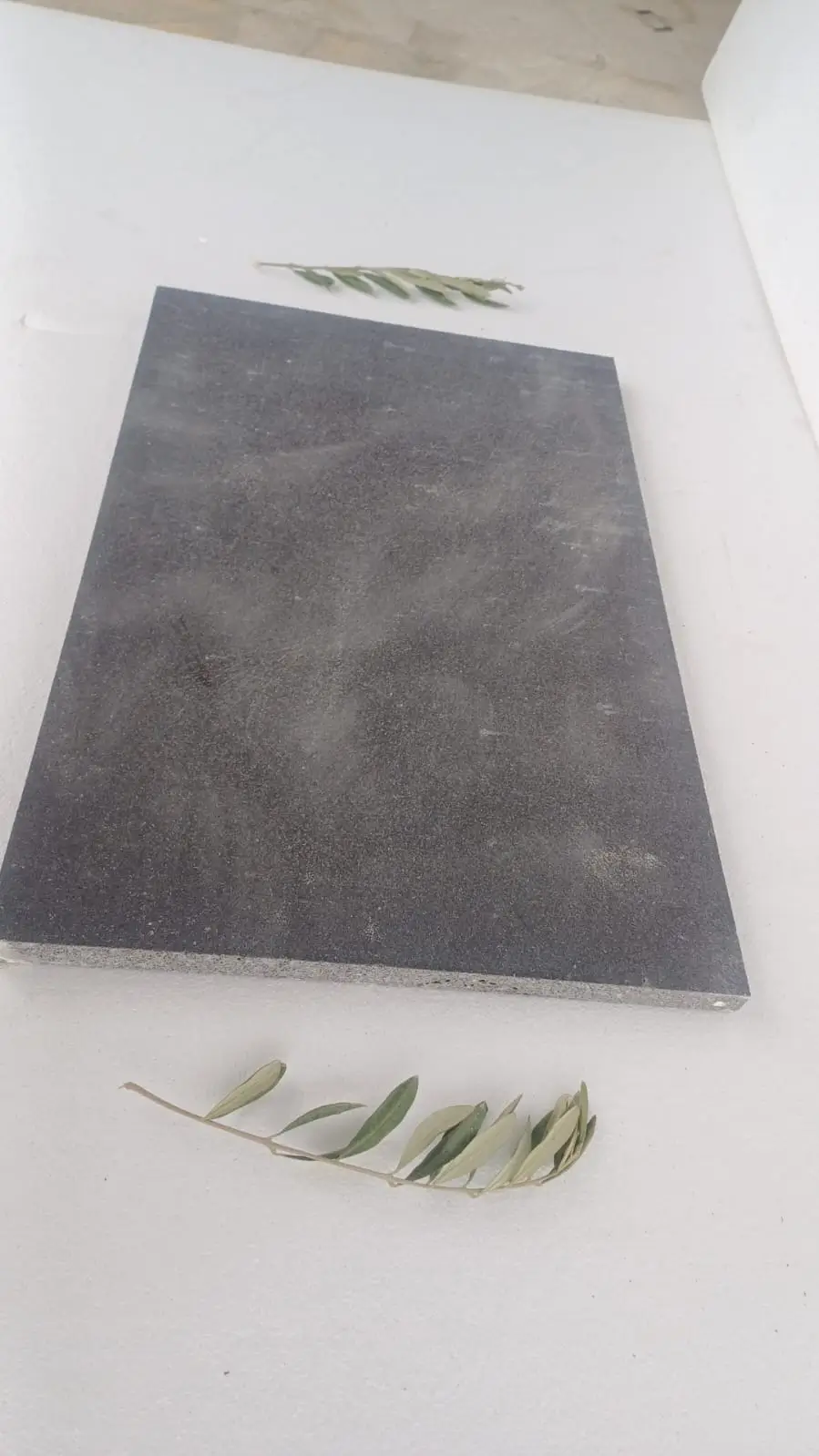
Long-Term Performance Benchmarks for Arizona Bluestone Patios
Realistic performance expectations help you evaluate whether your maintenance program is working. Properly sealed and maintained bluestone patio pavers in Arizona should deliver 20 to 30 years of serviceable life without structural replacement — the caveat being that “maintenance” is doing real work in that sentence. Installations that receive no sealer reapplication after year three and lose joint sand without refilling typically show significant deterioration between years eight and twelve, well short of what the material is capable of.
Surface color evolution is worth setting expectations about separately. Arizona UV exposure will naturally shift bluestone’s characteristic blue-gray tones toward a warmer, more oxidized tan over the first five to seven years. This isn’t failure — it’s a documented weathering pattern. Penetrating sealers slow this process; film-forming sealers create an uneven color lock that looks worse as the sealer degrades unevenly. Most experienced stone specifiers in Arizona’s climate accept and plan for this color evolution rather than fighting it.
- Compressive strength above 15,000 PSI in quality bluestone means surface wear is rarely the failure mode — joint and sealer neglect cause most premature replacements
- Slip resistance on cleft-finish bluestone typically measures between 0.6 and 0.8 coefficient of friction when dry — wet values in monsoon conditions drop to the 0.4–0.5 range, which is acceptable but worth noting for pool-adjacent applications
- Thermal mass of bluestone means surface temperatures run 15–25°F cooler than concrete at peak afternoon heat — a genuine comfort advantage for barefoot use in Arizona summers
Maintaining Bluestone Patios in Arizona: Timing and Consistency
The throughline across every maintenance decision for Arizona bluestone comes back to timing and consistency. Compressing two years of neglected maintenance into one aggressive cleaning session isn’t a viable recovery strategy — Arizona’s climate doesn’t give you that window the way milder climates sometimes do. The seasonal care calendar, sealing schedule, and joint management program work as a system, and any element left unaddressed degrades the others faster than it would in isolation. Think of maintaining bluestone patios in Arizona heat as an active process, not a periodic one.
For homeowners evaluating bluestone against other natural stone options for pool surrounds and adjacent outdoor spaces, Bluestone vs Alternatives: Pool Deck Cost in Arizona offers a useful cost and performance comparison that extends the conversation beyond patio applications into a broader hardscape context — relevant for any Arizona property where cleaning bluestone pavers facing Arizona dust and mineral deposits is part of the ongoing maintenance picture across multiple surfaces. Bluestone patio pavers from Citadel Stone are sourced from internationally sourced quarries and selected for surface hardness, making seasonal dust management in Phoenix, Chandler, and Peoria more straightforward for Arizona homeowners.