

Base preparation is where most bluestone patio paver installations in Arizona fail — not at the surface, not at the sealing stage, but six inches below grade where nobody checks after the job is done. Learning how to install bluestone patio pavers in Arizona means confronting a set of soil and climate variables that simply don’t apply in other parts of the country. The desert environment creates conditions where correct base depth, drainage geometry, and joint design are non-negotiable, not optional upgrades.
Why Arizona Soil Changes Everything
Preparing Arizona soil for bluestone patio pavers starts with understanding what you’re actually working with. The state’s soils range from expansive clays in the river valleys to caliche-locked hardpan in the suburbs, and both create installation challenges that flat-out don’t appear in standard paver installation manuals written for the Mid-Atlantic or Pacific Northwest.
Caliche — that calcium carbonate hardpan layer sitting 12 to 30 inches below your topsoil — gets overlooked constantly. Here’s what most installers miss: caliche is actually a structural asset when it’s undisturbed and properly accounted for. You don’t need to break through it in most residential patio applications. What you need to do is treat it as your sub-base and adjust your aggregate depth accordingly, typically compacting 4 to 6 inches of Class II road base on top of it rather than excavating 10 to 12 inches as you would in softer soils.
In Peoria, caliche commonly appears at 18 to 24 inches, which creates favorable sub-base conditions once you’ve addressed drainage routing around its perimeter. Your excavation plan should always include a probe test before finalizing your depth specs.
Tools, Materials, and Bluestone Specs You Need
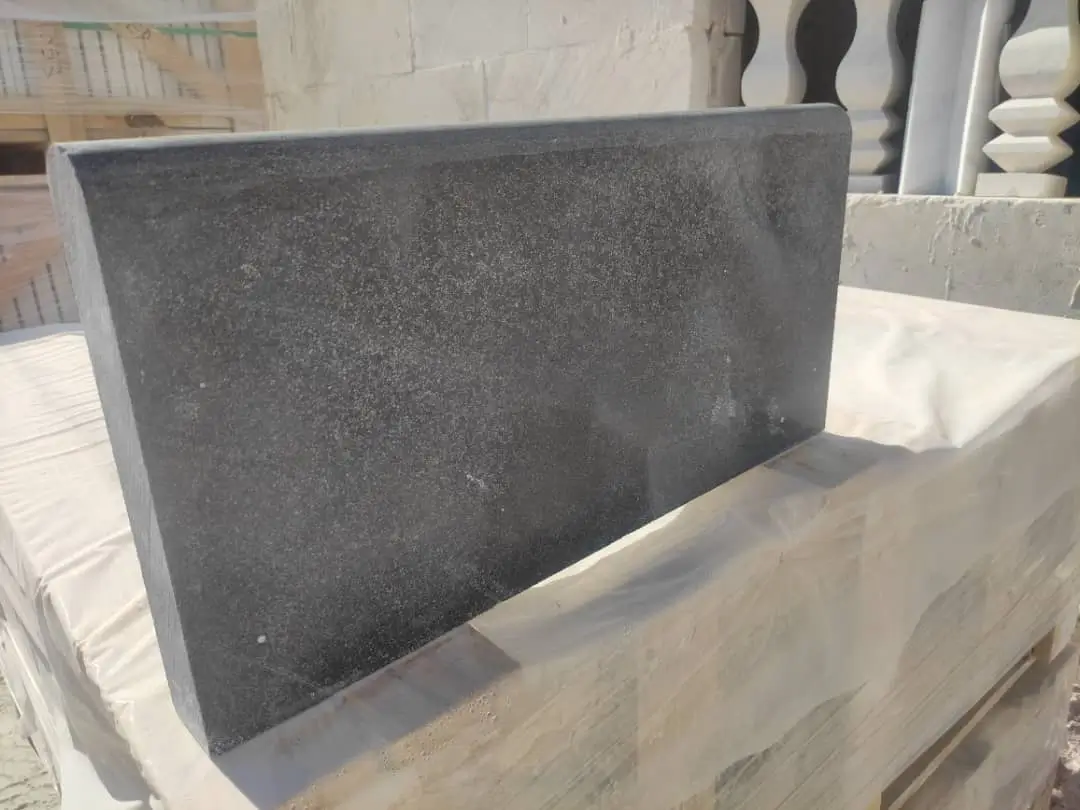
Bluestone patio pavers in Arizona should be specified at a minimum 1.5-inch thickness for pedestrian patio applications, with 2-inch nominal thickness strongly recommended for areas that will see any furniture loading or occasional vehicle overhang. The compressive strength of quality bluestone runs between 10,000 and 15,000 PSI, which is more than adequate for residential desert conditions — but only if your base can distribute point loads evenly.
Your material list for a standard bluestone paver installation steps Arizona homeowners should follow:
- Bluestone pavers at 1.5- to 2-inch thickness, inspected for consistent density before delivery
- Class II road base aggregate, enough for 4 to 6 inches compacted depth
- 1-inch bedding sand layer using coarse concrete sand, not masonry sand
- Polymeric sand for joints, rated for high-temperature climates above 110°F
- Plate compactor with a rubber pad attachment to avoid surface chipping
- Laser level or string lines set to a 1.5% drainage slope minimum
- Diamond blade wet saw for clean cuts on irregular perimeter edges
At Citadel Stone, we inspect every pallet of bluestone before it leaves our warehouse, checking for dimensional tolerance and surface integrity. Inconsistent thickness — even a quarter-inch variation across a pallet — creates rocking pavers that accelerate joint sand loss under Arizona’s thermal cycling.
Frost Line and Drainage in Desert Climates
The frost line consideration for bluestone pavers in desert climate zones like Phoenix and Tempe is effectively zero — the USDA frost depth map puts the low desert below 2 inches, which means freeze-thaw heave isn’t your structural concern. What replaces it is thermal expansion cycling from daily temperature swings that routinely hit 40°F differences between morning lows and afternoon highs. Understanding frost line and drainage for bluestone pavers in a desert climate is essential before committing to any excavation depth or base specification.
Drainage is the more critical engineering variable in Arizona. A 1.5% slope away from the structure is the absolute minimum; 2% is the professional standard for patios adjacent to masonry walls or foundations. Flat installations — even 0.5% off grade — create ponding conditions that accelerate efflorescence in bluestone and undermine polymeric sand integrity within two or three monsoon seasons.
The monsoon season deserves its own specification note. Between July and September, Phoenix metro areas can receive 1 to 2 inches of rain in under an hour. Your drainage system needs to handle peak flow, not average flow. Size your drainage channels and perimeter outlets for this peak condition, or you’ll find yourself watching water pool at your patio edge during every summer storm.
Step-by-Step Bluestone Patio Installation Process
The bluestone paver installation steps Arizona homeowners need to follow differ from standard industry guidance in a few key ways. Work through this sequence carefully — the order matters more than most people realize.
- Mark your layout with stakes and string lines, confirming drainage slope before any excavation begins
- Excavate to 7 to 9 inches below finished grade: 4 to 6 inches for compacted base, 1 inch for bedding sand, 1.5 to 2 inches for paver thickness
- Compact native soil to 95% Proctor density using a vibratory plate compactor — make at least two passes in perpendicular directions
- Install Class II road base in 2-inch lifts, compacting each lift before adding the next
- Set your 1-inch bedding sand using screed pipes, confirming your final slope grade before pulling screeds
- Lay bluestone pavers starting from a fixed edge or corner, maintaining 3/16-inch to 1/4-inch joints
- Check for rocking on every third or fourth paver — a rocking paver means uneven bedding, which you address before continuing, not after
- Cut perimeter pavers using a wet saw with a diamond blade; never use a dry-cut angle grinder on bluestone
- Run a plate compactor over the finished field with a rubber pad to seat pavers into bedding
- Sweep polymeric sand into joints in multiple passes, then mist with water per manufacturer instructions
Protect freshly laid pavers from direct afternoon sun during installation in summer months. The bedding sand can dry and shift before pavers are properly seated if you’re working in June or July in the Phoenix area. Schedule intensive laying work for early morning hours and shade the work area if possible.
Joint Spacing and Expansion Management
Here’s what separates installations that hold for 25 years from ones that show distress in five: joint spacing and edge restraint are doing the structural work you don’t see. Bluestone has a coefficient of thermal expansion around 5 to 6 × 10⁻⁶ per °F. Across a 15-foot patio run experiencing a 40°F daily swing, that’s roughly 3/16 of an inch of cumulative movement in the field. Your joints and edge restraints have to absorb that movement continuously.
Maintain consistent 3/16-inch to 1/4-inch joints throughout the field. Do NOT go tighter than 1/8 inch, even for a refined aesthetic — tight-jointed bluestone in Arizona loses polymeric sand faster and creates stress fractures at corners when thermal loads build in summer. Your edge restraint should be spiked every 8 to 10 inches, not the 12 to 18 inches common in cooler climates.
For Tempe installations near the university district, where patios often abut existing concrete slabs or masonry block walls, you need a 1/4-inch expansion gap between the paver field and any fixed structure. Fill that gap with a flexible backer rod and compatible caulk — never polymeric sand, which will crack and fail within a season.
Sealing Bluestone in Arizona’s UV Environment
Sealing protocols for bluestone patio pavers in Arizona differ from standard concrete maintenance because you’re dealing with a naturally porous sedimentary stone that absorbs UV-degrading compounds differently than manufactured materials. The wrong sealer choice — specifically, high-gloss topical film-forming sealers — will peel and cloud within 12 to 18 months under Arizona’s UV intensity.
Specify a penetrating silane-siloxane sealer with a breathable formula. These allow moisture vapor transmission from below grade (critical during monsoon season when subgrade saturation can occur) while blocking surface staining and UV degradation. Apply your first seal coat before the installation is complete — seal the underside of each paver before laying it when you’re working in moisture-variable soil conditions.
- Apply penetrating sealer to a clean, dry surface — minimum 48 hours after any rainfall
- Use a low-pressure pump sprayer; roller application can introduce air bubbles in high-heat conditions
- Apply in two thin coats rather than one heavy coat to prevent pooling in low joints
- Schedule application for early morning before surface temperatures exceed 85°F
- Re-seal every 18 to 24 months in full sun exposures, every 3 years in shaded patios
For projects that want to explore Arizona bluestone pavers from Citadel Stone, our technical team can match sealer product recommendations to your specific installation conditions, including substrate type and sun exposure orientation.
Arizona Patio Paver Installation Mistakes to Avoid
Years of field experience across desert installations make it clear that certain Arizona patio paver installation mistakes repeat themselves across projects regardless of contractor experience level. Most of them trace back to applying installation logic from other climates without adjusting for desert-specific variables.
- Skipping the sub-base compaction test: native desert soils look firm but can conceal voids created by burrowing insects or old root systems — a plate compactor pass before base aggregate reveals these before they become settled paver problems
- Using masonry sand instead of coarse concrete sand for bedding: fine masonry sand migrates through joint gaps during thermal cycling, leaving your pavers on an uneven bedding surface within two seasons
- Specifying standard polymeric sand not rated above 100°F: many polymeric sand products lose binding capacity above their rated temperature, and Arizona summer surface temps can exceed 150°F on direct-sun installations
- Ignoring drainage direction relative to the monsoon flow path: water always finds the lowest point, and if your drainage slope points toward a neighbor’s property or your own foundation, you’ve created a liability
- Cutting pavers dry with an angle grinder: the resulting dust contains crystalline silica, creates ragged cut edges that compromise joint integrity, and voids manufacturer warranties on most natural stone products
- Installing during peak heat without protecting freshly placed bedding sand: evaporation rates in July can compromise your screed surface faster than you can lay pavers over it
Ordering, Logistics, and Project Timeline
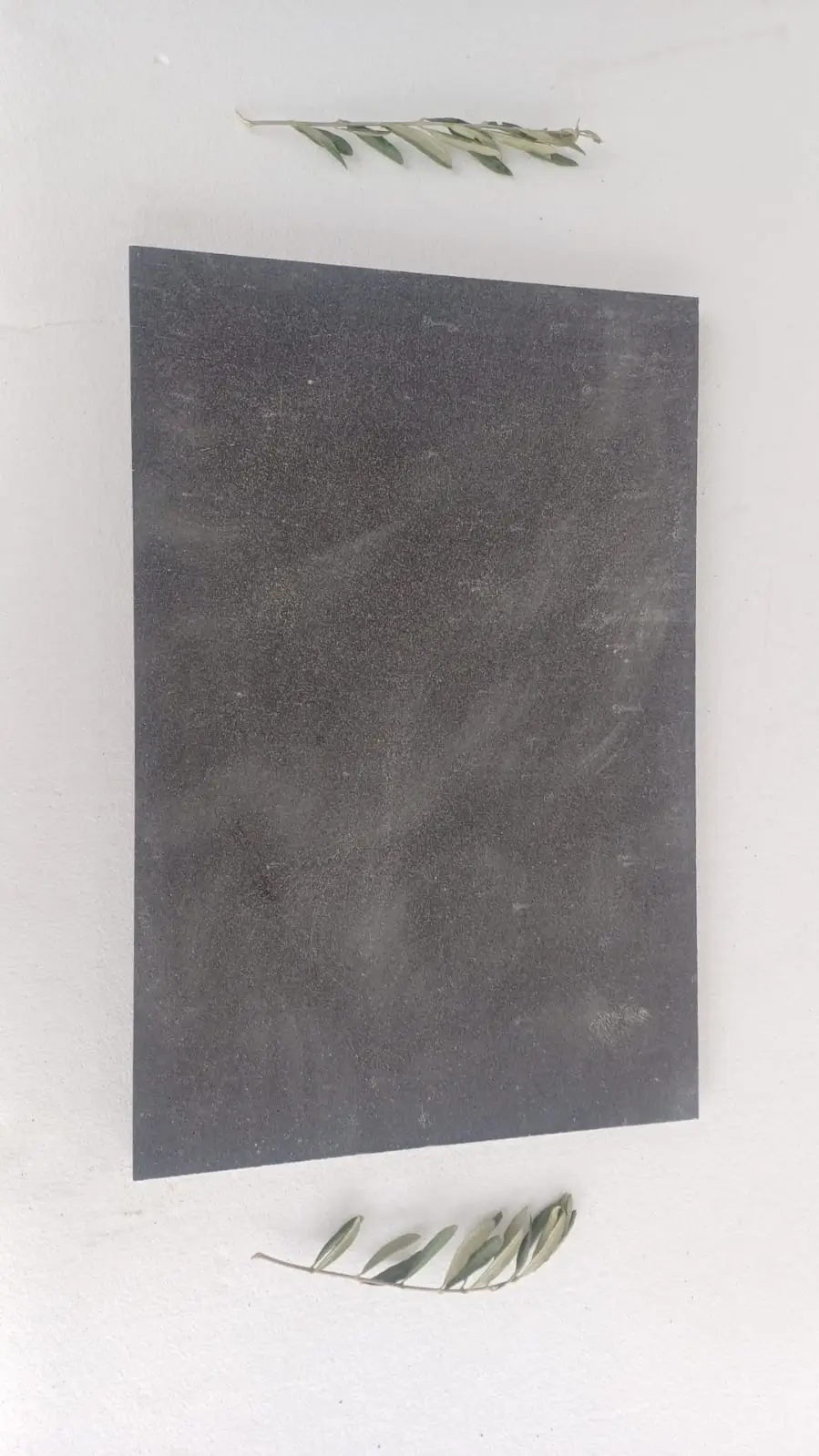
Your project timeline for how to install bluestone patio pavers in Arizona should account for material lead times before you finalize your construction schedule. Imported bluestone from standard distributors typically runs a 6 to 8 week lead time from order to delivery. Citadel Stone maintains warehouse inventory across Arizona, which reduces that window to 1 to 2 weeks for most standard sizes and thicknesses — a meaningful difference when you’re coordinating with a landscaping crew or concrete contractor on a fixed schedule.
Truck delivery access is another variable that catches homeowners off guard. A standard flatbed truck delivering palletized stone requires a minimum 12-foot clear width and a firm turning radius for your driveway approach. If your gate or side yard access is narrower than 10 feet, discuss drop-point options with your supplier before ordering — breaking down pallets and hand-carrying stone across soft soil introduces damage risk and adds significant labor time to your project.
In Phoenix and surrounding metro areas, most residential deliveries can be scheduled within a 3-hour delivery window, but summer heat means you should target morning delivery slots to minimize thermal stress on stone and crew alike. Coordinate warehouse pickup or delivery at least two weeks ahead of your installation start date to buffer against stock fluctuations on premium bluestone grades.
Professional Summary
Getting bluestone patio paver installation right in Arizona means treating the desert climate as a specification variable, not just a backdrop. Your base preparation depth, drainage geometry, joint spacing, polymeric sand selection, and sealer chemistry all shift when you’re working in an environment with 110°F summer peaks, monsoon-intensity rainfall events, and daily thermal swings that would stress even well-executed installations in more forgiving climates.
The installations that hold for 20 to 30 years in Arizona share one characteristic: every decision traces back to local conditions rather than generic manufacturer guidance. That means probing for caliche before excavating, specifying high-temperature polymeric sand, maintaining 2% drainage slope as a floor rather than a ceiling, and protecting your work from peak summer heat during the installation window itself. These aren’t best practices in the abstract — they’re the specific variables that separate durable desert hardscape from early replacement cycles.
As you build out your full Arizona hardscape specification, other natural stone materials you’re considering may also benefit from climate-specific maintenance guidance. Citadel Stone covers a range of desert-compatible stone products across the region, and How to Maintain Honed Basalt in Arizona’s Climate covers related stone maintenance considerations that inform how you think about natural stone performance across your entire outdoor project. Homeowners in Tucson, Mesa, and Chandler rely on Citadel Stone for bluestone patio pavers selected for consistent density and dimensional stability across Arizona’s wide temperature range.