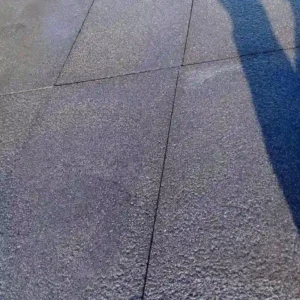
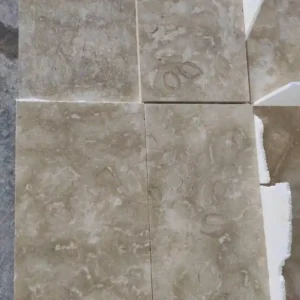
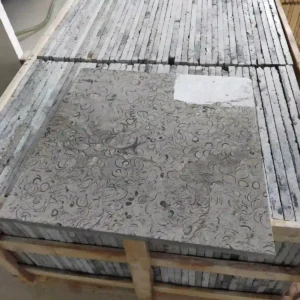
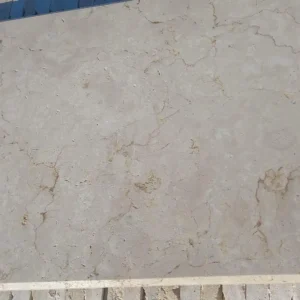

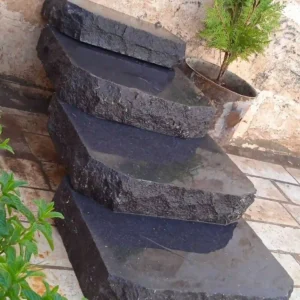
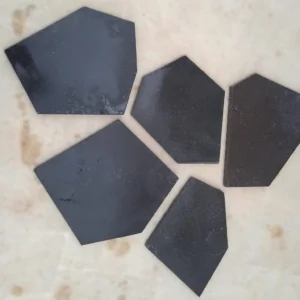
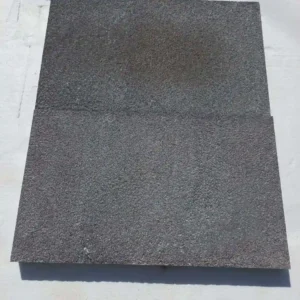
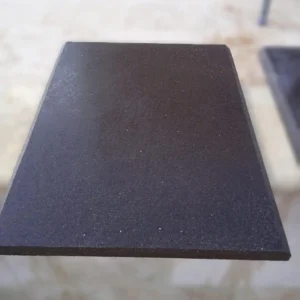
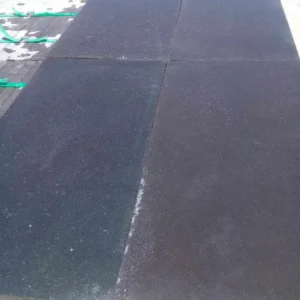
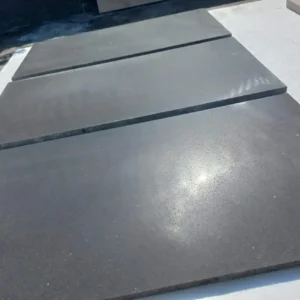
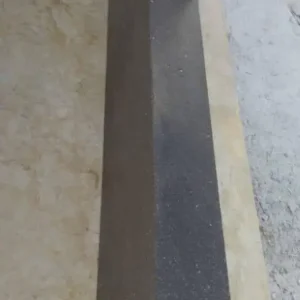
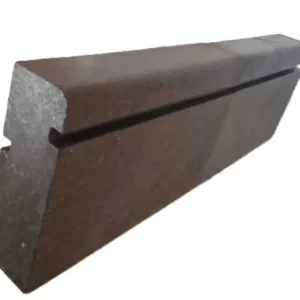
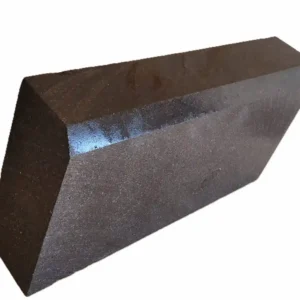
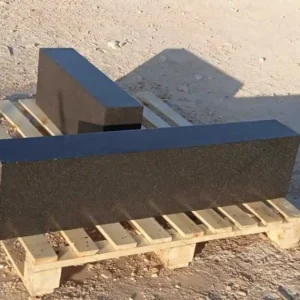
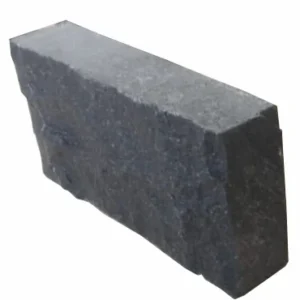
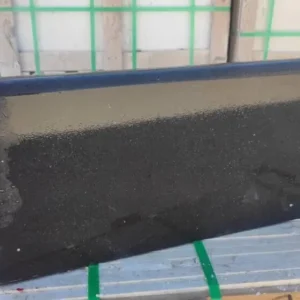
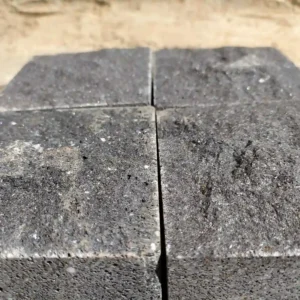
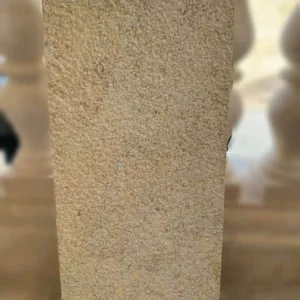
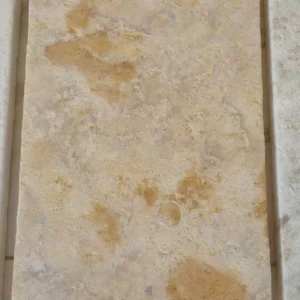
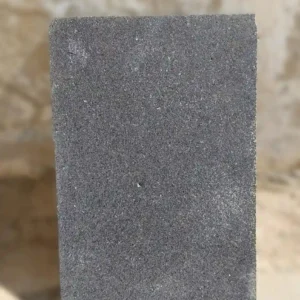
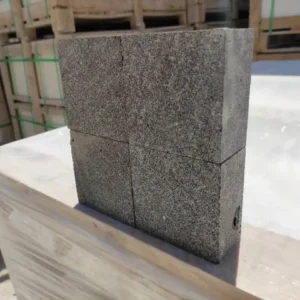
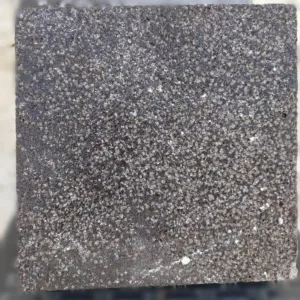
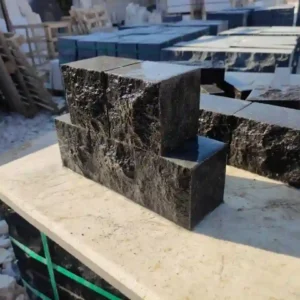
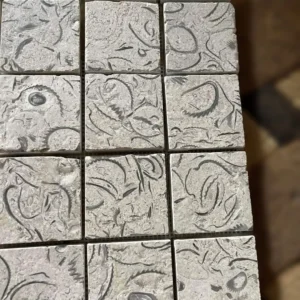
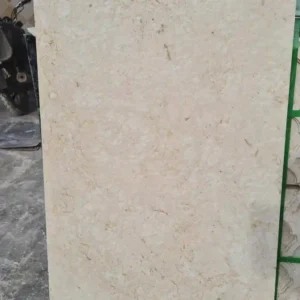
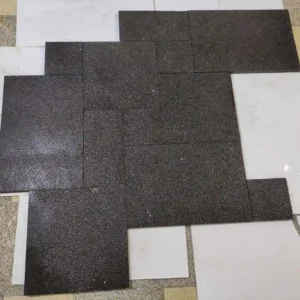
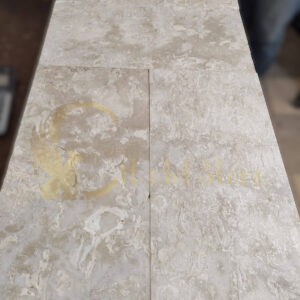
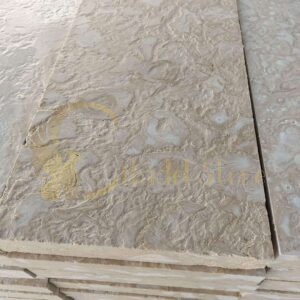
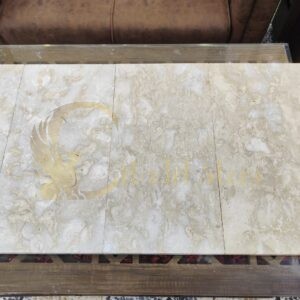

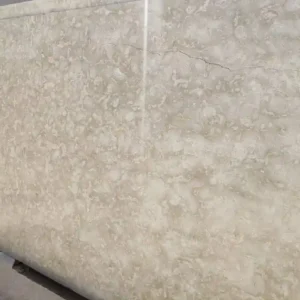
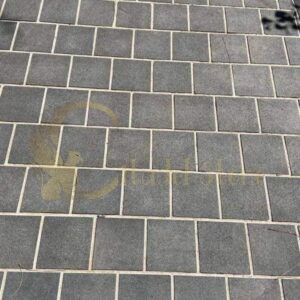

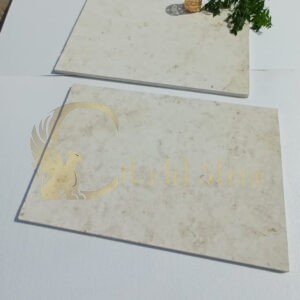
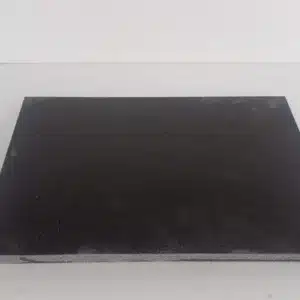
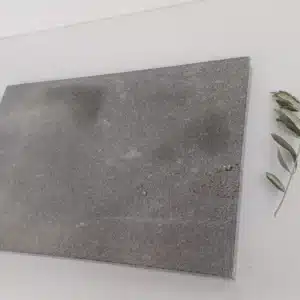
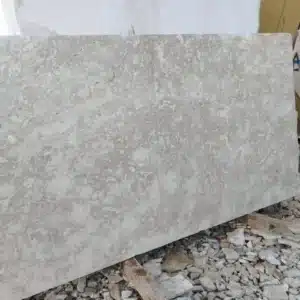

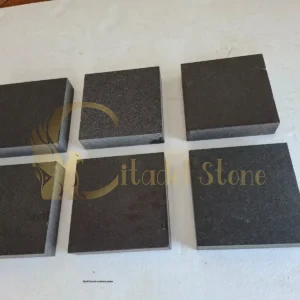
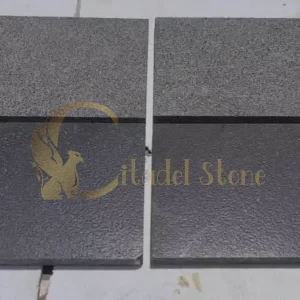


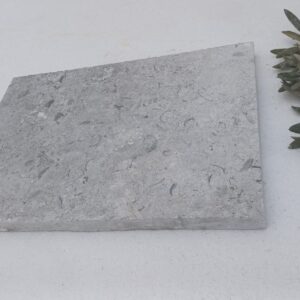
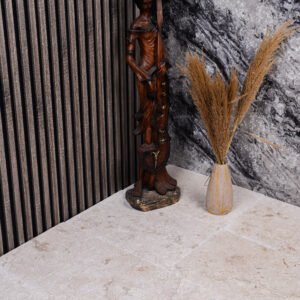
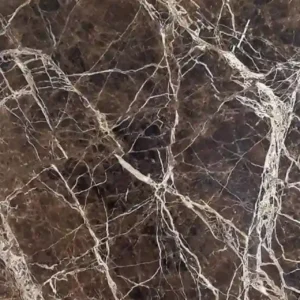
Scheduling your black patio blocks installation around Arizona’s thermal calendar separates the projects that perform flawlessly for decades from the ones that start showing joint failures within eighteen months. Thermal expansion coefficients for dense basalt and dark natural stone run approximately 4.8–5.6 × 10⁻⁶ per °F — meaning a 40-foot patio of black patio blocks in Arizona installed during peak summer heat and set with standard joint spacing will experience measurable contraction stress the moment overnight temperatures drop below 80°F. Getting the timing right isn’t just a convenience; it’s a structural decision.
Why Installation Timing Defines Long-Term Performance for Black Patio Blocks in Arizona
Arizona’s thermal calendar creates three distinct installation windows, and only two of them reliably support the curing conditions that dark natural stone demands. The period between late September and mid-November is the most technically forgiving — substrate temperatures stabilize in the 65–85°F range, mortar and polymeric sand cure at the rates printed on manufacturer data sheets, and the diurnal temperature swing narrows enough that fresh joints aren’t being mechanically stressed before they achieve design strength.
The February-to-April window offers a secondary opportunity, but it requires more discipline. Early morning frosts in higher-elevation areas — particularly around Flagstaff — can drop substrate temperatures below 40°F overnight, which stalls polymeric sand activation and leaves joints mechanically weak even when they appear set. You’ll need to monitor soil temperature at 4-inch depth, not air temperature, before committing crews to full installation days.
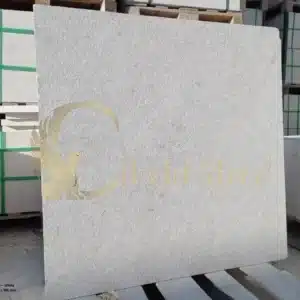
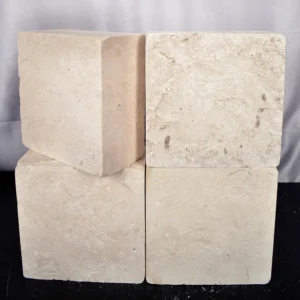
Citadel Stone stocks black patio stones in Arizona in standard slab formats — 12×24, 16×16, 18×18, and 24×24 nominal dimensions — with warehouse inventory typically allowing 7–10 business day lead times to most metro areas. Verifying warehouse stock before your installation window arrives prevents the scenario where your scheduling aligns with ideal temperature conditions but your material isn’t on site.
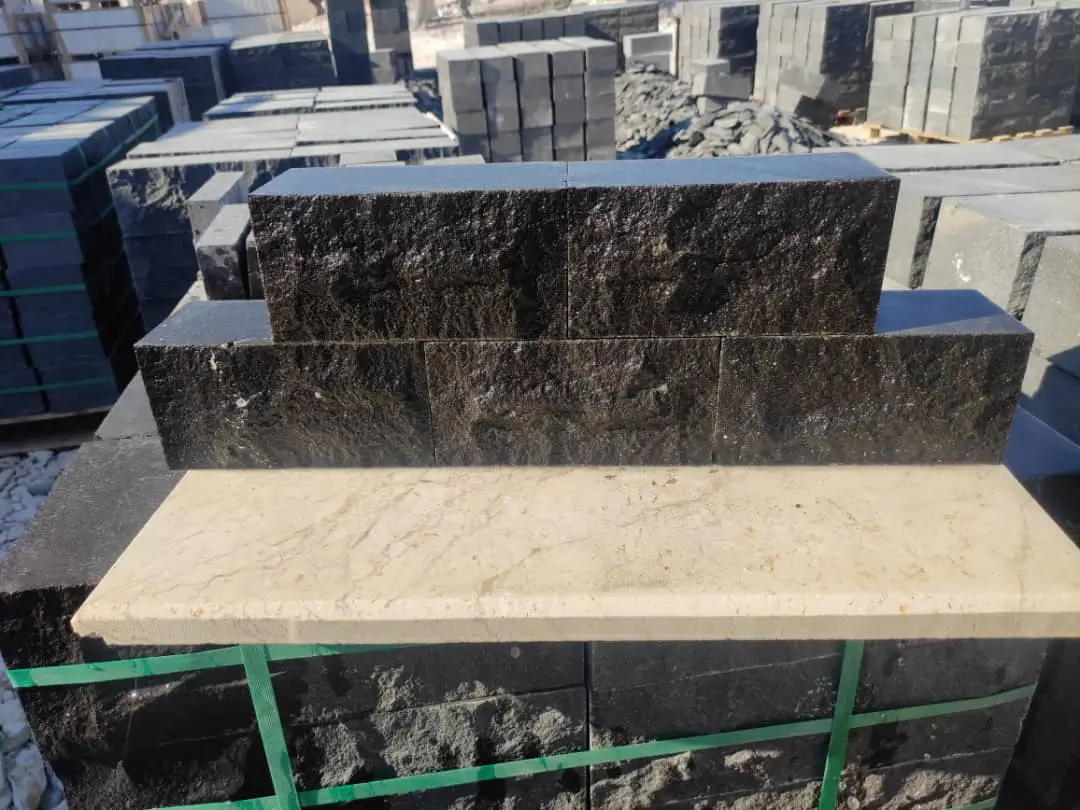
What Summer Installation Actually Does to Black Patio Stones in Arizona
Here’s what most project managers don’t account for: black patio stones in Arizona absorb and retain heat at a fundamentally different rate than concrete or lighter-colored alternatives. Surface temperatures on dark natural stone in Phoenix during July can register 155–165°F on a clear afternoon. That’s not an argument against the material — it’s an argument for understanding how that heat load affects your installation timeline.
Polymeric sand activated when substrate temperatures exceed 110°F cures unevenly. The surface skin sets within hours while deeper joint material remains plastic, which creates a delamination plane that traffic and thermal cycling exploit over the following months. You’ll see the joints start to ravel at year two or three and assume you have a product failure — but the failure mode traces back to the installation day in July, not the material.
- Substrate temperature at 4-inch depth should read 55–95°F at time of installation for reliable joint compound performance
- Adhesive-set applications require substrate temperatures between 50–100°F — the lower bound matters in February, the upper bound matters every summer month
- Mortar set times accelerate dramatically above 90°F substrate temperature, reducing your working window from 45 minutes to under 20 minutes
- Dark-colored slabs for garden installations absorb 30–40% more radiant heat than comparable light stone, compressing crew working hours to early morning shifts in summer
- Thermal shock risk increases when cold irrigation water contacts fully heated stone — plan irrigation system proximity during layout, not as an afterthought
Projects in Scottsdale that use black pavers patio installations frequently specify a 6 AM–11 AM installation window during transitional months to capture the optimal substrate temperature range before afternoon heat builds. That scheduling constraint affects labor costs, material staging logistics, and truck delivery windows — all of which you should factor into your project budget from day one.
Optimal Seasonal Windows for Black Patio Blocks in Arizona by Elevation Zone
Arizona’s elevation range — from 70 feet above sea level at Yuma to over 6,900 feet at Flagstaff — creates meaningfully different seasonal installation calendars for the same product. Treating the state as a single climate zone is one of the more expensive mistakes a specifier can make.
Low Desert Zone: Phoenix, Scottsdale, Yuma, Mesa
The low desert optimal window runs October through April with a hard exclusion on June through August. May and September sit in a gray zone — technically installable in early morning hours but requiring significant scheduling discipline. Your black patio blocks in Arizona projects at these elevations should target October start dates where the project schedule allows, giving your team the longest continuous window of favorable conditions.
- Primary window: October 1 – April 15 (substrate temps reliably within spec range)
- Secondary window: May 1–15 and September 15–30 with 5 AM–10 AM shift restriction
- Hard exclusion: June through mid-September for adhesive and mortar-set applications
- Sand-set dry-lay installations can proceed year-round with appropriate crew scheduling adjustments
Mid-Elevation Zone: Sedona, Prescott Region
Mid-elevation projects between 3,500 and 5,500 feet get a more extended window but face a different constraint — the freeze-thaw risk that low desert installers rarely encounter. At Sedona’s elevation, late November through February installations require frost monitoring even when daytime conditions look favorable. Black slabs for garden installations at these elevations should use penetrating sealers rated for freeze-thaw cycles, not just UV resistance.
High Elevation Zone: Flagstaff and Surroundings
The high elevation zone compresses the installation window dramatically. Reliable ground temperatures for mortar and adhesive applications run May through October, with the sweet spot landing in May–June and September–October. You’re working around monsoon moisture in July and August at these elevations, which affects joint curing and surface preparation protocols differently than the low desert drying challenge.
Base Preparation and the Timing Decisions That Determine Drainage Performance
Base preparation for black patio blocks in Arizona isn’t just about compaction ratios — it’s about sequencing the excavation and aggregate work within the right moisture window. Arizona’s clay soils, particularly the expansive caliche formations common across Mesa and Chandler, behave very differently depending on soil moisture content at time of compaction.
Excavating immediately after the monsoon season ends — typically late September — gives you soil at optimal compaction moisture content. You’re not fighting bone-dry caliche that fractures rather than compresses, and you’re not dealing with saturated material that holds voids. That compaction quality window directly supports the long-term stability of your black slabs for garden installation above it. For projects requiring complementary cost data, black patio blocks Arizona covers pricing frameworks that factor in base preparation requirements for different soil types and project scales.
- Target soil moisture of 10–14% at compaction for Arizona clay and caliche substrates
- Aggregate base depth: 4 inches minimum for pedestrian patio, 6 inches for mixed use with vehicle access
- Compaction to 95% Modified Proctor Density — verify with nuclear gauge, not visual inspection
- Allow 48-hour settling period after final compaction grade before beginning stone placement
- Install edge restraints before stone placement, not after — this sequencing error causes lateral creep that appears 18–24 months post-installation
In Chandler, expansive clay profiles typically require a geotextile separation fabric between native subgrade and aggregate base — particularly for black pavers patio installations exceeding 400 square feet where differential settlement becomes a visible aesthetic issue. The geotextile doesn’t eliminate clay movement; it prevents aggregate contamination that would otherwise compromise your drainage layer over time.
How Black Patio Stones Perform Under Arizona’s Thermal Load
Dark natural stone’s thermal performance in Arizona is a nuanced subject. The absorption rate is real — black patio stones in Arizona will read significantly hotter than light travertine under identical exposure — but the thermal mass advantage emerges after sunset. Dense basalt and dark slate radiate stored heat through the evening hours, extending outdoor usability in a way that thinner concrete pavers simply can’t match.
The practical implication for your project specification is barefoot comfort management. In spaces where afternoon foot traffic is expected, you’ll want to consider finish texture alongside color. A brushed or sandblasted finish on black stone reduces surface temperature by 15–22°F compared to a polished face — the texture creates micro-shadows that interrupt direct solar absorption. That finish decision belongs in your specification before you finalize your material order, not as an afterthought when the stone arrives on a truck.
- Polished black basalt: surface temps reach 155–170°F in direct Arizona sun — suitable for covered areas or spaces with afternoon shade
- Brushed or flamed finish: surface temps typically 130–148°F — more suitable for open patios with afternoon foot traffic
- Thermal mass benefit: dark dense stone releases stored heat 2–4 hours post-sunset, valuable in cooler months
- Black slabs for garden landscaping applications benefit from thermal mass in raised planter contexts where root zone warming extends growing seasons
- Slip resistance: ASTM C1028 wet dynamic coefficient of friction should read ≥0.60 for any patio application — verify finish specification against this standard before ordering
Sourced from established quarry partners, each batch that Citadel Stone receives goes through dimensional and visual consistency checks before it’s available for dispatch — because dark stone color variation is more visible than in lighter materials, and inconsistent batch mixing across your patio surface is a problem that becomes apparent only after installation.
Sealing Schedules and Maintenance Timing for Arizona’s Black Patio Materials
Arizona’s UV index — averaging 11–12 in peak summer months — degrades unsealed stone surfaces at a rate that surprises specifiers accustomed to other climates. Black patio stones don’t fade the way lighter materials do, but the surface structure degrades. Micro-abrasion from windblown particulates combined with UV degradation opens the stone pore structure, which then admits caliche dust that’s nearly impossible to fully remove without acid treatment.
Your sealing schedule should align with your installation timing in a specific way. Apply the initial penetrating sealer within 30 days of installation — not immediately after, because residual moisture from base preparation and joint activation needs to fully evacuate first. In the low desert, that moisture evacuation period runs 2–3 weeks. At higher elevations where humidity stays slightly higher, allow 3–4 weeks before first seal application.
- Initial seal: 21–30 days post-installation (low desert), 28–35 days (mid-to-high elevation)
- Resealing frequency: every 2–3 years in low desert, every 3–4 years at higher elevations with less UV intensity
- Use a penetrating silane-siloxane sealer rated for natural stone — film-forming sealers trap moisture and cause spalling in stone with moderate porosity
- Apply sealer in morning hours when substrate temperature is below 85°F — high-temperature application causes sealer to flash off before adequate penetration depth
- Inspect joint sand annually — monsoon season displaces joint material, and partial refill in October prevents the progressive joint failure cycle
The timing of your maintenance sealing should respect the same seasonal windows as installation. Sealer applied to stone at 140°F surface temperature won’t penetrate correctly — schedule autumn resealing as a standard maintenance protocol, treating it with the same timing discipline as the original installation.
Format Selection for Black Patio Blocks: Matching Stone to Application Context
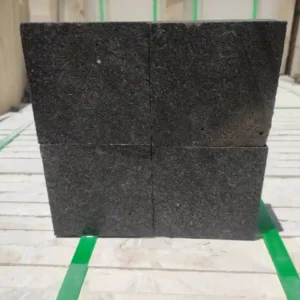
The format of your black patio blocks matters as much as the material itself for Arizona applications. Larger format slabs — 24×24 and 24×36 nominal — minimize joint exposure, which reduces the total volume of polymeric sand that needs to perform through Arizona’s thermal cycling. Fewer joints mean fewer potential failure points, and that’s a genuine structural advantage in climates that impose 80–100°F diurnal swings during transitional seasons.
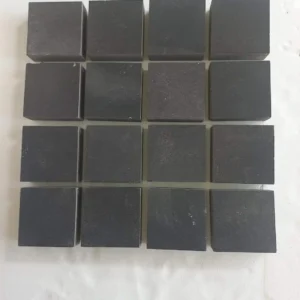
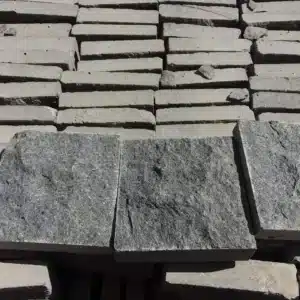
Smaller format black pavers patio installations — typically 4×8 or 6×9 brick patterns — offer greater design flexibility and allow for more complex layouts including herringbone and running bond patterns. The trade-off is joint density. A 400-square-foot patio in 4×8 brick format can contain 35–40 linear feet of joints per square foot versus 8–12 linear feet in a 24×24 format. Each one of those joints is a thermal expansion point and a maintenance interval.
- Large format (20×20 and above): recommended for open patio installations exceeding 300 square feet — lower joint density, more stable under thermal cycling
- Medium format (12×12 to 16×16): versatile for irregular spaces and mixed-pattern designs — black slabs garden applications work well at this scale
- Plank format (6×24, 8×24): increasingly specified for contemporary Arizona architecture — requires precise base flatness tolerance of ±1/8 inch over 10 feet
- Thickness: 1.25 inches (30mm) for pedestrian-only; 2 inches (50mm) for areas with occasional vehicle or heavy equipment access
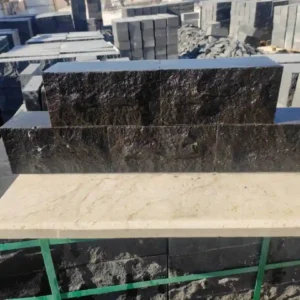
- Edge profile: natural cleft edges add visual interest but require 15–20% more cutting waste at borders — factor this into your material quantity calculation
At Citadel Stone, we recommend requesting physical samples before finalizing format selection for large projects — particularly for black stone, where the digital color representation rarely captures the full range of natural variation across a production run. You can request samples through our technical consultation process, and for projects requiring custom cuts or non-standard formats, our team can advise on lead times and truck delivery scheduling to align with your installation window.
Black Patio Blocks in Arizona — Get Trade Pricing from Citadel Stone
Citadel Stone supplies black patio blocks in Arizona across all three elevation zones, with warehouse inventory supporting most standard residential and commercial project scales. Available formats include 12×12, 16×16, 18×18, 24×24, and 24×36 in nominal dimensions, with thickness options at 1.25-inch and 2-inch for different load requirements. Brushed, flamed, and natural cleft face finishes are stocked across the primary format range.
Trade and wholesale enquiries receive specification support including batch consistency documentation, dimensional tolerances, and slip-resistance certification data. You can request sample tiles directly through Citadel Stone’s project consultation process — particularly useful before committing to large-format orders where color consistency across the full quantity matters. Lead times from warehouse to project site typically run 7–10 business days for in-stock formats across Phoenix, Tucson, Mesa, and most other metro areas, with extended lead times applying to non-standard sizes or high-volume orders requiring staged truck delivery.
For projects with defined installation windows — which in Arizona means you’ve already locked your October or March start date around optimal curing conditions — early material confirmation prevents the scenario where your scheduling aligns perfectly with the thermal calendar but your stone hasn’t cleared the warehouse yet. Contact Citadel Stone for current pricing, format availability, and delivery scheduling across Arizona. Dark stone specification for Arizona conditions extends beyond patio blocks alone — Black Slate Outdoor Paving in Arizona explores complementary hardscape material choices that share the same installation timing principles and inform both product selection and seasonal scheduling decisions for your broader project scope. For Arizona properties requiring lasting quality, Citadel Stone supplies black patio blocks engineered to withstand intense sun, dry heat, and the demands of desert living.