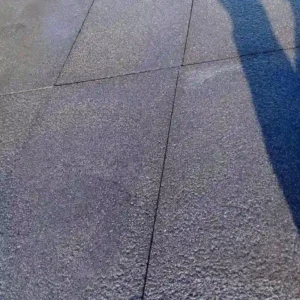
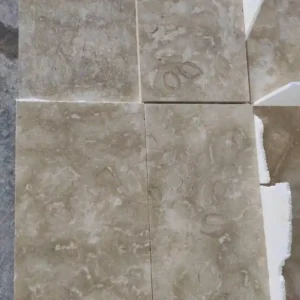
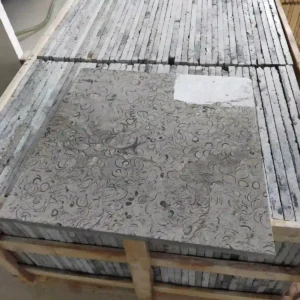
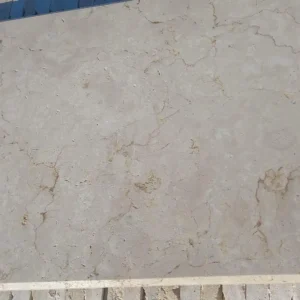

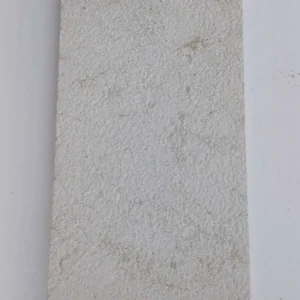
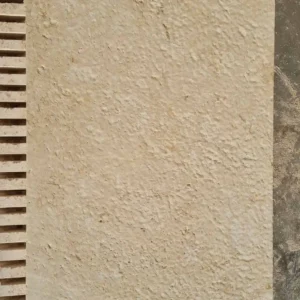
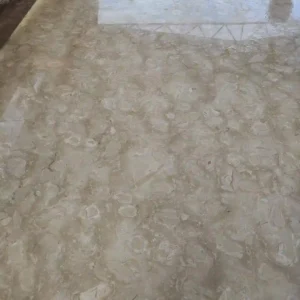
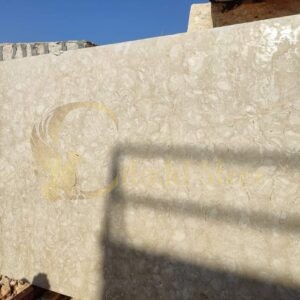
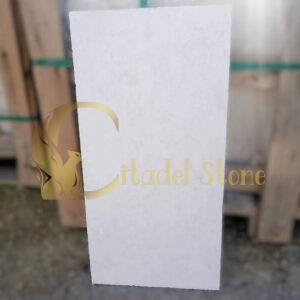
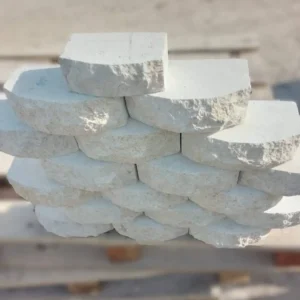
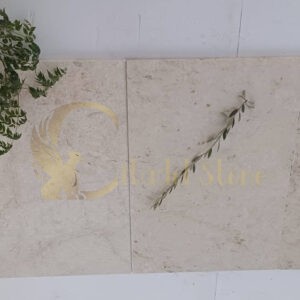
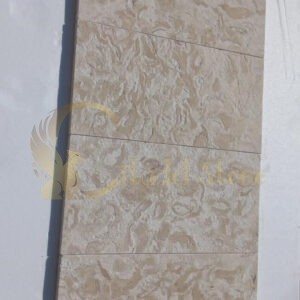
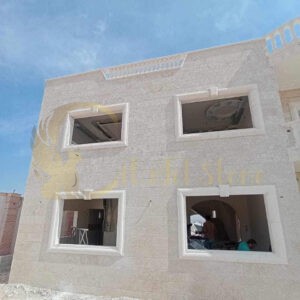
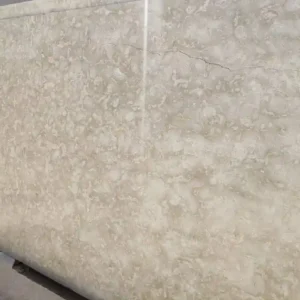
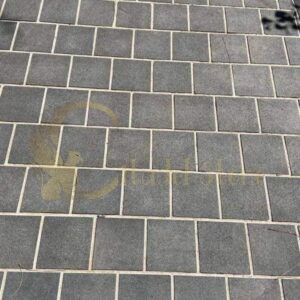

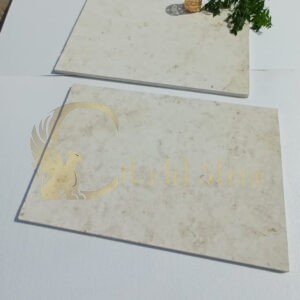



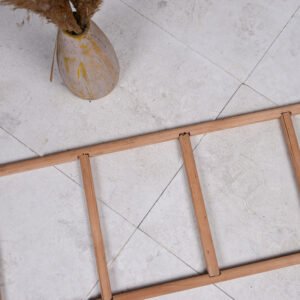
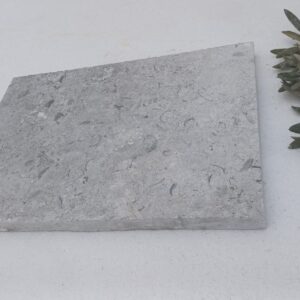
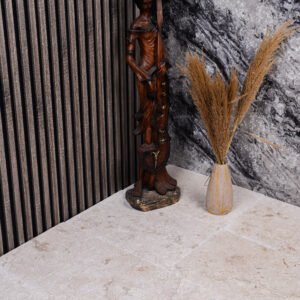
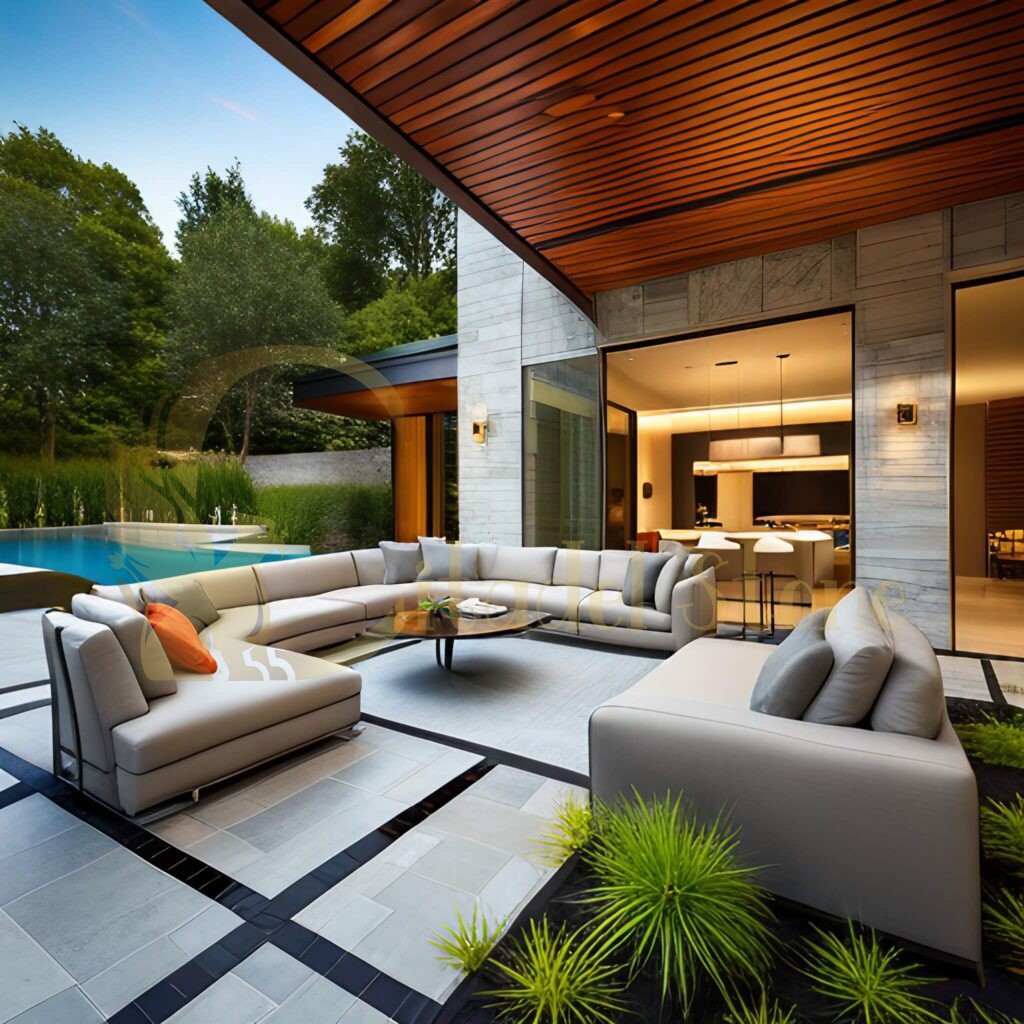
Stone selection for Arizona landscapes isn’t just a material decision — it’s a design language that serious designers and contractors must master before approaching any natural stone suppliers in Arizona. The color palettes that define Sonoran Desert architecture, the ochre hillsides of Sedona, the warm adobe traditions of historic Tucson neighborhoods — these visual references shape every specification a designer or contractor brings to a supplier. Getting the stone right means understanding those aesthetic conversations before you talk about compressive strength or base depth.
How Arizona’s Design Traditions Shape Stone Selection
Arizona’s architectural vernacular pulls from at least three distinct influences: Spanish Colonial and Pueblo Revival traditions that favor warm, earthy tones; the mid-century modern desert style of Scottsdale that pairs clean geometry with raw, textural stone; and the contemporary desert-organic aesthetic emerging in high-end residential developments where the landscape itself becomes the architecture. Each of these traditions demands something different from your stone palette.
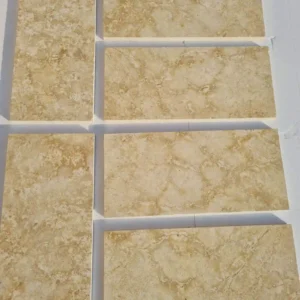
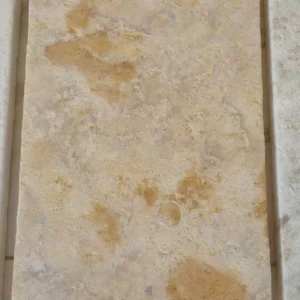
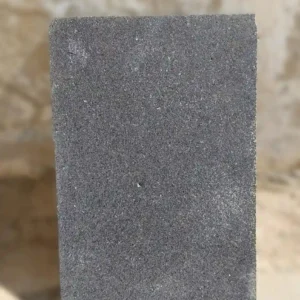
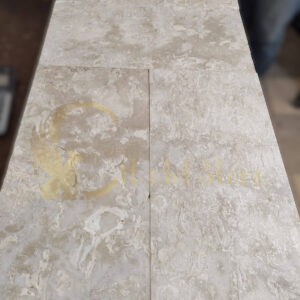
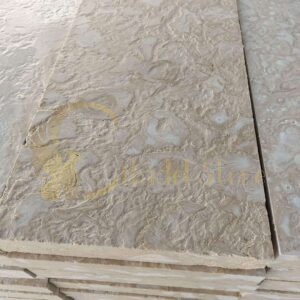
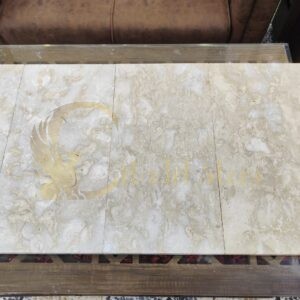
Natural stone dealers in Arizona who understand these regional design contexts will help you match material to setting far more effectively than a supplier who simply lists available SKUs. You’re not just buying a paver or a slab — you’re sourcing a visual element that either reinforces or disrupts the design narrative of the project. Warm-toned limestone and travertine tend to anchor Pueblo Revival and Spanish Colonial projects naturally, while basalt and slate in cooler charcoal and graphite ranges complement the clean lines of contemporary desert architecture.
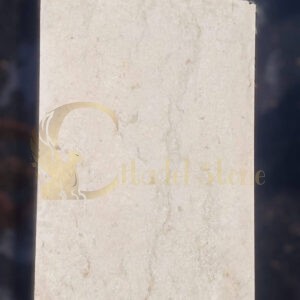
At Citadel Stone, we evaluate quarry batches specifically for color consistency — something that matters enormously when a designer has committed to a specific warm cream or a particular silver-grey tone across a 3,000-square-foot installation. Color variation within a delivered lot is one of the most common field complaints, and it’s largely preventable when your supplier conducts warehouse inspection before shipment.
Material Types You’ll Find From Natural Stone Suppliers in Arizona
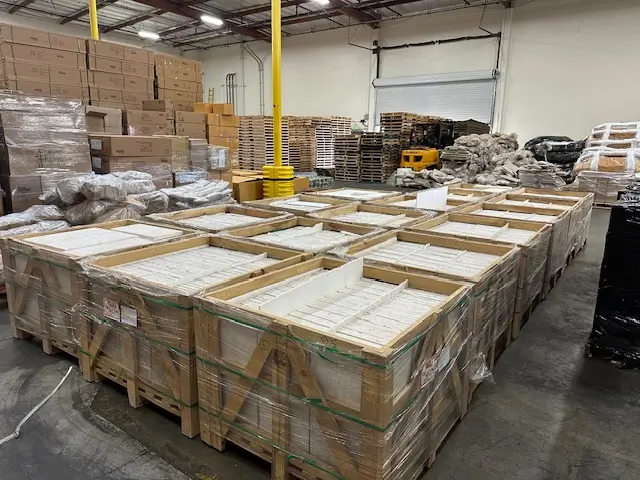
The range of stone available through established natural stone distributors in Arizona covers far more than the travertine and flagstone that dominate most residential specifications. Understanding the full material landscape helps you make better decisions — both aesthetically and structurally.
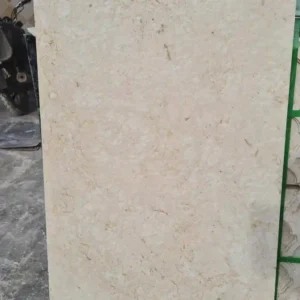
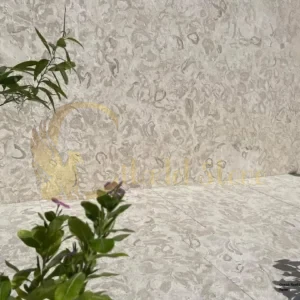
- Travertine: The dominant pool deck and patio material across the Phoenix and Scottsdale markets — its porous, matte surface stays cooler underfoot than concrete and its warm ivory and cream tones read naturally against desert landscaping
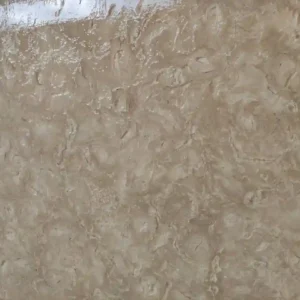
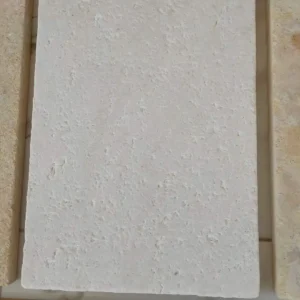
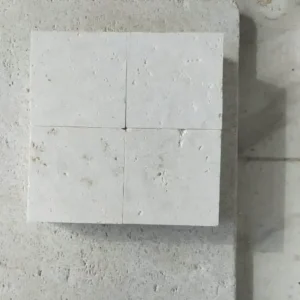
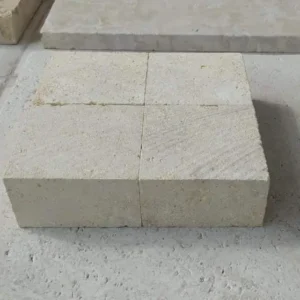
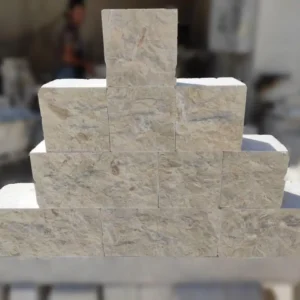
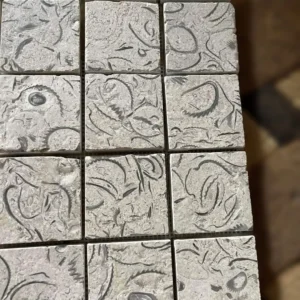
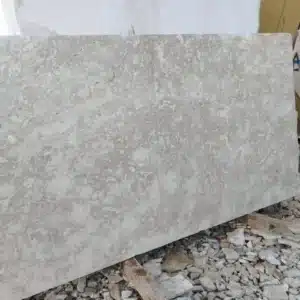
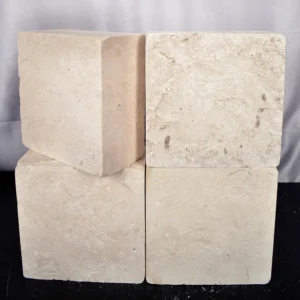
- Limestone: Available in cream, buff, grey, and tan ranges — works exceptionally well for driveways, garden walls, and outdoor living areas where a refined but natural look is the design goal
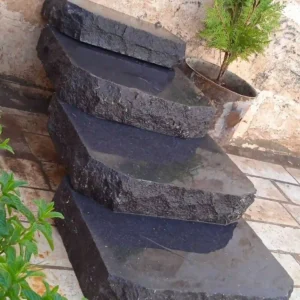
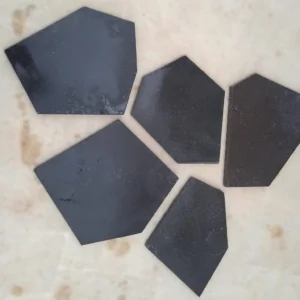
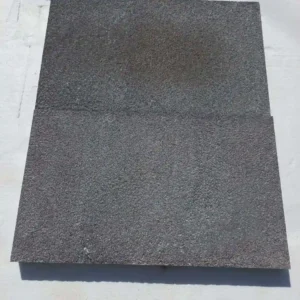
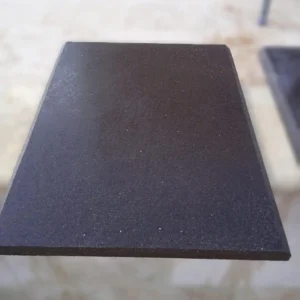
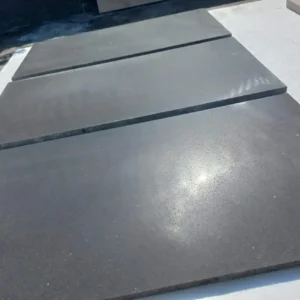
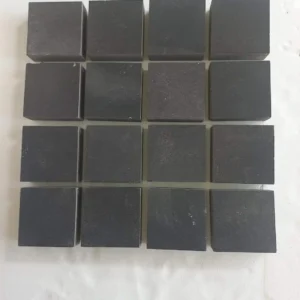
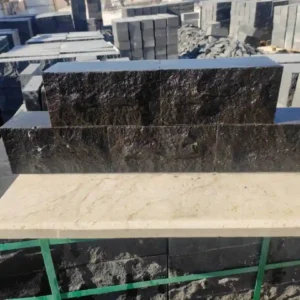
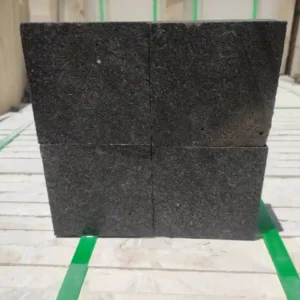
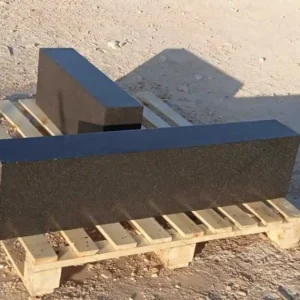
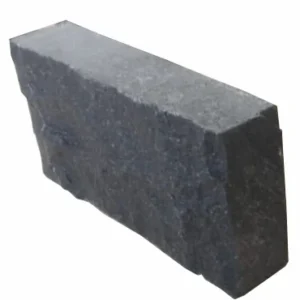
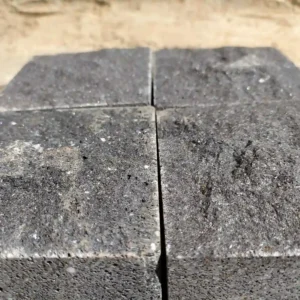
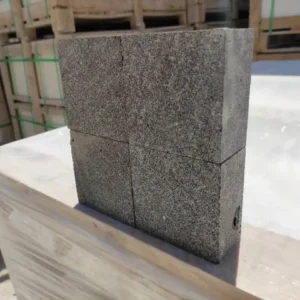
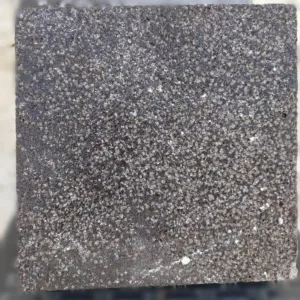
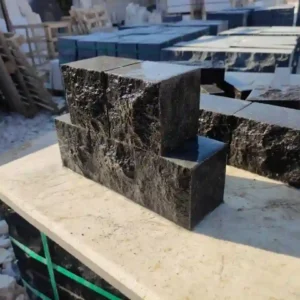
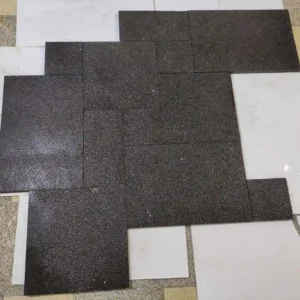
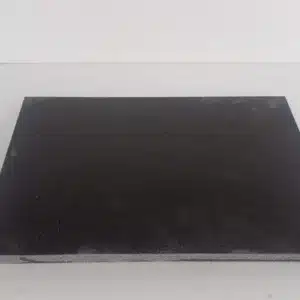
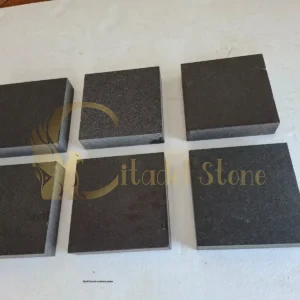
- Basalt: Increasingly popular in contemporary Arizona projects — its dark charcoal and graphite tones create striking contrast against desert-tone stucco and pale gravel landscaping
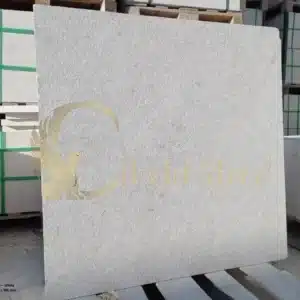
- Quartzite: Valued for its hardness and iridescent surface quality — cream, ivory, silver, and multi-toned options suit both Southwestern and contemporary applications
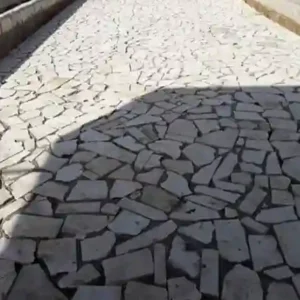
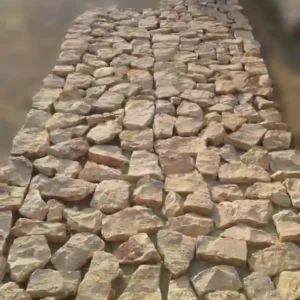
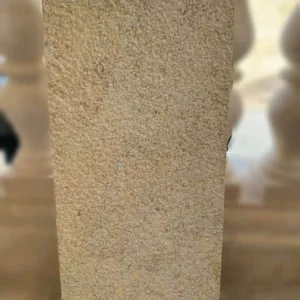
- Sandstone: The most traditional desert-tone material — its warm ochre, rust, and tan color palette connects directly to Arizona’s geological landscape
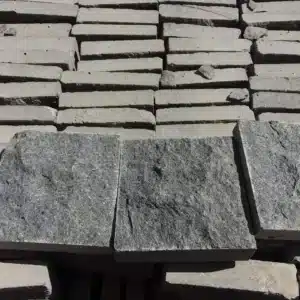
- Slate: Available in charcoal, graphite, and multi-colored options — commonly used for accent walls, water features, and garden stepping stone applications
- Granite: The go-to for high-traffic commercial and kitchen applications requiring maximum hardness and stain resistance
Natural stone wholesale suppliers in Arizona typically maintain warehouse inventory in the most commonly specified formats — standard paver sizes (12×12, 16×16, 18×18 inches), coping profiles, irregular flagstone, and dimensional slabs. For less common formats or non-standard thicknesses, confirm lead times before committing those materials to a project schedule, since specialty items may require a 4–6 week sourcing window depending on the quarry partner.
Color Palette Decisions for Arizona Landscapes
Color is where the real design work happens. Arizona’s landscape throws a lot of color at a project — the terracotta and sienna of the soil, the silver-green of desert scrub, the bleached bone of exposed caliche, the deep blue of a cloudless sky for nine months of the year. Your stone selection either harmonizes with those tones or creates intentional contrast, and neither approach is wrong as long as it’s deliberate.
For high-heat zones around Phoenix, lighter stone tones — cream limestone, ivory travertine, buff quartzite — reduce surface heat absorption meaningfully. That’s not just a comfort consideration; it’s a practical one when you’re specifying pool decking or outdoor living surfaces that homeowners will actually use in summer. Darker basalt and slate in graphite or charcoal ranges absorb and retain significantly more heat, which makes them better suited for vertical applications, accent walls, and garden features where foot traffic is limited.
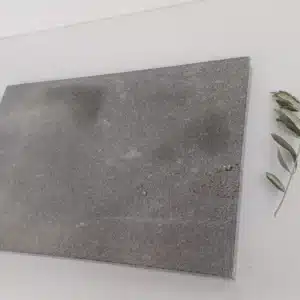
Silver and grey tones from natural stone wholesale suppliers in Arizona have grown considerably in popularity over the last several years, driven by the clean-contemporary aesthetic in new construction. These tones pair well with white and greige stucco exteriors and create a sophisticated counterpoint to lush, irrigated desert landscaping. The key is ensuring the grey you source has warm undertones rather than blue-cool undertones — blue-grey reads beautifully in Pacific Northwest or coastal projects but can feel incongruent against Arizona’s warm-toned surroundings.
What Separates Serious Natural Stone Dealers From Basic Distributors
Not all natural stone dealers in Arizona offer the same depth of service, and the difference becomes apparent quickly when a project gets complicated. Here’s what you should be evaluating when you’re choosing a natural stone distributor in Arizona for a significant project:
- Quarry traceability — the ability to tell you where a specific stone came from, which batch it belongs to, and what the quarry’s extraction standards are
- Warehouse stock verification — the capacity to pull actual inventory counts before you commit material to a timeline, not estimates based on historical order volumes
- Sample availability — access to actual material samples (not digital swatches) before you finalize the specification
- Technical consultation — staff who can talk through installation substrate requirements, thickness tolerances, and sealing compatibility, not just price-per-square-foot
- Truck delivery logistics — reliable scheduling with equipment appropriate for the site access conditions of your specific project
- Custom cut capacity or referral capability — for projects requiring non-standard profiles, coping shapes, or precision dimensional work
- Commercial and trade pricing structures — separate from retail, with account management for contractors who order at volume
Natural stone wholesale suppliers in Arizona who operate at a serious commercial level maintain consistent warehouse stock of high-turnover materials, which means you’re not waiting on a container ship every time you need a pallet of travertine coping. That operational depth is the practical difference between a supplier and a true distribution partner.
Installation Substrate and Base Preparation Across Arizona Conditions
Arizona’s soil profile varies dramatically from one region to another, and that variability shapes your base preparation requirements more than almost any other factor. The expansive clay soils common in parts of the Phoenix metro behave very differently from the granitic decomposed granite soils prevalent in the Tucson basin or the caliche-dominant profiles found across the low desert.
For most natural stone paver installations across the Phoenix metro and low desert elevations, a compacted aggregate base of 4–6 inches is adequate for residential pedestrian applications. Vehicular applications — driveways, service areas, commercial plazas — should increase that to 8–12 inches, with the upper range applying to sites with poor native soil bearing capacity. The critical variable most specifications miss is the sand setting bed depth: keep it at 1 inch nominal. Thicker sand beds invite long-term settling and rocking, particularly as thermal cycling works the joints over multiple seasons.
In Flagstaff, the calculus changes because freeze-thaw cycling introduces a different kind of stress on the installation system. At elevations above 6,500 feet, you’re dealing with genuine freeze-thaw cycles — not the occasional cold snap that the Phoenix metro experiences. Your base depth should increase to a minimum of 8 inches for pedestrian applications, and your jointing sand should be a polymer-modified product that maintains flexibility through freeze events. Standard dry-pack sand joints can heave noticeably after a single hard freeze if the installation wasn’t designed for that thermal range.
Sourced from established quarry partners, each batch of Citadel Stone natural stone is inspected for dimensional consistency — because an irregular nominal thickness creates real headaches at the setting bed stage, where even 3mm of variation across a pallet can throw your level off over a large field.
Thickness and Format Selection for Common Arizona Applications
Thickness selection is one of those specification details that contractors sometimes compress in the interest of material cost, and it’s a decision that tends to surface as a problem two or three years into the installation’s life. Here’s the practical range you should be working within:
- Residential patio and pool deck: 3/4 inch (20mm) minimum for travertine and limestone on a full mortar bed; 1.25 inches (30mm) for dry-lay applications on compacted aggregate
- Residential driveway: 1.5 inches (40mm) minimum for standard passenger vehicles; 2 inches (50mm) if the driveway serves any truck or service vehicle traffic
- Commercial pedestrian plazas: 1.5–2 inches depending on anticipated loading and foot traffic intensity
- Vertical cladding and feature walls: 3/4 inch to 1.25 inches is typical — thicker formats add unnecessary structural load without performance benefit
- Stepping stones and garden path applications: 1.5–2 inches ensures stability without rocking, particularly important on decomposed granite or gravel base situations
Format size selection interacts with the scale of the installation. Large-format slabs (24×24 and above) read beautifully in expansive outdoor living areas and create a clean, contemporary aesthetic — but they demand a more precisely prepared base and more experienced installation labor. Smaller formats (12×12 through 16×16) are more forgiving of minor base inconsistencies and work well in traditional and Southwestern design contexts where a more modular visual rhythm is appropriate.
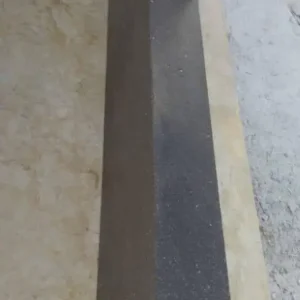
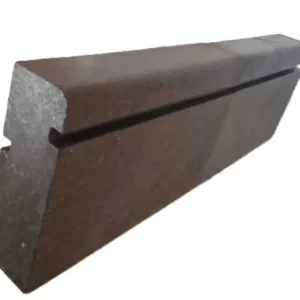
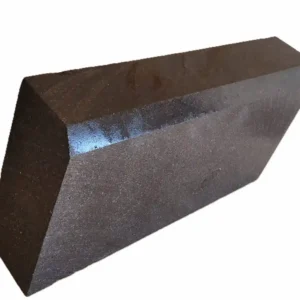
For projects requiring custom cuts or non-standard coping profiles, Citadel Stone’s team can advise on lead times and coordinate with fabrication partners — particularly important for pool coping specifications where the profile needs to match an existing bullnose detail or transition to a different material.
Sealing Requirements and Long-Term Maintenance for Arizona Natural Stone
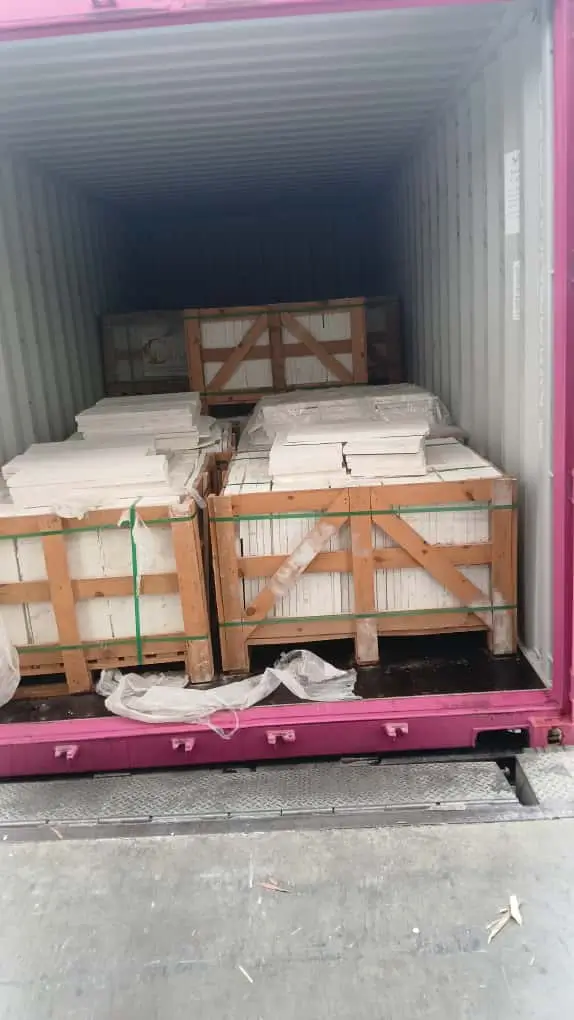
Arizona’s UV intensity is genuinely exceptional — significantly higher than most of the continental United States — and it affects both the appearance and the long-term performance of natural stone in ways that a lot of generic maintenance guides don’t address accurately. Sealers degrade faster here than product datasheets typically indicate, because those datasheets are usually written against temperate climate baselines.
For travertine and limestone in the Phoenix and Scottsdale markets, plan on a resealing interval of 18–24 months for penetrating impregnating sealers rather than the 3–5 year intervals some manufacturers claim. Topical sealers — the film-forming type that creates a gloss finish — tend to peel, yellow, and trap moisture in Arizona conditions, which makes them a poor choice for most exterior applications here. Penetrating sealers that allow vapor transmission are the correct specification for the desert Southwest.
The detail most maintenance programs miss is joint sand replenishment. Polymeric sand joints lose material gradually through foot traffic, water erosion, and ant activity — particularly in the desert where soil-dwelling insects are abundant. Checking joint fill levels annually and topping up where needed keeps the installation structurally sound and prevents edge chipping on the stone units. This is especially relevant for natural stone paver installations in high-use outdoor living areas. For detailed pricing considerations across stone types and project scales, Natural Stone Suppliers from Citadel Stone covers cost structures specific to the Arizona market — worth reviewing before you finalize your material budget allocation.
Evaluating Natural Stone Distributors for Your Project Scale
The natural stone distributor landscape in Arizona includes a wide range of operators — from large wholesale yards with broad inventory depth to smaller specialty dealers who focus on specific material categories or design aesthetics. Understanding which type of supplier fits your project’s requirements saves significant time and reduces the risk of sourcing problems mid-construction.
For residential projects under 2,000 square feet, most retail-oriented natural stone dealers in Arizona can service the order from warehouse stock without extended lead times. For commercial projects, large-scale residential developments, or any installation requiring material consistency across multiple phases, a natural stone wholesale supplier in Arizona with dedicated commercial account capacity is the more reliable choice. Volume pricing typically starts becoming meaningful at around 500 square feet of material, and at the trade level you should also expect technical support, delivery coordination, and sample access as standard parts of the service.
- Confirm that warehouse stock levels match your project’s full quantity before signing a material commitment — partial deliveries from multiple batches risk color variation across the installation
- Ask about truck delivery scheduling flexibility — site access constraints, HOA delivery hour restrictions, and material staging space all affect whether standard truck delivery works for your specific job
- Request documentation on stone origin and batch consistency for large-format or color-sensitive specifications
- Establish the returns and damaged-goods protocol before the first delivery — knowing that process upfront prevents disputes if a pallet arrives with breakage
- For commercial projects, ask about trade account terms and whether the natural stone distributor provides delivery manifests that work with your cost-coding system
Citadel Stone maintains warehouse inventory positioned to serve the Arizona market efficiently, which typically means truck delivery lead times of 1–2 weeks for in-stock materials — considerably faster than the 6–8 week import cycle that affects suppliers without regional distribution infrastructure.
Source Natural Stone Suppliers in Arizona for Your Next Project
Citadel Stone stocks natural stone in the formats and material categories most commonly specified across Arizona residential and commercial projects. Available inventory includes travertine pavers in standard 16×16 and 18×18 formats, limestone in tumbled and honed finishes, basalt in both paver and slab formats, quartzite in multiple color ranges, and sandstone flagstone for irregular and formal applications. You can request sample tiles or full thickness specifications from Citadel Stone before committing to any material — particularly useful for projects where the design team needs physical samples for client approval or color matching against existing hardscape elements.
Trade and wholesale enquiry processes are straightforward: contact the Citadel Stone team with your project dimensions, preferred material, finish, and timeline, and the team can provide current pricing, confirm warehouse stock, and arrange truck delivery scheduling across Arizona. Lead times for standard warehouse inventory run 1–2 weeks from order confirmation; specialty items, custom profiles, or large-volume commercial orders may require 4–6 weeks depending on quarry sourcing cycles. Delivery coverage extends across the state, including metro Phoenix, Tucson, and northern Arizona locations.
As you finalize your stone selections and project specifications, it’s worth exploring the full range of Citadel Stone’s Arizona supply capabilities. Stone Suppliers in Arizona provides a broader view of available materials, formats, and regional supply logistics that can inform your procurement strategy across project types. Contractors in Flagstaff, Sedona, and Yuma select Citadel Stone Natural Stone Suppliers for Arizona residential and commercial projects.