
Stone pricing in Arizona doesn’t follow a simple formula, and anyone who’s been specifying materials for high-value desert projects knows that a per-square-foot quote from a supplier tells you about 30% of what you actually need to know. Your natural stone pricing guide Arizona decisions have to account for grade variance, regional supply chain dynamics, and design-driven stone selection that matches the aesthetic character of each specific project — whether you’re specifying for a Sonoran desert xeriscaping installation or a contemporary minimalist courtyard. The difference between a well-budgeted project and one that blows past contingency reserves often comes down to how thoroughly you understand the pricing layers before you place your first order.
How Arizona’s Design Traditions Shape Stone Selection and Cost
Arizona’s architectural and landscape identity is one of the most distinctive in the country, and it directly influences what stone moves through the supply chain and at what price points. Projects built around desert xeriscaping — the dominant landscape tradition across the Phoenix metro, Chandler, and Peoria corridors — tend to gravitate toward warm-toned flagstone, buff limestone, and rustic travertine that visually connects built surfaces to the natural desert palette. Those stones carry different pricing structures than the cooler-toned basalt and dark granite that modern minimalist and contemporary commercial projects increasingly specify.
The design tradition matters to your budget because it shapes supply. Stones that align with Arizona’s dominant aesthetic — earthy, warm, textured — are stocked locally in higher volumes, which compresses lead times and eliminates some of the premium you’d pay for off-trend materials. Conversely, if your designer specifies a blue slate or a quartzite that reads more Pacific Northwest than Sonoran Desert, you’re looking at a sourcing surcharge that can add 20–40% over comparable locally-favored materials.
Understanding this regional design pressure helps you have a more informed conversation with your stone supplier early in the specification process. The goal isn’t to force every project into the same desert palette — it’s to understand the cost implications of diverging from it and factor those into your budget before design lock-in. This is where a reliable natural stone pricing guide Arizona professionals trust becomes genuinely useful: it anchors your early conversations in market reality rather than best-case assumptions.
Arizona Stone Grade Pricing Explained: What You’re Actually Paying For
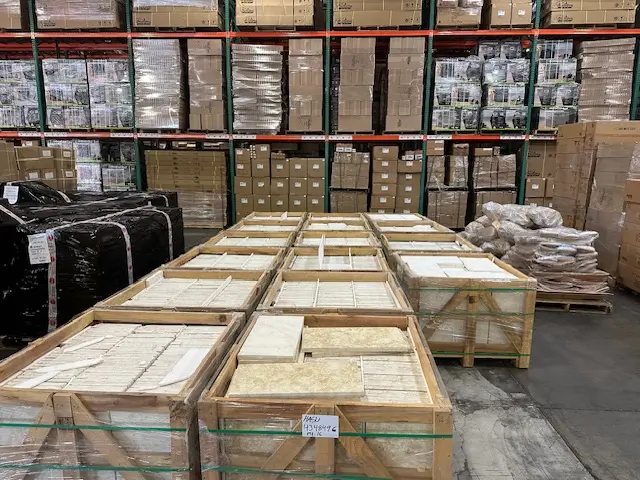
Grade designations are where most buyers get confused — and where budgets most often go sideways. Arizona stone grade pricing explained clearly comes down to four characteristics that suppliers evaluate at the quarry: color consistency, surface variation tolerance, edge geometry, and structural density per slab. Premium-grade stone means tight color banding, predictable surface texture, machine-cut edges within 1/16-inch tolerance, and consistent thickness throughout the lot. Select and standard grades introduce progressively more variation in all of those categories.
What this means practically is that premium-grade travertine or limestone can run 35–60% more per square foot than standard-grade material from the same quarry. For a 1,500-square-foot courtyard project, that delta is significant — but so is the labor savings on a premium-grade installation. Tighter dimensional tolerances mean faster layout, fewer cuts, and cleaner grout lines, which experienced installers will tell you can offset the material premium through reduced installation hours.
- Premium grade: Color consistency within one tone family, edge tolerance under 1/16 inch, thickness variance under 3mm per slab
- Select grade: Minor color variation acceptable, edge tolerance up to 1/8 inch, suitable for most residential and commercial applications
- Standard grade: Broader color range within species, tolerances up to 3/16 inch, appropriate for informal and naturalistic designs where variation enhances the aesthetic
- Irregular or tumbled grade: Surface and edge variation is intentional; pricing is lower per square foot but labor costs increase due to custom fitting requirements
For Arizona xeriscaping and naturalistic desert garden projects, standard and irregular grades often work beautifully — the organic variation complements dry-stack walls, decomposed granite groundcover, and native plantings. For contemporary minimalist installations or formal entry courtyards, you’ll need premium or select grade to achieve the clean, intentional aesthetic those designs require. Understanding Arizona stone grade pricing at this level of detail means you can hold a meaningful specification conversation with any supplier before a single quote is issued.
Stone Material Cost Factors in Arizona: Beyond the Base Price
The stone material cost factors in Arizona projects extend well past the supplier’s quoted rate per square foot. Thickness is the first variable that catches buyers off guard. Standard paving slabs come in nominal 1¼-inch (3cm) and 2-inch (5cm) thicknesses, and the price delta between them is typically 25–45% depending on the stone species. For pedestrian-only applications in residential landscapes, 1¼-inch material is adequate when your base is properly engineered. For driveways, pool surrounds with heavy equipment access, or any surface bearing concentrated point loads, you need 2-inch material — and your budget should reflect that from the start.
Finish type is the second major cost variable that specification documents often underspecify. Natural cleft, sandblasted, brushed, and polished finishes on the same stone species can vary by $3–8 per square foot at the supplier level. For Arizona’s intense UV environment, brushed and sandblasted finishes tend to hold up better visually over time than high-polish, which shows mineral migration and surface etching more clearly. The aesthetic choice and the performance choice often align here — another example of how Arizona’s design context naturally guides you toward more cost-effective options.
- Natural cleft: Lowest processing cost, best slip resistance, authentic texture — ideal for paths and informal terrace areas
- Sandblasted: Moderate processing cost, consistent appearance, excellent UV stability — strong choice for pool decks and high-traffic patios
- Brushed/antiqued: Mid-range cost, aged aesthetic that complements traditional colonial and Tuscan architectural styles common in Scottsdale and Peoria
- Polished: Highest processing cost, not recommended for exterior Arizona applications — prone to surface degradation under high UV and thermal cycling
Waste factor is the third cost driver most buyers underestimate. Standard square and rectangular patterns require 10% overage for cuts and breakage. Diagonal layouts bump that to 15%, and complex geometric or custom designs can require 20–25% overage. Your stone budget should include this from the first estimate — asking for it as an afterthought typically means a second warehouse trip, a potential dye-lot mismatch, and a delayed project close. Tracking these stone material cost factors in Arizona from the earliest budget draft protects you from the mid-project scramble that erodes both margins and client confidence.
Bulk Stone Purchasing Prices Across Arizona: How Volume Affects Your Cost
Volume pricing structures in Arizona’s stone supply market follow predictable thresholds, but the breakpoints vary meaningfully by supplier and material type. For most natural stone species, the first significant price break comes at 500 square feet — typically 5–10% below the standard retail rate. The next tier usually sits around 1,500–2,000 square feet, where you can expect 10–18% reductions depending on the stone and current warehouse inventory levels. Above 5,000 square feet, you’re typically negotiating a custom price tied to your delivery schedule and the supplier’s current stock position.
One thing that significantly affects bulk stone purchasing prices across Arizona is how well you understand your delivery requirements upfront. Truck access, unloading equipment, and delivery address all factor into the final cost per unit. Projects in Tempe with constrained site access — narrow residential streets, restricted delivery windows due to university traffic patterns — can see delivery surcharges that partially offset the bulk pricing discount you negotiated. Site logistics planning is part of your budget work, not an afterthought.
At Citadel Stone, we work directly with buyers to structure orders around project phase schedules rather than forcing a single bulk delivery. Staging materials from the warehouse across two or three truck deliveries often makes more logistical sense for large projects, and it protects your stone from on-site damage during extended staging periods. Arizona’s temperature swings between early morning and peak afternoon can stress freshly palletized stone if it sits exposed on a job site for weeks.
- 500–999 sq ft: Expect 5–10% volume discount over standard retail pricing
- 1,000–2,499 sq ft: Typical discount range of 10–15%, subject to current stock availability
- 2,500–4,999 sq ft: 15–20% discount common, with delivery scheduling flexibility as a negotiating tool
- 5,000+ sq ft: Custom pricing — negotiate delivery phasing, dye-lot consistency guarantees, and lead time commitments explicitly
For natural stone budget planning AZ projects at scale — large commercial or multi-phase residential builds — locking in pricing against a confirmed inventory lot matters. Natural stone has inherent color variation between quarry cuts, and a dye-lot mismatch on a phase-two delivery can create a visual problem that’s expensive to resolve after installation.
What to Look for in Natural Stone Suppliers in Arizona
Not every stone supplier in Arizona operates the same way, and the differences between them have real cost implications for your project. The most important distinction is whether your supplier sources directly from quarries or acts as a secondary distributor. Direct-quarry suppliers can offer meaningful price advantages on high-volume orders, tighter lot consistency, and better technical documentation — things like density test data, absorption coefficients, and country of origin. Secondary distributors carry more diverse inventory but typically add 15–25% to the cost structure.
For Chandler and the broader East Valley market, the supply chain for regionally popular limestone and travertine is well-developed. The area’s clay-rich soils and extreme summer heat cycles create specific base preparation requirements that experienced local suppliers understand well — their technical guidance on slab thickness and base depth is worth as much as their pricing. You’ll typically find competitive pricing from suppliers who have established import relationships and maintain meaningful warehouse stock. The challenge is that “competitive” can still mean paying a premium if you don’t know what the base cost structure looks like — which is why knowing your grade requirements and thickness specs before you call for quotes puts you in a significantly stronger negotiating position.
Technical support capability is another supplier differentiator that doesn’t show up in the price quote but affects your total project cost. A supplier whose team can confirm whether a specific limestone’s absorption rate is appropriate for your pool deck application — or advise whether a flagstone thickness is adequate for your base design — saves you from specification mistakes that are expensive to correct after installation. For detailed information on sourcing options and material classifications, Citadel Stone natural stone grades Arizona provides a useful reference for current product availability and grade specifications.
Stone Species, Desert Design, and What They Actually Cost
Arizona’s dominant landscape design traditions — desert xeriscaping, transitional Sonoran garden, Spanish colonial revival, and contemporary minimalist — each have stone species that perform best aesthetically and practically within them. Understanding the pricing landscape by species helps you align your material selection with your design intent and your budget simultaneously. A natural stone pricing guide Arizona buyers can rely on must treat species selection as a pricing variable in its own right, not a downstream decision made after the budget is set.
Travertine remains the workhorse of Arizona residential landscape design. It’s warm-toned, textured, and connects visually to the natural desert environment in ways that resonate strongly with the regional aesthetic. Pricing for Arizona-market travertine currently runs roughly $4–9 per square foot for standard and select grades in filled and brushed finish, with premium-grade tumbled travertine at the higher end of that range. Unfilled travertine — where the natural voids are left open — typically runs slightly lower in material cost but requires more careful application consideration for outdoor use in a desert climate where fine dust and debris can pack into voids over time.
- Travertine (filled, brushed): $4–9/sq ft depending on grade, strong fit for xeriscaping and traditional desert garden aesthetics
- Limestone (buff, cream tones): $5–11/sq ft, excellent for Spanish colonial and contemporary minimalist applications, broad availability in Arizona market
- Flagstone (Arizona sandstone, quartzite): $3–7/sq ft for natural cleft, authentic to regional vernacular design, highly variable color range
- Basalt (dark gray to black): $8–15/sq ft, strong fit for modern minimalist and water feature applications, higher import content in Arizona market
- Granite (flamed or sandblasted): $9–18/sq ft, premium pricing, exceptional durability for high-traffic commercial applications
These price ranges reflect general market conditions and don’t account for lot-specific premium or shipping surcharges. Your actual quotes will vary based on order volume, delivery requirements, and current warehouse availability — but they give you a defensible baseline for early-stage natural stone budget planning AZ projects before you’ve locked in a supplier relationship.
Arizona Stone Budget Planning: Building a Number That Holds
A budget that holds through project completion is built on a different structure than a simple material cost estimate. Your natural stone pricing guide Arizona budget needs to account for material, delivery, waste, installation, and ongoing maintenance — and it needs a contingency buffer that reflects the real variability in natural stone projects rather than the optimistic number that looks good on a proposal.
The projects that blow budgets almost always trace back to the same sequence: material was specified at grade X, field conditions required grade Y, the switch happened mid-project, and the cost delta came out of somewhere painful. Peoria‘s residential landscape market has seen this pattern repeatedly in large master-planned community projects where early specifications were locked in at standard-grade pricing and premium-grade substitutions were requested during design development. The area’s expansive soils also introduce sub-base engineering variables that can affect slab performance if thickness and base depth aren’t aligned from the start. Locking grade and species before the budget is formalized prevents costly mid-project pivots — and that requires a specification conversation with your stone supplier, not just a square-footage quote.
Your complete project budget should build from these layers:
- Material cost: Base price per square foot multiplied by net area plus waste factor (minimum 10%, up to 25% for complex layouts)
- Delivery: Truck delivery cost based on site access, total tonnage, and delivery phasing requirements
- Installation: Labor rates for the finish type and pattern complexity specified — not a generic per-square-foot assumption
- Base preparation: Aggregate depth, compaction requirements, and any sub-base engineering for your specific soil conditions
- Sealing: Initial sealer application cost plus a 5-year maintenance reserve (annual reapplication for most Arizona exterior applications)
- Contingency: 10% minimum for residential, 15% for complex commercial or multi-phase projects
The sealing line item deserves specific attention in Arizona budget planning. High UV exposure and thermal cycling accelerate sealer degradation — most quality sealers on Arizona exterior stone need annual inspection and reapplication every 1–2 years rather than the 3–5 year intervals cited in generic product literature. Building that maintenance cost into your client’s budget from the start sets accurate expectations and protects the investment. These are the stone material cost factors in Arizona that separate a well-structured proposal from one that creates problems at project close.
Ordering, Logistics, and Lead Times That Affect Your Project Schedule
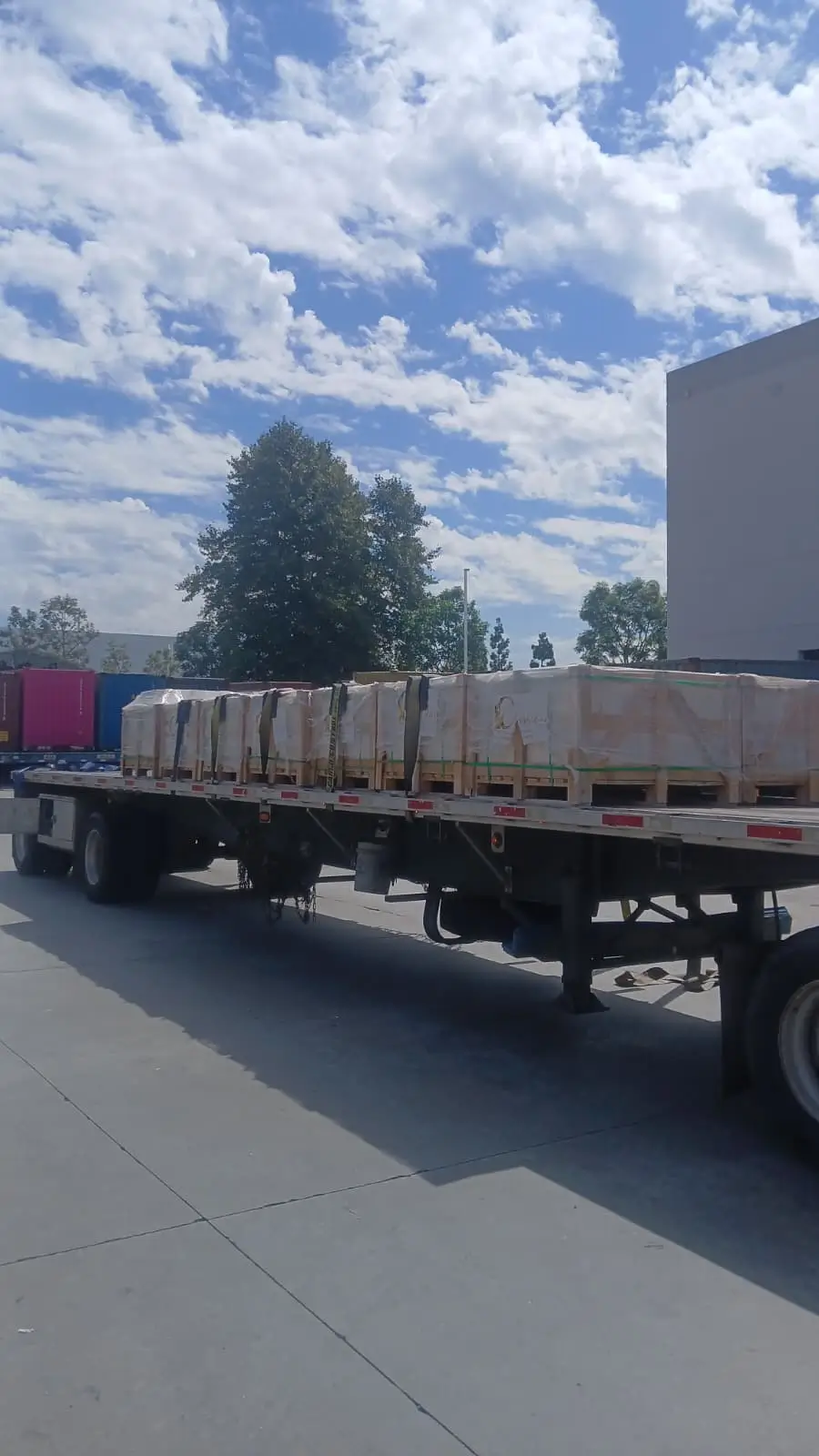
Lead times are one of the most underestimated cost variables in natural stone projects — not because they add direct cost, but because delays create schedule compression that does. For stocked Arizona-market materials like travertine and buff limestone, warehouse availability typically supports 1–2 week lead times from confirmed order to truck delivery. For specialty stones, imported premium grades, or non-standard thicknesses, you’re looking at 6–10 weeks from order to delivery, and that window needs to be built into your project schedule from the procurement phase.
The practical implication is that your stone selection needs to be finalized well before the installation window opens — not during it. Projects that try to compress the procurement and installation timeline typically face one of two outcomes: a rushed material decision that doesn’t fully serve the design intent, or a schedule delay that pushes the installation into a more challenging weather window. Neither is free. Arizona’s summer heat between June and September creates installation conditions that require early morning work windows, additional labor for temperature management of setting materials, and adjusted joint spacing protocols that add time and cost to the installation.
- Confirm material species, grade, finish, and thickness at design development — not at construction document stage
- Place your order with at minimum 3–4 weeks of buffer ahead of the installation start date for stocked materials
- For custom or specialty materials, 8–10 weeks minimum buffer is prudent; discuss lead time explicitly with your supplier before committing to the project schedule
- Verify warehouse stock availability at order time — not at quote time, as inventory positions change quickly on high-demand materials
- Confirm truck delivery logistics, site access constraints, and unloading equipment availability before the delivery date to avoid costly redelivery charges
Our technical team at Citadel Stone recommends a pre-order stock confirmation call for any project over 1,000 square feet — it takes ten minutes and eliminates the risk of discovering a lot shortage after the budget and schedule are already locked. That kind of supply chain transparency is something you should expect from any serious natural stone supplier relationship. Coordinating warehouse releases around phased truck delivery schedules is standard practice for larger projects and worth discussing explicitly at the time of order.
What Matters Most for Natural Stone Pricing in Arizona
The most reliable natural stone pricing guide Arizona projects can be built around isn’t a spreadsheet formula — it’s a clear specification hierarchy that starts with design intent and works through grade, species, finish, thickness, and logistics in that order. Buyers who come to the market knowing exactly what aesthetic they’re serving, what grade they need to achieve it, and what volume they’re ordering consistently get better prices, better lot consistency, and fewer mid-project surprises than buyers who approach pricing as the first question rather than the last.
Arizona’s design traditions give you a genuine advantage here. The regional preference for warm-toned, textured stone means the materials that serve the dominant aesthetic are also the most readily stocked and competitively priced in the local market. Designing with that alignment rather than against it produces better outcomes on both the aesthetic and the budget side of the ledger. For a closer look at how different suppliers in the Arizona market compare on these dimensions, Arizona Stone Suppliers Compared: Which Is Best? walks through the key differentiators worth evaluating before you commit to a sourcing relationship.
The stone decisions you make in the specification phase — grade, species, finish, and volume structure — determine not just what your project looks like on day one, but what it costs to maintain over a 15–20 year horizon. That’s the investment frame Arizona buyers should be using when they evaluate cost per square foot. Contractors in Flagstaff, Gilbert, and Peoria working with Citadel Stone can access volume pricing structures tied directly to slab thickness and material classification across several product categories.