

Most contractor disputes with Arizona stone suppliers don’t start with bad material — they start with a vendor who couldn’t answer basic structural questions about load ratings, slab thickness compliance, or base depth requirements for local soil conditions. Comparing stone suppliers in Arizona means going well beyond price-per-pallet and asking whether a vendor understands the IBC amendments Arizona has adopted, how their product specs align with municipal plan-check requirements, and whether their technical team has ever actually stood on a job site in this state. Structural compliance isn’t a footnote in Arizona procurement — it’s the opening filter.
Why Code Compliance Should Define Your Supplier Selection
Arizona follows the International Building Code with state and county-level amendments, and those amendments have real consequences for material specification. You’ll find that municipalities in Maricopa County enforce specific requirements around minimum paver thickness, edge restraint specifications, and compacted base depths that not every supplier’s product line is designed to meet. A vendor who sources generically and can’t provide documentation of compressive strength, freeze-thaw resistance ratings, or wet DCOF results per ANSI A326.3 isn’t just inconvenient — they’re a liability on permit-required projects.
Natural stone suppliers in Arizona who understand local code environments can pull compressive strength data sheets, ASTM test results, and installation thickness certifications before you’ve even pulled your permit. That’s the baseline competency you should expect, not a premium service tier. The vendors who can’t produce this documentation quickly are telling you something important about their operational depth.
For residential projects under 200 square feet, permit requirements vary by jurisdiction — but commercial and HOA-governed properties almost universally require submittal packages that include material specifications. Your supplier’s ability to support that documentation process is a direct measure of their field-readiness.
Structural Requirements That Should Drive Your Material Spec
Arizona’s soil profile introduces structural variables that significantly affect which natural stone products will perform long-term. Expansive clay soils — particularly common in the East Valley — can generate subgrade movement of 1 to 3 inches seasonally, which means your paver thickness and base preparation must account for differential settlement. A 1.25-inch nominal paver on a 4-inch compacted base that works fine in a stable desert environment becomes a cracking problem on reactive soils within two to three years.
Here’s what separates experienced suppliers from order-takers: a knowledgeable vendor will ask about your soil report before recommending a product. For load-bearing applications, the general threshold you’ll work with is:
- Pedestrian-only residential paving: minimum 1.25-inch thickness, 4-inch aggregate base
- Light vehicular (passenger cars, occasional deliveries): 2-inch minimum thickness, 6-inch compacted base
- Heavy vehicular or commercial: 3-inch minimum with engineered base design and geotextile fabric
- Pool decks with structural cantilever: consult structural engineer — supplier specs alone aren’t sufficient
- Retaining wall applications: require engineering sign-off regardless of material
These aren’t arbitrary suggestions — they reflect the combined demands of Arizona’s heat-induced expansion cycles and its soil variability. Suppliers who give you a single thickness recommendation for every project haven’t thought carefully enough about structural variation.
How to Evaluate Natural Stone Vendors in Arizona
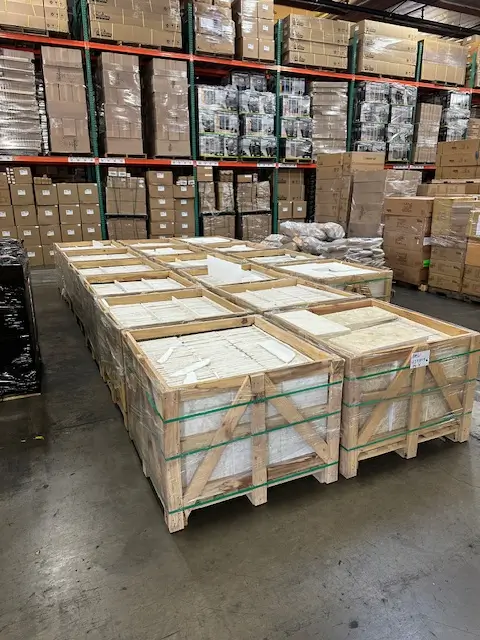
The evaluation framework for comparing stone suppliers in Arizona starts with documentation and ends with delivery reliability — but the middle of that process is where most buyers make expensive mistakes. Product quality is generally consistent across established vendors; what varies dramatically is technical support, warehouse inventory accuracy, and the ability to deliver consistent lot matching across phased projects.
When you’re evaluating vendors, run through these criteria before requesting a quote:
- Can the vendor provide ASTM test data for compressive strength, water absorption, and slip resistance for the specific material you’re specifying?
- Does their inventory include the full range of thicknesses your project requires, or will they substitute without flagging it?
- What is their documented lead time from warehouse to job site for your project location?
- Do they maintain consistent lot inventory for large orders, or will you get color variation mid-project?
- Can their technical team discuss base preparation requirements for Arizona-specific soil conditions?
- Do they have experience supporting permit submittal packages?
Vendors who check all six boxes are a meaningfully smaller group than the full list of stone sourcing options across Arizona suggests. That filter alone narrows your viable options considerably when you’re learning how to evaluate natural stone vendors in Arizona with any rigor.
Arizona Stone Supply Quality Comparison: What the Numbers Actually Mean
Compressive strength figures quoted on product sheets can range from 6,000 PSI to over 19,000 PSI for natural stone — and unless you understand what those numbers mean in context, they’re just marketing. Limestone used for residential paving typically ranges between 8,000 and 14,000 PSI compressive strength. Travertine sits lower, often between 5,000 and 9,000 PSI, which is why it requires more careful base design in Arizona’s high-load applications. Basalt and quartzite consistently exceed 15,000 PSI and are appropriate for commercial-grade vehicular surfaces.
Water absorption is the other number worth scrutinizing. Any Arizona stone supply quality comparison should always include absorption rate because it directly affects both sealing requirements and long-term structural integrity. Stone with absorption rates above 5% in Arizona’s extreme UV environment can experience accelerated surface degradation when unsealed — especially in south- and west-facing exposures. Premium vendors publish absorption data per ASTM C97; if a supplier can’t provide that number, weight that gap accordingly in your evaluation.
In Gilbert, where residential development density means most projects involve HOA design review boards, material documentation requirements have become increasingly specific — absorption rates, slip resistance certifications, and thermal reflectivity data are now commonly requested in submittal packages. Suppliers who aren’t prepared for that level of documentation scrutiny will slow your project timeline at the worst possible stage.
Seismic and Frost Considerations in Arizona Stone Specification
Arizona isn’t commonly associated with seismic risk, but the northern and eastern portions of the state — including areas along the Colorado Plateau — sit in seismic design categories that require you to consider joint flexibility and movement accommodation in your stone installation design. Rigid mortar-set installations without proper expansion joint planning in these zones have a documented history of surface cracking following minor seismic events. If your project is north of the Mogollon Rim, this deserves attention at the specification stage, not after the fact.
Frost line depth is a real variable for elevated Arizona projects. Below 2,500 feet elevation, freeze-thaw cycles are minimal and don’t typically drive material selection. Above 5,000 feet — think Flagstaff, Prescott, Show Low — the dynamic shifts completely. You’ll need stone with water absorption below 3% and a properly designed drainage layer beneath your base course to prevent frost heave. The IBC frost depth requirements for northern Arizona municipalities are 12 to 18 inches depending on jurisdiction, and your base design needs to reflect that, not the desert standard.
Trusted stone material providers that AZ homeowners and contractors rely on in elevated zones tend to be suppliers who stock multiple product lines specifically suited to these frost-depth requirements — not vendors who offer a single product tier across all elevations.
Sourcing Logistics and Delivery Reliability Across Arizona
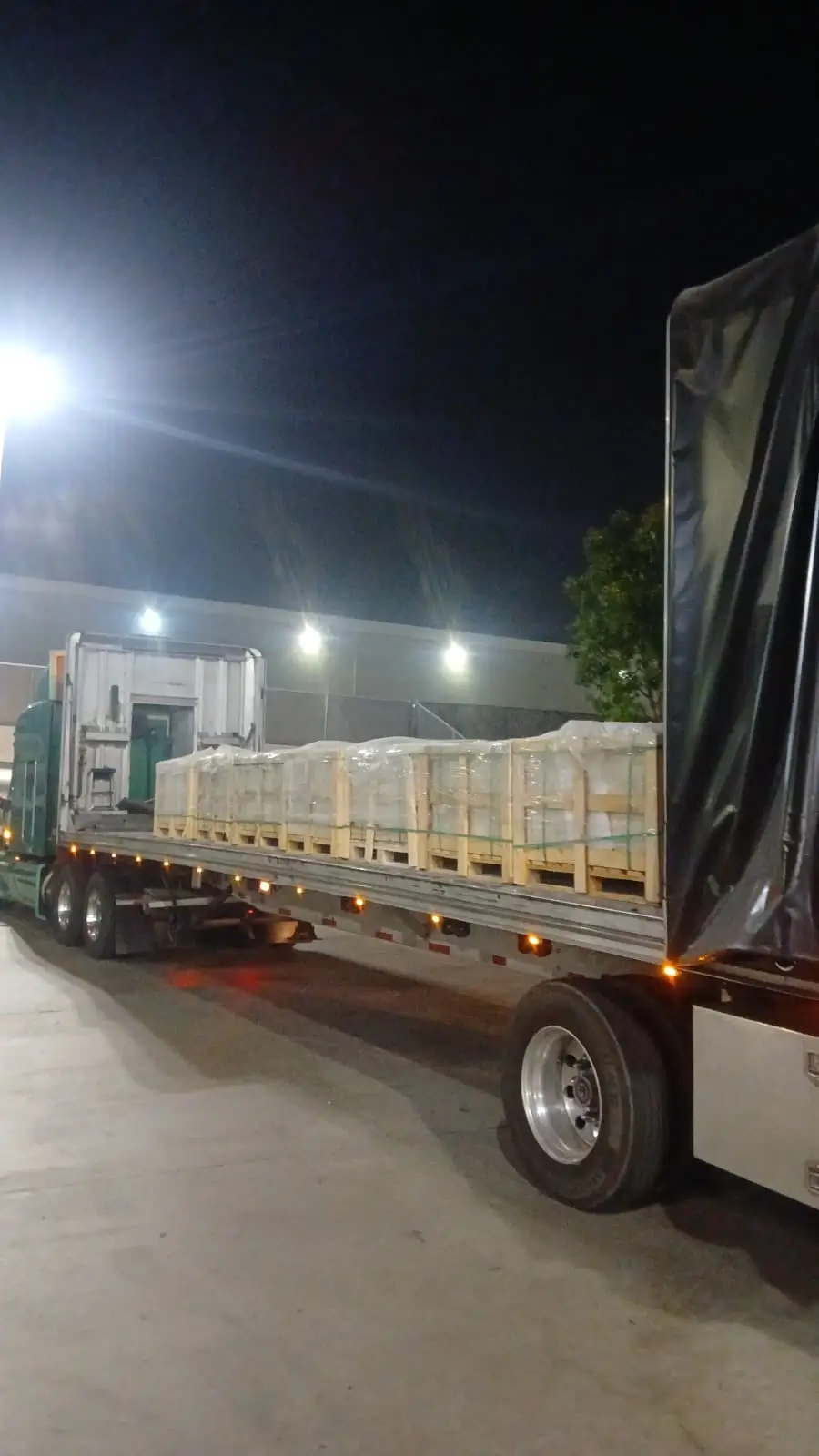
Your project schedule is only as reliable as your supplier’s warehouse inventory and truck delivery capability. This is particularly true in Arizona, where job site temperature windows during summer months compress your installation schedule significantly. If your stone doesn’t arrive within the planned window, you’re either rushing installation in 115°F ambient temperatures or delaying until fall — both of which affect project quality and cost.
Verify warehouse stock levels before you finalize your project timeline. Some suppliers maintain deep inventory on standard products but rely on import cycles for premium materials — that 6-to-8-week import lead time can derail a project that was scoped for 3 weeks of installation. At Citadel Stone, we maintain Arizona warehouse stock levels specifically to reduce that exposure, with lead times typically running 1 to 2 weeks on in-stock products. That kind of logistical reliability becomes a structural project requirement, not a convenience feature, when you’re working against heat-season installation windows.
Truck access logistics matter more than most buyers consider during the vendor evaluation stage. Your job site’s access constraints — particularly in established neighborhoods with narrow streets or sites with limited laydown area — affect how your delivery is staged. A supplier with only full-pallet, full-truck minimums creates waste and overage cost on smaller residential projects. Ask vendors specifically about partial-pallet availability and split-truck delivery options before you commit.
For projects in Yuma, where intense summer heat creates one of the most compressed installation windows in the state, delivery scheduling precision is especially critical. An unreliable truck delivery schedule in Yuma’s summer heat doesn’t just create inconvenience — it forces work into the hottest hours of the day, affecting both worker safety and setting times for mortar-set applications.
Product Range and Lot Consistency for Phased Projects
Here’s what most buyers discover too late: natural stone color variation between production lots is normal, but a supplier’s ability to manage and communicate that variation is what separates a smooth phased project from an expensive matching problem. If you’re staging a large residential project in phases — common in Arizona’s high-growth communities — your second and third material orders need to match your first. Not approximately match. Actually match.
Reputable vendors quarantine lot inventory for committed orders and track production batch numbers. When evaluating stone sourcing options across Arizona, ask specifically how each vendor handles lot reservation for phased deliveries. If the answer is vague, assume you’ll get variation. That’s a design and cost problem you can avoid at the vendor selection stage.
Product range breadth also matters more than buyers initially realize. A supplier with a narrow product line will push you toward materials that fit their inventory, not your specification. You want access to multiple stone families — limestone, travertine, basalt, quartzite, sandstone — across multiple thicknesses and finish options. That range gives your design the flexibility to respond to site-specific conditions rather than forcing a single material solution onto every application. Review our natural stone suppliers in Arizona approach to lot management and product range to understand how that flexibility translates to real project outcomes.
Comparing Stone Suppliers for Mesa and East Valley Projects
The East Valley’s combination of caliche soil layers, HOA-governed communities, and sustained high-volume residential construction has produced some of the most demanding procurement environments in the state. Builders and landscape contractors working in Mesa deal with a specific structural challenge: caliche hardpan typically appears at 18 to 30 inches depth, and while it provides a stable sub-base when properly prepared, it creates drainage challenges that affect your stone selection. Materials with higher absorption rates perform poorly in this environment when drainage isn’t correctly engineered beneath the base course.
Suppliers who understand this dynamic can help you spec accordingly — recommending lower-absorption stone families and providing technical support for drainage layer design. Vendors who don’t know the East Valley soil profile will give you a generic specification that creates warranty problems 18 months later. When comparing stone suppliers in Arizona specifically for East Valley projects, soil-aware technical support should be a primary evaluation criterion, not an optional service.
What Matters Most in Arizona Stone Procurement
The process of comparing stone suppliers in Arizona comes down to a set of structural and operational filters that most buyers apply too late in the procurement cycle. Lead with code compliance and documentation capability — suppliers who can’t produce ASTM data sheets and support permit submittals are not viable partners on regulated projects. Then evaluate structural awareness: does the vendor understand how Arizona’s soil variability, seismic zones, and elevation range affect material selection and base design? That knowledge is precisely what separates technically capable suppliers from product-only vendors when you’re learning how to evaluate natural stone vendors in Arizona under real project pressure.
Operational reliability — warehouse inventory depth, truck delivery scheduling, and lot consistency management — closes the gap between a good vendor and a reliable one. These aren’t secondary considerations; on phased projects and time-sensitive installations, they’re as structurally important as material quality. Your project’s long-term performance traces back to decisions made at the vendor selection stage, not just the installation stage. To see how material type choices connect to project budget planning in Arizona, Stone Costs vs Material Types: Which Is Better for Arizona? offers a practical framework for that next layer of decision-making.
Builders in Tucson, Mesa, and Chandler regularly compare natural stone suppliers in Arizona on product range and order consistency before selecting Citadel Stone as their primary material source.