

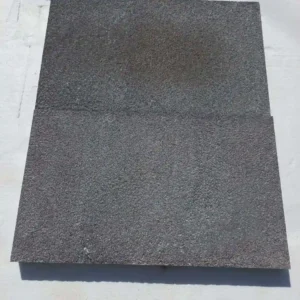
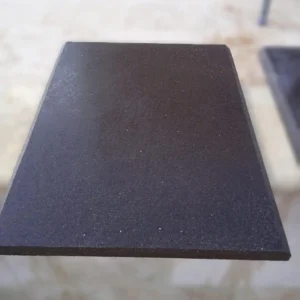
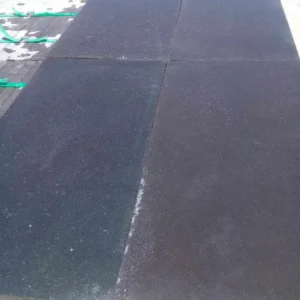

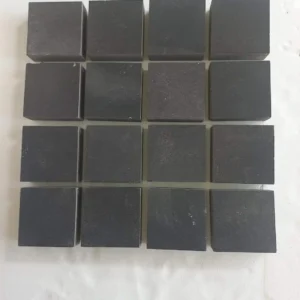
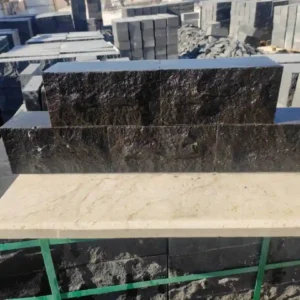
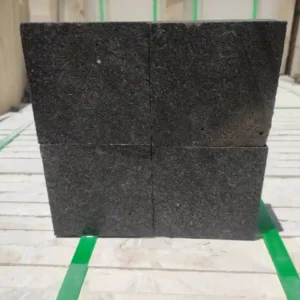


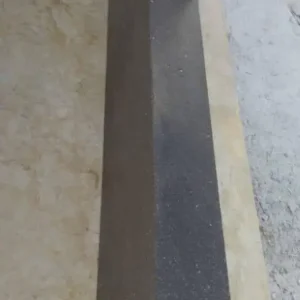
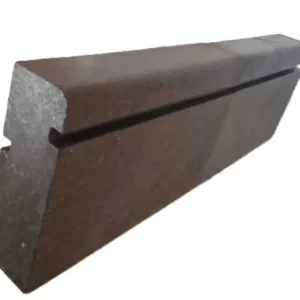
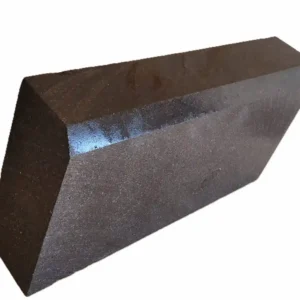
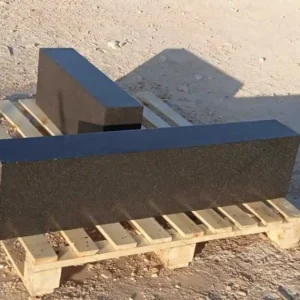
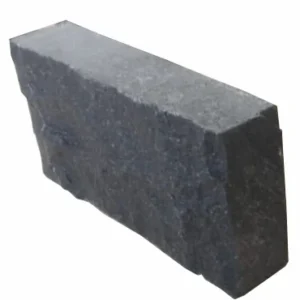

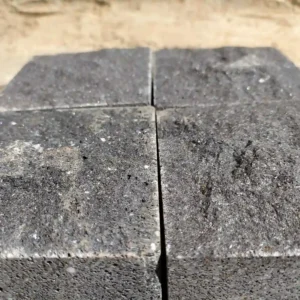

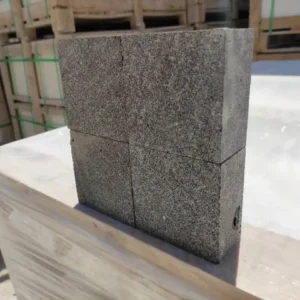
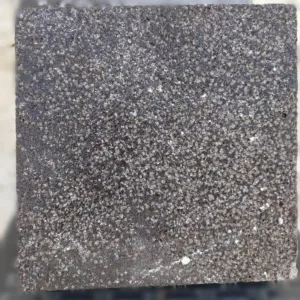
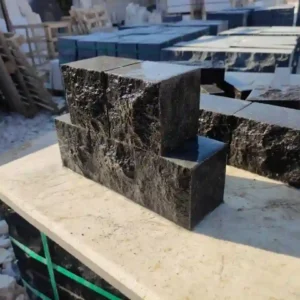
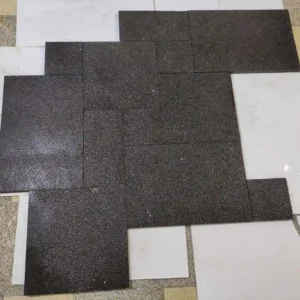
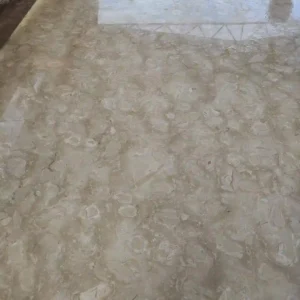


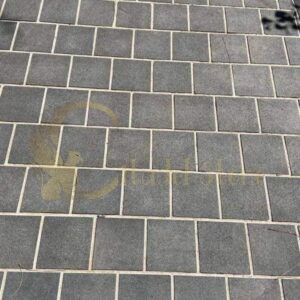

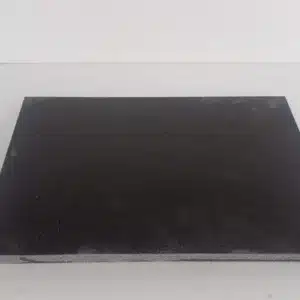
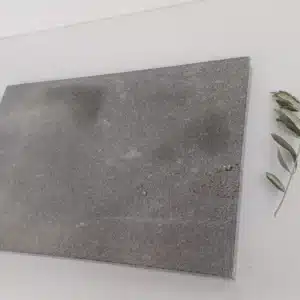
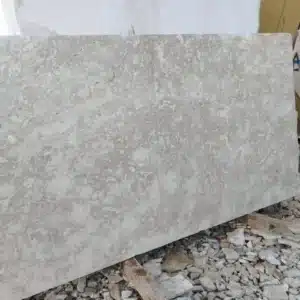

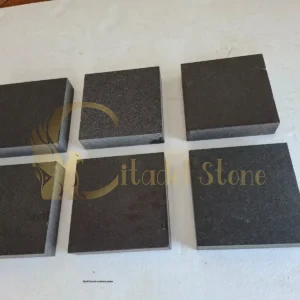


Graphite block paving in Arizona demands a specification approach that accounts for mechanical stress long before thermal performance enters the conversation. Monsoon-driven debris impact, haboob wind loads exceeding 70 mph, and hail events across higher-elevation zones all place compressive and shear demands on your surface that generic paving specs routinely underestimate. The 200x100x80mm format addresses these mechanical requirements directly — the 80mm depth isn’t incidental, it’s the threshold where individual unit resistance to lateral displacement under wind-driven forces becomes reliably predictable.
Wind and Storm Performance: Why Graphite Block Paving Holds Its Ground
The physics of block paving under wind load are genuinely different from what most specifiers consider. During a haboob event, surface pressure differentials across an unprotected paved area can generate uplift forces strong enough to displace units that weren’t bedded with sufficient interlock geometry. Graphite block paving in Arizona — dense, mechanically strong, and bedded in properly graded sharp sand — resists this through mass-per-unit combined with interlock friction, not adhesive bonding.
Pay close attention to joint sand selection for Arizona storm exposure. Polymeric sand rated for high-wind zones fills joint voids to 95% capacity and cures into a semi-rigid matrix that prevents individual unit rocking under repeated pressure cycling. Standard kiln-dried jointing sand washes out within a single monsoon season in Phoenix — a failure mode that starts as a maintenance nuisance and ends as a structural problem by year three.
- Wind uplift resistance improves significantly when edge restraints are mechanically pinned rather than adhesive-set, particularly on exposed driveway perimeters
- Hail impact on 80mm graphite units typically causes no structural damage — the unit density absorbs impact energy without fracturing
- Storm water drainage through permeable jointing reduces hydrostatic pressure buildup that can heave improperly bedded sections
- Haboob debris impact — including gravel and sand at high velocity — leaves surface scoring on softer pavers but generally leaves properly fired graphite block paving intact
Colour Range and Material Comparisons for Arizona Projects
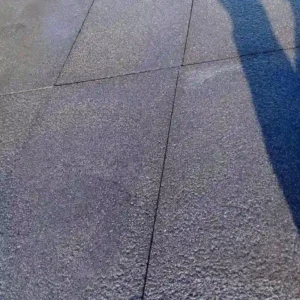
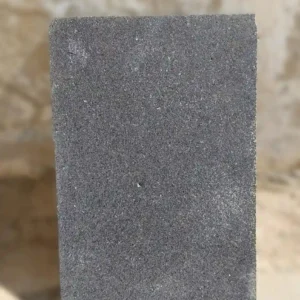
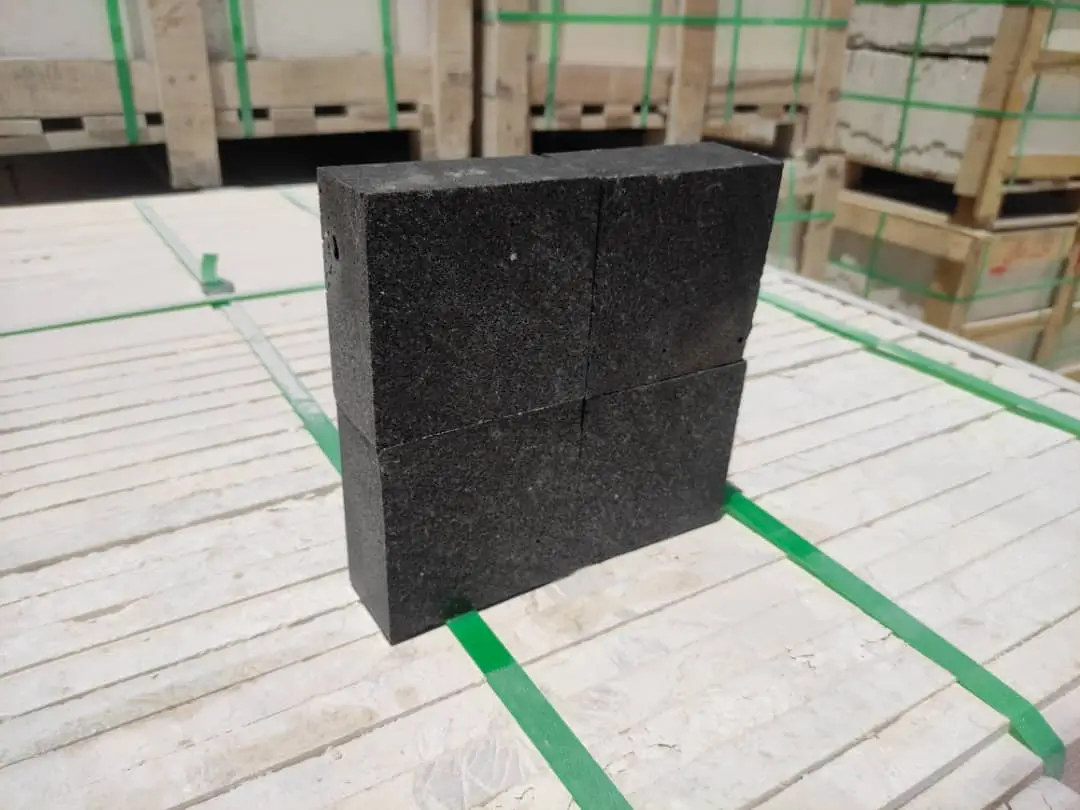
Graphite sits at the darker end of the block paving colour spectrum, and that positioning has practical consequences beyond aesthetics. Compared to beige block paving in Arizona, graphite units absorb more solar radiation — but the relevant performance question isn’t surface temperature in isolation, it’s how the colour interacts with your project’s storm drainage geometry and surface texture requirements.
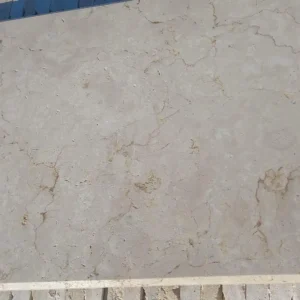
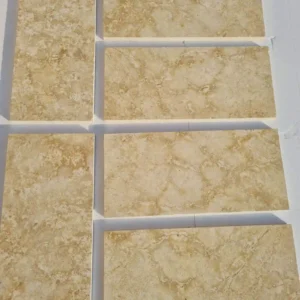
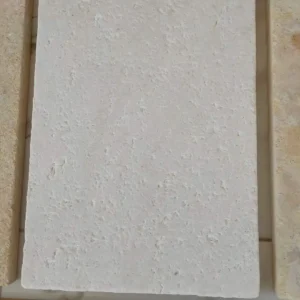
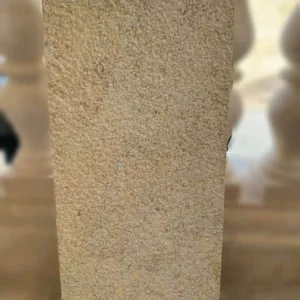
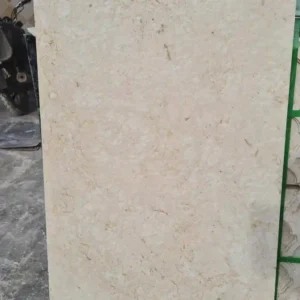
Cream block paving in Arizona reads well architecturally against desert landscaping, and yellow block paving in Arizona adds warmth to courtyard applications. For projects where storm-water staining from mineral-laden runoff is a concern — common across caliche-rich soils — graphite’s darker baseline hides the ochre tide marks that bleach lighter surfaces within a season or two. That’s not a selling point you’ll find in a product brochure, but it’s a real maintenance consideration when specifying for a commercial property in Scottsdale’s resort corridor.
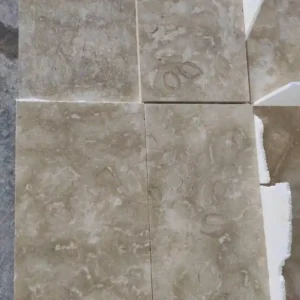
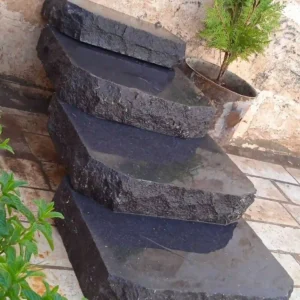
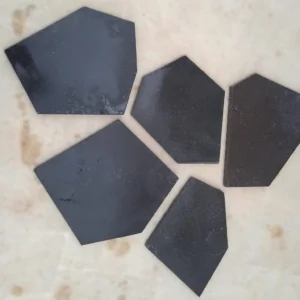
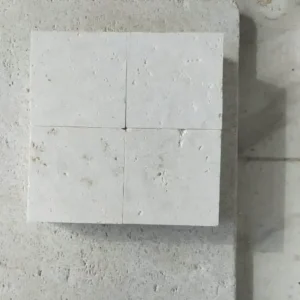
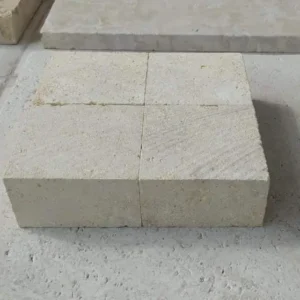
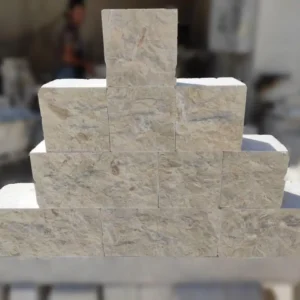
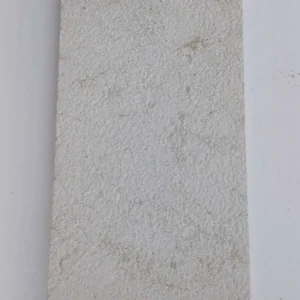
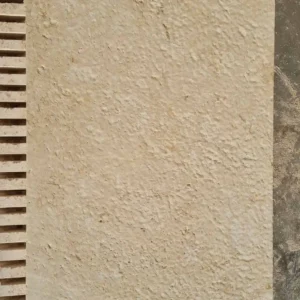
Silver granite block paving in Arizona offers a comparable density profile to graphite, but granite’s crystalline structure behaves differently under repeated freeze-thaw stress at elevation. Slate block paving in Arizona brings natural cleft texture and excellent storm drainage characteristics, though the variable thickness inherent in natural slate requires more careful bedding sand adjustment than factory-dimensioned concrete block. For projects demanding dimensional consistency under wind-load interlock requirements, grey block paving driveway with border in Arizona using manufactured graphite block provides tighter tolerances than natural alternatives. Beige block paving in Arizona and cream block paving in Arizona both work well as border contrast materials alongside graphite field paving, offering visual definition without sacrificing structural uniformity across the installation.
- Graphite maintains joint geometry better than lighter-coloured units that show efflorescence staining after storm events
- Border contrast using cream or beige block paving in Arizona creates visual definition without compromising structural uniformity
- Silver granite block paving in Arizona suits projects where lighter reflectance is required alongside high-density mechanical performance
- Slate block paving in Arizona works well for pedestrian walkways but requires additional base depth on high-traffic vehicular applications
Why 200x100x80mm Block Paving in Arizona Makes Structural Sense
The 200x100x80mm block paving in Arizona specification has earned its position as the de facto standard for driveways and commercial forecourts subject to storm-weather cycling. The 2:1 length-to-width ratio enables herringbone laying patterns that distribute load across multiple units simultaneously — a critical characteristic when dealing with irregular impact loads from hail or the pressure differentials that accompany severe storm fronts.
At 80mm depth, each unit in a standard graphite block paving installation carries enough mass to resist displacement from wind-driven lateral forces during high-storm events without relying solely on edge restraint. Specifying the 60mm variant on vehicular driveways in storm-exposed Arizona locations is a common mistake — the reduction in unit depth drops the per-unit resistance to lateral shear below the threshold required for monsoon conditions. Projects in Flagstaff face the additional complication of freeze-thaw cycling at 7,000 feet elevation, where 80mm depth provides the thermal mass buffer that prevents subsurface moisture migration from fracturing the bond between unit and bedding layer. The 200x100x80mm block paving in Arizona format also simplifies project estimating — the 0.02m² per unit surface area makes quantity take-offs straightforward on both residential and commercial scales.
- Herringbone pattern at 45° provides maximum interlock efficiency under directional wind load
- Running bond patterns reduce lateral interlock and should be reserved for pedestrian-only applications in storm-exposed zones
- 200x100x80mm units weigh approximately 3.8 kg each — enough mass to resist typical monsoon updraft forces when bedded at full contact depth
- Yellow block paving in Arizona used as accent banding within a graphite field installation maintains the same 200x100x80mm dimensional standard, preserving interlock geometry across colour transitions
Base Preparation and Storm Drainage for Arizona Block Paving
Base preparation decisions determine whether graphite block paving in Arizona performs through a decade of monsoon seasons or begins failing in year four. The compacted aggregate base must be engineered for both load distribution and storm-water management simultaneously — those two requirements pull in opposite directions, and finding the right balance is where field experience makes the difference.
For residential driveways in Phoenix, a 150mm compacted Type II aggregate base under 30mm of sharp sand bedding provides the drainage void capacity to handle Arizona’s high-intensity, short-duration storm events without building hydrostatic pressure beneath the surface. On clay-dominant soils, increasing the aggregate depth to 200mm and specifying a geotextile separation layer addresses clay expansion under saturated conditions — without this, storm-season heave will compromise an under-designed base within two to three monsoon cycles.
Base preparation for grey block paving driveway with border in Arizona should treat the border restraint as a structural element, not a cosmetic finish. Mechanically pinned L-profile edge restraints set in concrete haunching at 600mm centers resist the outward creep that wind-generated lateral forces impose on driveway edges over time. Projects where the border is purely adhesive-set to a concrete edge beam routinely show 15–20mm of unit migration at outer courses after three or four storm seasons. For projects requiring complementary stone elements, Graphite Block Paving from Citadel Stone covers specification details that apply across similar site conditions and drainage requirements.
- Minimum 1% cross-fall gradient prevents ponding during high-intensity monsoon events
- Sub-base compaction to 95% Proctor density is non-negotiable — storm water saturation will expose any under-compacted zones within one season
- Geotextile membrane installation between subgrade and aggregate prevents caliche migration into drainage voids
- Sand bedding must be sharp-graded, not building sand — the angular particle geometry maintains voids under load that allow storm drainage to function
Installation and Jointing in Wind-Exposed Arizona Locations
Jointing compounds for graphite block paving in storm-exposed Arizona locations require more deliberate selection than the product data sheet typically conveys. Polymeric sand with a flex-cure formulation handles the joint movement that occurs during thermal cycling without cracking into discrete segments that wind can erode. Standard rigid-cure polymeric sand performs well in moderate climates but tends to fracture during Arizona’s rapid temperature transitions — surface temperatures can drop 40°F within an hour during a storm front passage.
The vibratory plate compactor pass sequence matters more than most installation guides specify. Three passes after initial bedding — one longitudinal, one transverse, one diagonal — seats units to full bedding contact and eliminates the rocking movement that allows joint sand to work loose under wind pressure cycling. On large commercial forecourts, the diagonal pass is the one that gets skipped when crews are under schedule pressure, and it’s also the pass that prevents the pattern drift seen on under-compacted installations after storm season.
Projects in Tempe and similar urban Arizona locations frequently deal with construction debris and loose material on adjacent lots during storm events. Specifying a chamfered-edge graphite unit rather than a square-edge profile provides minor but meaningful resistance to chip damage from wind-driven impact — the chamfer absorbs the stress concentration at the arris that would otherwise initiate corner fracture. Grey block paving driveway with border in Arizona specified with chamfered graphite units benefits from this same edge protection at the perimeter courses where wind-driven debris impact is most concentrated.
- Apply polymeric joint sand when surface moisture is below 8% — storm installations need a 48-hour dry window post-event before jointing
- Joint width of 2–3mm optimises both storm drainage performance and interlock efficiency
- Seal graphite block paving 28 days after installation to allow full bedding cure before introducing water-repellent treatment
- Re-check joint sand depth after the first monsoon season — topping up to 95% fill depth is standard first-year maintenance on all Arizona installations
Long-Term Performance and Maintenance Through Arizona Storm Seasons
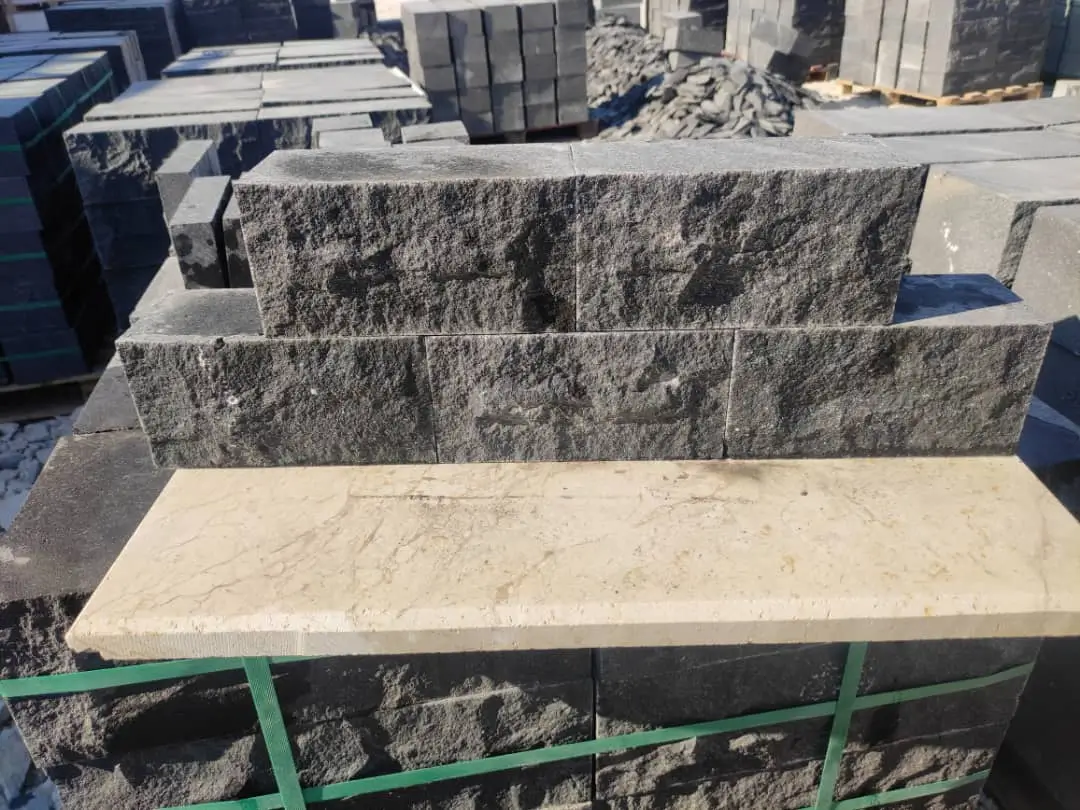
Graphite block paving installed to the specifications above routinely achieves 20–30 year service life in Arizona’s storm-weather environment — but that projection assumes joint sand maintenance is treated as a structural task rather than a cosmetic one. Joint sand depth below 85% fill capacity allows individual units to rock under storm-generated pressure, which progressively loosens adjacent units through a failure cascade that accelerates each monsoon season.
The surface colour of graphite block paving weathers slightly in the first two to three years of UV and storm exposure, shifting toward a muted charcoal tone that most specifiers actually prefer over the fresh-installation appearance. Colour consistency between batches is worth verifying at the warehouse stage before project delivery — at Citadel Stone, we inspect each pallet for batch consistency before dispatch, because colour variance between pallet loads becomes visually apparent after weathering even when it’s barely detectable on delivery.
Sealing on a biennial cycle maintains surface density and reduces the capillary absorption that allows storm-water mineral deposits to migrate into the unit matrix. Penetrating silane-siloxane sealers work best for graphite block paving in Arizona — they don’t alter the surface appearance or create the slip hazard that film-forming sealers introduce when wet-storm conditions are followed by emergency vehicle access. Bulk sealer supply for large commercial sites reduces per-application cost significantly on installations above 500m², and factoring warehouse stock availability into your maintenance schedule ensures you’re not waiting on supply when the post-monsoon window opens.
- Annual joint sand inspection after monsoon season prevents the failure cascade that begins with unit rocking
- Pressure washing at 1,200–1,500 psi removes storm debris compaction without disturbing properly cured joint sand
- Localized unit replacement is straightforward — graphite block paving units lift cleanly without damaging adjacent units when the lifting tool engages the chamfer correctly
- Warehouse stock verification before reorder ensures replacement units match the original batch — colour drift between production runs is real and worth checking
Buy Graphite Block Paving Wholesale — Arizona Delivery
Citadel Stone stocks graphite block paving in Arizona in 200x100x80mm format with standard pallet configurations for both residential and commercial project scales. Sample units and full batch specifications are available before committing to a project order — the sample process helps confirm colour consistency, surface texture, and dimensional tolerance against your project requirements. Trade and wholesale enquiries receive detailed pricing based on quantity, delivery location, and project timeline.
Delivery coverage extends across Arizona from regional warehouse inventory, which typically keeps lead times in the one-to-two-week range for standard orders — considerably shorter than the six-to-eight-week import cycle that project managers encounter when sourcing directly from overseas manufacturers. For large commercial installations requiring non-standard formats, custom cuts, or phased truck deliveries across an extended programme, Citadel Stone’s project team can work through the logistics before specification is finalised. A second truck delivery run can be scheduled within the same programme window for phased commercial rollouts, removing the supply-gap risk that delays installation on multi-stage Arizona projects. Sourced from established quarry partners, each batch undergoes consistency checks before dispatch to ensure the graphite colour profile and dimensional tolerance meet the tight interlock requirements that Arizona storm conditions demand.
Your project’s scope determines which approach makes most sense — a single-property driveway requires a different conversation than a multi-site commercial rollout across central Arizona. Reach out to Citadel Stone directly to discuss current stock levels, pricing, and delivery scheduling for your specific project. Complementary edging and restraint products are worth specifying alongside your paving to complete the structural system — Kerb Blocks in Arizona covers how kerb block specification integrates with block paving installations to deliver a complete edge restraint solution across the same site conditions. Citadel Stone supplies Graphite Block Paving to Arizona contractors working across Flagstaff, Sedona, and Yuma on residential and commercial sites.