
Thermal cycling — not raw heat — is the variable that separates a 25-year cobblestone walkway in Arizona from one that needs releveling within five years. The desert Southwest experiences some of the most dramatic diurnal temperature swings on the continent, with surfaces dropping 50–60°F between a summer afternoon peak and pre-dawn conditions. Understanding how those cycles interact with stone mass, joint filler, and base compaction is the real specification challenge for a cobblestone walkway in Arizona — and getting it right starts well before the first stone is set.
How Thermal Cycling Shapes Cobblestone Walkway Performance in Arizona
Arizona’s thermal environment is more complex than most project briefs acknowledge. In Phoenix, daytime surface temperatures on exposed masonry routinely reach 160–170°F in July, then cool to 80–90°F by early morning — a swing that drives continuous expansion and contraction through every stone and joint in the pathway. Natural cobblestone, particularly dense basalt and granite-origin material, carries a coefficient of thermal expansion around 4.5–6.0 × 10⁻⁶ per °F. Across a 24-inch cobble run, that translates to measurable joint movement with every cycle.
The cumulative fatigue from this daily cycling is what undermines walkways that were otherwise correctly installed. You’ll see it first in the joint material — polymeric sand begins powdering at the surface, then migrates downward as water infiltration follows. Once that joint integrity breaks down, individual cobbles start rocking, which accelerates base erosion beneath the affected stones. Specifying a joint filler rated for ±25% movement tolerance, rather than the standard 15% product, adds roughly eight to twelve years to the maintenance cycle in low-desert conditions.
Citadel Stone inspects each batch of cobblestone for density and absorption rates before it leaves the warehouse, specifically because low-density material develops microfractures faster under repeated thermal stress — a failure mode that doesn’t appear in standard product photos but shows up reliably in the field within three to five seasons.
Freeze-Thaw Cycles and Elevation: What Changes Above 5,000 Feet
The freeze-thaw conversation shifts considerably once your project sits above 4,500 feet. In Flagstaff, nighttime temperatures fall below freezing on average 150+ days per year, which means a cobble pathway in Arizona’s high country faces a genuinely different stress profile than the same installation in the low desert. Water that infiltrates joint gaps during afternoon thaw refreezes overnight, expanding by roughly 9% volumetrically and exerting up to 2,000 PSI of internal pressure against adjacent stone faces and base material.
For high-elevation cobblestone pathways in Arizona, you need to address three details that low-desert specs routinely omit:
- Stone absorption rate must be below 3% per ASTM C97 — higher absorption means more water retained in the stone body, which amplifies freeze-thaw spalling risk
- Base aggregate depth should increase to 8–10 inches minimum, using angular crushed stone rather than rounded gravel, to resist frost heaving in silty soils
- Joint sand compaction must reach 95% of modified Proctor density before winter — under-compacted joints are the primary point of freeze-thaw entry
- Sealing with a penetrating silane-siloxane product rated for freeze-thaw environments adds a meaningful barrier, but requires reapplication every two years at elevation
- Expansion joints every 10–12 linear feet (not the 15–20 feet common in low-desert specs) accommodate the greater seasonal movement range
A cobblestone sidewalk in Arizona’s high country that ignores these adjustments will show heaved stones and cracked joints within two winters — not because the material failed, but because a low-desert specification was applied to a fundamentally different climate zone.
Choosing the Right Stone for Your Arizona Cobblestone Pathway
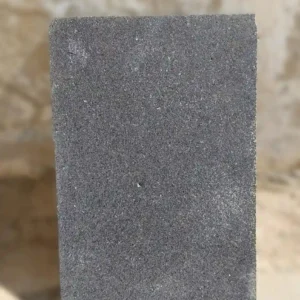
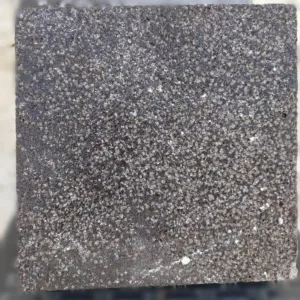
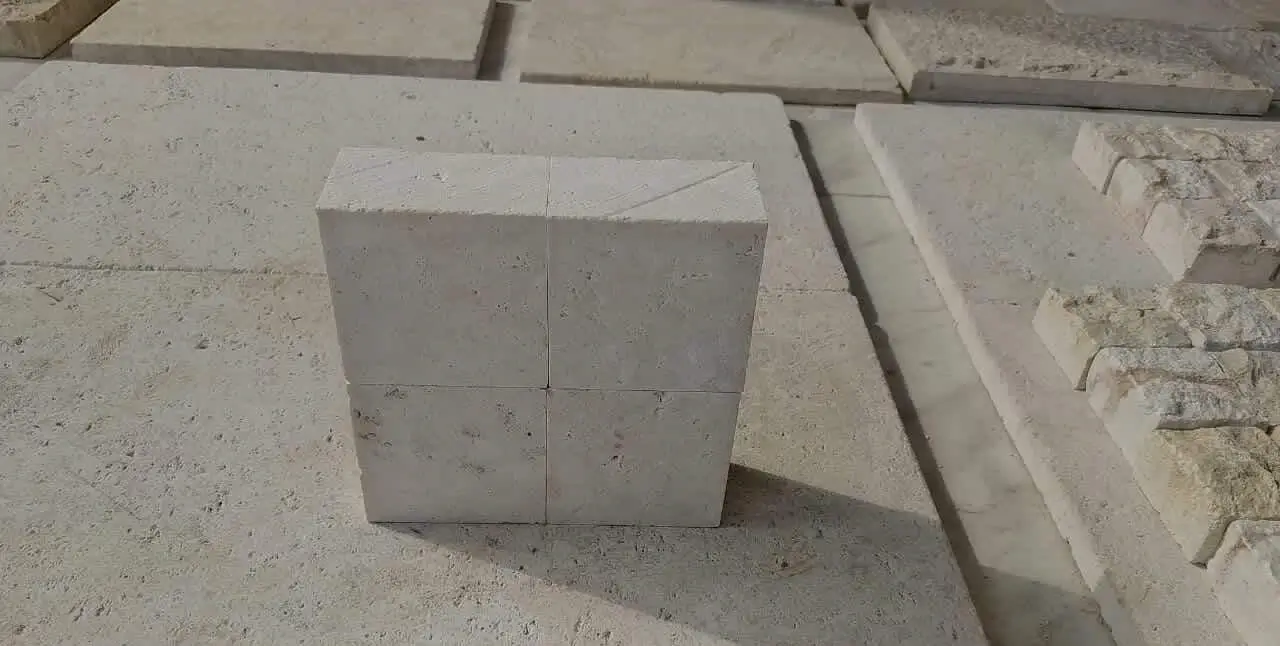
Material selection for a cobblestone pathway in Arizona involves balancing thermal mass, surface texture, and absorption characteristics — and those priorities shift depending on whether you’re specifying for Scottsdale’s caliche-heavy flatland or Sedona’s sandstone-underlain terrain. Dense igneous cobbles — basalt, granite, and quartzite — handle thermal cycling better than sedimentary options because their interlocking crystal structures resist the microfracturing that drives long-term surface degradation.
For a cobble walkway in Arizona, the specification decision often comes down to:
- Compressive strength above 12,000 PSI for residential pedestrian loads, 15,000+ PSI for commercial or vehicular-adjacent applications
- Absorption below 3% for low-desert installations, strictly below 2% for high-elevation freeze-thaw zones
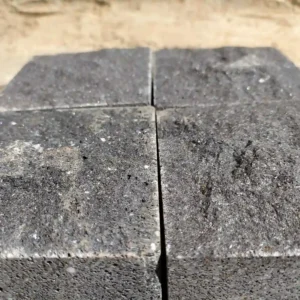
- Surface texture — tumbled cobbles with irregular faces provide better slip resistance than machine-cut setts, particularly important on sloped grade changes
- Nominal thickness of 3–4 inches for pedestrian cobble pathways; 4–5 inches where occasional vehicular access occurs
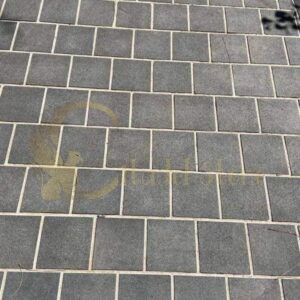
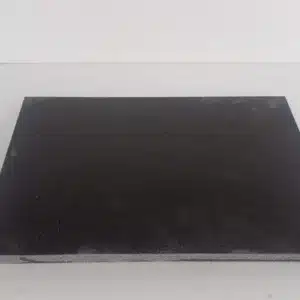
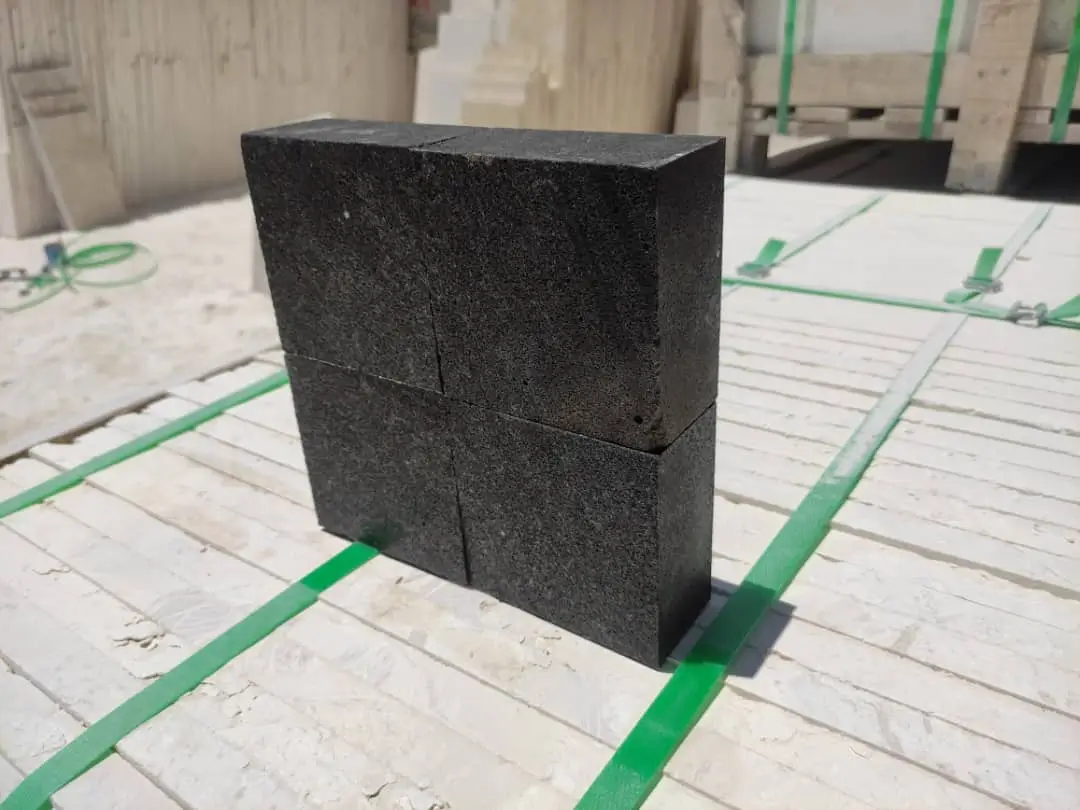
- Colorfast material that resists UV bleaching — basalt’s dark grey and charcoal tones remain stable under prolonged UV exposure, while some lighter sandstones fade noticeably within three seasons
Citadel Stone stocks cobblestone pathway material sourced from established quarry partners, with each batch documented for density, absorption, and compressive strength so you can match the spec sheet to actual field performance requirements rather than relying on generic product claims.
Base Preparation: The Detail That Determines Longevity
Here’s what most specifiers miss on Arizona cobble walkway projects — the base preparation protocol needs to account for both the thermal cycling at the surface and the moisture behavior of native soil below. Arizona soils range from expansive clays in the east valley to caliche hardpan in the central and western reaches, and each requires a different approach. Clay soils swell when wet and shrink when dry, creating a vertical movement at the base that amplifies thermal movement at the surface. Caliche, by contrast, offers exceptional bearing capacity but creates drainage problems when it forms an impermeable layer above the natural water table.
In Scottsdale projects specifically, you’ll commonly hit caliche at 18–30 inches, which needs to be either scarified and blended with aggregate or properly drained around with perforated pipe before you build your compacted base above it. Skipping that step results in a perched water table that drives hydrostatic pressure upward through the base aggregate during monsoon season — exactly the condition that causes cobble walkways to heave and re-settle over a two- to three-year cycle.
For a correctly specified cobblestone walkway in Arizona’s low-desert zones, the base build-up typically looks like this:
- Native subgrade compacted to 95% standard Proctor, with any expansive soil treated or replaced within the top 12 inches
- 4–6 inches of compacted Class II crushed aggregate base, placed in two lifts and compacted separately
- 1-inch bedding sand layer, screeded level and not pre-compacted — it sets under stone placement and joint compaction
- Cobblestones set with consistent 3/8-inch joint spacing, adjusted upward to 1/2 inch for high-elevation freeze-thaw zones
- Polymeric jointing sand swept in, dampened, and plate-compacted to full joint depth before any foot traffic
Base preparation completed to this standard adds measurable project cost — typically $2–4 per square foot more than minimal-spec work — but it’s the investment that determines whether your cobblestone walkway looks correct in year fifteen or year five.
Drainage Geometry and Slope Design for Arizona Conditions
Arizona’s monsoon season delivers concentrated rainfall events — sometimes 2–3 inches in under an hour — that test drainage design assumptions built around gradual precipitation patterns. Your cobblestone pathway in Arizona needs a minimum 1.5% cross-slope, and 2% is genuinely preferable for any run longer than 15 feet. Surface water that sits in joints during a monsoon event carries fine particles downward into the bedding layer, gradually displacing sand and creating voids that cause stone settlement.
In Tucson, where monsoon-driven sheet flow is common across landscape areas adjacent to walkways, it’s worth specifying a channel drain or trench drain at the low end of any cobble pathway longer than 20 feet. The drainage hardware cost is minor compared to re-leveling cobbles after three or four major monsoon events have displaced your bedding layer. For projects requiring complementary stone elements and detailed drainage specifications, Cobblestone Walkway from Citadel Stone covers maintenance and drainage protocols that apply across Arizona’s diverse climate zones. Edge restraints deserve attention here too — aluminum or steel edging spiked at 12-inch intervals prevents lateral creep, which becomes a real issue on cobble walkways that transition between compacted soil sections and landscape planting areas.
Design Formats and Layout Patterns for Elite Arizona Cobblestone Walkways
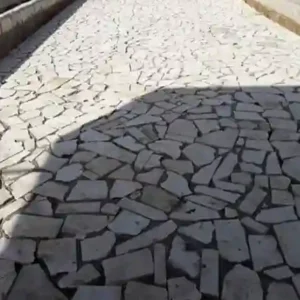
The layout pattern you choose for a cobblestone walkway affects more than aesthetics — it directly influences structural performance under thermal cycling and point loading. Running bond and fan patterns create continuous joint lines that allow cumulative movement to propagate across the full width of the pathway. Herringbone and basket weave patterns interrupt those joint runs, distributing thermal movement more evenly and providing better interlock resistance against the shear forces that develop when individual cobbles shift under foot traffic.
For residential cobblestone sidewalk applications in Arizona, herringbone at 45° to the pathway centerline is the most structurally sound choice. It’s also the most material-intensive, requiring careful cutting at edges, but the performance difference over a 15-year period is measurable. Fan patterns work well for circular or radial cobble pathway designs, though they require more custom cutting and benefit from pre-planning the radius geometry before ordering material quantities.
Design considerations worth addressing before finalizing your layout:
- Cobble size consistency — natural tumbled cobbles vary 15–20% in nominal dimension, so joint spacing should be flexible enough to accommodate this without forcing irregular gaps
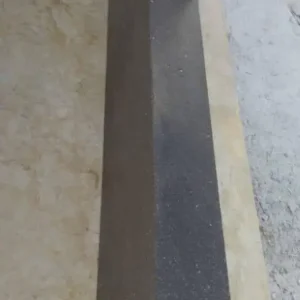
- Border treatment — a contrasting border stone in a different color or format defines the pathway edge visually and structurally, reducing the tendency for perimeter cobbles to migrate outward
- Transition zones between cobble walkway and adjacent concrete or pavers need a proper edge detail — a simple butt joint creates a differential settlement point within two to three thermal cycles
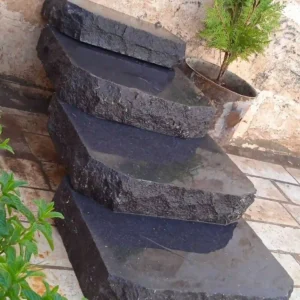
- Step integration — cobblestone risers and treads work well in Arizona’s climate but require 4-inch minimum tread thickness and a back-set mortar bed on the riser face to resist freeze-thaw displacement at elevation
Citadel Stone can advise on layout-specific quantity estimates and format compatibility — particularly useful for projects involving non-rectangular pathway geometry where waste factors vary significantly between layout patterns. You can request sample material and dimensional specifications before committing to a final design direction.
Sealing and Long-Term Maintenance Under Arizona’s Thermal Conditions
Sealing a cobblestone walkway in Arizona isn’t optional — it’s a technical requirement for managing the porosity-thermal cycling relationship that drives long-term joint and stone degradation. The sealing product selection matters more than most project specifications acknowledge. Film-forming sealers trap moisture beneath the surface, which is problematic in any climate but especially in Arizona where thermal cycling drives vapor movement rapidly through permeable stone. Penetrating silane-siloxane sealers, which bond within the stone’s pore structure rather than coating the surface, allow vapor transmission while blocking liquid water infiltration.
Application timing is critical and often mishandled in the field. Sealing within 30 days of installation, before the joint sand has fully settled and cured, traps loose particles and prevents the sealer from bonding properly to the cobble face. The correct protocol is to allow 60–90 days of normal weathering and light use, then apply sealer after cleaning the surface with a pH-neutral stone cleaner. Re-application on a 24-month cycle in low-desert Arizona, or an 18-month cycle at high elevation, maintains the protective barrier through the full range of thermal cycling conditions.
- Use penetrating silane-siloxane sealer, not acrylic or film-forming products, for thermal-cycling environments
- Apply sealer in cooler morning temperatures — applying to a surface above 90°F causes premature evaporation before penetration is complete
- Re-sweep and re-compact polymeric joint sand at the first maintenance cycle — thermal cycling typically drives 10–15% joint sand loss in the first year
- Inspect perimeter edge restraints annually for displacement — frost heaving at elevation and soil expansion in clay-heavy areas commonly affects restraint anchoring
Buy Cobblestone Walkway Wholesale — Arizona Delivery
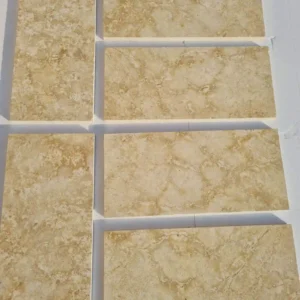
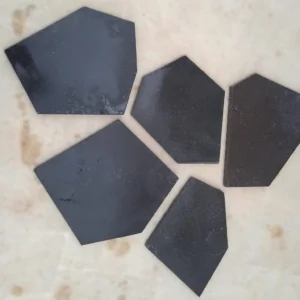
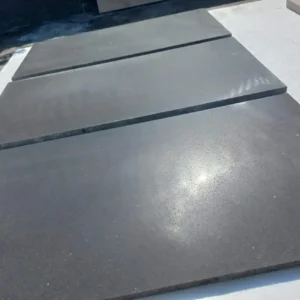
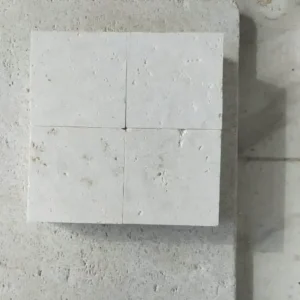
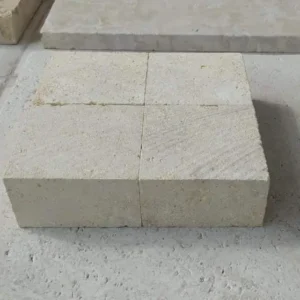
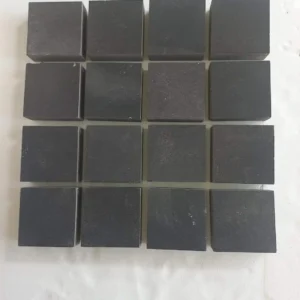
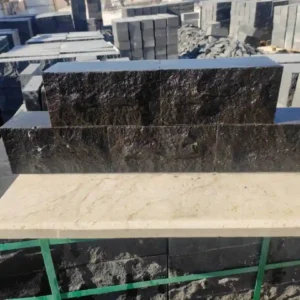
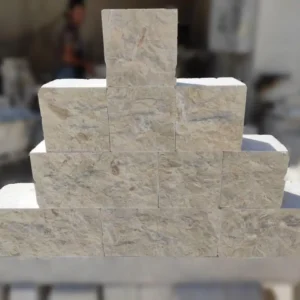
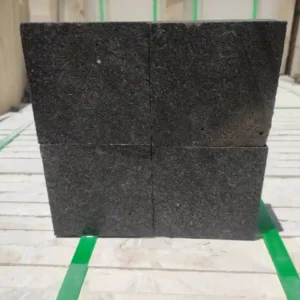
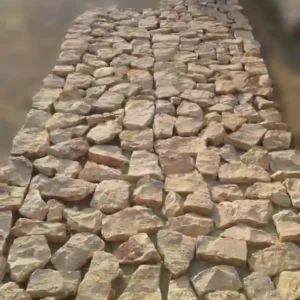
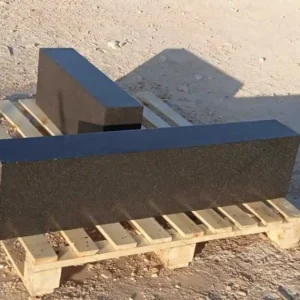
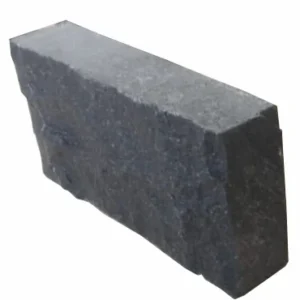
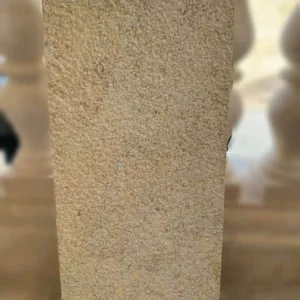
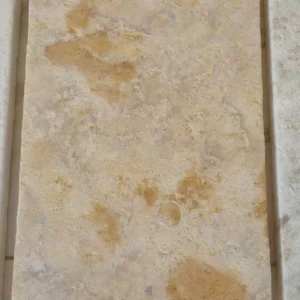
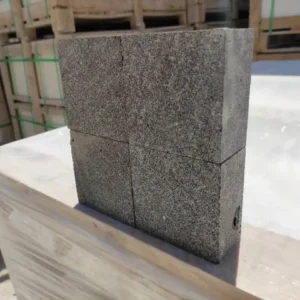
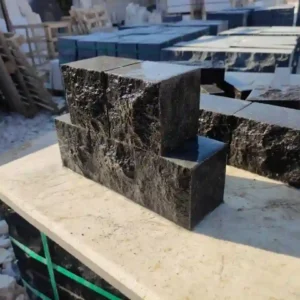
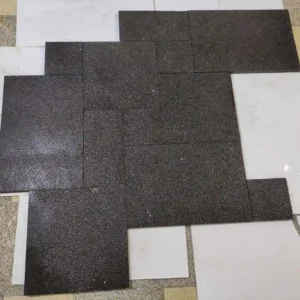
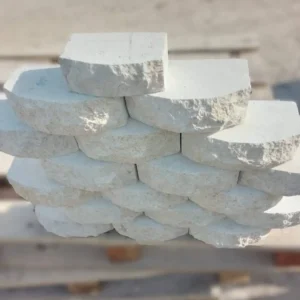
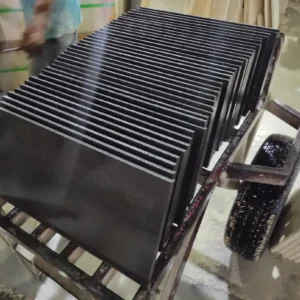
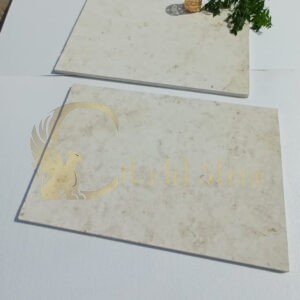
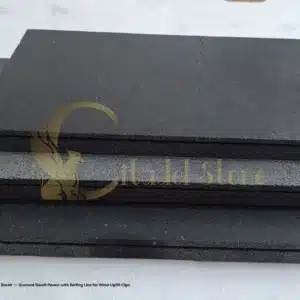
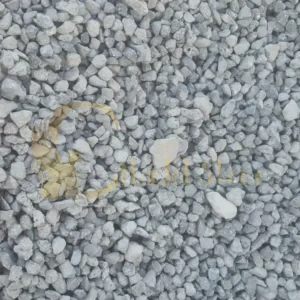
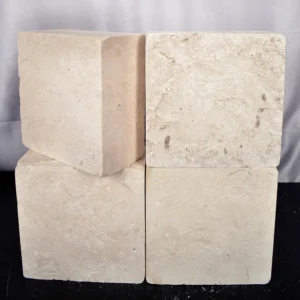
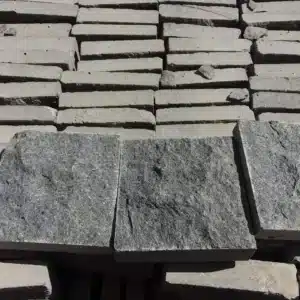
Citadel Stone stocks cobblestone walkway material in standard formats — including tumbled rounds, sett cuts, and mixed-size rustic patterns — sized for residential and commercial pathway applications across Arizona. Material is available in dense basalt, granite-origin cobble, and quartzite, with thickness options from 2.5 inches to 5 inches nominal. Truck delivery is coordinated from regional warehouse inventory, which typically supports lead times of one to two weeks for standard stocked formats — significantly shorter than the six- to eight-week import cycle common with direct-order stone.
For trade accounts, wholesale contractors, and volume projects, Citadel Stone’s team provides specification sheets, absorption and compressive strength data, and sample material on request. Projects requiring custom cuts, non-standard sizing, or large-volume phased delivery can be scheduled in consultation with our logistics team to align truck delivery timing with your installation sequence. Coverage extends across Arizona — from Yuma’s desert-floor projects to Flagstaff’s elevation installs — with delivery parameters discussed at the time of inquiry so you can plan your project timeline accurately.
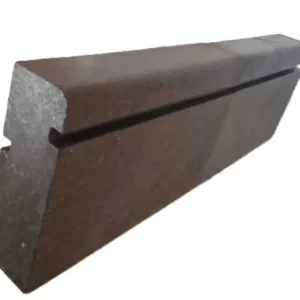
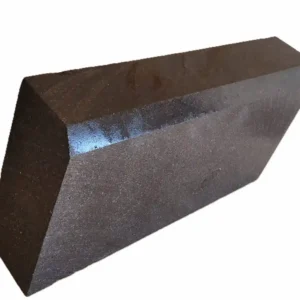
To request pricing, samples, or a project consultation, contact Citadel Stone directly. For projects that include pathway edging and border definition alongside your cobblestone installation, Cobblestone Edging in Arizona covers the complementary specification details that help you complete the full walkway design with consistent material sourcing. Citadel Stone supplies Cobblestone Walkway to Arizona contractors working across Flagstaff, Sedona, and Yuma on residential and commercial sites.