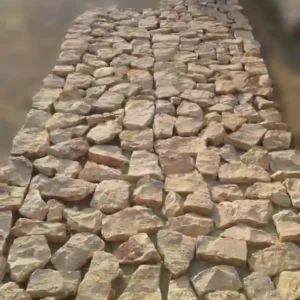
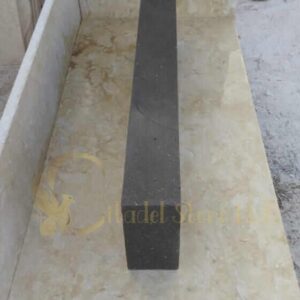
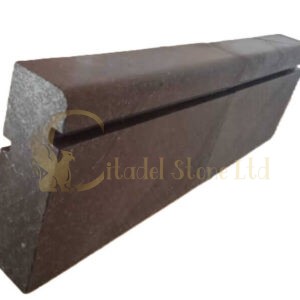
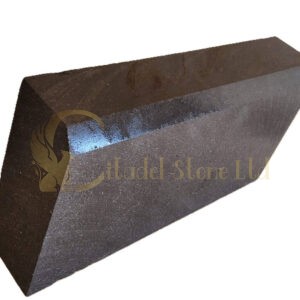
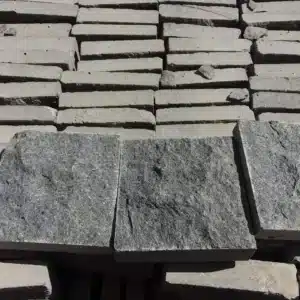
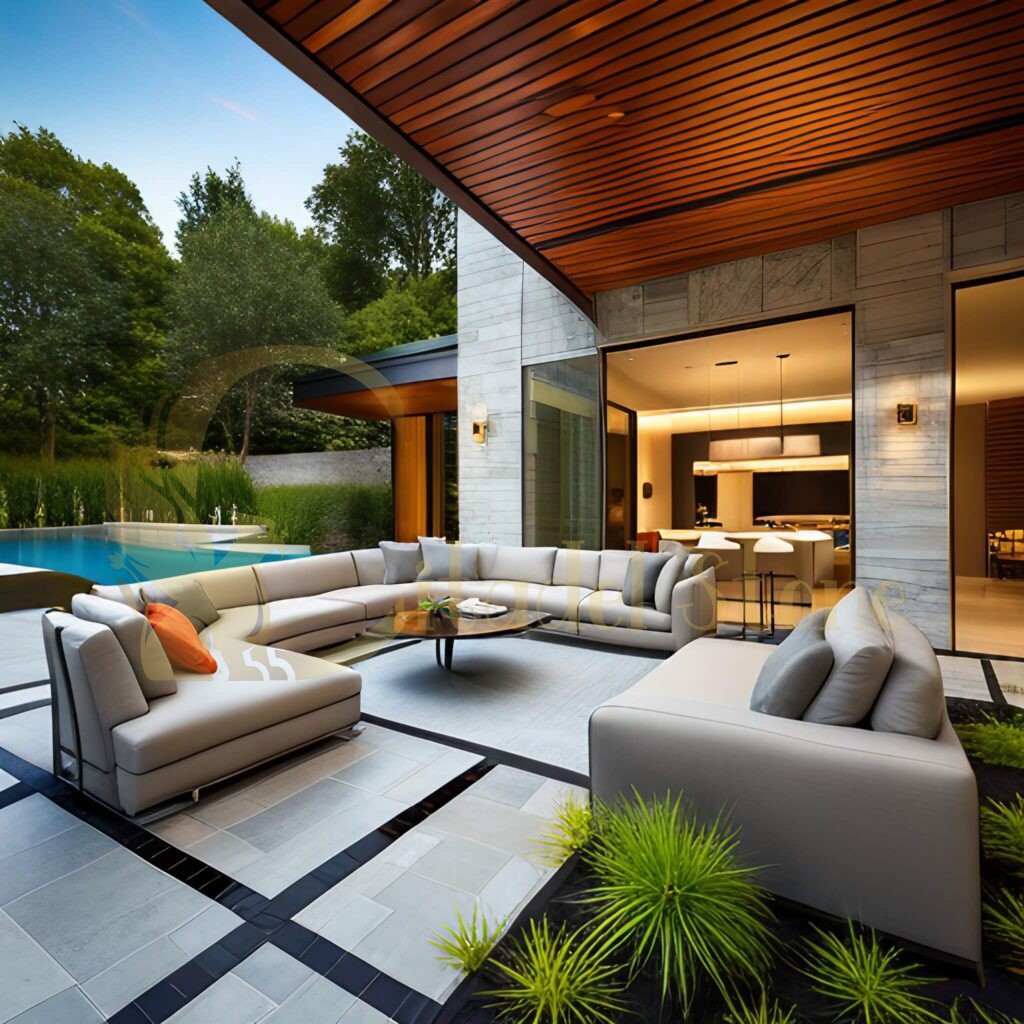
Structural compliance for grey edging blocks in Arizona starts well before the first stone is set — it begins with understanding how your local jurisdiction interprets IBC load-bearing requirements and how those translate into actual base specifications. In Phoenix metro, Tucson, and the high-elevation zones around Flagstaff, the structural demands on grey edging blocks differ enough that a single generic spec sheet won’t serve you across all three. The interaction between edge restraint systems, compacted base depth, and lateral load resistance is where most installations either succeed long-term or begin showing movement within five years.
Arizona Building Code Compliance for Grey Edging Blocks
Arizona adopts the International Building Code as its base standard, but individual municipalities layer additional requirements on top. For grey edging blocks used as patio and driveway perimeter restraints, you’ll want to confirm whether your jurisdiction requires engineered drawings for any hardscape feature that retains grade change exceeding six inches. That threshold matters — many residential jobs in Scottsdale and Chandler sit right on that line, and missing it triggers inspection holds that stall projects by weeks.
- Check with the county engineering office on whether grading permits apply to your specific grey paving edging installation depth
- Confirm that your edging block thickness meets the minimum lateral load resistance for vehicle-adjacent applications — 100mm (4-inch) nominal is the baseline for residential driveway edging in most Arizona counties
- Verify ADA-compliant grade transitions if your grey edging slabs define a pathway adjacent to a public right-of-way
- Request code language on freeze-thaw ratings if your project is above 4,500 feet elevation — Flagstaff sits at 6,900 feet and the structural requirements diverge sharply from the low desert
Citadel Stone maintains current specification documentation for grey edging blocks formatted for Arizona building department submittals, which can significantly simplify the permit package preparation process. You can request those specification sheets before committing to product quantities.
Structural Base Requirements for Grey Block Paving Edging in Arizona
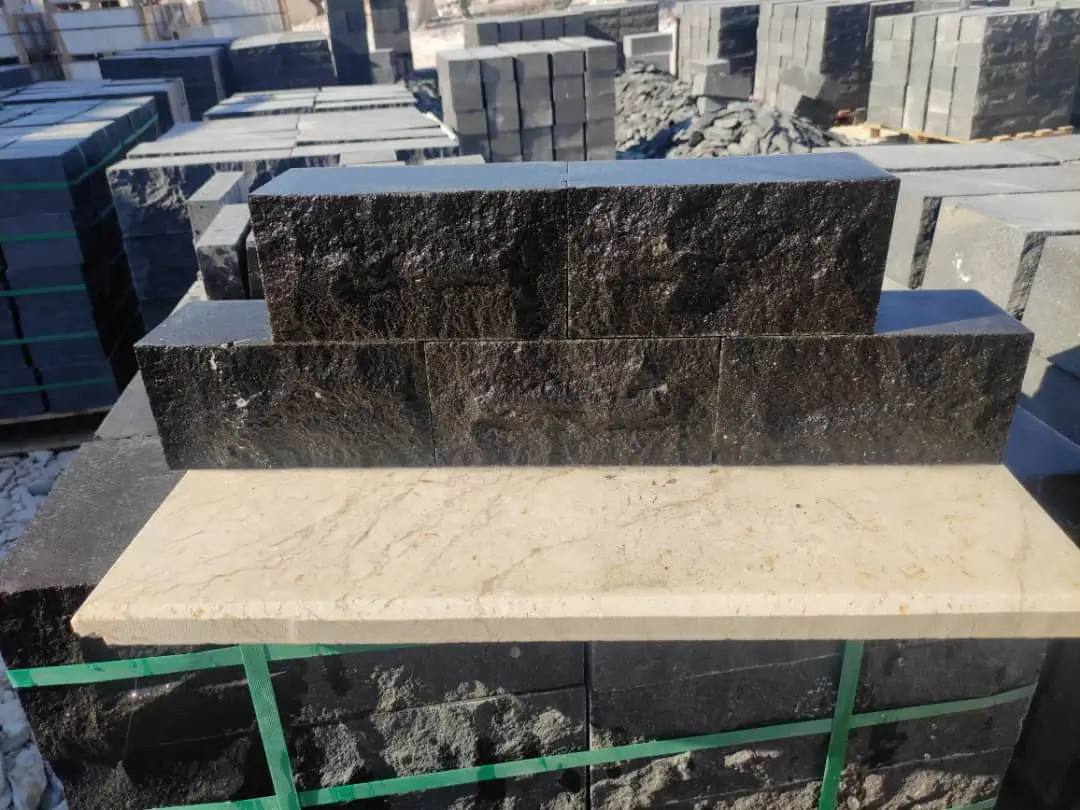
The base preparation beneath grey block paving edging in Arizona carries more structural weight than most spec documents acknowledge. Arizona soils range from expansive clays in the Verde Valley to decomposed granite and caliche hardpan across the low desert — and each demands a different base response. Your aggregate base depth for residential edging applications should start at six inches of compacted Class II road base, but projects on expansive clay soils need to push that to eight inches with a geotextile fabric layer between native soil and aggregate.
Caliche layers present a specific challenge. In Mesa, caliche hardpan often appears at 18 to 24 inches depth and, once properly scarified and re-compacted, actually delivers an exceptional sub-base platform for grey paving edging stones. The mistake most contractors make is treating caliche as an obstacle rather than an asset — if you break through it without stabilizing it, you lose the structural benefit entirely.
- Compact aggregate base to 95% Proctor density minimum — 98% for commercial or driveway-adjacent edging
- Allow a 1% to 2% cross-slope in the base to direct subsurface moisture away from the edging block footprint
- Extend your base preparation six inches laterally beyond the edging block width on both sides for adequate lateral support
- For grey edging bricks for patio applications in clay-heavy soils, consider a crushed limestone bedding layer rather than sharp sand — it drains faster and resists displacement under thermal movement
Seismic Considerations for Stone Edging Installations
Arizona sits within a moderate seismic zone, and while residential hardscape rarely requires engineered seismic detailing, commercial projects over a certain square footage threshold in Maricopa and Pima counties do. Your grey edging blocks in a commercial plaza application may need to be specified with a sand-set bedding system rather than a mortar-set one — the flexibility of sand-set installations performs better in minor seismic events because the blocks can shift and be reset rather than crack and require full replacement. For commercial projects in Scottsdale’s mixed-use corridors, this distinction comes up during plan review more often than most designers expect.
Elevation, Frost Depth, and Structural Performance
The frost line in Arizona isn’t uniform, and that fact shapes your structural specification more than most other variables. At Flagstaff elevations, the frost depth reaches 18 to 24 inches — a figure that directly governs how deep your edging block foundation needs to extend. Ignoring this in high-elevation installs produces heave patterns that lift and misalign grey patio edging stones within the first two winters.
Below 2,500 feet — which covers most of Phoenix, Yuma, and the low desert basin — frost depth is negligible, and the thermal expansion coefficient of the stone itself becomes the dominant structural variable. Grey natural stone typically expands at approximately 4.5 to 5.5 × 10⁻⁶ per °F. Over a 100-foot run of grey garden edging stones in Phoenix summer conditions where surface temperatures reach 160°F, that translates to nearly three-quarters of an inch of expansion. Your joint spacing and expansion break placement need to account for that — spec expansion joints every 15 feet in low-desert installations, not the 20-foot standard that works in moderate climates. For project-specific guidance on how elevation affects specification choices, Grey Edging Blocks from Citadel Stone covers maintenance and performance protocols tied directly to Arizona’s elevation bands — useful reference material when you’re writing specs for sites above 4,000 feet.
- Above 5,000 feet elevation: specify frost-depth-compliant foundations at 18 to 24 inches below grade
- Below 2,500 feet elevation: prioritize thermal expansion joint placement over frost depth considerations
- Between 2,500 and 5,000 feet: evaluate both variables and apply the more conservative specification
- Grey edging pavers in Arizona at mid-elevation zones should use a flexible polymeric jointing compound, not rigid mortar, to accommodate both frost movement and thermal cycling
Selecting Grey Edging Blocks for Structural Load Applications
Not every grey edging slab is appropriate for every load application. Your selection needs to differentiate between purely aesthetic garden edging — where compressive strength above 6,000 PSI is adequate — and vehicular-rated applications where you need a minimum of 8,000 PSI and a nominal thickness of at least 3.5 inches for the blocks absorbing wheel-load transfer at driveway aprons.
In Scottsdale, design review boards for high-end residential and commercial projects increasingly specify natural stone edging over concrete alternatives because the material’s thermal mass characteristics align better with desert landscape design standards. Grey paving edging stones in basalt or dense limestone carry compressive strengths of 10,000 to 15,000 PSI and absorb vehicle loads without the surface spalling that affects lighter concrete units over time.
- For pedestrian-only patio edging: 60mm (2.4 inch) minimum thickness, compressive strength above 6,000 PSI
- For driveway edging under regular passenger vehicle loads: 80 to 100mm (3.1 to 4 inch) nominal thickness
- For commercial truck-access areas: 100mm minimum with a reinforced concrete header course below the grey edging blocks
- Grey edging bricks for patio use in thin-profile formats (40mm) are appropriate only where edge restraint function is secondary to aesthetics
Citadel Stone stocks grey block paving edging in multiple thickness profiles — 60mm, 80mm, and 100mm nominal — to match your structural specification without requiring custom orders. Lead times from the warehouse for standard profiles typically run one to two weeks for Arizona deliveries.
Installation Standards, Joint Spacing, and Long-Term Structural Integrity
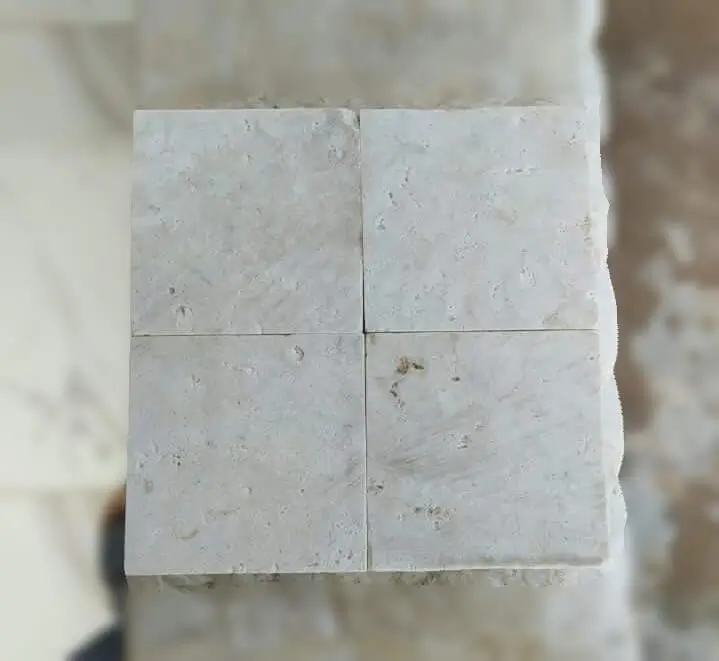
The installation phase is where structural specifications either get executed correctly or quietly compromised. Joint spacing is the most commonly under-specified element in grey paving edging installations across Arizona. Generic manufacturer guidance often lists 3mm to 5mm joints, but in extreme desert heat climates those numbers produce blow-out failures in dense stone as the material expands against itself. Field performance across Arizona projects confirms that 6mm to 8mm joints in low-desert installations give you the thermal relief the material needs without creating aesthetic gaps that trap debris.
Bedding Layer Specification for Desert Conditions
Your bedding layer choice affects long-term structural stability more than most installation guides acknowledge. Standard sharp sand works adequately in temperate climates, but in Arizona’s combination of high heat, occasional intense monsoon rainfall, and expansive soil conditions, a blended aggregate bedding of 85% crushed stone and 15% fine sand delivers better long-term performance. This mix resists washout during monsoon events and compacts more consistently under thermal cycling than pure sand beds.
- Screed bedding layer to a consistent 25mm to 30mm depth — variation beyond 5mm creates differential settlement points
- Never install grey garden edging stones on a bedding layer deeper than 40mm — excess depth increases settlement risk under point loads
- Allow bedding to set under foot traffic for 24 hours before applying final compaction passes
- For grey patio edging stones adjacent to planted areas, use a weed-suppression membrane beneath the aggregate base — not between base and bedding
Drainage Integration and Structural Longevity
Arizona’s monsoon season delivers intense, short-duration rainfall events that challenge any hardscape drainage system. Your grey edging blocks function as both aesthetic boundary markers and hydraulic control elements — they define where water flows and at what velocity. Properly positioned grey paving edging stones should create a channeled flow path that directs surface water away from structure foundations and toward designated drainage points without allowing velocity buildup that erodes the bedding layer beneath the edging itself.
In Tucson, where monsoon intensity ranks among the highest in the state, grey edging pavers installed without proper upstream drainage breaks frequently experience undermining on the upslope side within two to three monsoon seasons. A French drain positioned 12 to 18 inches upslope of the edging line solves this — but it needs to be in the structural drawings, not added as an afterthought during installation.
- Design surface grade adjacent to grey edging blocks at 1% to 2% toward drainage points — 0.5% is insufficient for monsoon rainfall intensity
- Place a gravel-filled drainage channel on the upslope side of edging installations that intercept sheet flow paths
- For grey edging slabs in poolside or landscape applications, a perforated drain pipe at base level prevents hydrostatic pressure buildup during heavy rainfall events
- Verify that edging block installation doesn’t inadvertently create a dam condition that redirects water toward structures — a common oversight in terraced residential landscape designs
Colour Consistency, Finish Options, and Code-Relevant Surface Standards
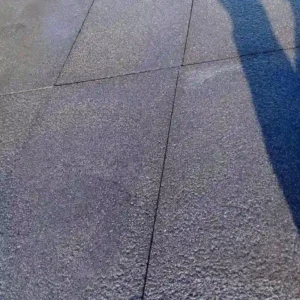
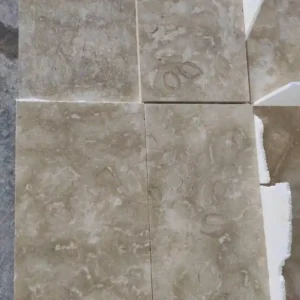
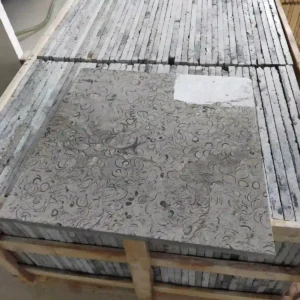
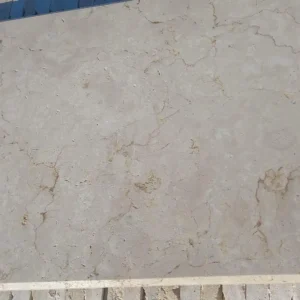
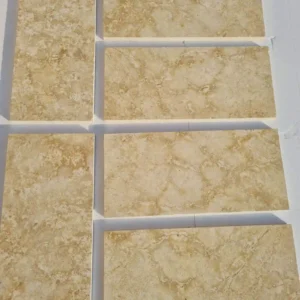
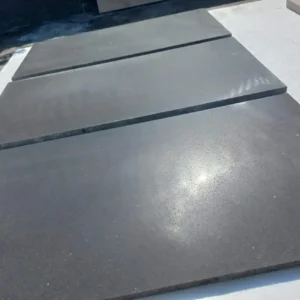
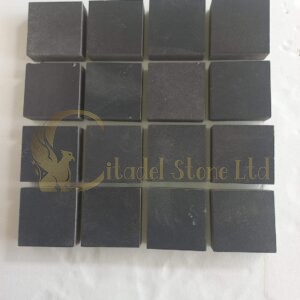
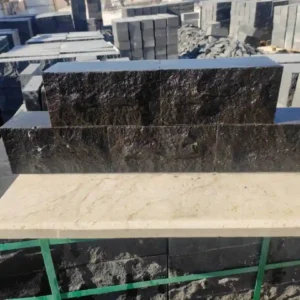
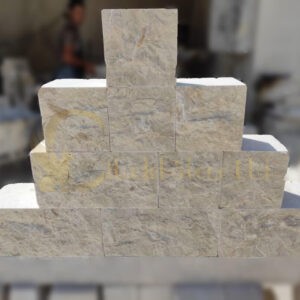
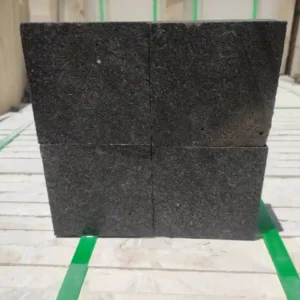
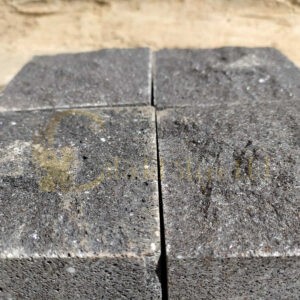
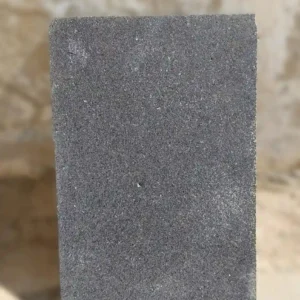
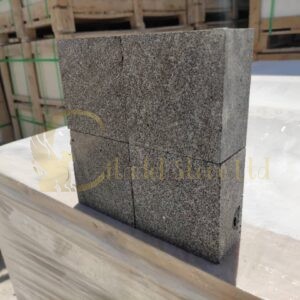
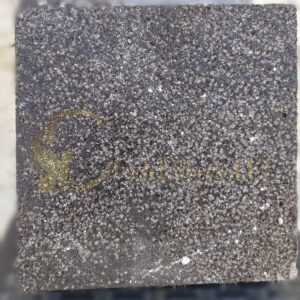
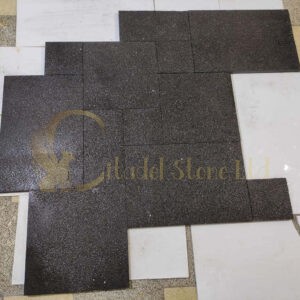
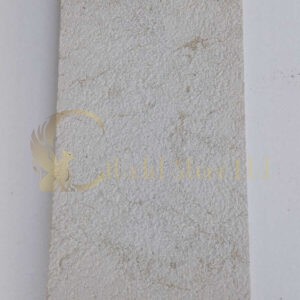
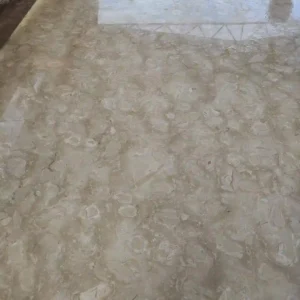
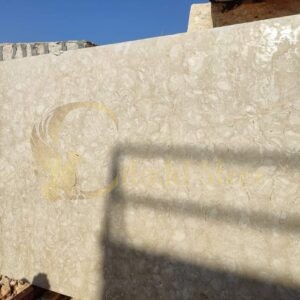
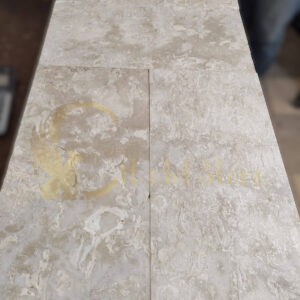
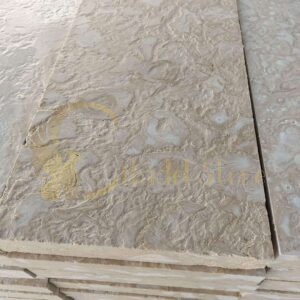
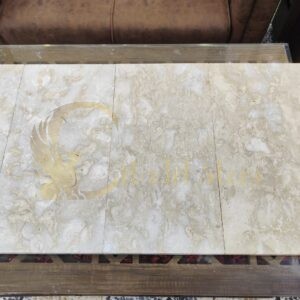
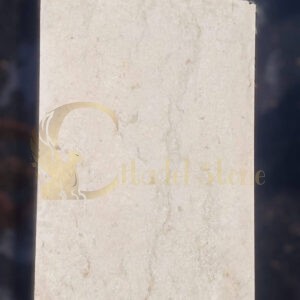
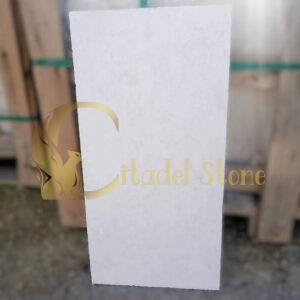
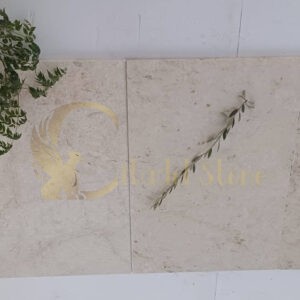
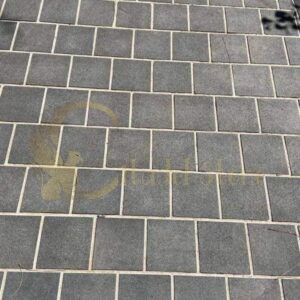
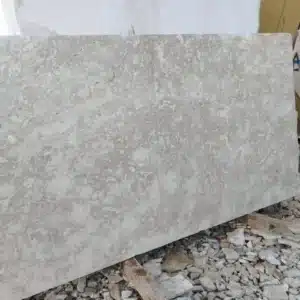
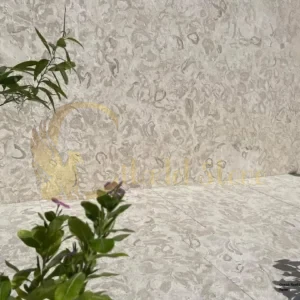
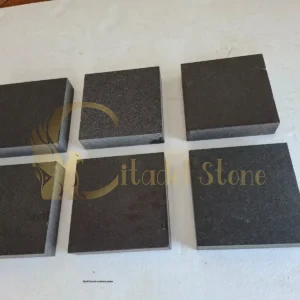
Grey carries a wide tonal range — from near-white silver-grey through mid-toned charcoal to deep graphite — and your specification needs to lock in the specific tone to maintain visual consistency across project phases. Most Arizona design review boards for planned communities require material samples submitted before approval, so you’ll want to work from actual warehouse stock rather than digital representations, which shift significantly under Arizona’s intense UV conditions over time.
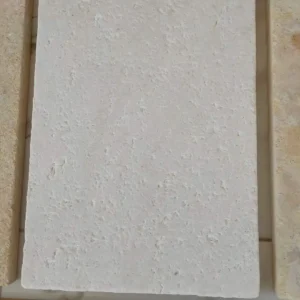
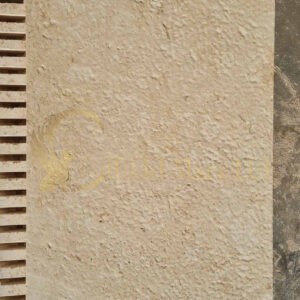
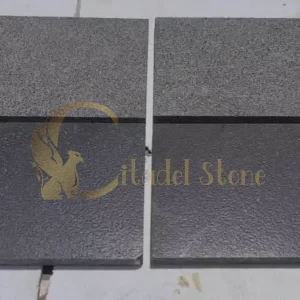
Surface finish also intersects with code compliance. ADA requirements for pedestrian pathways specify a static coefficient of friction of 0.6 minimum for level surfaces and 0.8 for ramps. Polished or honed grey paving edging stones in pedestrian zones may fall below those thresholds when wet — particularly relevant in pool environments. A thermal or brushed finish brings the surface back above compliance thresholds while preserving the grey tone that most Arizona landscape architects are specifying for contemporary desert-modern projects. Citadel Stone can provide ASTM C1028 slip-resistance test data for specific finish options so you can confirm compliance before finalizing your specification.
- Silver-grey tones: highest solar reflectance, preferred in Phoenix Valley heat island mitigation projects
- Mid charcoal grey: best colour stability under UV — retains consistent tone across 10 to 15 year timelines without significant fade
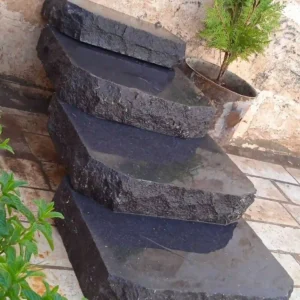
- Deep graphite: highest thermal mass, absorbs more heat — appropriate for shaded installations but should be avoided in full-sun patio edging without adequate sealant protection
- Brushed and thermal finishes: code-compliant for pedestrian zones, compatible with grey edging bricks for patio use in both residential and commercial classifications
Get Grey Edging Blocks Delivered Across Arizona
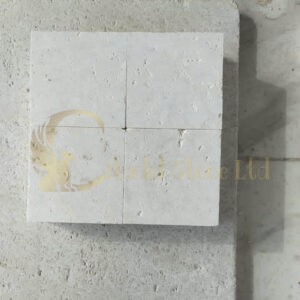
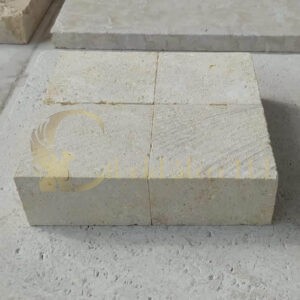
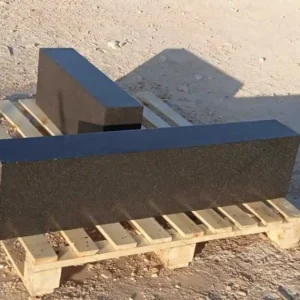
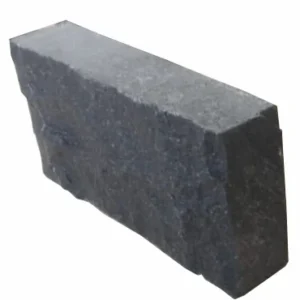
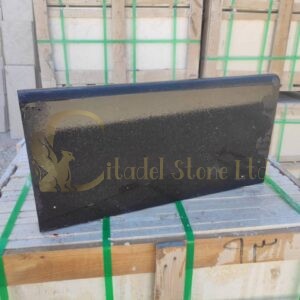
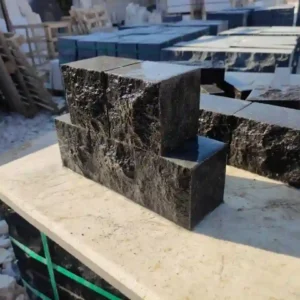
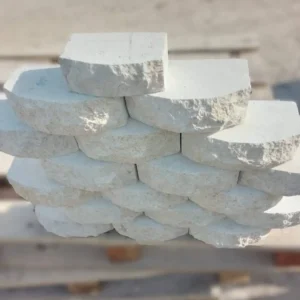
Citadel Stone supplies grey edging blocks in standard profiles across Arizona from regional warehouse inventory, with truck delivery coverage extending to Phoenix metro, Tucson, Flagstaff, Scottsdale, Mesa, Chandler, Gilbert, Peoria, Tempe, Sedona, and Yuma. Standard formats include 100mm × 200mm × 60mm, 100mm × 200mm × 80mm, and 200mm × 200mm × 100mm in brushed, thermal, and sawn finishes. You can request physical samples and full specification sheets including compressive strength data, absorption rates, and slip-resistance certifications before committing to your order.
Trade accounts and wholesale enquiries receive dedicated project coordination, including material scheduling aligned to your installation timeline and warehouse confirmation of stock availability before your project start date. For non-standard profile requirements or custom-cut edging configurations, lead times typically run three to four weeks from order confirmation. Contact Citadel Stone’s technical team to schedule a specification consultation or request a project quote — particularly for jobs requiring phased delivery across an extended construction schedule.
Your Arizona hardscape project deserves stone that meets both the structural demands of the region and the aesthetic expectations of desert-modern design. Driveway surface applications frequently complement grey edging installations, and Grey Pavers for Driveway in Arizona covers specification details that connect directly to the perimeter edging work discussed throughout this guide. Homeowners in Flagstaff, Sedona, and Yuma source Grey Edging Blocks through Citadel Stone for Arizona residential and commercial installations.