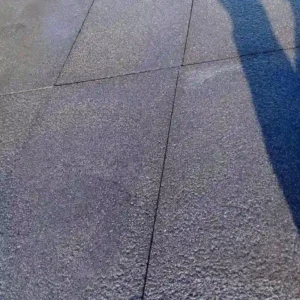
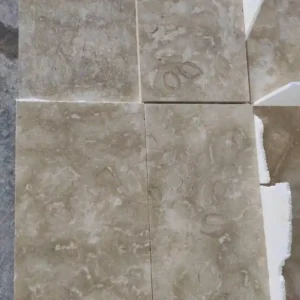

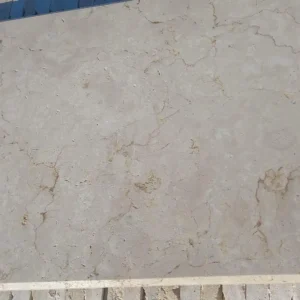
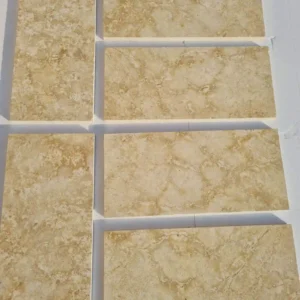
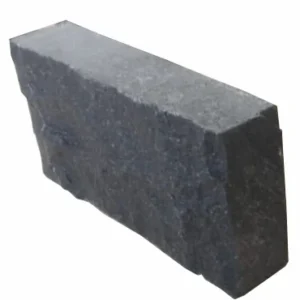
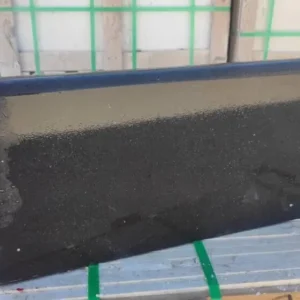
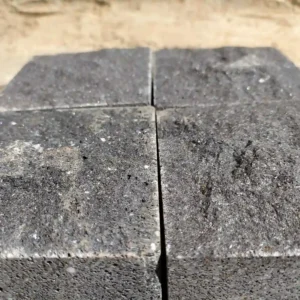
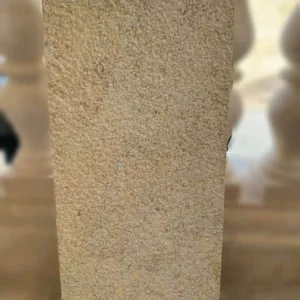

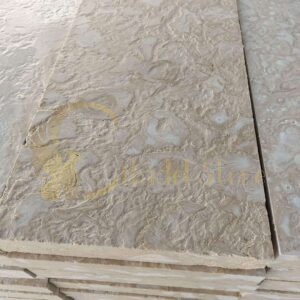
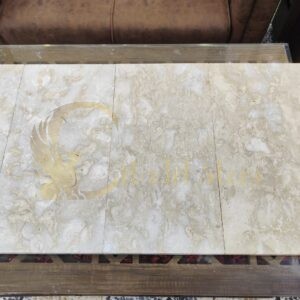
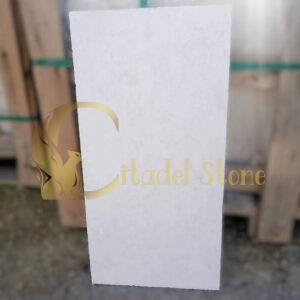

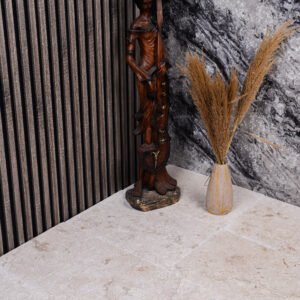
Timing your grey pavers for driveway installation in Arizona is the single variable that separates a clean, stable result from a job that develops lippage and joint failures within the first summer. The desert’s temperature swings don’t just affect comfort — they directly control mortar cure rates, polymeric sand activation windows, and how much thermal expansion your grey stone needs to accommodate from day one. Get the schedule right, and the material performs for decades. Miss the window, and you’re correcting problems before the first monsoon season closes.
Why Installation Timing Defines Long-Term Performance
Arizona’s climate is often described in broad strokes, but the specific thermal conditions that matter for a grey cobblestone driveway installation are far more precise than “it gets hot.” Surface temperatures on exposed aggregate bases in the Phoenix metro regularly exceed 140°F during July and August afternoons, and that heat penetrates deep enough to interfere with polymeric sand curing even when ambient temperatures look manageable. The real problem isn’t a single hot day — it’s the sustained soil temperature that forces bedding sand to shift during the critical 72-hour setting window.
You’ll also need to factor in that grey pavers for driveway projects absorb and re-emit heat differently depending on finish texture. A tumbled grey cobblestone driveway surface reaches equilibrium with its base faster than a honed slab, which changes your setting time calculations in ways most installation crews learn the hard way rather than from any printed guide.
Citadel Stone’s team reviews installation timing with every project during the specification consultation phase — because the same grey stone for driveway in Arizona can behave very differently depending on whether it lands on a slab in October versus June.
Optimal Installation Windows for Grey Pavers for Driveway in Arizona
The two reliable installation windows in Arizona are mid-October through late November and late February through mid-April. During these periods, daytime highs across the low desert stay in the 65°F–85°F range, nights drop enough to prevent premature drying, and soil temperatures stabilize in the 55°F–70°F band that allows polymeric sand to cure at its rated performance. For grey bricks for driveway in Arizona projects, this window allows you to maintain joint spacing without the 15–20% adjustment that extreme heat forces on crews working outside the window.
Here’s what most specifiers miss about the spring window: it closes faster than the calendar suggests. Phoenix can see triple-digit days arrive as early as late April in years with early high-pressure systems, which means a project that starts March 15 needs to be substantially complete — including joint sand compaction and initial sealing — before mid-April to stay within optimal curing conditions. Build a weather contingency buffer into every spring project schedule of at least ten working days.
- Mid-October to late November: best window for most of the low desert, including Phoenix, Scottsdale, and Mesa
- Late February to mid-April: viable spring window, closes abruptly — schedule tightly and monitor forecasts weekly
- December to January: acceptable for southern Arizona elevations below 2,000 feet, but nighttime temperatures in Flagstaff can drop below freezing and interfere with mortar and sand curing
- May through September: avoid for new grey stone for driveway installations unless you have access to shade structures, overnight watering systems for subbase temperature control, and a crew experienced with heat-adjusted installation protocols
For grey brick driveway in Arizona projects specifically, the autumn window tends to produce more consistent results than spring — the soil has shed summer heat more evenly, and there’s less risk of an unexpected warm snap compressing your finishing schedule.
Summer Installation: What Actually Goes Wrong
Contractors who schedule grey pavers for driveway work in June and July aren’t always making a mistake born of ignorance — sometimes project timelines and client schedules leave no choice. Knowing what to compensate for makes the difference between an acceptable summer install and a warranty call six months later.
The primary failure mode in summer installations is premature moisture loss from the setting bed. In high-humidity climates, setting sand retains enough moisture to allow the base to consolidate properly under vibratory compaction. In Arizona’s low desert, that same sand can lose critical moisture within 20–30 minutes of placement on a 110°F day, leaving a setting bed that never fully consolidates. Your grey bricks for driveway in Arizona will appear level immediately after installation, then develop subtle rocking within the first thermal cycle as the under-consolidated base shifts.
- Pre-wet aggregate bases the evening before installation to reduce surface temperature by 15–20°F at work start
- Stage grey stone sections in shaded areas before setting — pre-heated pavers on a hot base create a compounding thermal stress at the joint interface
- Increase polymeric sand application by one pass and use a fine mist rather than a standard hose setting for activation — standard flow rates scour joints in high-wind summer conditions
- Plan to finish compaction and sand activation before 10 a.m. to avoid peak surface temperatures during the critical bonding window
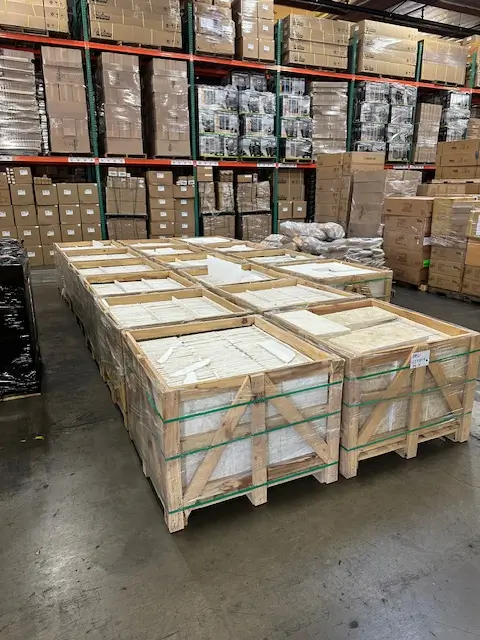
The warehouse logistics matter here too: verify that your grey stone order ships from Citadel Stone’s regional warehouse inventory with at least three days of lead time before your crew’s start date, so pallets aren’t sitting on a sun-exposed staging area for days before installation. Thermal pre-loading of stone before it’s set creates differential expansion stress that most specs don’t account for.
Elevation, Freeze-Thaw, and the Flagstaff Factor
Flagstaff sits at roughly 6,900 feet, and the installation timing rules that apply to Phoenix are almost entirely reversed there. Grey stone for driveway projects at that elevation need to avoid late October through March entirely — not because of heat, but because freeze-thaw cycling in a newly installed driveway with unsettled joint sand will heave pavers and open joints before the base has consolidated through its first full load-bearing season. The high desert’s freeze-thaw exposure is genuinely aggressive, cycling 50–70 times per season in average years, and a grey cobblestone driveway that’s been in the ground less than 90 days before first freeze is at significant risk of surface disruption.
The practical window for Flagstaff and similarly elevated Arizona communities is a tight band: mid-May through early September. Soil temperatures need to stay above 45°F for a minimum of two weeks after installation before the first overnight freeze risk, and that margin simply doesn’t exist outside that summer window at elevation. Source your grey pavers with adequate lead time — warehouse stock depletion is common in late spring as multiple high-elevation projects start within the same narrow window.
Base Preparation, Caliche Soils, and Setting Up for Success
The actual installation of grey stone is the visible part of the job. What determines whether it performs is the 72 hours of base preparation that precedes it, and in Arizona, that base work has its own seasonal constraints. Scottsdale and the broader northeast Valley corridor sit on caliche-bearing soils that require mechanical breaking before aggregate placement. Caliche excavation in summer can be done, but the dust and temperature conditions make it significantly harder to maintain the moisture levels needed for proper compaction testing — most experienced crews schedule caliche excavation for the cool season and treat that prep work as its own phase separate from paver installation.
For grey brick driveway in Arizona projects with vehicular loads, a minimum 6-inch compacted aggregate base is standard, with 8 inches recommended for SUV and light truck traffic. The 1-inch setting bed of coarse sand sits on top of that. In clay-heavy zones outside the caliche belt — particularly in southern Arizona near Tucson — the subgrade can hold moisture from monsoon season through October, which means probing moisture content before you accept a compaction report is worth doing even when everything looks dry on the surface.
- Test subgrade moisture with a penetrometer or manual probe before approving any aggregate placement — a surface that reads firm can hide a saturated clay layer 4–6 inches down
- In caliche zones, over-excavate by 2–3 inches beyond your design depth to allow for variable caliche layer thickness — caliche doesn’t compact the way imported aggregate does
- Schedule aggregate delivery so the truck arrives the morning of compaction, not the prior afternoon — overnight dew in the autumn window can add enough surface moisture to skew your compaction readings
- Allow 48 hours minimum between final aggregate compaction and paver placement to let the base settle under its own weight before accepting point loads
Grey Cobblestone Driveway Format Selection and Thermal Expansion Allowances
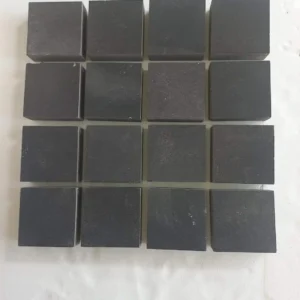
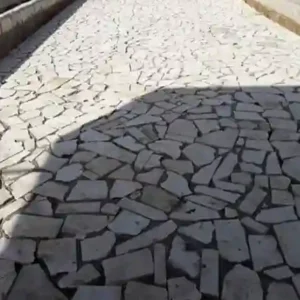
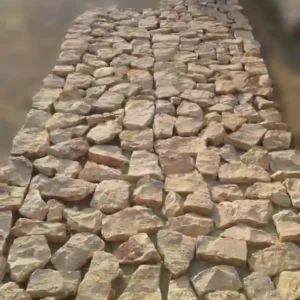
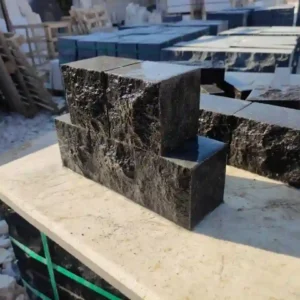
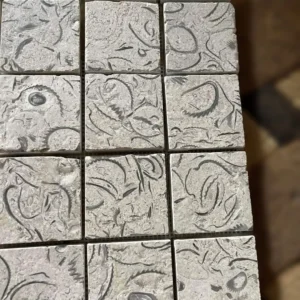
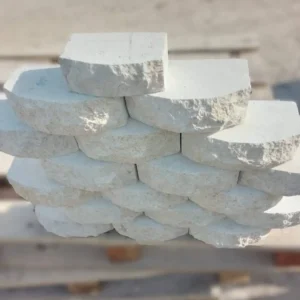
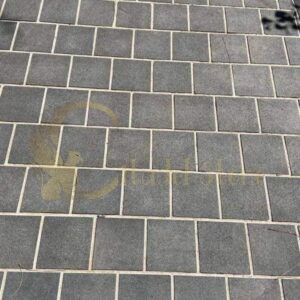
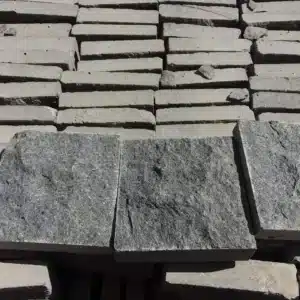
Format choice isn’t purely aesthetic on an Arizona driveway — it’s a structural decision that directly relates to how the installation responds to seasonal temperature swings. A grey cobblestone driveway uses smaller individual units, which distributes thermal movement across dozens of joints rather than concentrating it at fewer expansion gaps. This makes cobblestone and small-format grey brick particularly forgiving in Arizona’s climate range, where you can see a 90°F surface temperature difference between a January morning and an August afternoon on the same driveway.
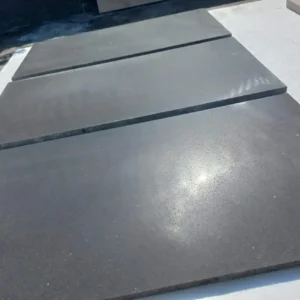
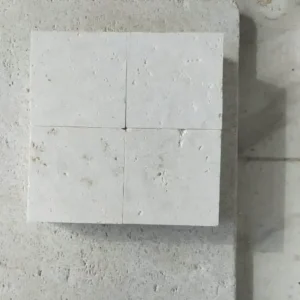
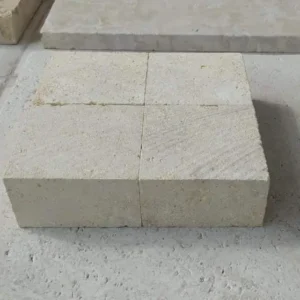
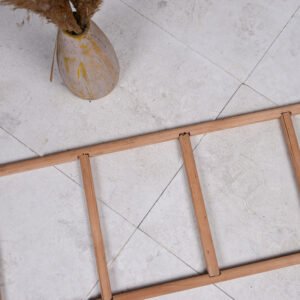
Large-format grey stone slabs — anything over 24 inches — require you to spec expansion joints every 12–15 feet in Arizona conditions, not the 20-foot intervals you’ll see in national standards written for temperate climates. The thermal expansion coefficient of natural stone runs approximately 4–6 × 10⁻⁶ per °F, which sounds abstract until you calculate the cumulative movement across a 30-foot driveway run: you’re looking at 3/16 to ¼ inch of total movement across a seasonal temperature swing of 80°F. That movement needs somewhere to go, or it comes back as edge spalling and joint cracking. For projects requiring grey pavers for driveway in Arizona in mixed residential and commercial zones, Citadel Stone stocks formats ranging from 4×8 cobble-style through 24×24 slab in standard grey tones, so you can match format to thermal performance requirements rather than defaulting to whatever’s on hand. The resource on Grey Pavers for Driveway from Citadel Stone covers specific design layout patterns that also affect how thermal expansion distributes across a grey brick driveway in Arizona — particularly useful when you’re working with mixed format sizes on a single driveway run.
Sealing Schedules Around Arizona’s Monsoon Season
New grey pavers for driveway installations need a minimum 28-day cure before applying a penetrating sealer. That cure window and your sealing schedule need to work around Arizona’s monsoon season — roughly July through mid-September — which introduces a complication most sealers don’t mention on their data sheets. Applying a penetrating sealer to grey stone that retains any residual moisture from monsoon rain creates a vapor trap that causes efflorescence and white haziness in the slab surface within weeks.
The practical rule: seal in late October for autumn installations, or seal in late May for spring installations, checking that no rain has fallen on the surface in the preceding five days and that the stone surface temperature is below 90°F at application time. For grey stone for driveway surfaces with a textured or tumbled finish, a second coat applied 24 hours after the first improves penetration depth by 30–40% compared to a single heavier application. Re-sealing on a biennial schedule is realistic for most Arizona driveways, with annual inspection of joint sand depth to catch any washout before it becomes a structural issue.
Southern Arizona Scheduling Notes for Grey Stone Driveways
Projects in Tucson and the surrounding Sonoran Desert communities operate in a slightly extended installation window compared to the Phoenix metro. Tucson’s elevation of approximately 2,400 feet means summer highs are typically 5–8°F lower, and the cooling season arrives earlier in autumn. The usable installation window in the Tucson area effectively extends through the first week of December on the back end and can open as early as mid-February in warm years — about three to four additional weeks compared to Phoenix low-desert scheduling.
Tucson’s monsoon season is more intense by moisture volume than northern Arizona, and post-monsoon soil moisture can extend into October in years with heavy late-season rainfall. Check the local soil moisture conditions before scheduling base compaction — a reading that looks fine on October 1 may still hold enough deep moisture to affect long-term consolidation if monsoon rains continued into mid-September.
Source Premium Grey Pavers for Driveway in Arizona — Citadel Stone Supply
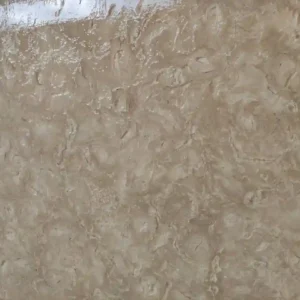
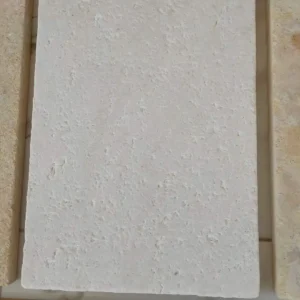
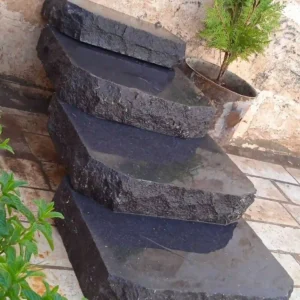
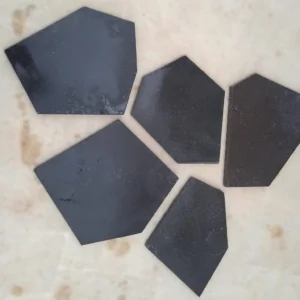
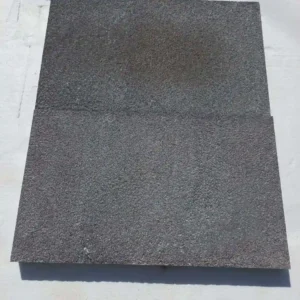
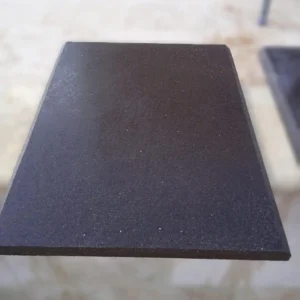
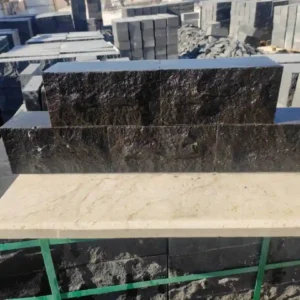
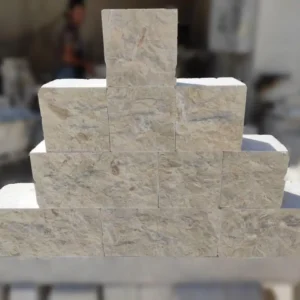
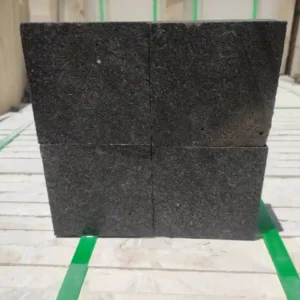
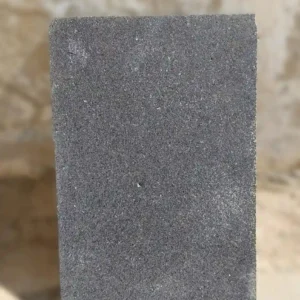
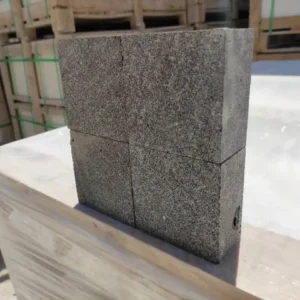
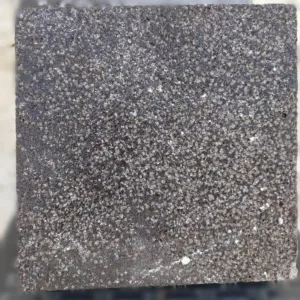
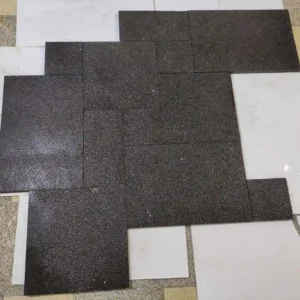
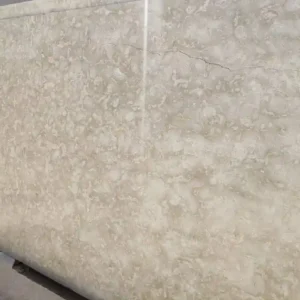
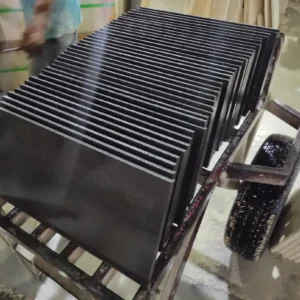
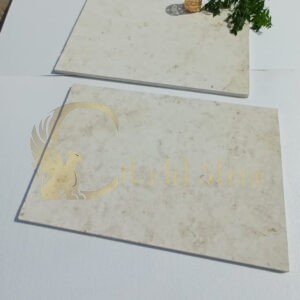
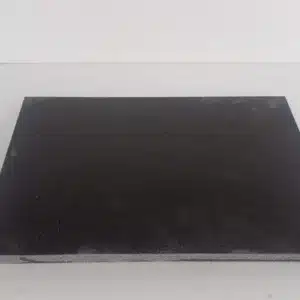
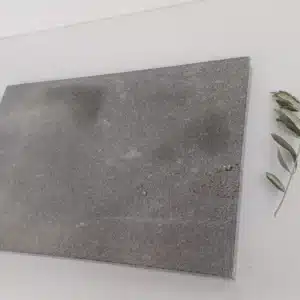
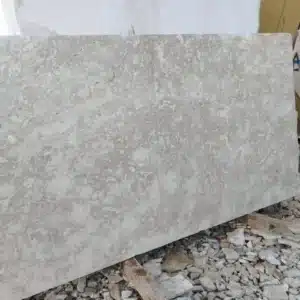
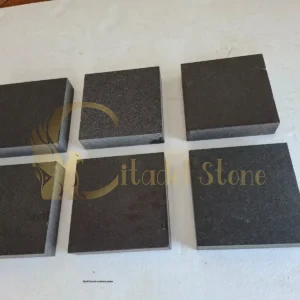
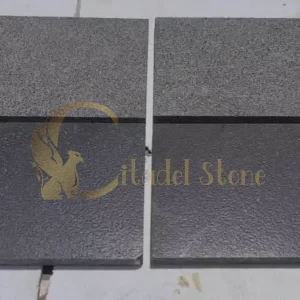
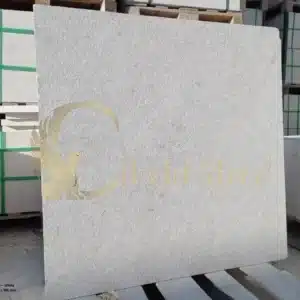
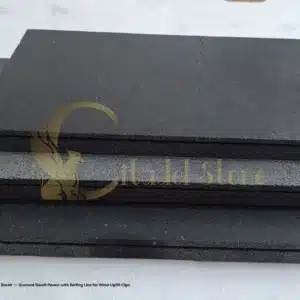
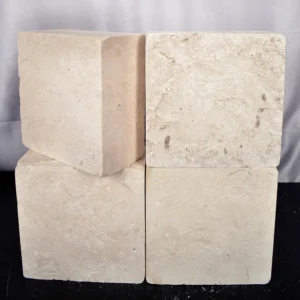
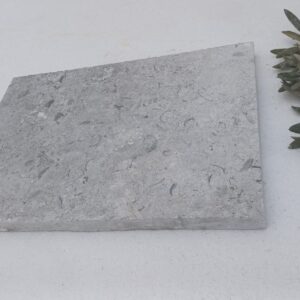
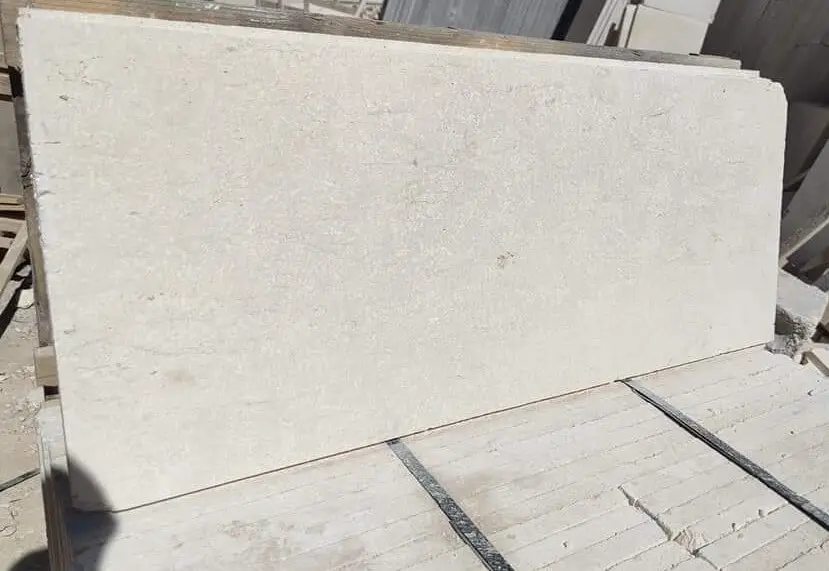
Citadel Stone maintains warehouse inventory of grey stone driveway materials sized for Arizona project volumes, with standard formats available in 4×8, 6×9, 12×12, 16×16, and 24×24 configurations across multiple grey tone ranges — from lighter silver-grey through charcoal and deeper graphite finishes. Each batch is inspected for thickness tolerance and colour consistency before it leaves the warehouse, which matters on larger driveway projects where pallet-to-pallet variation creates visible shade banding in the finished surface. Sample tiles and thickness specification sheets are available on request before committing your project to a specific grey stone format.
For trade accounts and wholesale enquiries, Citadel Stone’s team can advise on lead times by format and current inventory levels — typically 1–2 weeks for in-stock grey pavers for driveway projects and 4–6 weeks for special orders. Delivery coverage extends across Arizona, with truck scheduling that accommodates both residential driveway projects and larger commercial installations requiring phased material drops. Contact Citadel Stone directly to request project pricing, confirm current warehouse stock, or schedule a specification consultation before your installation window opens. Adjacent outdoor surfaces benefit from the same seasonal discipline applied to driveway projects — Grey Patio Slabs for Sale in Arizona covers how complementary stone surfaces in Arizona are specified and installed using the same climate-driven scheduling principles. Homeowners in Flagstaff, Sedona, and Yuma source Grey Pavers for Driveway through Citadel Stone for Arizona residential and commercial installations.