
The Budget Reality Behind Grey Edging Block Projects
Maintaining grey edging blocks in Arizona demands more than a seasonal cleaning schedule — your long-term costs hinge on sourcing decisions you make before a single block is set. Projects in Phoenix routinely see a 20–35% swing in total installed cost depending on whether material arrives from a regional warehouse or clears a long-haul freight route from the Southwest’s border distribution hubs. That spread isn’t just freight — it compounds into adjusted labor bids, delayed mobilization windows, and inflated contingency reserves that erode value engineering gains before work even begins.
For most mid-size residential and commercial jobs, the material-to-labor cost ratio on grey stone border installation sits around 40:60. That ratio shifts fast when freight adds $180–$240 per pallet on top of already-elevated Arizona labor rates. You’ll want to lock in your sourcing strategy early — not as an afterthought once the design is finalized.
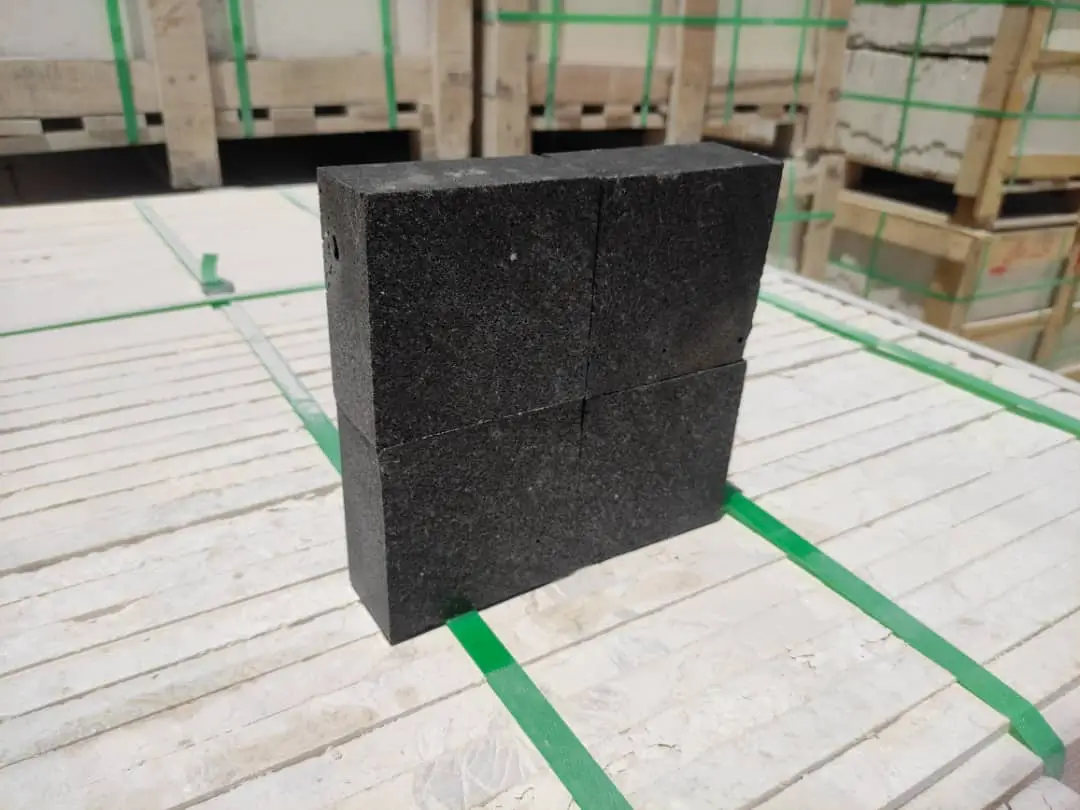
Sourcing and Logistics in the Arizona Market
Arizona’s geography creates a specific challenge for grey edging block supply chains. The state sits at a notable distance from both domestic quarry clusters in the Midwest and the primary import ports on the West Coast, which means truck delivery costs are a real line item — not a rounding error. A full truck load of natural stone edging from a California distribution point to a Tucson job site adds meaningful cost that a Phoenix-area warehouse pickup simply doesn’t. Understanding this distinction reshapes how you budget from the start.
Regional availability of specific grey stone profiles also varies more than most specifiers expect. Certain tumbled and split-face edging block profiles move through Arizona warehouse stock quickly during spring and fall build seasons, and lead times can stretch from the typical one-to-two week window to four or five weeks if you’re ordering during peak demand. Confirming stock levels before you commit to a project schedule isn’t optional — it’s the single step that prevents the most common timeline failures in the field.
- Verify warehouse stock of your specific edging block profile before finalizing the project schedule
- Request freight quotes from multiple distribution points — Phoenix-area pickup versus delivered-to-site can differ by $150–$250 per pallet
- Factor Arizona’s fuel surcharges and weight limits on state highways into your truck delivery estimates
- Build a two-week buffer into your material arrival window during March–May and September–November peak seasons
Value Engineering Your Grey Stone Border Budget
Value engineering on grey edging block projects doesn’t mean cutting corners — it means optimizing where your money actually goes. The highest-leverage decision you can make is standardizing on a single edging profile rather than mixing sizes, because mixed-profile orders fragment into smaller pallet quantities that carry proportionally higher freight costs per unit. A consistent 6x9x4-inch or 4x12x4-inch profile across the full project scope typically delivers 8–12% in freight savings versus a split specification.
Labour rates across Tempe and the broader East Valley have trended higher over the past several build cycles, partly driven by competition from commercial corridor projects and partly by the tightening of skilled masonry labor availability. That context matters for your value engineering conversation — reducing installation complexity through consistent block sizing and pre-planned joint patterns saves more per square foot in Arizona than it does in lower-labor markets. The material savings from choosing a slightly thinner profile rarely outweigh the labor efficiency gains from keeping the installation straightforward.
Why Sealing Is a Cost-Performance Decision
Sealing natural stone edging blocks in AZ protects your investment from the twin threats of UV degradation and efflorescence — but the real argument for sealing is financial. An unsealed grey stone border in Arizona’s climate can begin showing surface spalling within four to six years, requiring either patch repairs or full-section replacement. Either option costs significantly more than a biennial sealing program, which typically runs $0.80–$1.40 per linear foot when bundled into a landscape maintenance contract.
The product category matters here. Penetrating silane-siloxane sealers outperform topical film-formers in Arizona’s high-UV environment because they don’t create a surface layer that chalks and peels under thermal cycling. You’re looking at a 10-year performance expectation from a quality penetrating sealer with two applications, versus a 3–4 year cycle on most topical products. That difference directly translates to reduced maintenance labor costs over the life of the installation — a core reason why sealing natural stone edging blocks in AZ is considered standard practice rather than optional upkeep.
- Apply penetrating sealer within 30 days of installation completion — waiting longer allows efflorescence salts to migrate to the surface and reduce sealer bond
- Reapply every 18–24 months depending on sun exposure and irrigation contact frequency
- Test sealer compatibility on a sample block before full application — some grey stone varieties with higher iron content can darken unpredictably with solvent-based carriers
- Budget $1.10–$1.50 per linear foot for professional sealing application, or $0.35–$0.55 per linear foot for owner-applied product and time
For trusted guidance on sourcing and maintenance protocols tailored to Arizona conditions, Citadel Stone Arizona edging block maintenance provides technical detail that translates directly to field application decisions.
Heat-Resistant Stone Edging Care Across Arizona Climates
Heat-resistant stone edging care across Arizona isn’t one-size-fits-all — the performance expectations in a low-desert Phoenix installation differ meaningfully from a higher-elevation project. Natural grey stone edging blocks perform well thermally because their mineral density moderates heat absorption compared to concrete alternatives, but you’ll still see 140–160°F surface temperatures on south-facing exposures during July and August. That thermal loading drives micro-expansion in mortar joints and sets up the fatigue cycle that eventually requires joint re-pointing.
The practical field rule is to inspect grey stone border edging for joint separation every two years in Phoenix-area installations, and every three years in higher-elevation locations where thermal cycling is less severe but freeze-thaw cycles introduce a different stress pattern. Joint separation wider than 3mm signals that re-pointing is overdue — beyond that threshold, water infiltration accelerates sub-base erosion and shifts the cost conversation from maintenance to partial replacement. Consistent heat-resistant stone edging care across Arizona’s varied elevation zones is what separates installations that hold for two decades from those that require costly remediation within ten years.
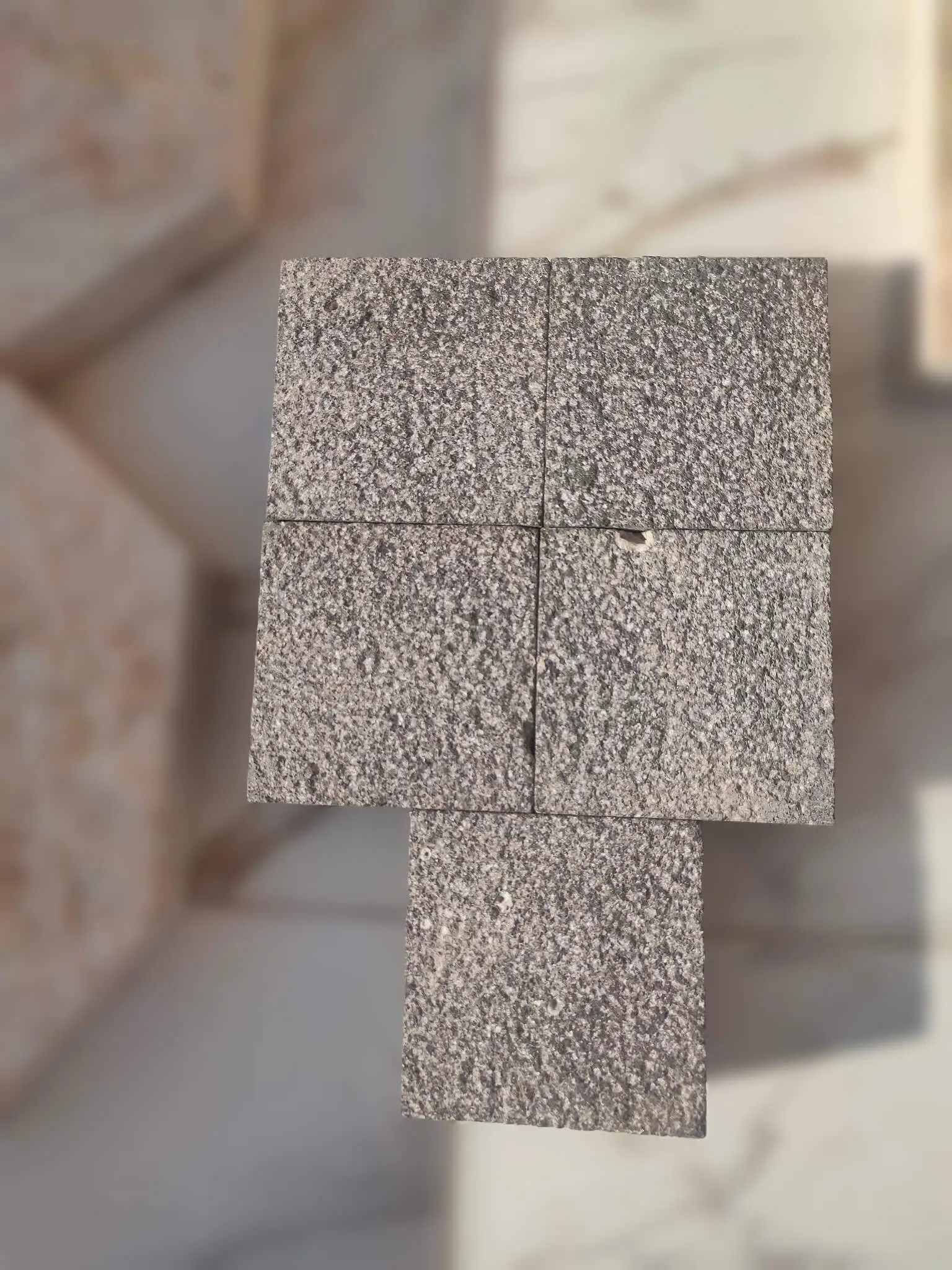
Base Preparation and Its Long-Term Cost Impact
Grey edging blocks in Arizona that fail prematurely almost always trace back to base preparation, not material quality. The expansive clay soils common across the central and southern parts of the state — particularly in areas southwest of Tucson — can exert upward pressure that shifts even well-anchored edging blocks by 10–15mm over three to five years. That movement is cosmetic in the early stages but structural in its long-term implications for adjacent paving, drainage slopes, and irrigation line clearances.
The economic case for proper base preparation is straightforward: a compacted Class II base at 4–6 inch depth adds $2.50–$4.00 per linear foot to your installation cost up front. Remedial correction of a shifted edging border — including block removal, base correction, and reinstallation — runs $18–$28 per linear foot. The math on base preparation investment is among the clearest in the masonry trades. Spec the deeper base regardless of the pressure to reduce initial project costs.
- Minimum 4-inch compacted aggregate base for standard residential edging applications in Arizona
- Increase to 6 inches in areas with confirmed expansive clay or caliche layers within 24 inches of finished grade
- Moisture-condition the base layer before compaction — dry compaction in Arizona’s arid soils produces a weaker, more settlement-prone base than properly moisture-conditioned aggregate
- Geotextile fabric between native soil and aggregate base is worth specifying in high-clay zones — it adds $0.40–$0.60 per linear foot and eliminates fines migration that undermines base density over time
Monsoon Season Maintenance Priorities
Arizona’s monsoon season — roughly June through September — creates a specific maintenance window that most grey stone border upkeep in Arizona schedules underweight. The combination of thermal shock from sudden rain on superheated stone, elevated moisture infiltration into joints, and the fine particulate carried by dust storms means your post-monsoon inspection should be systematic, not cursory. Surface cleaning after dust events prevents the abrasive silica particles from embedding into sealer layers and accelerating UV degradation.
The sequence that works in practice: inspect joints first, clean second, re-seal only where the water bead test confirms sealer depletion. Cleaning before joint inspection misses the pressure-washing damage that can occur when mortar joints are already compromised. A $40 water bead test across representative sections takes 20 minutes and saves you from over-applying sealer on sound surfaces or under-applying on vulnerable ones. At Citadel Stone, we recommend this three-step sequence as standard post-monsoon protocol because skipping the inspection phase is the most common maintenance error we see on Arizona grey stone edging installations.
- Inspect joint integrity and note any separation exceeding 2mm width within two weeks of monsoon season end
- Remove embedded dust and silica particulate with a low-pressure rinse (600–800 PSI) before applying any cleaning agent
- Test sealer performance with a water bead check — water beading into droplets indicates active sealer; flat absorption indicates reapplication is needed
- Re-point any joints showing separation before the next heating season begins to prevent sub-base moisture infiltration
Ordering Timelines and Avoiding Supply Gaps
The Arizona outdoor stone border maintenance tips that save the most money long-term aren’t about cleaning products — they’re about ordering replacement materials before you need them. Grey stone edging profiles are not universally interchangeable between production runs, and a repair section installed 18 months after original installation from a different production batch will show color variation that’s apparent even after years of weathering. Holding a partial pallet of original material in storage is a standard professional practice that homeowners often skip until they regret it.
Our warehouse team flags this pattern regularly — clients who request matching repair material three or four years after original purchase frequently face the challenge of discontinued profiles or shifted color batches. Ordering a reserve quantity — typically 8–10% of original job quantity — adds a modest upfront cost that eliminates what becomes a frustrating and expensive mismatch problem later. For Arizona projects where exterior aesthetics are a meaningful part of property value, that reserve pallet is straightforward insurance. As your project winds down, coordinating with the supplier on reserve stock availability and truck delivery scheduling for a partial pallet is worth the single phone call it takes. These are among the most practical Arizona outdoor stone border maintenance tips available — planning for continuity before the need arises rather than scrambling for a match after the fact.
Long-Term Value of Maintaining Grey Edging Blocks in Arizona
Maintaining grey edging blocks in Arizona is a long-duration investment decision, not a periodic chore. The projects that hold up best over 15–20 year time horizons consistently share three characteristics: sourcing from regional inventory that minimizes freight cost and delivery uncertainty, base preparation that accounts for Arizona’s specific soil movement patterns, and a maintenance schedule anchored to the monsoon season rather than a generic annual calendar. Getting those three elements right at the outset shifts the entire cost curve of the installation in your favor.
For further guidance on material selection decisions that connect directly to maintenance outcomes, How to Choose Grey Edging Blocks in Arizona explores how your initial product selection shapes both upfront cost and long-term upkeep requirements — a perspective worth reviewing before you finalize specifications. Citadel Stone advises homeowners in Yuma, Gilbert, and Peoria that grey edging blocks benefit from post-monsoon joint inspection and light surface cleaning to maintain structural alignment through seasonal heat cycles.