
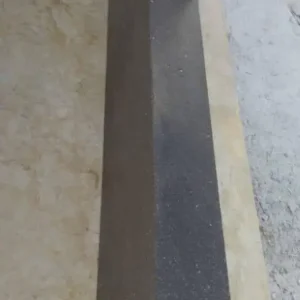
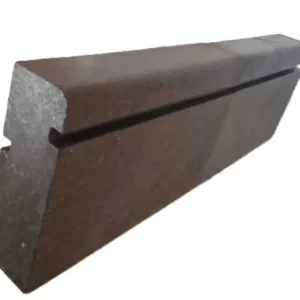
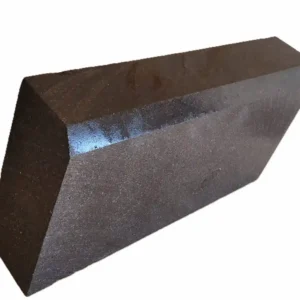
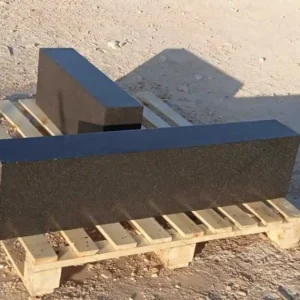
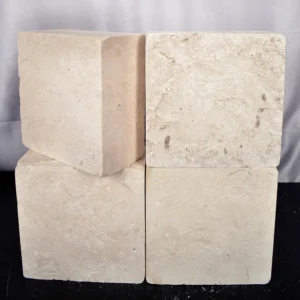
Whether you’re establishing distinguished driveway edges, creating formal garden borders, defining parking areas, or adding architectural detail to commercial properties, natural stone curbstones provide permanent solutions combining practical functionality with sophisticated visual appeal. This comprehensive guide explores everything property owners, landscape designers, and contractors need to know about selecting, installing, and benefiting from quality natural stone curbstones.
Understanding Curbstones: Purpose & Function
Our curbstones serve multiple critical functions in landscape and hardscape design, extending far beyond simple visual appeal:
Material Separation & Containment: The primary function of curbstones involves creating physical barriers between different surface materials—separating driveways from lawns, containing gravel or mulch within defined areas, preventing asphalt or concrete edge degradation, and maintaining clear boundaries between hardscape and landscape zones. Quality curbstones installed with proper footings resist lateral movement and material migration that occurs without adequate edging.
Erosion Control & Water Management: Strategic curbstone placement directs water flow, prevents soil erosion on slopes, controls runoff patterns, and protects landscape beds from washout during heavy rains. The substantial mass and proper installation of natural stone curbstones provides erosion control impossible with lightweight plastic or thin metal alternatives.
Mowing & Maintenance Efficiency: Well-defined curbstone edges create clean mowing lines eliminating tedious trimming, prevent lawn equipment from damaging adjacent surfaces, and reduce overall landscape maintenance time significantly. Property owners typically report 20-30% reduction in edge maintenance after installing quality curbstones.
Visual Definition & Property Enhancement: Beyond functional benefits, curbstones add architectural detail and visual organization transforming ordinary properties into designed landscapes. Clean, professional edges signal property care and quality to visitors, potential buyers, and passersby—directly impacting property values and neighborhood aesthetics.
Traffic Control & Safety: In commercial applications and municipal settings, curbstones guide vehicle traffic, define parking spaces, protect pedestrian zones, and create physical barriers between roadways and sidewalks. The substantial nature of natural stone curbstones provides effective traffic channelization withstanding occasional vehicle contact.
Natural Stone Materials: Superior Curbstone Options
Citadel Stone offers curbstones cut from several premium natural stone varieties, each providing distinct characteristics suited to different aesthetic preferences and functional requirements:
Volcanic Stone Curbstones
Volcanic stones formed from rapidly cooled lava create the hardest, most durable curbstone materials available. These igneous stones exhibit exceptional compressive strength exceeding 30,000 PSI, minimal water absorption preventing freeze-thaw damage, and surface hardness resisting chipping from snowplow strikes or lawn equipment contact. The deep charcoal to black coloration provides contemporary aesthetics complementing modern architecture while creating dramatic contrast against lighter surfaces.
Volcanic curbstones excel in demanding applications: commercial properties requiring maximum durability, cold climates experiencing harsh winters, driveways subject to snowplow operations, and areas where longevity matters more than initial cost. Properly installed volcanic stone curbstones routinely deliver 100+ years of service—archaeological evidence shows volcanic paving from Roman times still functional after 2,000+ years.
Granite Curbstones
Granite represents classic premium natural stone offering exceptional hardness, weather resistance, and availability in varied colors including grays, pinks, whites, and blacks. This igneous stone formed deep underground through slow cooling provides proven performance for curbstone applications spanning centuries of use in European and American infrastructure.
Granite curbstones deliver upscale appearance appropriate for luxury residential estates, historic property restoration, and prestigious commercial developments. The material’s renowned durability ensures installations maintain crisp edges and structural integrity through decades of exposure and use. Color variety enables matching existing stonework or creating custom aesthetic effects impossible with single-color alternatives.
Limestone Curbstones
Sedimentary limestone offers warm, traditional character with honey, buff, cream, and soft gray coloration creating inviting, comfortable aesthetics. Formed from compressed marine deposits over millions of years, limestone provides moderate density suitable for residential applications while costing less than premium volcanic stones or granite.
Limestone curbstones suit traditional architecture, cottage gardens, Mediterranean landscapes, and properties prioritizing warm, approachable character over dramatic contemporary statements. The sedimentary stone naturally lightens and mellows with weathering—developing attractive patina enhancing rather than diminishing appearance over time. Best suited to residential driveways, garden edging, and decorative applications rather than heavy commercial use.
Curbstone Dimensions & Format Options
Natural stone curbstones are available in multiple dimensional formats suited to varied applications:
Standard Straight Curbstones
Rectangular units typically measuring 4-8 inches wide, 12-20 inches tall, and 24-48 inches long create traditional straight edges for driveways, parking areas, and property boundaries. The substantial dimensions provide visual weight and structural stability while lengths accommodate efficient installation with minimal joints.
Radius/Curved Curbstones
Pre-cut curved sections enable smooth arcs for circular gardens, curved driveways, and flowing landscape edges. Available in various radii from tight 2-foot inside curves to sweeping 20+ foot arcs, radius curbstones eliminate the cutting and fitting challenges of using straight units on curves.
Small-Format Curbstones
Compact units measuring 4-6 inches in key dimensions provide flexibility for intricate layouts, tight radius curves, and applications where large units prove unwieldy. These smaller formats suit garden borders, decorative edging, and residential pathways requiring detailed work.
Custom Fabrication
Many suppliers offer custom-cut curbstones matching specific project requirements—unique dimensions, special profiles, integrated drainage features, or architectural details coordinating with existing stonework.
Installation Methods & Best Practices
Successful curbstone installation requires proper technique ensuring long-term stability and performance:
Foundation Preparation: Adequate excavation depth accommodating 6-8 inches of compacted crushed stone base plus curbstone height ensures stability. The base provides drainage and prevents settling that would compromise alignment. Excavation should extend below frost line in cold climates preventing heaving.
Concrete Footing: Permanent installations require concrete footings—typically 6-8 inches deep and extending 4-6 inches beyond curbstone on each side. The footing anchors curbstones preventing lateral movement from soil pressure, frost action, or vehicle impact. Heavy-duty applications benefit from rebar-reinforced footings.
Alignment & Leveling: Establish precise alignment using builder’s string lines set at finished height. Continuous checking during installation ensures professional results. Laser levels facilitate accurate elevation control across long runs.
Joint Treatment: Maintain consistent 1/4″ to 1/2″ joints between curbstone units. Fill joints with mortar, polymeric sand, or sealant depending on installation method and aesthetic preferences. Proper joint treatment prevents water infiltration and maintains structural continuity.
Backfilling: After concrete footings cure (minimum 24-48 hours), carefully backfill behind and in front of curbstones with granular material, compacting in lifts. Proper compaction prevents voids allowing movement or water accumulation.
Natural Stone Advantages Over Alternatives
While various curbstone materials exist—concrete, plastic, metal, wood—natural stone provides compelling long-term advantages:
Unmatched Longevity: Natural stone curbstones routinely deliver 50-100+ years of service compared to concrete’s 20-30 years, plastic’s 5-10 years, or wood’s 10-15 years. This exceptional lifespan eliminates replacement cycles reducing long-term costs dramatically.
Zero Maintenance Requirements: Stone curbstones require no sealing, painting, staining, or protective treatments. Simply install and forget—the material performs reliably year after year. Concrete requires periodic crack repair and eventual replacement. Plastic becomes brittle and breaks. Wood rots. Metal corrodes. Stone endures.
Superior Structural Performance: Natural stone’s exceptional compressive strength and hardness withstand snowplow strikes, vehicle impacts, and lawn equipment contact that would chip or break concrete and destroy plastic alternatives. The material maintains crisp edges and structural integrity despite abuse.
Authentic Material Quality: Each stone piece carries unique natural character—mineral variations, crystalline structures, geological formations—creating genuine quality impossible to replicate in manufactured materials. This authenticity adds value to properties while ensuring installations never appear dated or cheap.
Environmental Sustainability: Quarried natural stone requires minimal processing beyond cutting, carrying significantly lower carbon footprint than energy-intensive concrete manufacturing. At end of service life (typically 50-100+ years later), stone is 100% recyclable and reusable. The exceptional longevity means dramatically fewer replacement cycles over property lifetime.
Residential Applications
Driveway Edging: Stone curbstones provide distinguished driveway edges separating vehicle surfaces from lawns and landscape beds. The substantial material prevents edge degradation common with unsupported asphalt or concrete while adding architectural detail elevating overall property aesthetics.
Garden Bed Borders: Define planting beds with permanent stone edging containing mulch, preventing grass invasion, and creating elevated zones for improved drainage and plant health. Natural stone provides visual weight and traditional character appropriate for cottage gardens through formal estate landscapes.
Pathway Definition: Edge walkways with stone curbstones containing pathway materials (gravel, crushed stone, pavers) while creating clean transitions between different landscape zones. The defined edges guide movement while maintaining organized, professional appearance.
Property Line Demarcation: Establish attractive, permanent property boundaries using stone curbstones providing clear definition without aggressive fencing. The traditional material maintains good neighbor relations while protecting property rights.
Pool Deck Transitions: Create refined edges around pool decks, spa surrounds, and water features. Stone curbstones provide durable, attractive transitions between different surface materials while the natural stone complements water features beautifully.
Commercial & Municipal Applications
Parking Lot Perimeters: Define parking areas with durable stone curbstones containing asphalt, protecting landscape islands, and channeling drainage. The substantial material withstands commercial vehicle traffic while maintaining professional appearance.
Street Curbing: Municipal applications benefit from natural stone’s proven performance in urban infrastructure. European cities feature stone street curbing functioning perfectly after centuries—modern installations inherit this reliability.
Commercial Property Edges: Shopping centers, office parks, and industrial facilities require hardscaping materials projecting quality and permanence. Natural stone curbstones provide upscale appearance supporting premium positioning while delivering commercial-grade durability.
Public Parks & Plazas: Civic spaces demand materials withstanding intensive public use while maintaining attractive appearance requiring minimal maintenance. Stone curbstones meet these requirements while honoring traditional craftsmanship and community character.
Design Considerations
Color Coordination: Select curbstone colors complementing or contrasting with adjacent materials—dark volcanic stone against light paving creates drama; warm limestone coordinates with traditional brick; white granite brightens landscapes.
Dimensional Selection: Match curbstone height to application—taller units (18-20 inches) provide substantial presence for driveways; moderate heights (12-16 inches) suit garden borders; lower profiles (6-8 inches) create subtle definition.
Finish Options: Surface finishes affect aesthetics and function—smooth sawn surfaces provide clean contemporary lines; naturally split faces add rustic texture; flamed or bush-hammered finishes enhance slip resistance.
Pattern Possibilities: Straight runs create formal organization; gentle curves add organic flow; radius sections enable circular features and dramatic sweeping edges.
Investment & Value Analysis
Natural stone curbstones represent quality investment delivering exceptional long-term value:
Initial Cost Considerations: Stone curbstones typically cost 30-50% more initially than extruded concrete alternatives. Material prices range $15-$35 per linear foot depending on stone type and dimensions. Professional installation adds $10-$25 per linear foot.
Lifecycle Value: While initial investment exceeds basic alternatives, lifecycle analysis strongly favors natural stone. Over 50 years, stone costs significantly less due to eliminated replacement cycles, zero maintenance requirements, and avoided repair costs. Concrete typically requires replacement 2-3 times over equivalent period.
Property Value Impact: Quality natural stone edging enhances property values 3-7% typical according to real estate professionals—the refined appearance signals overall property quality and care. For $500,000 residential property, stone curbstones’ $3,000-$5,000 investment could support $15,000-$35,000 additional market value.
Maintenance Requirements
Natural stone curbstones demand minimal ongoing care:
Routine Maintenance: Periodic inspection ensuring joints remain sealed, occasional cleaning removing debris, and monitoring adjacent grade preventing soil buildup comprise total requirements. No sealing, treating, or protective measures needed.
Seasonal Care: Winter brings no special requirements—stone withstands freeze-thaw cycles, deicing salts, and snowplow contact without damage. Spring cleanup removes winter debris; fall preparation involves no special tasks.
Long-Term Performance: Properly installed stone curbstones require essentially zero maintenance throughout service life. Inspect joints every 5-10 years, re-point if needed. Otherwise, the stone simply performs year after year, decade after decade.
Why Choose Citadel Stone for Curbstones?
Premium Material Selection: Direct partnerships with select quarries ensure consistent quality, color uniformity, and structural integrity meeting demanding specifications.
Comprehensive Range: Extensive inventory across multiple stone types, dimensions, and finishes accommodates diverse project requirements from residential gardens to commercial developments.
Expert Technical Support: Decades of natural stone experience inform our installation guidance, material recommendations, and project consultation ensuring successful outcomes.
Quality Assurance: Rigorous inspection standards verify dimensional accuracy, structural soundness, and aesthetic quality before materials ship.
Nationwide Service: Reliable delivery throughout the United States with coordinated logistics for projects of any scale.
Professional Resources: Detailed specifications, installation guidelines, and technical documentation support architects, contractors, and property owners throughout project lifecycle.
Selecting the Right Curbstones
Consider these factors when specifying curbstones for your project:
Application Intensity: Residential gardens tolerate softer limestone; commercial driveways demand harder volcanic stone or granite.
Climate Conditions: Harsh freeze-thaw regions favor low-porosity volcanic stones; moderate climates accommodate limestone beautifully.
Aesthetic Goals: Contemporary designs suit dark volcanic stones; traditional landscapes complement warm limestone; classic estates prefer granite.
Budget Parameters: Limestone offers natural stone quality at accessible pricing; volcanic stones and granite command premium prices justified by exceptional performance.
Installation Timeline: Standard dimensions ship quickly; custom fabrication requires extended lead times—plan accordingly.
Get Started with Premium Natural Stone Curbstones
Transform your property with curbstones combining timeless natural stone beauty, proven structural performance, and maintenance-free longevity.
Contact Citadel Stone:
- Website: www.citadelstone.us
Request Free Consultation: Our experienced team provides material recommendations, quantity calculations, installation guidance, and detailed project quotes tailored to your specific requirements.
Sample Program: Request physical samples evaluating stone types, colors, and finishes in your actual project conditions before committing to full orders.
Professional Support: Architects, designers, and contractors receive dedicated technical assistance, specification development, and coordinated delivery for seamless project execution.
Citadel Stone – Premium Natural Stone Curbstones for Properties Built to Last
Product specifications and pricing subject to change. Contact Citadel Stone for current availability and project-specific recommendations.