
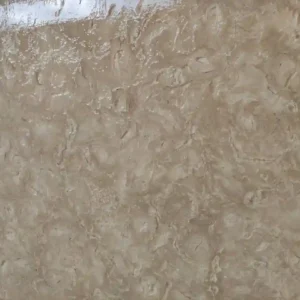
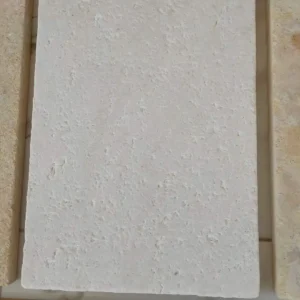
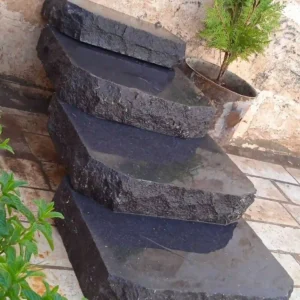
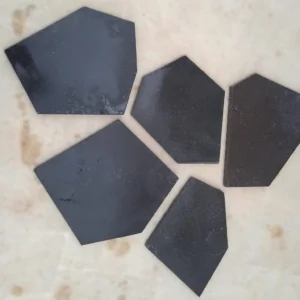
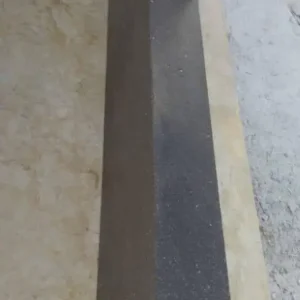
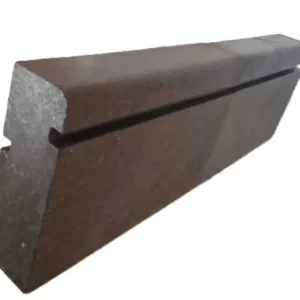
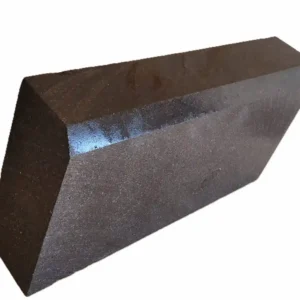
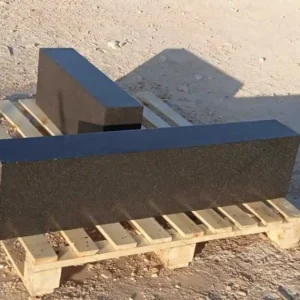

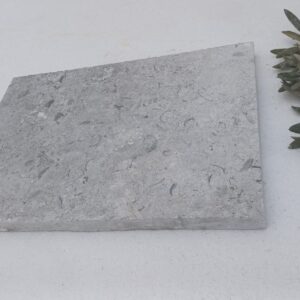
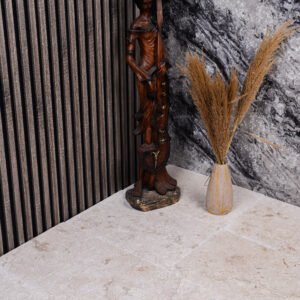
Block paving setts in Arizona demand a level of base engineering that flat-terrain projects rarely require — and the terrain across this state is anything but flat. You’re dealing with elevation changes that shift drainage dynamics entirely, from the low desert basins of the Valley to the high-country plateaus above 6,500 feet. The load-bearing geometry of sett installations changes with slope gradient, and getting the subgrade angle wrong by even two degrees creates the kind of lateral creep that destabilizes an otherwise well-specified installation within three to five years.
How Arizona’s Terrain Reshapes Drainage Design for Block Paving Setts
Arizona’s topographic diversity is the single most underestimated variable in block paving sett specification. The state spans elevations from roughly 70 feet above sea level near Yuma to over 12,600 feet at Humphreys Peak — and each elevation band carries distinct drainage imperatives. Your drainage design can’t be templated from a flat-state specification guide; it has to account for the actual gradient your site sits on and the intensity of monsoon runoff that hits it seasonally.
Traditional block paving in Arizona performs well when the bedding course is engineered to redirect subsurface water laterally rather than allowing it to pond beneath the sett layer. On sloped sites, you’ll need to spec a perforated pipe collection system at the uphill edge of each installation zone. Without that, hydrostatic pressure builds against the uphill sett face during monsoon events and gradually dislodges the joint sand — the failure mode most homeowners don’t recognize until the surface has already shifted visibly.
- Minimum cross-fall on any sett surface should be 1:60 for pedestrian areas, 1:80 for vehicular zones — steeper sites may require channel drains mid-installation
- Bedding sand depth must remain consistent at 1 to 1.5 inches compacted; on sloped subgrades, pre-compacting the aggregate base before screeding prevents differential settlement
- Arizona’s caliche layers, common at 18 to 36 inches depth in desert basins, can actually assist drainage design when properly scarified — water doesn’t pool above an intact caliche shelf if lateral outlets are present
- Monsoon rainfall intensity in southern Arizona regularly exceeds 1 inch per hour — your surface drainage calculations should use this as the design storm, not the annual average
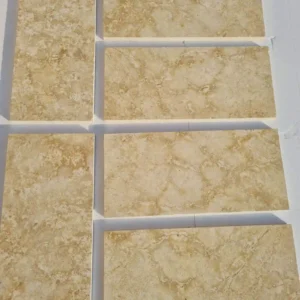
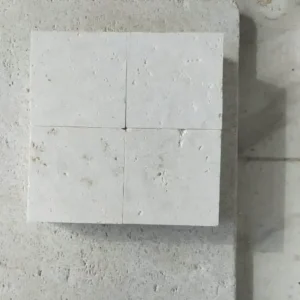
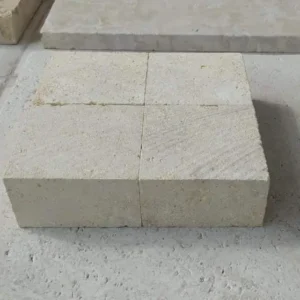
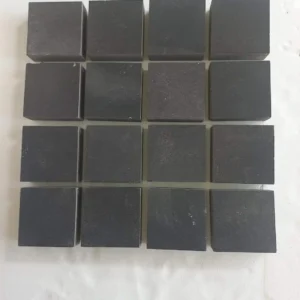
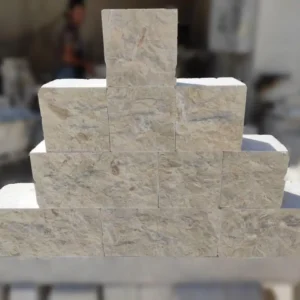
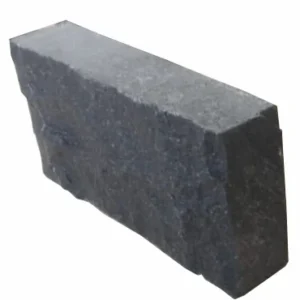
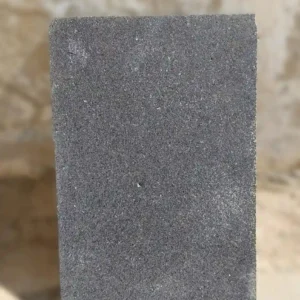
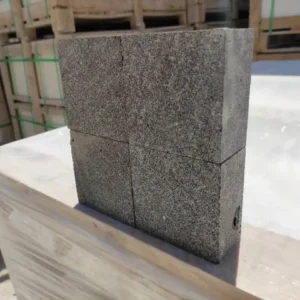
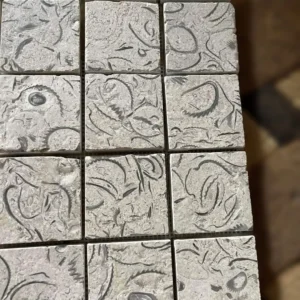
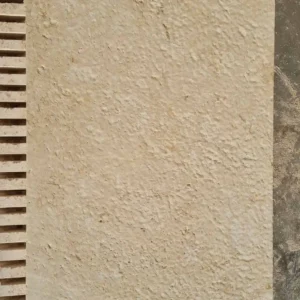
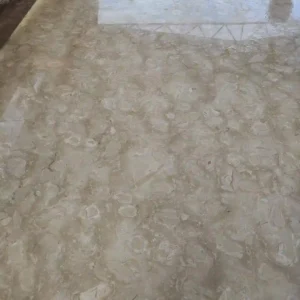
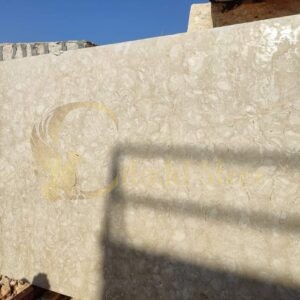
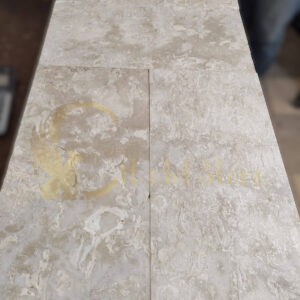
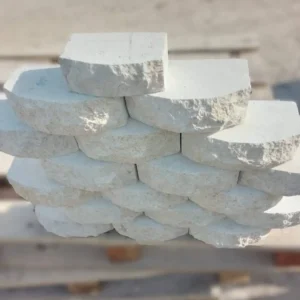
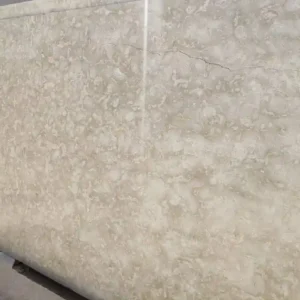
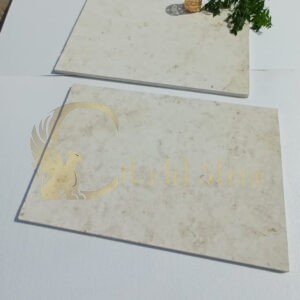
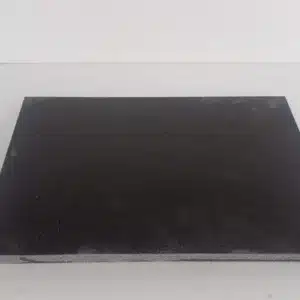
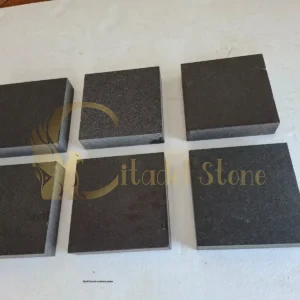
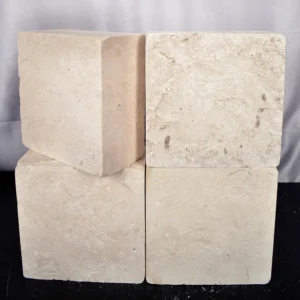
Citadel Stone stocks block paving setts in Arizona in multiple standard formats, including 4×8 inch, 6×6 inch, and 4×4 inch nominal sizes, allowing you to select the unit geometry that best suits your drainage cross-fall requirements. Smaller sett formats conform to curved drainage swales more readily than large-format units.
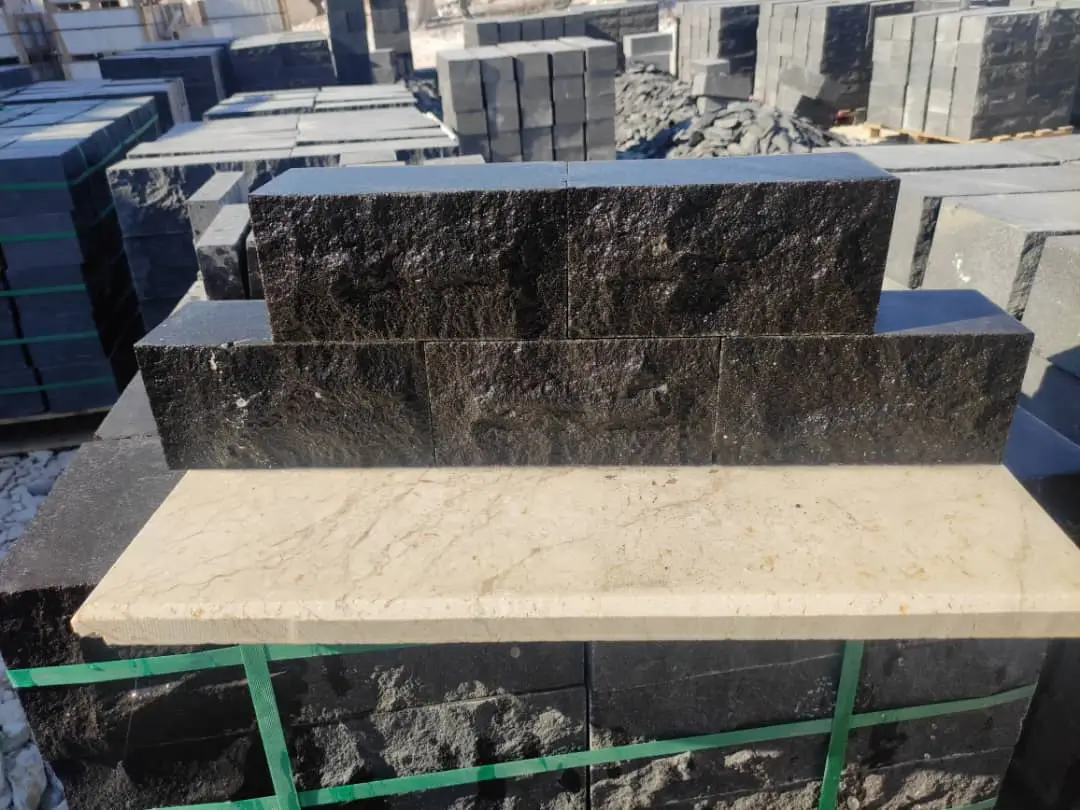
Base Preparation on Arizona’s Sloped and Variable Sites
Your base preparation sequence on sloped Arizona terrain follows a different logic than flat-ground work. The goal isn’t just load distribution — it’s preventing the entire sett mass from migrating downhill incrementally under traffic and thermal cycling. On gradients above 1:20, you need mechanical edge restraints keyed into the aggregate base at a minimum of 6 inches depth, not just surface-set aluminum or plastic edging.
In Flagstaff, elevation introduces a freeze-thaw dimension that low-desert sites don’t face — the aggregate base needs a minimum compacted depth of 8 inches for residential driveways, compared to the 6-inch standard adequate in Phoenix’s frost-free zone. That additional base depth isn’t about load capacity alone; it’s about preventing the frost-heave cycle from progressively lifting and re-seating setts unevenly across a sloped surface.
- Compact aggregate base in 3-inch lifts using a plate compactor, not a single deep pass — the compaction gradient through a single deep lift is insufficient to stabilize a sloped installation
- On sites with expansive clay soils, install a geotextile separation layer between the native subgrade and imported aggregate — this prevents clay migration into the base under cyclic saturation from monsoon events
- Edge restraints on sloped sett installations should be mechanically pinned at 24-inch centers maximum — wider spacing allows rotation under lateral soil pressure
- Where sites transition from cut to fill within the same installation footprint, differential settlement risk increases — consider a thicker compacted base on the fill portion to equalize long-term movement
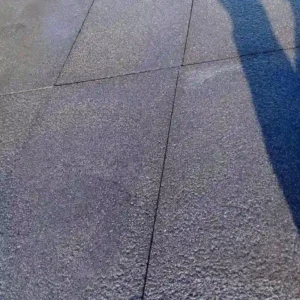
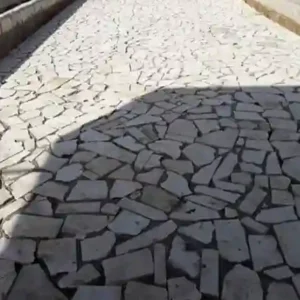
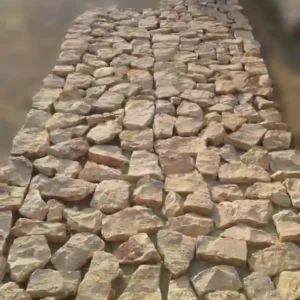
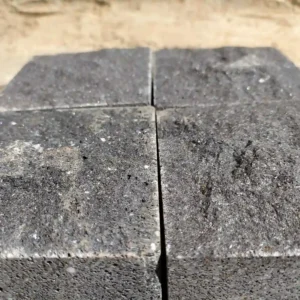
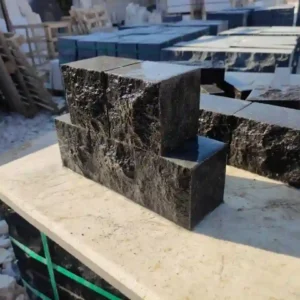
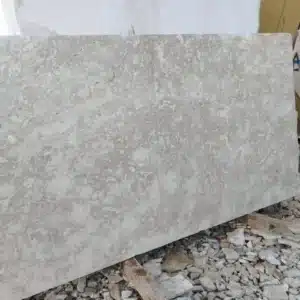
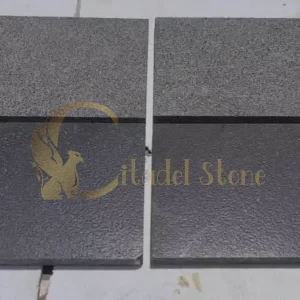
Rumbled block paving in Arizona is particularly well-suited to sloped sites because the tumbled texture provides inherent surface grip without requiring aggressive surface profiling that can trap debris on angled installations. The rounded arris edges also perform better under the slight movement that occurs on slopes with minor differential settlement — sharp-edged setts tend to chip at contact points when units shift against each other.
Selecting Block Paving Sett Materials Across Arizona’s Elevation Zones
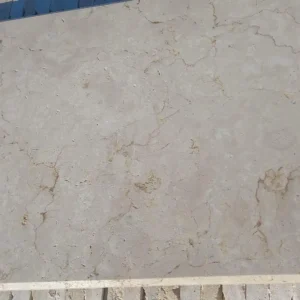
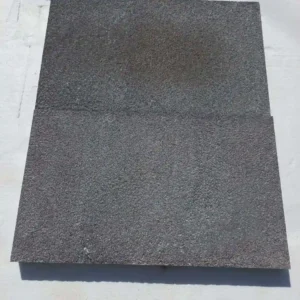
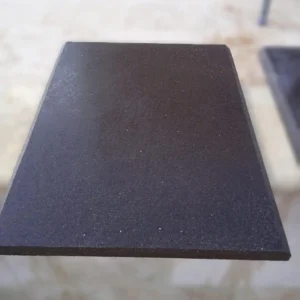
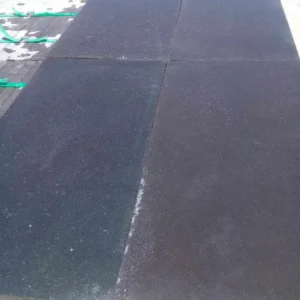
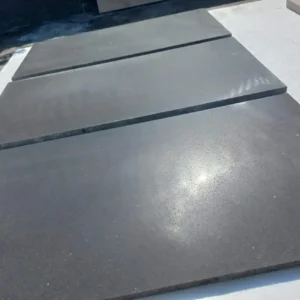
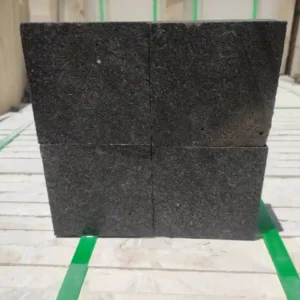
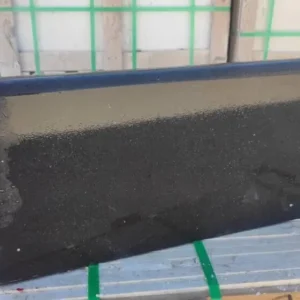
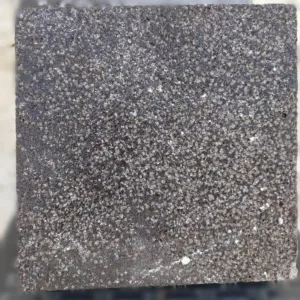
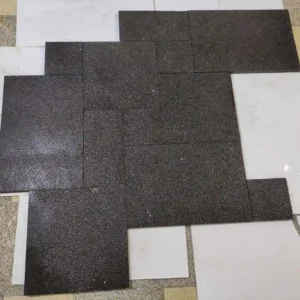
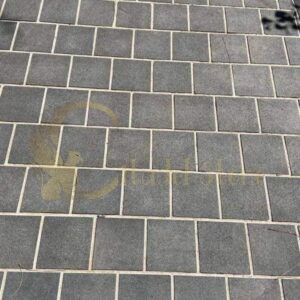
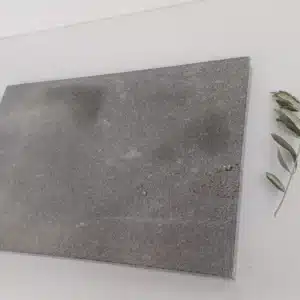
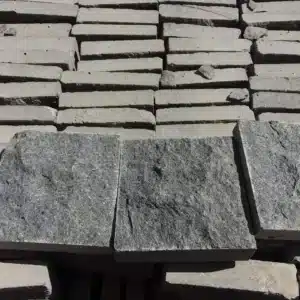
Elevation in Arizona doesn’t just change temperature — it changes the entire material stress profile your setts will experience. Large grey block paving in Arizona’s mid-elevation zones, roughly 3,500 to 5,500 feet, deals with a climate envelope that combines significant UV load, moderate freeze-thaw cycling, and highly variable monsoon moisture. That combination demands a material with low water absorption — target below 3% by weight — and compressive strength above 10,000 PSI to resist the point-load stress of vehicular traffic on slightly uneven terrain.
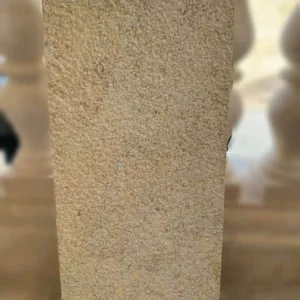
Granite-based setts and dense basalt options perform consistently across this elevation range. Sandstone variants that look compelling in showroom conditions tend to delaminate along bedding planes after three to four monsoon seasons at mid-elevation, because the moisture cycling penetrates the laminar structure and progressively weakens the cross-section. You’ll want to verify water absorption testing data — ASTM C97 results specifically — before specifying any sedimentary stone for sloped Arizona installations.
- Dense igneous materials (granite, basalt) outperform sedimentary options in freeze-thaw conditions above 4,000 feet elevation
- Water absorption below 3% is the practical threshold for freeze-thaw resistance — materials above this value show measurable surface spalling within five years at elevations with 20+ freeze-thaw cycles annually
- Large grey block paving units in the 6×9 inch nominal range provide better interlock stability on sloped vehicular surfaces than smaller formats, reducing the number of joint lines that can migrate
- Thermal coefficient of expansion for granite setts runs approximately 4.7 × 10⁻⁶ per °F — joint spacing should be calibrated to this value for installations spanning temperature ranges above 60°F seasonally
You can request technical data sheets and sample pieces from Citadel Stone before committing to a specification — particularly useful for projects where the elevation-zone performance data needs to be reviewed alongside the architect or landscape engineer of record.
Curved Block Paving Edging and Bullnose Applications on Arizona Terrain
Curved block paving edging in Arizona presents a practical challenge that flat-ground installations rarely surface: on sloped sites, curved edging courses must maintain consistent cross-fall through the curve geometry, which requires you to pre-plan each edging unit’s height relationship to its neighbors before any bedding takes place. This isn’t a detail you can solve during installation — it has to be resolved in the shop drawings.
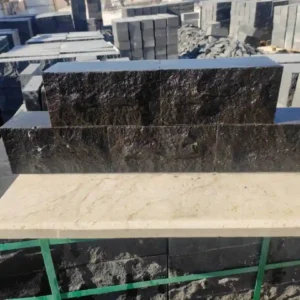
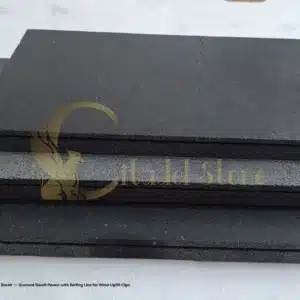
Bullnose block paving edging serves a dual structural and aesthetic function on Arizona projects. The rounded top profile sheds water away from the sett field edge, which reduces the saturation cycle at the most vulnerable point of an installation — the perimeter where lateral restraint meets surface drainage. In Scottsdale, where exterior design standards often require clean architectural transitions between hardscape and planting zones, bullnose block paving delivers that visual finish while performing a genuine drainage function.
- Curved block paving edging requires units cut to the specific radius — standard rectangular setts cannot be laid in tight curves without unacceptable joint widening at the outer arc
- Bullnose block paving edging units should be set with the bullnose profile facing the traffic side, not the planting side — this directs surface runoff away from the root zone and into the drainage course
- On slopes above 1:15, consider using bullnose units as step-nosing elements at grade transitions rather than purely as perimeter edging — they provide a safe visual and tactile warning of elevation change
- Minimum radius for standard curved block paving edging is typically 36 inches for 4-inch nominal sett widths — tighter curves require purpose-cut units
For projects where the design calls for integrated curved edging and field setts from the same stone family, sourcing them together through a single supplier ensures color batch consistency. Citadel Stone sources its sett and edging ranges from established quarry partners, with each delivery batch inspected for color and dimensional consistency before it leaves the warehouse — a detail that matters more than most specifiers realize when curved edging units need to read as a continuous element against the main sett field.
Installation Sequencing and Joint Sand Performance in Arizona Conditions
The joint sand specification for block paving setts in Arizona isn’t interchangeable with standard continental guidance. Arizona’s combination of extreme UV, thermal cycling, and monsoon saturation creates conditions where conventional kiln-dried joint sand migrates faster than in more temperate climates. On sloped installations, standard joint sand can wash out from upper courses during the first significant rainfall event — and once that happens, the sett interlock is compromised across the affected area.
Polymer-modified joint sand performs significantly better on Arizona sloped installations. The binder system activates on contact with moisture and cures to a semi-rigid matrix that resists both thermal expansion cycling and surface wash from monsoon runoff. You’ll need to apply it during a period of low humidity — which is most of the Arizona year outside of monsoon season — and allow a minimum 24-hour cure before any surface moisture exposure. The installation window matters: don’t spec polymer sand application during the July through September monsoon period without a concrete plan for protecting the freshly jointed surface.
Traditional block paving in Arizona that uses standard kiln-dried sand in lieu of polymer-modified product consistently underperforms on sloped sites — the difference in joint sand longevity between the two specifications is measurable within the first monsoon season. For projects where complementary design elements are under consideration alongside the sett specification, Block Paving Setts from Citadel Stone provides additional specification details applicable to similar Arizona site conditions and installation sequencing requirements. Getting the joint sand and sequence right at this stage determines whether the sett surface maintains its interlock geometry through the first three monsoon seasons — the critical proving period for any Arizona hardscape installation.
Maintenance and Sealing Protocols for Block Paving Setts in Arizona
Sealing protocols for block paving setts differ from standard concrete maintenance because the porous interlock joint system creates a surface that requires penetrant sealers rather than film-forming coatings. A film-forming sealer traps moisture in the joint system, which creates exactly the freeze-thaw vulnerability you’re trying to avoid at higher elevations — and at lower elevations, it creates a blister-and-peel failure mode as the trapped moisture vapor pressurizes under summer heat.
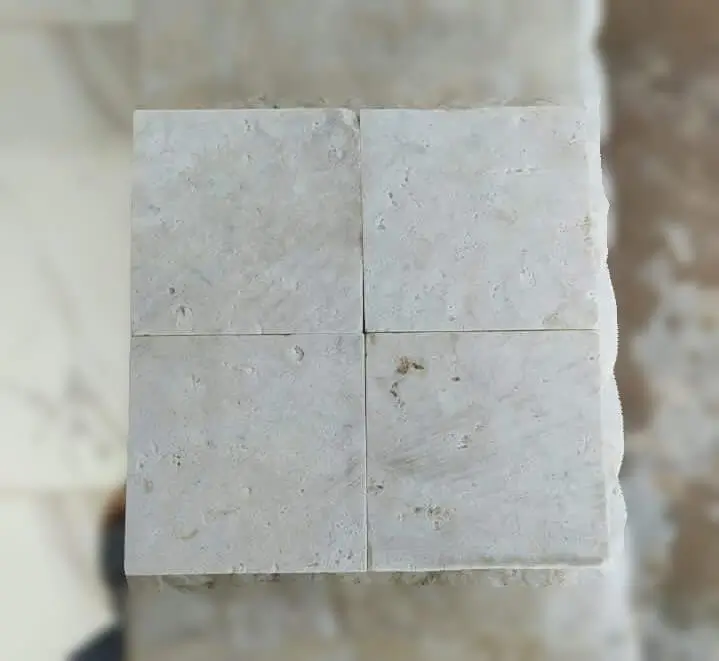
Penetrant silane-siloxane sealers applied at an 18 to 24 month interval represent the appropriate maintenance cycle for most Arizona sett installations below 4,000 feet elevation. Above that threshold, tighten the resealing interval to 12 to 18 months, particularly for installations facing northwest — that exposure angle receives the most intense afternoon UV loading and dries out the stone matrix faster than south-facing surfaces might suggest.
- Apply sealer during morning hours when surface temperature is below 85°F — hot stone surfaces cause premature evaporation of the carrier solvent before penetration occurs
- Clean sett surfaces with pH-neutral stone cleaner before each sealing application — alkaline cleaners degrade the silane-siloxane chemistry and reduce sealer longevity by up to 40%
- Inspect joint sand levels annually after monsoon season — refill to 3mm below the sett surface where migration has occurred before resealing
- Rumbled block paving in Arizona with textured surfaces requires slightly higher sealer application rates than smooth-faced setts — the increased surface area absorbs more product per square foot
In Tucson, where alkaline soils and periodic caliche dust accumulation are common, a pre-sealing acid wash at half-strength dilution clears mineral deposits from the sett pores before the penetrant can work effectively. Skipping this step on Tucson installations visibly reduces sealer penetration depth, which you can verify with a simple water-bead test on a sample section.
Block Paving Setts in Arizona — Order Direct from Citadel Stone
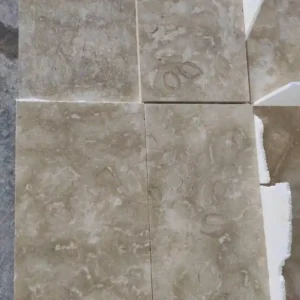
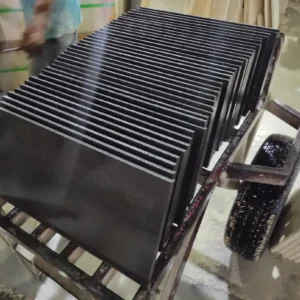
Citadel Stone supplies block paving setts across Arizona in a range of standard formats — 4×4 inch, 4×8 inch, and 6×6 inch nominal sizes — in both natural grey tones and tumbled rumbled finishes, with bullnose block paving edging units available to complete the installation. For projects requiring custom cut sizes, non-standard radii for curved block paving edging in Arizona, or specific thickness tolerances for sloped-site base calculations, the Citadel Stone technical team can advise on lead times and available quarry-sourced options before you commit to a specification.
Trade and wholesale enquiries are handled directly — you can contact Citadel Stone for project pricing, sample tiles, or detailed specification sheets without going through a third-party distributor. Citadel Stone maintains warehouse inventory positioned to serve Arizona installations, which typically brings lead times to one to two weeks from order confirmation for stocked formats. Truck delivery is coordinated across the state, including to sites with restricted access on sloped or rural terrain — confirm your site’s truck clearance requirements when placing your order so delivery logistics can be planned accordingly.
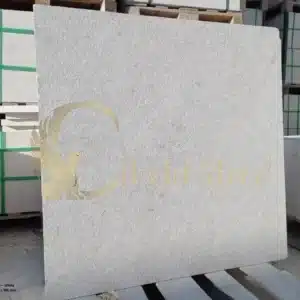
Beyond block paving setts, your Arizona hardscape project may benefit from reviewing complementary stone surface applications. White Cobblestone Driveway in Arizona explores another dimension of Citadel Stone’s natural stone range for Arizona residential and commercial projects — worth reviewing as you finalize your overall hardscape material palette, particularly where driveway surfaces and sett-paved forecourt areas need to read as a cohesive stone family. Homeowners in Flagstaff, Sedona, and Yuma source Block Paving Setts through Citadel Stone for Arizona residential and commercial installations.