
Rumbled block paving design in Arizona is genuinely different from anything you’d plan for a Pacific Northwest courtyard or a New England entryway — and that difference starts with aesthetic context, not engineering formulas. The Southwest’s layered visual language, where territorial architecture meets desert modernism and Spanish Colonial revival, creates a specific design grammar that tumbled stone surfaces speak fluently. Your material choices here aren’t just structural decisions; they’re stylistic ones that either reinforce a sense of place or undermine it entirely.
Why Rumbled Surfaces Suit Arizona’s Design Traditions
The rounded edges and softened faces of rumbled block paving carry an inherent visual weight that aligns naturally with Arizona’s dominant architectural idioms. Territorial-style homes in the Valley rely on thick walls, earthy tones, and textural contrast — qualities that tumbled stone paving amplifies rather than fights. Polished or sawn-edge pavers look out of place against Adobe-finished exteriors, while rumbled surfaces feel like they belong.
Field performance data on Peoria residential projects consistently shows that homeowners selecting rumbled block paving design in Arizona for Southwestern-style entries report higher long-term satisfaction than those who defaulted to contemporary sawn finishes — largely because the rumbled aesthetic ages gracefully with the surrounding architecture. The worn, organic quality of tumbled stone paving aesthetics in Arizona complements how the desert itself ages: beautifully and without apology. Your design choices here are less about trend-following and more about honoring a regional visual tradition that has centuries of precedent.
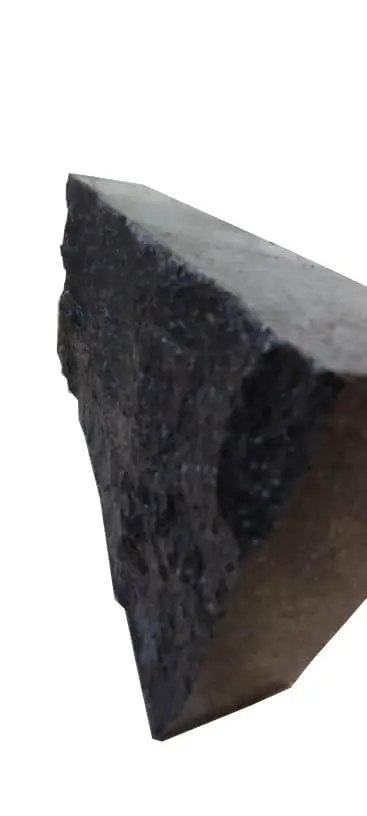
Idea 1: Desert Courtyard Entry Sequence
The enclosed courtyard entry — a signature element of Spanish Colonial and Hacienda-style homes throughout Phoenix — is where rumbled block paving delivers its strongest design return. You’re creating a transitional zone between street and interior, and the naturally textured paving stones set expectations: this is a considered, curated space. Pairing 6×9-inch tumbled blocks in warm sand tones with low decomposed-granite borders creates layered texture without visual noise.
- Use 3-4 tonal variations within the same block family to mimic natural stone variation across the courtyard floor
- Set blocks in a running bond or herringbone pattern — both read as intentional without appearing too formal for desert aesthetics
- Keep mortar or joint sand in a complementary earth tone; gray grout visually disconnects the paving from its surroundings
- Incorporate a central focal point — a low fountain, specimen cactus, or fire feature — that the paving pattern radiates toward
Idea 2: Xeriscaped Garden Path Integration
Arizona’s xeriscaping movement has matured well beyond functional water conservation into a genuine design language, and rustic block paving surfaces in AZ outdoor spaces are increasingly central to how designers navigate that language. A pathway through native plantings — desert willow, agave, palo verde — needs a surface that doesn’t compete with the planting palette. Tumbled stone in terracotta, warm buff, or muted ochre tones reads as a natural extension of the desert floor rather than a manufactured intrusion.
The practical consideration most designers miss: tumbled block paving’s irregular surface texture actually creates useful visual anchoring in wide-open planting beds. A smooth concrete path through a xeriscape looks stranded; a rumbled stone path looks rooted. Your stepping pattern matters too — wider spacing with decomposed granite infill creates a more naturalistic feel, while tighter-set blocks work better for high-traffic utility paths near service areas.
At Citadel Stone, we consistently recommend block thicknesses of 2.5 inches minimum for garden path applications across Arizona’s sandy soil profiles — thinner units tend to shift under the lateral pressure of adjacent planting bed irrigation saturation cycles, a failure mode that shows up consistently around year three to five.
Idea 3: Pool Surround with Southwest Character
Pool surrounds in Arizona are some of the most design-intensive exterior surfaces on any residential property, and they’re also where the aesthetic difference between rumbled and sawn block paving becomes most visually pronounced. Naturally textured paving stones across Arizona pool environments perform a dual function: they reference the tactile quality of natural desert surfaces while providing the slip resistance you need around water. Polished surfaces in this application create safety problems; rumbled surfaces solve them.
- Choose blocks with a mild-to-moderate texture profile — aggressive tumbling creates joint-gap irregularity that traps debris in high-use pool areas
- Specify a minimum 50-point slip resistance rating (per ANSI A137.1 standards) for wet-zone sections within 36 inches of pool edges
- Use a coping line in the same block family at a contrasting size — a 12-inch cap against a 6×9 field creates visual hierarchy without introducing a foreign material
- Avoid very dark block tones immediately adjacent to pool water; dark surfaces absorb significantly more heat, making barefoot navigation uncomfortable between 11am and 3pm during peak summer months
For pools surrounded by contemporary desert-modern architecture — particularly in newer developments — a warm gray rumbled block in a linear stacked pattern threads the needle between rusticity and refinement better than most alternatives.
Idea 4: Driveway Statement in Warm Tones
Driveway applications for rumbled block paving in Arizona require you to balance design ambition against structural reality. The good news is that well-specified rumbled blocks — particularly those in the 3.15-inch (80mm) or 3.5-inch thickness range — handle the point-load demands of standard passenger vehicles and occasional light truck traffic without deflection issues, provided your sub-base is properly engineered.
Design-wise, driveways offer Arizona homeowners the most visible canvas for Arizona Southwestern-style rumbled paving ideas. A broad herringbone layout in warm sandstone-toned blocks creates an instant sense of arrival — especially in front of homes with stucco exteriors in earthy whites or territorial reds. The visual texture of the tumbled surface catches light differently throughout the day, creating that subtle movement that makes stone driveways feel alive rather than static. Your truck delivery access during installation is worth planning carefully; blocks for a full driveway typically require multiple staged truck drops to avoid over-compressing the base layers on adjacent already-set sections.
Idea 5: Covered Patio and Ramada Flooring
The covered patio — or ramada, in Arizona’s regional vernacular — is the genuine social heart of most desert homes, and it’s the space where our rumbled block paving in Arizona performs most consistently across every design style category. Under a covered structure, your surface material faces reduced UV degradation compared to fully exposed areas, meaning the rich tone variation of tumbled block stays truer for longer without aggressive resealing schedules.
For covered patio applications, you have more design latitude than most other exterior surfaces. A tighter joint spacing (8-10mm versus the 15mm you’d use outdoors) creates a more refined look appropriate for entertaining spaces while still maintaining the rustic charm that defines the rumbled block aesthetic. Pair warm-toned blocks with terracotta-colored plaster walls and heavy timber ceiling beams — a combination that defines the Hacienda aesthetic that remains one of Arizona’s most enduring residential styles.
- Under a ramada, drainage slope requirements are reduced to 1% minimum versus the 1.5-2% you’d maintain in fully exposed areas
- Joint sand stabilizer products work better in covered areas because they’re protected from the UV breakdown that degrades polymer binders in fully exposed settings
- Covered patio surfaces in Tempe and other urban heat island zones benefit from lighter-toned blocks even under shade — the surface temperature differential between shade and sun at the patio perimeter creates thermal stress at the covered-to-exposed transition line
Idea 6: Contemporary Desert-Modern Approach
Arizona’s design landscape isn’t exclusively Southwestern or Colonial — a significant portion of the market leans into desert modernism, where clean geometry meets raw material honesty. Rumbled block paving integrates into this aesthetic more successfully than most designers initially assume. The key is format control: selecting larger block formats (12×12 or 12×24 tumbled setts) in cool gray or blue-gray tones creates a surface that reads as contemporary while still carrying the textural character that makes stone meaningful.
The surface irregularity of tumbled blocks adds exactly the kind of material authenticity that desert-modern architecture values — you’re not faking perfection, you’re presenting stone on its own terms. Set in a modular grid pattern with wide, consistent joints filled in charcoal-tinted sand, large-format rumbled block paving design in Arizona produces a sophisticated exterior floor that holds its own against steel, glass, and board-formed concrete — the material palette that defines the best desert-modern work in Phoenix and its surrounding communities. Rustic block paving surfaces in AZ outdoor spaces rarely achieve this level of design resolution with sawn-edge alternatives, making the tumbled format the stronger choice for architects targeting material authenticity.
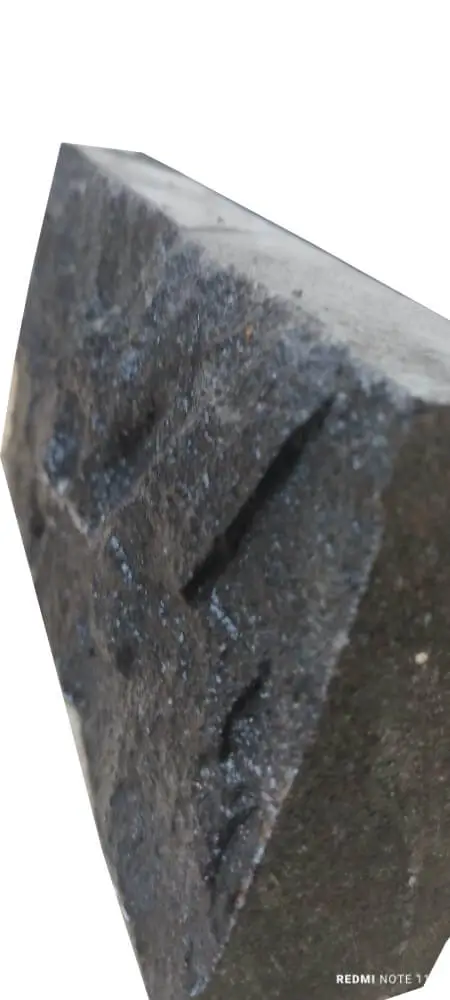
Idea 7: Mixed-Material Design Compositions
Some of the most compelling work in Arizona Southwestern-style rumbled paving ideas happens at material boundaries — where tumbled stone meets decomposed granite, steel edging, cast concrete panels, or stacked boulder dry-stack walls. These transitions are design opportunities, not just technical details, and handling them with intention separates a considered installation from a default one.
For mixed-material compositions, naturally textured paving stones across Arizona projects typically function as the connective tissue — the surface that bridges between anchor elements. Use the material to frame a fire pit conversation area bordered by steel corten planters, or to create a defined pathway that connects a decomposed-granite planting bed to a concrete poured patio slab. The naturally textured surface reads well against both rough and refined adjacent materials because it occupies the middle ground between raw and refined.
- At DG-to-block transitions, use a steel or aluminum edge restraint that’s set flush to the block surface — a proud edge becomes a trip hazard and breaks the visual flow
- At concrete-to-block transitions, allow a 15-20mm expansion gap filled with a flexible backer rod and color-matched sealant — differential movement between rigid concrete and the flexible block field is predictable and manageable when you detail it properly
- Mixing block sizes within a single design zone (say, 6×9 field blocks with 12-inch accent bands) adds visual interest without requiring different material sourcing — confirm warehouse availability of both sizes before you commit to the design, since size combinations aren’t always stocked at equal volumes
Expert Summary
Rumbled block paving design in Arizona succeeds when it’s rooted in the region’s design traditions rather than imposed onto them. The seven ideas above aren’t arbitrary aesthetic preferences — they’re derived from understanding how Arizona’s architectural history, planting culture, and landscape scale create a specific context that tumbled stone surfaces are genuinely well-suited to address. Whether you’re working a courtyard entry in a Hacienda revival or a pool surround for a desert-modern residence, the material’s softened edges, varied tones, and tactile surface give you a foundation that earns its place in the design.
Your color selection, pattern choice, joint spacing, and material transitions all deserve as much attention as your base specification — because in Arizona’s design climate, the surface is the first thing anyone experiences and the last thing anyone forgets. Before you finalize your design direction, it’s also worth reviewing long-term care requirements for your installation; How to Maintain Block Paving Setts in Arizona’s Climate covers the ongoing practices that keep a well-designed rumbled paving installation looking as intentional at year fifteen as it did on day one. The softened edges and varied surface tone of Citadel Stone rumbled block paving make it a natural fit for the rustic courtyard and pathway projects increasingly common in Phoenix, Scottsdale, and Mesa.