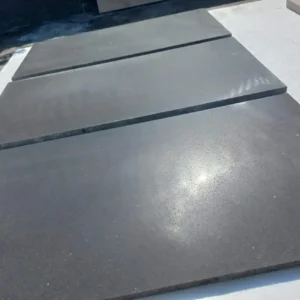
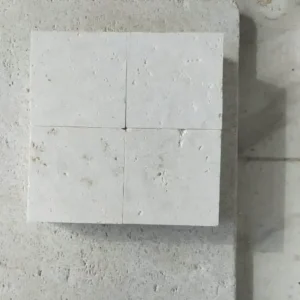
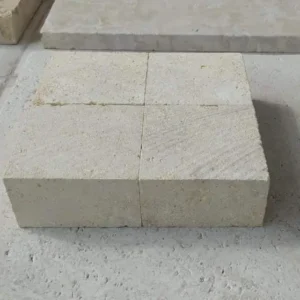
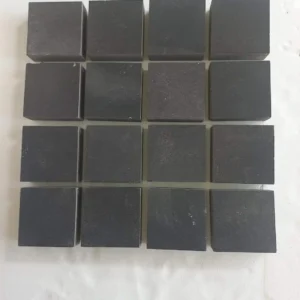
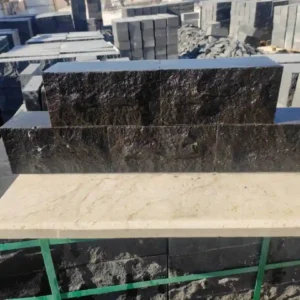
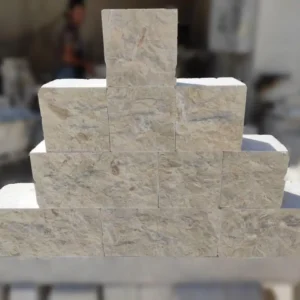
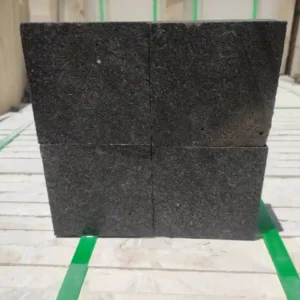
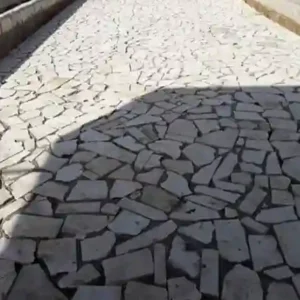
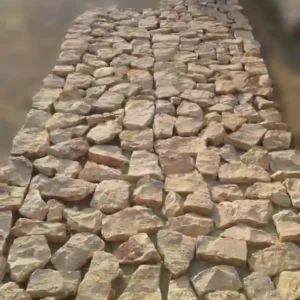
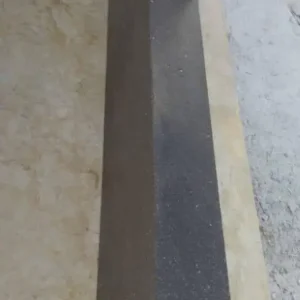
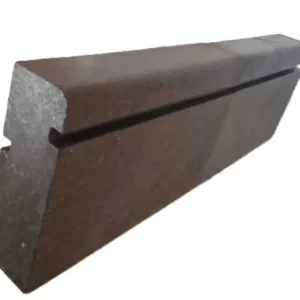
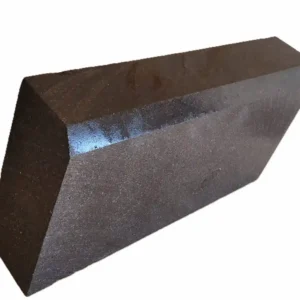
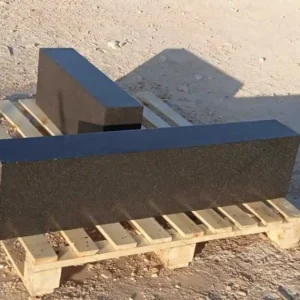
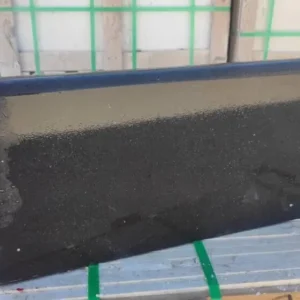
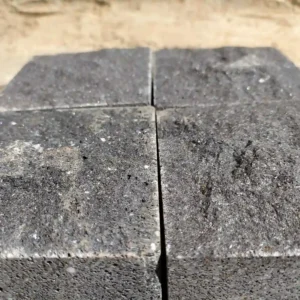
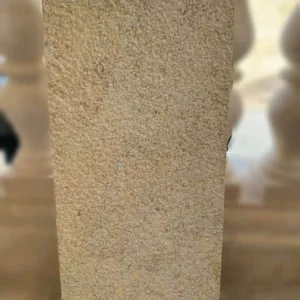
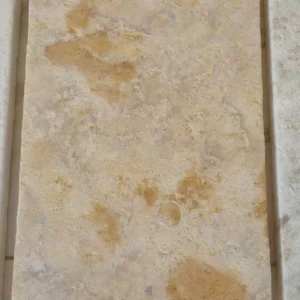
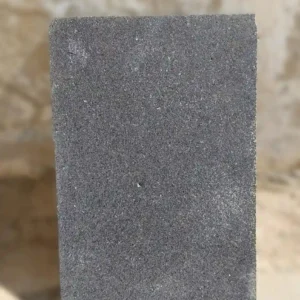
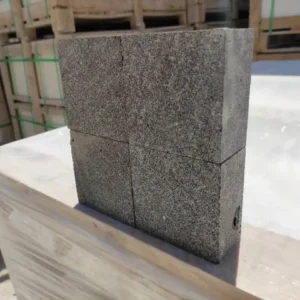
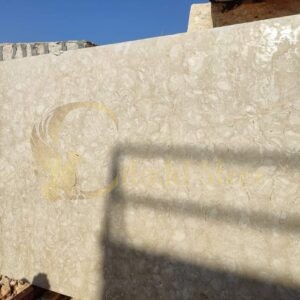
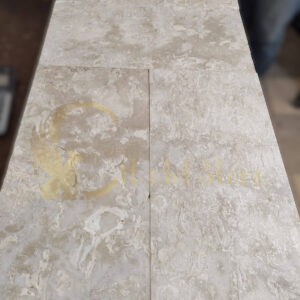
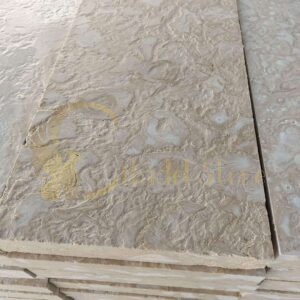
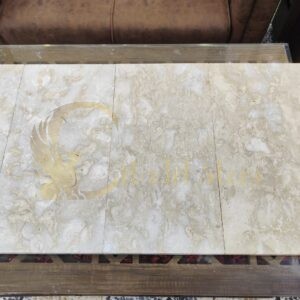
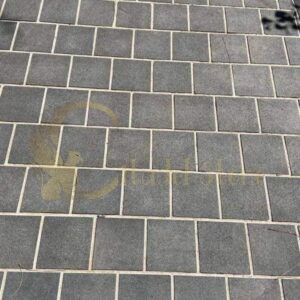
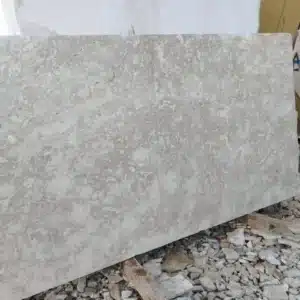
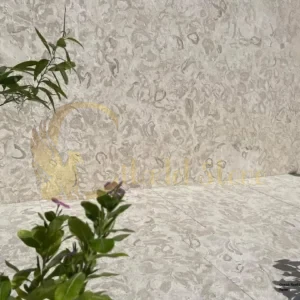
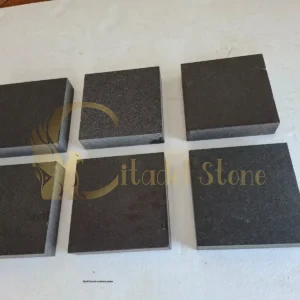
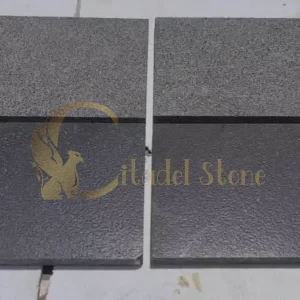
Structural compliance is the starting point for any stone block paver specification in Arizona — not an afterthought. The International Building Code as adopted by Arizona municipalities sets load-bearing minimums that directly influence your thickness selection, base depth, and joint spacing before you ever consider color or finish. Stone block pavers in Arizona must be evaluated against compressive strength requirements, not just aesthetic preference, and that distinction separates installations that hold up under vehicle loads from ones that crack within two years of completion.
Code Compliance and Structural Requirements for Stone Block Pavers in Arizona
Arizona’s adopted building codes establish pedestrian paving requirements that differ meaningfully from vehicular and commercial-grade standards. For residential pedestrian applications, a minimum 2-inch nominal thickness typically satisfies local jurisdiction requirements in cities like Phoenix and the surrounding metro area. Vehicular driveways and commercial loading zones require 3-inch to 4-inch nominal thickness with a compacted aggregate base of at least 6 inches over prepared subgrade — and that base depth increases to 8 to 10 inches where expansive soils are present.
- Compressive strength should meet or exceed 8,000 PSI for vehicular applications per standard masonry paving classifications
- Pedestrian-grade installations require minimum 6,000 PSI compressive strength under typical municipal plan check review
- Joint sand must be maintained at 92–95% depth to prevent rocking and edge chipping under point loads
- Expansion joints at 12–15 foot intervals are required in most Arizona jurisdictions — tighter than the 20-foot intervals found in generic installation guides
- Frost line depth is not a primary concern in the low desert, but Flagstaff projects above 7,000 feet require frost depth consideration of 12 to 18 inches minimum
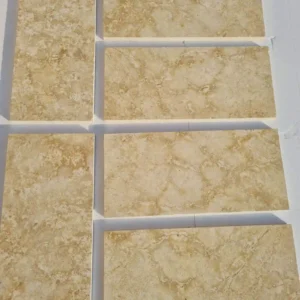
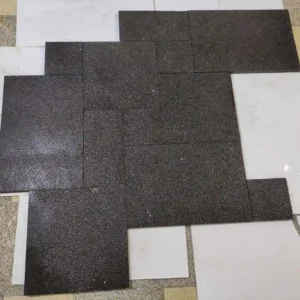
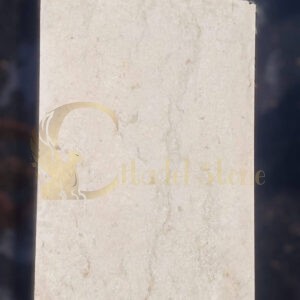
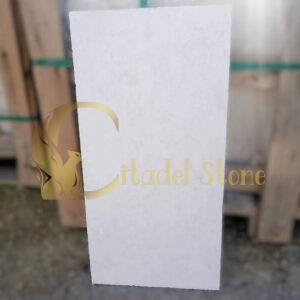
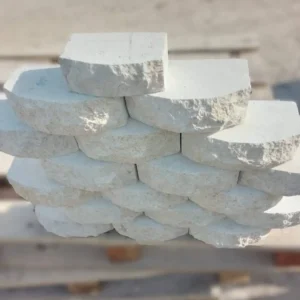
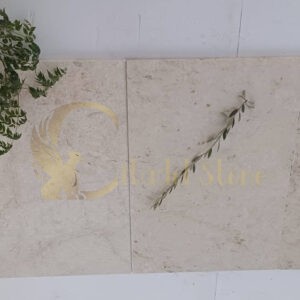
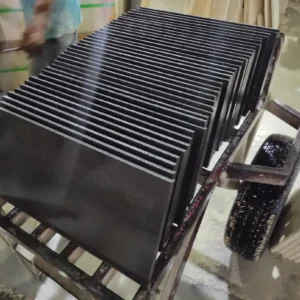
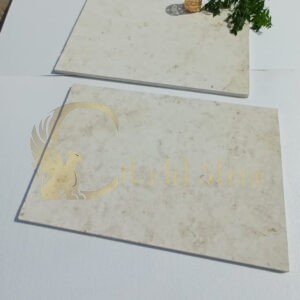
Citadel Stone stocks stone block pavers in Arizona-optimized thickness formats of 2 inch, 2.4 inch, and 3.2 inch nominal, allowing you to match the correct structural tier to your project’s permit requirements without custom ordering delays. Each batch is inspected at the warehouse for dimensional consistency and surface integrity before dispatch, which matters when you’re pulling a permit that requires material documentation.
Material Properties and Performance in Arizona Conditions
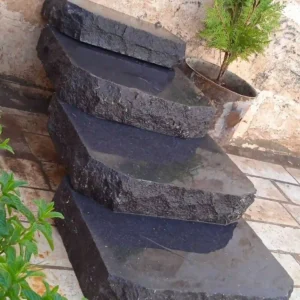
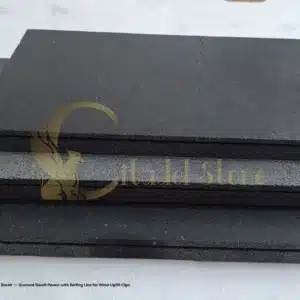
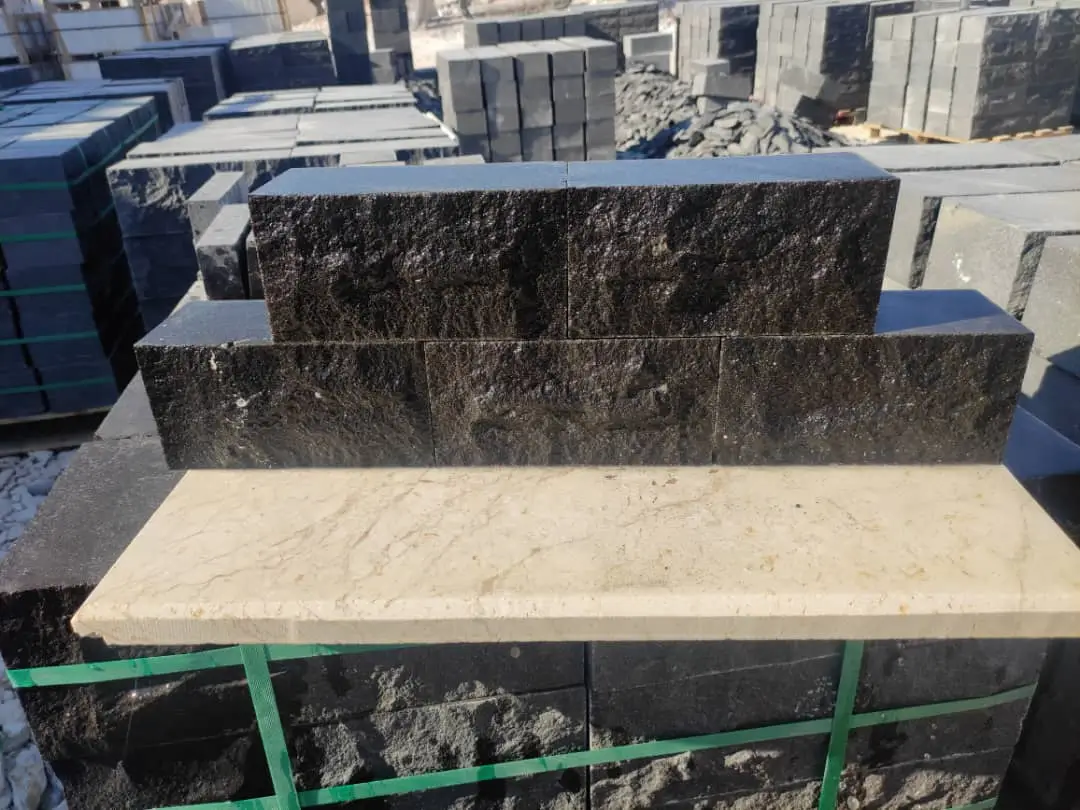
Natural stone block pavers carry physical properties that directly affect how they respond to Arizona’s thermal cycling. Thermal expansion coefficients for dense limestone and basalt run between 3.5 × 10⁻⁶ and 5.8 × 10⁻⁶ per °F — significantly lower than concrete at 6.5 × 10⁻⁶ per °F. That difference means your joint spacing calculations can tolerate tighter tolerances without the buckling risk that plagues concrete paving in extreme heat zones.
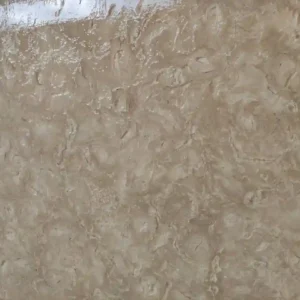
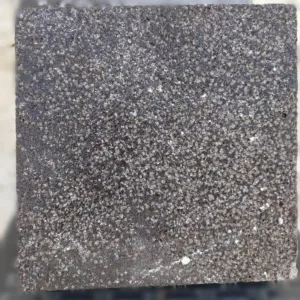
Porosity is the material property that most installers underestimate in Arizona. Dense basalt and quartzite block pavers typically test below 2% water absorption, which is the threshold you want for any outdoor application subject to thermal shock from monsoon rainfall on superheated surfaces. Higher-porosity materials like some sandstone varieties absorb moisture rapidly, and when that moisture encounters a 160°F surface temperature during July afternoons, the pressure differential at the pore level accelerates surface spalling faster than any other degradation mechanism.
- Water absorption rate below 2% is the field-verified minimum for reliable Arizona outdoor performance
- Slip resistance rating of DCOF 0.42 or higher (ANSI A137.1) applies to pool deck and wet-zone applications
- Flexural strength above 1,800 PSI handles vehicle turning loads without hairline fracture propagation
- Color stability depends on iron oxide content — stones with stable mineral bonding hold color under UV exposure far better than those with free iron deposits
Slab patio stone in Arizona applications benefits from a thermal mass characteristic that most specifiers don’t account for: the material stores daytime heat and releases it slowly after sunset, which creates comfortable evening surface temperatures but requires you to communicate that behavior to homeowners who expect immediate cooling. Understanding this trade-off upfront prevents the most common client dissatisfaction complaint on residential installations.
Format and Size Selection for Arizona Projects
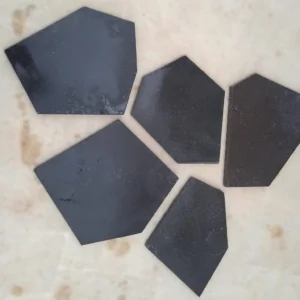
Your format decision carries structural implications beyond aesthetics. Six sided pavers in Arizona applications — hexagonal format — distribute point loads across a wider contact area than rectangular block formats, which matters for installations over softer caliche zones or compacted fill sites. The geometry creates a natural interlock pattern without requiring the precision edge-setting that rectangular soldier courses demand. Six sided pavers in Arizona are particularly well suited to irregular lot footprints where cutting rectangular units to perimeter angles generates significant material waste.
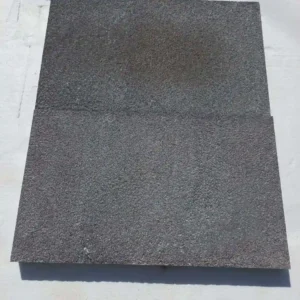
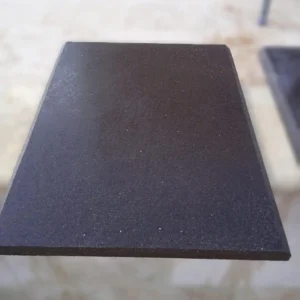
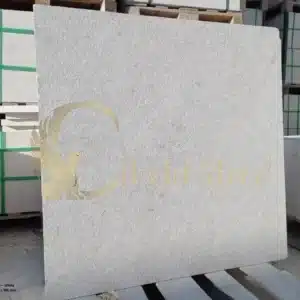
Slabs 24×24 in Arizona remain one of the most specified formats for residential patios and commercial pedestrian plazas. The large format minimizes joint count, reduces the number of sand-filled voids where weeds establish, and creates visual continuity that smaller formats can’t match. However, slabs 2×2 in Arizona projects — which is effectively the 24×24 metric equivalent — require a flatter, more precisely prepared base because any subgrade irregularity telegraphs through the large panel as a visible rock in a way that smaller units self-correct through their own flexibility.
- Slabs 2×2 for Arizona patio projects need base flatness within ⅛ inch over 10 feet to avoid lippage that creates trip hazards
- Slabs for sale 600×600 in Arizona metric sizing aligns with many imported stone batches — verify that your supplier’s nominal dimensions match actual face dimensions before ordering
- Rectangular formats in running bond or herringbone pattern provide better interlock under vehicular loads than stack bond layouts
- Irregular flagstone formats require wider joint tolerances — typically ½ inch to 1 inch — which increases joint sand maintenance frequency
In Scottsdale, large-format slab pavers dominate the luxury residential market, and most plan check reviewers in that jurisdiction are familiar with the structural documentation requirements for slabs 24×24 in Arizona projects and larger formats over engineered base systems. That familiarity can streamline your permit process when you provide proper base specifications upfront.
Outdoor Slab Installation and Base Preparation Standards
Base preparation is where most Arizona stone block paver failures originate. The region’s prevalence of expansive clay soils — particularly in central Phoenix basin and parts of the Tucson valley — means standard compacted aggregate base specifications from national guides need a site-specific adjustment. Expansive soil exerts upward pressure equivalent to 500–2,000 PSF during wet cycles, and that force will migrate through any base that hasn’t been properly isolated and compacted.
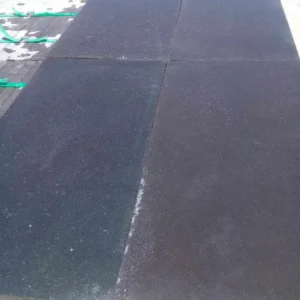
For slab tiles outdoor in Arizona installations over expansive soil, the standard protocol calls for removal of the top 8 to 12 inches of native soil, replacement with imported non-expansive fill, compaction to 95% modified Proctor density, followed by a 6-inch Class II aggregate base, then your setting bed. That’s a more involved process than the 4-inch base over native soil that some residential contractors attempt — and the failure rate on the shortcut approach in clay-heavy soil zones is well documented after the second monsoon season.
- Geotextile fabric between native soil and aggregate base prevents soil migration into the base layer under hydraulic pressure
- Compaction should be verified with a nuclear density gauge, not visual assessment, for any installation over engineered fill
- Drainage slope of 1.5–2% minimum away from structures prevents water accumulation that accelerates base erosion
- Sand setting bed thickness of 1 inch nominal compacts to approximately ¾ inch after vibration — account for this in your finished grade calculations
Projects in Tucson frequently encounter caliche layers at 18 to 36 inches depth, and while caliche creates a naturally firm substrate, it also drains poorly and can create a perched water table during heavy monsoon events. The correct response is either to scarify and fracture the caliche layer to improve drainage or to install a French drain system at the base perimeter before laying aggregate. Skipping that step has caused more patio failures in the Tucson basin than any material selection mistake. For projects requiring complementary stone elements or ongoing performance guidance, Stone Block Pavers from Citadel Stone covers the maintenance specifications that apply to similar site conditions and base systems across Arizona.
Slabs for Back Garden and Landscape Applications
The back garden environment in Arizona creates a specific set of demands that front driveway or commercial specifications don’t fully address. Slab stones for garden in Arizona installations deal with irrigation cycle moisture, root intrusion pressure from mature desert landscaping, and the shade-to-sun transition zones that create localized differential thermal movement. Your specification needs to address all three.
Root intrusion is underestimated in established desert garden settings. Mesquite and palo verde root systems extend 2 to 3 times the canopy radius, and those roots follow moisture gradients directly under paved surfaces. A continuous membrane barrier at the perimeter of the paved zone — not just beneath it — is the correct approach when mature trees are within 20 feet of the installation boundary. Slabs for back garden installations that skip the root barrier typically show visible heaving within 5 to 8 years in established landscape zones. Slab stones for garden in Arizona projects near mature mesquite stands should treat root barrier installation as a non-negotiable line item, not an optional upgrade.
- Use 40 mil HDPE root barrier extended 18 inches below grade at all landscape interface edges
- Maintain 2-inch clearance between pavers and any permanent planting bed edging to allow independent movement
- Irrigation emitters should be positioned to direct water away from setting bed — subsurface drip is the preferred method adjacent to stone paving
- Slabs outdoor in Arizona garden settings benefit from a penetrating sealer applied at installation to reduce moisture absorption from irrigation overspray
Slabs for back garden projects that incorporate both hardscape and planting zones benefit from a phased installation approach — establishing the root barrier and drainage infrastructure first, then setting the paving once any backfill has had time to settle. You can request sample tiles and full material specifications from Citadel Stone before committing to your garden installation — this is particularly useful when matching new paving to existing stone elements already on the property.
Sealing and Long-Term Maintenance Protocols
Sealing stone block pavers in Arizona is a non-optional step for any installation you expect to perform past the 10-year mark. The decision is not whether to seal but which sealer chemistry matches your stone’s porosity profile and the surface finish you’re working with. Solvent-based penetrating sealers work well on dense basalt and quartzite, while water-based impregnating sealers perform better on more porous limestone and sandstone formats where solvent migration into the stone body can alter the color profile.
The resealing interval in Arizona’s UV environment is typically 2 to 3 years — not the 5-year cycle recommended on the product labels, which are calibrated for temperate climates. Arizona’s UV index regularly exceeds 11 during summer months, and that exposure degrades topical sealer chemistry at roughly twice the rate of Pacific Northwest or upper Midwest applications. You’ll notice the warning signs before catastrophic sealer failure: loss of water beading, slight surface whitening in high-traffic areas, and increased difficulty cleaning organic stains from the surface.
- Apply sealer in early morning or late afternoon — direct sun application causes flash-curing that prevents proper penetration
- Surface must be clean and dry with moisture content below 5% before application
- Two thin coats outperform one heavy coat in terms of penetration depth and adhesion quality
- Reapply joint sand after sealing if the sealer has consolidated existing joint sand — this prevents hollow-sounding joints that indicate sub-surface voids
Slabs Outdoor and Commercial Specification Considerations
Commercial stone block paver specifications in Arizona carry additional compliance layers beyond residential requirements. ADA compliance mandates surface cross-slopes not exceeding 2% in pedestrian access routes, and joint widths must remain below ½ inch in the direction of travel to prevent wheelchair wheel entrapment. These requirements affect your format selection, joint pattern, and the frequency of your joint sand maintenance schedule after installation.
Thermal expansion management in large commercial installations requires a more systematic expansion joint layout than residential projects. For slabs outdoor in Arizona commercial settings covering more than 1,000 square feet, a grid of expansion joints at 12 to 15 foot centers in both directions — filled with a flexible polyurethane joint sealant — prevents the cumulative stress that causes edge chipping at the perimeter of large paved fields. The math is straightforward: a 100-foot-long paved field using stone with a 5 × 10⁻⁶ per °F expansion coefficient experiences approximately ¼ inch of length change between a 40°F winter morning and a 110°F summer afternoon. Without relief joints, that movement has to go somewhere.
- Polyurethane joint sealant in expansion joints should have a movement capacity rating of at least ±25%
- Edge restraints on commercial installations require steel or aluminum headers anchored at 24-inch intervals, not plastic edging rated for residential loads
- Slip resistance documentation (DCOF test results) is required by many Arizona commercial project specifications during plan check review
- Truck delivery access to the installation site should be confirmed before final material ordering — full pallets of stone block pavers typically require a truck with lift gate access within 50 feet of the lay-down area
In Mesa, commercial hardscape specifications frequently require material submittals with third-party test reports for compressive strength and slip resistance before permit issuance. Citadel Stone can provide material documentation packages that satisfy these requirements, which helps you avoid plan check resubmission delays on time-sensitive commercial projects.
Buy Stone Block Pavers Wholesale — Arizona Delivery from Citadel Stone
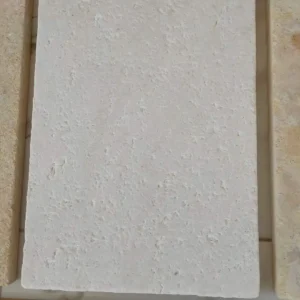
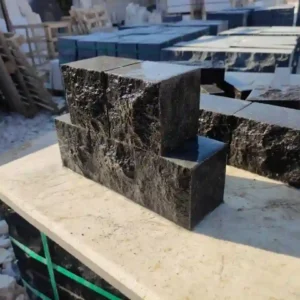
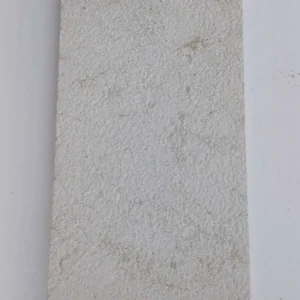
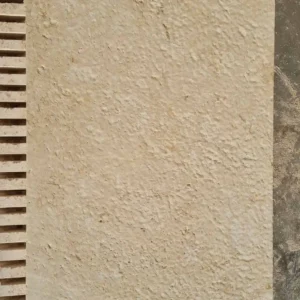
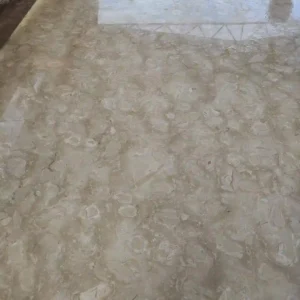
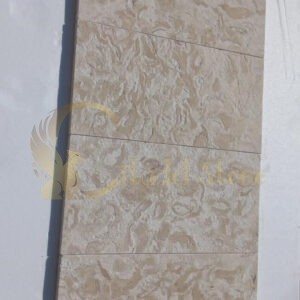
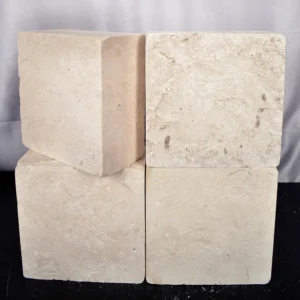
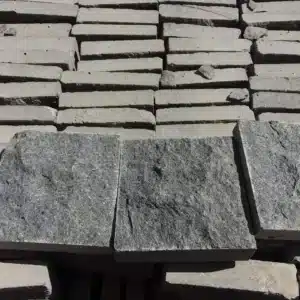
Citadel Stone maintains warehouse inventory of stone block pavers in Arizona-optimized formats, including 24×24, 16×24, 12×24, and 12×12 nominal sizes in both 2-inch and 3-inch thickness tiers. Available finishes include honed, brushed, flamed, and natural split face — each suited to different slip resistance and aesthetic requirements. Sourced from established quarry partners, each shipment is inspected for dimensional consistency and surface integrity before it leaves the warehouse, giving you reliable material quality for permit documentation and installation planning.
You can request sample tiles or complete thickness specifications before committing to your project order — a step that’s worth building into your project timeline, particularly for large commercial installations where material consistency across multiple pallets matters. Trade and wholesale enquiries receive a dedicated response from our materials team, including project-specific pricing, lead time confirmation, and delivery logistics coordination. Lead times from regional inventory typically run 1 to 2 weeks for standard formats and 3 to 5 weeks for less common sizes or custom cuts. Citadel Stone ships stone block pavers across Arizona, with truck delivery coordinated to match your installation schedule and site access constraints. To request a quote or schedule a material consultation, contact Citadel Stone directly with your project format, quantity, and delivery location. As you consider your full Arizona hardscape scope, related stone applications can inform your material strategy — Square Paver Walkway in Arizona explores how Citadel Stone materials perform in a complementary pedestrian paving context that often pairs with block paver installations on the same property. Homeowners in Flagstaff, Sedona, and Yuma source Stone Block Pavers through Citadel Stone for Arizona residential and commercial installations.