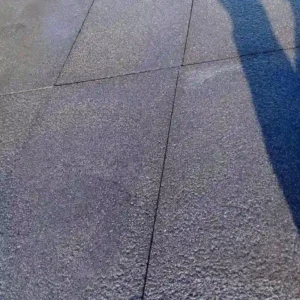
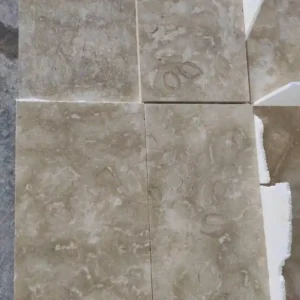

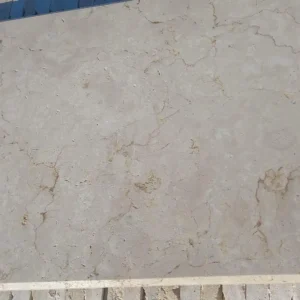
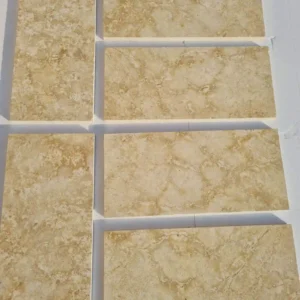












Thermal cycling — not just heat — is the real performance variable you need to plan around when designing a square paver walkway in Arizona. The desert Southwest swings 40–55°F between overnight lows and afternoon highs, and those repeated expansion-contraction cycles work joint sand loose, open micro-cracks in under-specified stone, and undermine bases that were adequate by national standards but wrong for this specific environment. Understanding that range is what separates a 25-year installation from one you’re patching inside a decade.
How Thermal Cycling Shapes Your Square Paver Walkway Specification
Arizona’s temperature swings are misunderstood by most out-of-state specifiers. Flagstaff, sitting above 6,900 feet elevation, logs genuine freeze-thaw cycles — sometimes 80 or more per year — where overnight temps drop into the upper 20s before afternoon readings climb back past 50°F. That oscillation is mechanically destructive to porous stone in a way that steady cold simply isn’t. The rapid cycling pumps moisture into pore structures during the cold phase and forces it out under thermal expansion, progressively degrading the stone matrix if you haven’t selected material with absorption rates below 0.75%.
Low-desert cities face a different but equally aggressive version of this cycle. In the Phoenix metro, paver surfaces absorb solar radiation and reach 140–160°F on exposed faces during summer afternoons, then cool to 70–80°F by early morning. Your square walkway pavers in Arizona are expanding and contracting across a 60–80°F surface temperature range daily — and the joints bear most of that movement. Citadel Stone’s technical team evaluates thermal expansion coefficients and absorption data for every batch before it leaves the warehouse, which matters more than most buyers realize when they’re specifying for these conditions.
- Select stone with a linear thermal expansion coefficient at or below 4.5 × 10⁻⁶ per °F to limit joint stress under desert cycling
- Specify absorption rates under 0.75% for any installation above 4,500 feet elevation where freeze-thaw cycles occur
- Plan joint widths at 3/16″ minimum — tighter joints don’t accommodate cyclic expansion without cracking
- Avoid stone with visible bedding plane orientation parallel to the surface, which amplifies spalling risk during freeze-thaw events
Stone Selection for Square Walkway Pavers in Arizona Conditions
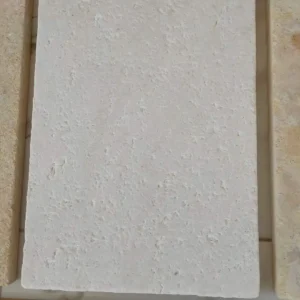
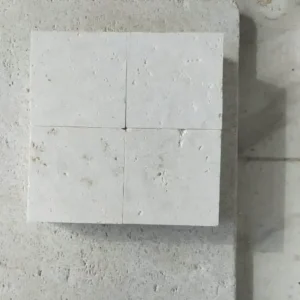
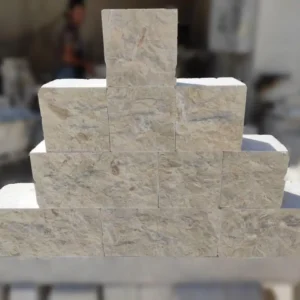
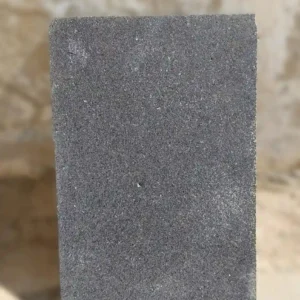
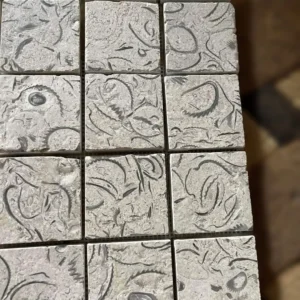
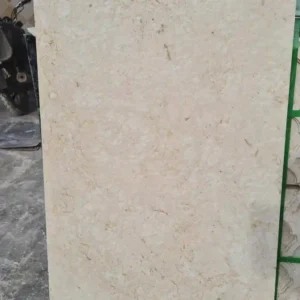
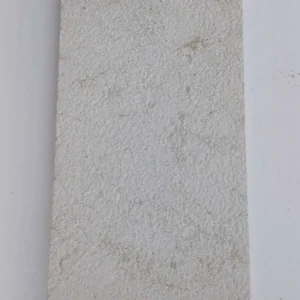
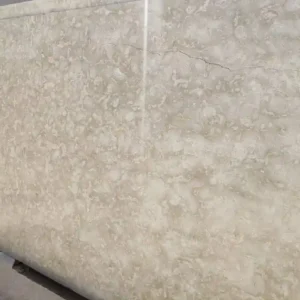
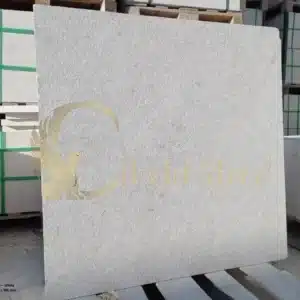
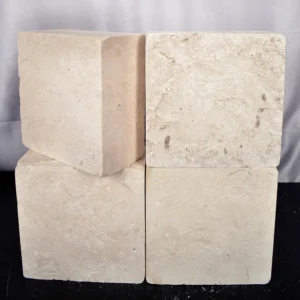
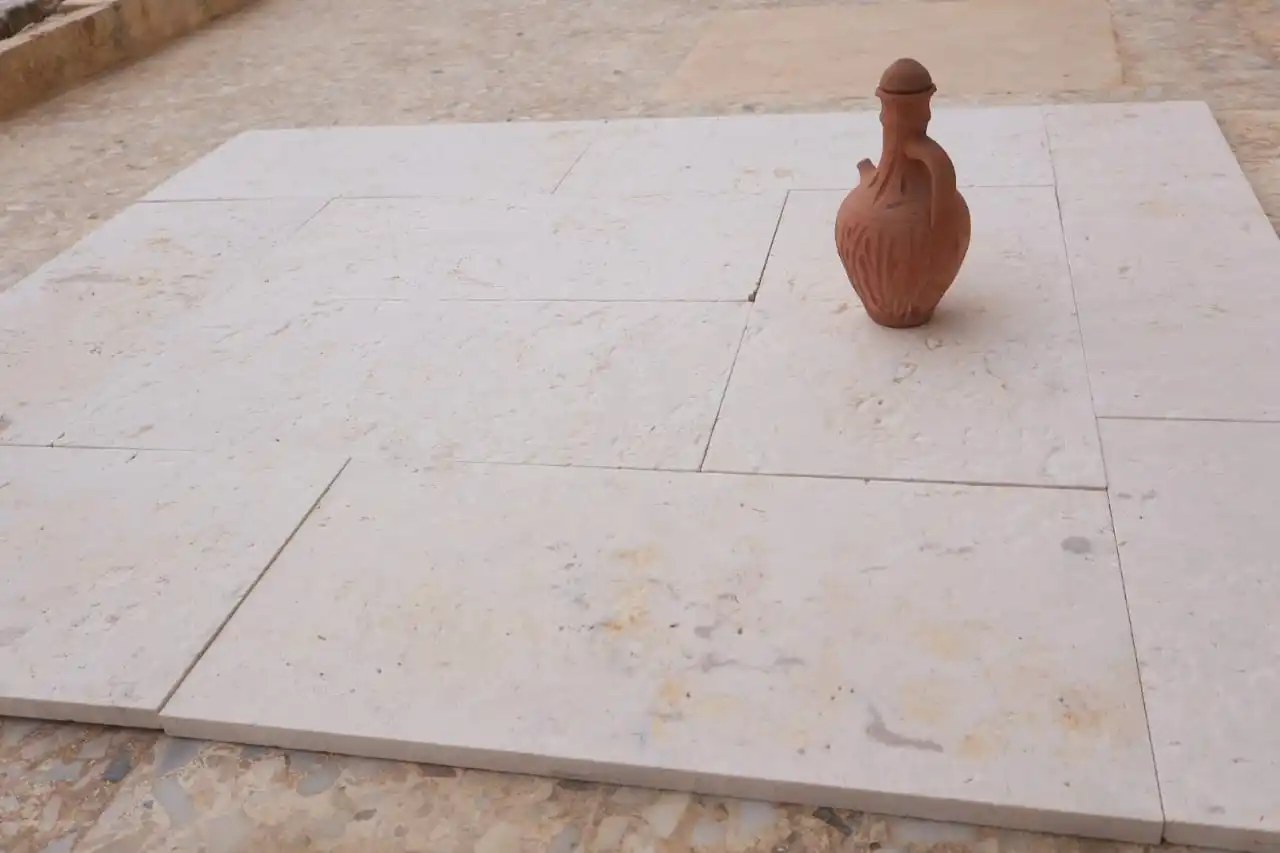
Limestone performs consistently across Arizona’s elevation bands when you source the right density class. High-calcium limestone with a bulk density above 155 lb/ft³ and compressive strength exceeding 8,000 PSI handles both the low-desert thermal range and the Flagstaff freeze-thaw cycle without the surface spalling you see in lower-grade material. Travertine is a popular choice for square paver pathway in Arizona — particularly in Scottsdale’s residential market — but the fill quality matters enormously. Unfilled travertine voids act as moisture traps that accelerate freeze-thaw deterioration at elevation.
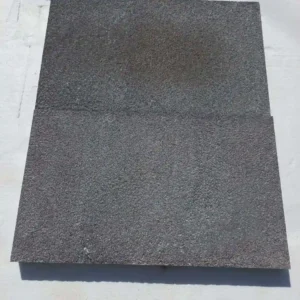
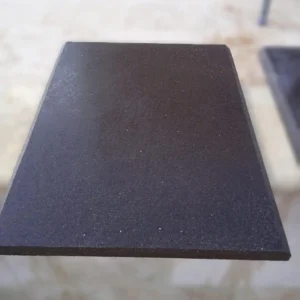
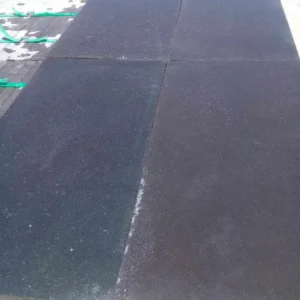
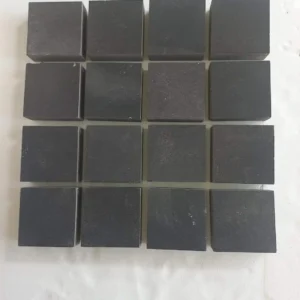
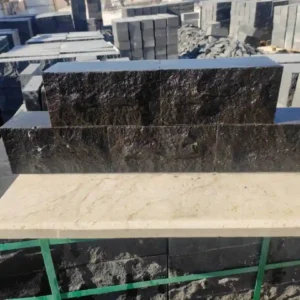
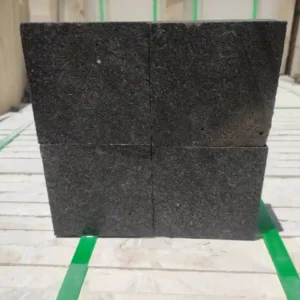
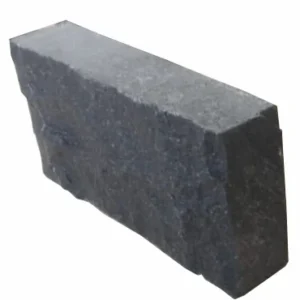
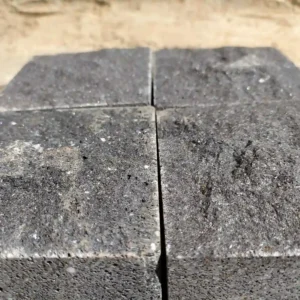
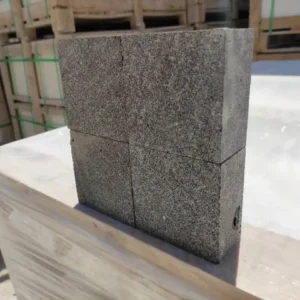
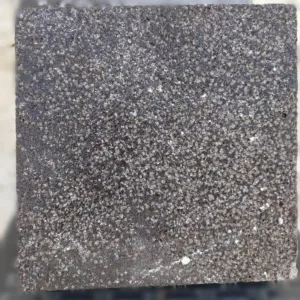
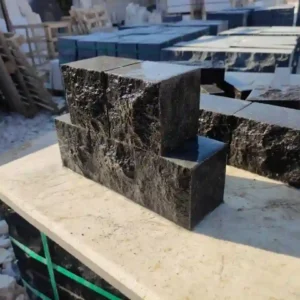
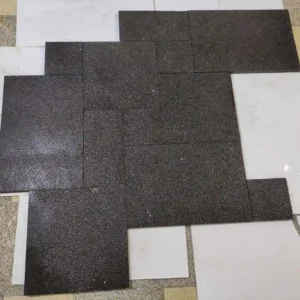
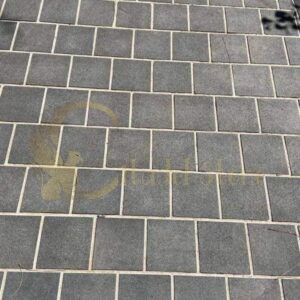
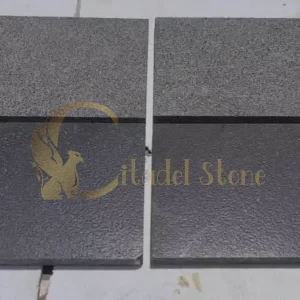
Basalt is worth serious consideration for square paver walkway projects where slip resistance is a priority alongside thermal performance. Its dense crystalline structure keeps absorption near 0.2–0.4%, virtually eliminating freeze-thaw vulnerability, and its coefficient of thermal expansion sits around 3.2 × 10⁻⁶ per °F — among the most stable of natural stone options for cycling climates. The tradeoff is weight: basalt pavers in 2-inch nominal thickness run 14–16 lb/ft², which affects both base design and truck delivery logistics to sites with restricted access.
- Limestone: compressive strength 8,000–12,000 PSI, absorption 0.3–0.7%, reliable in both low-desert and high-elevation installations
- Travertine: specify filled-and-honed finish only for Arizona projects — open voids collect moisture and fail under thermal cycling
- Basalt: absorption under 0.5%, best thermal stability coefficient, heavier per square foot but minimal maintenance requirement
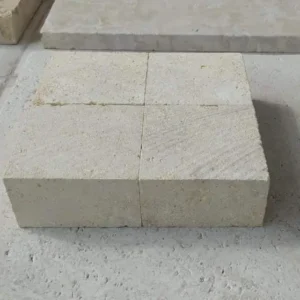
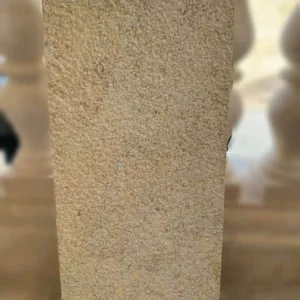
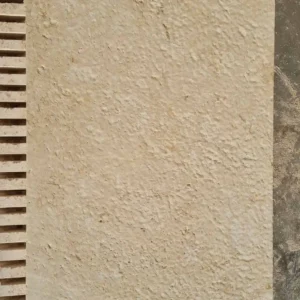
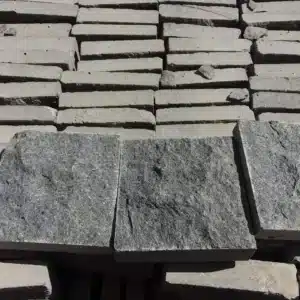
- Sandstone: generally avoid for square stepping stones in high-freeze-thaw zones — layered structure is vulnerable to delamination under repeated cycling
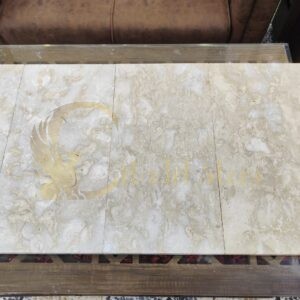
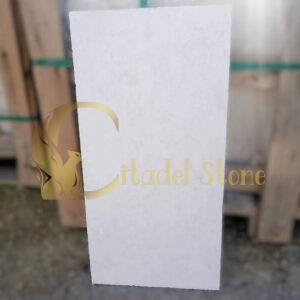
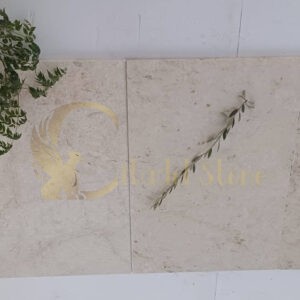
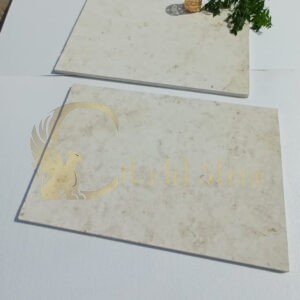
Citadel Stone stocks square walkway pavers in Arizona in standard formats including 12×12, 16×16, 18×18, and 24×24 nominal cuts. You can request sample tiles and technical data sheets — including absorption test results and compressive strength certifications — before committing to your full order volume.
Base Preparation That Accounts for Thermal Movement
Your base system is doing two jobs simultaneously in Arizona: supporting structural load and accommodating daily thermal movement. Most generic guidelines specify 4 inches of compacted aggregate base for pedestrian walkways, but in the Phoenix valley’s expansive clay soils, you need 6–8 inches minimum — and you need to verify that the compacted layer achieves 95% Proctor density before setting bed placement. Expansive soils don’t just settle; they move seasonally with moisture changes, and that movement combines with thermal cycling to create cumulative joint displacement that’s difficult to reverse without resetting the entire field.
Projects in Mesa frequently encounter caliche hardpan at 18–24 inches below grade, which actually provides a useful bearing layer once properly scarified — but the interface between the caliche and your aggregate base needs careful grading to prevent moisture pooling at that boundary, which then freezes and heaves during the rare cold snaps the region experiences.
- Minimum 6 inches compacted aggregate base in expansive clay zones — increase to 8 inches for walkways adjacent to irrigated planting beds
- Use angular crushed granite rather than rounded aggregate — interlocking particle geometry resists displacement under thermal cycling better
- Set bed depth: 1 inch of coarse sand or stone dust, screeded to ±1/8″ tolerance — do not use polymeric jointing material as a setting bed
- Install 4-inch perforated drain line at base perimeter on any walkway with a catchment area upslope — thermal cycling accelerates drainage failure when water has nowhere to go
- Slope the finished surface at 1.5–2% minimum away from structures; Arizona’s monsoon events deliver intense short-duration rainfall that overwhelms drainage designed for gradual runoff
For projects requiring detailed pathway layout and specification planning, the base design guidance at Square Paver Walkway from Citadel Stone provides step-by-step guidance on base design, joint spacing, and material quantity calculations specific to Arizona site conditions. Getting the subgrade right at this stage eliminates the most common long-term failures seen in desert installations.
Joint Spacing and Expansion Details for Desert Temperature Swings
The joint is where thermal cycling does its most visible damage — and where most square paver walkway installations in Arizona get under-specified. Standard polymeric sand products work in moderate climates, but Arizona’s surface temperature range exceeds the designed performance envelope of most residential-grade polymeric joints. Specify a product rated for surface temperatures above 160°F and confirmed UV stabilization; otherwise you’ll see joint sand powdering and washing out within two monsoon seasons.
Expansion joints deserve more attention than they typically receive in walkway specs. For a continuous square paver pathway in Arizona longer than 20 linear feet, you need control joints at 15-foot intervals maximum — not the 20-foot figure in generic installation guides. The 5-foot reduction accounts for the wider daily thermal range, and it pays dividends in joint integrity over a 10-year horizon. Use a closed-cell backer rod and sealant rated for 50% joint movement in expansion joint locations rather than filling them with sand.
- Joint width minimum 3/16″ for 12×12 and 16×16 pavers; increase to 1/4″ for 24×24 and larger formats
- Use polymeric sand rated for surface temperatures above 160°F — verify the manufacturer’s published temperature limit before specifying
- Install expansion joints at 15-foot maximum intervals in linear runs and at all transitions to fixed structures
- At building edges and pool coping transitions, maintain a minimum 1/2″ expansion gap — thermal cycling will close this gap seasonally and it must not transmit load to adjacent structures
Square Paver Steps and Grade Transitions in Arizona Landscapes
Square paver steps in Arizona demand a different structural approach than flat field paving. Each riser-tread interface creates a geometric stress concentration where thermal cycling applies both shear and tension simultaneously. Tread stones should be a minimum 2.5 inches thick for any application with potential vehicular overhang or heavy foot traffic — 2 inches is marginal in this climate when you factor in daily cycling across a 60°F range. Nosing overhang beyond 1.5 inches on unsupported tread edges creates a lever point that thermal cycling exploits progressively.
In Scottsdale, step details in high-end residential projects often specify a mortar-set tread on a concrete substrate for grade changes above 3 risers — dry-laid step construction works for one or two risers but loses alignment integrity faster in the thermal cycling environment when the run exceeds that. The mortar bed provides continuity that resists the differential movement between adjacent treads.
- Minimum tread thickness 2.5 inches for step applications — thermal cycling at stress concentrations accelerates failure in thinner material
- Bond treads to a concrete substrate with polymer-modified thin-set for runs of 3 or more risers
- Select riser material from the same stone batch as the tread field to ensure matching thermal expansion behavior
- Maintain 1/4″ expansion gap between step ends and adjacent wall or planting bed borders
Square Stepping Stones for Garden Paths in Arizona
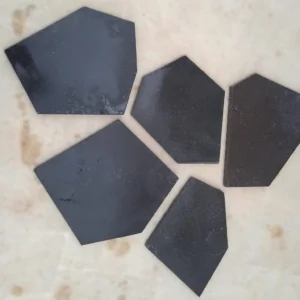
Square stepping stones for garden installations in Arizona introduce a different performance challenge than continuous paved walkways. Isolated stones set in decomposed granite or planted ground cover experience the full thermal cycling range without the lateral restraint that a mortared or sand-set field provides. That means each stone is free to rock slightly as the soil beneath it expands and contracts — and over 5–10 years, that micro-movement creates the uneven surface conditions that are both a trip hazard and an aesthetic problem.
The practical fix is to set individual stepping stones on a 2-inch sand bed over 4 inches of compacted aggregate, even for informal garden paths. The sand bed accommodates minor movement without transferring it to the stone face. Space stepping stones at 18–24 inch center-to-center — this accounts for natural stride variation and reduces the tendency to step on stone edges, which is where thermal cycling damage concentrates in thinner material.
- Minimum 1.5-inch thickness for garden stepping stones — 1-inch material cracks at the center under point loading combined with thermal stress
- Set each stone with a 2% forward slope for drainage — level stepping stones pool water that accelerates thermal cycling damage
- Choose stone with a naturally textured or flamed finish for garden paths to maintain slip resistance when wet from irrigation
- In planted areas, allow 1/4″ gap around each stone perimeter so root growth doesn’t apply lateral pressure that magnifies thermal movement
Sealing and Maintenance Schedules for Arizona’s Temperature Range
Sealing a square paver walkway in Arizona isn’t optional — it’s structural protection against the cycling mechanism that drives long-term failure. The right sealer penetrates the stone matrix and reduces absorption, which directly limits the moisture volume available for freeze-thaw expansion. For low-desert installations in Phoenix and Chandler, a penetrating silane-siloxane sealer applied every 3–4 years is sufficient. At elevations above 5,000 feet, reseal every 2 years and inspect joint integrity each fall before the freeze season begins.
At high-elevation sites where freeze-thaw cycles occur 60–80 times annually, your sealing schedule should treat stone maintenance the same way you’d treat wood deck maintenance — annual inspection, biennial resealing, and immediate attention to any joint gaps that appear after the winter season. Gaps wider than 3/16″ indicate joint sand migration and should be topped up with polymeric sand and reactivated with water before the next freeze cycle.
- Apply penetrating sealer within 30 days of installation — before first monsoon season if possible
- Low-desert reseal interval: every 3–4 years for standard pedestrian walkways
- High-elevation reseal interval: every 2 years; inspect joints each October before overnight temperatures drop below 32°F
- Avoid film-forming topical sealers on exterior paving — thermal cycling causes film delamination and traps moisture beneath the coating
- After resealing, check that expansion joint sealant remains intact and re-apply where cracking or separation has occurred
Order Square Paver Walkway — Direct Supply from Citadel Stone
Citadel Stone supplies square paver walkway material across Arizona in standard nominal sizes: 12×12, 16×16, 18×18, and 24×24 inches, with thickness options from 1.25 inches to 3 inches depending on application. Sourced from established quarry partners, each batch is inspected for dimensional consistency, absorption rate, and surface finish before it’s confirmed for Arizona inventory. You can request sample tiles, technical data sheets, or thickness specifications before committing to your full order — contact the team directly to arrange samples at no charge.
Trade and wholesale inquiries receive dedicated project consultation, including quantity take-offs, lead time estimates, and delivery scheduling. Citadel Stone maintains warehouse inventory across Arizona, which typically reduces lead times to 1–2 weeks for standard formats compared to the 6–8 week import cycle that custom orders require. Truck delivery is available statewide — for projects with restricted site access, the logistics team can advise on pallet sizing and off-load requirements before scheduling. For commercial projects or multi-phase residential developments, contact Citadel Stone to discuss staged delivery options that align with your installation schedule.
Your Arizona stone project may also involve complementary hardscape elements beyond the walkway field itself — Limestone Paving Stones in Arizona covers specification and performance details for limestone paving that pairs well with square format installations across the same climate zones. Homeowners in Flagstaff, Sedona, and Yuma source Square Paver Walkway through Citadel Stone for Arizona residential and commercial installations.