
Subgrade instability is the most underestimated threat to premium pavers in Arizona — and it shows up months after installation, not during it. Arizona’s soil profile shifts dramatically across regions, from expansive clay-rich desert soils in the low-desert basins to granular decomposed granite in the uplands, and each soil type demands a fundamentally different base preparation strategy. Getting the ground conditions right before the first paver is set is what separates a clean, level surface that holds for decades from one that begins rocking and cracking within the first monsoon season.
How Arizona Soil Conditions Shape Paver Performance
Soil composition across Arizona is anything but uniform, and that variability directly dictates how your base preparation should be specified. In the Phoenix metro, soils often contain moderate to high clay fractions that swell when wet and contract sharply during dry stretches — a cycle that induces uplift, settlement, and joint displacement in rigid paver systems. Caliche layers, found throughout Maricopa and Pinal counties, complicate excavation but actually serve as a capable load-bearing horizon once properly exposed and prepared.
Decomposed granite soils common in the Scottsdale and Tempe foothill zones drain rapidly, which is advantageous for moisture management but creates a compaction challenge. Decomposed granite won’t achieve adequate density without precise moisture conditioning during compaction — too dry and it stays granular, too wet and it pumps under load. Your compaction specification needs to call out optimum moisture content explicitly, not just a compaction percentage target.
- Clay-dominant soils require a minimum 6-inch compacted aggregate base on top of any native subgrade, with a geotextile separation layer to prevent clay migration upward into the aggregate
- Caliche hardpan zones benefit from scarification to 4 inches followed by re-compaction — do not leave caliche as a finished subgrade without addressing surface permeability
- Decomposed granite subgrades need moisture-conditioned compaction in two lifts of 3 inches each to reach 95% modified Proctor density
- Sandy loam soils in the Tucson basin can achieve adequate subgrade stability with proper compaction but need edge restraint systems to prevent lateral creep under thermal expansion cycles
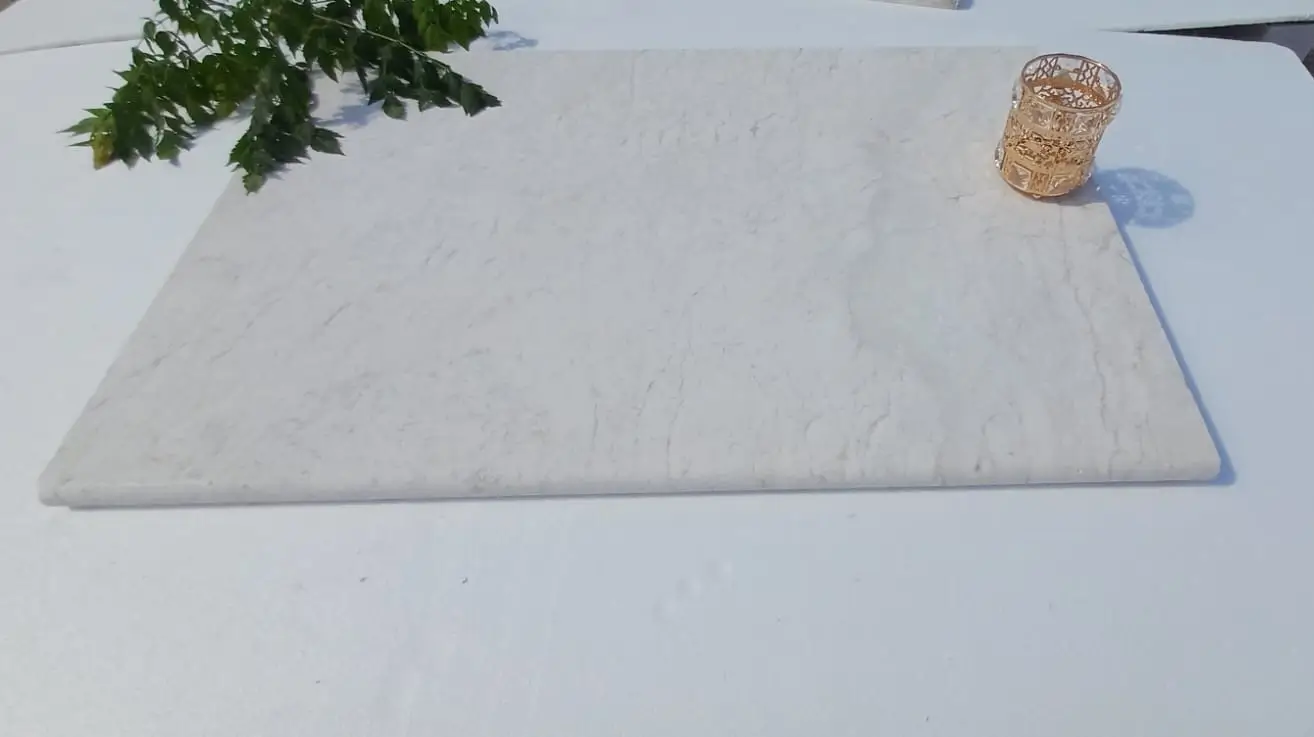
Selecting the Right Premium Block Paving in Arizona
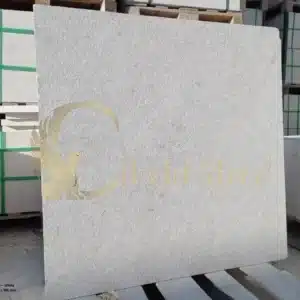
Material choice for premium block paving in Arizona hinges on more than aesthetics. Compressive strength, absorption rate, and surface finish all interact with local soil movement and temperature ranges to determine real-world longevity. Natural stone options — limestone, basalt, travertine, and sandstone — each respond differently to Arizona’s ground conditions, and the selection decision should start with the structural demands of the site before style preferences enter the conversation.
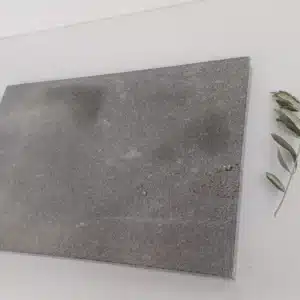
Rigid paver systems perform best in Arizona when the stone’s modulus of elasticity is matched to the anticipated subgrade movement. Dense basalt and harder limestone varieties are excellent choices for sites with higher clay content precisely because their low absorption (typically below 3%) prevents moisture uptake that would otherwise accelerate freeze-thaw damage or salt spalling. In Flagstaff, where elevations above 6,900 feet introduce genuine freeze-thaw cycling, that low-absorption specification becomes non-negotiable rather than merely preferable.
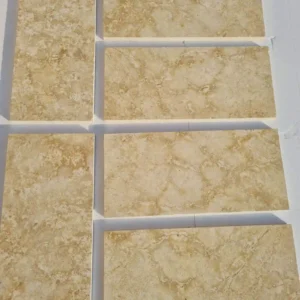
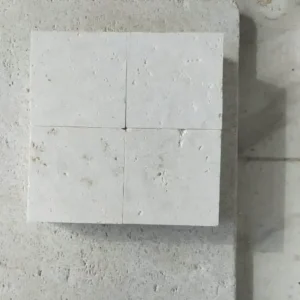
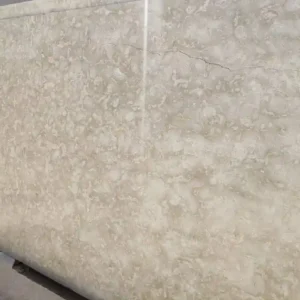
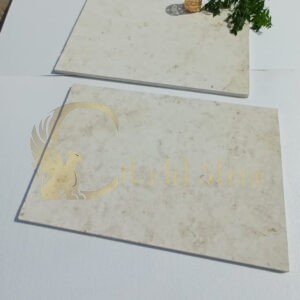
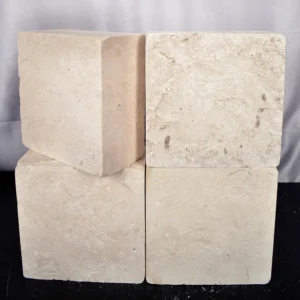
Travertine remains one of the most popular choices across Arizona’s upscale residential and commercial markets due to its natural thermal properties. Its interconnected pore structure, when properly sealed, manages surface moisture efficiently while providing the cooler underfoot temperature performance that high-sun environments demand. The filled and honed finish options give you control over slip resistance without sacrificing the material’s visual depth.
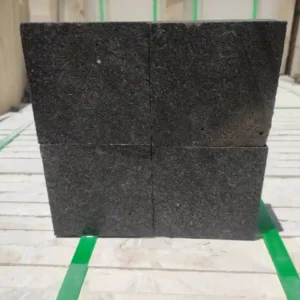
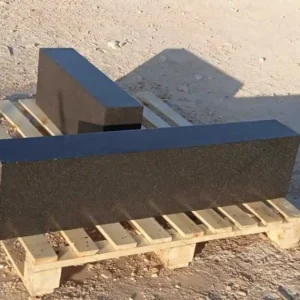
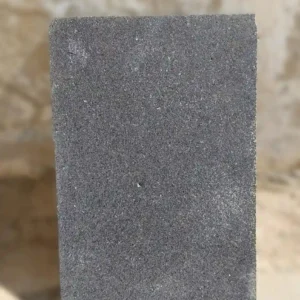
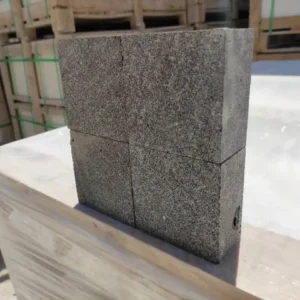
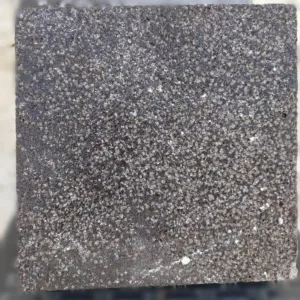
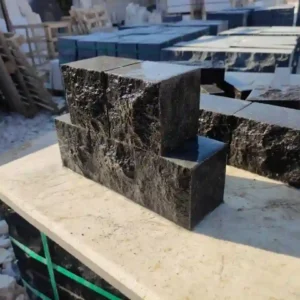
- Basalt pavers: compressive strength typically exceeding 22,000 PSI, ideal for driveway and roadway paver applications where load-bearing performance is the primary specification driver
- Limestone in the 15,000–18,000 PSI compressive range: versatile for rustic patio slabs and formal outdoor living areas with appropriate sealing schedules
- Travertine: thermal expansion coefficient of approximately 4.9 × 10⁻⁶ per °F, making joint spacing calculations straightforward for large format installations
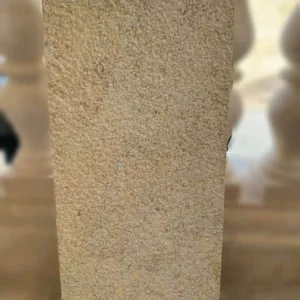
- Sandstone: naturally textured surface provides inherent slip resistance, particularly relevant for pool surround and garden pathway applications in residential projects
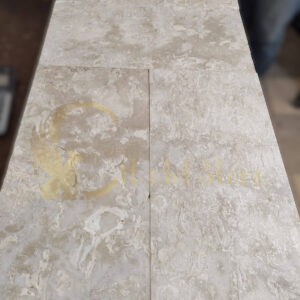
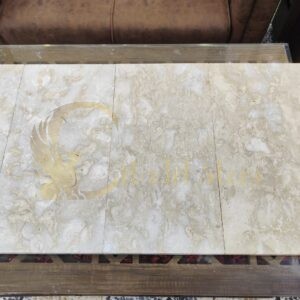
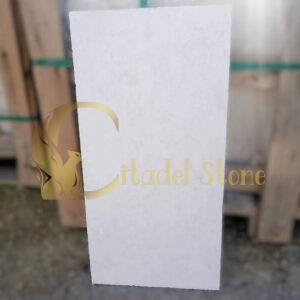
Citadel Stone stocks premium pavers in Arizona-ready formats including 12×12, 16×16, 24×24, and custom-cut dimensions, with material sourced from established quarry partners where each batch undergoes dimensional and absorption consistency checks before warehouse release.
Rigid Paver Edging and Base Preparation Standards
Rigid paver edging in Arizona deserves more specification attention than it typically receives. The combination of expansive soils, thermal movement, and the lateral forces generated by Arizona’s monsoon-driven soil saturation events puts extreme stress on edge restraints. Standard plastic edging systems that perform adequately in moderate-climate markets frequently fail within two to three monsoon seasons in Phoenix or Tucson’s basin soils — the soil pressure cycles simply overwhelm them.
Steel or heavy-gauge aluminum rigid paver edging, staked at 12-inch intervals rather than the standard 18-inch spacing recommended by manufacturers in cooler regions, provides the lateral containment that Arizona soil conditions require. For projects in Phoenix where clay content is moderate to high, embedding the edging into a concrete toe — even a minimal 4×4-inch concrete curb section — eliminates the most common edge-failure mode entirely. It adds material and labor cost upfront, but the alternative is relaying the entire perimeter within five years.
- Minimum stake depth for rigid edging in clay-bearing soils: 10 inches, not the standard 6 inches shown in most manufacturer installation guides
- Concrete toe application is strongly recommended for any paver field exceeding 400 square feet or subject to vehicular overrun at edges
- Expansion joints in rigid paver edging systems should be planned at 15-foot intervals across the field — not the 20-foot spacing that generic specifications often cite — to accommodate Arizona’s daily thermal cycles that can range 40–50°F from pre-dawn to peak afternoon
- Edging height should be set 1/8 inch below the finished paver surface to prevent trip hazards and allow sheet drainage off the field
For projects requiring complementary stone elements alongside your edging specification, premium block paving Arizona solutions provides installation detail that applies directly to rigid system integration in similar soil and drainage conditions. Getting the edging and base system documented correctly at specification stage prevents the most time-consuming field corrections later. This is especially relevant for any premium pavers in Arizona project where soil variability means the base system is doing as much structural work as the stone itself.
Rustic Stone Pavers and Patio Slab Applications in Arizona
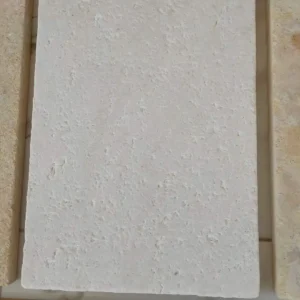
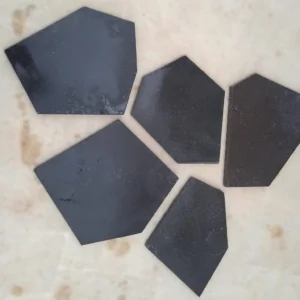
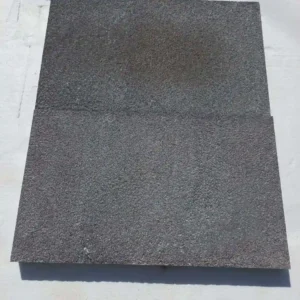
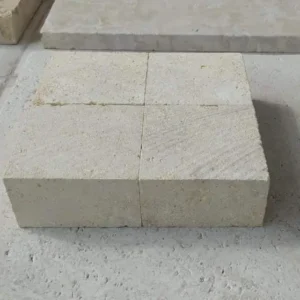
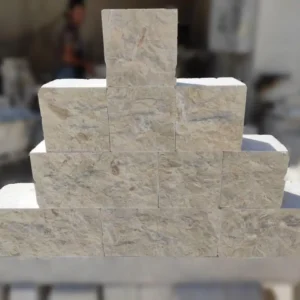
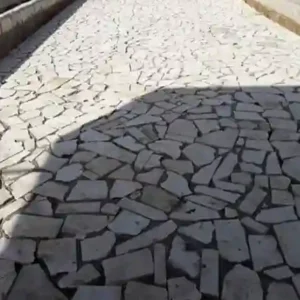
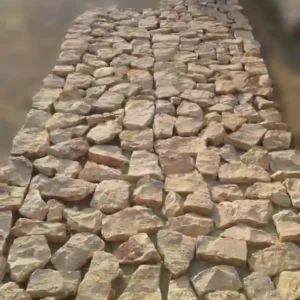
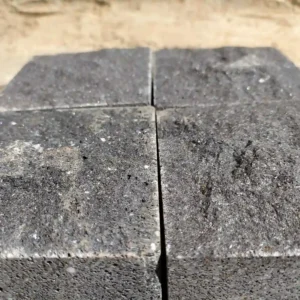
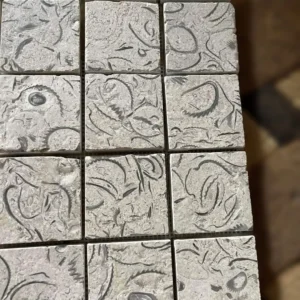
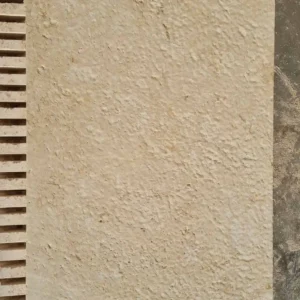
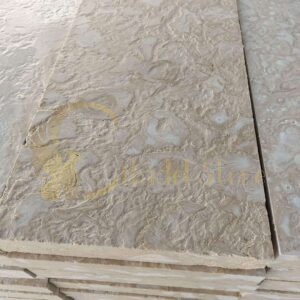
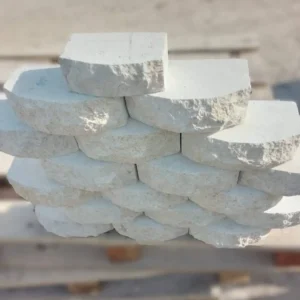
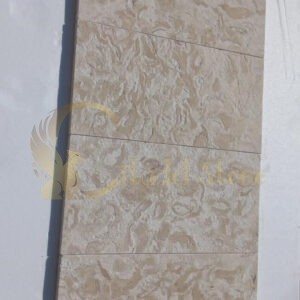
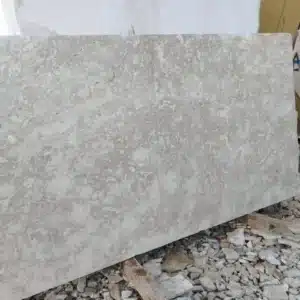
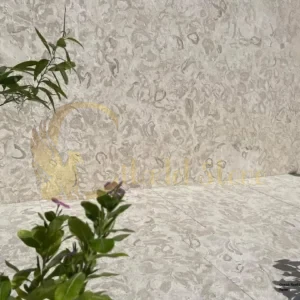
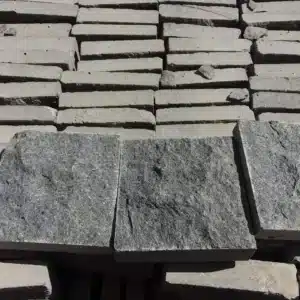
Rustic stone pavers and rustic patio slabs have become a defining element of Southwestern contemporary design — and not just for their visual appeal. The naturally irregular surface profiles of rustic formats provide inherent slip resistance that shiny paving slabs require additional treatment to achieve. For outdoor living spaces that transition from covered shade structures to full-sun hardscape, mixing rustic stone pavers in a field installation with a more refined edge treatment creates the layered visual texture that Arizona’s high-end residential projects demand.
The installation challenge with rustic patio slabs is maintaining a consistent finished plane when individual piece thicknesses vary. Rustic-format natural stone typically arrives with a thickness tolerance of ±3/8 inch within a single production run. Your setting bed — whether dry-laid crushed aggregate or a mortar setting course — needs to be deep enough to absorb that variation. A minimum 1.5-inch dry-set aggregate bed works for pedestrian-only rustic applications; move to a full mortar setting course for any rustic stone pavers used in areas with vehicular access or significant foot traffic loads.
- Rustic brick paving patterns — particularly running bond and herringbone — work naturally with irregular thickness stock because the staggered joints distribute load more evenly than grid patterns
- Joint widths for rustic stone pavers typically run 3/8 inch to 3/4 inch, wider than refined cut formats, which allows for the slight dimensional variation inherent in tumbled and chiseled-edge pieces
- Polymeric sand performs better than traditional jointing sand in rustic applications because the wider joints are more susceptible to erosion during monsoon events
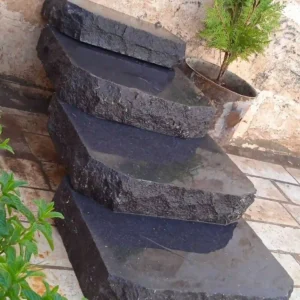
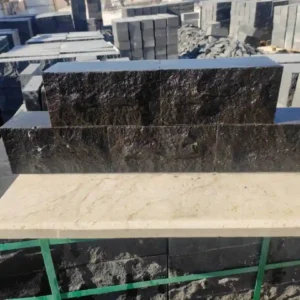
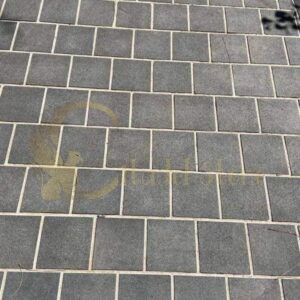
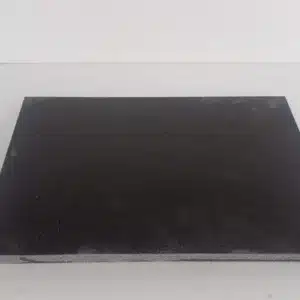
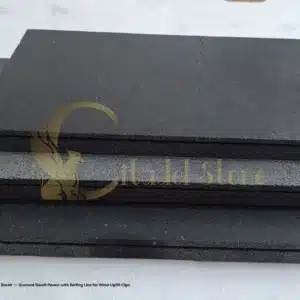
- Rustic patio slabs in darker tones — charcoal basalt, dark grey sandstone — provide strong contrast against Arizona’s pale desert landscape while managing surface heat absorption less aggressively than black concrete alternatives
Rustic brick paving in Arizona also benefits from its tonal versatility: warm sandstone and buff limestone tones complement adobe and stucco exteriors naturally, reducing the need for decorative edge treatments that add cost without structural benefit.
Shiny Paving Slabs and Polished Finishes — What Arizona Conditions Require
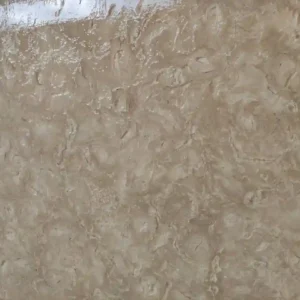
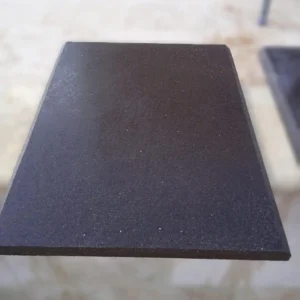
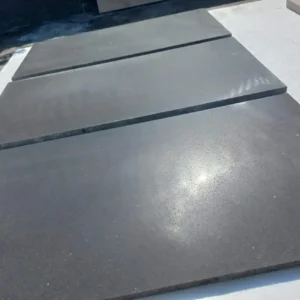
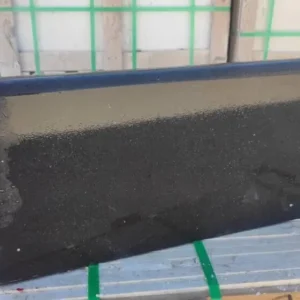
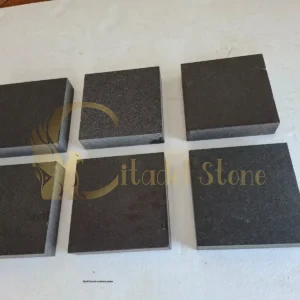
Shiny patio slabs and polished stone finishes introduce a specific set of performance considerations that don’t apply to honed or textured surfaces. The polished finish dramatically reduces surface porosity, which is beneficial for stain resistance but creates a meaningful slip risk when surfaces are wet — either from irrigation overspray, pool splash zones, or the brief but intense monsoon rain events that drop significant rainfall in short windows. Any specification for shiny paving slabs in Arizona outdoor applications should include anti-slip treatment rated to a minimum pendulum test value (PTV) of 36 in wet conditions, per the standard used by most commercial project specifications.
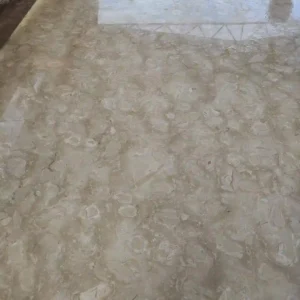
The visual payoff of shiny paving slabs is real — the reflective surface plays brilliantly against Arizona’s intense sunlight and reduces apparent surface temperature through solar reflection rather than absorption. In covered outdoor spaces, loggia installations, and transitional interior-exterior threshold applications, polished stone provides the refined finish that luxury residential and hospitality projects in Scottsdale consistently specify. The key is restricting polished finish applications to areas where wet-surface exposure is controlled or negligible. Shiny patio slabs remain a strong choice for these protected zones precisely because their sealed surface resists the iron-oxide staining that Arizona’s mineral-rich irrigation water deposits on porous stone over time.
- Specify shiny paving slabs in covered outdoor areas, interior-to-exterior thresholds, and accent banding rather than full-field exposed applications
- Anti-slip sealers designed for polished stone must be reapplied on a biennial schedule in Arizona — UV degradation accelerates sealer breakdown at rates 40–60% faster than northern climates
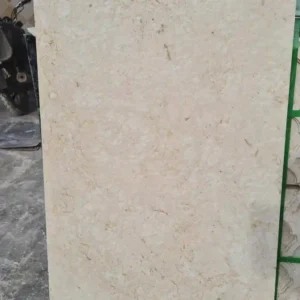
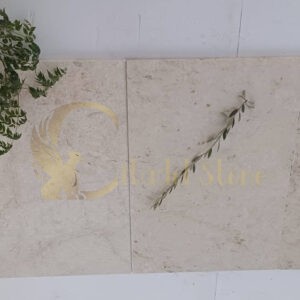
- Ivory, cream, and light grey polished limestone finishes perform exceptionally well in Arizona’s outdoor dining and entertainment terrace applications where solar reflectance assists in managing ambient temperature around seating areas
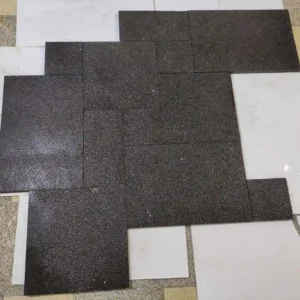
- Polished granite in dark tones retains heat significantly longer than its matte-finish equivalent — surface temperatures on unshaded polished black granite can exceed ambient air temperature by 60–70°F at peak afternoon sun
Roadway Pavers in Arizona — High-Load Specifications and Soil Demands
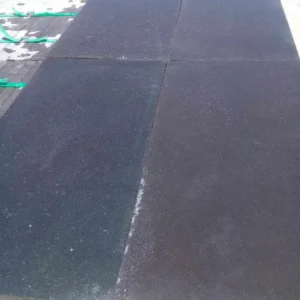
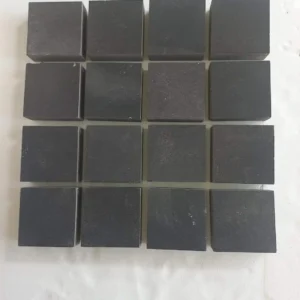
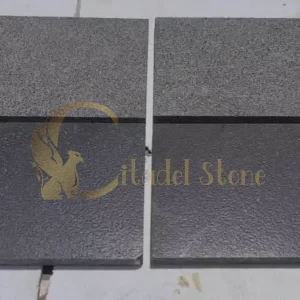
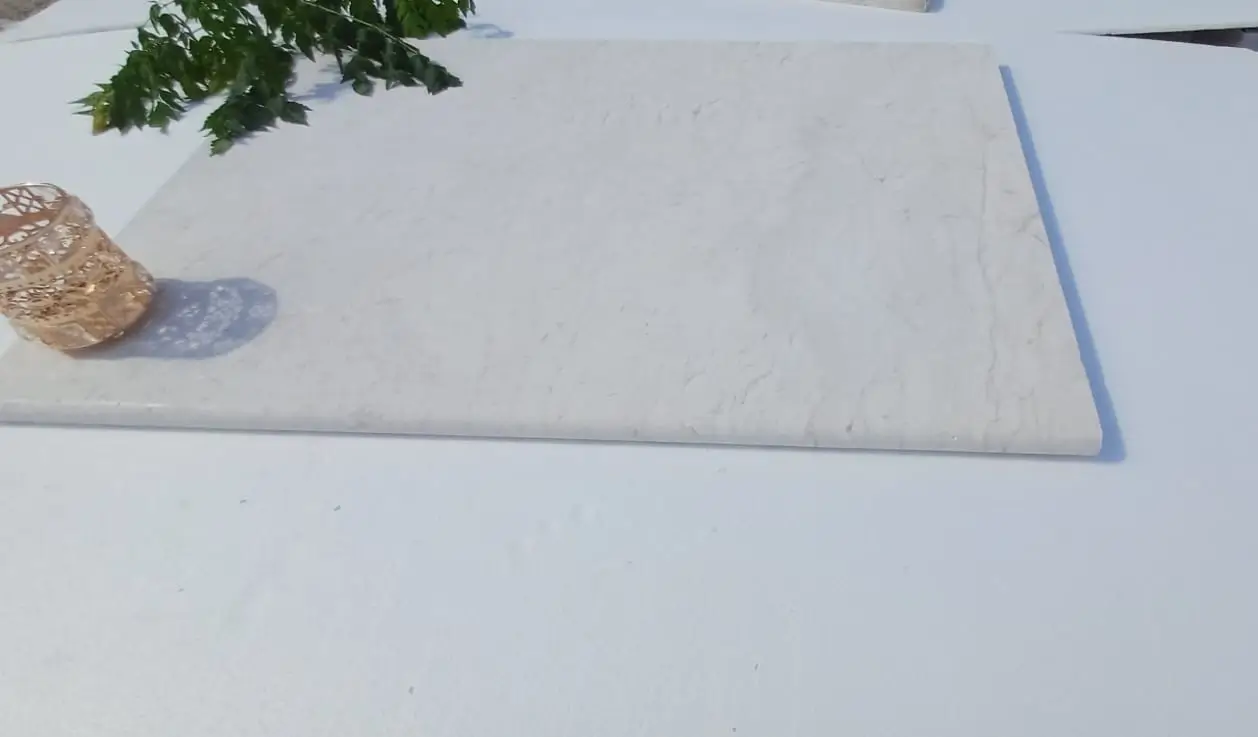
Roadway pavers in Arizona operate under a completely different specification framework than residential patio or pathway applications. The combination of heavy vehicle loads, Arizona’s thermally active subgrade, and the compaction challenges posed by the state’s diverse soil types means that a roadway paver specification that works in a moderate climate market may be fundamentally undersized here. Minimum paver thickness for roadway and heavy driveway applications in Arizona should be set at 3.15 inches (80mm) for concrete paver equivalents, or natural stone of comparable or higher compressive strength at the same thickness.
The aggregate base depth for roadway pavers needs to be engineered to the specific subgrade CBR (California Bearing Ratio) of the site soils, not estimated from a generic table. Clay-heavy subgrades in Arizona’s basin valleys commonly test at CBR values of 3–6, which requires a compacted aggregate base of 10–14 inches to distribute vehicle loads adequately. Skimping on base depth for roadway paver applications is the single most common cause of premature structural failure in Arizona commercial paving installations — the damage pattern shows as rutting and lateral displacement within two to three wet seasons.
- Roadway paver joints must be filled with high-density polymeric sand or cement-stabilized sand to prevent joint material loss under repeated dynamic loading from vehicle tires
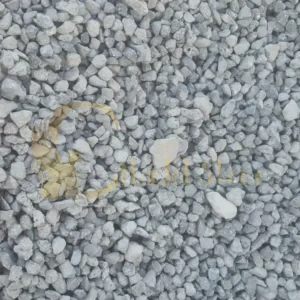
- Bedding course for roadway applications should be 1 inch of clean, angular crusher-run material — do not use pea gravel or rounded aggregate in bedding courses for any load-bearing paver application
- Inspection of the bedding course uniformity before setting pavers eliminates the most common source of localized settlement in Arizona roadway and heavy-use driveway paver installations
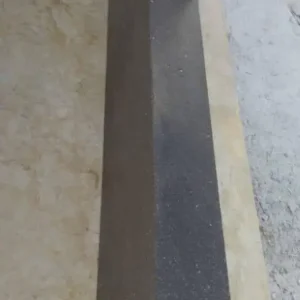
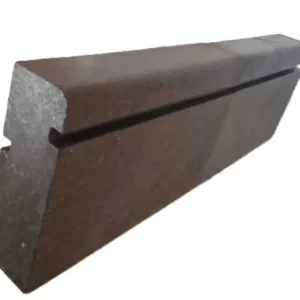
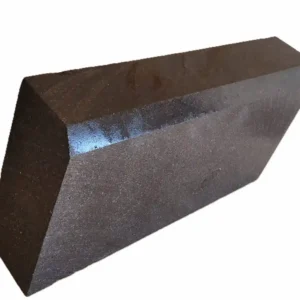
- Edge containment for roadway paver fields should be cast-in-place concrete curb with a minimum 6-inch depth — rigid paver edging systems alone are not adequate for heavy vehicle applications
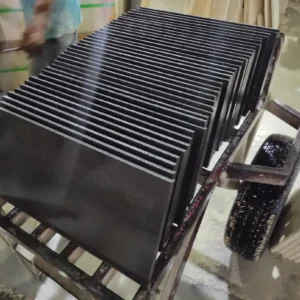
Citadel Stone’s team can advise on lead times and material specifications for roadway paver projects across Arizona. Truck delivery scheduling for large commercial volumes is coordinated from regional warehouse inventory, which typically supports project timelines without the extended lead times associated with direct-import procurement. A second truck delivery can be arranged for phased commercial projects where base preparation and paver setting are sequenced across multiple mobilizations.
Maintenance and Sealing Protocols for Arizona Paver Installations
Arizona’s UV intensity is roughly 25–30% higher than the national average, and that single factor reshapes the sealing maintenance calendar for every premium paver installation in the state. A sealer that delivers five-year protection in a Pacific Northwest climate will need reapplication every two to three years in Phoenix or Yuma’s low-desert exposure. Building this reality into your maintenance specification upfront — rather than leaving it as an afterthought in the project handoff documentation — is what keeps premium pavers in Arizona looking and performing correctly over the long term.
Penetrating silane-siloxane sealers outperform film-forming sealers for most natural stone paver applications in Arizona’s climate. Film-forming sealers trap moisture under the surface during monsoon saturation events, which leads to delamination and a whitish, hazy appearance that’s very difficult to remediate without stripping and reapplying. Penetrating sealers allow the stone to breathe, preventing that moisture entrapment while still providing the stain resistance and water repellency the installation needs.
- Initial sealing should occur 28–30 days after installation — not immediately — to allow any residual installation moisture to fully evacuate from the stone and setting bed
- Joint sand must be fully cured and stable before sealing — applying sealer over fresh polymeric sand within the first 30 days can lock in efflorescence-producing salts
- Inspect paver joints annually after each monsoon season and top-dress any eroded joint sand before the next application cycle
- In shaded areas under covered patios and pergolas, sealing intervals can be extended to four years — the UV reduction significantly slows sealer degradation in protected zones
Request Premium Pavers in Arizona Pricing — Citadel Stone Arizona
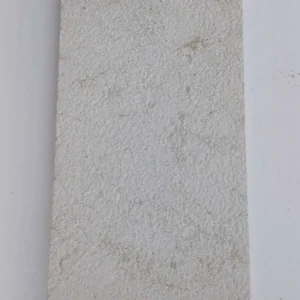
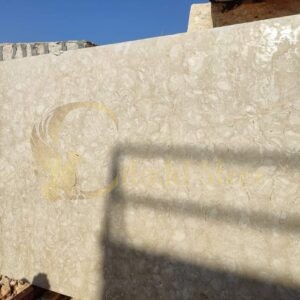
Citadel Stone offers premium pavers in Arizona in a comprehensive range of materials, finishes, and formats — from rustic brick paving and tumbled stone in natural irregular dimensions to precision-cut shiny patio slabs and large-format rustic patio slabs in 24×24 and 24×48 profiles. Standard thickness options cover 3/4 inch through 3.15 inches to support applications ranging from interior accent work through full roadway paver specification. Sample tiles, full specification sheets, and absorption data are available directly from Citadel Stone before committing material to your project budget.
Trade accounts and wholesale enquiries receive project-specific pricing based on volume, format, and delivery logistics. Citadel Stone ships premium pavers across Arizona from warehouse inventory, with standard in-stock lead times of one to two weeks for most residential and light commercial project volumes. A second warehouse location supports regional distribution for large commercial orders, and custom-cut formats typically require four to six weeks from order confirmation — your project timeline planning should account for that window when sequencing earthwork and base preparation ahead of paver delivery.
As your Arizona project moves from specification into procurement, related hardscape decisions often arise simultaneously. Roadway pavers in Arizona and heavy-use driveway surfaces share many of the same base preparation and material thickness requirements covered in this guide, and Paver Block for Road in Arizona covers complementary material specifications worth reviewing if your project includes access roads, shared traffic surfaces, or high-load driveways alongside patio and pedestrian hardscape areas. For projects across Arizona, Citadel Stone delivers premium block paving materials backed by consistent quality standards and knowledgeable support from selection through installation.